Getting Things Done (GTD) transformed how millions approach productivity by replacing mental clutter with a systematic external brain. David Allen's methodology revolves around one core insight: your mind is terrible at remembering but brilliant at recognizing and deciding.
Todoist, with its project hierarchy and filtering system, maps surprisingly well to GTD's five-stage workflow. But unlike purpose-built GTD apps, you'll need to architect your own system from Todoist's building blocks.
The GTD Method: Capture, Clarify, Organize, Reflect, Engage
GTD operates on five sequential stages that transform mental chaos into actionable clarity. Capture means getting everything out of your head into a trusted external system. Clarify involves processing each item to determine what it actually means and what action it requires. Organize sorts actionable items by context and non-actionable items into reference or someday lists.
Reflect happens during weekly reviews where you update projects, process new inputs, and ensure nothing falls through cracks. Finally, Engage means choosing actions from your organized lists based on context, energy, and priority.
This external brain approach reduces cognitive load dramatically. Instead of mentally juggling dozens of commitments, you focus entirely on the current task while trusting your system holds everything else.
Building Your GTD Architecture in Todoist
Todoist's project structure becomes your GTD foundation. Create top-level projects for major life areas: Work, Personal, Waiting For, Someday/Maybe, and Reference. Under each, build sub-projects for specific outcomes you're committed to achieving.
Labels replace GTD's context system. Create labels like @calls, @computer, @errands, @home, @office, and @low-energy. Every actionable task gets both a project and a context label. This dual organization lets you view tasks by outcome (projects) or by where you can do them (contexts).
Filters become your custom views. Build filters like "Next Actions" showing tasks due today or overdue, "Waiting For" showing delegated items, and context-specific views like "@computer & today." These filtered views replace the multiple lists that traditional GTD requires.
The Capture and Process Workflow
Todoist's inbox serves as your universal capture tool. Use quick-add shortcuts, email forwarding, and mobile widgets to dump everything into the inbox without thinking. The key is speed over precision — capture first, clarify later.
Processing happens during dedicated sessions where you empty the inbox completely. For each item, ask: Is it actionable? If yes, can you do it in under two minutes? If so, do it immediately. If not, assign it to a project with a context label and due date if needed.
Non-actionable items go to reference projects or someday/maybe lists. Delete items that aren't really important. This binary decision-making — actionable or not, do now or schedule — prevents the endless mental cycling that kills productivity.
Where Todoist Meets GTD Limits
Todoist handles GTD's core workflow well but shows limitations in advanced areas. Natural project planning — the six-level GTD hierarchy from purpose to next actions — requires manual maintenance since Todoist doesn't enforce this structure. You'll need discipline to regularly review higher levels of your projects.
The weekly review, GTD's critical maintenance ritual, lacks built-in support. Todoist won't automatically prompt you to review someday/maybe items or reassess project commitments. You'll need external reminders and personal discipline to maintain the system.
Reference material storage works through Todoist's comments and file attachments, but it's not as robust as dedicated reference systems. For extensive reference libraries, you'll likely need separate tools integrated through links in your Todoist projects.
TaskLoco's Natural GTD Fit
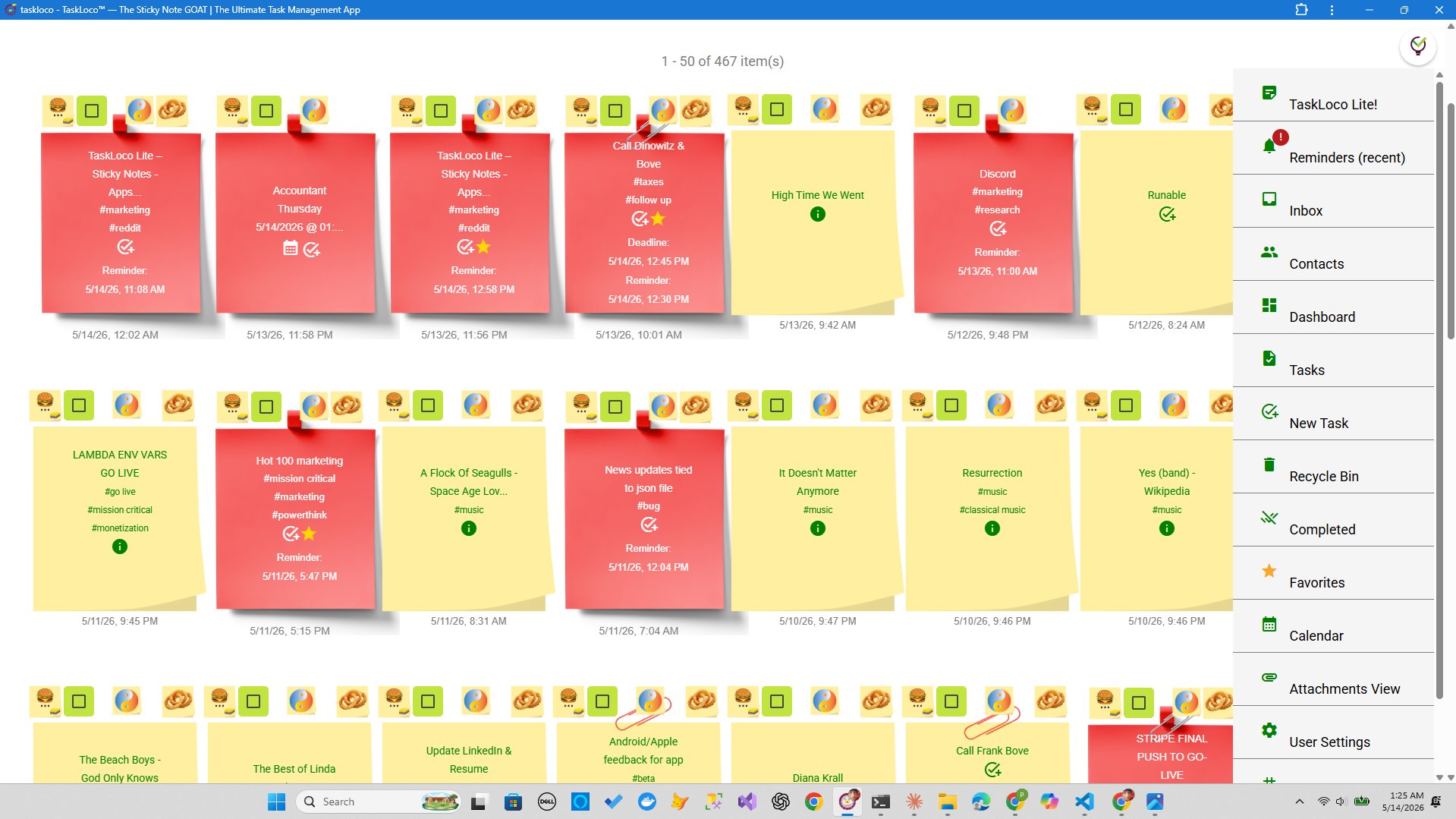
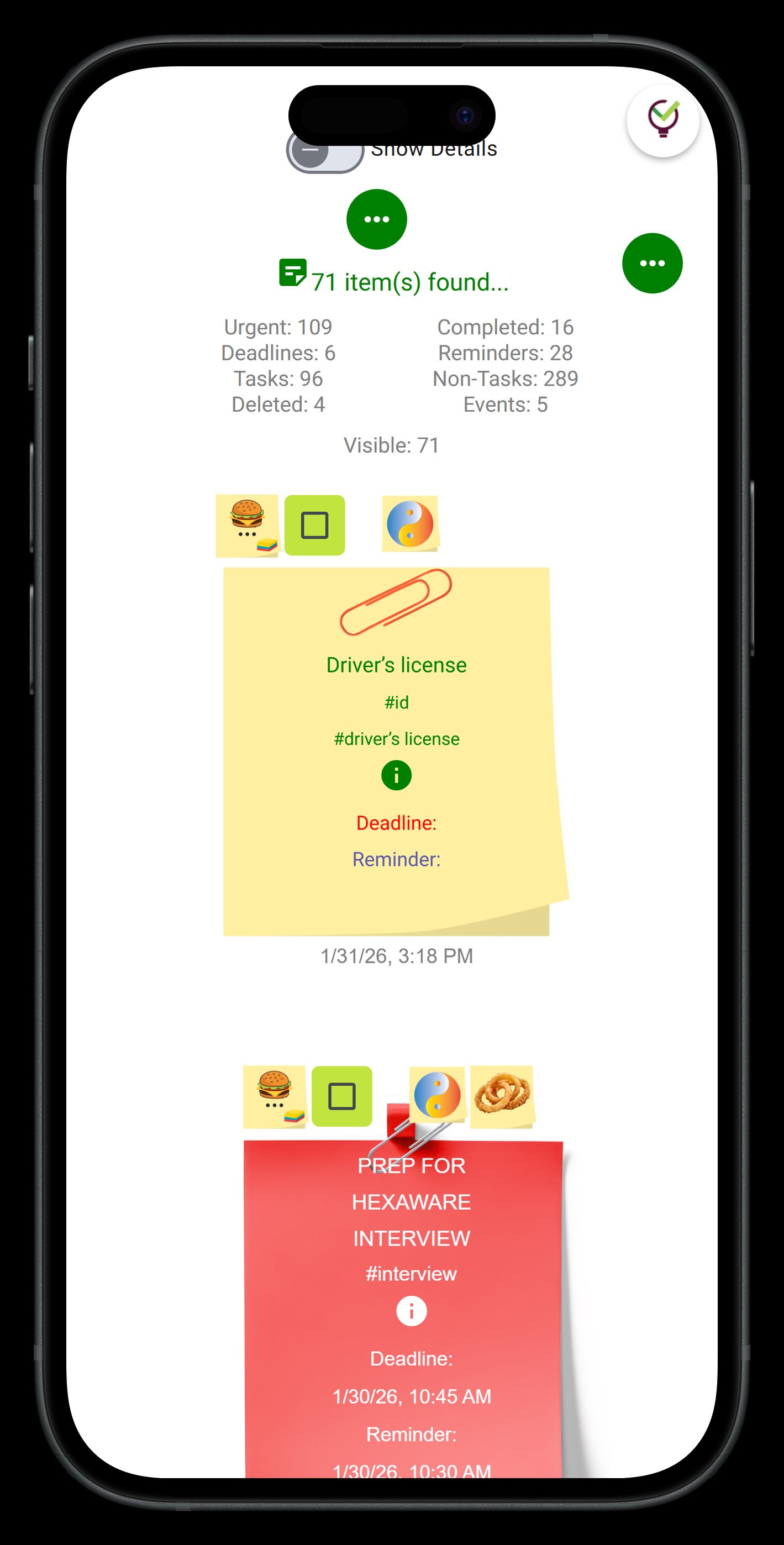
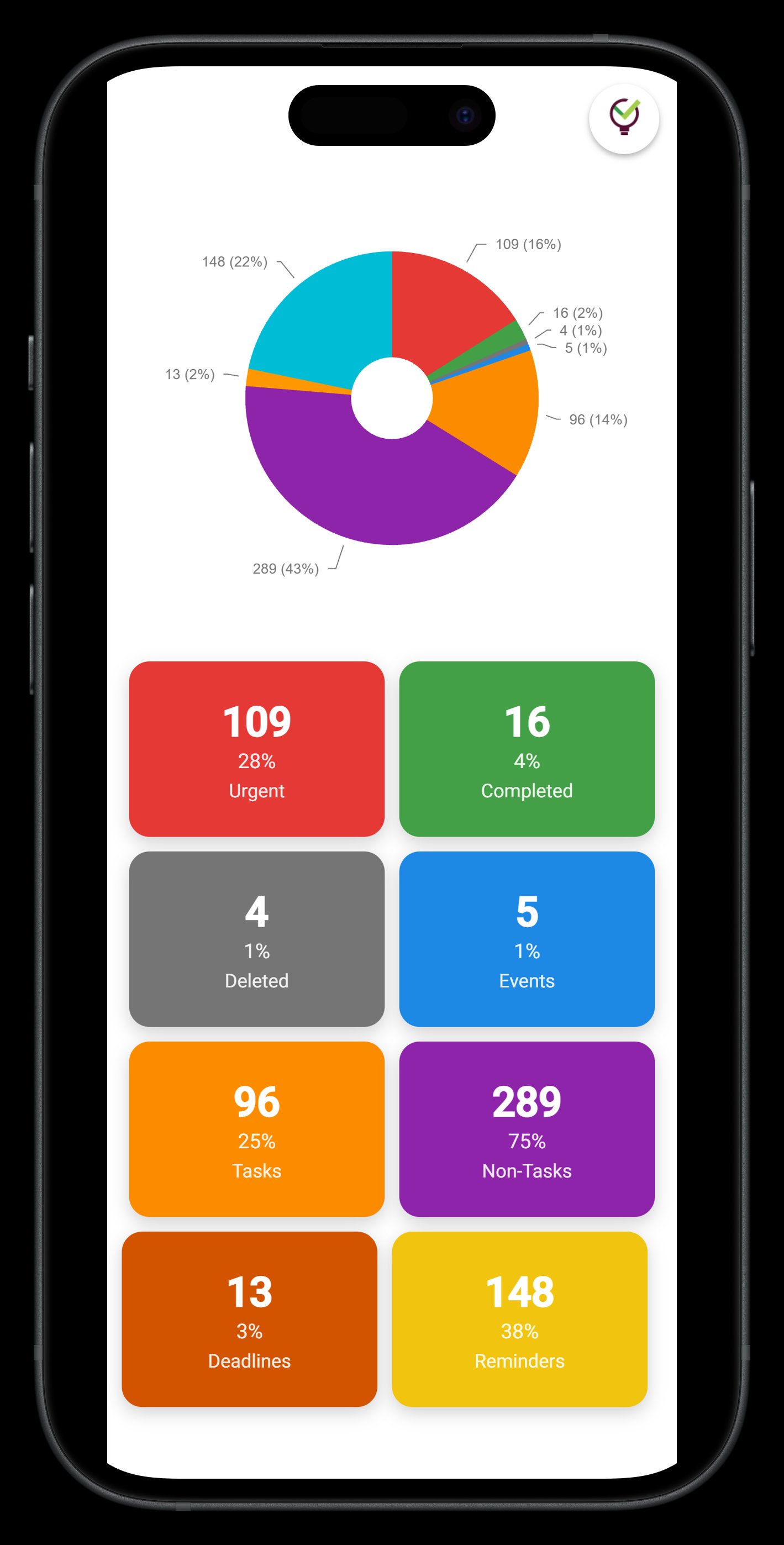
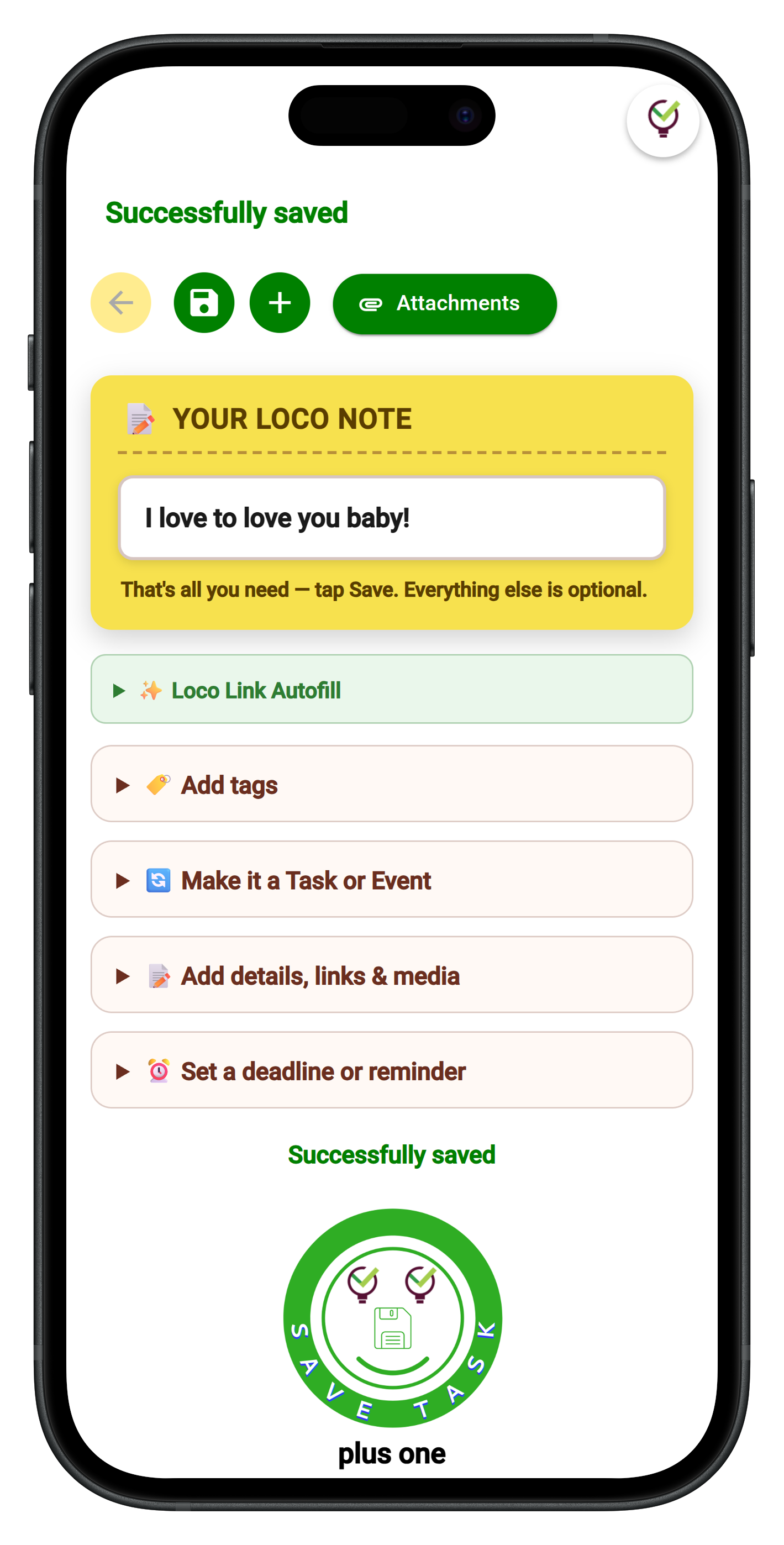
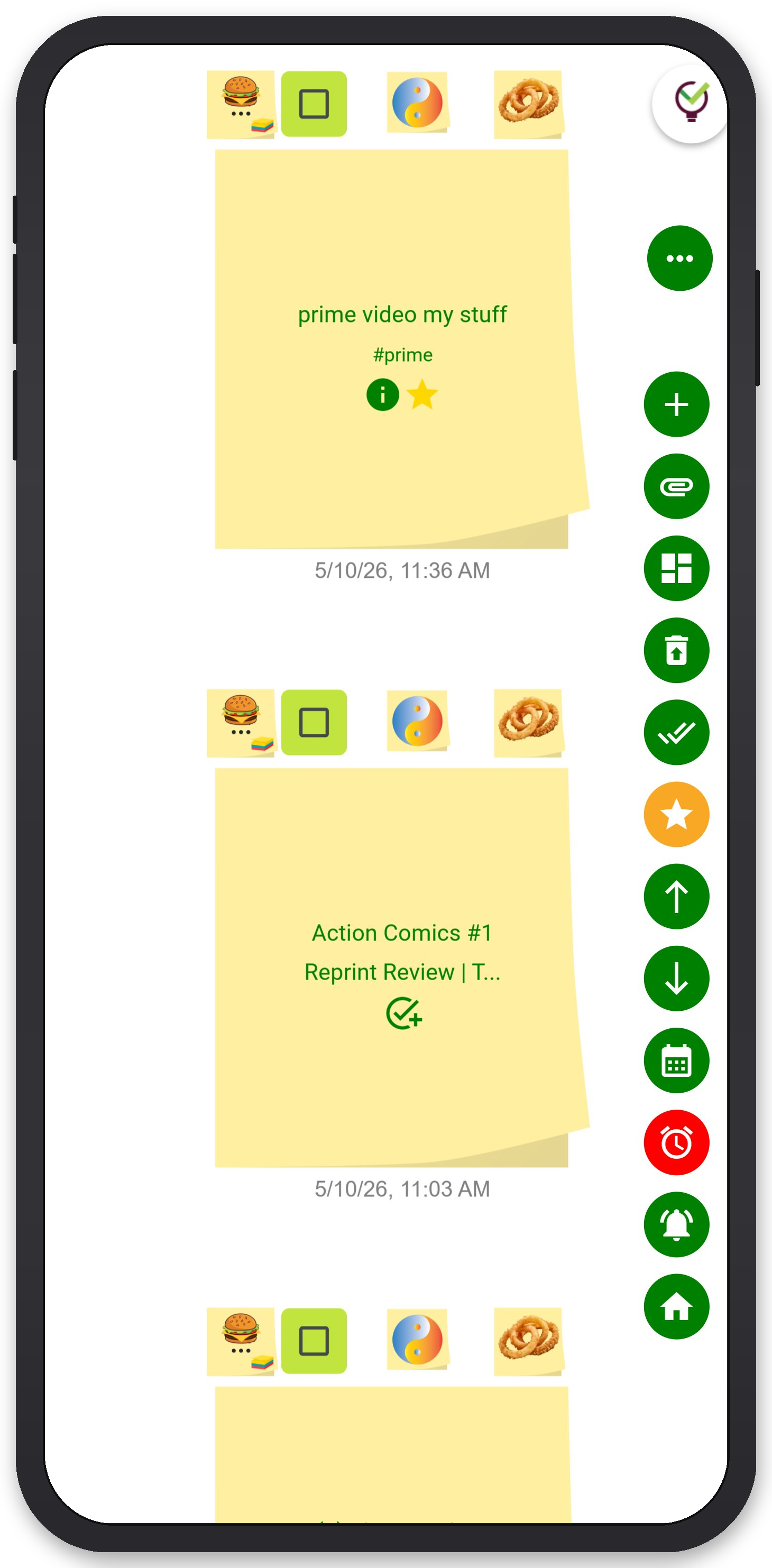
While Todoist requires architectural setup, TaskLoco's sticky note approach mirrors how many people naturally capture thoughts. Each note becomes a self-contained project or action with attached context, files, and reminders built in. The visual wall layout lets you see everything at once — closer to GTD's physical origins.
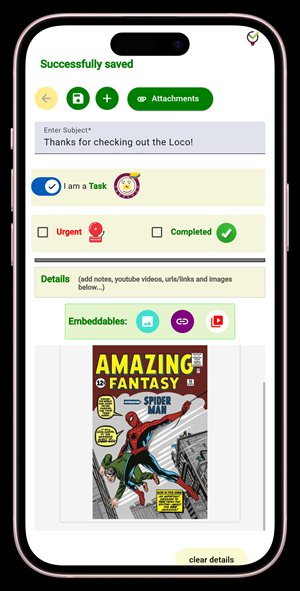
TaskLoco's reminders deep-link back to original notes, maintaining the connection between scheduled actions and their project context. File attachments keep reference materials with related tasks, reducing the external tool complexity that Todoist setups often require.
TaskLoco Premium is regularly $9.99/month per person. Right now, charter members can lock in 50% off the regular price — forever. That means $4.99/month per person today. And if our price ever goes up, you still pay half. Always.
Code CHARTER50 auto-applies at checkout. First 500 spots only — once they're gone, this offer is gone permanently. Act fast while spots last.
Every Premium subscription includes unlimited notes, 10GB file storage, reminders, calendar, and team sharing. Each team member requires a separate subscription. 7-day free trial — no charge until day 8. Cancel anytime.
Free Options: TaskLoco
TaskLoco Lite
- Native iPhone & Android app
- Completely anonymous — no sign-in
- Data stays on your device
- Up to 20 notes
- Free forever
TaskLoco Lite Plus+
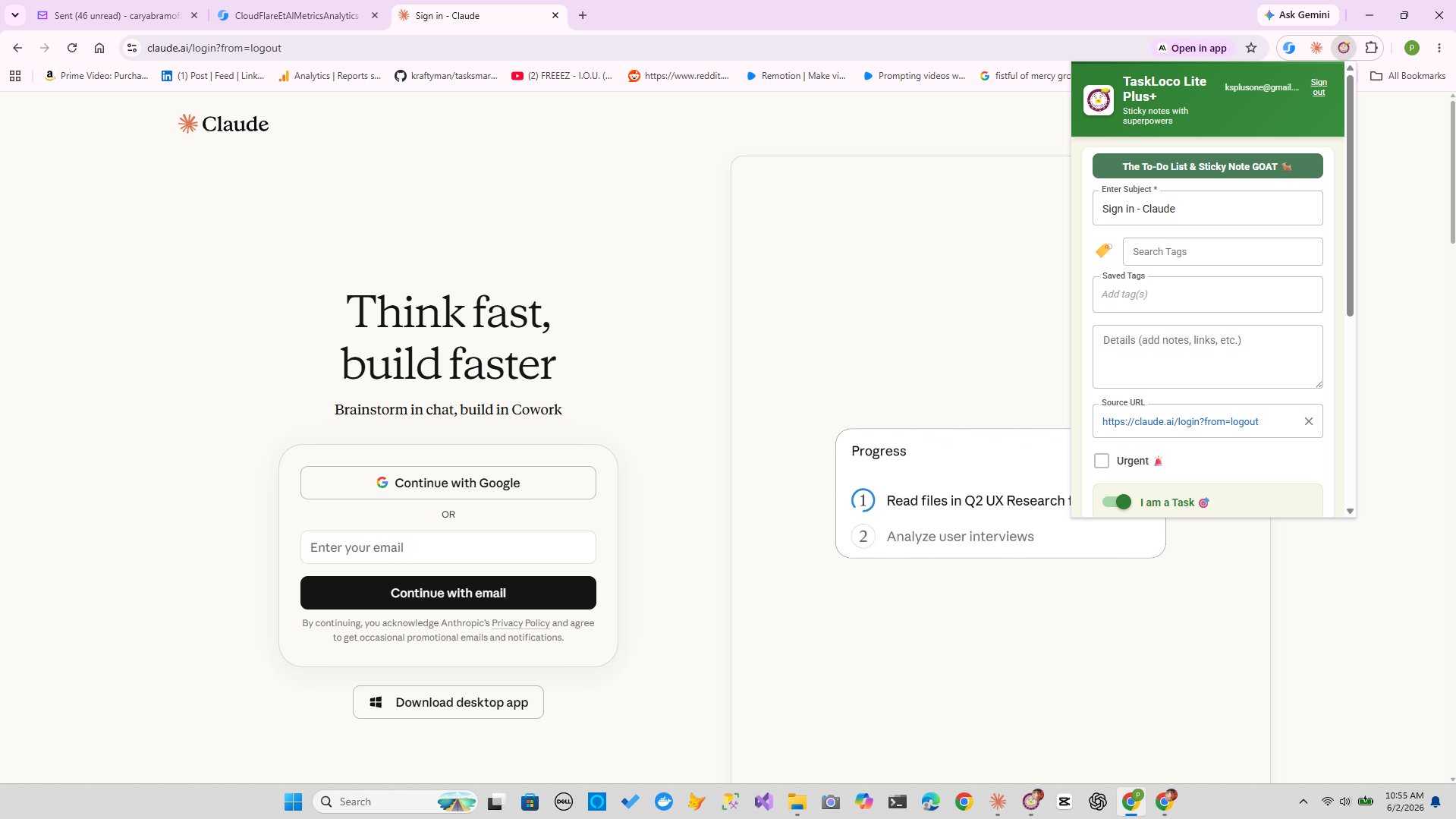
- Web app + Chrome extension
- Sign in with Google
- Wall syncs across all devices
- Up to 30 notes
- Free forever
Lock In 50% Off — Forever
7-day free trial. No charge until day 8. CHARTER50 auto-applies at checkout.
🔒 Lock In My Charter SpotSee TaskLoco in Action
Frequently Asked Questions
Can you really implement full GTD in Todoist?
Yes, Todoist handles the core GTD workflow well through projects, labels, and filters. You'll need to build the architecture yourself and maintain discipline around weekly reviews, but the five-stage process works effectively within Todoist's structure.
How do you set up GTD contexts in Todoist?
Use Todoist labels for contexts like @calls, @computer, @errands, @home. Apply both project and context labels to every task, then create filtered views showing tasks by context. This replaces traditional GTD context lists.
What's the best way to handle GTD weekly reviews in Todoist?
Todoist doesn't automate this, so you need external calendar reminders and personal discipline.
How do you manage reference materials with GTD in Todoist?
Create reference projects and use task comments plus file attachments for storing reference materials. For extensive libraries, link to external storage systems like Google Drive or Notion from within your Todoist reference projects.
Should you use Todoist's natural language processing for GTD?
Natural language input works well for quick capture, but be careful with automatic date parsing during processing. GTD emphasizes conscious decision-making about when tasks should be done, not automatic scheduling based on casual language.
What are the main limitations of GTD with Todoist?
Todoist lacks built-in weekly review prompts, doesn't enforce GTD's six-level project hierarchy, and requires manual maintenance of the someday/maybe review cycle. Reference storage is basic compared to dedicated knowledge management tools.
How does TaskLoco compare for GTD implementation?
TaskLoco's note-based approach feels more natural for GTD's original paper-based concepts. Each note contains tasks, files, and context together, while reminders deep-link back to maintain project connections. $9.99/month per person (currently $4.99/month per person for first 500 charter members with code CHARTER50)
Born in Brooklyn. Powered by AWS. Your data stays yours.
TaskLoco is available on iPhone, Android, Chrome, and every web browser.