You haven't done nothing. You've answered emails, sat through meetings, maybe even crossed a few things off a list. But by 4pm there's this low-level dread — the feeling that none of it was the real work. That tomorrow's version of you will be just as stuck. That's not laziness. That's the quiet panic of feeling unproductive, and it's one of the most common experiences among people who care deeply about their work.
The trap is that this feeling tends to make you less productive, not more. You spend mental energy cataloging what you didn't do rather than doing the next thing. Understanding why this happens — and having a concrete system to interrupt it — is more valuable than any productivity hack you'll find on a listicle.
What Actually Causes the Feeling of Being Unproductive
The feeling of unproductivity rarely means you did nothing. It usually means one of three things: your effort was invisible, your tasks were unclear, or the gap between what you intended and what you completed felt too wide to close.
Invisible effort is the most insidious. Deep thinking, research, making a hard decision — these are genuinely productive acts that leave no trace. At the end of the day, they don't show up on a list. Your brain has no receipt. So it defaults to: did I do anything?
Unclear tasks create a different kind of paralysis. When you can't articulate what "done" looks like, starting feels pointless. You open a document, close it, check Slack, open the document again. The work hasn't changed — your relationship to it has become adversarial.
The intention gap might be the most common. You started the day with a mental image of what you'd accomplish. By noon, reality intervened — an urgent request, a longer meeting, a task that ballooned. Instead of recalibrating, you carry the original plan as debt. Everything you do for the rest of the day feels like it doesn't count because it wasn't the plan.
Why Getting External — Writing Things Down — Changes Everything
The research on this is consistent: externalizing your tasks — getting them out of your head and into a visible system — reduces cognitive load and anxiety. Your brain is not a good storage device. It's a good processing device. When you force it to also store an ever-shifting list of unfinished obligations, it spends background cycles just keeping track. That's mental bandwidth that could go toward actually doing the work.
This is why something as simple as writing a task on a sticky note can feel like a small relief. It's not the note that matters — it's the act of committing the thought to something external. Now your brain can let go of the job of remembering it.
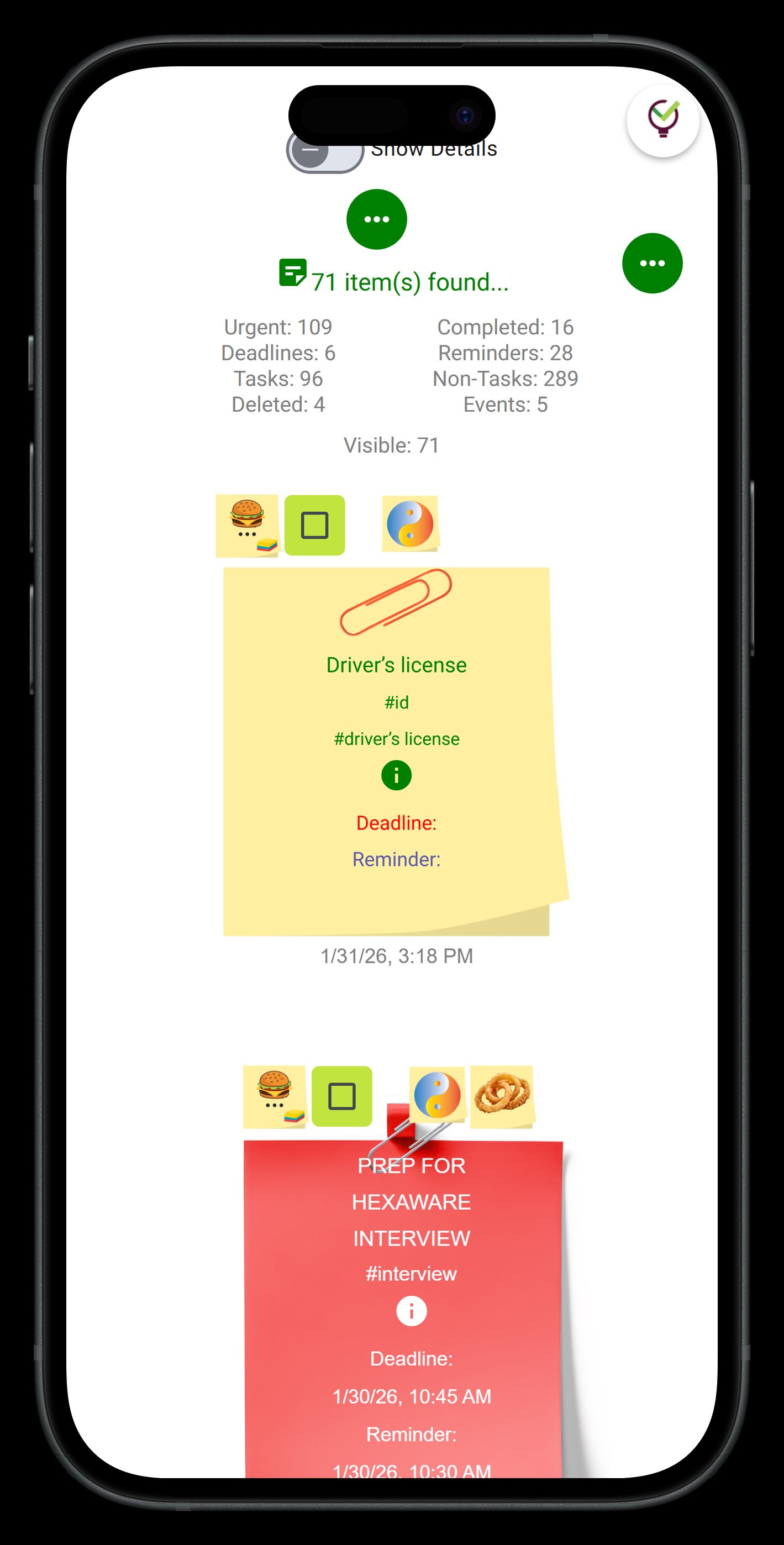
But a single sticky note on your monitor only gets you so far. The real gain comes when your external system has structure: you can see all your tasks at once, rearrange them by priority, attach context (files, links, deadlines), and get reminded at the right moment. At that point, you're not just offloading memory — you're building a workspace that works with how you actually think.
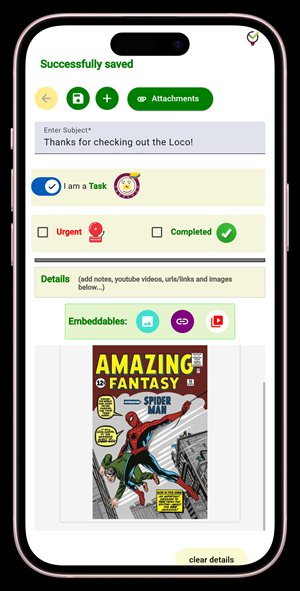
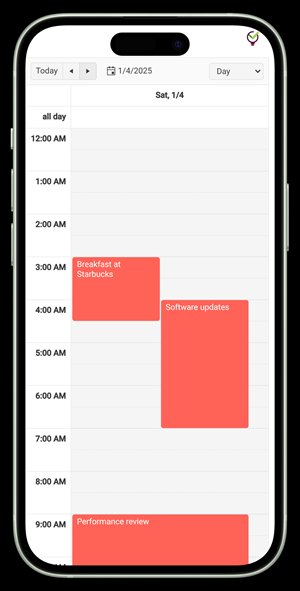
TaskLoco is built around exactly this principle. It starts with the visual language of sticky notes — familiar, fast, zero learning curve — and layers in everything a real workflow needs: reminders delivered as push notifications straight to your phone and computer, 10GB of file storage so your context lives with your tasks, a calendar view to see your commitments in time, and team sharing so nothing lives in a silo. Every reminder deep-links back to the original note, so you always land in context — not just an alert with no anchor.
The Role of Visibility: Seeing Your Work Changes How You Feel About It
One underrated reason people feel unproductive is that their work is invisible to them. Tasks exist in email threads, in their head, in a dozen disconnected tools. There's no single view that says: here's everything you're carrying. Here's what's done. Here's what's next.
Visibility is not just an organizational nicety — it's a psychological anchor. When you can see your work laid out in front of you, you can assess it rationally. The load that felt crushing in your head often looks manageable when it's on a wall of notes you can rearrange, prioritize, and check off. And the progress that felt invisible becomes concrete: those completed notes are evidence you did something today.
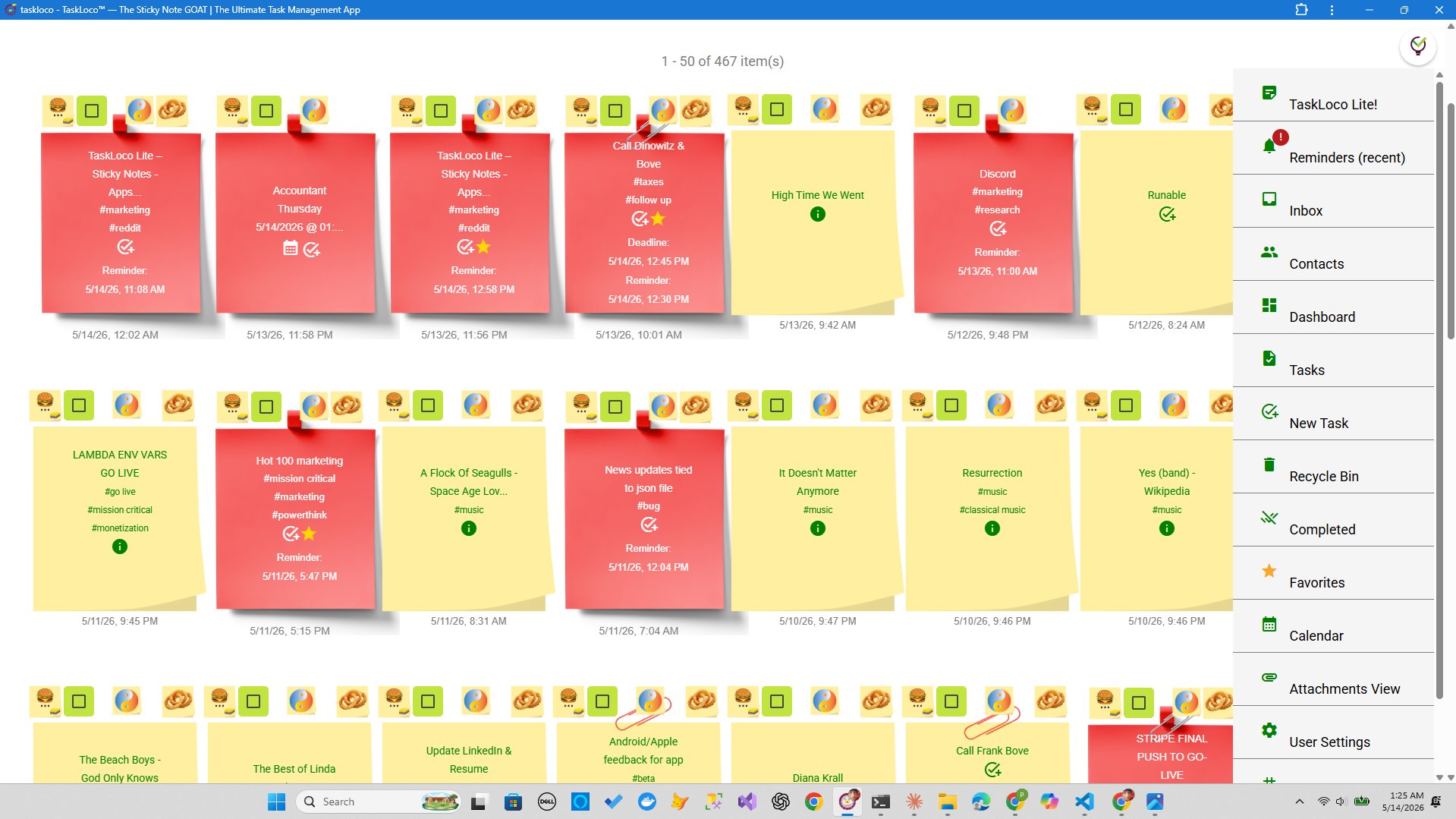
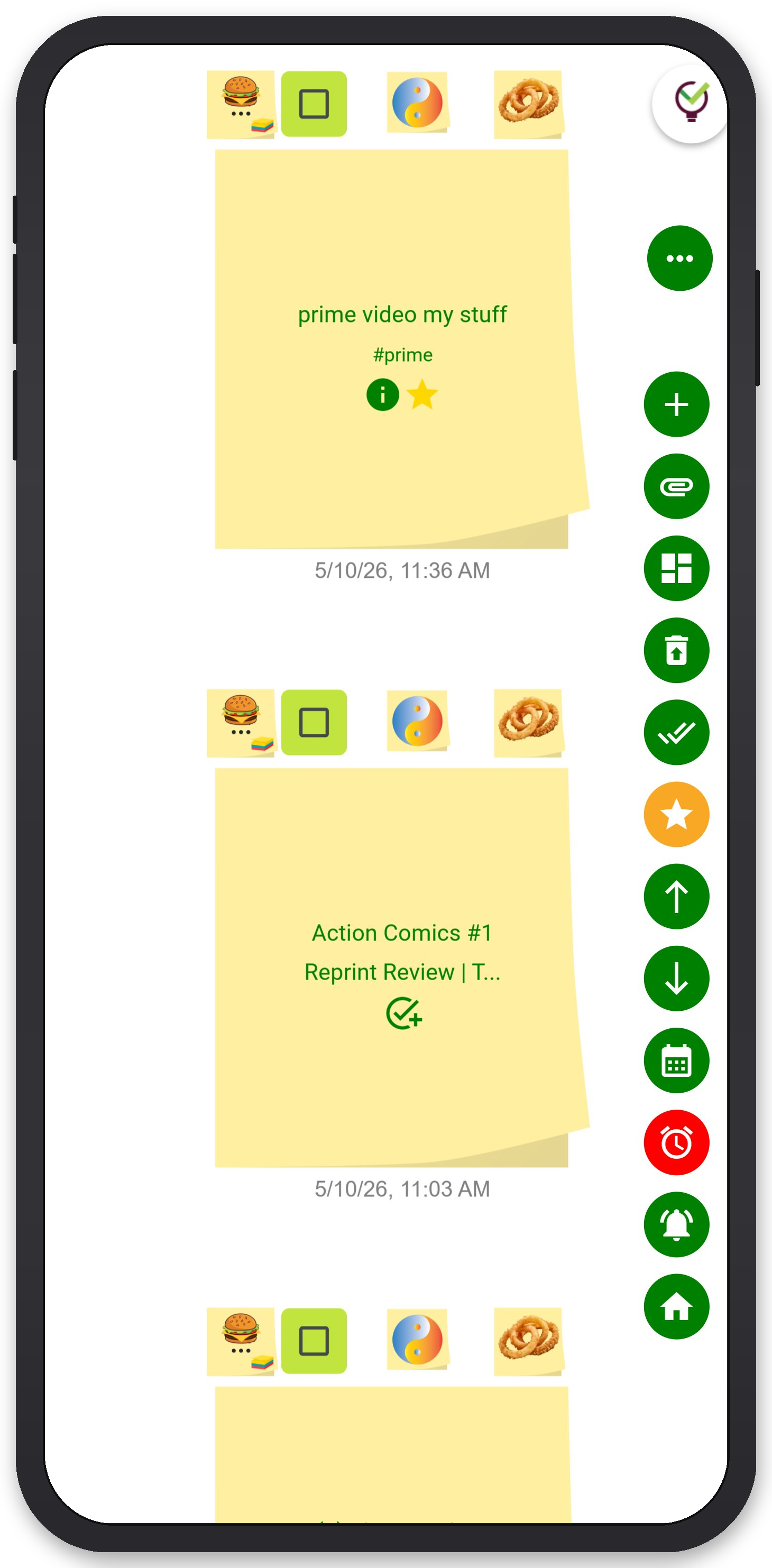
This is the core idea behind TaskLoco's wall view — a visual canvas of sticky notes you can organize however your brain works. Cluster by project, by urgency, by person, by whatever. Add files directly to notes so the context travels with the task. Attach reminders so the right note surfaces at the right moment as a push notification — not just an email you'll archive — with a direct link back to the note itself.
If you work with other people, the team sharing in Premium works the way sharing should: recipients can clone a shared note and make it fully their own, no permissions management, no access levels to configure. It works like forwarding an email — except the note comes with all its attachments and context intact.
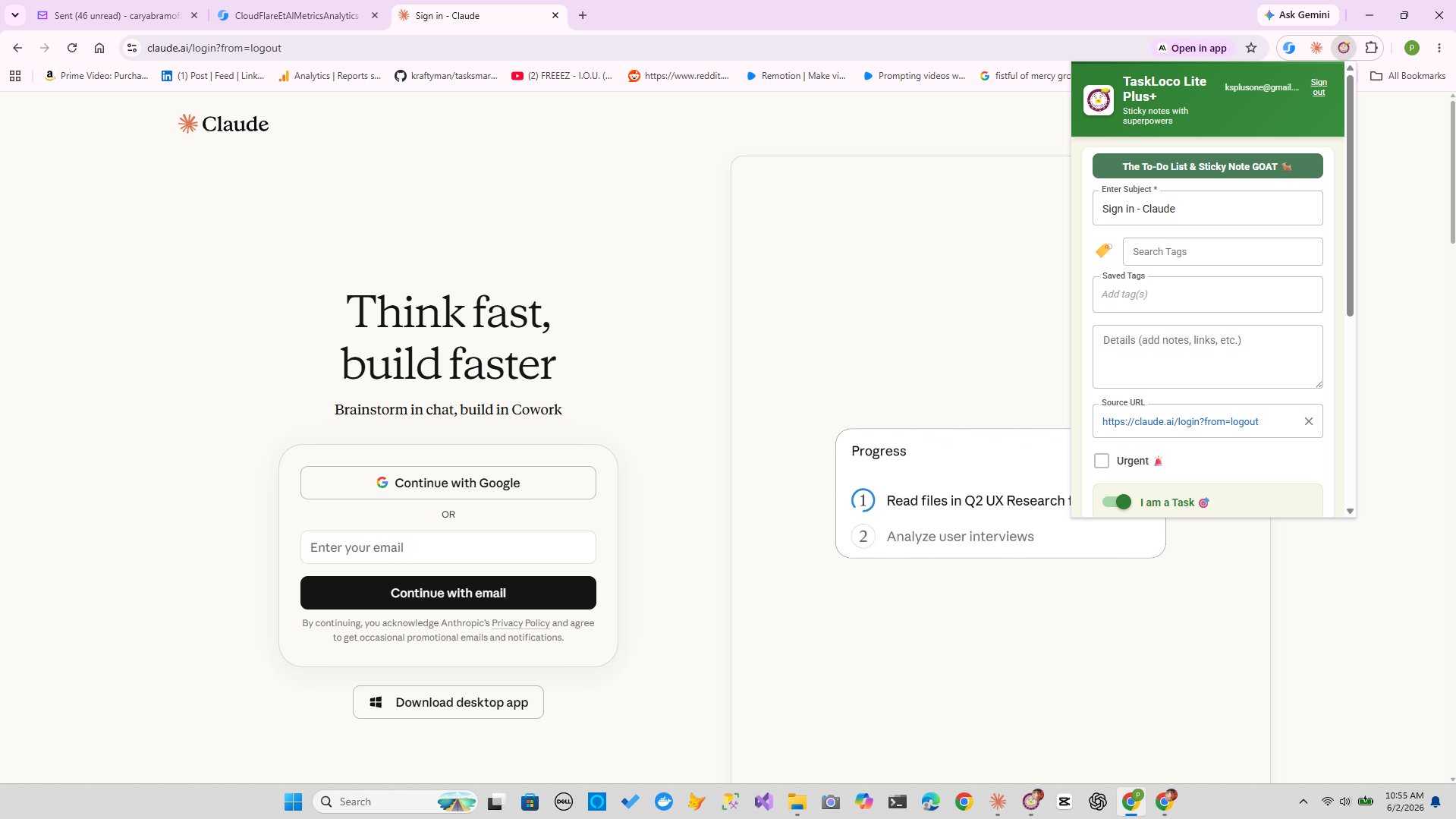
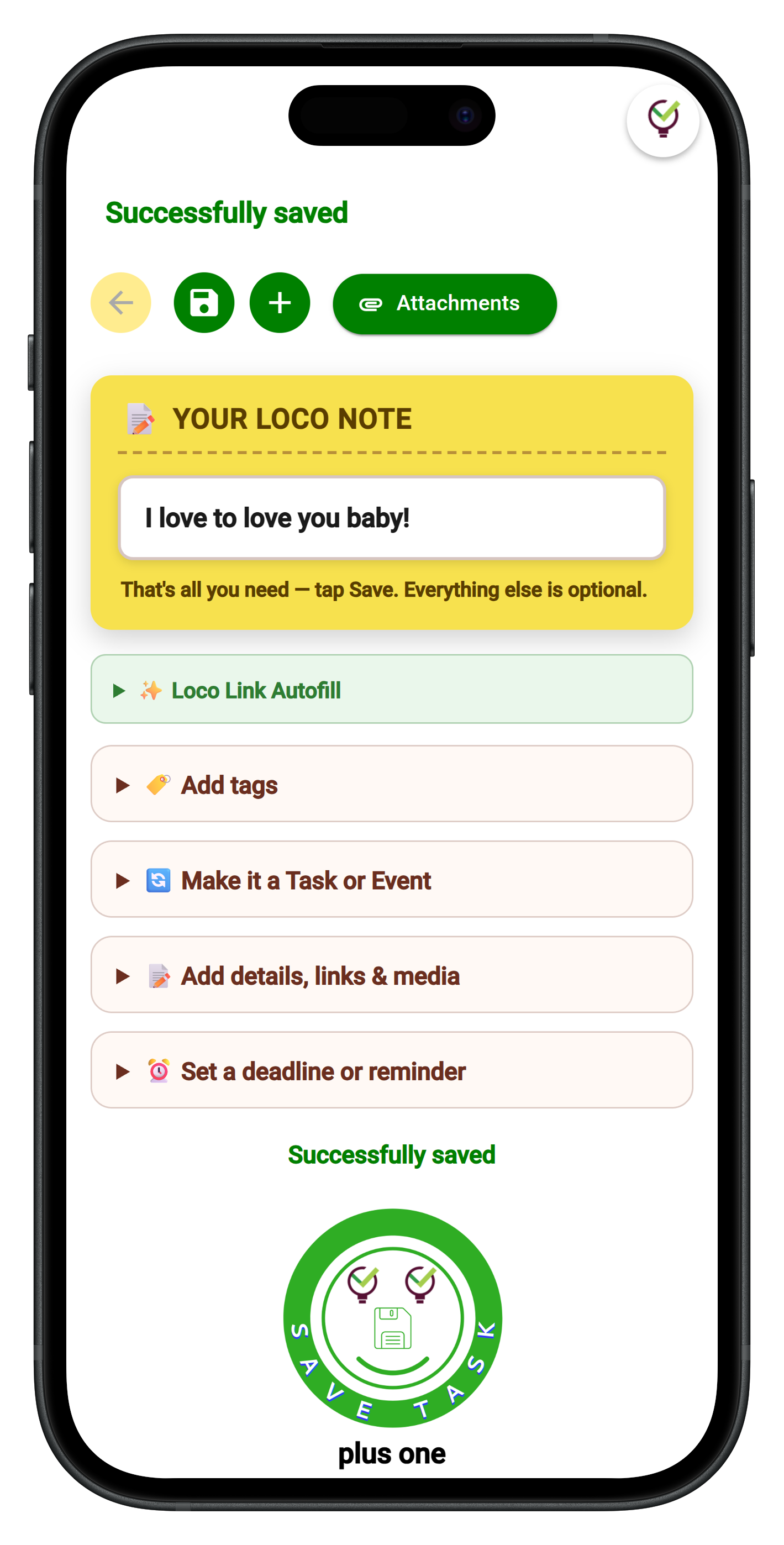
If you're in the middle of the spiral right now, the move isn't to find a better system. It's to use any system, consistently, starting today. TaskLoco's free tiers mean there's nothing standing between you and getting started. The native Lite app asks for no sign-in, no account — just open it and start writing things down. That's the whole first step.
TaskLoco Premium is regularly $9.99/month per person. Right now, charter members can lock in 50% off the regular price — forever. That means $4.99/month per person today. And if our price ever goes up, you still pay half. Always.
Code CHARTER50 auto-applies at checkout. First 500 spots only — once they're gone, this offer is gone permanently. Act fast while spots last.
Every Premium subscription includes unlimited notes, 10GB file storage, reminders, calendar, and team sharing. Each team member requires a separate subscription. 7-day free trial — no charge until day 8. Cancel anytime.
Free Options: TaskLoco
TaskLoco Lite
- Native iPhone & Android app
- Completely anonymous — no sign-in
- Data stays on your device
- Up to 20 notes
- Free forever
TaskLoco Lite Plus+
- Web app + Chrome extension
- Sign in with Google
- Wall syncs across all devices
- Up to 30 notes
- Free forever
Lock In 50% Off — Forever
7-day free trial. No charge until day 8. CHARTER50 auto-applies at checkout.
🔒 Lock In My Charter SpotSee TaskLoco in Action
Frequently Asked Questions
Why do I feel unproductive even when I'm busy all day?
Busyness and productivity aren't the same thing. You can be in motion all day — answering messages, attending meetings, handling small tasks — and still feel like nothing important moved. The feeling usually points to one of three things: your effort was invisible (thinking and deciding leave no trace), your tasks were too vague to feel completable, or the gap between what you planned and what actually happened felt too wide to reconcile. The fix isn't working harder — it's making work visible and choosing one concrete next action at a time.
Is feeling unproductive a sign of anxiety or depression?
It can be a symptom of both, but it isn't diagnostic on its own. Feeling unproductive is extremely common among high-functioning people who care about their work. If the feeling is persistent, accompanied by low mood, difficulty concentrating, or loss of interest in things you used to enjoy, it's worth talking to a mental health professional. But for most people, it's a signal that their task management system has broken down — not a sign of a deeper problem. External structure (writing things down, creating visible priorities) is one of the most reliable ways to interrupt the spiral.
What's the fastest way to stop feeling overwhelmed and unproductive?
The fastest pattern interrupt is a brain dump: write down every open loop in your head — tasks, worries, ideas, commitments — without filtering or prioritizing. Just get them external. Then pick one thing with a concrete next physical action and do only that for 25–30 minutes. The goal isn't to fix the whole list — it's to create evidence of momentum. Once you've done one thing, starting the next is dramatically easier. An app like TaskLoco makes this frictionless: you can open the native Lite app on your phone with no sign-in and start capturing immediately.
Does writing tasks down actually help with productivity?
Yes — consistently, across a wide body of research. Your working memory has a limited capacity, and keeping an unfinished task in mind consumes part of it even when you're not actively thinking about the task. Writing it down signals to your brain that it can release that background processing. The result is reduced cognitive load, less anxiety, and more mental bandwidth for actual work. The key is that the external system has to be trustworthy — you have to believe the thing you wrote down will surface at the right time, which is why reminders matter as much as note-taking.
How do I stop the end-of-day feeling that I didn't accomplish anything?
Two things help most. First, spend two minutes at the end of each day writing down what you actually completed — not what you planned to do, what you actually did. Your brain won't do this automatically; you have to give it the evidence. Second, write down your top three priorities for tomorrow before you close your laptop. This prevents the morning ambiguity that leads to reactive, low-value work filling your day. Keeping both lists in the same place — ideally attached to each other as notes — makes the habit sustainable.
Can a productivity app actually help with feeling unproductive, or is it just more overhead?
It depends entirely on the app. A complex system with steep learning curves, lots of required fields, and elaborate project structures adds overhead and often makes the problem worse — you end up maintaining the system instead of doing the work. What helps is an app that's fast to open, fast to add something to, and reliable enough that you trust it to surface the right thing at the right time. TaskLoco is built around this: the native app requires no sign-in and no account, so the barrier to capturing a thought is essentially zero. Premium adds reminders (delivered as push notifications that deep-link back to the original note), file attachments, and a calendar view — everything you need, nothing you don't.
What's the difference between being productive and feeling productive?
Being productive means meaningful work got done. Feeling productive means your brain registered that meaningful work got done. The gap between these two is real and important. You can do genuinely important work — thinking through a hard problem, making a consequential decision, having a difficult conversation — and feel like you accomplished nothing because nothing was checked off a list. Making your work visible (writing it down before you do it, marking it complete when you finish) closes this gap. It's not about gaming your psychology — it's about giving your brain the information it needs to accurately assess the day.
Born in Brooklyn. Powered by AWS. Your data stays yours.
TaskLoco is available on iPhone, Android, Chrome, and every web browser.