Most productivity advice focuses on the destination: the launched product, the completed project, the cleared inbox. But the research says the destination isn't what keeps people engaged. It's the journey — specifically, the moment-to-moment feeling that you're moving forward. That's the Progress Principle, and once you understand it, you'll never think about your to-do list the same way again.
Harvard Business School researcher Teresa Amabile and psychologist Steven Kramer spent years studying the inner work lives of knowledge workers. Their finding was blunt and surprising: the single biggest driver of positive emotion, motivation, and creative output on any given workday was making progress on meaningful work — even if that progress was small. Not praise. Not money. Not a big milestone. Just forward movement. If you've ever felt inexplicably good after crossing three minor items off a list, this is exactly why.
What the Progress Principle Actually Says
Amabile and Kramer's research, published in their 2011 book The Progress Principle, analyzed nearly 12,000 diary entries from 238 knowledge workers across seven companies. The data was unambiguous: on days when people reported meaningful forward movement — even minor progress — they were more engaged, more creative, and in a better mood. On days when they felt stuck or blocked, the opposite was true. Setbacks had an even stronger negative effect than progress had a positive one, which means protecting your sense of forward movement matters more than most managers realize.
Three things drive progress in Amabile and Kramer's model. First, meaningful work — people need to feel that what they're doing matters, even in a small way. Second, autonomy — being able to make decisions about how you work, not just what you work on. Third, clear, achievable milestones — big goals must be broken into pieces small enough to actually cross off. When all three are present, the inner work life of an employee — the ongoing stream of perceptions, emotions, and motivations — stays positive. When they're absent, performance quietly collapses.
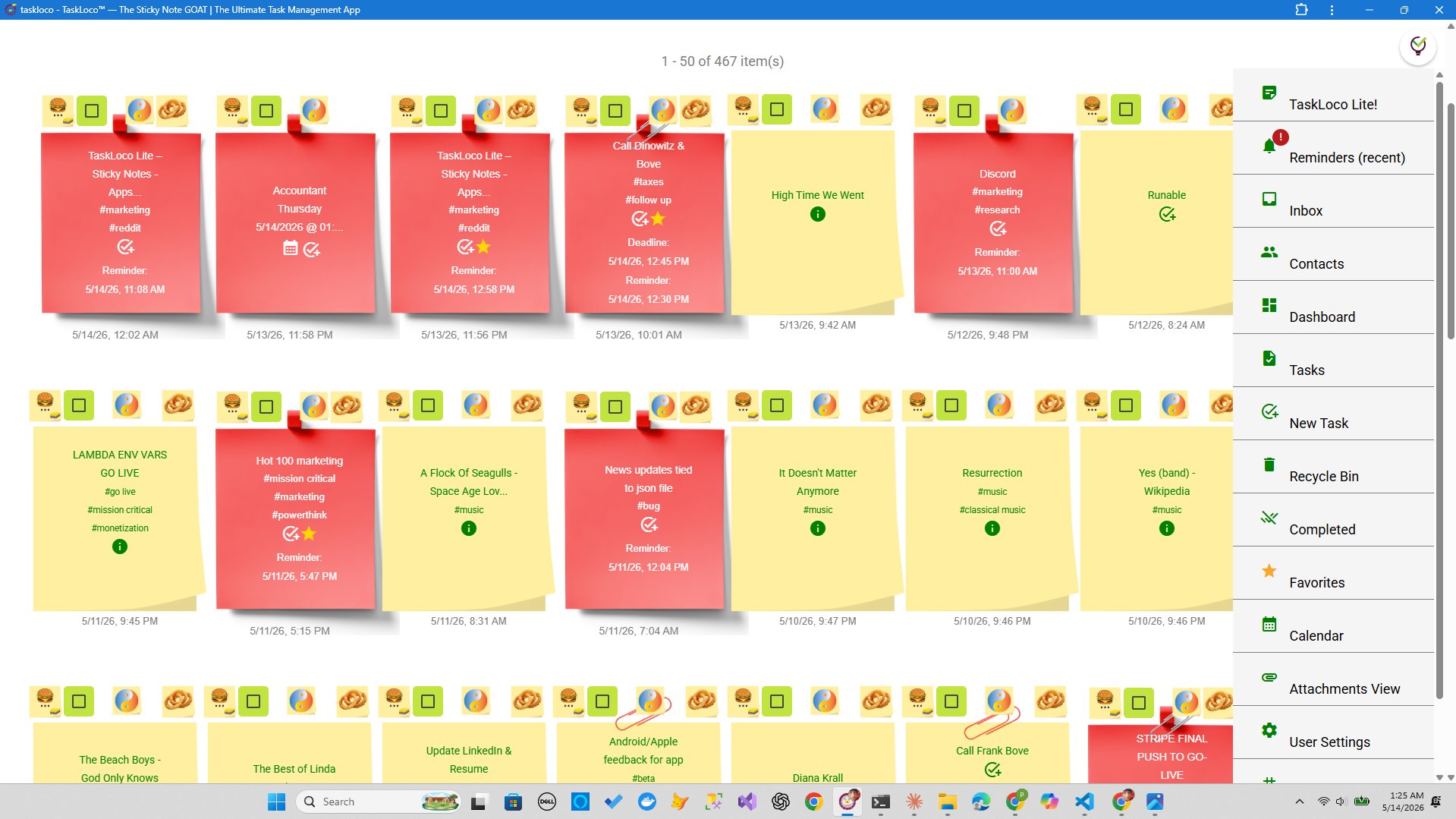
The principle applies whether you're a solo freelancer, a product manager, or running a team. The mechanism is the same: your brain registers visible closure as a reward signal. Tasks that disappear when done, notes that get marked complete, items that visually move from 'doing' to 'done' — these aren't just organizational tidiness. They're neurological fuel.
How to Apply the Progress Principle Every Day
Understanding the theory is easy. Building a system that actually produces that daily sense of forward movement is harder. Here's what the research and practice both point to.
Break big goals into small, completable tasks. A task that takes three weeks can't give you a daily progress signal. Decompose it. 'Launch new website' becomes 'write homepage headline,' 'review three competitor homepages,' 'brief the designer on color palette.' Each of those is a day's work, and each one you finish delivers a genuine progress hit.
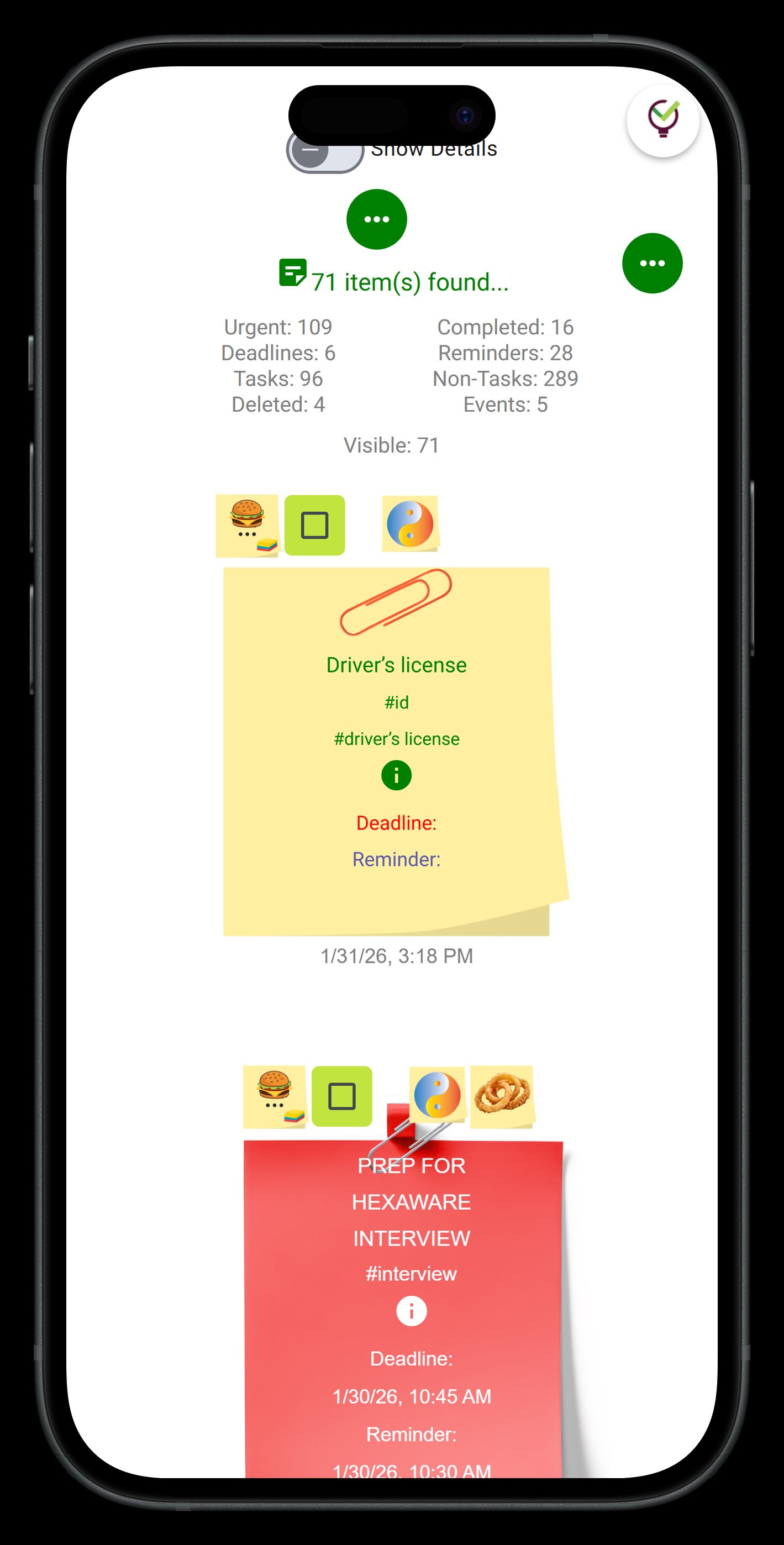
Make your work visible. The Progress Principle isn't just about doing work — it's about seeing that you did it. A mental note that you finished something doesn't register the same way as a visual confirmation. This is why sticky-note-style systems and kanban boards work: the physical or visual act of moving something to 'done' reinforces the reward signal. Digital systems that make completion invisible — emails you archive, items you delete — lose this benefit.
Protect progress from setbacks. Amabile and Kramer found that setbacks hit roughly twice as hard as progress feels good. That means removing blockers — unclear priorities, missing information, tasks with no next action defined — isn't optional. It's the most important thing a manager or a well-organized individual contributor can do.
End each day with a brief review. Write down three things you moved forward, no matter how small. This isn't gratitude journaling — it's a deliberate replay of the day's progress signals, which primes your brain to find similar signals tomorrow. Workers in the study who could articulate their daily progress reported significantly higher motivation the following day.
Why Most Productivity Tools Work Against the Progress Principle
Here's the irony: the vast majority of productivity software is designed around project completion, not daily progress. They're built for project managers who need to report on timelines, not for individuals who need a daily sense of forward motion. The result is that most tools make work feel heavier, not lighter.
Elaborate project hierarchies — workspaces, projects, sections, subtasks, sub-subtasks — turn a simple action into a filing exercise. When you spend more time organizing your work than doing it, the system has failed the Progress Principle test. You end each day with a perfectly structured task tree and a vague sense of having accomplished nothing.
Notification overload is another killer. If your tool sends you alerts about other people's status updates, comments on tasks you're not working on, and automated digest emails, your attention is constantly pulled away from the work that would actually produce progress. You feel busy without feeling productive — which is the worst possible inner work life state.
The tools that serve the Progress Principle best share a few traits: they're fast to enter new items, they make completion visually obvious, they surface what matters today without burying it in project structure, and they stay out of the way the rest of the time. Sticky notes — both physical and digital — have survived decades of productivity fads precisely because they nail these criteria. There's a reason Teresa Amabile's own team used a paper diary to track progress: simple capture beats complex structure every time.
TaskLoco and the Progress Principle: Built for Daily Wins
TaskLoco was designed around exactly the kind of daily, visible-progress workflow that Amabile and Kramer's research describes. Its core metaphor — the sticky note — is deliberate. Sticky notes are small, finite, and satisfying to remove when done. They don't expand into nested hierarchies. They don't demand a project structure before you can write something down. They get out of your way and let you work.
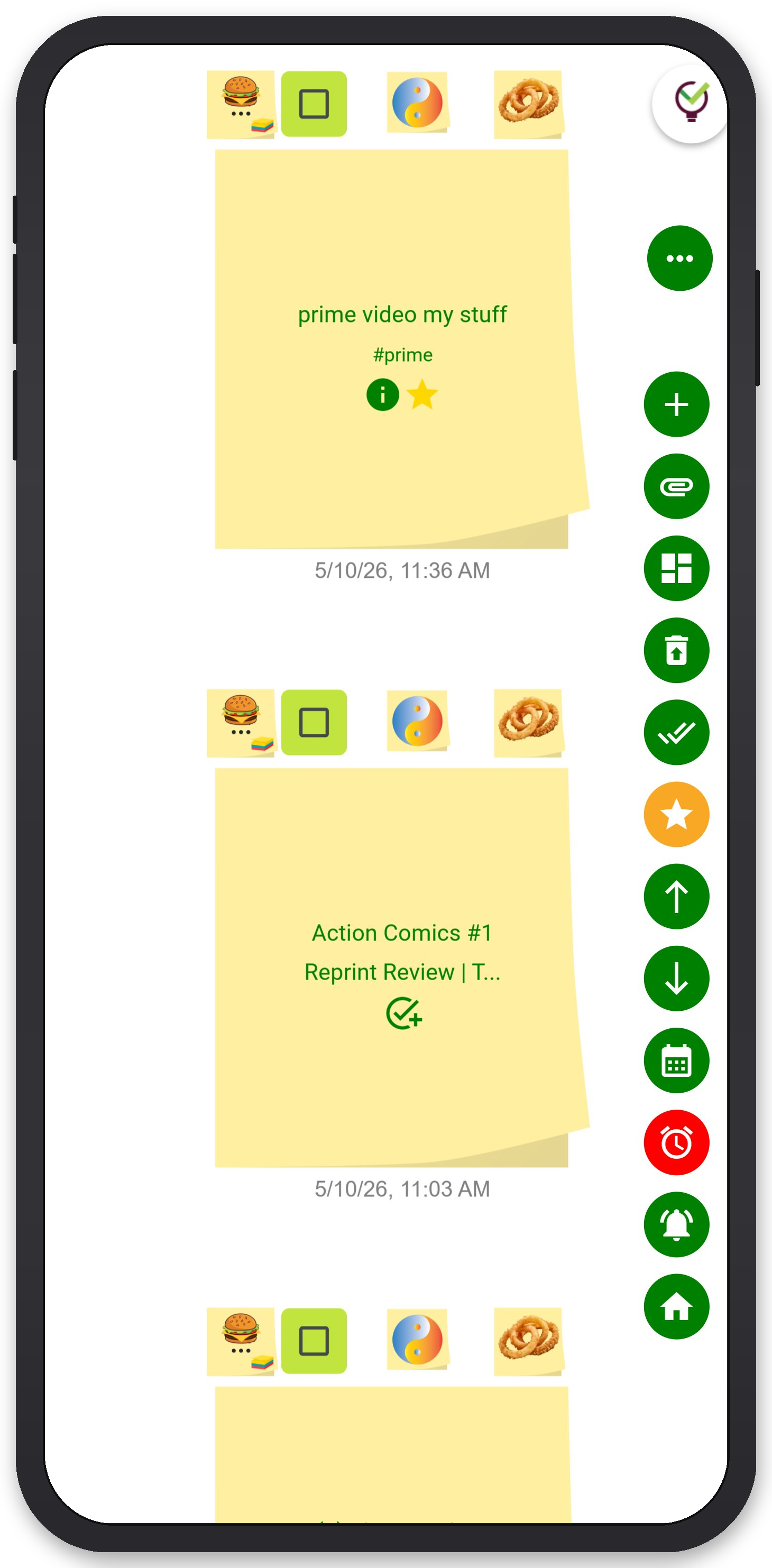
With TaskLoco Premium, your notes live on a visual wall you can organize any way that makes sense for your brain. You can see at a glance what's in progress, what's waiting, and what you've finished. Reminders are delivered as push notifications directly to your phone or computer — deep-linking straight back to the relevant note so there's zero friction between the alert and the action. When a task is done, it's done. That closure is built into the design.
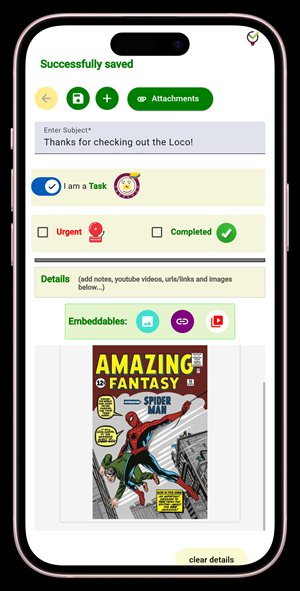
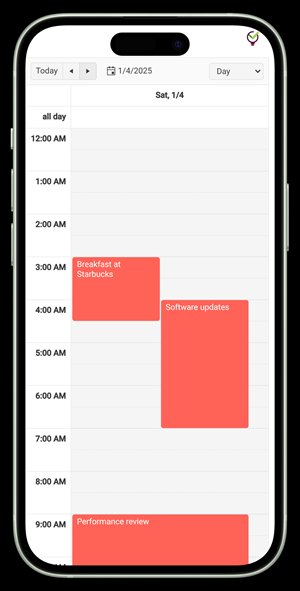
File attachments mean that the context you need to actually complete a task lives right next to the task itself — no switching to a separate document folder, no hunting through email threads. The calendar view lets you see your commitments spread across time, which is critical for breaking big goals into the small daily wins the Progress Principle demands. Team sharing works the way email does — recipients clone the shared note and own their copy — so collaboration doesn't create bureaucracy.
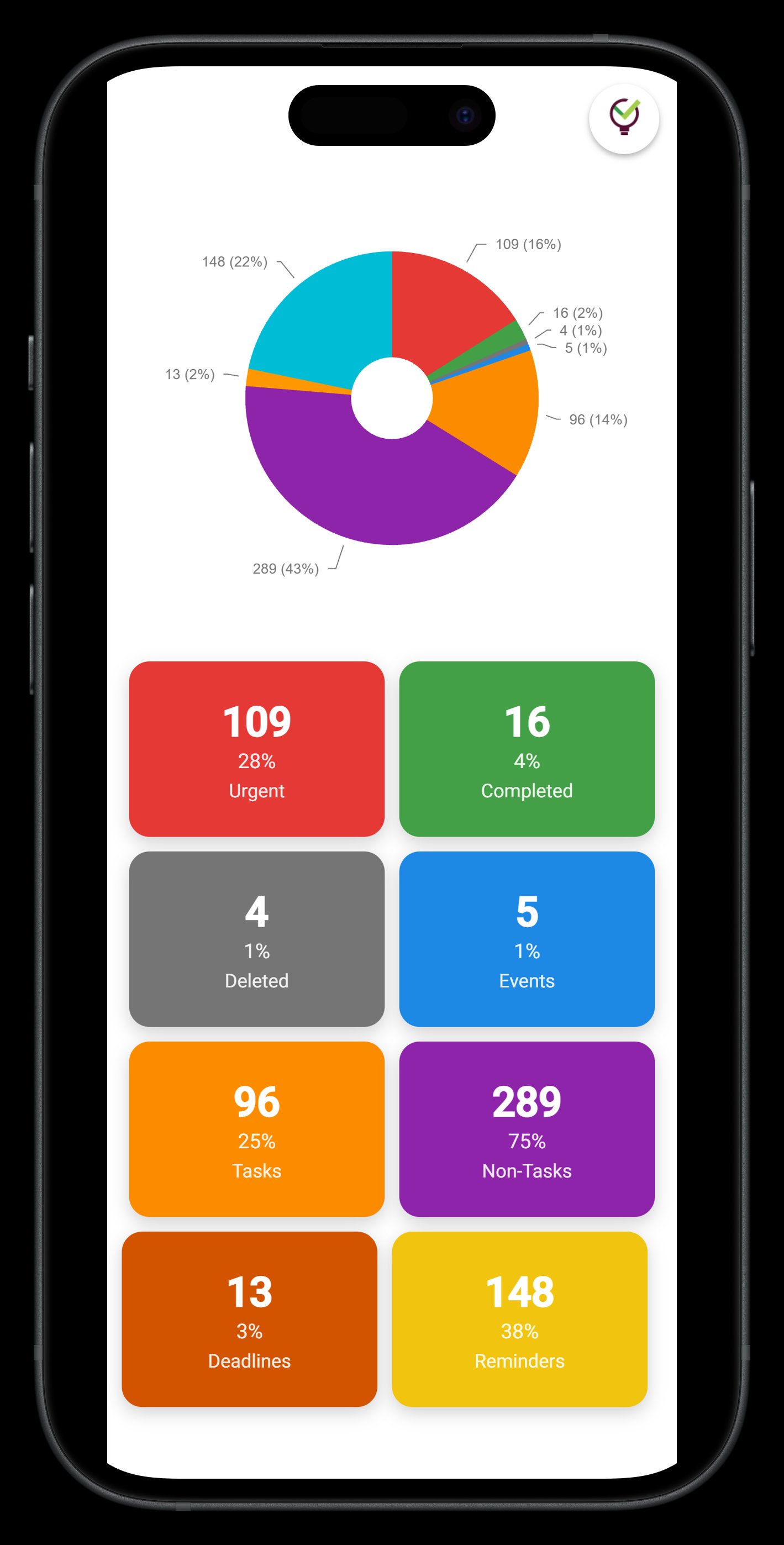
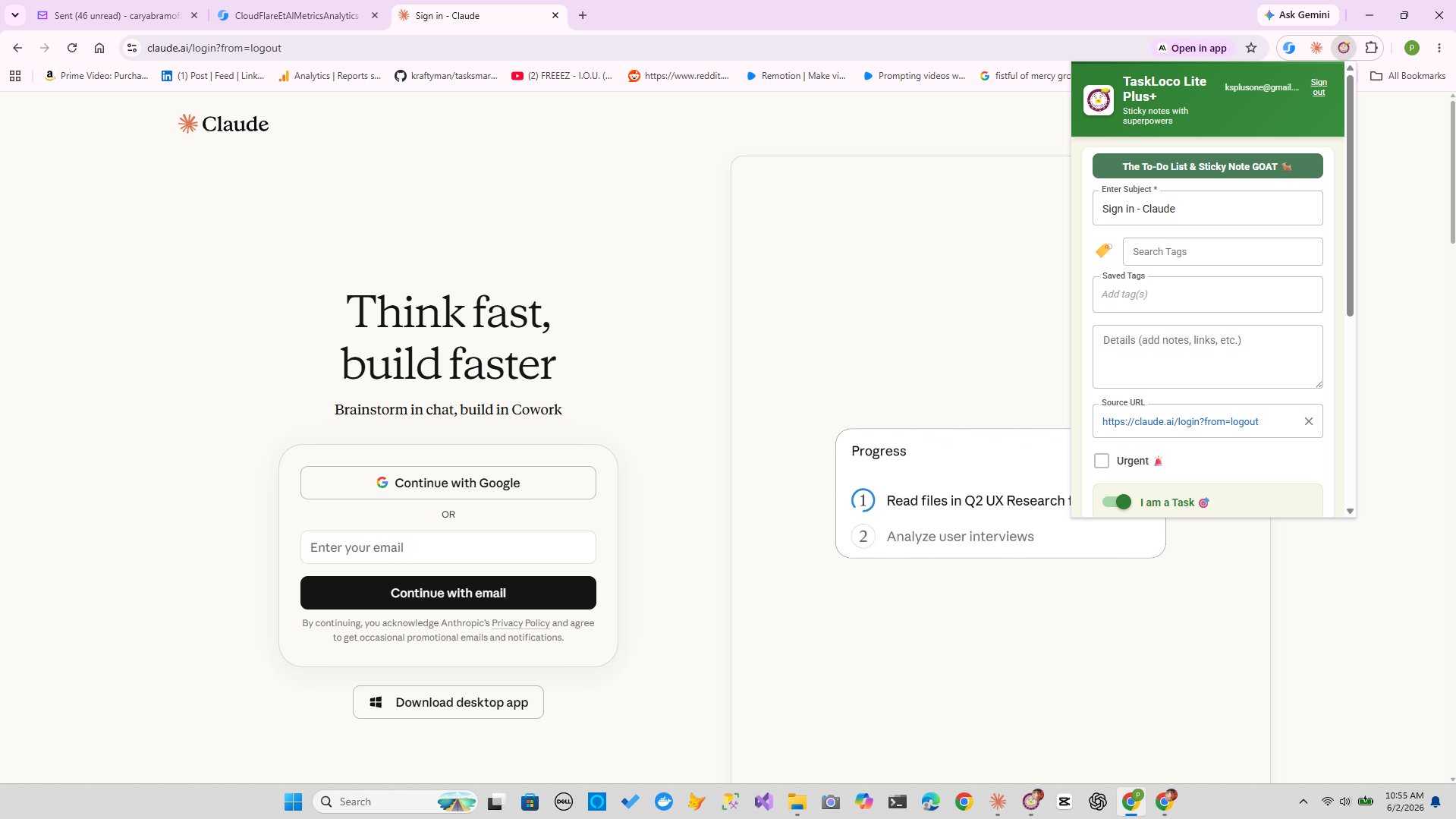
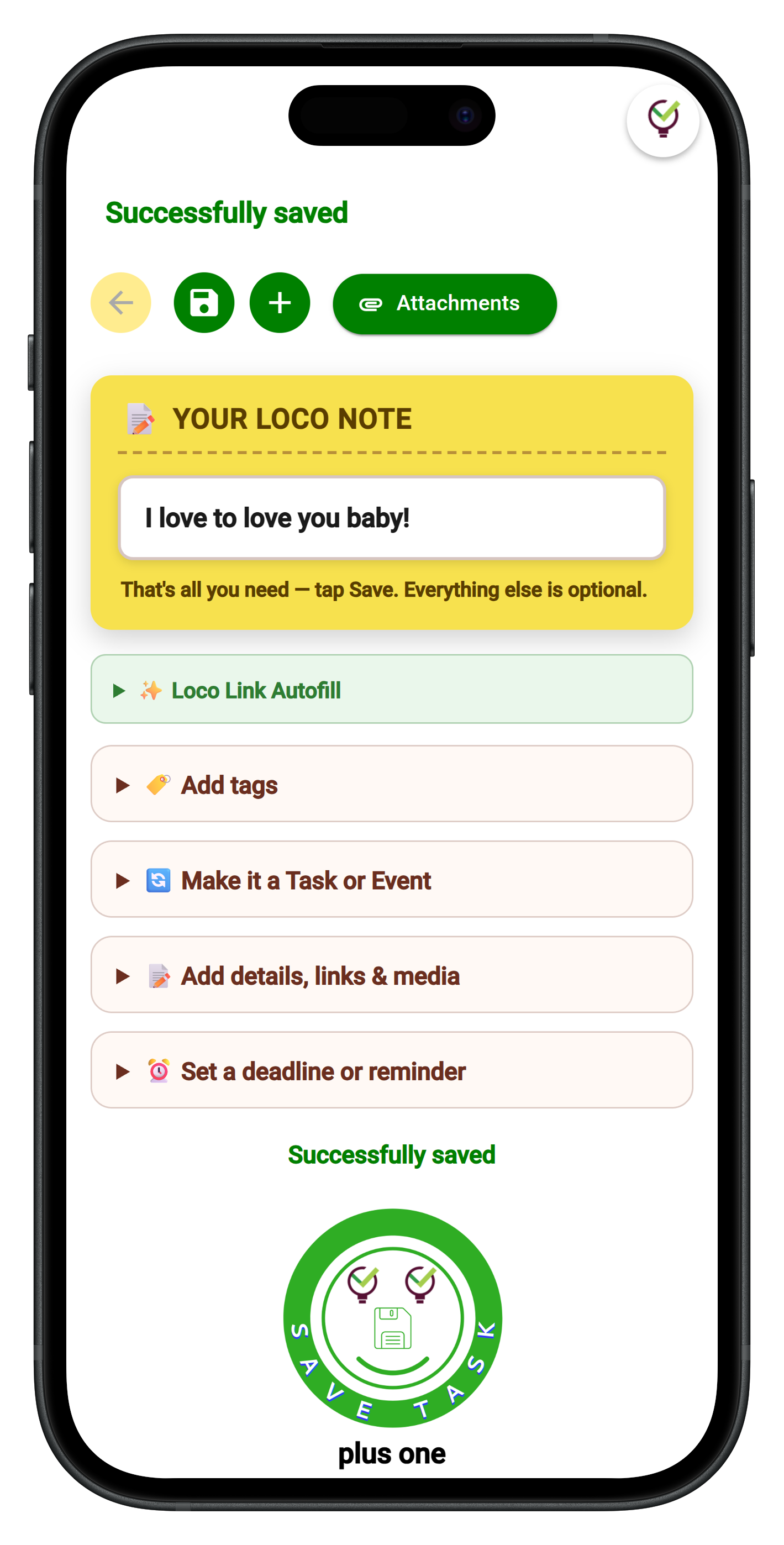
TaskLoco Lite Plus+ gives you the Chrome extension, which captures any webpage into a note in one click. When you're researching, that means your inputs get captured immediately rather than sitting in seventeen open browser tabs. And the free Lite app on iPhone and Android means you can get ideas down the moment they surface, no sign-in required, no friction.
If you've read this far, you already understand why daily progress matters more than the perfect system. TaskLoco is the fastest path from understanding the Progress Principle to actually living it.
TaskLoco Premium is regularly $9.99/month per person. Right now, charter members can lock in 50% off the regular price — forever. That means $4.99/month per person today. And if our price ever goes up, you still pay half. Always.
Code CHARTER50 auto-applies at checkout. First 500 spots only — once they're gone, this offer is gone permanently. Act fast while spots last.
Every Premium subscription includes unlimited notes, 10GB file storage, reminders, calendar, and team sharing. Each team member requires a separate subscription. 7-day free trial — no charge until day 8. Cancel anytime.
Free Options: TaskLoco
TaskLoco Lite
- Native iPhone & Android app
- Completely anonymous — no sign-in
- Data stays on your device
- Up to 20 notes
- Free forever
TaskLoco Lite Plus+
- Web app + Chrome extension
- Sign in with Google
- Wall syncs across all devices
- Up to 30 notes
- Free forever
Lock In 50% Off — Forever
7-day free trial. No charge until day 8. CHARTER50 auto-applies at checkout.
🔒 Lock In My Charter SpotSee TaskLoco in Action
Frequently Asked Questions
What is the Progress Principle?
The Progress Principle is a finding from Harvard Business School researcher Teresa Amabile and psychologist Steven Kramer. After analyzing nearly 12,000 diary entries from knowledge workers, they found that the single strongest driver of positive emotion, motivation, and creative performance on any given workday was making progress on meaningful work — even small progress. It's not praise, money, or big milestones that fuel daily performance. It's forward movement.
Who discovered the Progress Principle?
Teresa Amabile and Steven Kramer identified and named the Progress Principle through their multi-year study of inner work life in organizations. They published their full findings in the 2011 book The Progress Principle: Using Small Wins to Ignite Joy, Engagement, and Creativity at Work. The research was also summarized in a widely-read Harvard Business Review article.
How do you apply the Progress Principle at work?
The practical application comes down to three habits. First, break large goals into small, completable tasks — pieces you can genuinely finish in a day or a session. Second, make completion visible: use a system where done items actually disappear or move somewhere distinct, so your brain registers the closure. Third, do a brief end-of-day review noting what you moved forward, even if nothing was finished completely. Over time this conditions your brain to find and create progress signals rather than waiting for them.
Why do small wins matter so much?
Amabile and Kramer's data showed that the inner work life of an employee — the continuous stream of emotions, motivations, and perceptions during the workday — is a powerful driver of creative output and performance. Small wins produce positive inner work life states. Importantly, setbacks register roughly twice as negatively as progress registers positively, which means protecting your sense of forward movement matters more than chasing big wins. Small, consistent wins compound into both better outcomes and sustained motivation.
What kind of productivity tool supports the Progress Principle best?
The best tools for the Progress Principle are fast to capture new items, make completion visually obvious, surface what matters today without burying it in project structure, and minimize friction. Systems with deep hierarchies and complex setup tend to consume the energy they're supposed to save. Sticky-note-style tools — where each item is small, self-contained, and satisfying to close — are particularly well-matched to the Progress Principle's demands.
How does TaskLoco support the Progress Principle?
TaskLoco is built around the sticky note — a format that's inherently small, finite, and satisfying to complete. The visual wall lets you see progress at a glance. Reminders deliver push notifications that deep-link back to the exact note, so there's no friction between an alert and the action it requires. File attachments keep task context inside the task itself. The calendar view helps you spread large goals across time as completable daily pieces. Every design decision is aimed at making forward movement fast, visible, and rewarding. $9.99/month per person (currently $4.99/month per person for first 500 charter members with code CHARTER50)
Does TaskLoco have a free version?
Yes — two of them. TaskLoco Lite is a native iPhone and Android app that's completely anonymous, requires no sign-in, and stores up to 20 notes directly on your device. TaskLoco Lite Plus+ is a web app with a Chrome extension — sign in with Google, sync up to 30 notes across all your devices, and capture any webpage in one click. Neither free tier includes reminders, file attachments, or team sharing — those are Premium features. $9.99/month per person (currently $4.99/month per person for first 500 charter members with code CHARTER50)
Born in Brooklyn. Powered by AWS. Your data stays yours.
TaskLoco is available on iPhone, Android, Chrome, and every web browser.