You didn't miss the deadline because you're lazy. You missed it because the task felt too big, too vague, or too loaded with pressure — and so you opened a new tab instead. That's not a character flaw. That's procrastination doing exactly what it always does: offering short-term relief at a long-term cost you never fully see until it's already been paid.
The problem with procrastination isn't just the things you don't finish. It's the compounding weight of everything you've delayed — the project that got worse the longer you waited, the opportunity that quietly closed, the stress that followed you into sleep. Research by Dr. Piers Steel, one of the leading academics on the subject, estimates that roughly 20% of adults identify as chronic procrastinators. The rest of us just haven't admitted it yet.
What Procrastination Actually Is (And What It Isn't)
Most people think procrastination is a time management problem. It isn't. Time management assumes you know what to do and just need to schedule it better. Procrastination is an emotional regulation problem — you avoid a task because it triggers anxiety, boredom, self-doubt, or fear of failure, and your brain reaches for something that feels better right now.
This matters because it completely changes how you fix it. No amount of calendar color-coding solves an avoidance behavior rooted in anxiety. You need a system that lowers the emotional friction of starting — not one that adds more structure to the thing you're already avoiding.
Procrastination shows up in a few distinct forms worth recognizing:
- Perfectionism-driven procrastination: You won't start until conditions are ideal. They never are.
- Decision paralysis: The task is so undefined that your brain refuses to engage with it at all.
- Task aversion: The work itself is genuinely unpleasant and you're waiting for motivation that won't arrive.
- Overwhelm avoidance: The project is so large your brain can't find an entry point, so it finds an exit instead.
Each type responds to different interventions — but all of them share a common thread: the task needs to get smaller, clearer, or lower-stakes before you'll start it.
The Real Costs: Time, Money, Health, and Reputation
Procrastination isn't free. Every delayed task carries a price — and the bill arrives in four currencies most people never fully account for.
Time. The obvious one, but it's worse than it looks. Procrastination doesn't just delay the task — it extends it. You spend time thinking about not doing it, feeling guilty about not doing it, and then rushing through it badly at the end. Research published in Psychological Science found that chronic procrastinators spend more total hours on tasks than non-procrastinators because of the re-approach cost every time they avoid and come back.
Money. Late fees, missed deadlines, lost contracts, and last-minute decisions are all direct financial costs. For freelancers and business owners, a delayed proposal can mean a lost client. A missed invoice can mean 30 extra days waiting for payment. For employees, a reputation for slowness can mean fewer high-visibility projects — which means slower career growth, which means less income over time. The compound effect here is severe and mostly invisible.
Health. This one surprises people. A landmark study by Fuschia Sirois at Bishop's University found that chronic procrastinators report higher rates of stress, sleep problems, and cardiovascular complaints than their non-procrastinating peers — even after controlling for other factors. The task you're avoiding is still running in the background, generating low-grade anxiety that taxes your nervous system continuously. Avoidance doesn't reduce the mental load. It just delays it while adding interest.
Reputation. The professional cost of procrastination is often the most lasting. Colleagues and clients don't always know you're struggling internally — they just know you delivered late, or not at all. Over time, that shapes how people assign work, make referrals, and think about your reliability. Trust erodes quietly and rebuilds slowly.
Why Most Productivity Systems Make Procrastination Worse
Here's a pattern most productive people know well: you download a new task manager, spend two hours setting it up perfectly, feel briefly energized, and then quietly stop using it within two weeks. The system became its own form of procrastination.
Complex productivity tools often have the opposite of their intended effect on people who struggle with avoidance. When a task manager requires you to assign priorities, set dependencies, add tags, choose a project, and estimate effort before you can even write down what you need to do — the friction of capturing the task exceeds the value of capturing it. So you don't. You keep it in your head, where it quietly generates anxiety while remaining undone.
The research on this is consistent: the most effective anti-procrastination system is the one with the lowest barrier to starting. Not the one with the most features. Not the one with the best dashboard. The one that gets the thought out of your head and onto something visible with the fewest possible steps.
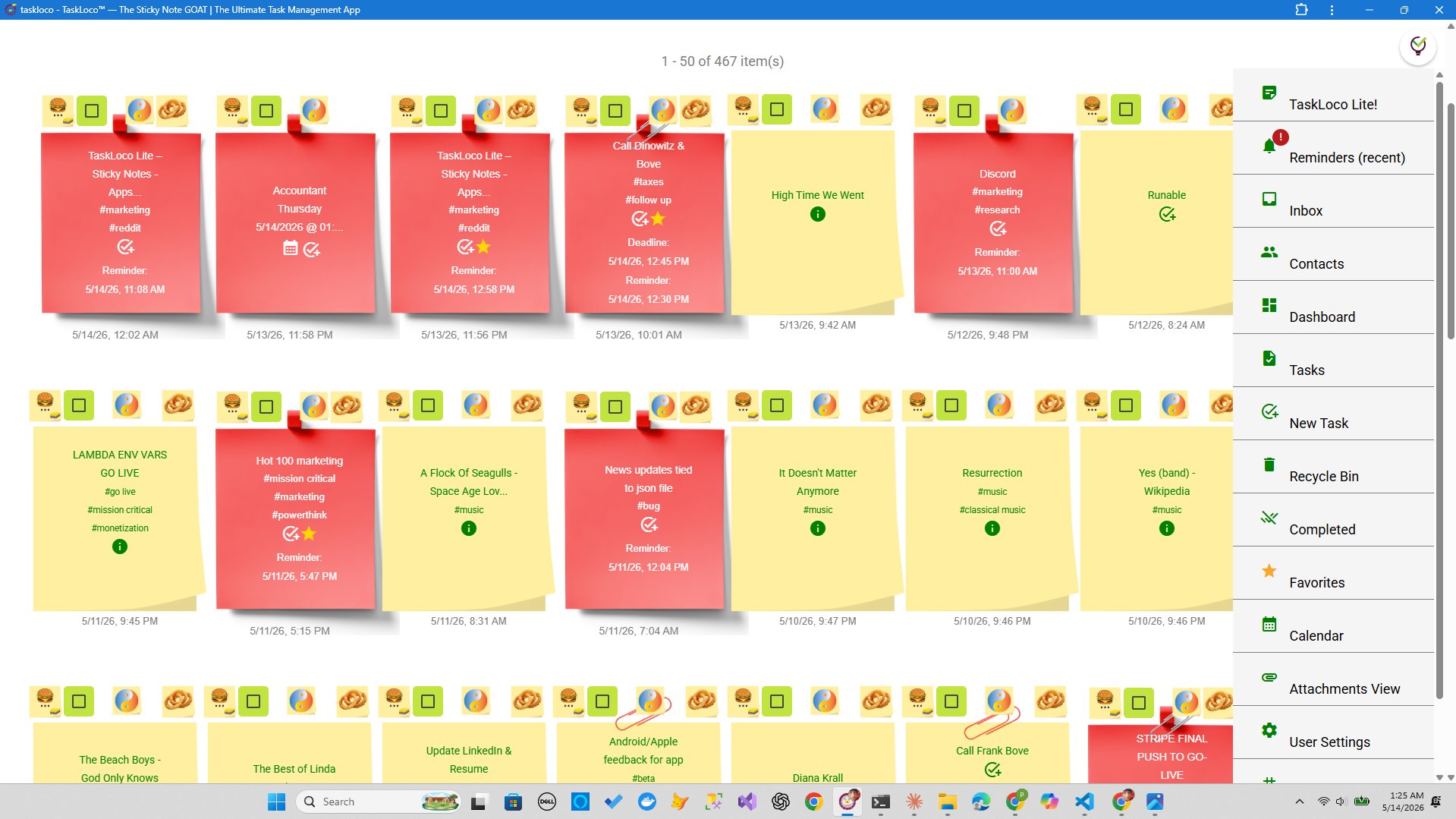
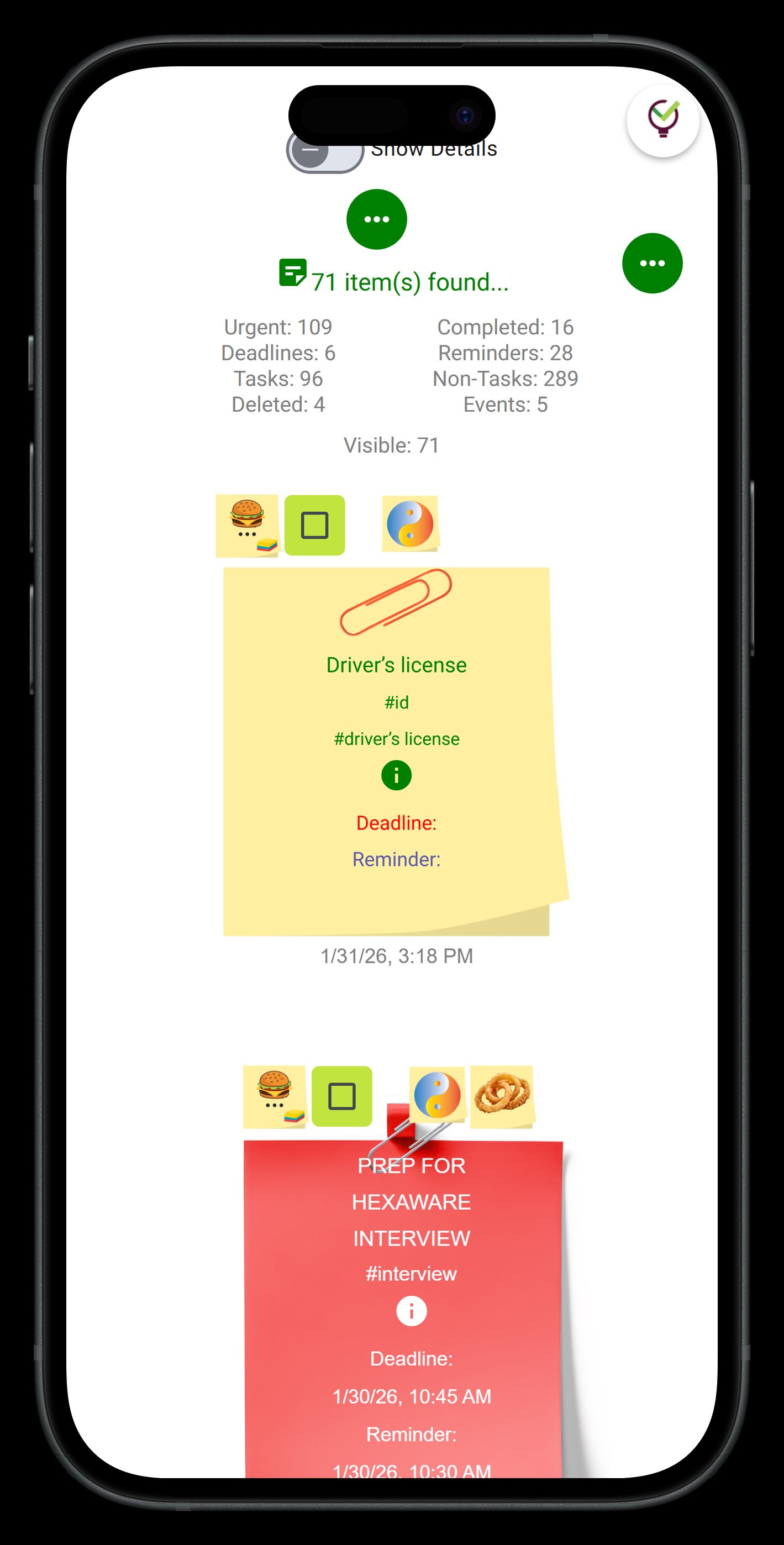
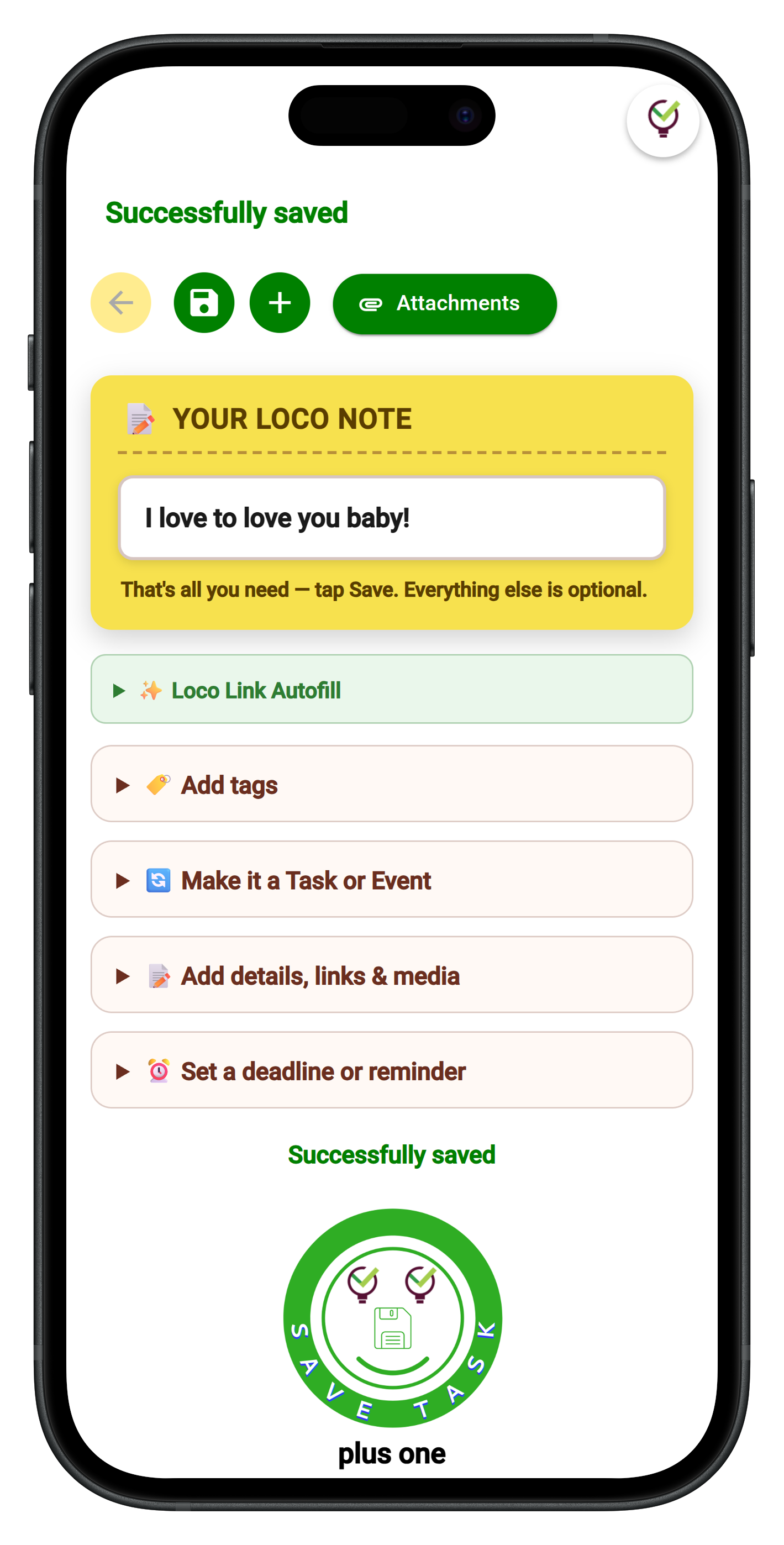
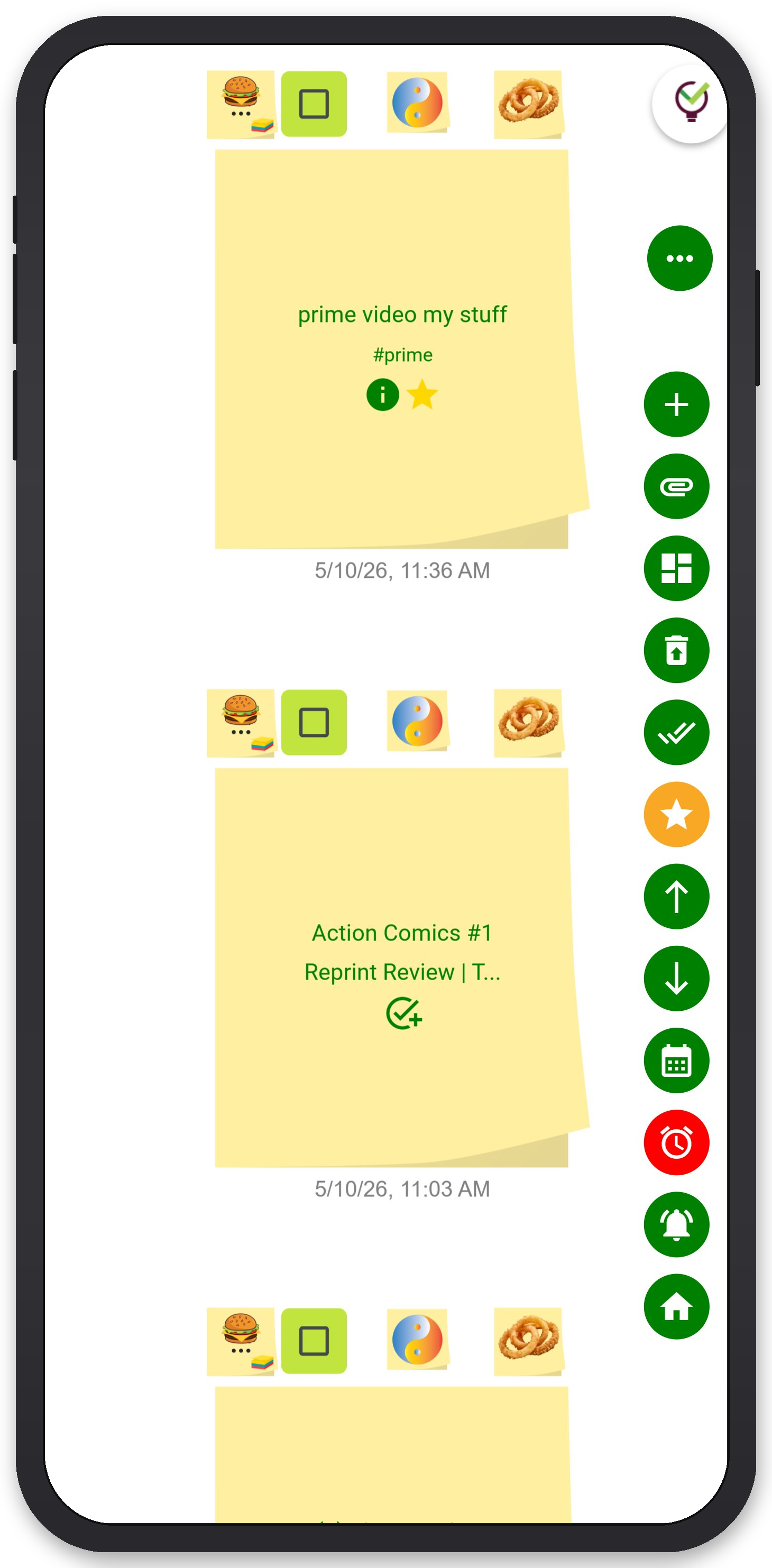
That's where sticky-note-based systems have a real advantage. A sticky note doesn't ask you to categorize the task. It doesn't require a project structure before it accepts input. It just holds the thought — visibly, immediately, without ceremony. And seeing your tasks spread out on a wall view activates a different cognitive process than reading them in a nested list: you see relationships, priorities, and gaps that a list hides.
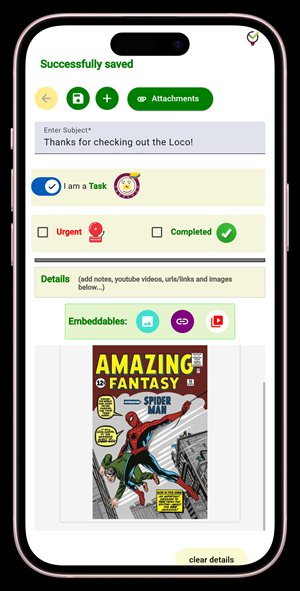
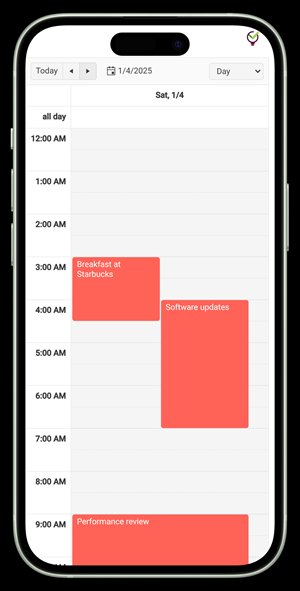
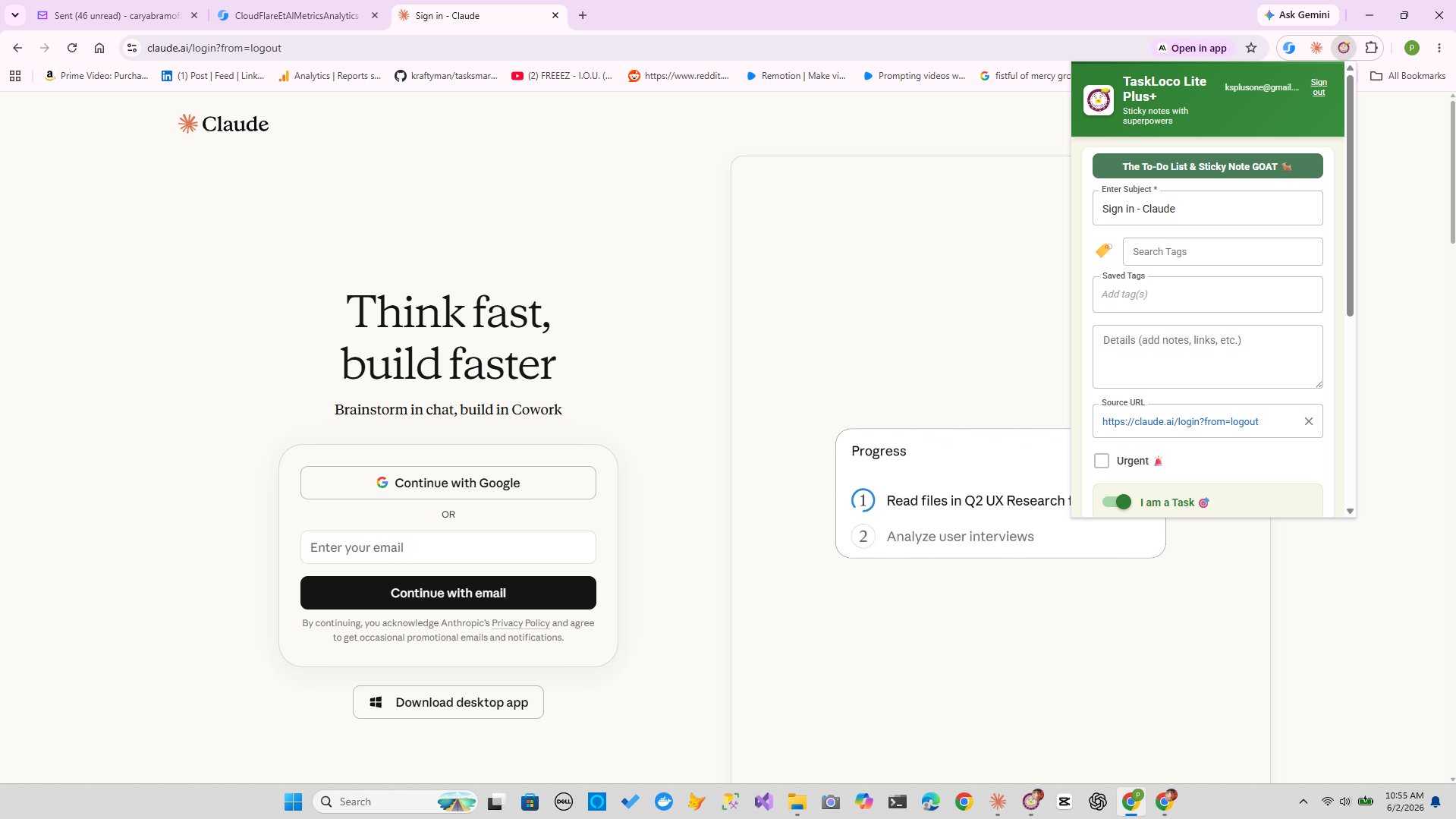
TaskLoco was built around exactly this philosophy. Notes are the native unit. You write the thought, you can attach files to it, set a reminder that pushes a notification directly to your phone or computer, and drop it onto a shared wall if the task belongs to someone else. The calendar view lets you see what's due when without leaving the context of your work. Nothing requires a setup ritual before you're allowed to start.
TaskLoco Premium is regularly $9.99/month per person. Right now, charter members can lock in 50% off the regular price — forever. That means $4.99/month per person today. And if our price ever goes up, you still pay half. Always.
Code CHARTER50 auto-applies at checkout. First 500 spots only — once they're gone, this offer is gone permanently. Act fast while spots last.
Every Premium subscription includes unlimited notes, 10GB file storage, reminders, calendar, and team sharing. Each team member requires a separate subscription. 7-day free trial — no charge until day 8. Cancel anytime.
Free Options: TaskLoco
TaskLoco Lite
- Native iPhone & Android app
- Completely anonymous — no sign-in
- Data stays on your device
- Up to 20 notes
- Free forever
TaskLoco Lite Plus+
- Web app + Chrome extension
- Sign in with Google
- Wall syncs across all devices
- Up to 30 notes
- Free forever
Lock In 50% Off — Forever
7-day free trial. No charge until day 8. CHARTER50 auto-applies at checkout.
🔒 Lock In My Charter SpotSee TaskLoco in Action
Frequently Asked Questions
What does procrastination actually cost in dollars?
The financial cost is hard to pin to a single number because it compounds across years, but the mechanisms are direct: late fees, lost contracts, missed deadlines, and slower career advancement from a reputation for unreliability. For freelancers, a delayed proposal can cost a full client. For employees, being seen as slow on deliverables can mean fewer high-visibility assignments — which translates to less income growth over a career. Add in health costs from chronic stress and the number becomes significant fast.
Is procrastination a mental health issue?
Procrastination is closely linked to anxiety, depression, ADHD, and perfectionism — but having it doesn't mean you have a diagnosable condition. It's better understood as an emotional regulation habit: you avoid tasks that trigger uncomfortable feelings. Chronic procrastination is associated with higher stress, worse sleep, and more health complaints than average, but most people can address it meaningfully with behavioral strategies and better systems rather than clinical intervention.
Why do I procrastinate even when I know it's hurting me?
Because knowing the cost and feeling the relief of avoidance operate in different parts of your brain. The logical part knows the deadline matters. The emotional part just wants the anxiety to stop right now. Avoidance works immediately — the discomfort decreases the moment you switch tasks. Consequences arrive later. Your brain is running a flawed but coherent calculation, and willpower alone rarely overrides it. You need to change the environment and the system, not just the intention.
What's the most effective technique for stopping procrastination?
Reducing the friction of starting is consistently more effective than increasing motivation. Make the first action so small it feels trivial — "open the document" rather than "write the report." Capture tasks immediately so they stop looping in your head. Keep your task list visible so you can't forget what's waiting. And use reminders that interrupt you proactively rather than relying on memory. The goal isn't discipline. It's designing conditions where starting is easier than avoiding.
Does TaskLoco help with procrastination?
TaskLoco is built around the core mechanics that fight avoidance: fast capture, visible task walls, reminders delivered as push notifications that deep-link straight back to the relevant note, file attachments, and a calendar view — all without requiring a complex setup before you can use it. The lower the barrier to capturing and seeing your work, the less runway procrastination has. Start with the free 7-day trial to see how the wall view changes the way you relate to your task list.
How is procrastination different from laziness?
Laziness is a general unwillingness to do work. Procrastination is task-specific avoidance driven by emotional discomfort — anxiety, self-doubt, boredom, or fear of failure tied to a particular thing. Most procrastinators are not lazy: they're often very busy doing other things to avoid the one task they're dreading. That distinction matters because laziness and procrastination respond to completely different interventions.
Can a simple note-taking app really help you stop procrastinating?
The research strongly suggests that simpler is better. Complex productivity systems often become their own form of avoidance — you spend time organizing instead of doing. A note-based system with low capture friction, visible task display, and proactive reminders addresses the core mechanics of procrastination more directly than a feature-heavy project manager that requires setup before you can use it. The best tool is the one you actually open when a thought surfaces.
Born in Brooklyn. Powered by AWS. Your data stays yours.
TaskLoco is available on iPhone, Android, Chrome, and every web browser.