Most task lists are lies. You write down forty things, stare at them, feel overwhelmed, and end up doing the three you already knew you had to do. The Now Later Never method exists to fix that. It's a triage framework — not a planning system, not a productivity philosophy — just a fast, honest way to sort what's in front of you into what actually matters right now.
The tool of choice has always been sticky notes, and for good reason. They're physical, disposable, and limit how much you can write — which forces clarity. But physical notes don't travel well, don't send reminders, and disappear under coffee cups. Digital sticky notes solve all of that without losing the speed and simplicity that make the method work in the first place.
What the Now Later Never Method Actually Is
The Now Later Never method is a prioritization framework built around a single act: looking at every item on your plate and forcing it into one of three categories.
- Now — This gets done today. Not eventually, not when you get a chance. Today. If you can't commit to that, it doesn't belong here.
- Later — Real tasks with real deadlines, just not today. They live here until they earn a spot in Now.
- Never — Things you wrote down, said you'd do, but honestly won't and shouldn't. Delete them. The Never bucket is where guilt goes to die.
The genius of the system is that it forces a decision on every single item. There's no 'maybe' column. No 'someday.' You pick one of three, and the act of choosing is what clears your head.
Who needs it? Anyone whose task list has grown longer than their attention span. Knowledge workers, freelancers, managers, students — the method doesn't care about your job title. It cares about whether you can be honest about what actually needs to happen today versus what you're avoiding.
How to Run a Now Later Never Session
The method takes between five and fifteen minutes. Run it first thing in the morning, or at the end of the day to set up tomorrow. Don't do it mid-afternoon when you're already reactive — you'll make worse decisions under pressure.
Step 1: Brain dump. Write down every open loop in your head. Tasks, commitments, ideas, things people asked you to do. Don't filter yet. One item per sticky note.
Step 2: Sort. Go through each note one at a time. Ask yourself: If I do nothing else today, does this need to happen? If yes — Now. If it's real but not urgent — Later. If you're being honest and you know you're never going to do it — Never. Move it to Never without guilt. That's the whole point.
Step 3: Limit your Now column. If Now has more than five or six items, you're lying to yourself. Push the excess to Later. The Now column should be achievable before you sleep tonight.
Step 4: Work from Now only. Close Later. Don't look at it during the day. It exists so your brain stops worrying about those items — they're captured, they're real, they'll get their turn. But right now, they're not your problem.
Step 5: Promote from Later each day. At your next sorting session, things from Later move to Now when their time comes. Occasionally, you'll realize something in Later has quietly become a Never — and that's fine. Delete it and move on.
Why Digital Sticky Notes Make This Method Better
Physical sticky notes are a fine starting point. But they have hard limits: they don't remind you of anything, they can't hold a file or a photo, they fall off walls, and the moment you leave your desk the whole system stays behind. The Now Later Never method is most powerful when you can run it anywhere — on your phone during a commute, on your laptop before a meeting, or at your desk first thing.
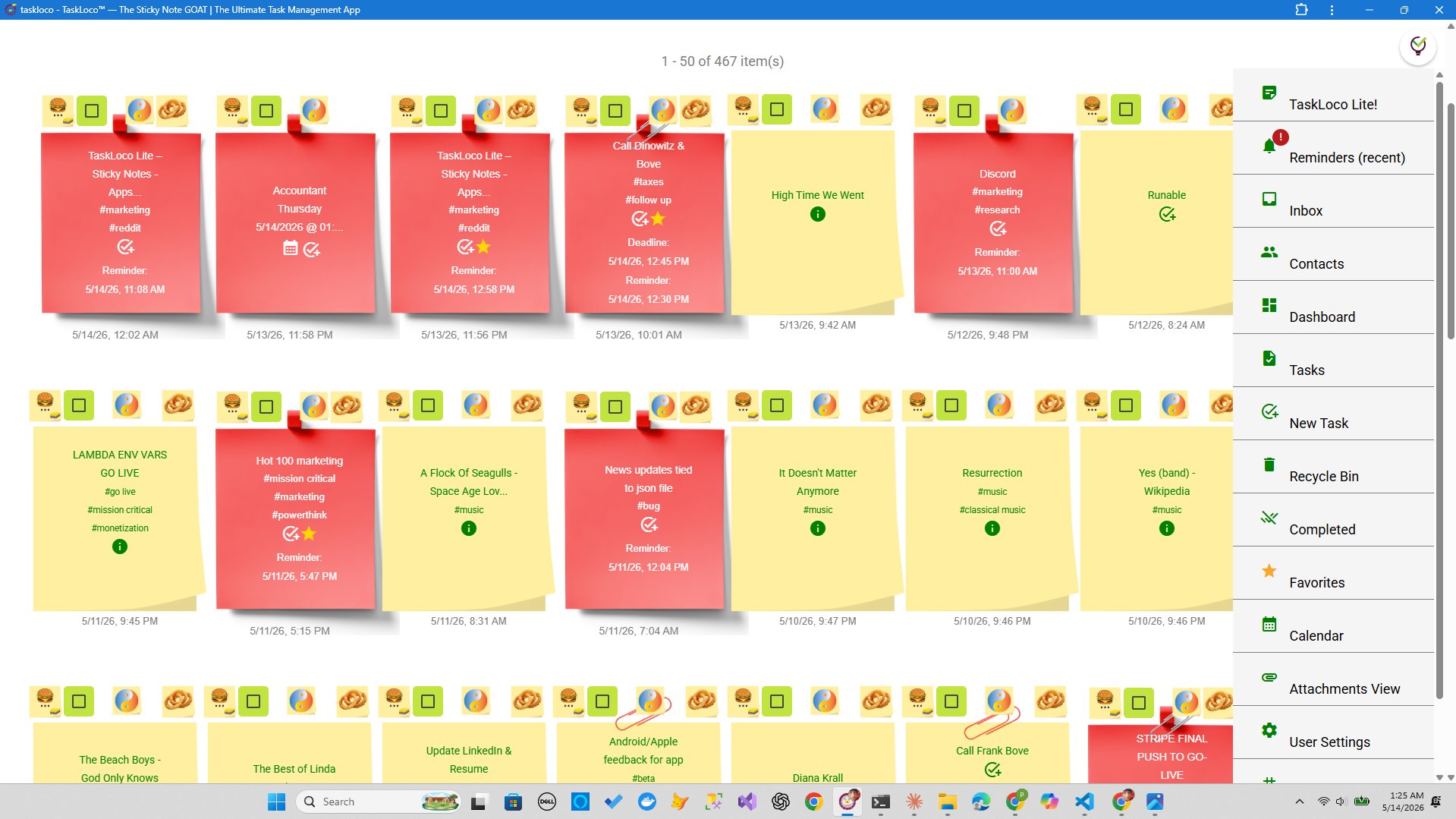
That's where TaskLoco comes in. TaskLoco is built around digital sticky notes arranged on a visual wall — which maps exactly to the Now / Later / Never layout. You create a column for each bucket, drag notes between them as priorities shift, and the whole board stays in sync across every device you use.
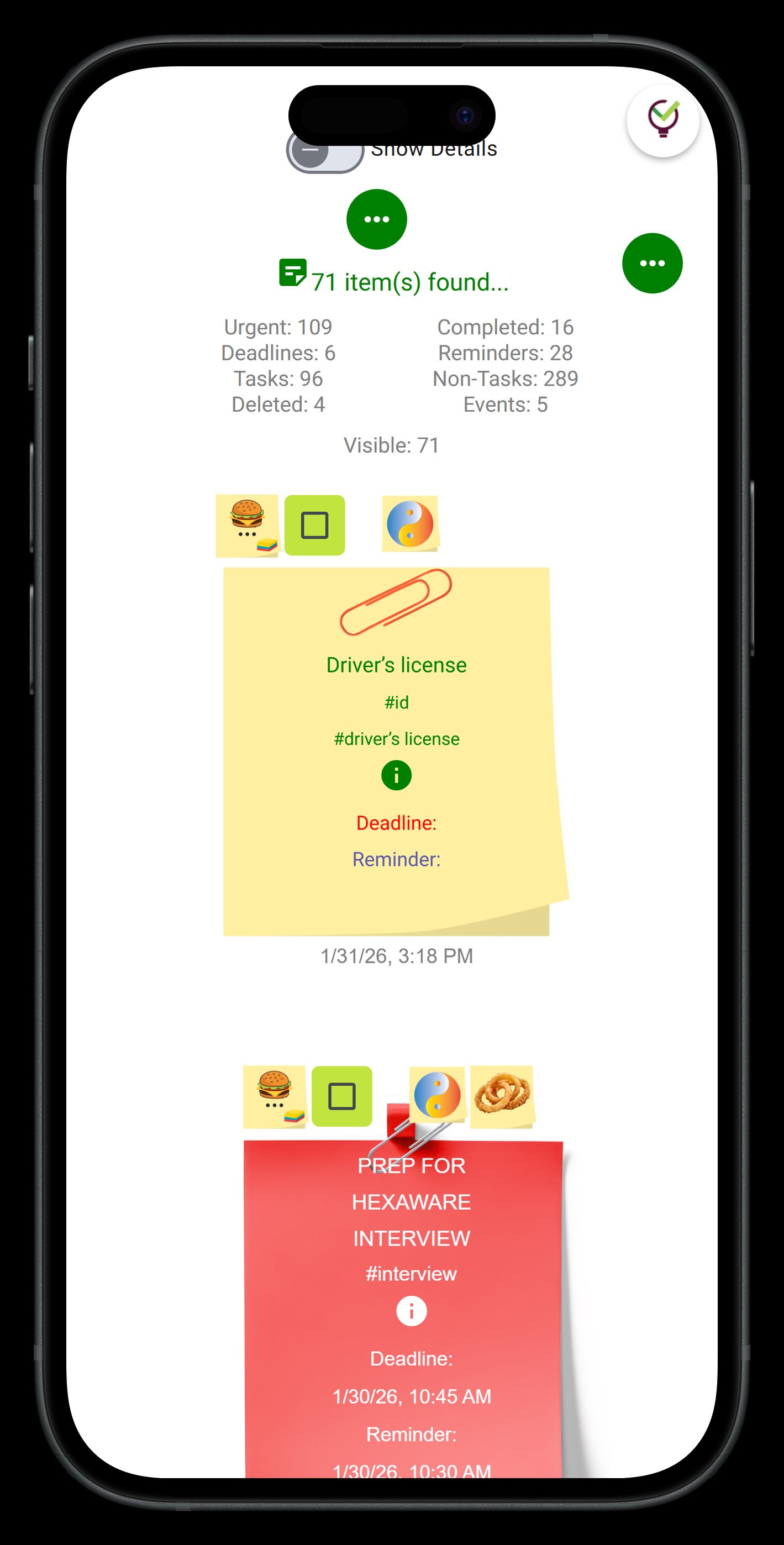
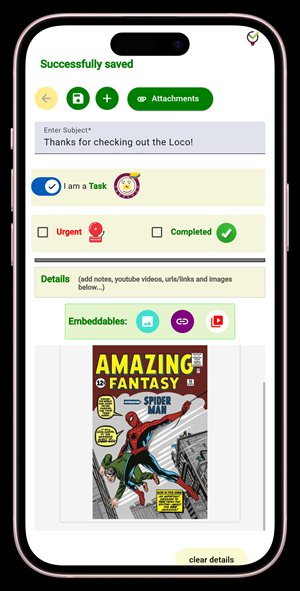
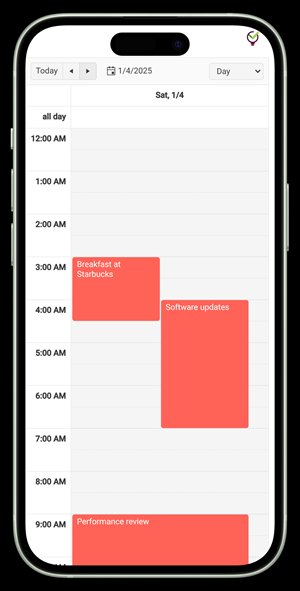
Beyond the visual layout, TaskLoco Premium adds the things physical notes will never have: reminders that push directly to your phone and computer — so a note in your Now column can alert you at the right moment, with a deep-link that drops you straight back into that exact note. No hunting, no context loss. You also get file attachments — drop a PDF, image, or screenshot directly onto a note — and a calendar view so your Later items map to real dates.
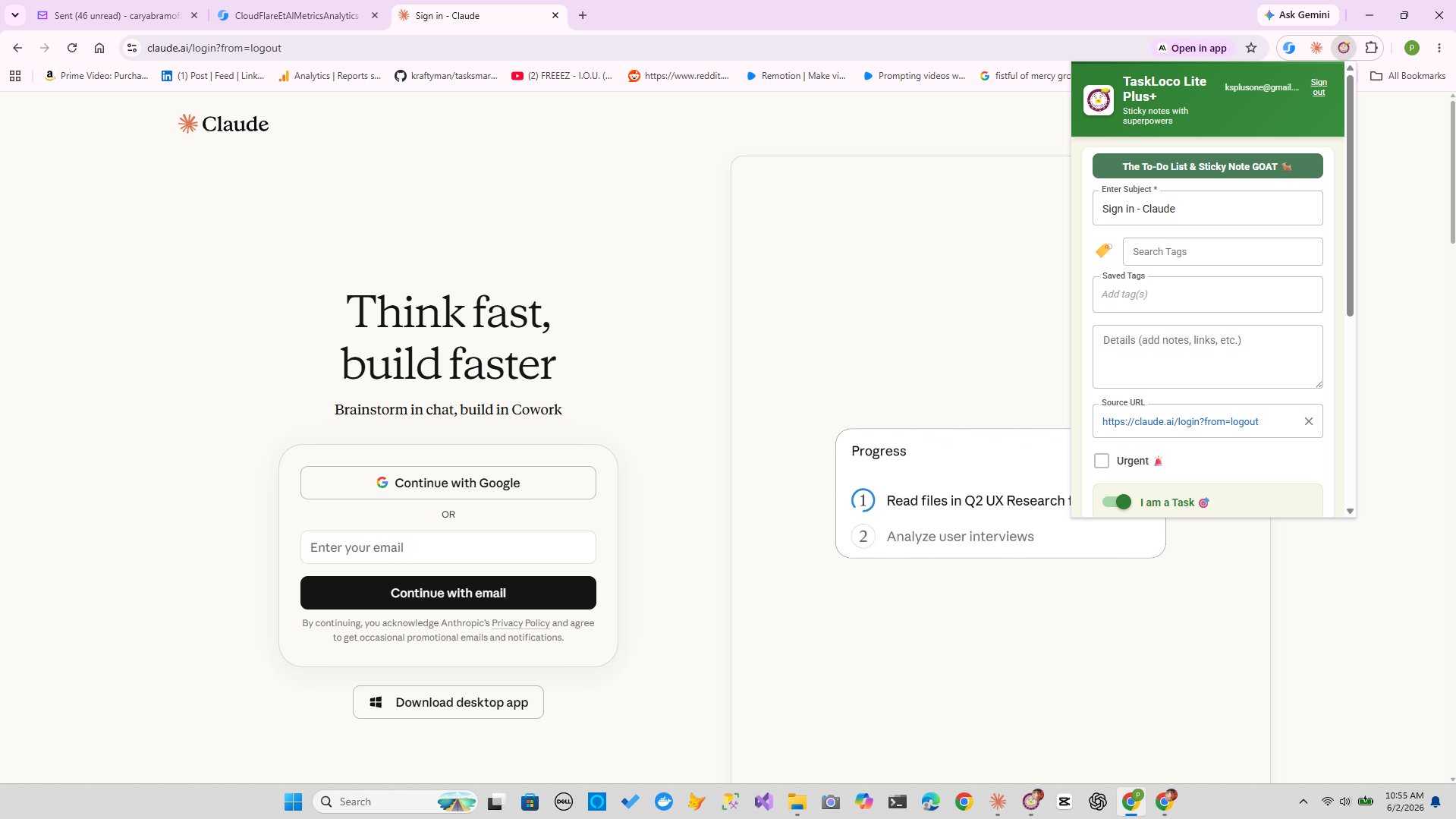
The Chrome extension is particularly useful for the brain-dump step. When you're reading something online that triggers a task or idea, one click captures the page as a note. It goes straight onto your wall without breaking your flow.
For people just getting started, TaskLoco Lite Plus+ is free — sign in with Google, get up to 30 notes synced across all your devices, and access the web app from any browser including your phone. No reminders or file attachments in the free tier, but it's more than enough to run a Now / Later / Never session and see if the method clicks for you.
Keeping the System Running: Common Mistakes and How to Avoid Them
The Now Later Never method is simple enough to explain in two minutes and hard enough to maintain that most people abandon it within a week. The failure modes are predictable, and so are the fixes.
Now column bloat. This is the most common problem. Everything feels urgent so everything goes in Now, and you're back to a wall of overwhelm. The fix is a hard cap — five items maximum, non-negotiable. If something new comes in and Now is full, something has to move to Later before the new item can enter.
Later becomes a graveyard. Items sit in Later for weeks, then months. You stop looking at it because looking at it is depressing. Fix this by reviewing Later every morning as part of your sorting session. Anything that hasn't moved in two weeks gets evaluated honestly: is it Later, or is it actually Never?
Skipping the Never column entirely. Some people refuse to delete anything because they're afraid of missing something important. But a task list with no deletions is just a backlog with extra anxiety. Give yourself permission to put things in Never. You can always re-add something later if it turns out you were wrong.
Running the session at the wrong time. Mid-afternoon sorting sessions produce worse decisions. Your willpower is depleted, you're reactive, and everything feels urgent. Morning or end-of-day are the only times this works well.
With TaskLoco, a few of these problems solve themselves. The visual wall makes Now column bloat obvious at a glance. Notes in Later can have reminders set so they don't silently age — a push notification will surface them when their time comes, with a direct link back to the note so you're never starting from scratch.
TaskLoco Premium is regularly $9.99/month per person. Right now, charter members can lock in 50% off the regular price — forever. That means $4.99/month per person today. And if our price ever goes up, you still pay half. Always.
Code CHARTER50 auto-applies at checkout. First 500 spots only — once they're gone, this offer is gone permanently. Act fast while spots last.
Every Premium subscription includes unlimited notes, 10GB file storage, reminders, calendar, and team sharing. Each team member requires a separate subscription. 7-day free trial — no charge until day 8. Cancel anytime.
Free Options: TaskLoco
TaskLoco Lite
- Native iPhone & Android app
- Completely anonymous — no sign-in
- Data stays on your device
- Up to 20 notes
- Free forever
TaskLoco Lite Plus+
- Web app + Chrome extension
- Sign in with Google
- Wall syncs across all devices
- Up to 30 notes
- Free forever
Lock In 50% Off — Forever
7-day free trial. No charge until day 8. CHARTER50 auto-applies at checkout.
🔒 Lock In My Charter SpotSee TaskLoco in Action
Frequently Asked Questions
What is the Now Later Never method?
The Now Later Never method is a task triage framework. You take every open item on your plate and assign it to one of three buckets: Now (must happen today), Later (real but not urgent), or Never (honest acknowledgment that it won't and shouldn't happen). The method works best with sticky notes — physical or digital — because the format forces you to keep each task short and forces a decision on every item.
How is Now Later Never different from other prioritization methods?
Most prioritization systems — Eisenhower Matrix, MoSCoW, ABC ranking — ask you to evaluate tasks on multiple dimensions like urgency, importance, and effort. Now Later Never skips that complexity. It asks one question: does this need to happen today? That single constraint makes the sorting session faster and the decisions cleaner. It's less nuanced than other systems, which is exactly why it's easier to actually use.
How many tasks should go in the Now column?
Five or six at most. If Now has more than that, you're not triaging — you're just moving your entire task list into a column with a different name. The constraint is the point. A tight Now column means everything on it is genuinely achievable before the end of the day. If something new comes in and the column is full, something else has to move to Later before the new task can enter.
Can I use TaskLoco for the Now Later Never method?
Yes — TaskLoco's visual wall layout maps directly to the three-column structure. Create a column for Now, Later, and Never, create a sticky note for each task, and drag them between columns as priorities shift. TaskLoco Lite Plus+ is free and syncs across all your devices, so you can run your sorting session anywhere. TaskLoco Premium adds reminders (delivered as push notifications to your phone and computer, deep-linking back to the original note), file attachments, unlimited notes, and a calendar view for scheduling Later items.
What happens to items in the Never column — should I keep them?
Delete them. The Never column is a decision, not storage. Once something is Never, it's done — holding onto it defeats the purpose. The anxiety that comes from a long task list comes partly from items you know you won't do but can't bring yourself to remove. Never gives you explicit permission to let them go. If you're wrong and something comes back up, you can re-add it. But in practice, most things you put in Never were never coming back anyway.
How often should I run a Now Later Never session?
Once a day, ideally at the same time each day to make it a habit. Morning works well because you start the day with clarity about what Now actually contains. End-of-day also works — you set up tomorrow before you close out today. What doesn't work is running the session mid-afternoon when you're already reactive and everything feels urgent. Keep the session to ten or fifteen minutes; if it's taking longer, you're overthinking the sorting.
How do I stop the Later column from becoming a graveyard?
Review Later every time you run a sorting session. Anything that hasn't moved in two weeks deserves an honest look: is it genuinely waiting for the right moment, or has it quietly become a Never? The other fix is to attach a rough target date to Later items when you create them. In TaskLoco Premium, you can set a reminder on a Later note — it will push a notification to your phone and computer when the time comes, with a direct link back to the note, so nothing silently ages out of relevance.
Born in Brooklyn. Powered by AWS. Your data stays yours.
TaskLoco is available on iPhone, Android, Chrome, and every web browser.