Most people plan their days around tasks — endless to-do lists that keep them busy but don't move the needle. The RPM method flips this approach. Created by Tony Robbins, RPM stands for Results-focused, Purpose-driven, Massive Action plan.
Instead of asking "What do I need to do?" you start with "What result do I want to create?" Then you identify why that result matters to you, and finally map out the specific actions that will deliver that outcome. This shifts your entire mindset from task completion to result creation.
The Three Components of RPM
Results: This is your specific, measurable outcome. Instead of "work on marketing," your result might be "generate 50 qualified leads this month." Results must be concrete enough that you'll know definitively when you've achieved them.
Purpose: This is your emotional why — the driving force behind the result. Why do you want those 50 leads? Maybe it's to hit your revenue target, provide security for your family, or prove your business model works. Purpose provides the fuel when motivation runs low.
Massive Action Plan: These are the specific steps that will deliver your result. But here's the key difference from traditional planning — you brainstorm multiple pathways to your result, then choose the most effective ones. You're not just listing tasks; you're designing the fastest route to your outcome.
How to Create Your First RPM Block
Start with one area of your life or business where you want better results. Write down 3-5 specific outcomes you want to create in the next 30-90 days. For each outcome, follow this process:
Step 1: Define your result in specific, measurable terms. "Improve my health" becomes "lose 15 pounds and run a 5K without stopping." "Grow my business" becomes "increase monthly recurring revenue from $10K to $15K."
Step 2: Connect to your purpose. Write 2-3 compelling reasons why this result matters to you personally. What will achieving this result give you? How will it make you feel? What will it enable in your life?
Step 3: Brainstorm your massive action plan. List 10-15 possible actions that could contribute to your result. Don't edit yourself — capture every idea. Then prioritize the 3-5 actions that will have the biggest impact.
Weekly and Daily RPM Implementation
RPM works best as a weekly planning system with daily check-ins. Every Sunday, review your major results and create RPM blocks for the coming week. Each block represents one significant outcome you want to achieve.
Weekly Planning: Look at your monthly and quarterly results. What outcomes do you need to create this week to stay on track? Create 3-5 RPM blocks for the week, each focused on a different result area — business growth, health, relationships, personal development.
Daily Execution: Each morning, review your RPM blocks and choose the highest-priority actions for that day. Don't just work on tasks — work on the actions that directly contribute to your defined results. At the end of each day, measure your progress toward each result.
The Review Process: Weekly reviews are crucial. Did you achieve your intended results? If not, why? Was the action plan insufficient, or did you fail to execute? Use this feedback to refine your approach for the following week.
Using Digital Tools to Support Your RPM System
While RPM can work with pen and paper, digital tools make it easier to track results, adjust action plans, and maintain momentum over time. The key is finding a system that supports the RPM structure without overcomplicating it.
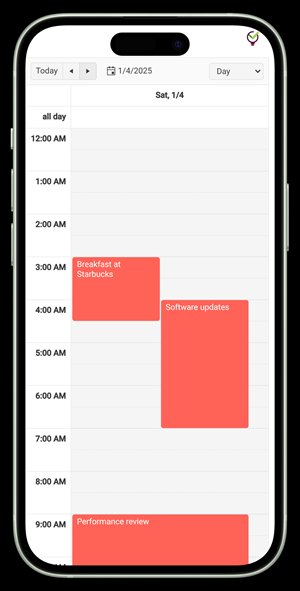
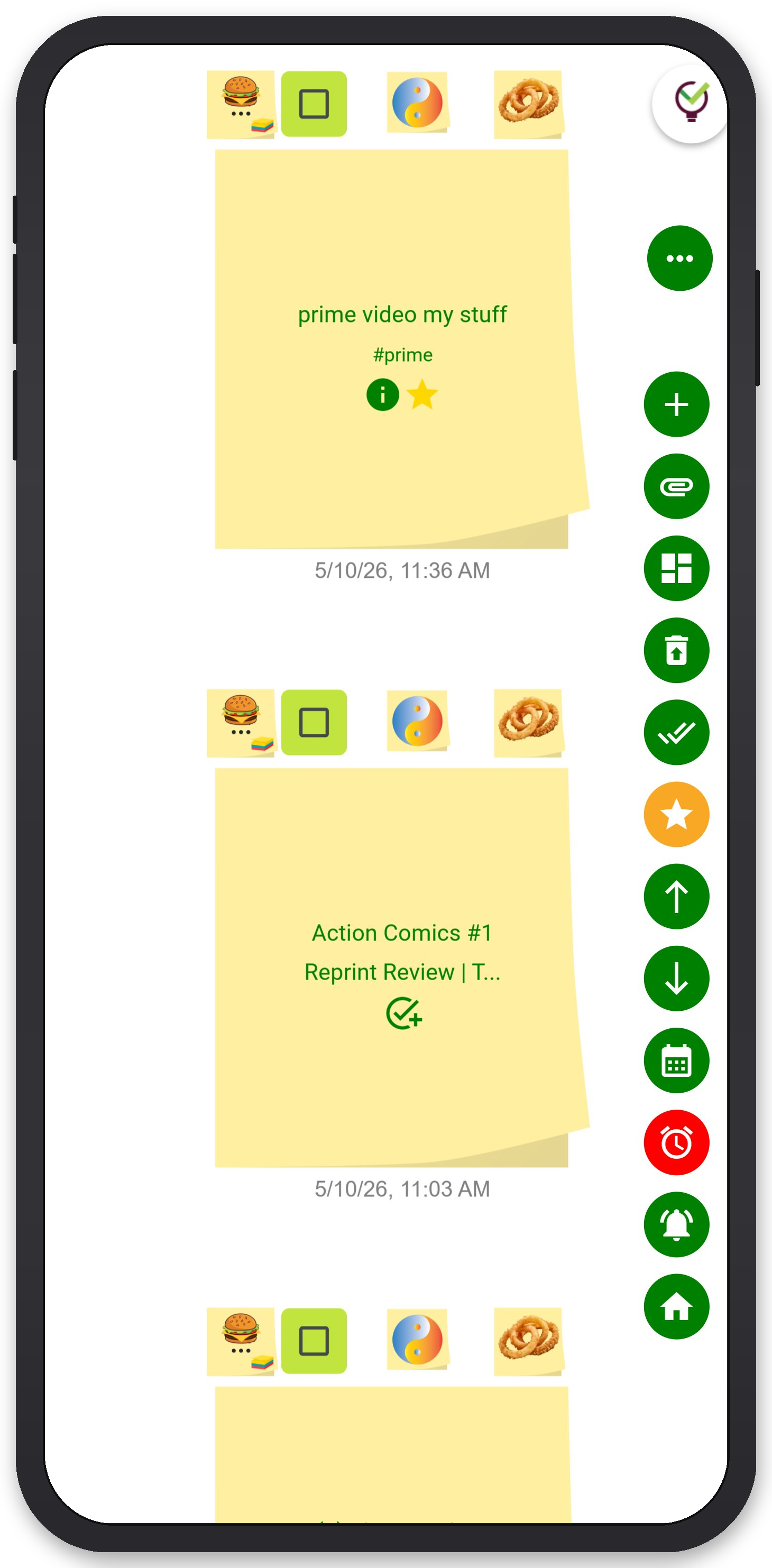
TaskLoco works particularly well for RPM planning because it mirrors how your brain naturally works — with sticky notes for each RPM block. You can create a note for each result, include your purpose at the top, and use the checklist feature to track your massive action items. The visual layout makes it easy to see all your results at once and focus on what matters most.
Set up reminders for your weekly planning sessions and daily reviews. Use file attachments to store supporting documents, research, or inspiration related to each result. The team sharing feature lets you collaborate on shared results with accountability partners or team members.
$9.99/month per person (currently $4.99/month per person for first 500 charter members with code CHARTER50)
TaskLoco Premium is regularly $9.99/month per person. Right now, charter members can lock in 50% off the regular price — forever. That means $4.99/month per person today. And if our price ever goes up, you still pay half. Always.
Code CHARTER50 auto-applies at checkout. First 500 spots only — once they're gone, this offer is gone permanently. Act fast while spots last.
Every Premium subscription includes unlimited notes, 10GB file storage, reminders, calendar, and team sharing. Each team member requires a separate subscription. 7-day free trial — no charge until day 8. Cancel anytime.
Free Options: TaskLoco
TaskLoco Lite
- Native iPhone & Android app
- Completely anonymous — no sign-in
- Data stays on your device
- Up to 20 notes
- Free forever
TaskLoco Lite Plus+
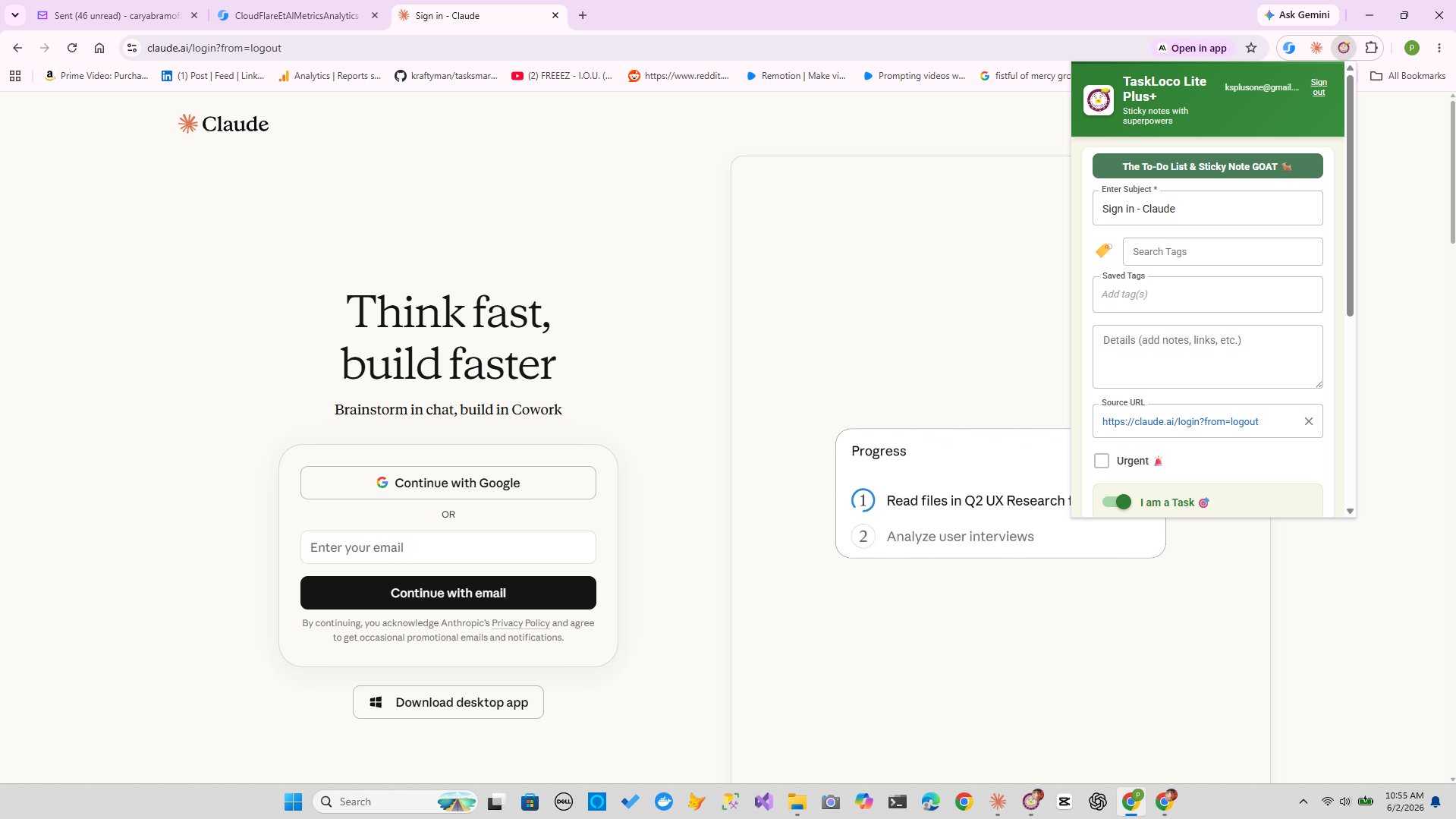
- Web app + Chrome extension
- Sign in with Google
- Wall syncs across all devices
- Up to 30 notes
- Free forever
Lock In 50% Off — Forever
7-day free trial. No charge until day 8. CHARTER50 auto-applies at checkout.
🔒 Lock In My Charter SpotSee TaskLoco in Action
Frequently Asked Questions
How is RPM different from regular to-do lists?
RPM starts with the end result you want to achieve, then works backward to determine actions. Traditional to-do lists focus on tasks without connecting them to meaningful outcomes. This makes RPM more strategic and purpose-driven.
How many RPM blocks should I work on at once?
Start with 3-5 RPM blocks per week across different life areas. Too many blocks dilute your focus, while too few may not cover all your important results. Quality and depth matter more than quantity.
What if I don't achieve my intended result?
This is valuable feedback. Review whether your action plan was sufficient, if you executed consistently, or if the timeline was realistic. Adjust your approach for the next cycle rather than abandoning the result entirely.
Can RPM work for team projects?
Absolutely. Teams can create shared RPM blocks with collective results, aligned purposes, and distributed action items. The key is ensuring everyone understands the desired outcome and their role in achieving it.
How long does weekly RPM planning take?
Most people spend 30-60 minutes on weekly planning once they're familiar with the process. Daily check-ins typically take 5-10 minutes. The time investment pays off through increased focus and better results.
Should I use RPM for personal goals or just business?
RPM works for any area where you want better results — health, relationships, finances, personal development. Many people find it most powerful when applied holistically across all important life areas.
What's the best digital tool for RPM planning?
Look for tools that support visual organization, easy editing, and result tracking. $9.99/month per person (currently $4.99/month per person for first 500 charter members with code CHARTER50) TaskLoco's sticky note format naturally supports the RPM structure with notes for each result block and checklists for action items.
Born in Brooklyn. Powered by AWS. Your data stays yours.
TaskLoco is available on iPhone, Android, Chrome, and every web browser.