Stephen Covey's time management matrix transforms chaos into clarity by sorting every task into four simple quadrants. Instead of reacting to whatever screams loudest, you make deliberate choices about where to spend your time.
The matrix works because it forces you to distinguish between what feels urgent and what actually matters. Most people live in crisis mode, bouncing between urgent tasks while important work gets buried. This system breaks that cycle.
The Four Quadrants Explained
Quadrant 1: Urgent and Important — Crises, emergencies, deadline-driven projects. Example: medical emergency, server crash, tax deadline. These demand immediate attention but living here burns you out.
Quadrant 2: Important but Not Urgent — Prevention, planning, relationship building, skill development. Example: exercise, strategic planning, learning new skills, maintaining relationships. This is where high performers spend most of their time.
Quadrant 3: Urgent but Not Important — Interruptions, some calls and emails, busy work that feels important but isn't. Example: most meetings, some phone calls, activities that are urgent to others but not aligned with your goals.
Quadrant 4: Not Urgent and Not Important — Time wasters, excessive TV, mindless social media, trivial activities. Example: channel surfing, gossip, excessive gaming. Minimize time here.
How to Apply the Matrix Daily
Start each week by listing everything on your plate. Ask two questions for each item: Is this urgent? Is this important? Place each task in its quadrant.
Schedule Quadrant 2 first. Block time for important but non-urgent work before urgent tasks crowd them out. This might mean scheduling gym time, planning sessions, or skill development before checking email.
Minimize Quadrant 3 ruthlessly. Learn to say no to urgent requests that don't align with your goals. Delegate when possible. Set boundaries around interruptions.
Batch Quadrant 1 tasks. Handle true emergencies immediately, but batch urgent administrative work into specific time blocks rather than reacting all day.
Common Mistakes and How to Avoid Them
Mistake 1: Confusing urgent with important. Just because someone needs an answer doesn't make it important to your goals. Ask: What happens if this waits until tomorrow? If the answer is 'nothing significant,' it's probably Quadrant 3.
Mistake 2: Neglecting Quadrant 2. Important work rarely has external deadlines, so it gets pushed aside. Schedule it like you would any important meeting. Treat prevention and planning as non-negotiable appointments.
Mistake 3: Living in reaction mode. Check email and messages at set times rather than constantly. Turn off non-essential notifications. Create space between stimulus and response.
Mistake 4: All-or-nothing thinking. You'll never eliminate Quadrant 1 entirely. The goal is reducing it by investing in Quadrant 2 prevention and preparation.
Making It Stick with Digital Tools
The matrix works best when it's easy to capture and categorize tasks quickly. Use whatever system lets you sort items by quadrant without friction — whether that's a simple notebook, spreadsheet, or task management app.
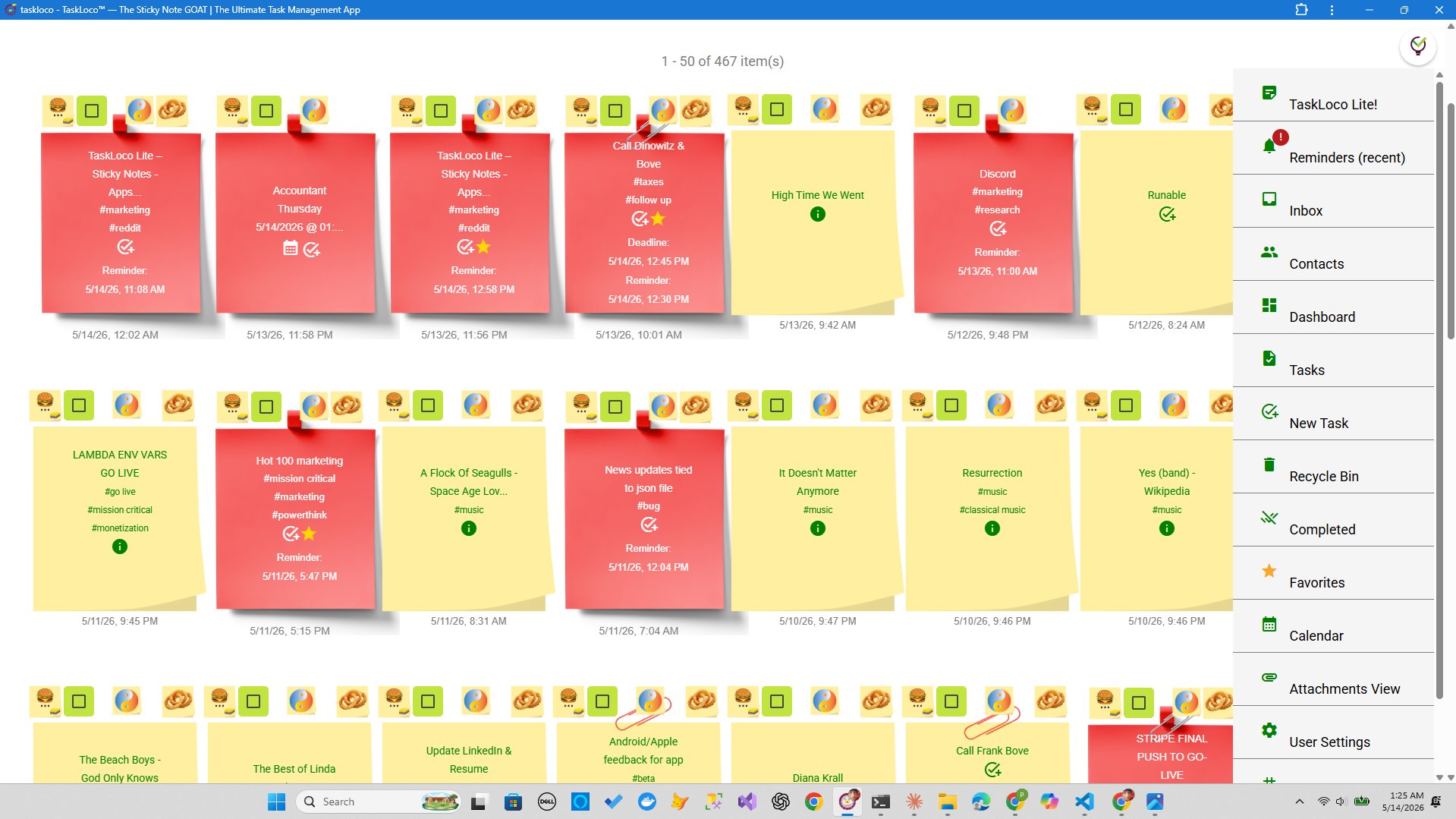
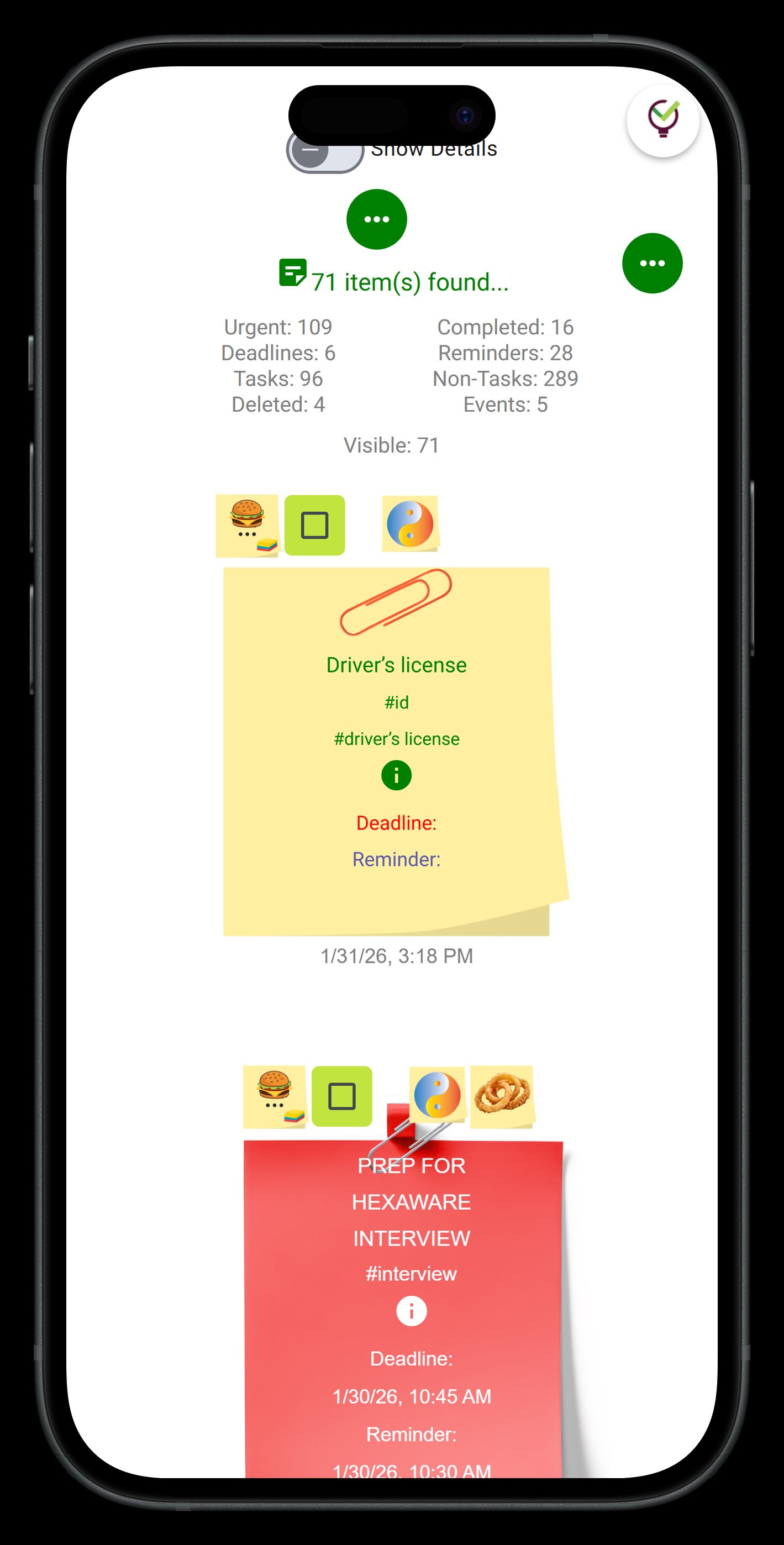
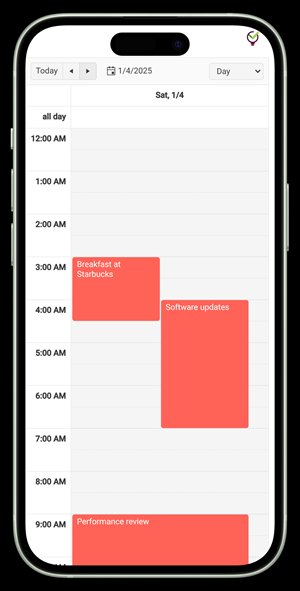
TaskLoco makes this natural by letting you create notes for each quadrant, then drag tasks between them as priorities shift. Set reminders for your Quadrant 2 work since it won't remind you of itself. The key is having one place where you can see everything sorted by urgency and importance.
Review your quadrants weekly. Notice patterns: Are you constantly reactive? Do important projects keep getting delayed? Use these insights to adjust your system and protect your Quadrant 2 time more fiercely.

TaskLoco Premium is regularly $9.99/month per person. Right now, charter members can lock in 50% off the regular price — forever. That means $4.99/month per person today. And if our price ever goes up, you still pay half. Always.
Code CHARTER50 auto-applies at checkout. First 500 spots only — once they're gone, this offer is gone permanently. Act fast while spots last.
Every Premium subscription includes unlimited notes, 10GB file storage, reminders, calendar, and team sharing. Each team member requires a separate subscription. 7-day free trial — no charge until day 8. Cancel anytime.
Free Options: TaskLoco
TaskLoco Lite
- Native iPhone & Android app
- Completely anonymous — no sign-in
- Data stays on your device
- Up to 20 notes
- Free forever
TaskLoco Lite Plus+
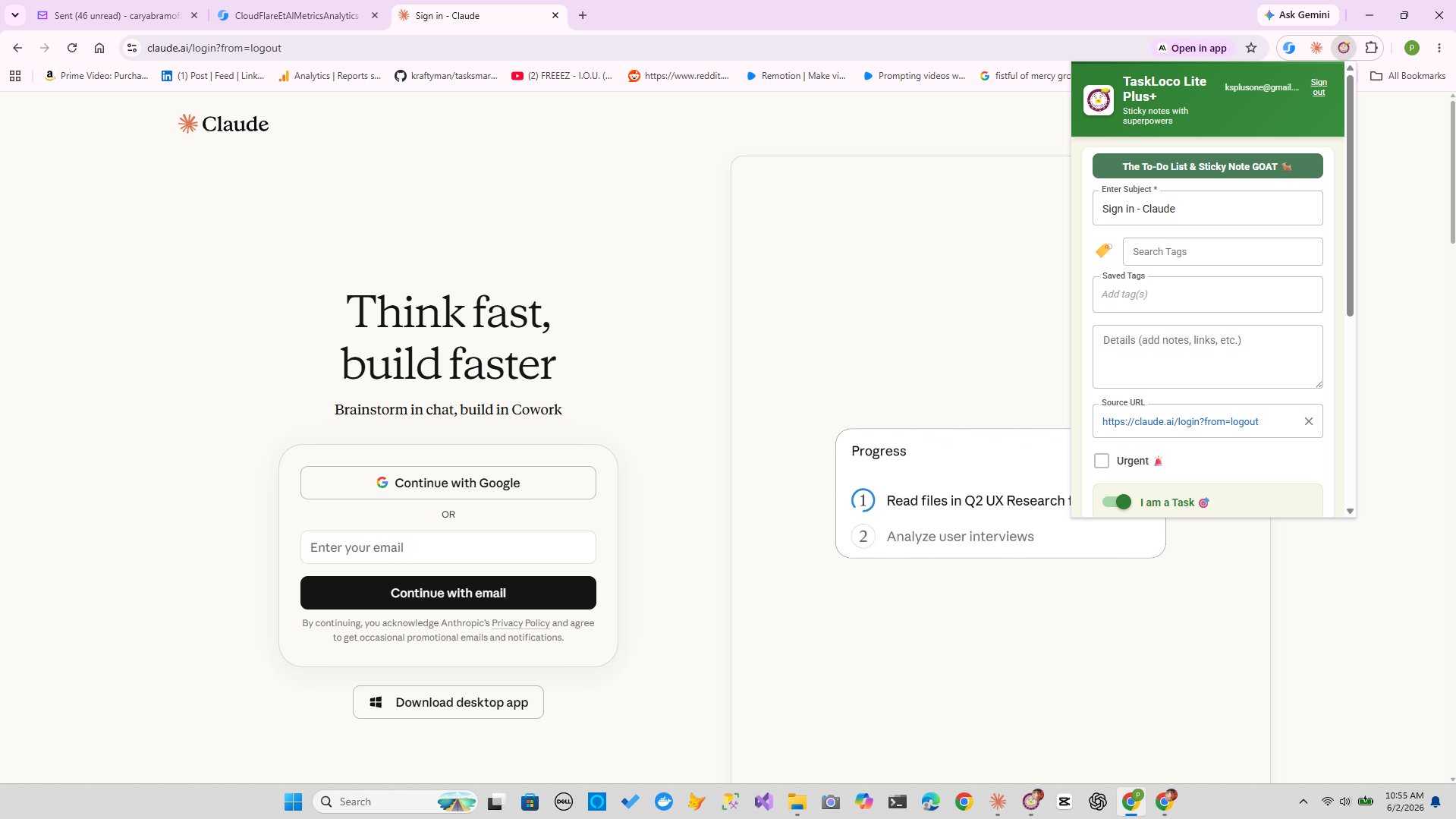
- Web app + Chrome extension
- Sign in with Google
- Wall syncs across all devices
- Up to 30 notes
- Free forever
Lock In 50% Off — Forever
7-day free trial. No charge until day 8. CHARTER50 auto-applies at checkout.
🔒 Lock In My Charter SpotSee TaskLoco in Action
Frequently Asked Questions
What's the difference between urgent and important in the Covey Matrix?
Urgent tasks demand immediate attention and have deadlines. Important tasks contribute to your long-term goals and values. A medical emergency is both urgent and important. Exercise is important but not urgent. Most emails are urgent but not important.
How much time should I spend in each quadrant?
Aim for 65-70% in Quadrant 2 (important, not urgent), 20-25% in Quadrant 1 (urgent and important), 5-10% in Quadrant 3 (urgent, not important), and minimize Quadrant 4 (neither urgent nor important).
Why do people struggle to focus on Quadrant 2 activities?
Quadrant 2 work doesn't have external deadlines or pressure, so it's easy to postpone. Urgent tasks create adrenaline and feel more immediately rewarding. The solution is to schedule Quadrant 2 work like you would any important meeting.
How do I handle tasks that seem both urgent and important?
True Quadrant 1 tasks require immediate attention. But many tasks feel urgent due to poor planning or external pressure. Ask: What created this urgency? Could better Quadrant 2 planning have prevented this crisis?
Can the Covey Matrix work for personal life, not just work?
Absolutely. Personal examples: Quadrant 1 might be a sick child, Quadrant 2 could be exercise or relationship building, Quadrant 3 might be social obligations that don't align with your values, and Quadrant 4 could be excessive TV watching.
What tools work best for implementing the Covey Matrix?
Any system that lets you quickly categorize and prioritize tasks works. This could be a simple notebook with four quadrants, a spreadsheet, or a task management app. $9.99/month per person (currently $4.99/month per person for first 500 charter members with code CHARTER50)
How often should I review and update my quadrants?
Review weekly to categorize new tasks and assess where you actually spent time. Do a quick daily check to ensure you're prioritizing correctly. Monthly reviews help identify patterns and adjust your approach.
Born in Brooklyn. Powered by AWS. Your data stays yours.
TaskLoco is available on iPhone, Android, Chrome, and every web browser.