You know the cycle: Monday morning motivation hits, you promise to exercise daily, drink more water, read before bed. By Thursday, life happens and those good intentions fade into guilt and abandoned plans.
The gap between wanting to change and actually changing isn't about willpower or motivation. It's about understanding how habits form and designing a system that works with your brain, not against it. Here's the proven method to turn any good intention into a habit that sticks.
Start Ridiculously Small
The biggest mistake people make is starting too big. Want to exercise? Don't commit to an hour at the gym — commit to putting on your workout shoes. Want to read more? Don't aim for 30 minutes — commit to reading one page.
This isn't about lowering your standards. It's about hacking the way habits form. Your brain builds neural pathways through repetition, not intensity. A tiny action done 30 days in a row creates stronger pathways than a big action done sporadically.
Once the tiny version becomes automatic (usually 2-3 weeks), you can gradually expand. But many people find that starting their workout shoes leads to a full workout anyway — the hardest part is always starting.
Anchor New Habits to Existing Routines
Your brain loves patterns. Instead of trying to remember a new habit, attach it to something you already do automatically. This is called habit stacking, and it's one of the most reliable ways to make new behaviors stick.
The formula is simple: "After I [existing habit], I will [new habit]." For example: "After I pour my morning coffee, I will write down three things I'm grateful for." Or: "After I brush my teeth at night, I will lay out my workout clothes for tomorrow."
The existing habit becomes your cue. Since you already do it automatically, you don't have to remember to start the new behavior. Your brain just follows the established sequence.
Track Your Wins, Not Your Failures
What gets tracked gets done. But most people track the wrong things. Instead of focusing on perfect streaks or big outcomes, track completion of your tiny daily action. Did you put on your workout shoes? Check. Did you read one page? Check.
Use a simple system — a calendar where you mark an X, a habit tracker app, or even a note on your phone. The act of marking your win releases a small hit of dopamine, which reinforces the behavior and makes you want to do it again tomorrow.
When (not if) you miss a day, don't restart your count or feel guilty. Just get back on track the next day. Habits are built through consistency over time, not perfection. Missing one day is a hiccup; missing two days in a row starts to break the pattern.
Using TaskLoco to Build Habit Systems
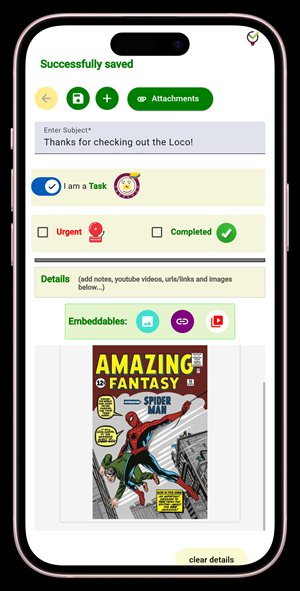
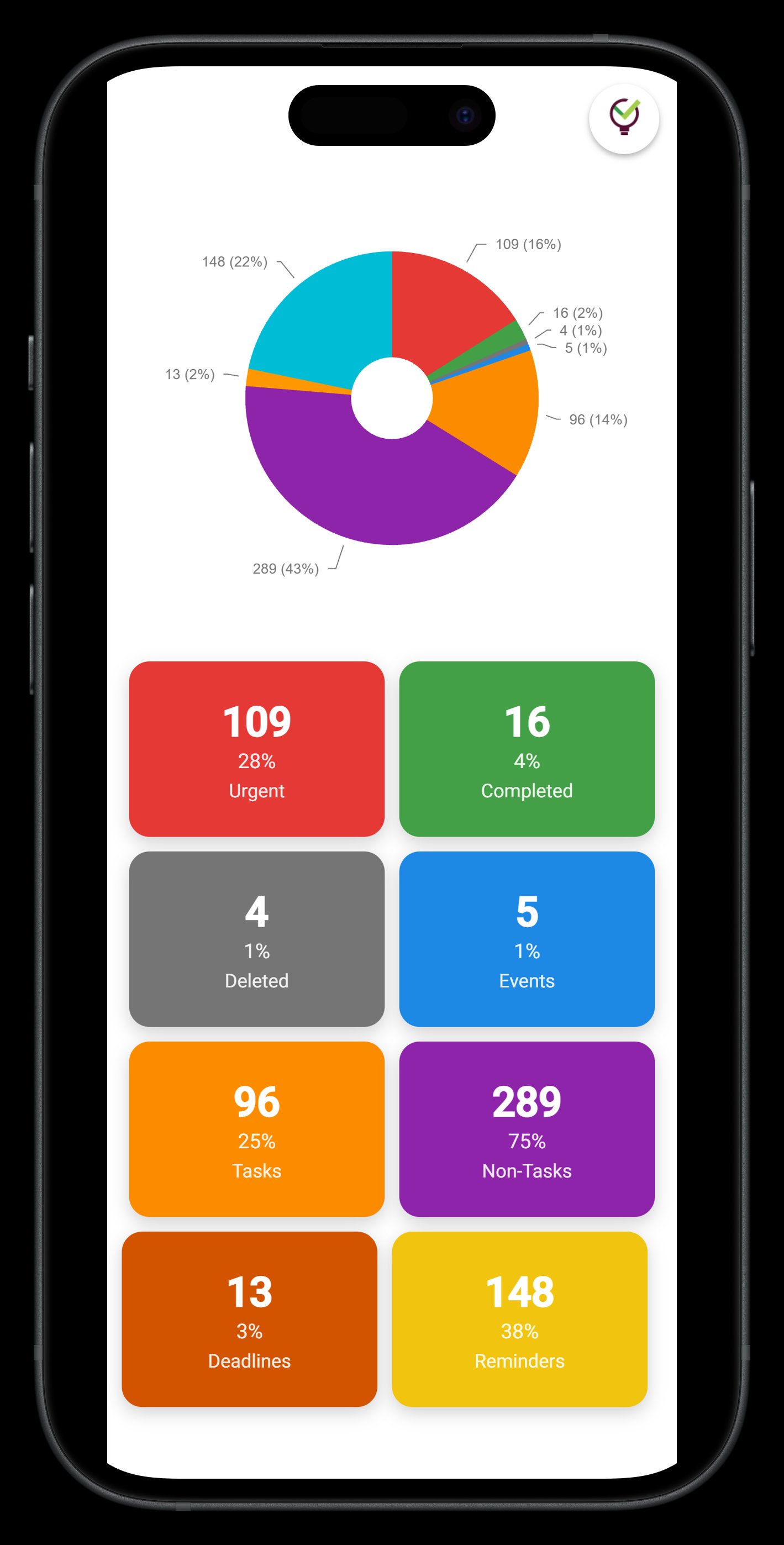
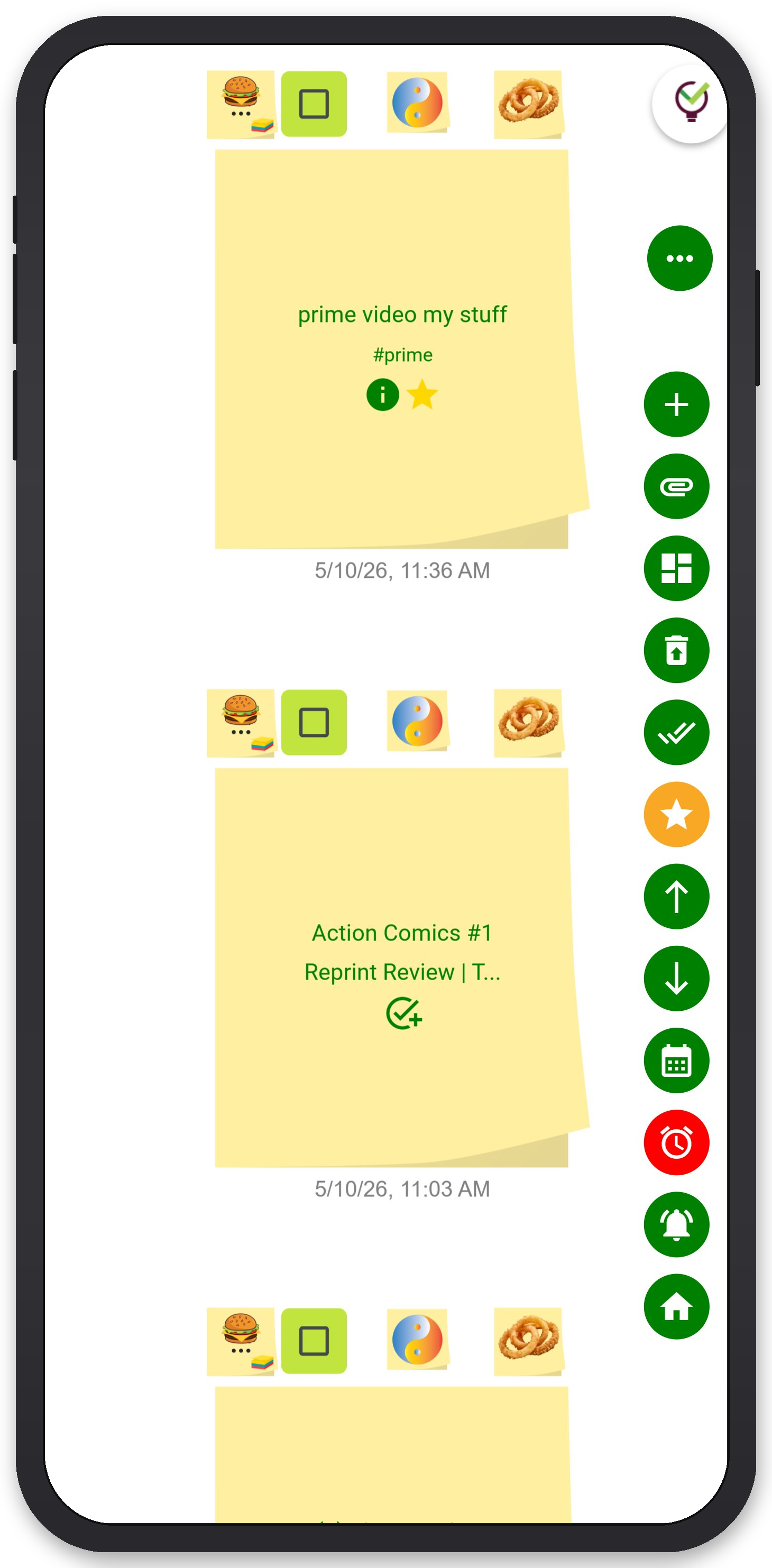
A simple note-taking system can be your habit-building command center. TaskLoco's sticky notes let you track daily habits, set reminders for your anchored routines, and celebrate small wins — all in one place that syncs across your devices.
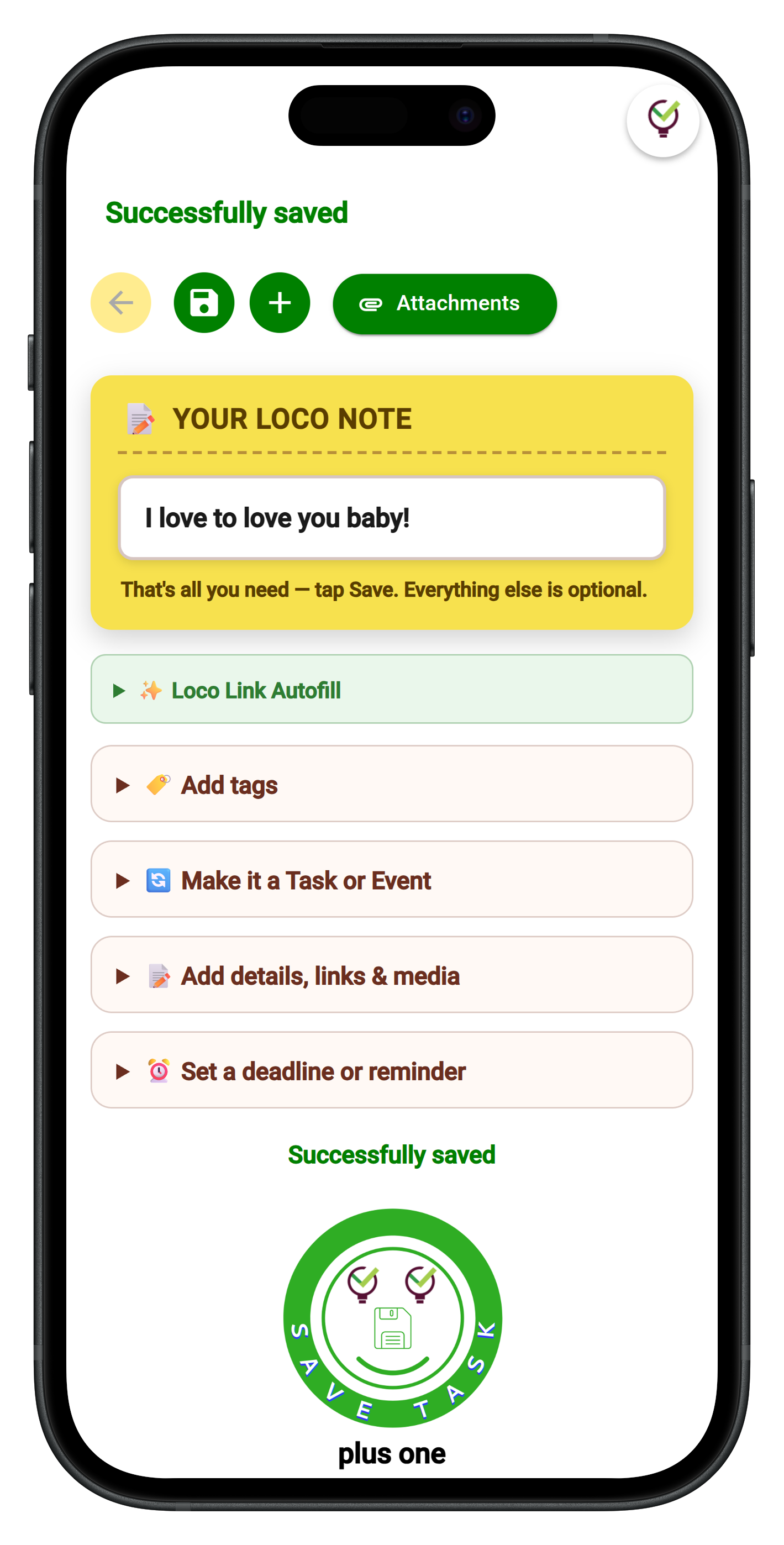
Create a note for each new habit with your tiny daily action clearly defined. Use reminders to prompt your habit stack triggers. Attach photos of your progress or inspiring quotes. The visual nature of sticky notes makes your habit system feel more tangible and rewarding than buried lists or complex apps.
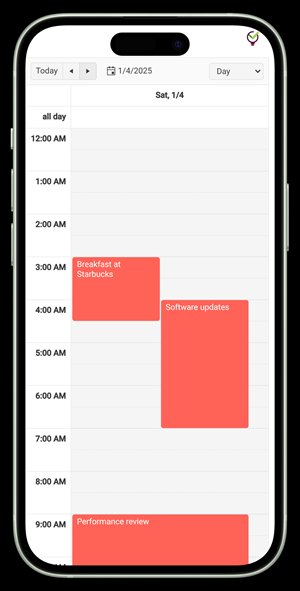
The calendar view shows your consistency patterns over time, helping you spot which habits are sticking and which need adjustment. When you see a month full of completed tiny actions, the momentum becomes undeniable.
TaskLoco Premium is regularly $9.99/month per person. Right now, charter members can lock in 50% off the regular price — forever. That means $4.99/month per person today. And if our price ever goes up, you still pay half. Always.
Code CHARTER50 auto-applies at checkout. First 500 spots only — once they're gone, this offer is gone permanently. Act fast while spots last.
Every Premium subscription includes unlimited notes, 10GB file storage, reminders, calendar, and team sharing. Each team member requires a separate subscription. 7-day free trial — no charge until day 8. Cancel anytime.
Free Options: TaskLoco
TaskLoco Lite
- Native iPhone & Android app
- Completely anonymous — no sign-in
- Data stays on your device
- Up to 20 notes
- Free forever
TaskLoco Lite Plus+
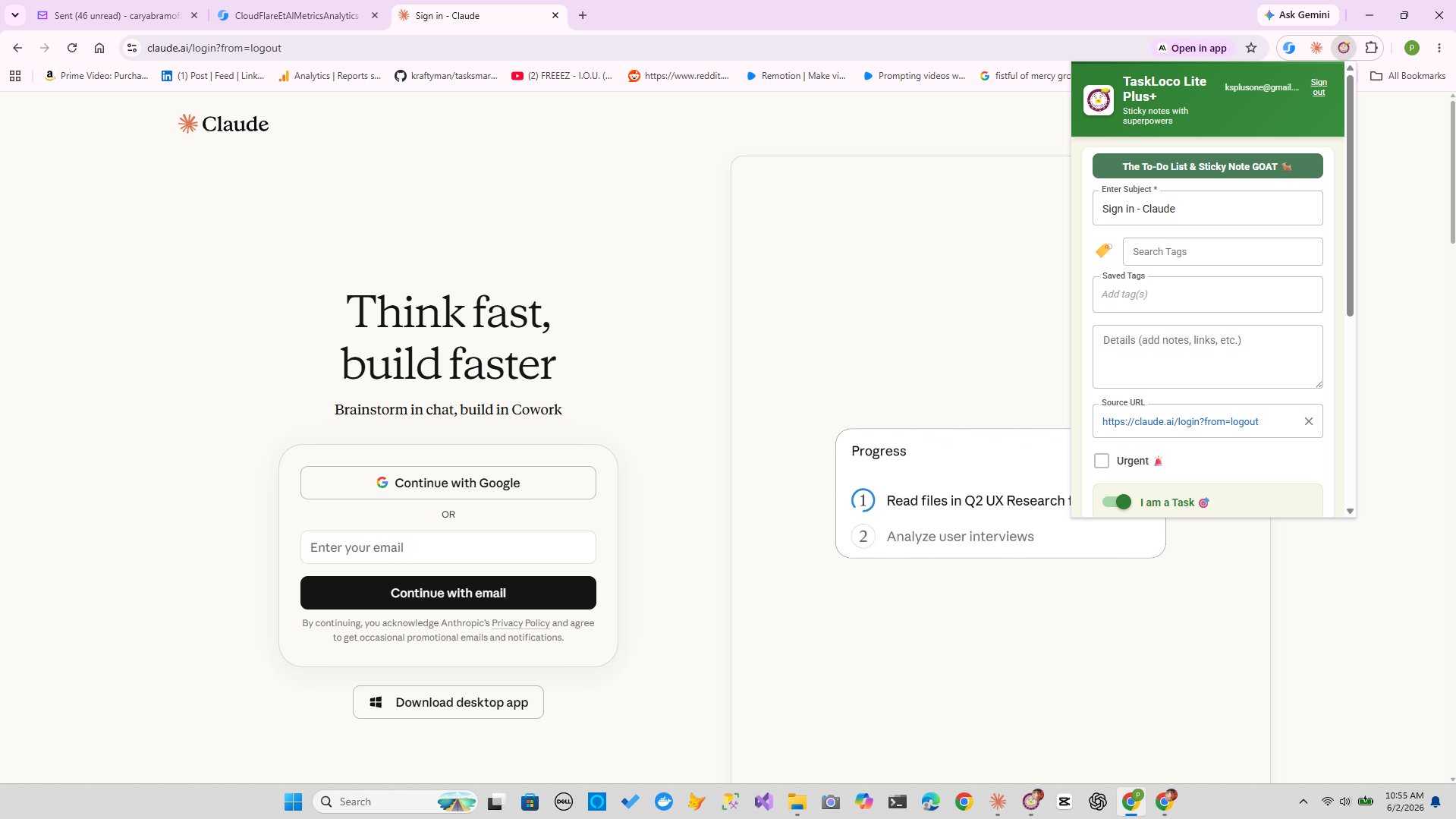
- Web app + Chrome extension
- Sign in with Google
- Wall syncs across all devices
- Up to 30 notes
- Free forever
Lock In 50% Off — Forever
7-day free trial. No charge until day 8. CHARTER50 auto-applies at checkout.
🔒 Lock In My Charter SpotSee TaskLoco in Action
Frequently Asked Questions
How long does it take to form a new habit?
Research shows it takes an average of 66 days for a new behavior to become automatic, but it varies from 18 to 254 days depending on the complexity. Simple habits like drinking a glass of water form faster than complex ones like daily exercise routines.
What should I do if I keep forgetting my new habit?
This usually means your trigger isn't strong enough. Try anchoring your habit to a more obvious existing routine, or set a phone reminder for the same time each day. Make the cue impossible to miss.
How many new habits can I work on at once?
Start with just one habit at a time. Your brain has limited capacity for forming new automatic behaviors. Once one habit is running on autopilot (usually 2-3 weeks), you can add another.
What if I miss several days in a row?
Don't restart or give up. Just pick up where you left off with your tiny version. Often people try to compensate by doing extra, which usually leads to burnout. Stick to your small daily action and rebuild consistency.
Should I reward myself for completing habits?
The completion itself should be the reward. External rewards can actually weaken intrinsic motivation over time. Focus on how good it feels to keep your commitment to yourself and track your progress visually.
How do I make habits stick when my schedule is unpredictable?
Focus on time-independent habits rather than time-specific ones. Instead of 'exercise at 6 AM,' try 'do 10 pushups after I finish my first work call.' Anchor to activities rather than clock times.
What's the best way to track habit progress?
Use whatever system you'll actually check daily. A simple calendar with X marks, a habit tracker app, or $9.99/month per person (currently $4.99/month per person for first 500 charter members with code CHARTER50) The key is making it visible and easy to update.
Born in Brooklyn. Powered by AWS. Your data stays yours.
TaskLoco is available on iPhone, Android, Chrome, and every web browser.