Sunday night hits and your stomach drops. Not because anything terrible is about to happen — just because Monday is. That low-grade dread, the mental rehearsal of everything waiting for you, the inability to enjoy Sunday evening because your brain is already halfway through the week — it's exhausting. And it's more common than most people admit out loud.
Here's the thing: Monday dread isn't really about Monday. It's about loose ends. It's about not knowing where to start. It's about the gap between where you left off Friday and where you'll need to be by 10am Monday. The fix isn't motivational — it's structural. Change how you end the week and Monday becomes something you can actually face.
The Real Cause of Monday Dread (And It's Not What You Think)
Most advice about Monday dread focuses on mindset — gratitude lists, reframing your attitude, finding meaning in your work. That advice isn't wrong, but it treats the symptom, not the cause. The cause is almost always cognitive load: your brain is carrying a pile of unresolved tasks from the previous week, and it never got to put them down.
Psychologists call this the Zeigarnik effect — the tendency for the brain to fixate on incomplete tasks far more than completed ones. Every unfinished item from last week is a small open loop your brain keeps returning to, even on Saturday, even on Sunday morning. The dread you feel isn't irrational; it's your brain trying to process a backlog it never cleared.
This is why Sunday night feels heavier than Friday afternoon. By Sunday, you've spent two full days with those loops running in the background. Monday just brings them into sharp focus.
The other common cause is ambiguity. When you don't know exactly what you're walking into, your brain fills the gap with worst-case scenarios. A vague sense of "a lot to do" feels heavier than a specific list of seven tasks, even if the workload is identical. Specificity is calming. Ambiguity is anxiety-inducing.
The Friday Shutdown Ritual: How to Actually Close the Week
The single most effective thing you can do for Monday morning is build a Friday shutdown ritual — a repeatable process that closes the week cleanly so your brain can actually let go.
Step 1: Do a brain dump. Before you leave on Friday, write down every open task, every floating thought, every thing you promised someone you'd follow up on. Get it out of your head and onto paper or a note. You're not organizing yet — you're just emptying. This alone reduces Sunday anxiety measurably.
Step 2: Review what actually happened this week. Spend five minutes looking at what you completed. Not to celebrate — just to close loops. Your brain needs to know it's okay to stop thinking about those things. Acknowledging completion is a cognitive signal to release.
Step 3: Decide on your Monday starter. Pick the single first task you'll do Monday morning before you check email, before you check Slack, before anything reactive. Write it down somewhere you'll see it. This is not your whole Monday plan — just your first move. Knowing your first move removes the paralysis of "where do I even begin."
Step 4: Triage the backlog. Look at everything you didn't finish this week. For each item, decide: does it move to next week, does it get delegated, or does it get dropped? Don't carry dead weight into Monday. A task you're never actually going to do is just a source of guilt — cut it.
Step 5: Clear your physical and digital workspace. Close your tabs. Archive your email to zero or close to it. Clear your desk if you work at one. You're creating the conditions for a clean start. Walking into Monday with 47 open tabs is a psychological weight before you've typed a single word.
The goal isn't to eliminate all work from your weekend mind — it's to give your brain permission to stop running the loops. When everything is written down and triaged, your brain trusts that nothing will be forgotten. That trust is what lets you actually decompress.
Monday Morning Architecture: What to Do From 8am to 10am
Even with a solid Friday shutdown, Monday mornings can derail if you don't have a structure for the first two hours. The opening of your day sets the trajectory. Here's how to design it deliberately.
Protect the first 60-90 minutes from reactive work. Email and Slack are other people's priorities. The first thing you do on Monday should be something you chose on Friday — the task you wrote down as your Monday starter. Even if it takes only 20 minutes, completing something before you open your inbox creates momentum that carries through the day.
Do a quick Monday morning review. Before diving into tasks, spend 10 minutes scanning what's ahead for the week. Not to plan in detail — just to orient. What are the one or two things that actually matter this week? What has a hard deadline? What is flexible? This scan gives you a filter for everything else that will come at you during the day.
Batch reactive work into windows. Instead of checking email constantly, block two or three windows — say 9:30am, 12:30pm, 4pm — for reactive work. Knowing you have a designated time to handle incoming requests makes it easier to ignore them when you're doing focused work. It also reduces the feeling of being perpetually behind, because you're no longer measuring yourself against a constantly moving target.
Give yourself a real break at noon. This sounds obvious but most people don't do it. Eating lunch at your desk while reading email is not a break — it's a slower version of working. A genuine 20-30 minute break midday resets your ability to concentrate in the afternoon. Monday afternoons feel punishing partly because people never actually recovered from Monday morning.
One more thing: lower your bar for Monday. Monday is not the day to schedule your most difficult creative work, your most important presentations, or your highest-stakes conversations. It's a warm-up day. Get moving, build momentum, clear easy wins. Save your peak cognitive work for Tuesday and Wednesday when you're actually warmed up.
TaskLoco Premium is regularly $9.99/month per person. Right now, charter members can lock in 50% off the regular price — forever. That means $4.99/month per person today. And if our price ever goes up, you still pay half. Always.
Code CHARTER50 auto-applies at checkout. First 500 spots only — once they're gone, this offer is gone permanently. Act fast while spots last.
Every Premium subscription includes unlimited notes, 10GB file storage, reminders, calendar, and team sharing. Each team member requires a separate subscription. 7-day free trial — no charge until day 8. Cancel anytime.
Free Options: TaskLoco
TaskLoco Lite
- Native iPhone & Android app
- Completely anonymous — no sign-in
- Data stays on your device
- Up to 20 notes
- Free forever
TaskLoco Lite Plus+
- Web app + Chrome extension
- Sign in with Google
- Wall syncs across all devices
- Up to 30 notes
- Free forever
Lock In 50% Off — Forever
7-day free trial. No charge until day 8. CHARTER50 auto-applies at checkout.
🔒 Lock In My Charter SpotSee TaskLoco in Action
Frequently Asked Questions
Why do I dread Monday even when I like my job?
Liking your job doesn't protect you from Monday dread. The dread usually comes from unresolved tasks and ambiguity — open loops from last week that your brain never closed, and uncertainty about where to start. Even people who genuinely enjoy their work experience this when they leave Friday without a clean shutdown. The fix is structural, not motivational.
What is a Friday shutdown ritual and how do I build one?
A Friday shutdown ritual is a short, repeatable process you do at the end of every work week to close open loops and prepare for Monday. The core elements: do a brain dump of everything unfinished, review what you completed, pick your Monday first task, triage your backlog, and clear your workspace. The whole thing can take 20-30 minutes and significantly reduces Sunday evening anxiety.
How do I stop thinking about work on the weekend?
The most effective technique is writing everything down in a trusted system before you leave on Friday. Your brain fixates on incomplete tasks because it's afraid they'll be forgotten. When everything is captured and triaged, your brain gets the signal that it's okay to let go. The Friday shutdown ritual is specifically designed to give your brain permission to disengage.
What should I do first thing on Monday morning?
The single most important thing is to protect the first 60-90 minutes from reactive work — no email, no Slack, no other people's priorities. Do the one task you chose on Friday as your Monday starter. It doesn't have to be big. The point is to complete something meaningful before the day becomes reactive, which creates momentum that carries through the rest of the day.
Is Monday dread a sign I should quit my job?
Not necessarily. Monday dread is extremely common across all kinds of jobs, including ones people genuinely want to keep. If the dread is caused by workload ambiguity, unfinished tasks, or lack of structure, it can be fixed with better habits — and often is, quickly. However, if the dread is accompanied by a persistent sense of dread throughout the week, or is tied to a toxic environment or misaligned values, that's a different conversation worth having with yourself honestly.
Can TaskLoco help with Monday morning organization?
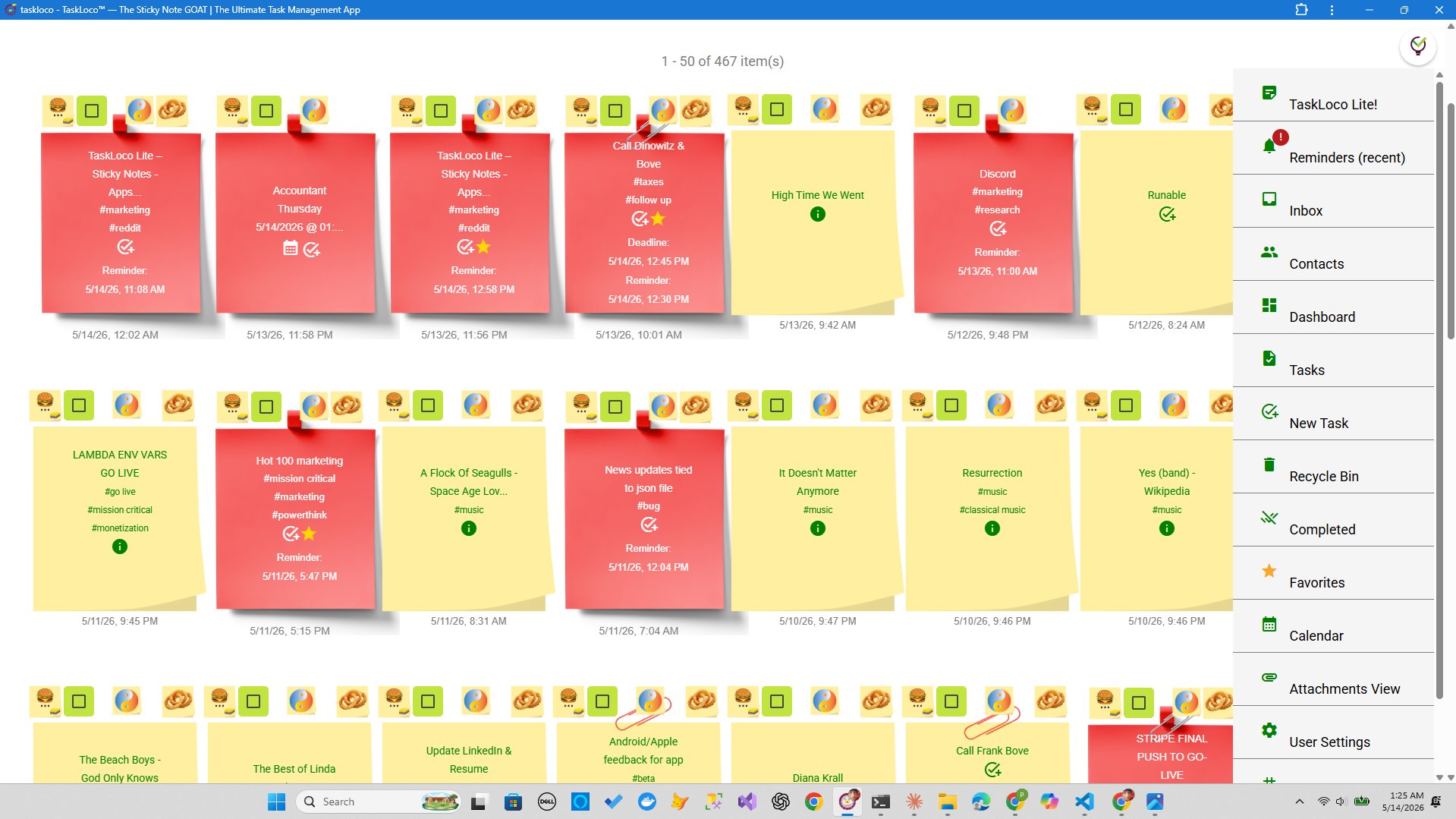
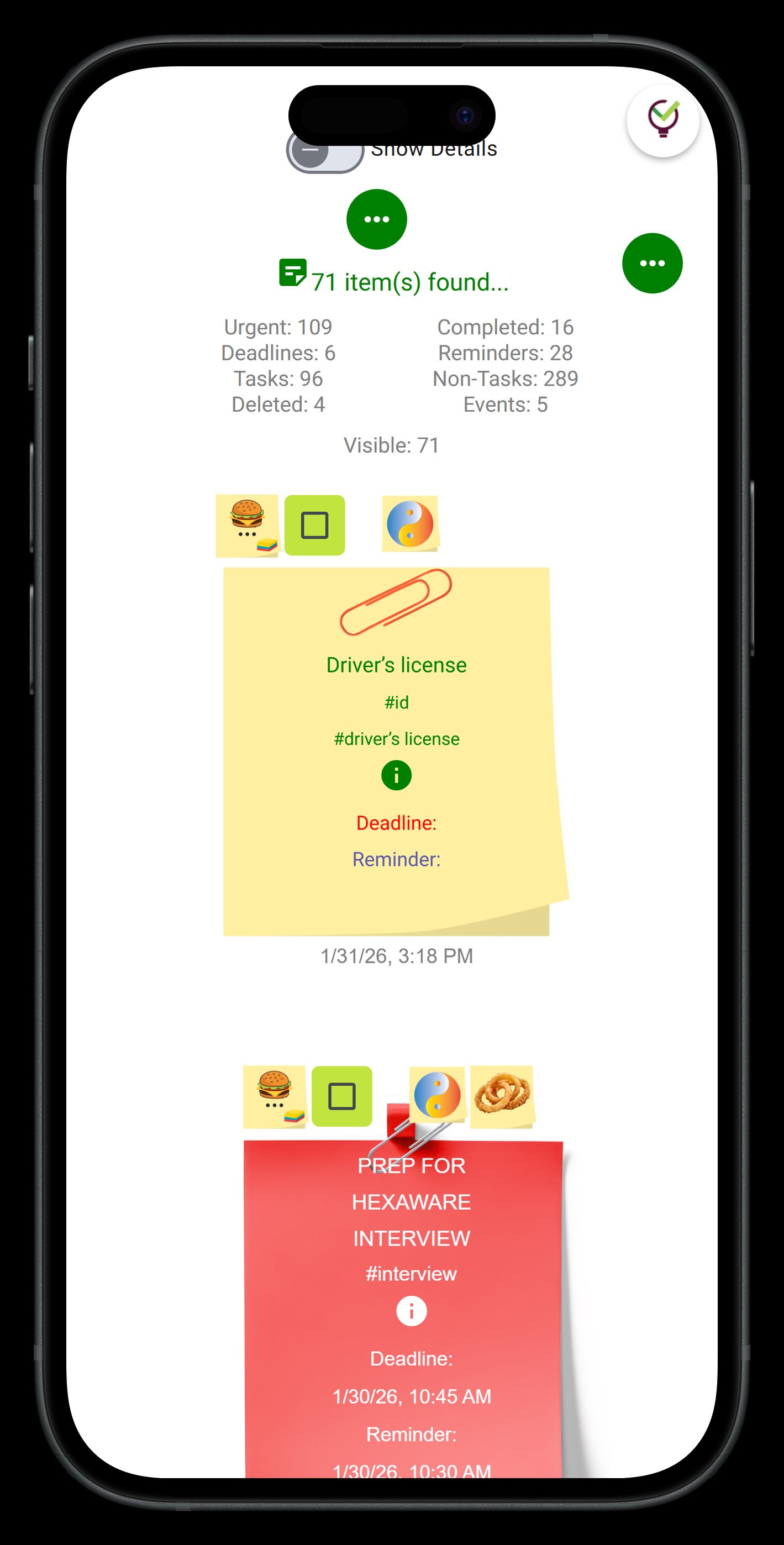
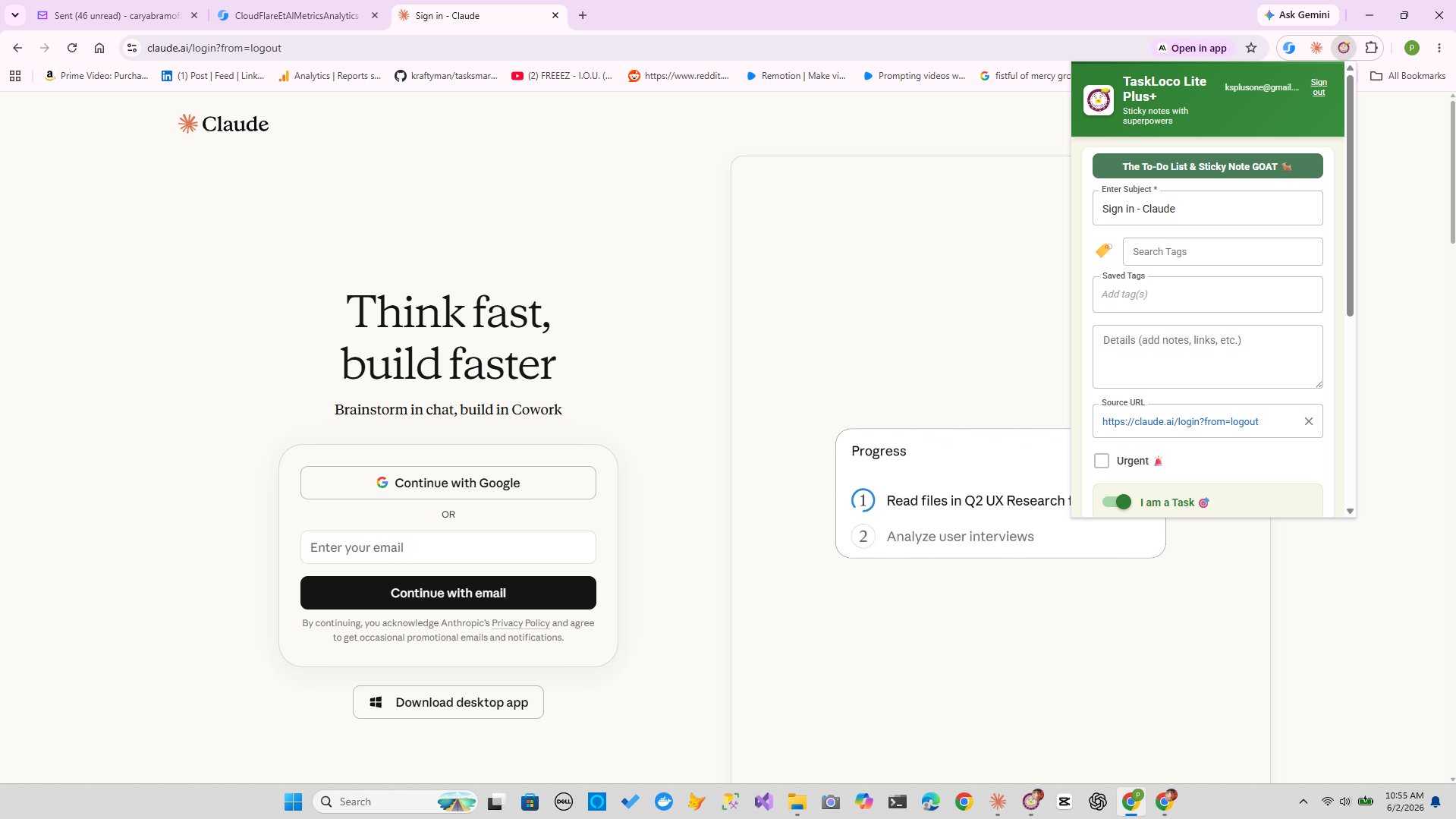
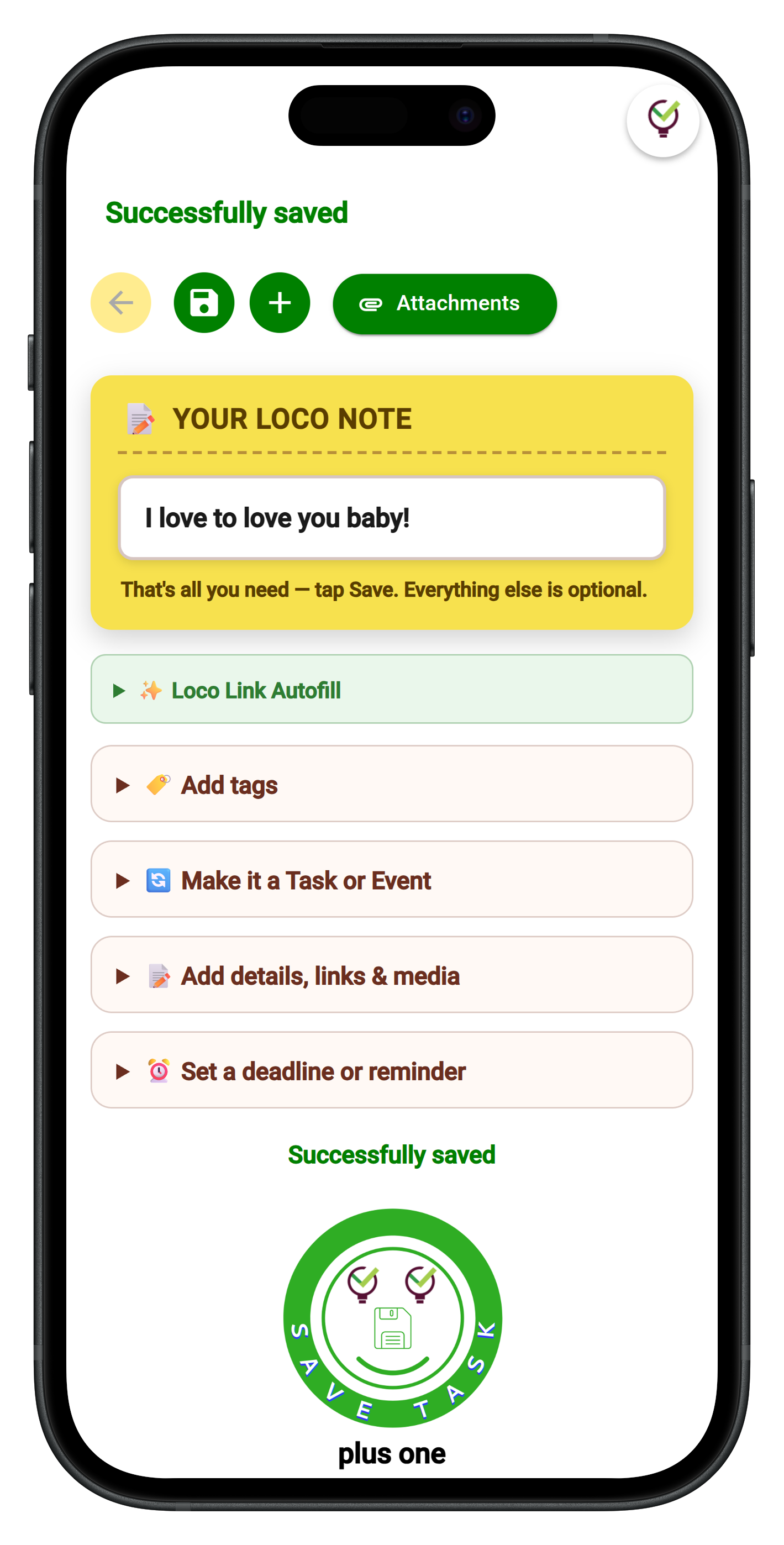
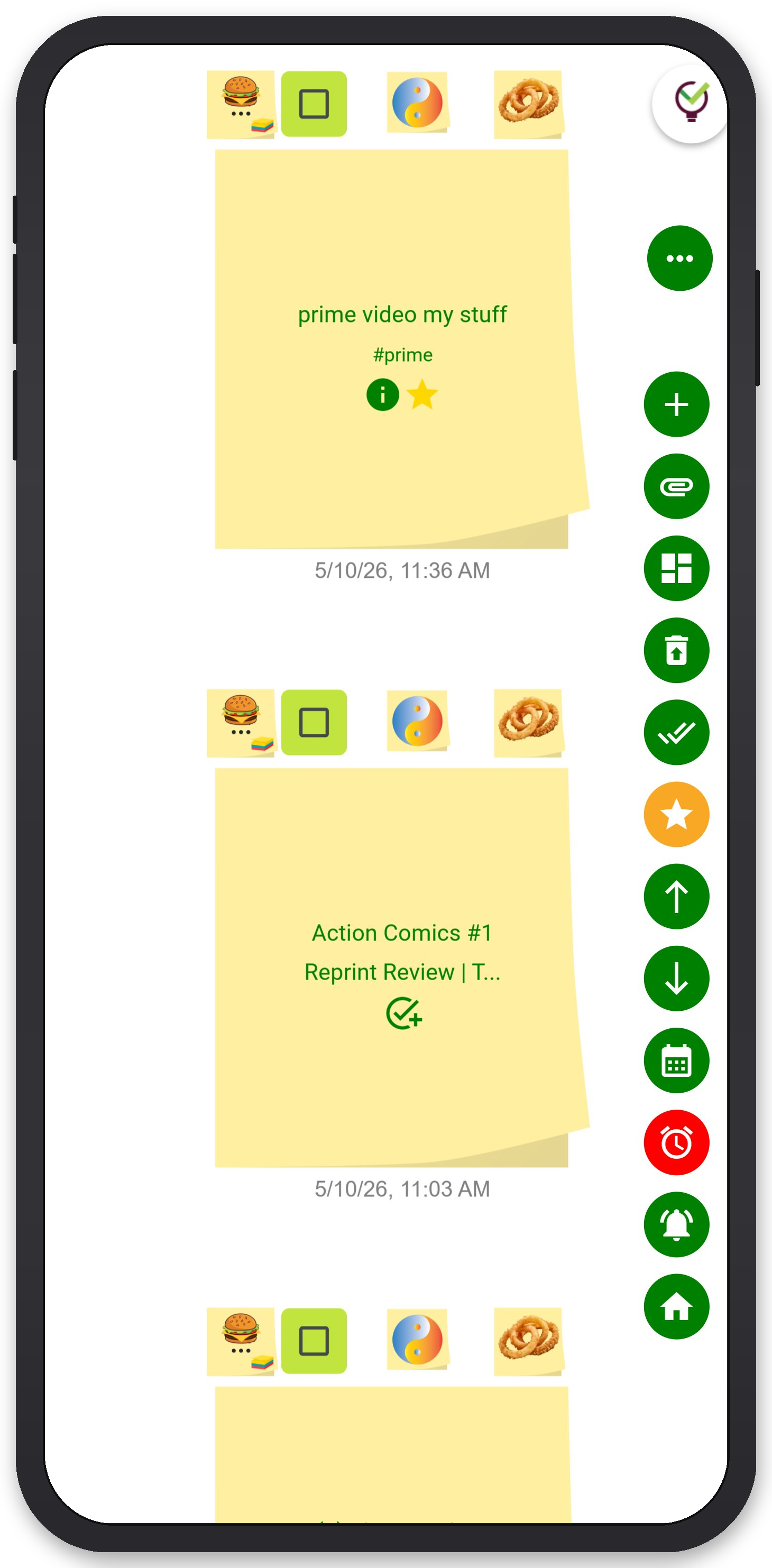
Yes. TaskLoco is built around sticky notes, which makes it a natural tool for the Friday brain dump and Monday setup. You can capture every open task on Friday, pin your Monday starter front and center on your board, and use push notification reminders that deep-link directly back to the relevant note so Monday morning context is one tap away. There's a free tier to try with no sign-in required, and Premium adds unlimited notes, reminders, calendar view, and team sharing. $9.99/month per person (currently $4.99/month per person for first 500 charter members with code CHARTER50)
What's the difference between TaskLoco Lite and TaskLoco Premium?
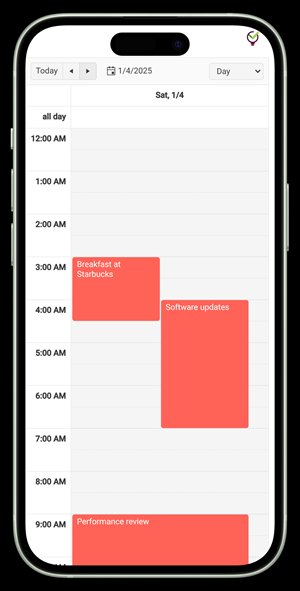
TaskLoco Lite is a free native iPhone and Android app — completely anonymous, no account required, stores up to 20 notes on your device only, and never syncs. It's a clean, private place to capture notes. TaskLoco Lite Plus+ is a free web app with Google sign-in that syncs across all your devices and holds up to 30 notes, plus the Chrome extension for one-click web capture. TaskLoco Premium adds unlimited notes, 10GB file storage, reminders delivered as push notifications (with optional email and SMS), calendar view, and team sharing. $9.99/month per person (currently $4.99/month per person for first 500 charter members with code CHARTER50)
Born in Brooklyn. Powered by AWS. Your data stays yours.
TaskLoco is available on iPhone, Android, Chrome, and every web browser.