You've tried weekly planning before. Sunday night arrives, you map out an ambitious week, and by Wednesday it's completely derailed. Sound familiar? The problem isn't your intentions — it's your system.
Real weekly planning isn't about cramming more into your schedule. It's about creating a realistic framework that bends without breaking when life happens. Here's how to build a weekly plan that survives contact with reality.
Start With Time Blocks, Not Task Lists
Most people plan their week by writing endless task lists. Then they wonder why nothing gets done. The missing piece? Time blocks.
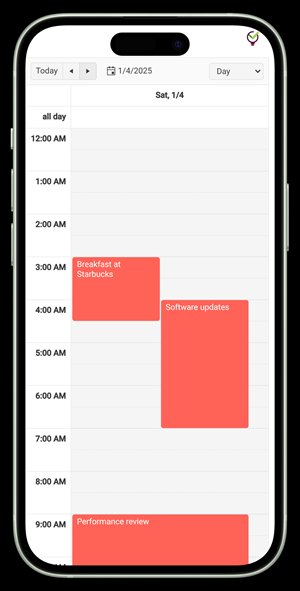
Instead of listing "finish quarterly report," block out Tuesday 9-11 AM for report writing. Instead of "call three prospects," block Thursday 2-3 PM for sales calls. You're not just deciding what to do — you're deciding when you'll do it.
Start with your non-negotiables: meetings, appointments, commute time. Then block time for your three biggest weekly priorities. Everything else fits around these anchors.
Leave buffer time between blocks. Back-to-back scheduling looks efficient on paper but crashes in reality. Build in 15-30 minute cushions.
Apply the 3-2-1 Rule for Daily Priorities
Here's where most weekly plans die: trying to do everything every day. The 3-2-1 rule keeps you focused on what actually matters.
Each day gets exactly three priorities: one big thing, one medium thing, one small thing. That's it. Not five things. Not ten things. Three.
Your big thing should take 2-3 hours of focused work. Medium thing takes about an hour. Small thing takes 15-30 minutes. This matches how your energy and attention actually work throughout the day.
Write these priorities the night before or first thing in the morning. Be specific: "Draft introduction section for client proposal" beats "work on proposal." Vague tasks create decision fatigue.
Build Your Weekly Review Habit
This step separates people who plan once from people who plan effectively. Every Friday or Sunday, spend 15 minutes reviewing what worked and what didn't.
Ask yourself three questions: What got done? What got pushed? What can I learn for next week? Don't judge — just observe patterns.
Maybe you consistently underestimate how long client calls take. Maybe Tuesday afternoons are terrible for deep work because you're drained from morning meetings. Maybe you need bigger buffers between tasks.
Adjust your next week based on what you learned. If you always skip Friday afternoon tasks, stop scheduling important work then. If you're most creative in the morning, protect that time fiercely.
Use Tools That Match Your Planning Style
Your planning system needs to be as simple as possible while still being effective. Overcomplicated tools kill consistency faster than anything else.
Some people thrive with paper planners. Others need digital reminders. The key is picking something you'll actually use every single day without friction.
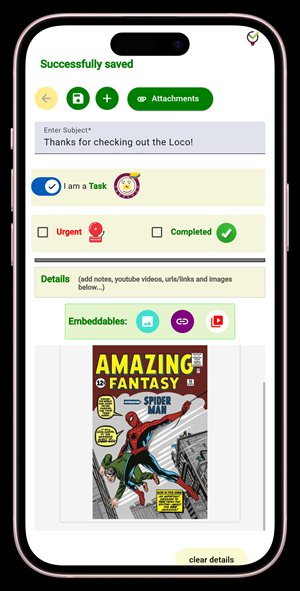
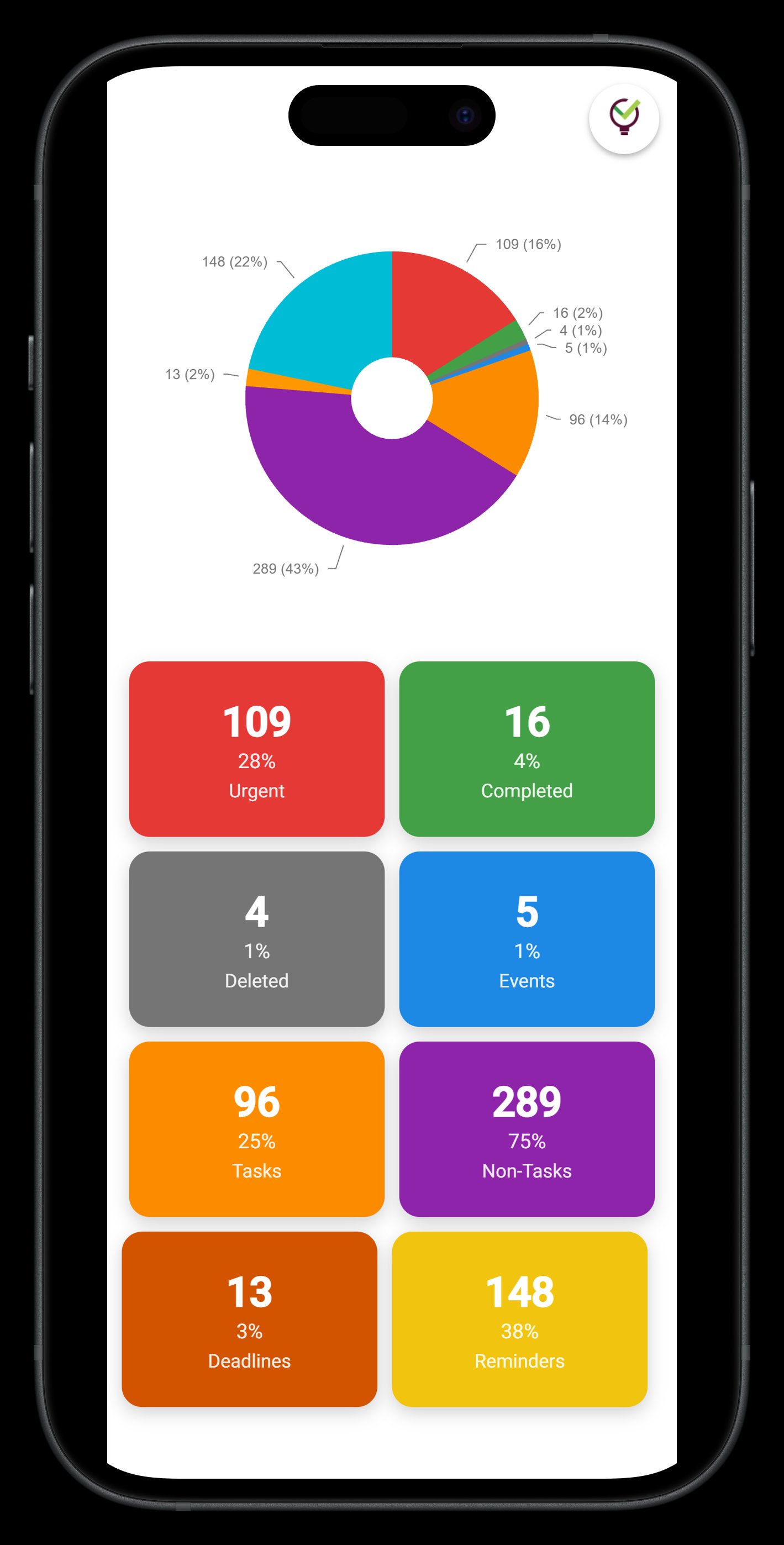
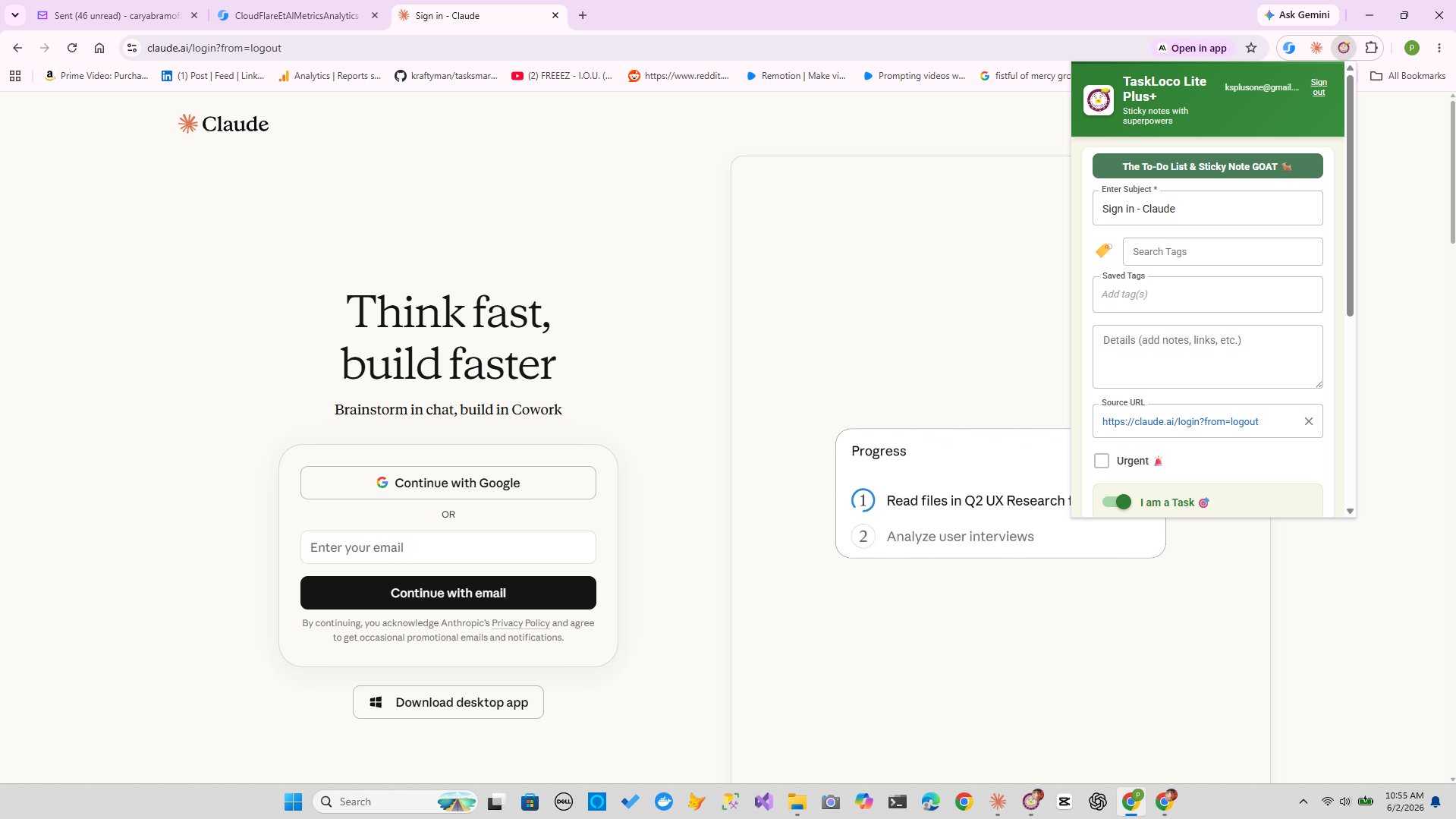
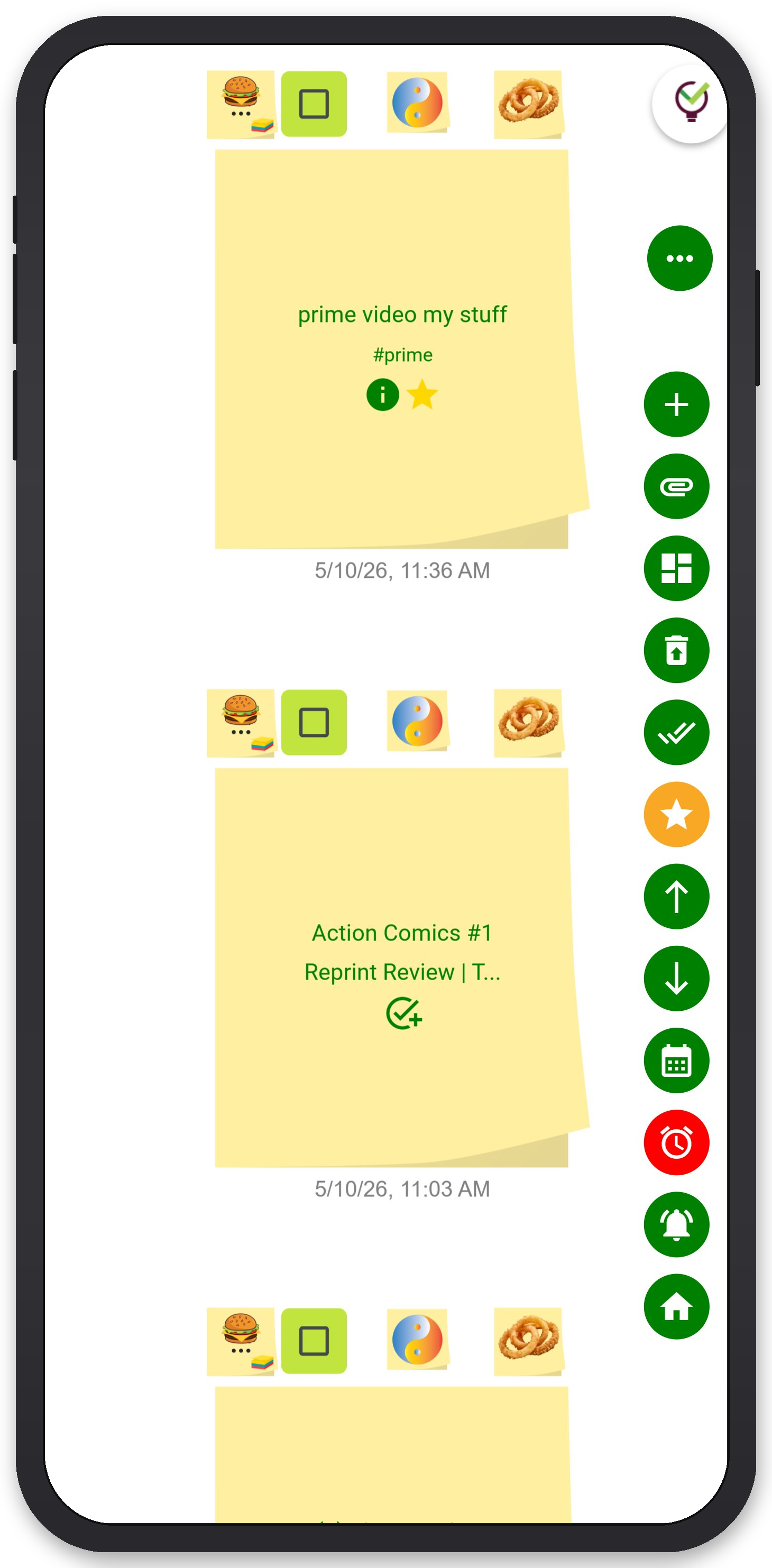
TaskLoco works well for this approach because it combines your weekly time blocks, daily priorities, and review notes in one place. You can set reminders for your time blocks, attach relevant files to your priorities, and keep your weekly review notes all in one spot.
Whatever tool you choose, make sure it syncs across your devices and sends you gentle reminders. Your future self will thank you when that important time block pops up as a notification.
TaskLoco Premium is regularly $9.99/month per person. Right now, charter members can lock in 50% off the regular price — forever. That means $4.99/month per person today. And if our price ever goes up, you still pay half. Always.
Code CHARTER50 auto-applies at checkout. First 500 spots only — once they're gone, this offer is gone permanently. Act fast while spots last.
Every Premium subscription includes unlimited notes, 10GB file storage, reminders, calendar, and team sharing. Each team member requires a separate subscription. 7-day free trial — no charge until day 8. Cancel anytime.
Free Options: TaskLoco
TaskLoco Lite
- Native iPhone & Android app
- Completely anonymous — no sign-in
- Data stays on your device
- Up to 20 notes
- Free forever
TaskLoco Lite Plus+
- Web app + Chrome extension
- Sign in with Google
- Wall syncs across all devices
- Up to 30 notes
- Free forever
Lock In 50% Off — Forever
7-day free trial. No charge until day 8. CHARTER50 auto-applies at checkout.
🔒 Lock In My Charter SpotSee TaskLoco in Action
Frequently Asked Questions
How long should weekly planning take?
Effective weekly planning takes 20-30 minutes: 15 minutes to review the previous week and learn from it, plus 10-15 minutes to time-block your priorities for the upcoming week. If it takes longer, you're probably overcomplicating it.
What if my week gets completely derailed?
That's normal and expected. The goal isn't perfect execution — it's having a framework to return to. When something urgent comes up, look at your time blocks and decide what gets moved, not what gets added on top of everything else.
Should I plan every single hour of my week?
No. Only plan your priorities and commitments. Leave 30-40% of your time unplanned for the unexpected stuff that always comes up. Over-scheduling guarantees failure.
How do I handle recurring weekly tasks?
If you do expense reports every Friday afternoon, that becomes a permanent time block. If you have weekly team meetings, those anchor your schedule before you add anything else.
What's the biggest mistake people make with weekly planning?
Planning like they're robots instead of humans. They don't account for energy levels, unexpected interruptions, or the fact that some tasks always take longer than expected. Build in buffers and be realistic about your limits.
How can I make weekly planning stick long-term?
Start smaller than you think you need to. Do a five-minute version consistently for a month before trying anything elaborate. The habit matters more than the sophistication of your system.
Should I plan my personal life the same way?
The same principles work: time block important personal priorities, limit your daily goals, and review what's working. But keep work and personal planning separate — trying to manage everything in one system often leads to overwhelm.
Born in Brooklyn. Powered by AWS. Your data stays yours.
TaskLoco is available on iPhone, Android, Chrome, and every web browser.