You downloaded that popular project management app everyone raves about. You spent three hours setting up workspaces, creating templates, and configuring notifications. Then you realized you still haven't written down the three things you need to do today.
This isn't your fault. Most project management software is built for complex organizations managing dozens of interconnected projects. But if you're trying to organize your daily work or run a teams of any size, all those features become obstacles instead of solutions.
The Feature Bloat Problem
Modern project management platforms pack in everything: Gantt charts, custom fields, automation rules, time tracking, reporting dashboards, and integration with forty other tools. Each feature seems useful in isolation, but together they create cognitive overload.
When you open the app, you're faced with decisions before you can even create a task. Which workspace? What priority level? Which team member should be assigned? Should this be a task, subtask, or milestone? The mental overhead of managing the tool itself becomes bigger than the work you're trying to organize.
This happens because software companies compete on feature counts, not simplicity. Adding features is easier than perfecting the core experience. So apps accumulate capabilities until they're powerful but exhausting to use daily.
Why Your Brain Rebels Against Complexity
Your brain has limited processing power. When a tool forces you to navigate menus, remember workflows, and make configuration choices, you're spending mental energy on the interface instead of your actual work. This creates resistance that makes you avoid the tool entirely.
Research shows that people abandon software when the cognitive load exceeds the perceived benefit. You might stick with a complex tool for important projects, but for daily task management, friction kills adoption. You end up back with sticky notes or scattered text files because they're easier to use.
The problem compounds when tools require setup before use. Creating projects, setting permissions, choosing templates — all of this delays the moment when you can actually capture that thought or task. By the time you're through the setup, you've forgotten what you wanted to write down.
The Collaboration Trap
Many project management tools justify their complexity by focusing on team collaboration. But this creates problems for individual users and teams of any size who don't need enterprise-level permissions and workflows.
When you're working solo or with just a few people, you don't need approval chains, role-based access controls, or detailed audit trails. You need to share a task list or file quickly. But complex collaboration features make simple sharing harder because the tool assumes you want granular control over every interaction.
The notification systems in these tools reflect this complexity. Instead of simple alerts when something important happens, you get notifications about status changes, mentions, comments, file uploads, deadline modifications, and workflow transitions. Your phone buzzes constantly, but most alerts aren't actionable.
How to Choose Tools That Actually Help
Start by listing what you actually need to accomplish. Most people need to: capture tasks quickly, set reminders, attach files, and share work with others. Everything else is usually optional. Choose tools that excel at these core functions instead of trying to do everything.
Look for tools that work immediately without setup. The best productivity software lets you start using it within seconds of opening it. If you need to watch tutorials or read documentation before creating your first task, the tool is probably too complex for daily use.
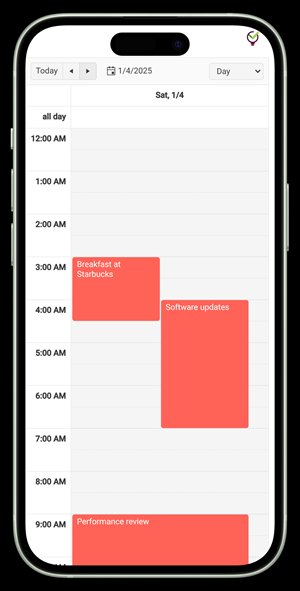
Test the mobile experience specifically. You'll often need to capture thoughts or check tasks when you're away from your computer. If the mobile version feels like a cramped version of the desktop interface, find something designed mobile-first.
The goal is finding tools that disappear into the background so you can focus on your work instead of managing the tool itself.
TaskLoco Premium is regularly $9.99/month per person. Right now, charter members can lock in 50% off the regular price — forever. That means $4.99/month per person today. And if our price ever goes up, you still pay half. Always.
Code CHARTER50 auto-applies at checkout. First 500 spots only — once they're gone, this offer is gone permanently. Act fast while spots last.
Every Premium subscription includes unlimited notes, 10GB file storage, reminders, calendar, and team sharing. Each team member requires a separate subscription. 7-day free trial — no charge until day 8. Cancel anytime.
Free Options: TaskLoco
TaskLoco Lite
- Native iPhone & Android app
- Completely anonymous — no sign-in
- Data stays on your device
- Up to 20 notes
- Free forever
TaskLoco Lite Plus+
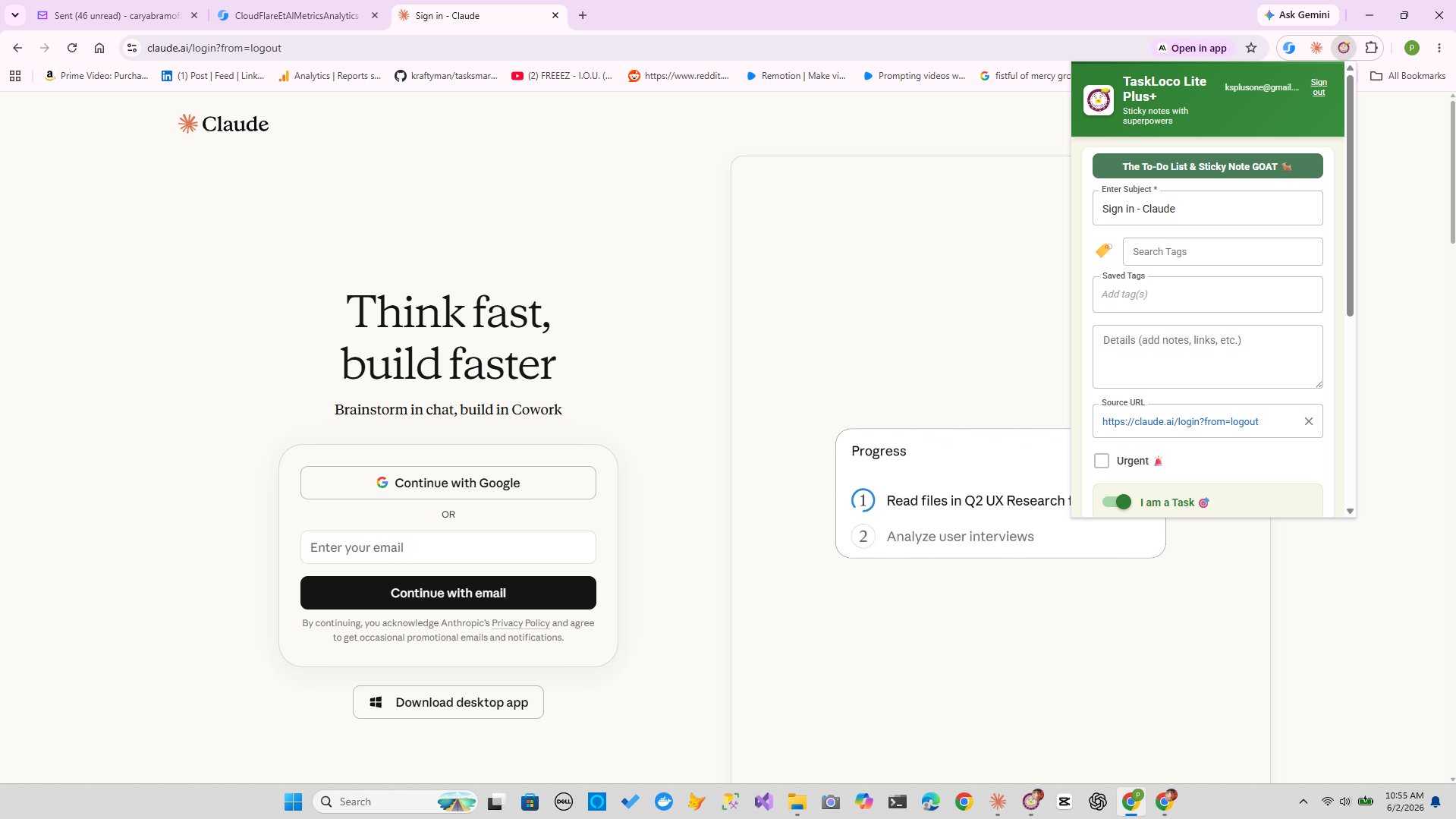
- Web app + Chrome extension
- Sign in with Google
- Wall syncs across all devices
- Up to 30 notes
- Free forever
Lock In 50% Off — Forever
7-day free trial. No charge until day 8. CHARTER50 auto-applies at checkout.
🔒 Lock In My Charter SpotSee TaskLoco in Action
Frequently Asked Questions
Why do project management apps have so many features?
Software companies compete on feature counts rather than simplicity. They add capabilities to appeal to enterprise buyers, but this complexity overwhelms individual users and teams of any size who just need basic task management.
What's the difference between project management and task management?
Project management involves coordinating complex workflows with dependencies, timelines, and multiple stakeholders. Task management focuses on capturing, organizing, and completing individual items. Most people need task management but get sold project management software.
How do I know if software is too complex for my needs?
If you need training or tutorials to create your first task, if the mobile experience feels cramped, or if you avoid opening the app because it feels overwhelming, the software is probably too complex for your actual needs.
Can simple tools handle team collaboration?
Yes, when collaboration is designed simply. The best tools let you share work instantly without setting up permissions, roles, or complex workflows. $9.99/month per person (currently $4.99/month per person for first 500 charter members with code CHARTER50)
What should I look for in a productivity app?
Look for tools that work immediately without setup, have clean mobile interfaces, focus on core functions rather than feature breadth, and let you capture thoughts quickly when inspiration strikes.
Is it worth switching from complex project management software?
If you're spending more time managing the tool than doing actual work, or if team members avoid using it because it feels overwhelming, simpler alternatives will likely improve your productivity significantly.
How can TaskLoco help with software overwhelm?
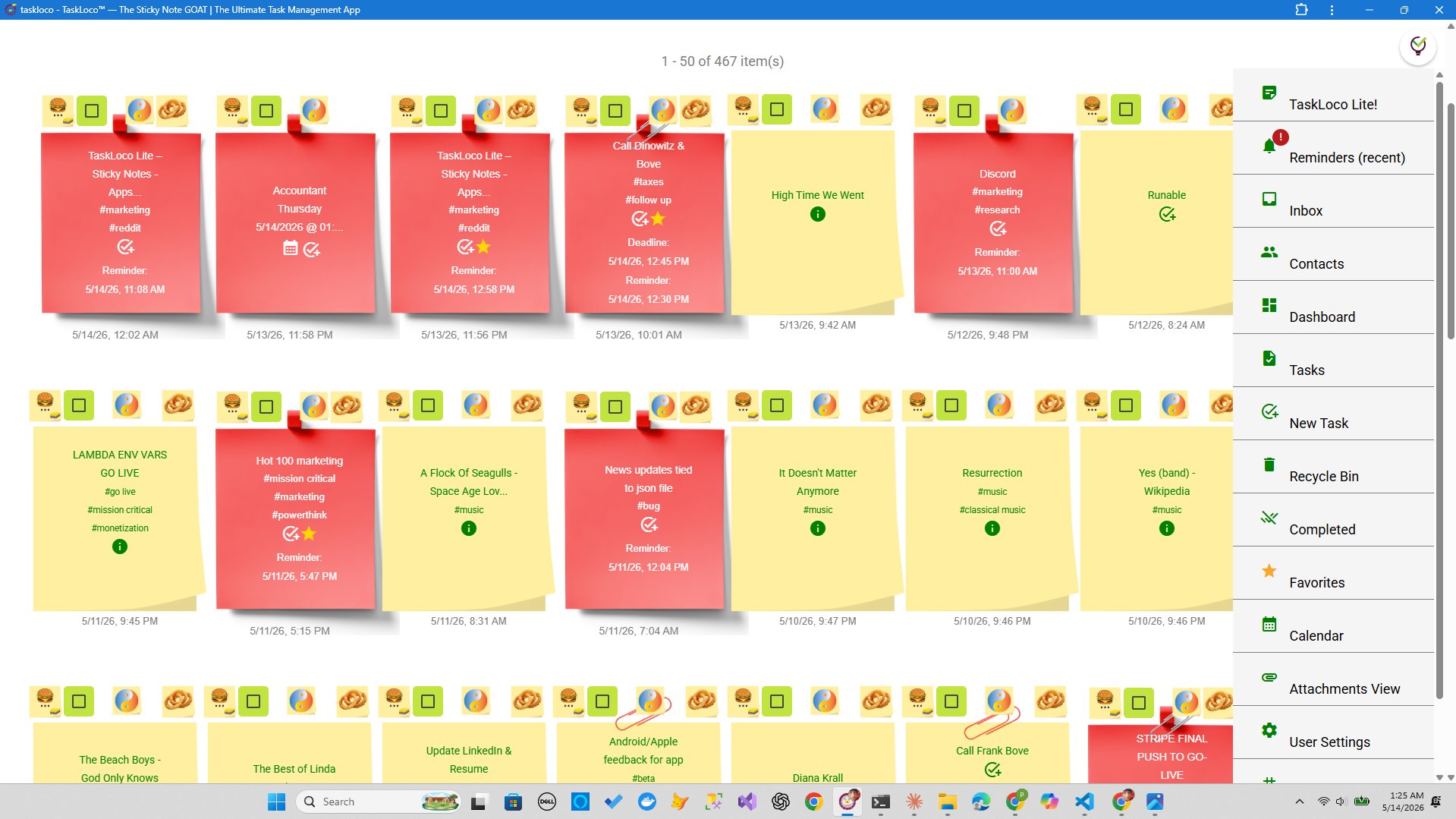
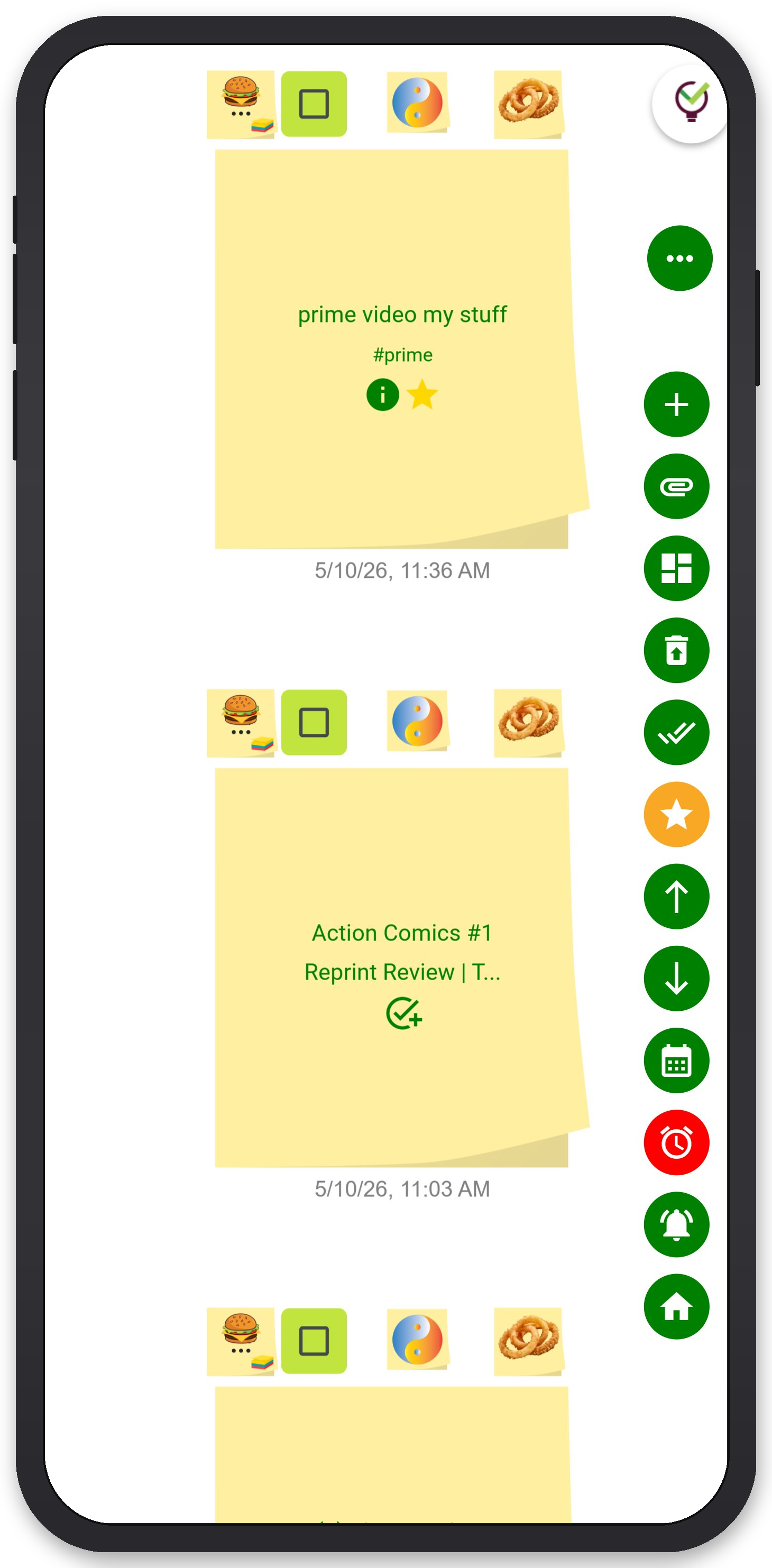
TaskLoco works like digital sticky notes — capture tasks instantly, set reminders, attach files, and share with your team. No setup, no complex workflows, just the essentials that actually help you get work done. $9.99/month per person (currently $4.99/month per person for first 500 charter members with code CHARTER50)
Born in Brooklyn. Powered by AWS. Your data stays yours.
TaskLoco is available on iPhone, Android, Chrome, and every web browser.