Your brain is incredible at thinking, but terrible at remembering. You've experienced this: a brilliant idea strikes during your morning shower, but by the time you sit down to work, it's gone. Or you read an insightful article that could transform your project, but three weeks later you can barely recall the main point.
A second brain solves this problem. It's your external memory system — a digital extension of your mind that captures, organizes, and connects information so nothing valuable slips away. Unlike traditional note-taking, which creates isolated fragments, a second brain builds a living network of interconnected knowledge that grows more valuable over time.
The Four Core Components of a Second Brain
Every effective second brain system rests on four fundamental pillars that work together to extend your mental capacity.
Capture: Your second brain must effortlessly collect information from multiple sources — articles you read, conversations you have, random thoughts that pop up, meeting notes, and inspiration from anywhere. The key is reducing friction so you actually use it in the moment.
Organize: Raw information is useless without structure. Your system needs a clear method for categorizing and tagging content so you can find what you need when you need it. This doesn't mean rigid folders — it means logical connections.
Distill: Not everything deserves equal attention. Your second brain should help you identify the most important insights, highlight key passages, and extract actionable items from the noise.
Express: The ultimate purpose isn't storage — it's creation. Your second brain should make it easier to synthesize ideas, spot patterns, and produce original work by connecting previously unrelated concepts.
Building Your Second Brain: The PARA Method
The most proven framework for organizing your second brain is the PARA method, developed by productivity expert Tiago Forte. PARA stands for Projects, Areas, Resources, and Archive — four categories that cover everything in your life.
Projects are things with a deadline and specific outcome. These get your immediate attention because they have clear endpoints. Examples: launching a website, planning a vacation, preparing for a presentation.
Areas are ongoing responsibilities you want to maintain over time. Unlike projects, these never truly end. Examples: health, finances, professional development, family relationships.
Resources are topics of ongoing interest that might be useful later. These aren't urgent now but could become valuable. Examples: web design trends, cooking techniques, productivity methods, industry insights.
Archive holds inactive items from the other three categories. When a project completes or an area becomes less relevant, you move it here rather than deleting it entirely.
Start by creating these four main folders in whatever tool you choose. As you capture information, ask yourself: 'Is this for a current project, an ongoing area of responsibility, a future interest, or should it be archived?' This simple question directs everything to its proper place.
Connecting Ideas: From Information to Insight
The real magic of a second brain happens when isolated pieces of information start connecting into larger insights. This is where most people's note-taking systems fail — they capture information but never synthesize it into wisdom.
Practice progressive summarization as you build your second brain. When you save an article, don't just bookmark it — write a three-sentence summary of the main points. When you attend a meeting, don't just record what was said — note what it means for your current projects.
Create 'idea collision' sessions weekly. Set aside 30 minutes to randomly browse through your second brain, looking for unexpected connections. Ask yourself: 'How does this marketing insight relate to that psychology article I saved?' or 'What would happen if I combined this productivity method with this creative technique?'
Use tags and links liberally to create crossroads between different areas of your knowledge. The goal is building a web of interconnected ideas rather than isolated silos of information.
Implementing Your Second Brain with TaskLoco
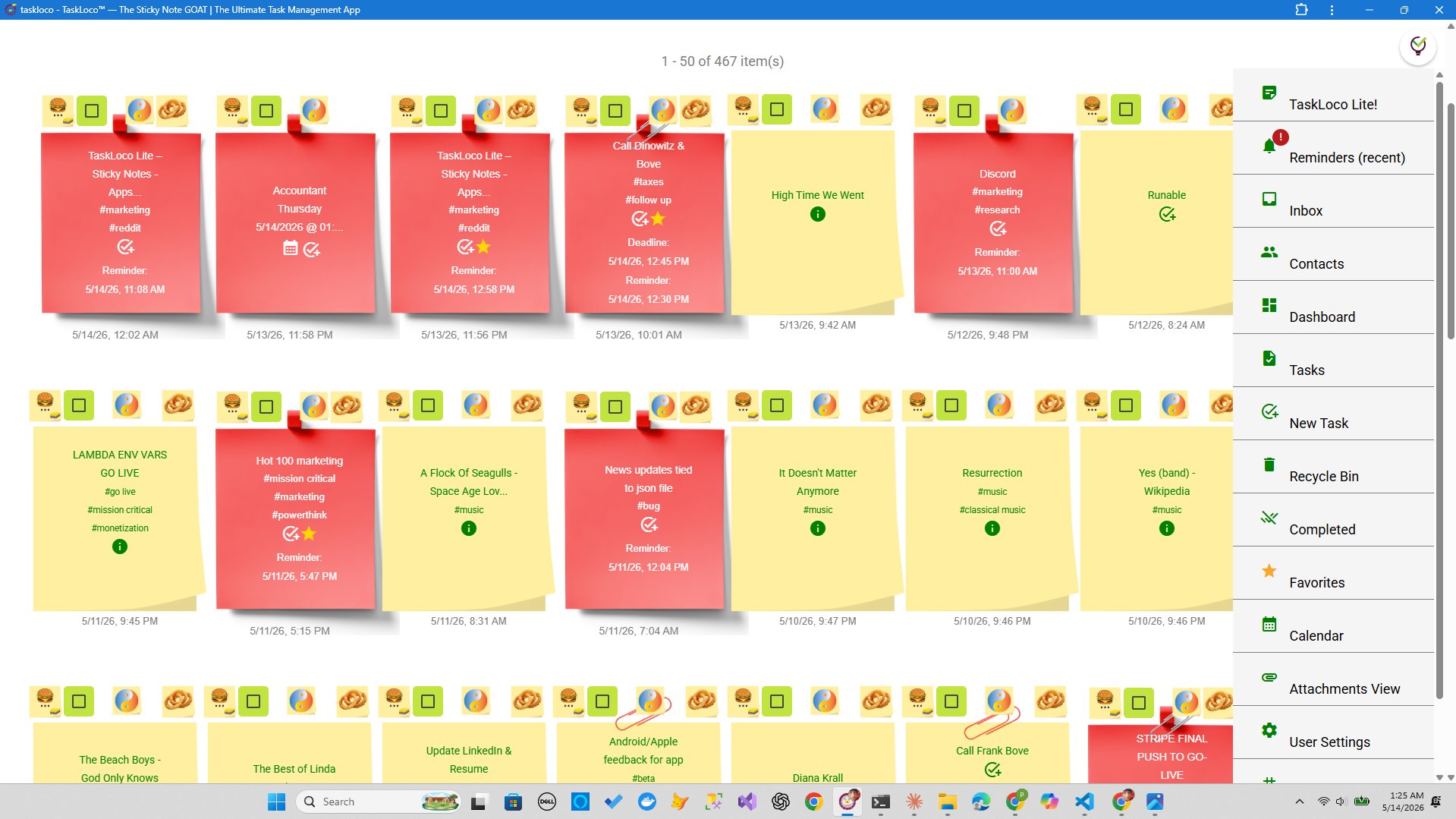
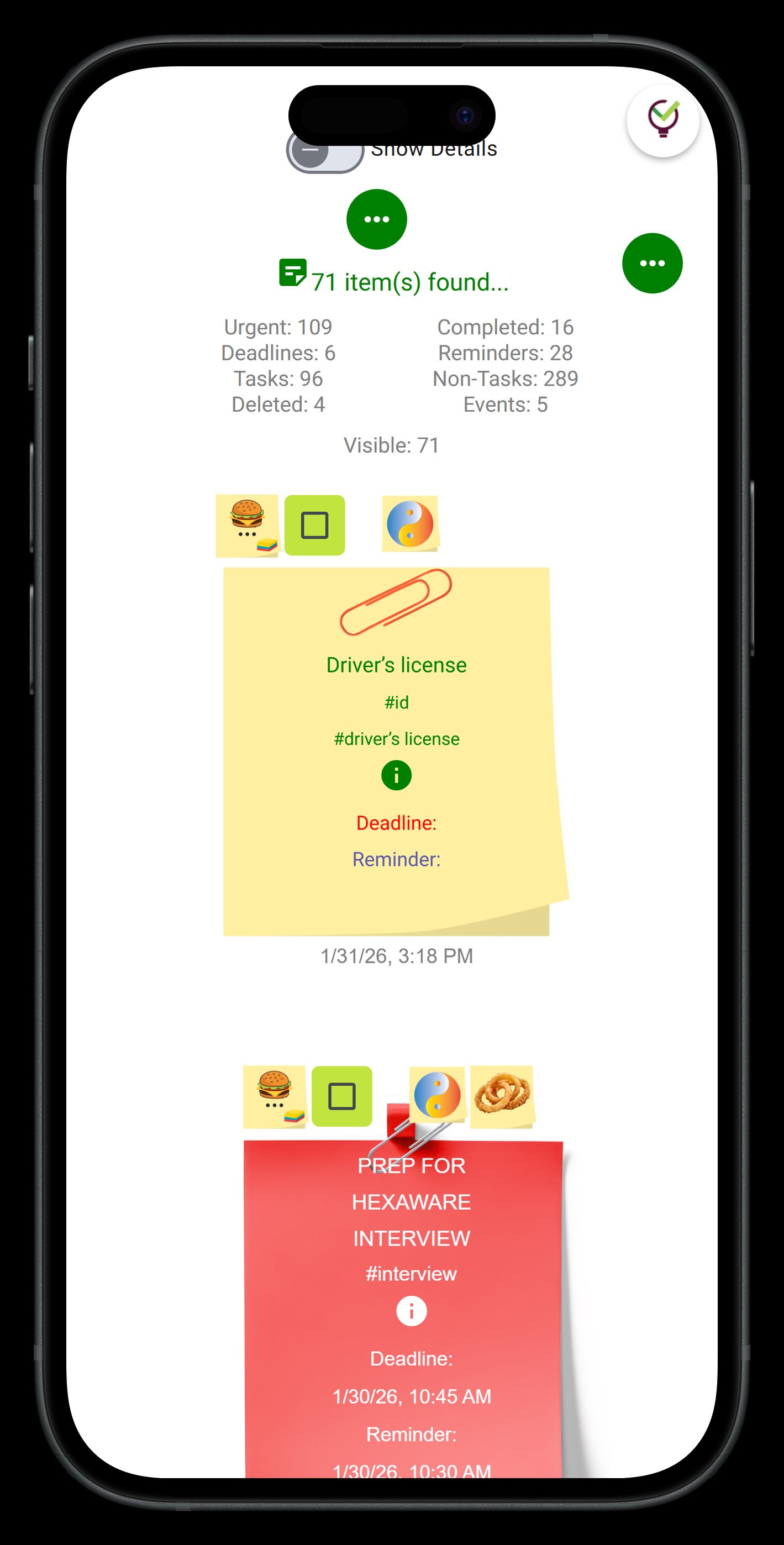
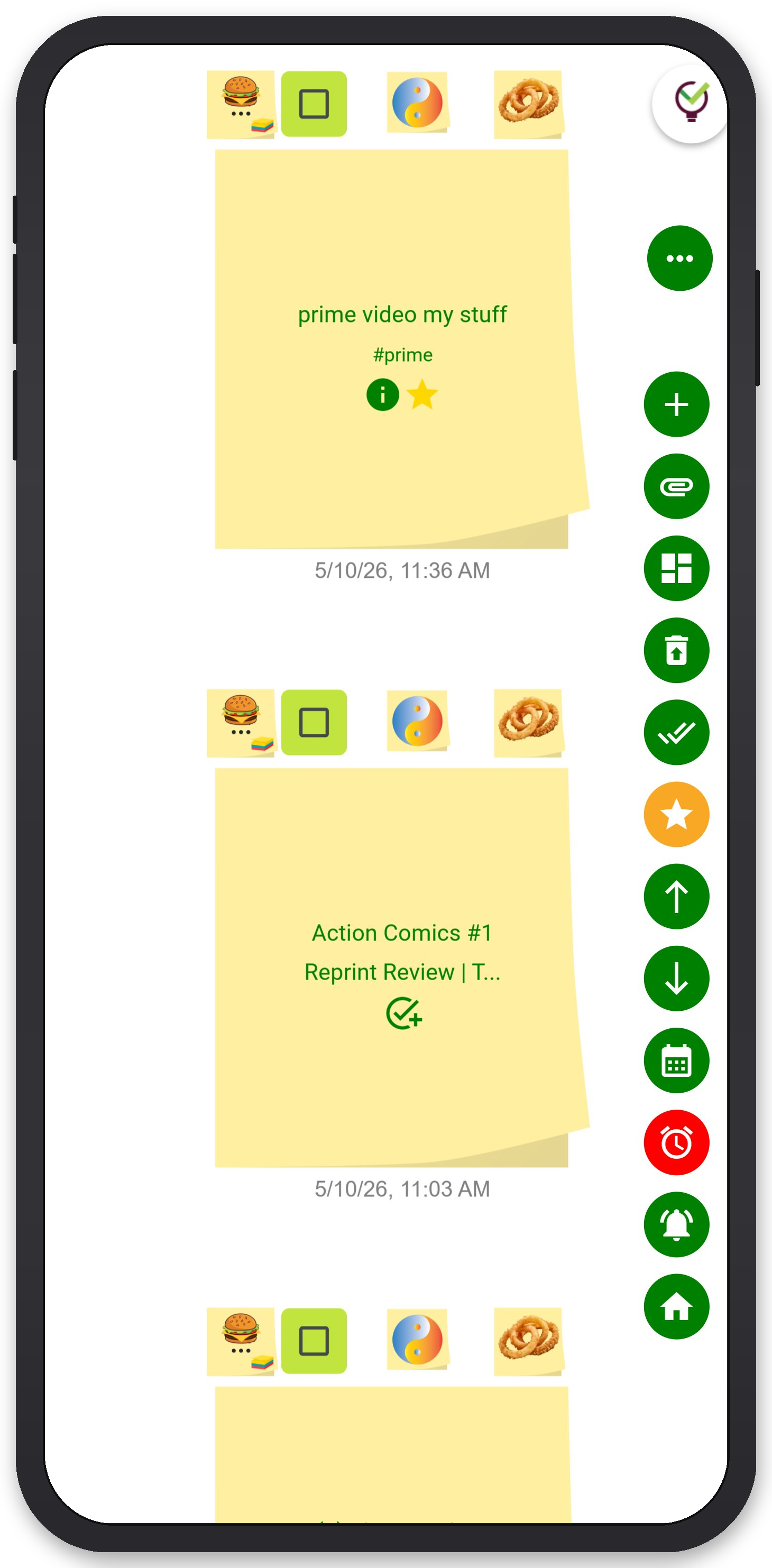
While you can build a second brain using any combination of tools, TaskLoco offers a streamlined approach that keeps everything in one place. The sticky note format naturally encourages you to distill ideas into their essence, while the unlimited storage means you never have to choose what to keep.
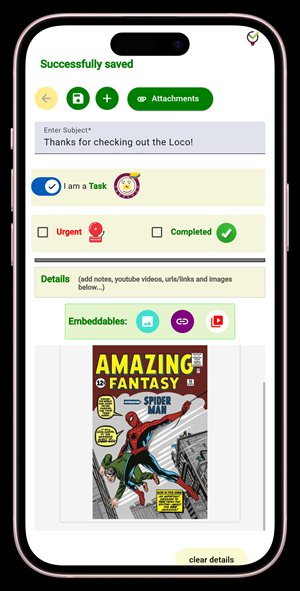
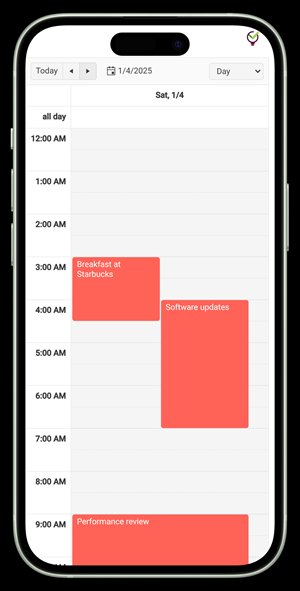
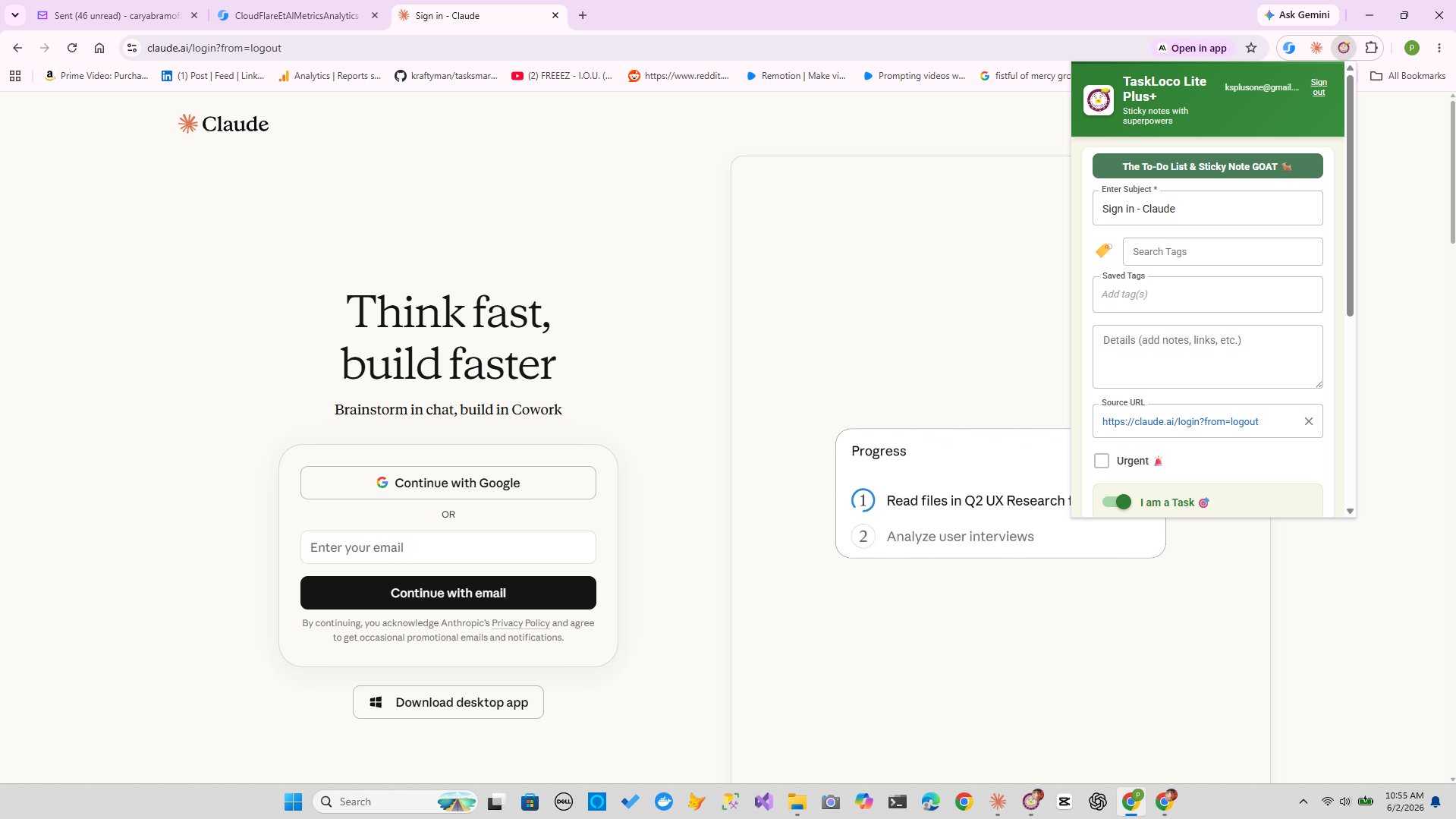
TaskLoco's file attachment feature lets you connect documents, images, and resources directly to your thoughts. The Chrome extension makes capturing web content effortless — one click saves any article along with your immediate reaction. Reminders ensure important insights don't get buried, and the calendar view helps you schedule regular review sessions.
The team sharing capabilities make TaskLoco particularly powerful for collaborative second brains. Your entire team can contribute to a shared knowledge base while maintaining individual thinking spaces.
TaskLoco Premium is regularly $9.99/month per person. Right now, charter members can lock in 50% off the regular price — forever. That means $4.99/month per person today. And if our price ever goes up, you still pay half. Always.
Code CHARTER50 auto-applies at checkout. First 500 spots only — once they're gone, this offer is gone permanently. Act fast while spots last.
Every Premium subscription includes unlimited notes, 10GB file storage, reminders, calendar, and team sharing. Each team member requires a separate subscription. 7-day free trial — no charge until day 8. Cancel anytime.
Free Options: TaskLoco
TaskLoco Lite
- Native iPhone & Android app
- Completely anonymous — no sign-in
- Data stays on your device
- Up to 20 notes
- Free forever
TaskLoco Lite Plus+
- Web app + Chrome extension
- Sign in with Google
- Wall syncs across all devices
- Up to 30 notes
- Free forever
Lock In 50% Off — Forever
7-day free trial. No charge until day 8. CHARTER50 auto-applies at checkout.
🔒 Lock In My Charter SpotSee TaskLoco in Action
Frequently Asked Questions
How is a second brain different from regular note-taking?
Regular note-taking captures isolated information. A second brain creates an interconnected system where ideas link together, building knowledge networks that generate new insights over time.
What tools do I need to build a second brain?
You need a digital system for capturing, organizing, and connecting information. Popular options include Notion, Obsidian, Roam Research, or TaskLoco. The key is choosing something you'll actually use consistently.
How long does it take to build an effective second brain?
You'll see immediate benefits from better capture and organization within weeks. The real power — unexpected connections and insights — develops over 3-6 months as your knowledge base grows and matures.
Should I digitize all my existing notes and documents?
Start fresh and only migrate truly valuable existing content. Digitizing everything becomes a procrastination trap. Focus on capturing new information consistently rather than perfect historical archives.
How do I prevent my second brain from becoming overwhelming?
Use the PARA method to maintain clear organization. Review and archive regularly. Focus on quality over quantity — better to have fewer, well-processed notes than thousands of forgotten fragments.
Can a second brain replace my natural memory?
No, and it shouldn't. Your second brain is a supplement, not a replacement. It handles information storage and retrieval so your natural brain can focus on thinking, creating, and making decisions.
What's the best way to start building a second brain today?
Choose one capture tool and start using it immediately. Create the four PARA folders. Commit to capturing at least three pieces of information daily for one week. Consistency beats perfection when starting out.
Born in Brooklyn. Powered by AWS. Your data stays yours.
TaskLoco is available on iPhone, Android, Chrome, and every web browser.