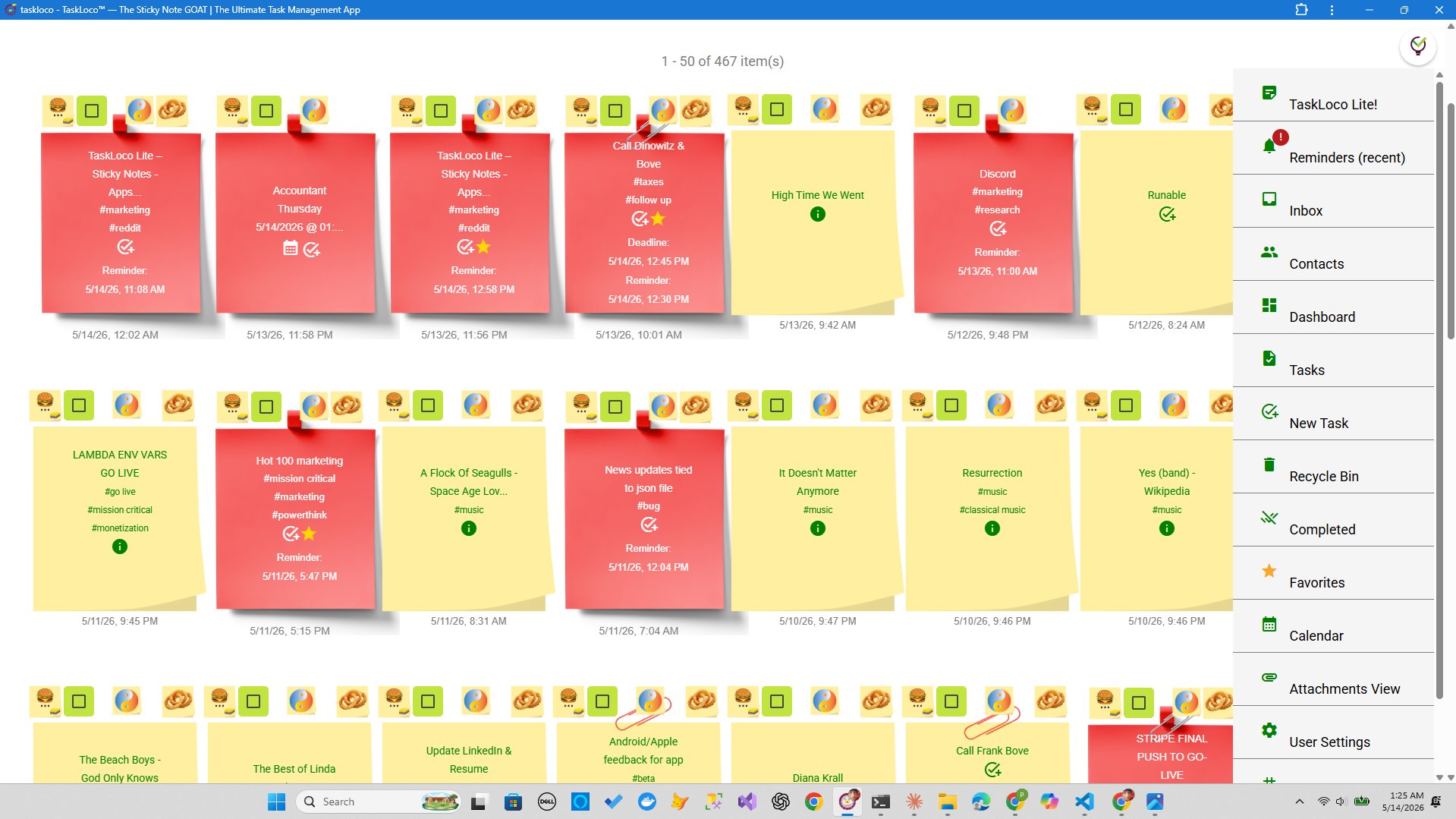
A personal command center is your single source of truth for everything that matters. Think of it as mission control for your life — one place where you can see what needs doing, when it's due, and where all your important information lives.
Unlike scattered systems where your tasks are in one app, notes in another, and files somewhere else entirely, a command center brings everything together. It's the difference between juggling multiple balls and having them all organized on a single tray.
Core Components of a Personal Command Center
Every effective personal command center needs four essential elements working together seamlessly.
Task Management: Your action items, deadlines, and project status all in one view. This isn't just a to-do list — it's a dynamic system that shows you what's urgent, what's coming up, and what you can safely postpone.
Information Storage: Notes, reference materials, and documentation that you actually need to find again. The key is making sure important information doesn't get buried in endless folders or forgotten in random apps.
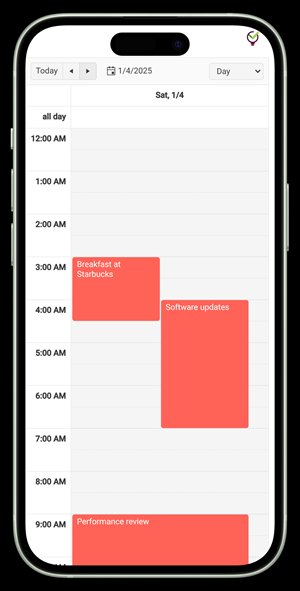
Calendar Integration: Time-based commitments that connect directly to your tasks and notes. When your meeting notes link to the actual meeting and your project deadlines show up on your calendar, planning becomes effortless.
File Management: Documents, images, and attachments organized by project or context, not lost in a generic cloud folder. Your command center should make it easy to find the right file when you need it.
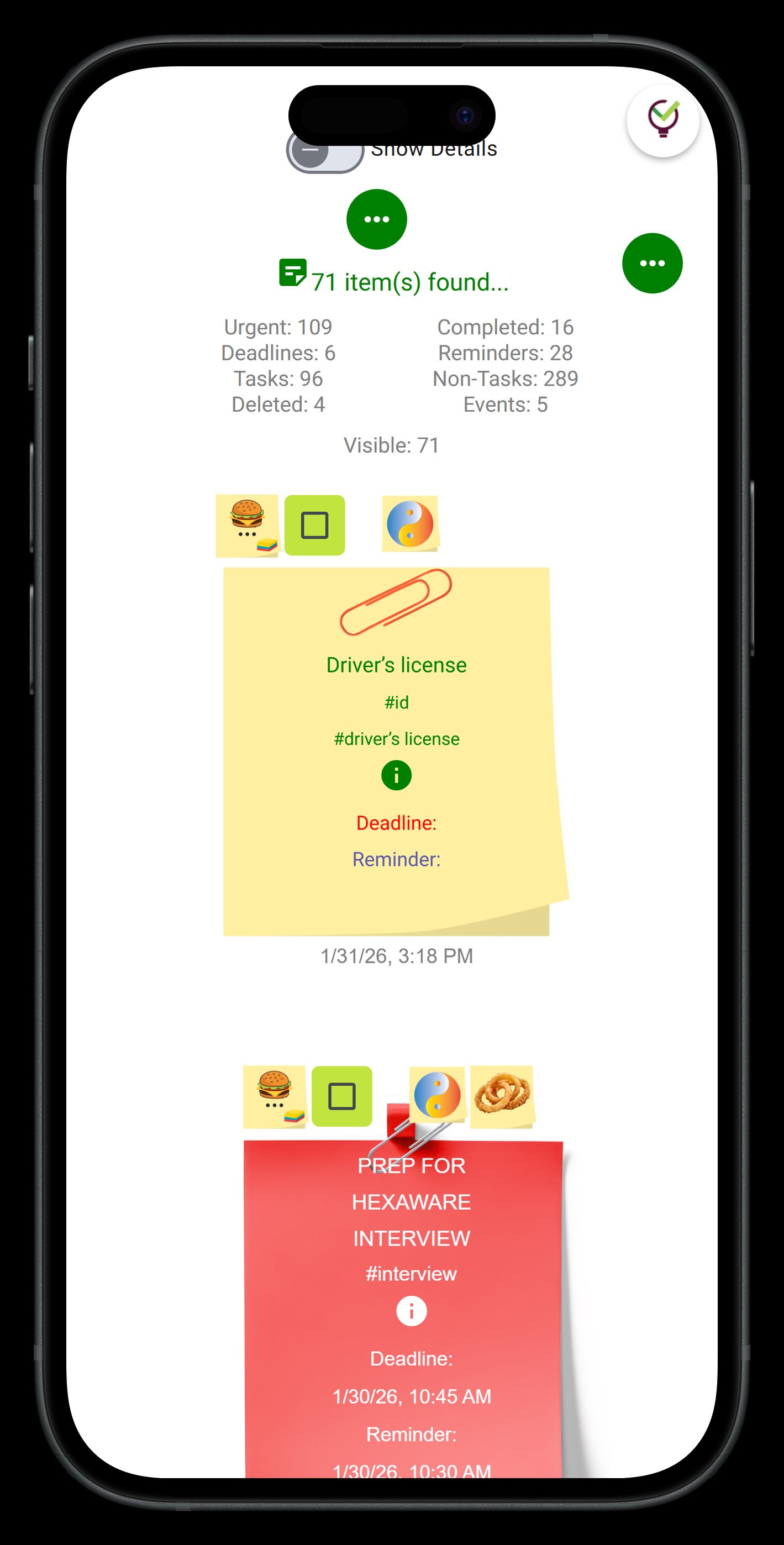
Building Your Command Center: The Physical Setup
Start with a dedicated workspace — even if it's just one corner of your kitchen table. Your command center needs a consistent physical home where you can spread out and think.
The Central Hub: Choose one primary device or location. This could be your laptop, a tablet, or even a physical notebook. The key is consistency — always go to the same place first when you need to check on something or add new information.
Quick Capture Tools: Set up multiple ways to get information into your system fast. This might be a notepad by your bed, a voice recording app on your phone, or a browser extension that captures web pages instantly. The easier it is to capture, the more likely you'll actually use the system.
Visual Dashboard: Create a single view that shows your most important information at a glance. This could be a wall calendar, a digital dashboard, or a simple list pinned above your desk. You should be able to see your priorities and deadlines without digging through files.
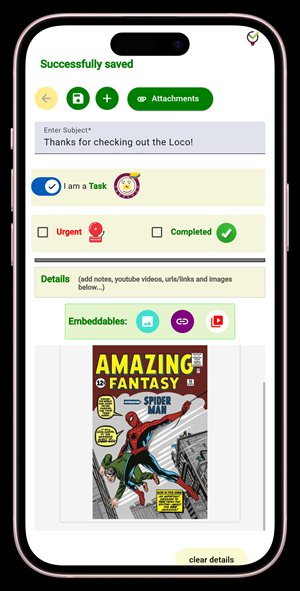
Digital vs Physical: Finding Your Balance
The best personal command centers blend digital convenience with physical reliability. Pure digital systems can fail when wifi goes down or apps crash. Pure physical systems can't search, backup, or sync across devices.
Digital Advantages: Search across everything instantly, automatic backups, access from anywhere, and easy sharing with others. Digital systems excel at handling large volumes of information and connecting related items.
Physical Benefits: No battery required, better for visual thinking, harder to ignore, and immune to technical problems. Physical elements work great for high-level planning and quick brainstorming.
Smart Integration: Use digital for storage and search, physical for planning and visual overview. Many successful command centers feature a digital system for the heavy lifting with physical elements like whiteboards or index cards for active projects.
The key is choosing tools that actually talk to each other. Avoid the temptation to use six different apps — integration beats feature lists every time.
Making It Stick: Maintenance and Habits
A command center only works if you actually use it. The difference between a system that transforms your productivity and one that becomes digital clutter is daily maintenance habits.
Daily Review: Spend five minutes each morning reviewing what's on your plate and five minutes each evening processing what came in. This isn't busy work — it's how you stay in control instead of constantly reacting.
Weekly Planning: Set aside 15-20 minutes weekly to look ahead, move things around, and make sure nothing important is falling through the cracks. This is when you decide what really matters for the coming week.
Monthly Cleanup: Archive completed projects, delete outdated information, and adjust your system based on what's actually working. Your command center should evolve with your needs, not become a monument to past intentions.
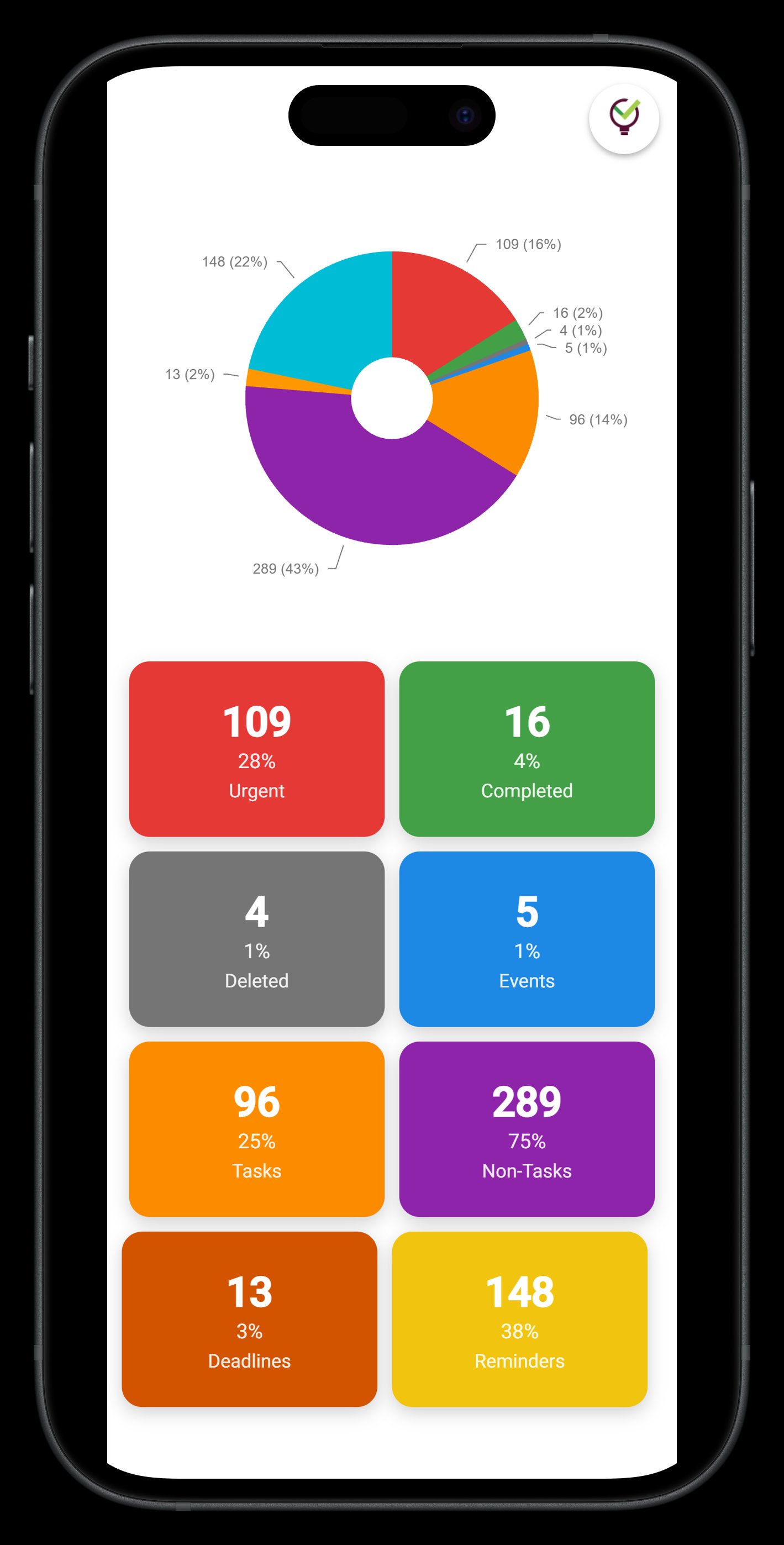
TaskLoco: A Purpose-Built Command Center
While you can build a command center from scratch using multiple tools, TaskLoco was designed specifically as a unified personal command center. Everything lives in one place — your tasks connect to your notes, your files attach directly to projects, and reminders link back to the original context.
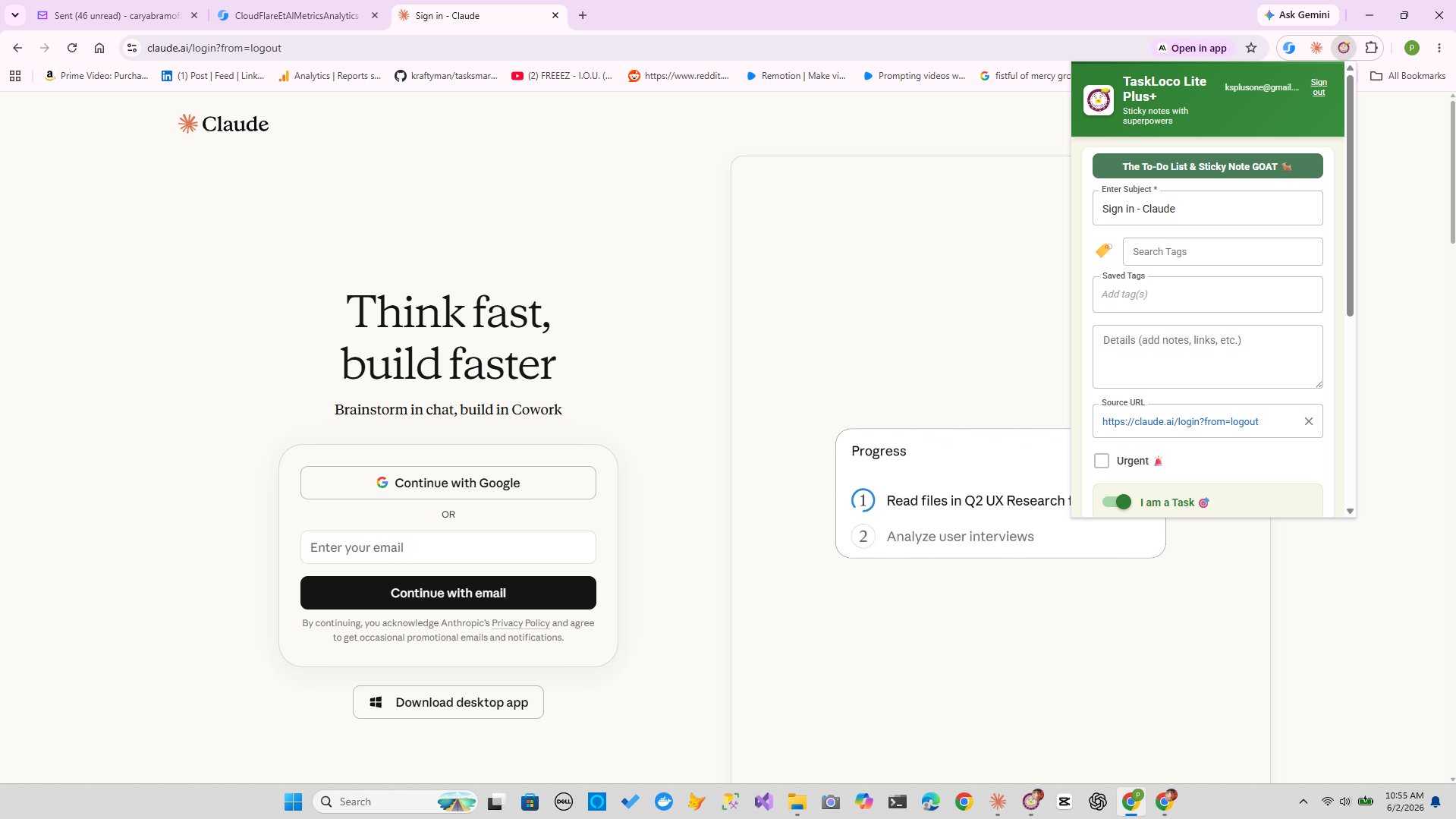
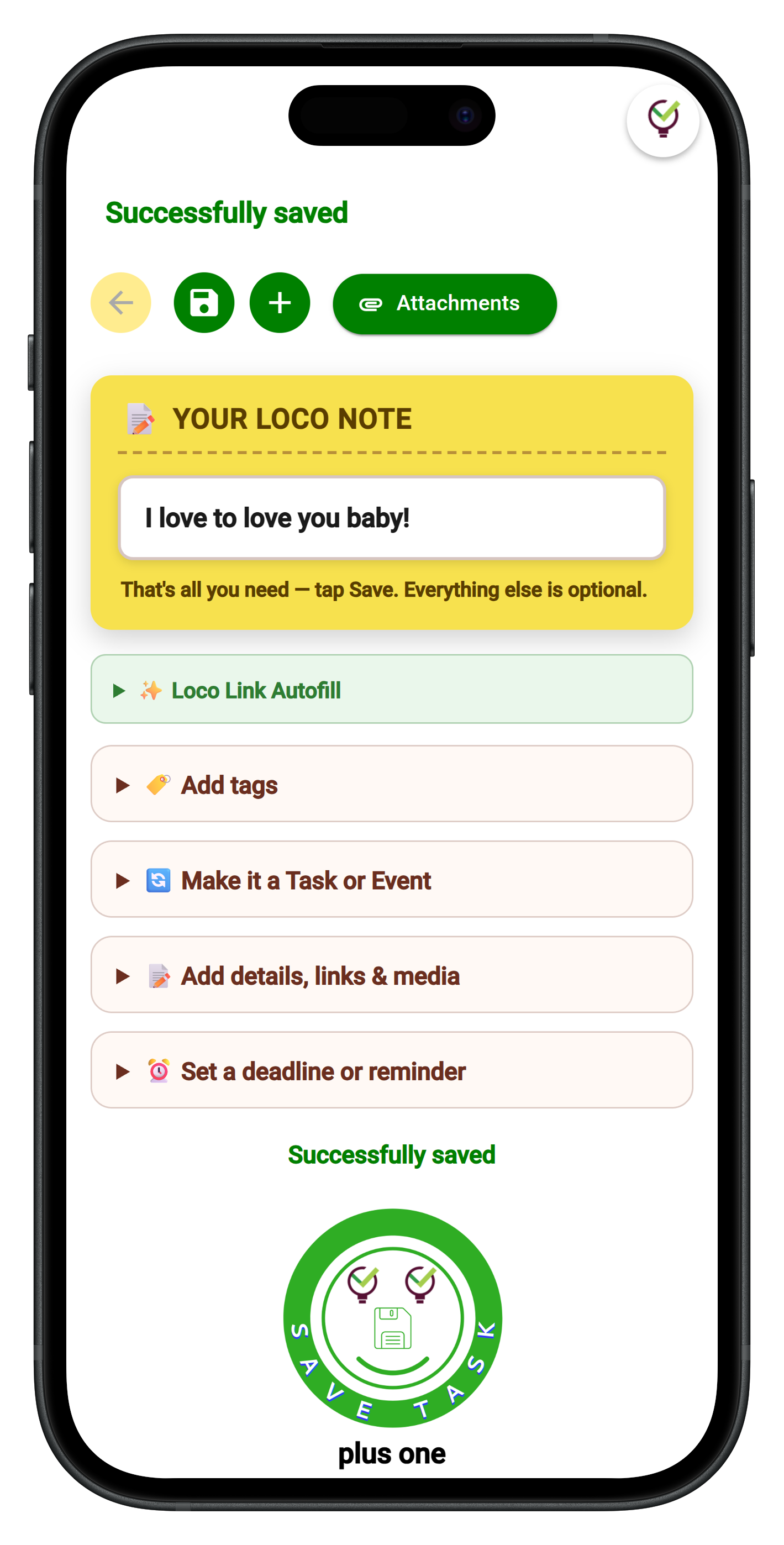
The system works across all your devices through the web app and Chrome extension, with a simple mobile app for quick capture. Instead of juggling separate tools for notes, tasks, calendar, and files, TaskLoco handles all four as an integrated system.
$9.99/month per person (currently $4.99/month per person for first 500 charter members with code CHARTER50)
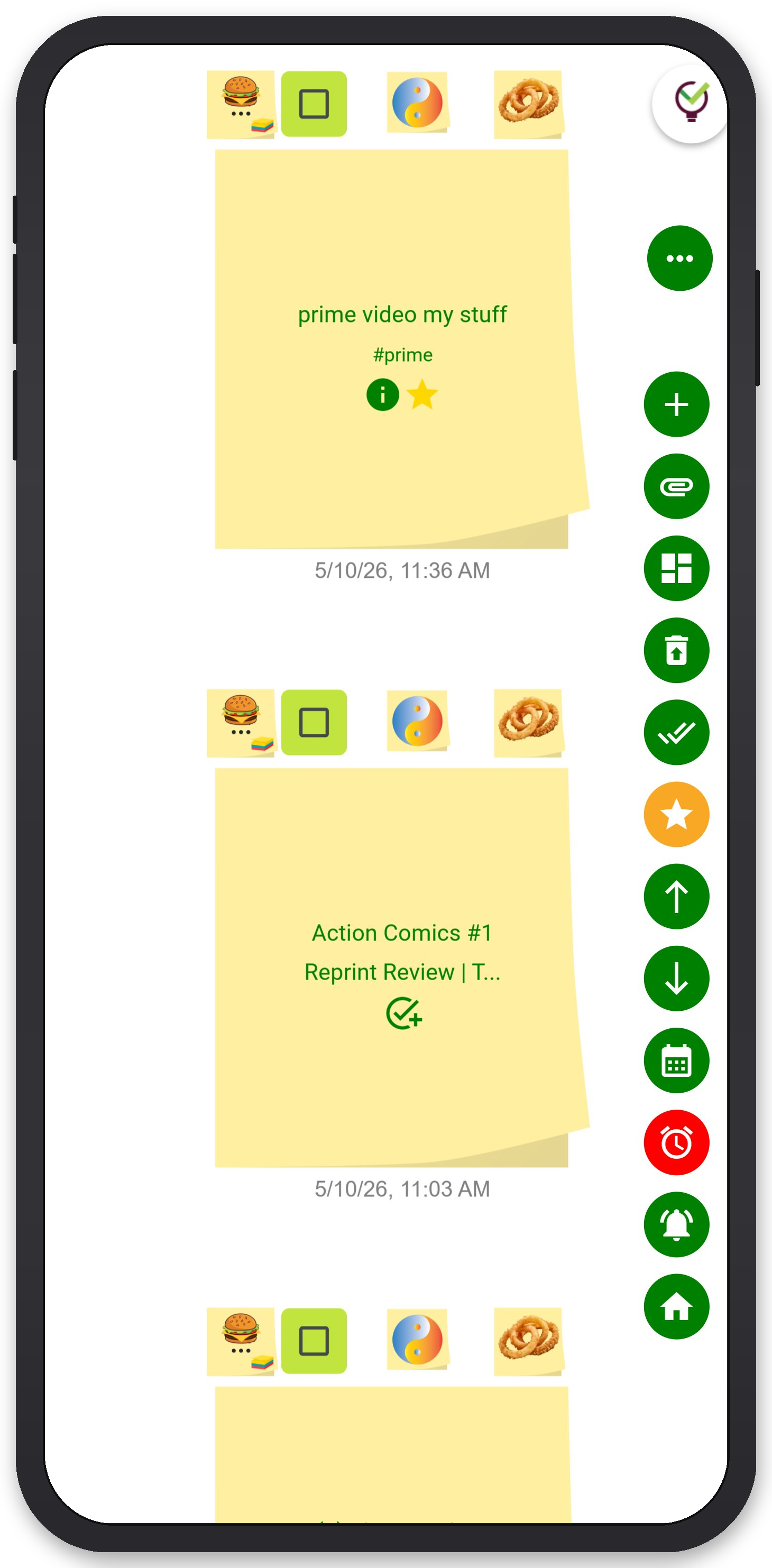
TaskLoco Premium is regularly $9.99/month per person. Right now, charter members can lock in 50% off the regular price — forever. That means $4.99/month per person today. And if our price ever goes up, you still pay half. Always.
Code CHARTER50 auto-applies at checkout. First 500 spots only — once they're gone, this offer is gone permanently. Act fast while spots last.
Every Premium subscription includes unlimited notes, 10GB file storage, reminders, calendar, and team sharing. Each team member requires a separate subscription. 7-day free trial — no charge until day 8. Cancel anytime.
Free Options: TaskLoco
TaskLoco Lite
- Native iPhone & Android app
- Completely anonymous — no sign-in
- Data stays on your device
- Up to 20 notes
- Free forever
TaskLoco Lite Plus+
- Web app + Chrome extension
- Sign in with Google
- Wall syncs across all devices
- Up to 30 notes
- Free forever
Lock In 50% Off — Forever
7-day free trial. No charge until day 8. CHARTER50 auto-applies at checkout.
🔒 Lock In My Charter SpotSee TaskLoco in Action
Frequently Asked Questions
What's the difference between a personal command center and a to-do list?
A to-do list just tracks what you need to do. A command center integrates your tasks with your notes, files, calendar, and reminders in one place. It's the difference between a shopping list and a complete kitchen.
How long does it take to set up a personal command center?
You can start with a basic command center in about 30 minutes. Choose one tool for capture, one place for storage, and one method for daily review. Build complexity gradually as you develop the habit of using it consistently.
Should my command center be digital or physical?
The best command centers combine both. Use digital tools for storage, search, and backup with physical elements like whiteboards or notebooks for visual planning and quick brainstorming. Choose whatever mix you'll actually use daily.
How do I keep my command center from becoming overwhelming?
Start simple and add features only when you need them. Focus on daily habits first — capture, review, and process. Archive completed items regularly and resist the urge to track everything. Your command center should reduce stress, not create it.
What's the biggest mistake people make with personal command centers?
Choosing tools based on features instead of actual usage. The perfect system you don't maintain is worthless. Pick simple tools you enjoy using and build the habit of daily maintenance before adding complexity.
Can I share my personal command center with my team?
Personal command centers work best for individual productivity, but many people create team versions for shared projects. The key is deciding what needs to be private versus collaborative and using tools that handle both well.
How often should I update my command center system?
Review your system monthly to remove what's not working and adjust based on changing needs. Major overhauls should be rare — if you're constantly switching tools, you probably need simpler systems with better daily habits.
Born in Brooklyn. Powered by AWS. Your data stays yours.
TaskLoco is available on iPhone, Android, Chrome, and every web browser.