Your brain is constantly running background processes — remembering to buy milk, call your mom, finish that report, check on the project deadline. This mental overhead burns cognitive fuel and creates persistent anxiety, even when you're trying to focus on something else entirely.
David Allen's Getting Things Done methodology centers on one foundational concept: the trusted system. It's not about fancy apps or complex workflows — it's about creating an external brain that your mind genuinely trusts to remember everything, so you can stop mentally juggling and start actually thinking.
What Makes a System Truly Trusted
The word 'trusted' is crucial here. Your system isn't trusted because it's sophisticated — it's trusted because it never lets anything fall through the cracks. When your brain sends a task or idea to the system, that item must surface at exactly the right time and place for action.
Three non-negotiable requirements make a system trustworthy:
- Complete capture: Every commitment, task, idea, and project goes into the system — no exceptions, no mental reserves
- Regular review: You process and organize captured items consistently, so the system stays current and reliable
- Accessible retrieval: The right information surfaces when you need it, where you need it, without hunting or guessing
When these three elements work together, something remarkable happens: your mind stops its constant background monitoring. The mental loops quiet down because your brain knows the external system has everything covered.
The Neuroscience Behind External Brain Storage
Cognitive science backs up Allen's core insight. The human brain has limited working memory — roughly 7±2 items at once. When you try to mentally track dozens of commitments, you're overloading this system and forcing your brain into constant vigilance mode.
Psychologist Roy Baumeister's research on 'attention residue' shows that unfinished mental tasks create persistent cognitive load. Your brain literally cannot stop thinking about incomplete commitments until it trusts they're safely stored somewhere reliable.
This is why writing a task down on a random sticky note doesn't create the same relief as putting it into a system you actually use. Your brain evaluates the trustworthiness of your external storage based on past performance. If the system has failed before — if tasks have been forgotten or lost — your mind maintains its background monitoring as backup.
The trusted system essentially becomes an extension of your memory, but one with unlimited capacity and perfect recall. When this partnership works, you experience what Allen calls 'mind like water' — a state of relaxed focus where mental energy goes toward thinking and creating rather than remembering and tracking.
Where Trusted Systems Break Down
The most common failure point isn't technological — it's behavioral. Systems lose trust when the human operating them stops maintaining the three core requirements: complete capture, regular review, and accessible retrieval.
Incomplete capture happens when you start making exceptions: 'I'll just remember this one thing' or 'This is too small to write down.' Your brain notices these gaps and rebuilds its mental tracking as backup protection.
Irregular review creates staleness. When your system fills with outdated tasks and irrelevant projects, your brain stops trusting its currency. You begin mentally double-checking everything, defeating the purpose.
Inaccessible retrieval occurs when information gets buried in complex folder structures, cryptic file names, or apps you don't check regularly. If finding something requires significant mental effort, your brain considers it effectively lost.
Technology can also undermine trust when it's unreliable, slow, or requires multiple steps for basic actions. The friction between thought and capture creates hesitation — and hesitation leads to incomplete capture, which breaks the entire trust relationship.
Building Your Own Trusted System with TaskLoco
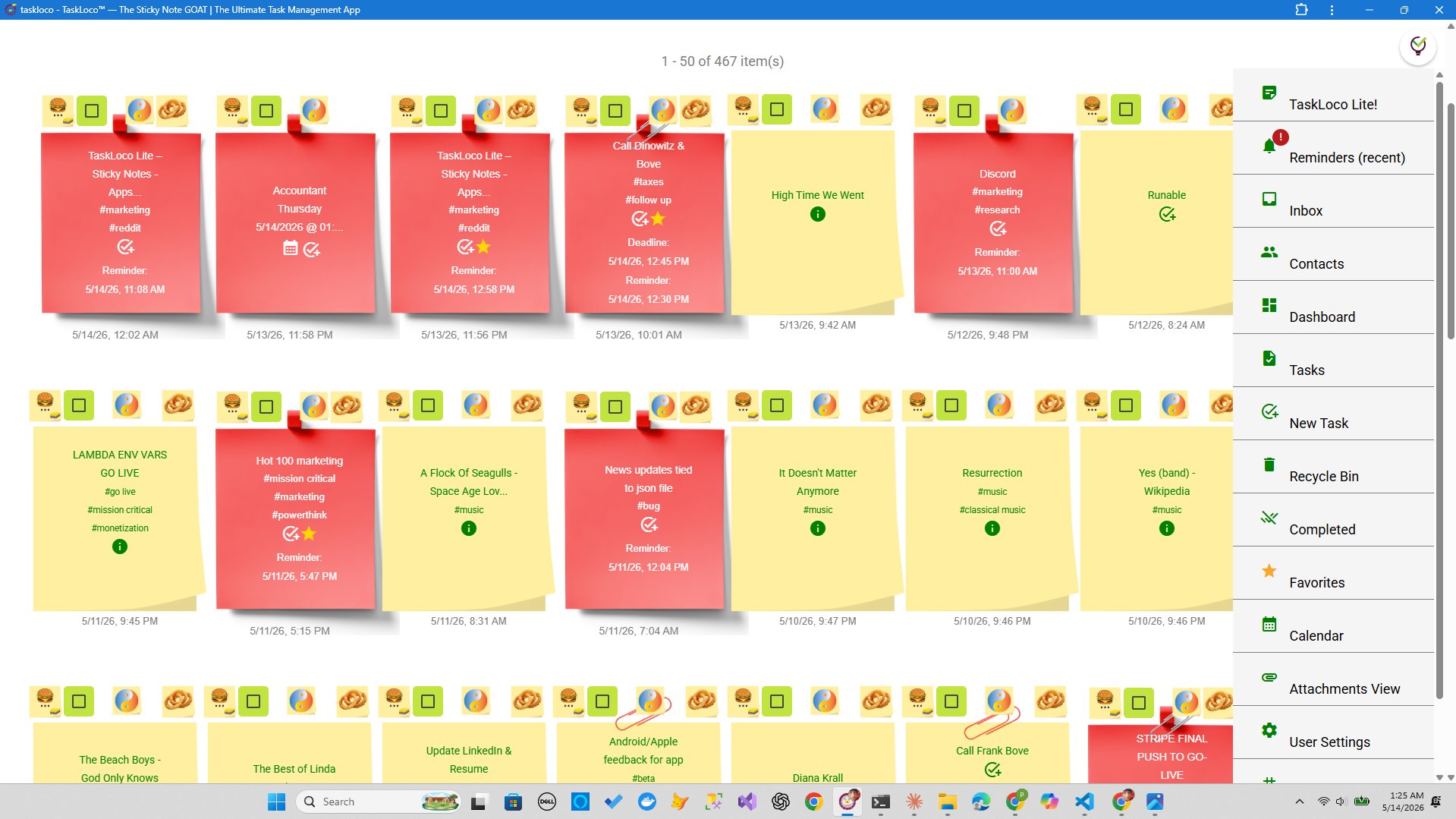
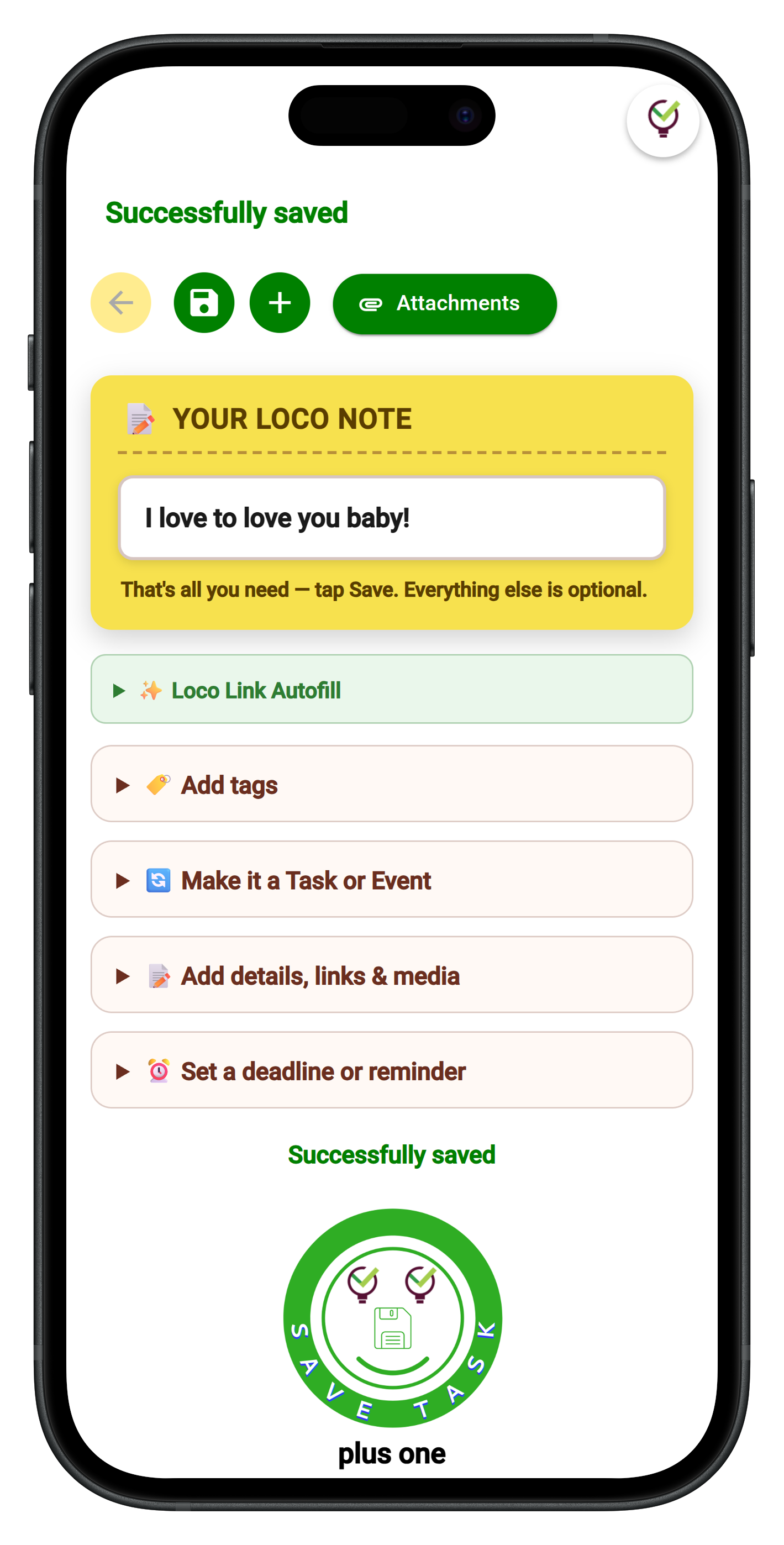
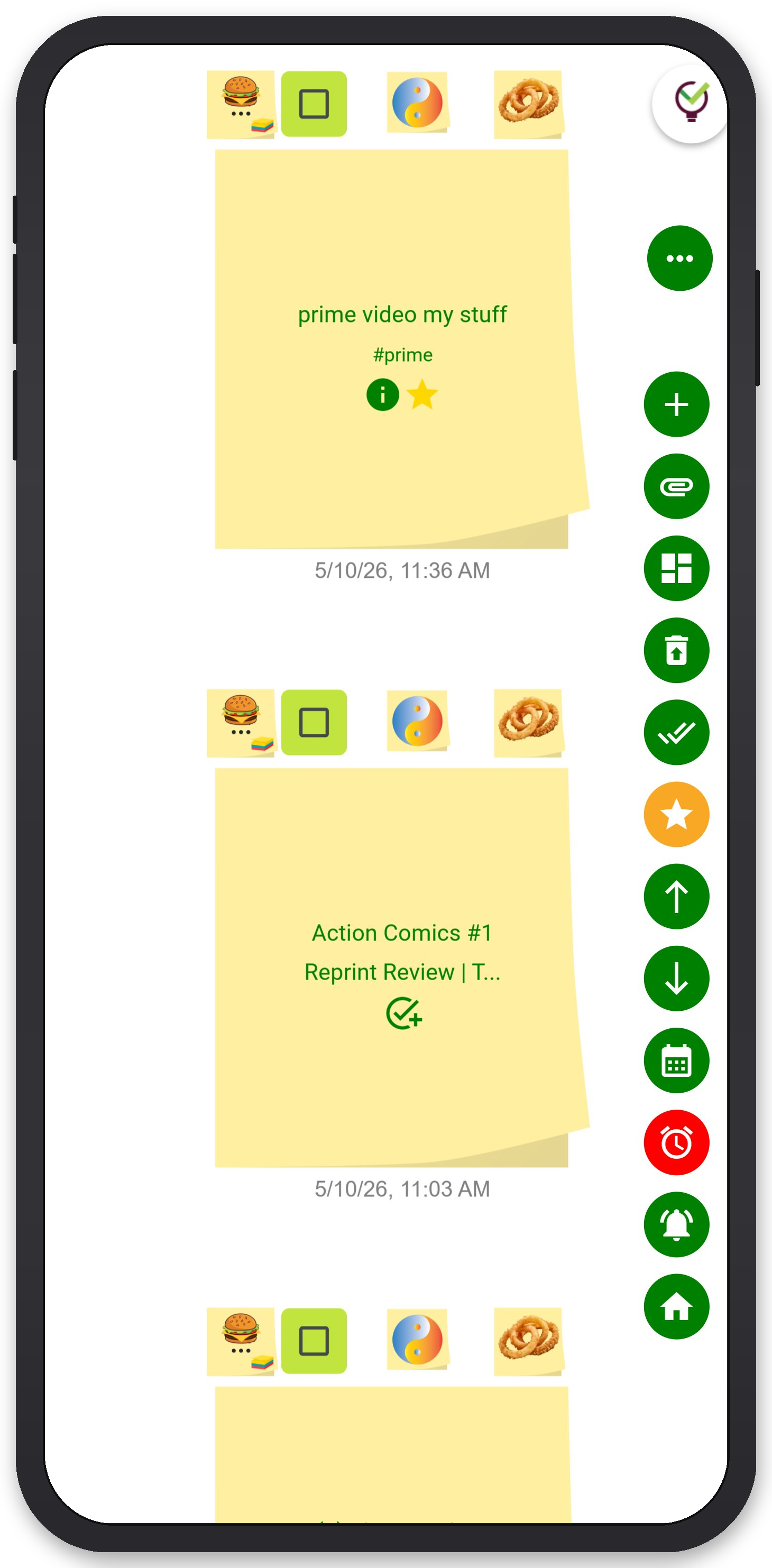
TaskLoco embodies the trusted system principles through radical simplicity. Every thought becomes a note instantly — no folders to choose, no categories to debate, no friction between idea and capture. The visual wall layout means everything stays visible and accessible, mimicking the reliability of physical sticky notes without the space limitations.
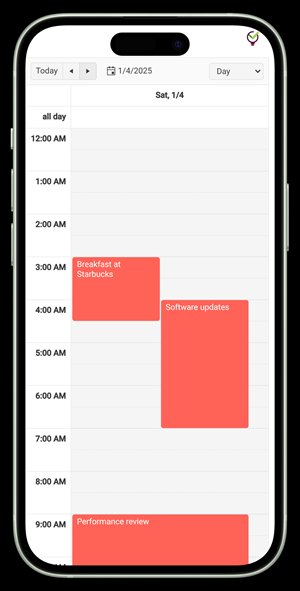
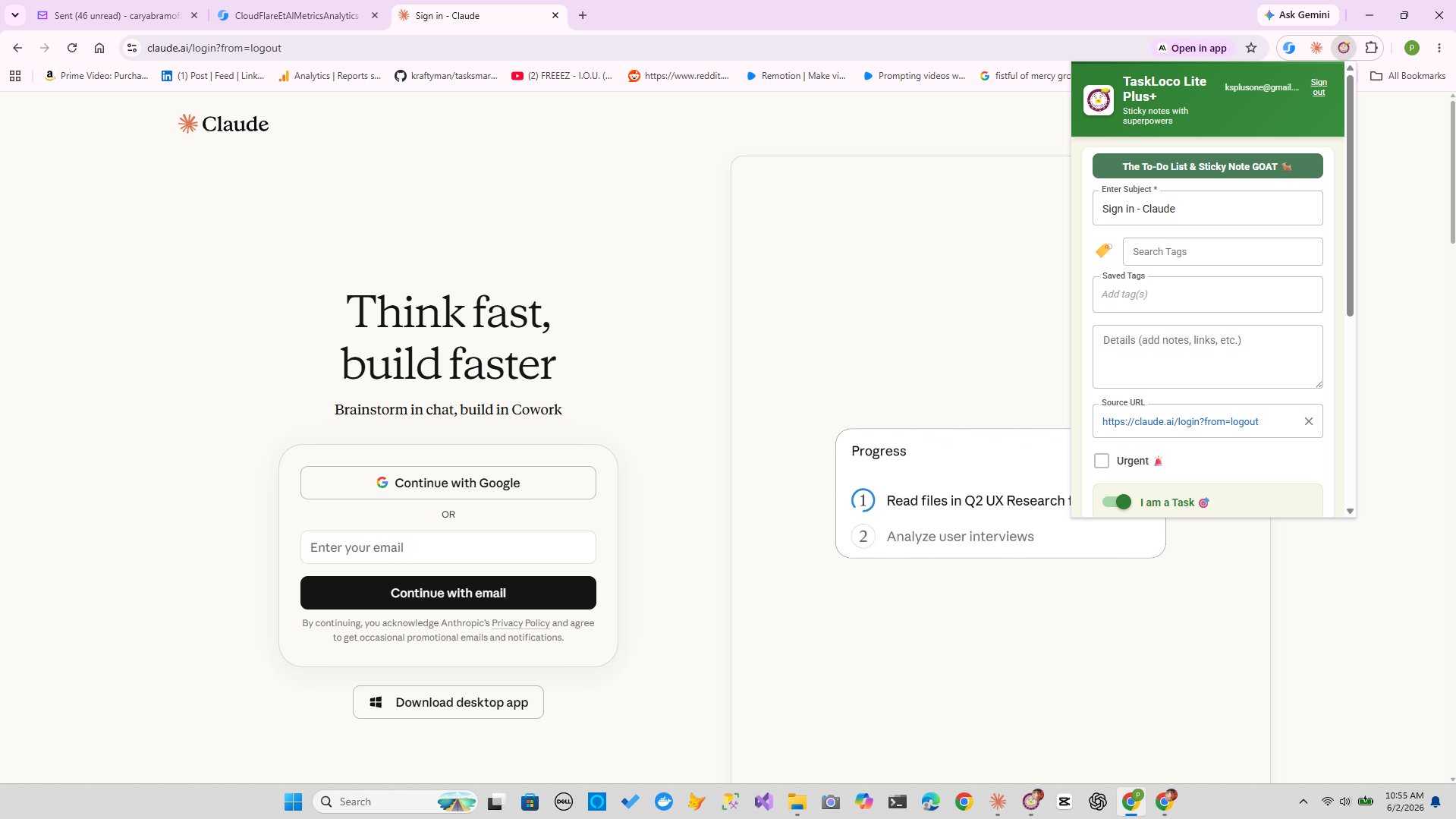
The system handles all three trust requirements naturally: quick capture through the Chrome extension or mobile interface ensures completeness, the unified wall view makes review effortless, and full-text search across notes and attachments guarantees retrieval. When you need to remember something later, it's there — searchable, contextual, and immediately actionable.
Reminders integrate seamlessly, delivering push notifications that link directly back to the original note. This closes the loop between capture and action, ensuring your external brain not only stores information but actively surfaces it when needed. The result is exactly what Allen envisioned: a mind freed from constant tracking, able to focus entirely on the work at hand.
TaskLoco Premium is regularly $9.99/month per person. Right now, charter members can lock in 50% off the regular price — forever. That means $4.99/month per person today. And if our price ever goes up, you still pay half. Always.
Code CHARTER50 auto-applies at checkout. First 500 spots only — once they're gone, this offer is gone permanently. Act fast while spots last.
Every Premium subscription includes unlimited notes, 10GB file storage, reminders, calendar, and team sharing. Each team member requires a separate subscription. 7-day free trial — no charge until day 8. Cancel anytime.
Free Options: TaskLoco
TaskLoco Lite
- Native iPhone & Android app
- Completely anonymous — no sign-in
- Data stays on your device
- Up to 20 notes
- Free forever
TaskLoco Lite Plus+
- Web app + Chrome extension
- Sign in with Google
- Wall syncs across all devices
- Up to 30 notes
- Free forever
Lock In 50% Off — Forever
7-day free trial. No charge until day 8. CHARTER50 auto-applies at checkout.
🔒 Lock In My Charter SpotSee TaskLoco in Action
Frequently Asked Questions
What is a trusted system in GTD methodology?
A trusted system in Getting Things Done is an external storage method that your brain genuinely relies on to remember all commitments, tasks, and ideas. It must capture everything completely, be reviewed regularly, and make information easily retrievable when needed.
Why does your brain need to trust the system completely?
When your brain trusts an external system, it stops running background mental processes to track commitments. This frees up cognitive resources for actual thinking and doing rather than constant mental monitoring and remembering.
What makes a productivity system trustworthy?
Three elements create trust: complete capture (everything goes into the system without exception), regular review (keeping the system current and reliable), and accessible retrieval (finding the right information when and where you need it).
How does incomplete capture break system trust?
When you make exceptions — remembering small tasks mentally or skipping capture for 'quick' items — your brain notices these gaps and maintains mental tracking as backup, defeating the system's purpose.
Can complex productivity apps become trusted systems?
Complexity often undermines trust. If the system requires significant mental effort to capture ideas or retrieve information, your brain treats it as unreliable. Simple tools used consistently typically build more trust than sophisticated setups used sporadically.
What is the 'mind like water' state in GTD?
Mind like water describes the mental state achieved when your trusted system works properly — a condition of relaxed focus where mental energy goes toward thinking and creating rather than remembering and tracking incomplete commitments.
How can I start building a trusted system today?
Begin by choosing one simple capture method you'll actually use consistently. Commit to putting every task, idea, and commitment into this system without exception, and review it regularly to maintain trust. $9.99/month per person (currently $4.99/month per person for first 500 charter members with code CHARTER50)
Born in Brooklyn. Powered by AWS. Your data stays yours.
TaskLoco is available on iPhone, Android, Chrome, and every web browser.