Tony Robbins doesn't believe in time management. He believes in life management through his RPM system — a productivity framework that flips traditional task management on its head. Instead of managing your time, you manage your focus and energy around meaningful outcomes.
RPM stands for Results, Purpose, and Massive Action Plan. It's designed to help you think in terms of results first, connect those results to deeper meaning, then create action plans that actually move the needle. Here's how the system works and how to implement it effectively.
What Is the RPM Productivity System
RPM is Tony Robbins' alternative to traditional productivity methods. Most people focus on activities and time blocks. RPM focuses on outcomes and purpose. The three components work together:
Results: What specific outcome do you want to achieve? Not tasks or activities, but actual results. Instead of "make phone calls," it's "close three new clients."
Purpose: Why does this result matter to you? What will achieving it give you emotionally? Purpose provides the driving force when motivation wanes.
Massive Action Plan: What are all the possible actions you could take to achieve this result? Brainstorm extensively, then prioritize the highest-impact activities.
The system assumes that when you're clear on your desired outcome and deeply connected to why it matters, you'll find creative ways to make it happen. It's less about efficient task management and more about effective result creation.
How to Implement RPM Planning
Start each planning session by identifying your desired results. What do you want to have accomplished by the end of the week, month, or quarter? Write these as specific, measurable outcomes.
Next, connect each result to its purpose. Why does this matter to you personally? What will achieving it give you? How will you feel? This emotional connection becomes your fuel during difficult moments.
Then brainstorm your massive action plan. List every possible way you could achieve this result. Don't edit yourself — capture all ideas. Later, you'll prioritize based on impact and feasibility.
The key is weekly and daily reviews. Each week, assess your progress on results and adjust your action plans. Each day, choose the highest-impact actions that move you toward your desired outcomes.
Unlike traditional task lists, RPM keeps you focused on the bigger picture while ensuring your daily actions align with meaningful goals.
RPM vs Traditional Task Management
Traditional productivity systems start with tasks and try to fit them into time slots. RPM starts with desired outcomes and works backward to necessary actions. This fundamental difference changes how you approach your day.
Most to-do lists focus on completion — checking boxes and clearing tasks. RPM focuses on contribution — what value are you creating? A traditional list might say "send 20 emails." An RPM approach asks "What result do I want from these communications?"
Time blocking schedules your day around activities. RPM blocks schedule your life around outcomes. You might spend three hours on "business development," but RPM would define this as "secure two new strategic partnerships" with specific actions to make that happen.
The psychological impact is significant. Traditional task management can feel overwhelming because your list keeps growing. RPM feels empowering because you're always moving toward meaningful outcomes, even if you don't complete every action item.
Tools for RPM Implementation
RPM works with simple tools, but the right digital system can enhance the process. You need something that handles both big-picture planning and daily execution without getting in the way.
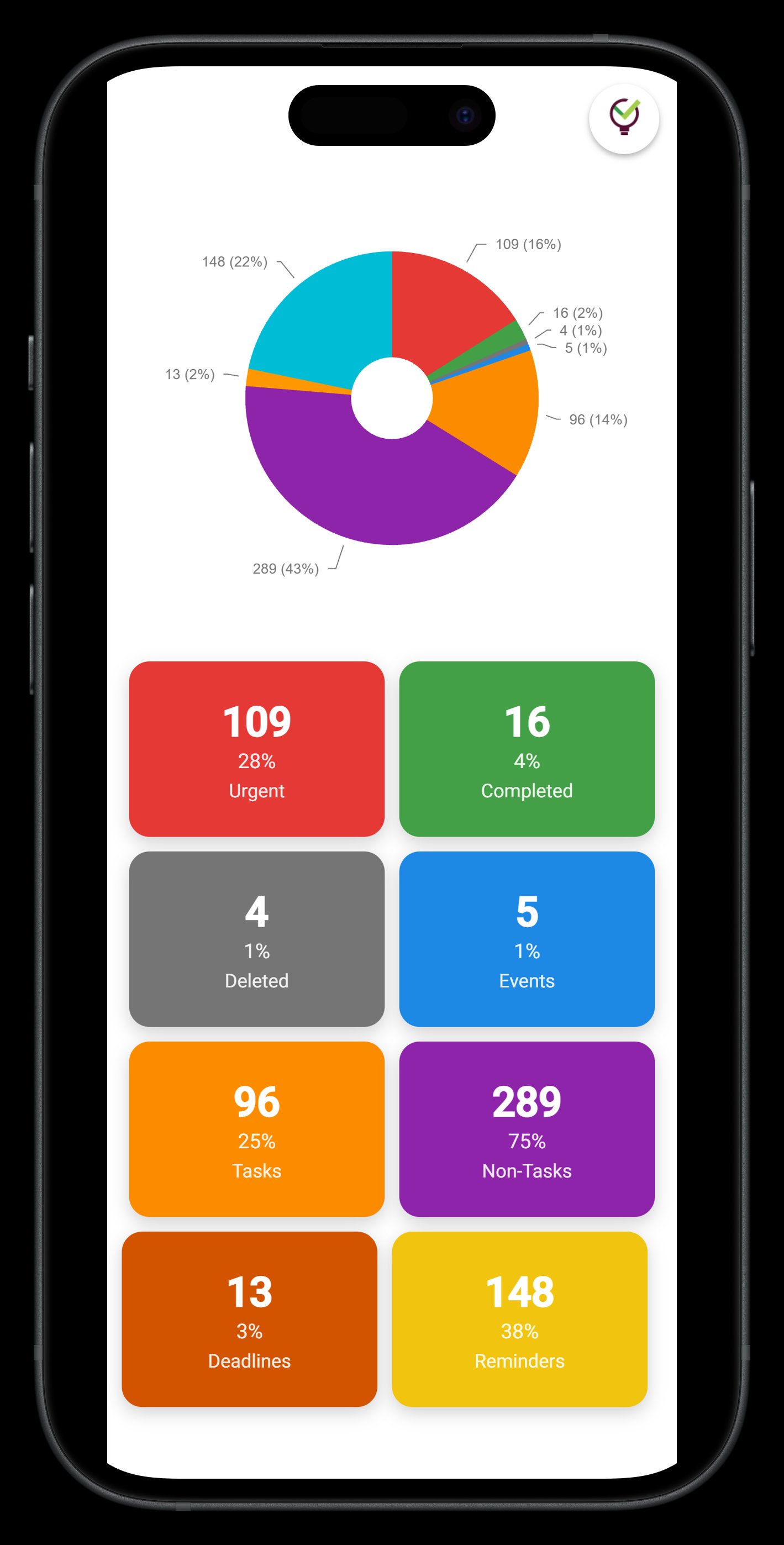
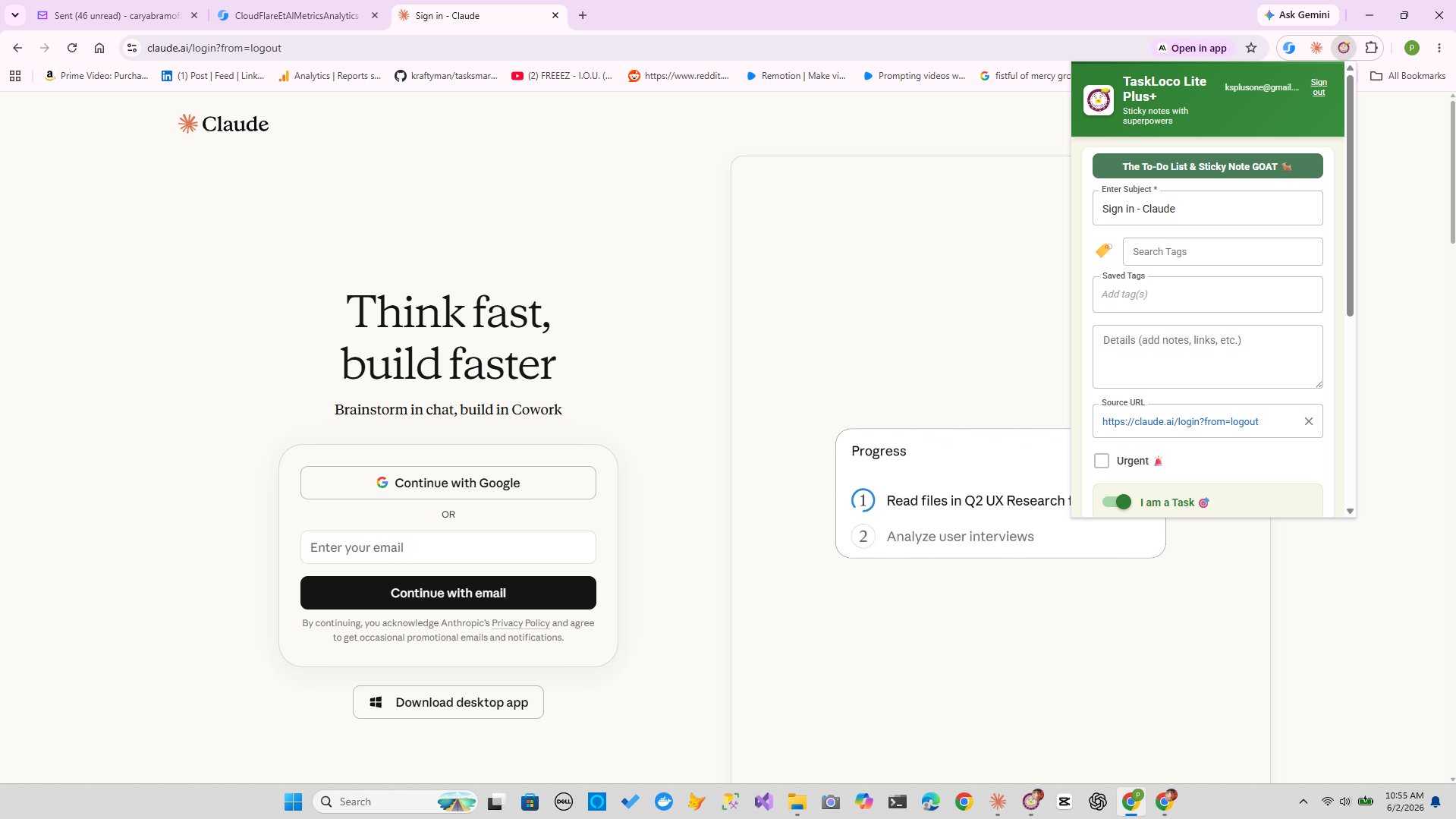
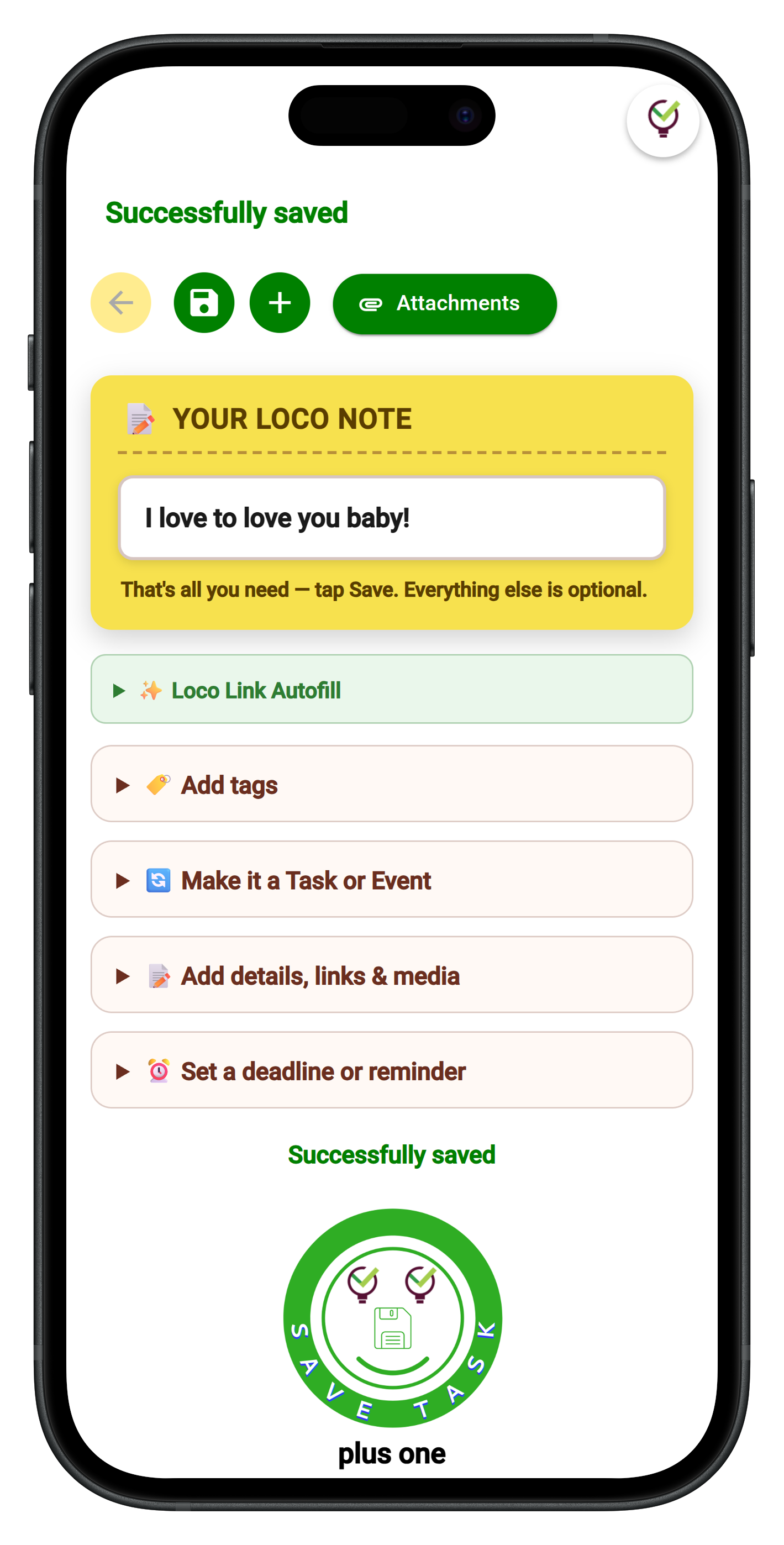
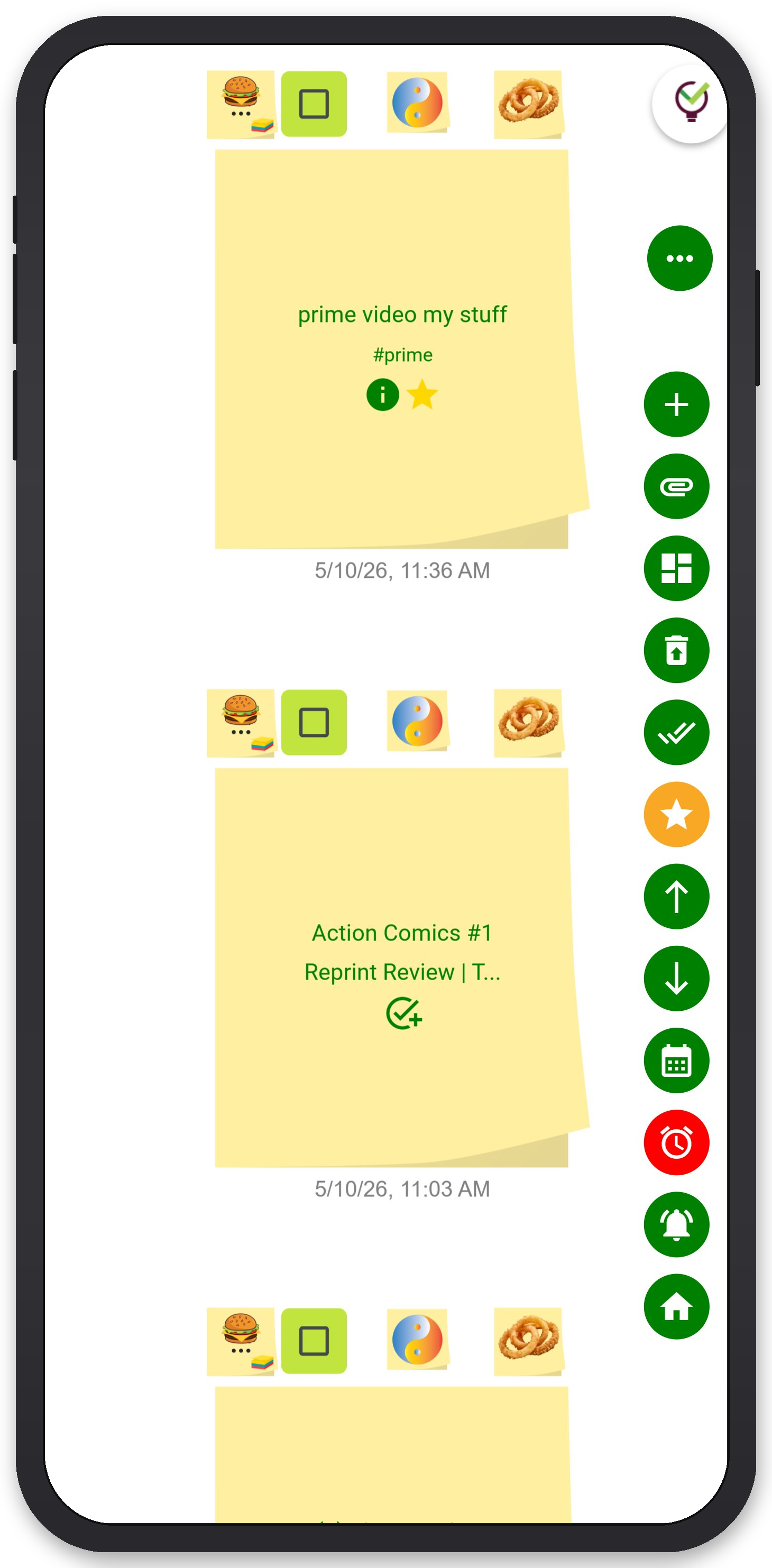
TaskLoco works well for RPM because it combines notes, tasks, and reminders in one simple interface. You can create RPM blocks as individual notes, capture your results and purpose at the top, then list your massive action plan below. The reminder system keeps you connected to your weekly reviews.
The key is keeping everything in one accessible place. Your RPM blocks, daily actions, and progress notes should flow together seamlessly. Many people start RPM in spreadsheets but find the format too rigid for the creative brainstorming the system requires.
Whatever system you choose, make sure it supports both structured planning sessions and quick daily captures. RPM requires both strategic thinking and tactical execution to work effectively.
TaskLoco Premium is regularly $9.99/month per person. Right now, charter members can lock in 50% off the regular price — forever. That means $4.99/month per person today. And if our price ever goes up, you still pay half. Always.
Code CHARTER50 auto-applies at checkout. First 500 spots only — once they're gone, this offer is gone permanently. Act fast while spots last.
Every Premium subscription includes unlimited notes, 10GB file storage, reminders, calendar, and team sharing. Each team member requires a separate subscription. 7-day free trial — no charge until day 8. Cancel anytime.
Free Options: TaskLoco
TaskLoco Lite
- Native iPhone & Android app
- Completely anonymous — no sign-in
- Data stays on your device
- Up to 20 notes
- Free forever
TaskLoco Lite Plus+
- Web app + Chrome extension
- Sign in with Google
- Wall syncs across all devices
- Up to 30 notes
- Free forever
Lock In 50% Off — Forever
7-day free trial. No charge until day 8. CHARTER50 auto-applies at checkout.
🔒 Lock In My Charter SpotSee TaskLoco in Action
Frequently Asked Questions
What does RPM stand for in Tony Robbins' system?
RPM stands for Results, Purpose, and Massive Action Plan. It's a productivity framework that focuses on desired outcomes rather than time management or task completion.
How is RPM different from other productivity methods?
RPM starts with desired results and works backward to actions, while most methods start with tasks and try to organize them efficiently. It emphasizes emotional connection to outcomes rather than just task completion.
Can I use RPM with digital productivity tools?
Yes, RPM works well with tools that combine planning and execution. $9.99/month per person (currently $4.99/month per person for first 500 charter members with code CHARTER50) TaskLoco's note-taking format naturally supports RPM blocks with results, purpose, and action plans in one place.
How often should I review my RPM blocks?
Tony Robbins recommends weekly planning sessions to assess progress on results and daily reviews to choose high-impact actions. The key is consistent connection to your desired outcomes and their underlying purpose.
What if I don't achieve my RPM results?
RPM treats non-achievement as feedback, not failure. Review what actions you took, what obstacles arose, and what you learned. Then adjust your approach or timeline while staying connected to the underlying purpose.
Is RPM suitable for team productivity?
RPM works for teams when everyone understands the shared results and purpose. Team members can coordinate their individual massive action plans toward common outcomes while maintaining personal accountability.
How do I start implementing RPM today?
Begin with one important area of your life. Define one specific result you want, connect it to why it matters to you, then brainstorm all possible actions. Start taking the highest-impact actions immediately while planning your broader approach.
Born in Brooklyn. Powered by AWS. Your data stays yours.
TaskLoco is available on iPhone, Android, Chrome, and every web browser.