Time blocking and time boxing sound similar but work completely differently. Time blocking assigns specific tasks to exact calendar slots — "marketing report from 2-4 PM." Time boxing sets duration limits without fixed scheduling — "spend 90 minutes on the marketing report sometime today."
The confusion comes from productivity gurus using these terms interchangeably. They're not. One locks you into a rigid schedule, the other gives you flexible focus windows. Understanding the difference changes how you plan your entire day.
What Is Time Blocking?
Time blocking assigns specific tasks to exact time slots on your calendar. You plan your entire day in advance, blocking out chunks like "9-10 AM: email," "10-12 PM: client presentation," "2-3:30 PM: budget review." Every task gets a specific start and end time.
The method forces you to estimate how long each task takes and commit to working on it during that window. If something runs over, your entire schedule shifts. If you finish early, you either start the next task ahead of schedule or take an unplanned break.
Time blocking works best for people with predictable routines and tasks that fit neat time estimates. It's popular with executives, consultants, and anyone who needs to juggle multiple projects with hard deadlines.
What Is Time Boxing?
Time boxing sets duration limits for tasks without locking them to specific calendar slots. Instead of scheduling "budget review 2-3:30 PM," you decide "spend 90 minutes on budget review today." You work within that time box whenever it fits your energy and schedule.
The key is the hard stop. When your 90 minutes are up, you stop — even if the task isn't finished. This prevents perfectionism and scope creep from destroying your day. You either schedule another time box for the remaining work or decide the task is done enough.
Time boxing gives you flexibility while maintaining focus. You're not locked into rigid time slots, but you're also not working on tasks indefinitely. It's perfect for creative work, deep thinking, and tasks where estimating duration is nearly impossible.
The Hybrid Approach That Actually Works
Most successful people don't choose one method — they combine both based on task type. Time block for meetings, appointments, and deadline-driven work where timing matters. Time box for creative projects, admin tasks, and anything requiring deep focus.
Use time blocking for external commitments: client calls, team meetings, presentation prep with firm deadlines. These tasks need specific scheduling because other people depend on them. Missing or moving these blocks disrupts more than just your day.
Use time boxing for internal work: writing, research, planning, email processing. These tasks benefit from focused attention but don't need rigid scheduling. You can move a 2-hour writing session to when your energy peaks without breaking anything.
The magic happens when you time box within time blocks. Block out "deep work" from 9 AM-12 PM, then time box three 45-minute focus sessions within that window. You get the calendar protection of blocking with the flexibility of boxing.
Making Either Method Work With TaskLoco
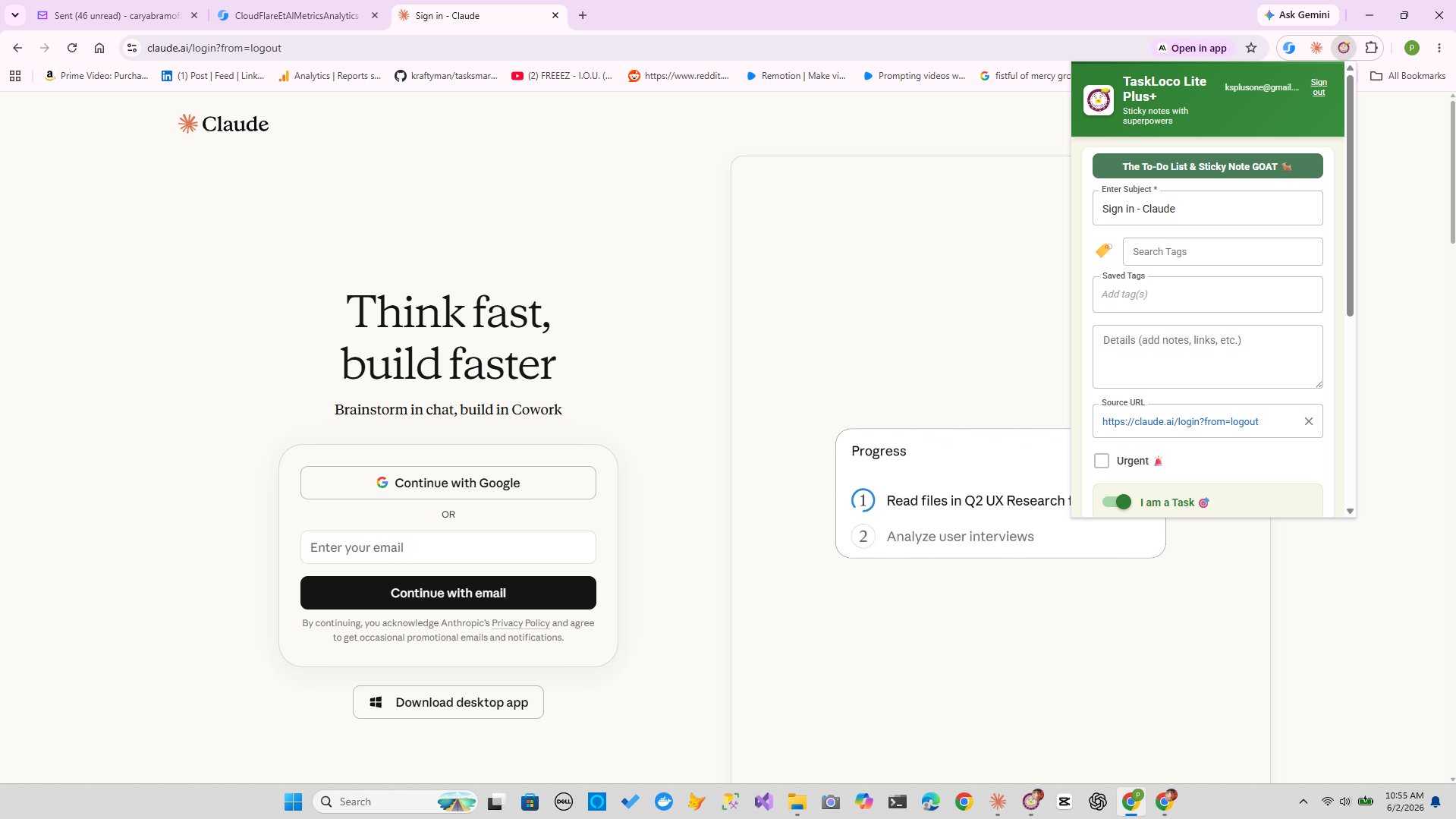
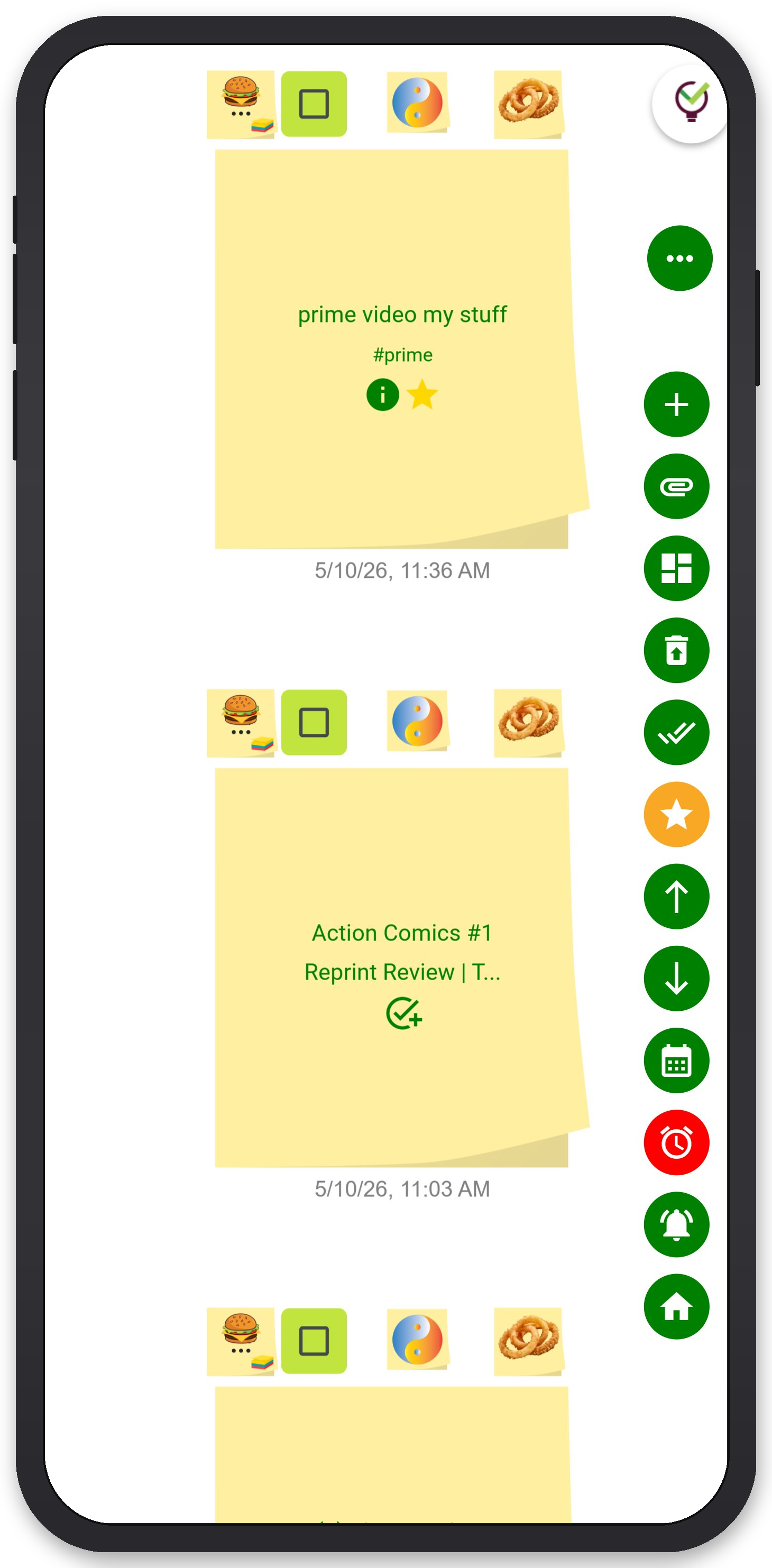
TaskLoco adapts to whatever time management approach works for you. Create notes for time-blocked schedules with specific start times and calendar integration. Set up time-boxed task lists with duration estimates and reminders to stop when time's up.
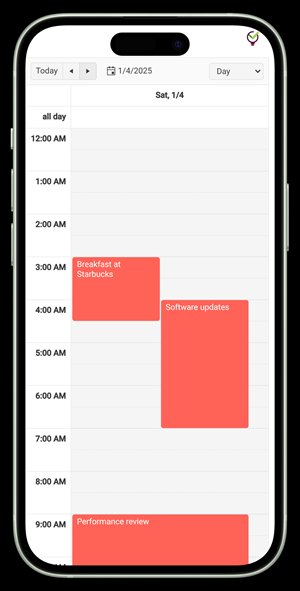
The calendar view lets you see time blocks alongside your regular appointments. Task notes can include duration estimates for time boxing or specific time slots for blocking. Reminders help you stick to time boxes — that notification to stop working prevents projects from consuming your entire day.
File attachments mean you can store project materials, research, and reference documents directly with each time block or box. No switching between apps when your focus session starts. Everything you need is attached to the note.
Team sharing works for both methods. Share time-blocked schedules so colleagues know when you're available. Share time-boxed project notes so everyone sees progress without micromanaging exact timing.
TaskLoco Premium is regularly $9.99/month per person. Right now, charter members can lock in 50% off the regular price — forever. That means $4.99/month per person today. And if our price ever goes up, you still pay half. Always.
Code CHARTER50 auto-applies at checkout. First 500 spots only — once they're gone, this offer is gone permanently. Act fast while spots last.
Every Premium subscription includes unlimited notes, 10GB file storage, reminders, calendar, and team sharing. Each team member requires a separate subscription. 7-day free trial — no charge until day 8. Cancel anytime.
Free Options: TaskLoco
TaskLoco Lite
- Native iPhone & Android app
- Completely anonymous — no sign-in
- Data stays on your device
- Up to 20 notes
- Free forever
TaskLoco Lite Plus+
- Web app + Chrome extension
- Sign in with Google
- Wall syncs across all devices
- Up to 30 notes
- Free forever
Lock In 50% Off — Forever
7-day free trial. No charge until day 8. CHARTER50 auto-applies at checkout.
🔒 Lock In My Charter SpotSee TaskLoco in Action
Frequently Asked Questions
Which is better — time blocking or time boxing?
Neither method is universally better. Time blocking works for scheduled commitments and deadline-driven tasks. Time boxing works for creative work and flexible projects. Most productive people use both methods depending on the task type and their daily energy patterns.
Can you combine time blocking and time boxing?
Yes, and this hybrid approach is often most effective. Time block for meetings, calls, and external commitments that need specific scheduling. Time box for deep work, creative projects, and tasks that benefit from flexible timing within broader calendar windows.
How do I estimate time for blocking or boxing?
Start by tracking how long tasks actually take for a week. Most people underestimate by 25-50%. For time blocking, add buffer time between tasks. For time boxing, set realistic limits and stick to them even if work remains — you can always schedule another box.
What happens when time blocks run over schedule?
When time blocks run over, your entire day shifts unless you have buffer time built in. This is why many people prefer time boxing for unpredictable work — you work within the duration limit regardless of when you start, avoiding the cascade effect of delayed blocks.
How does TaskLoco help with time management?
TaskLoco works with whatever time management method you prefer. Use calendar integration for time blocking, set reminders for time boxing limits, and store all task materials as file attachments. The flexibility lets you experiment with both approaches. $9.99/month per person (currently $4.99/month per person for first 500 charter members with code CHARTER50)
Should beginners start with blocking or boxing?
Beginners often find time boxing less overwhelming because it doesn't require detailed scheduling. Start by setting duration limits for major tasks, then gradually add time blocks for meetings and deadlines. You can always adjust as you learn what works for your workflow and energy patterns.
How do interruptions affect each method?
Time blocking is more vulnerable to interruptions because they derail your entire schedule. Time boxing handles interruptions better — you simply restart your timer when you return to the task. This resilience makes time boxing preferable for busy environments with frequent interruptions.
Born in Brooklyn. Powered by AWS. Your data stays yours.
TaskLoco is available on iPhone, Android, Chrome, and every web browser.