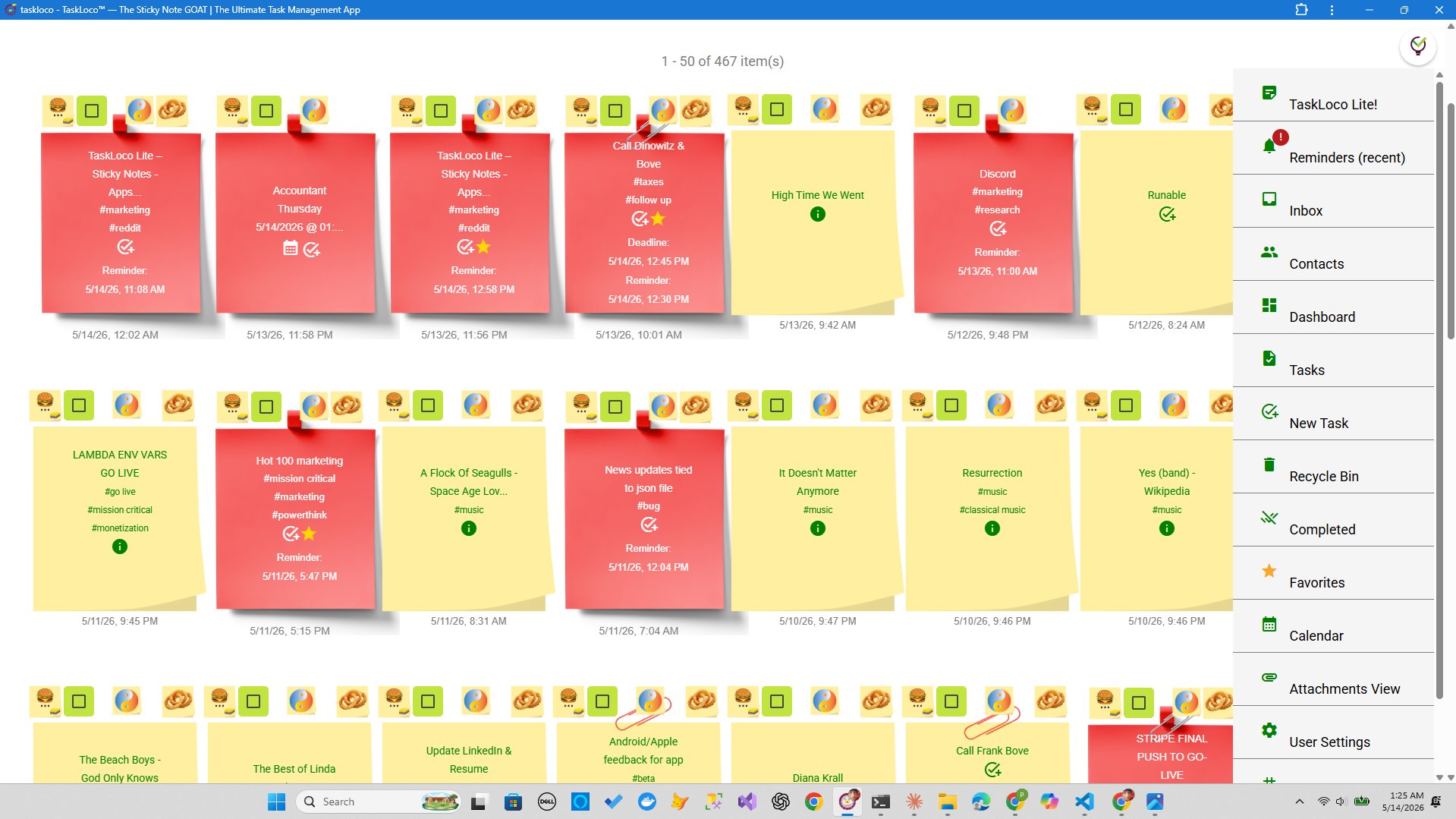
Sunday evening hits different when you've got your week mapped out. No Monday morning panic. No forgotten deadlines. No wondering what's actually important versus what just feels urgent.
The Sunday planning routine isn't about cramming more into your week — it's about getting clear on what matters so you can focus on the right things at the right time. Here's how to build a simple system that actually works.
What Makes a Sunday Planning Routine Work
The best Sunday planning routines share three key elements: they're fast enough to actually do consistently, visual enough to see everything at once, and flexible enough to handle real life.
Most people skip Sunday planning because it feels like another task on the pile. But when done right, it actually saves time by eliminating decision fatigue during the week. You've already decided what's important — now you just execute.
The goal isn't perfect scheduling. It's clarity. You want to know what's coming, what's urgent versus important, and where you have breathing room. A good routine takes 15-20 minutes and gives you confidence for the entire week ahead.
The Weekly Brain Dump: Get Everything Out
Start every Sunday session by dumping everything from your brain onto paper or screen. Work tasks, personal errands, upcoming deadlines, random thoughts that have been nagging you — get it all out.
This isn't about organization yet. It's about clearing mental RAM. Your brain has been holding onto dozens of half-formed tasks and reminders all week. Release that cognitive load first.
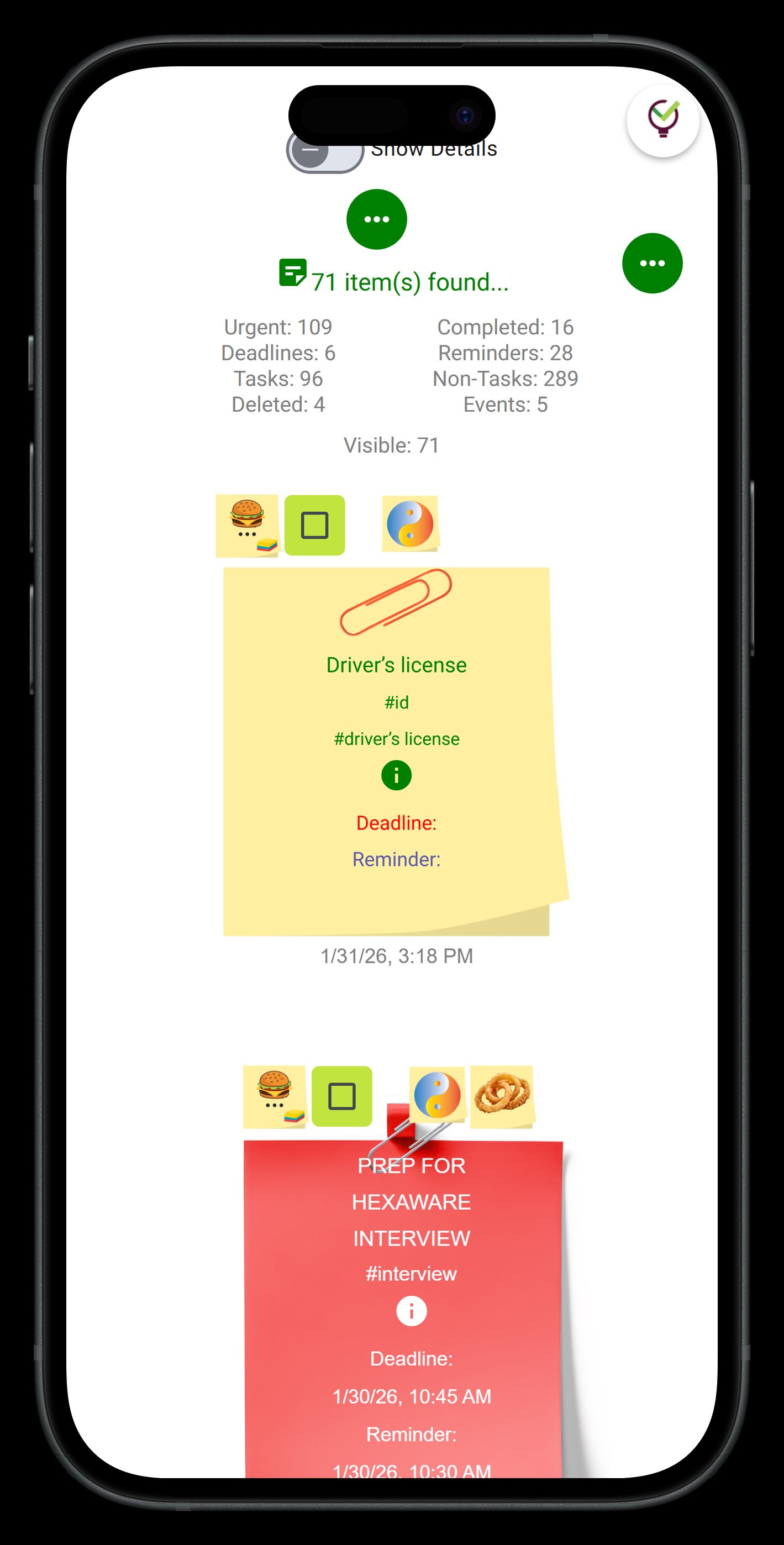
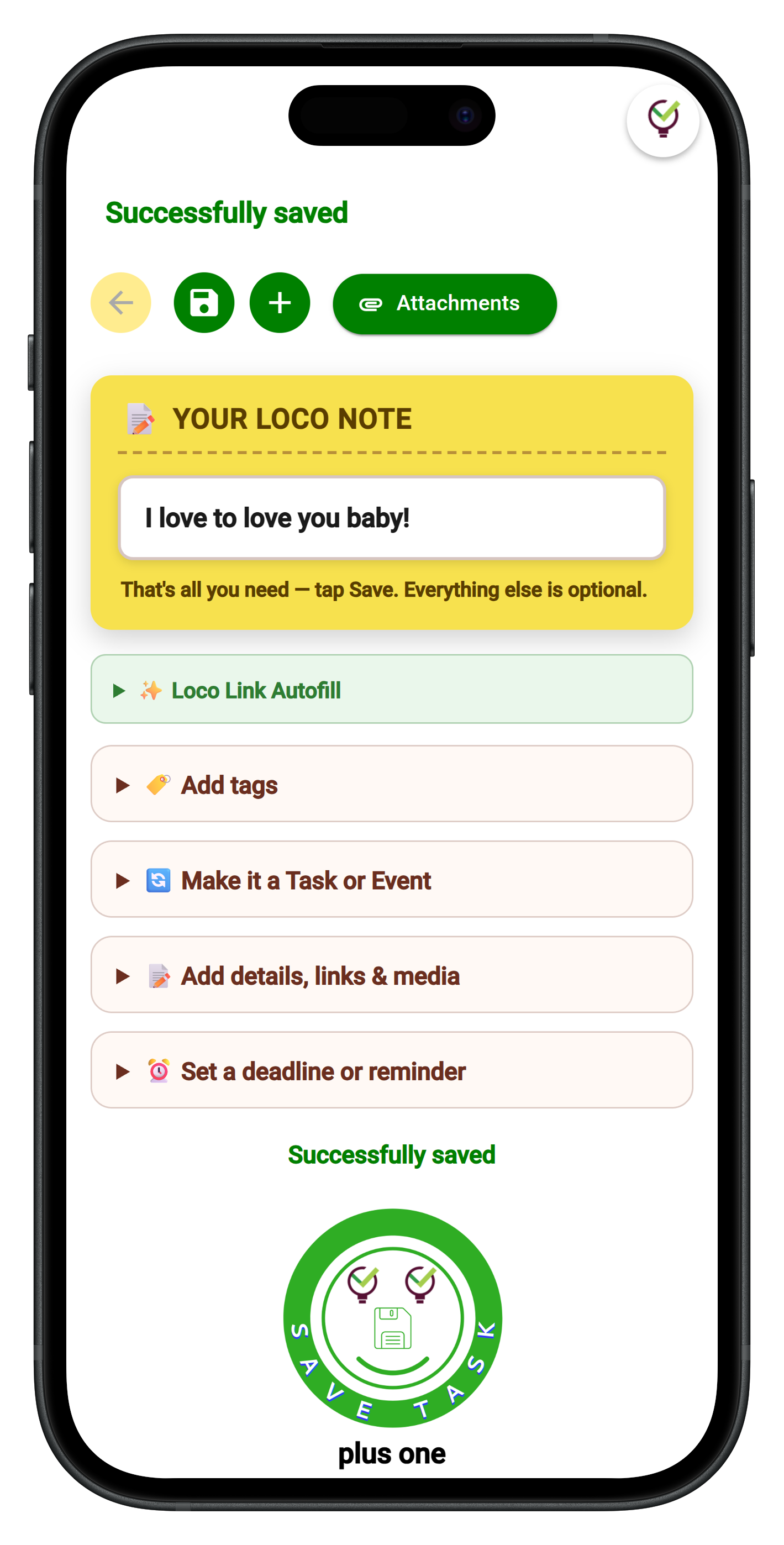
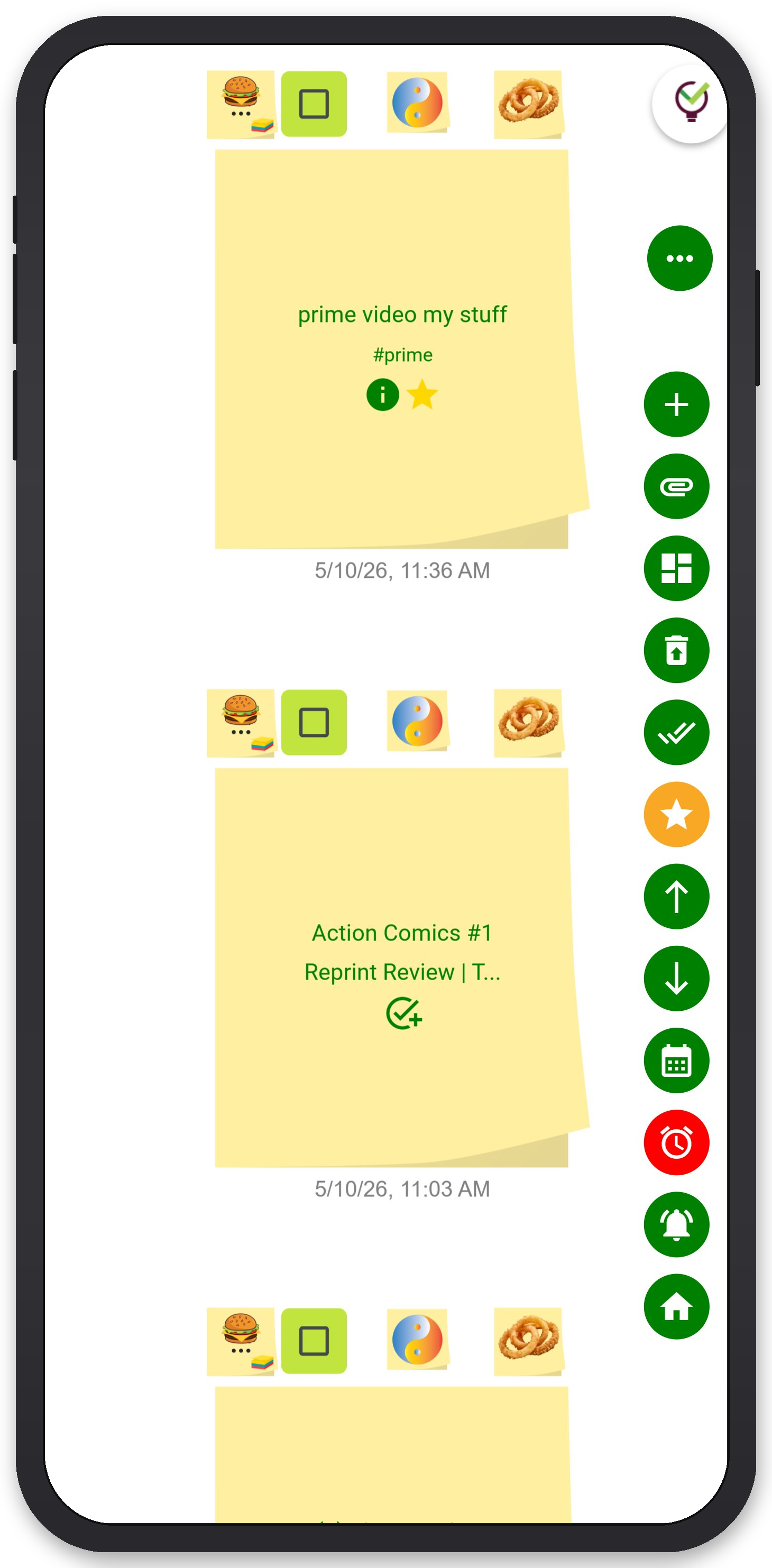
TaskLoco's sticky note format works perfectly here — each thought gets its own note. No formatting, no categories yet. Just rapid-fire capture of everything that's been bouncing around your head. The visual layout lets you see everything at once without scrolling through endless lists.
Don't edit as you go. Brain dumps work because they're messy and fast. You'll organize in the next step.
Organize by Energy and Impact
Once everything's out of your head, sort by energy level and impact. High-impact tasks that require deep focus go in your peak energy hours. Low-energy admin work fills the gaps.
Most people plan by time slots, but energy management beats time management every time. You have maybe 3-4 hours of peak mental energy per day. Protect those hours fiercely.
Create three buckets: peak energy work (complex projects, creative tasks, important decisions), moderate energy tasks (meetings, emails, routine work), and low energy items (filing, organizing, simple admin). Then map these to your actual energy patterns throughout the week.
TaskLoco's reminders help here — set them for when you actually have the right energy level, not just when something is technically due. A push notification at 9 AM for deep work hits different than one at 4 PM when your brain is fried.
Set Realistic Boundaries and Buffer Time
The biggest planning mistake is cramming every minute full. Real life has interruptions, delays, and unexpected urgent tasks. Plan for 70% of your time, not 100%.
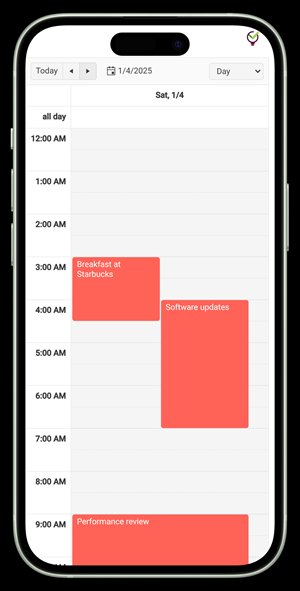
Build buffer zones around important work. If you need two hours for a project, block three. If you have back-to-back meetings, schedule 50-minute calls instead of hour-long ones. Give yourself transition time.
Also set clear boundaries on availability. Decide which days you'll take calls, when you'll check email, and what constitutes a real emergency versus someone else's poor planning. Communicate these boundaries early in the week.
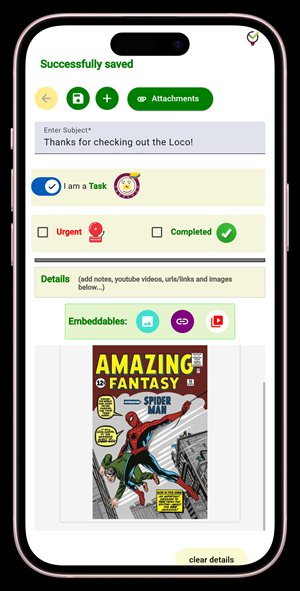
TaskLoco's file attachment feature comes in handy here — attach reference documents, briefs, or resources directly to the tasks that need them. No hunting through email or folders when it's time to execute.
Weekly Review and Adjustment
End your Sunday planning with a quick review of the previous week. What worked? What got derailed? What patterns do you notice?
Look for recurring bottlenecks or energy drains. Maybe Tuesday afternoons always crash. Maybe you consistently underestimate how long certain types of work take. Maybe specific types of meetings leave you drained for hours.
Adjust next week's plan based on what you learned. Planning gets better with practice, but only if you pay attention to what actually happens versus what you intended.
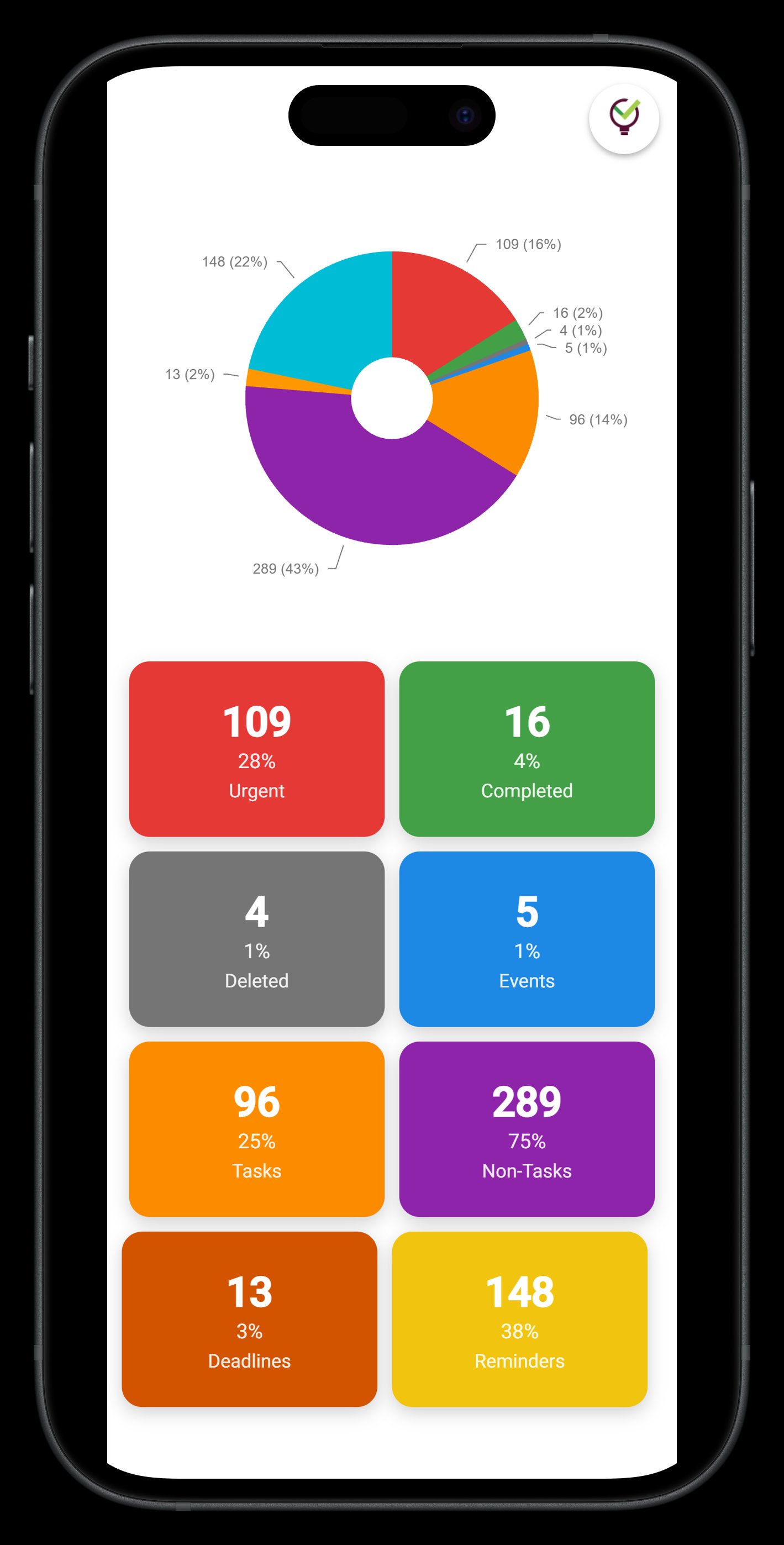
TaskLoco's dashboard view helps spot patterns across weeks. You can see which types of tasks you consistently complete versus which ones keep rolling forward. That data tells you something important about your planning assumptions.
TaskLoco Premium is regularly $9.99/month per person. Right now, charter members can lock in 50% off the regular price — forever. That means $4.99/month per person today. And if our price ever goes up, you still pay half. Always.
Code CHARTER50 auto-applies at checkout. First 500 spots only — once they're gone, this offer is gone permanently. Act fast while spots last.
Every Premium subscription includes unlimited notes, 10GB file storage, reminders, calendar, and team sharing. Each team member requires a separate subscription. 7-day free trial — no charge until day 8. Cancel anytime.
Free Options: TaskLoco
TaskLoco Lite
- Native iPhone & Android app
- Completely anonymous — no sign-in
- Data stays on your device
- Up to 20 notes
- Free forever
TaskLoco Lite Plus+
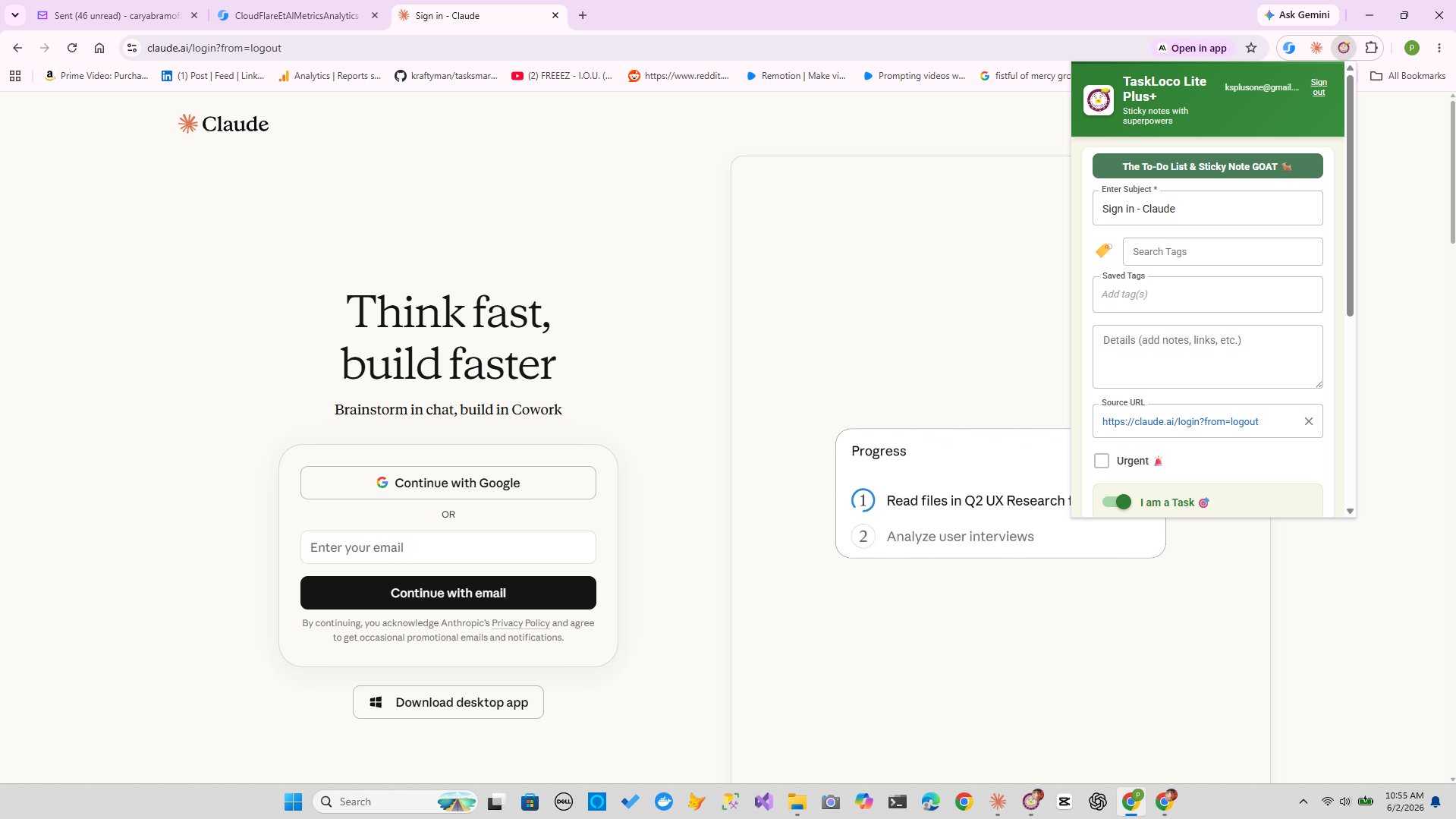
- Web app + Chrome extension
- Sign in with Google
- Wall syncs across all devices
- Up to 30 notes
- Free forever
Lock In 50% Off — Forever
7-day free trial. No charge until day 8. CHARTER50 auto-applies at checkout.
🔒 Lock In My Charter SpotSee TaskLoco in Action
Frequently Asked Questions
How long should a Sunday planning routine take?
A good Sunday planning routine takes 15-20 minutes once you get the hang of it. The key is keeping it simple and focused on the upcoming week only, not trying to plan months ahead.
What if I miss a Sunday planning session?
Missing one week won't derail everything, but you'll feel the difference on Monday morning. If you can't do a full session, at least do a 5-minute brain dump to clear your head and identify the week's top priorities.
Should I plan personal tasks and work tasks together?
Yes — your energy and time are shared resources whether you're working or not. Planning everything together helps you see potential conflicts and make realistic commitments across all areas of your life.
How detailed should my weekly plan be?
Detailed enough to eliminate decision fatigue, but flexible enough to handle surprises. Focus on outcomes and priorities rather than minute-by-minute scheduling. You want clarity, not rigidity.
What's the best tool for Sunday planning?
The best tool is one you'll actually use consistently. TaskLoco works well because it's visual like sticky notes but syncs across devices, with reminders that deep-link back to your original notes. $9.99/month per person (currently $4.99/month per person for first 500 charter members with code CHARTER50)
How do I handle unexpected urgent tasks during the week?
Build buffer time into your plan for exactly this reason. When urgent tasks pop up, you have space to handle them without derailing everything else. Review these interruptions during your weekly review to spot patterns.
Should I plan the same time every Sunday?
Consistency helps build the habit, but the specific time matters less than doing it regularly. Pick a time when you're mentally fresh and unlikely to be interrupted — often Sunday evening works best as a transition into the week.
Born in Brooklyn. Powered by AWS. Your data stays yours.
TaskLoco is available on iPhone, Android, Chrome, and every web browser.