A project schedule is a promise — to your team, your clients, and yourself. It tells everyone what needs to happen, in what order, and by when. But most scheduling tools bury that promise under layers of settings, views, and enterprise overhead that slow teams down instead of speeding them up.
This page covers what project scheduling actually means, the two or three criteria that separate useful tools from frustrating ones, and why TaskLoco has become a go-to for teams who want a fast, visual scheduling experience without the learning curve. Whether you're comparing tools or starting from scratch, this is the honest breakdown you need.
What to Look for in a Project Scheduling Tool
Project scheduling is the discipline of breaking work into discrete tasks, assigning ownership, setting deadlines, and tracking progress — all so a project finishes when it's supposed to. It applies to a product launch, a client deliverable, a content calendar, or any coordinated effort with more than one moving part.
Before you pick a tool, three criteria actually matter:
- Visibility. Can everyone see what's due, who owns it, and what's blocked — at a glance? A schedule buried in a spreadsheet or a list of nested subtasks nobody reads is not a schedule. It's noise. Look for a tool where the state of the project is obvious the moment you open it.
- Reliable reminders. Deadlines only work if the people responsible are reminded at the right moment. A scheduling tool that relies solely on people checking in manually will leak tasks. You need reminders that reach people where they already are — on their phone, on their desktop — not just in their inbox.
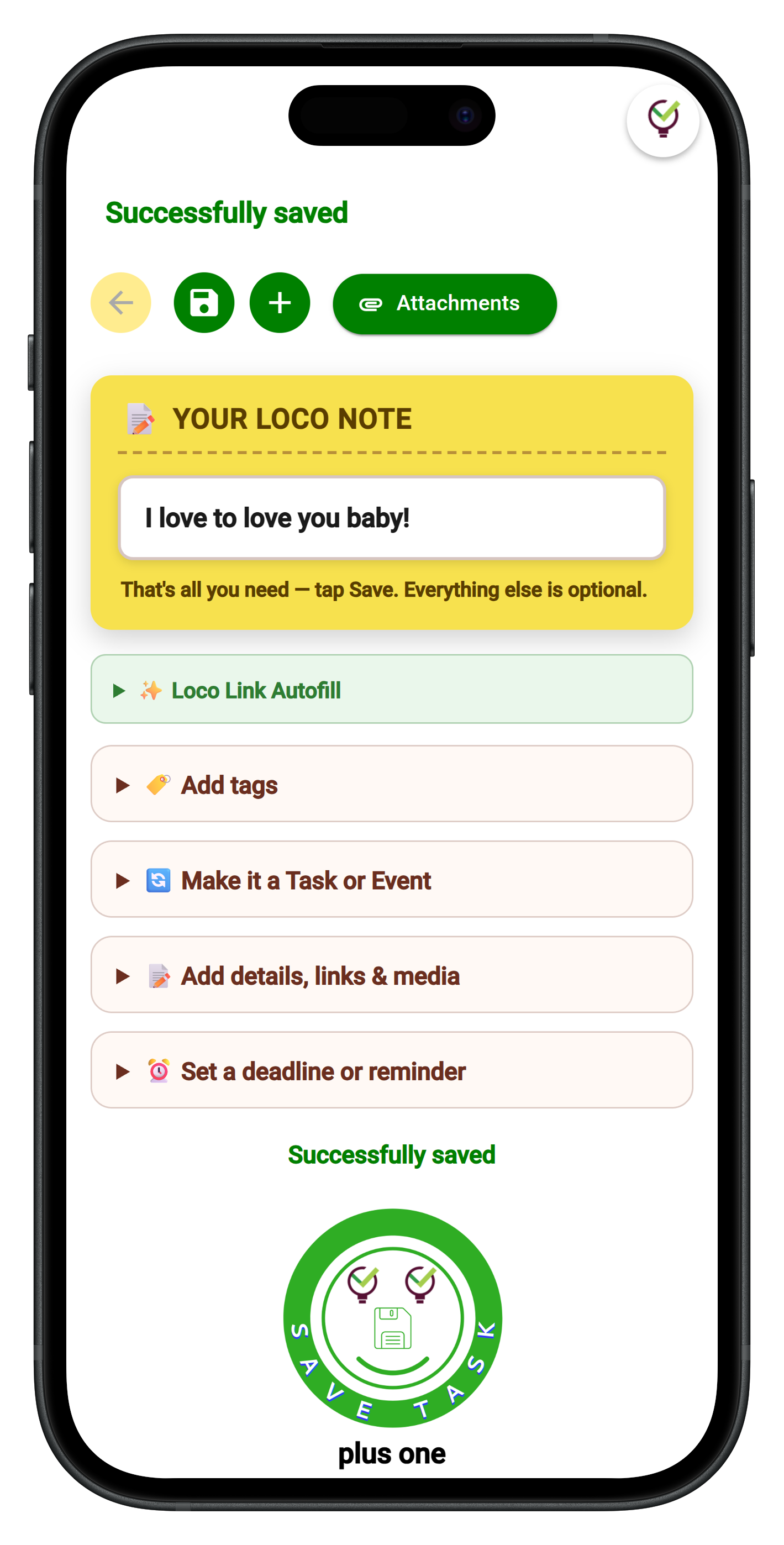
- Friction-free capture. If adding a task takes more than a few seconds, team members stop doing it. The best scheduling tools make it faster to record a task than to skip it. That habit is what keeps a schedule accurate over time.
Secondary criteria — Gantt charts, dependency mapping, resource allocation views — matter for complex multi-team programs. But for most teams, nailing visibility, reminders, and capture is 80% of the battle.
How TaskLoco Handles Project Scheduling
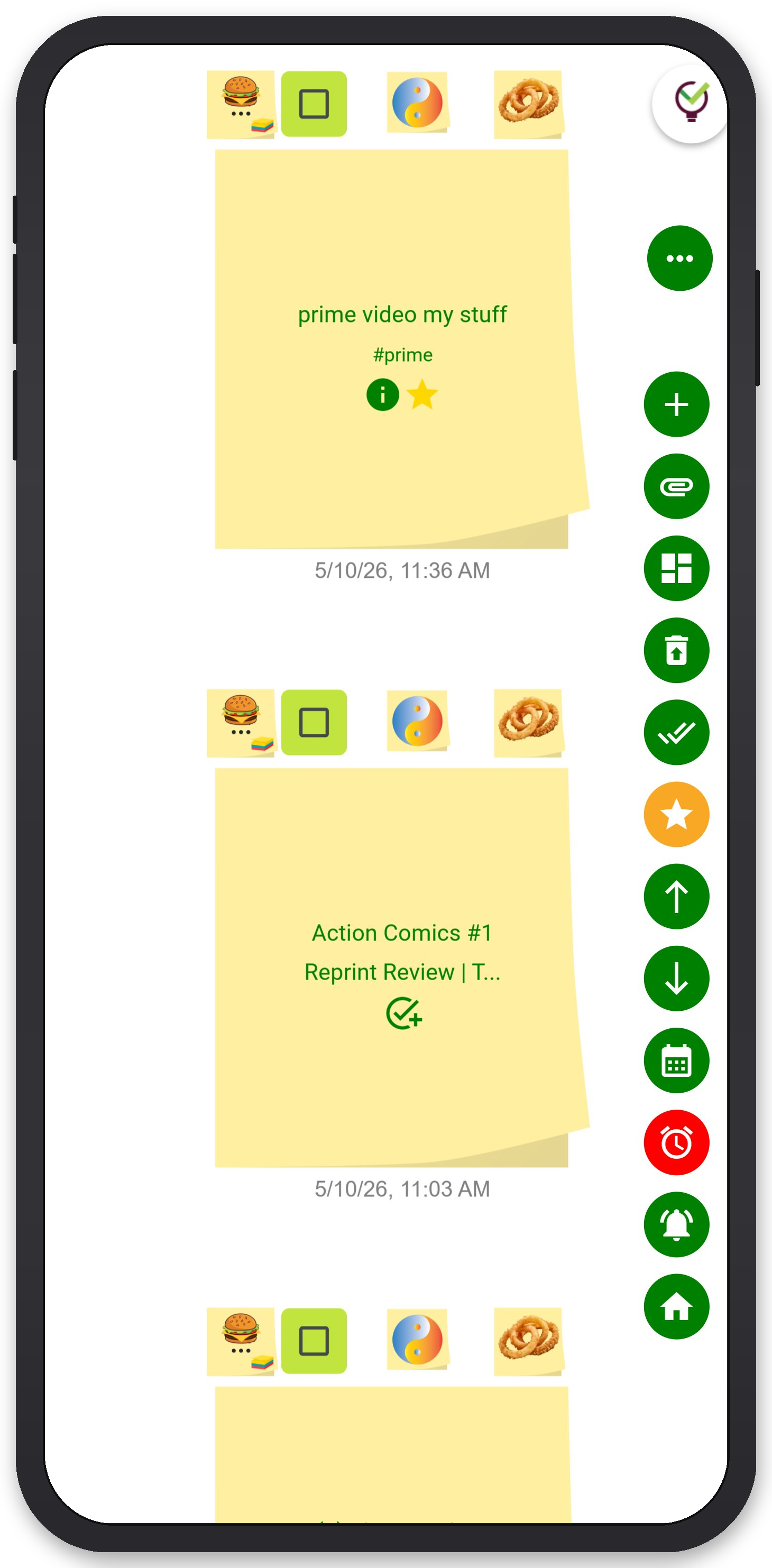
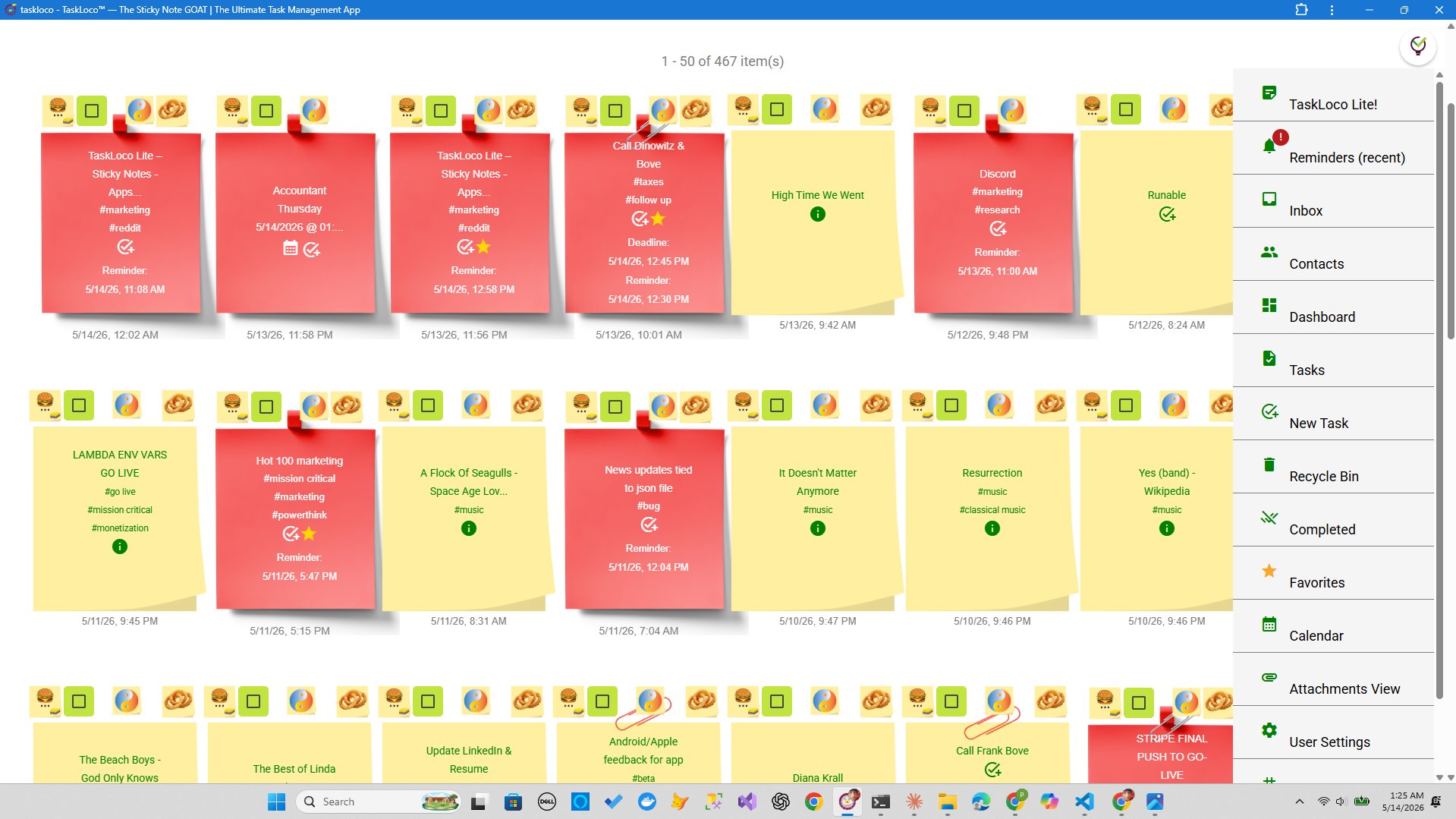
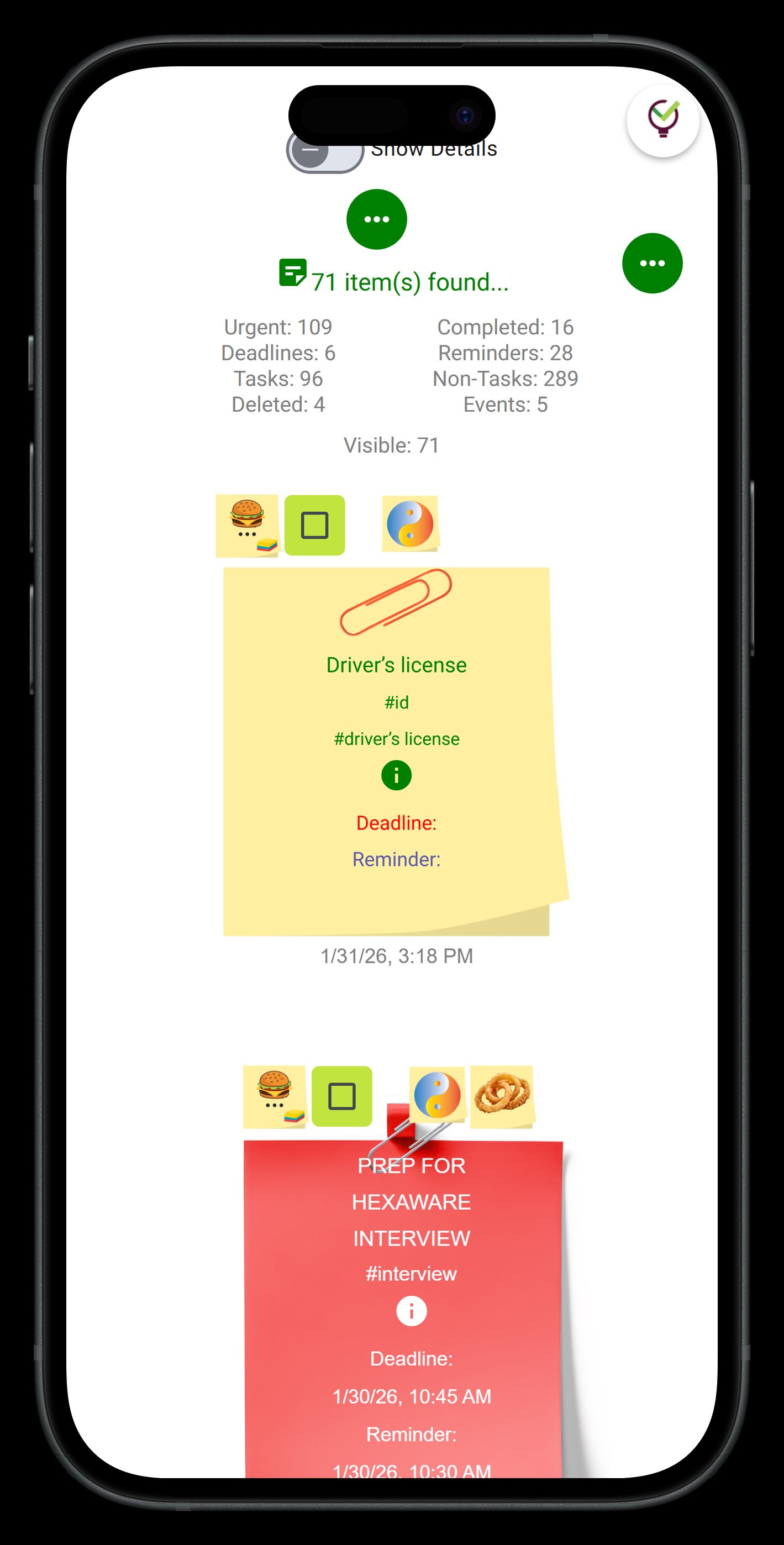
TaskLoco is built around sticky notes — and that sounds deceptively simple until you see a full project schedule laid out on a TaskLoco wall. Each note is a task. You can drag it to a column, tag it, set a deadline, attach a file, and assign it. The whole team sees the same board in real time.
Where TaskLoco separates itself from generic note apps is the reminder system. Every task reminder is delivered as a push notification — straight to your phone and your desktop. Tap it and you land directly on the note. No searching, no navigating menus. Optional email notifications and an SMS add-on are available if your team needs those channels, but push is the core. That deep-link behavior is what makes TaskLoco reminders genuinely useful for scheduling, not just decorative.
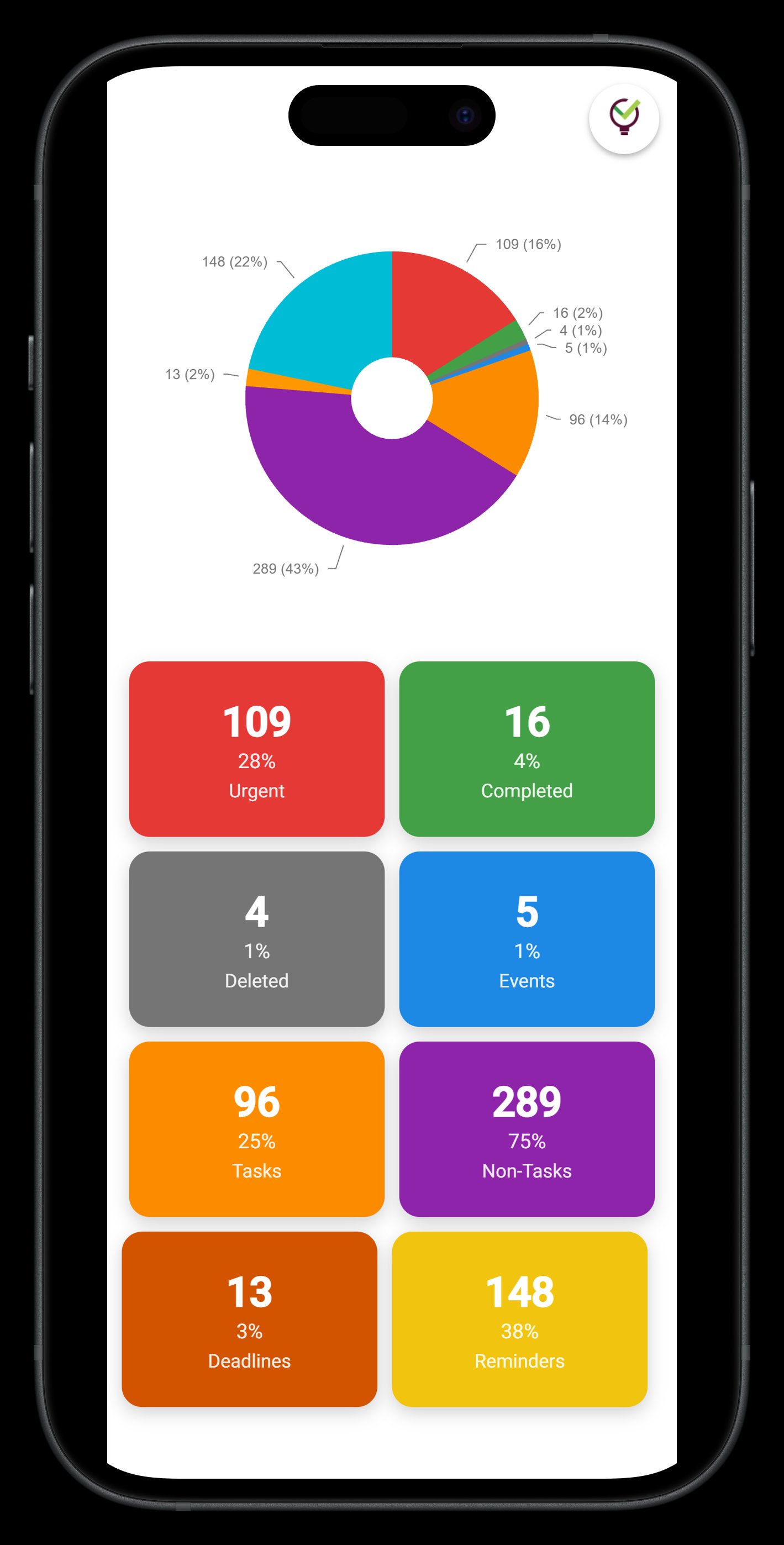
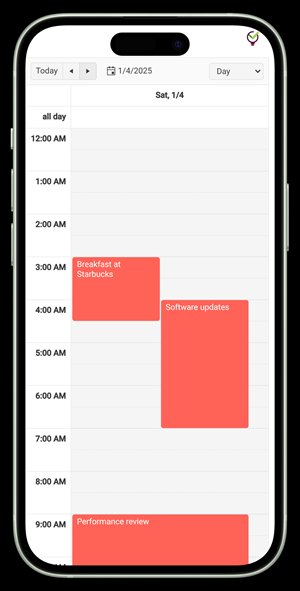
The calendar view in Premium lets you see all your deadlines and events laid out across a month. It is not a separate app bolted on — it reads from the same notes you already created. Add a due date to a note and it appears on the calendar automatically.
- Unlimited notes and tasks — no cap on how many items your schedule can hold
- 10GB file storage — attach briefs, assets, and reference docs directly to the task they belong to
- Team sharing — shared notes work like emails: recipients clone the note and make it their own, with no permissions matrix to configure
- Real-time sync — every edit is live across all devices for everyone on the team
Files, Media, and the Chrome Extension
One underrated scheduling problem: reference material lives somewhere else. The brief is in Google Drive. The mockup is in Slack. The approval email is buried in your inbox. When you actually sit down to work the task, you waste ten minutes finding what you need.
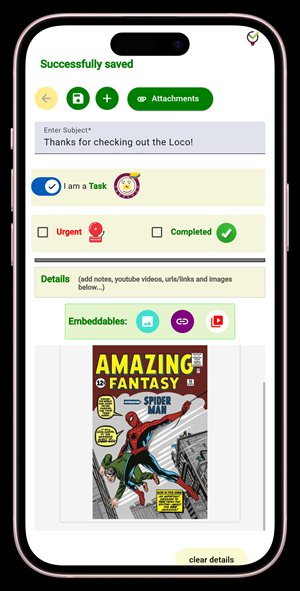
TaskLoco Premium includes 10GB of file storage per person, and you attach files directly to the note that represents the task. The brief, the asset, the screenshot — they live on the card. Open the task and everything is already there. Storage tiers go up to 1TB if your team works with large files regularly, and tiers are stackable.
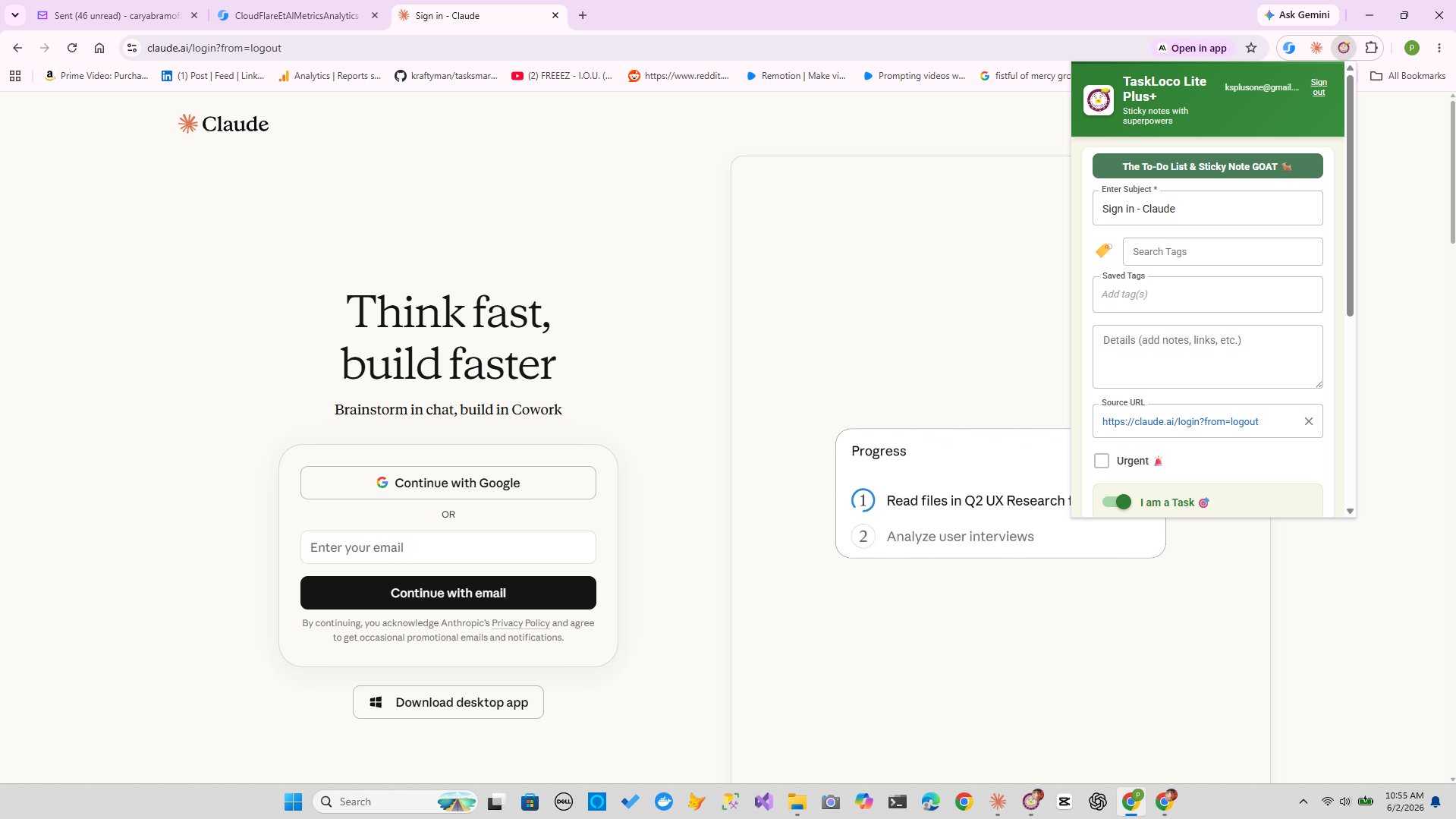
The Chrome extension makes capture fast enough to become a reflex. If you're reading a webpage — a client spec, a competitor article, a product requirements doc — one click saves it as a note. That note goes straight into your TaskLoco wall, ready to become a scheduled task. No copy-pasting, no tab-switching.
For media-heavy projects — content teams, designers, marketing — the ability to embed photos and visuals directly into notes keeps creative context attached to the task, not marooned in a separate folder.
When TaskLoco Is the Right Scheduling Tool — and When It Isn't
TaskLoco earns its place on any project scheduling shortlist because it handles the three criteria that matter — visibility, reminders, and capture — better than most tools at any price. The visual wall is instantly readable. Push notification reminders deep-link to the exact note. The Chrome extension makes capture a one-click habit. And Premium brings it all together with calendar view, file attachments, and real-time team sharing.
That said, be honest about your needs. If your project management requires Gantt charts with hard task dependencies — where task B cannot start until task A is 100% complete, and that relationship is modeled and enforced in the software — TaskLoco is not the right fit. It also does not offer enterprise SSO, SOC 2 compliance certifications, or a full REST API for deep integrations with custom-built internal tools. Teams with those requirements should evaluate dedicated project management platforms built for that layer of complexity.
But for teams that want to move fast, keep schedules visible, and actually get reminded before deadlines hit — TaskLoco is where most people should start. Upgrade to Premium when you need reminders, calendar view, file attachments, and team sharing.