Most productivity problems are not time problems. They're prioritization problems. Everyone has the same 24 hours. The difference between people who feel in control and people who feel buried is almost always the same thing: a clear, honest answer to the question what should I be doing right now? Without a reliable method for answering that question, every task feels equally urgent, and nothing important ever gets finished.
Prioritization is not just making a to-do list. It's making a series of deliberate choices about sequence, impact, and tradeoff. It requires knowing which tasks are genuinely high-value, which are just loud, and which can be dropped or delegated entirely. This page covers the frameworks that actually work, the habits that make prioritization stick, and how the right tool can turn a method into a daily practice.
What Prioritization Actually Means — and Why Most People Get It Wrong
Prioritization sounds obvious until you try to do it under pressure. In practice, most people default to one of three broken patterns: they work on whatever arrived most recently (recency bias), whatever feels easiest (effort aversion), or whatever someone else asked for loudest (urgency theater). None of these patterns reflect actual importance.
Real prioritization means evaluating tasks against two axes that actually matter: impact and urgency. Impact is how significantly a task moves a goal forward. Urgency is how soon consequences arrive if the task is skipped. A task can be urgent without being impactful — answering most emails is exactly this. A task can be impactful without being urgent — strategic planning, skill development, relationship building. The classic mistake is treating urgency as a proxy for importance.
The second reason prioritization breaks down is cognitive overload. When a list grows past roughly seven items, the brain stops making thoughtful comparisons and starts reacting. This is why the best prioritization systems constrain the list deliberately. You're not trying to rank 40 tasks. You're trying to identify the three that matter most today and protect your time for them.
When choosing a time management approach, three criteria actually determine whether it works in practice: clarity (can you tell at a glance what's most important?), capture speed (can you get an idea or task out of your head fast enough that you don't lose it?), and flexibility (can the system adapt when priorities shift, without requiring you to rebuild everything?).
The Frameworks That Actually Work
Dozens of prioritization frameworks exist. Most are variations on a few core ideas. Here are the ones with the strongest track record:
The Eisenhower Matrix divides every task into four quadrants based on urgency and importance. Do important + urgent tasks now. Schedule important + non-urgent tasks. Delegate urgent + unimportant tasks. Drop unimportant + non-urgent tasks entirely. The framework is simple enough to apply in under two minutes per task and forces an honest conversation about whether something is truly important or just loud. The limitation: it works best when your list is already captured somewhere, so you can sort it rather than just react to whatever's in front of you.
The MoSCoW Method sorts tasks into Must have, Should have, Could have, and Won't have. It's popular in product and project contexts because it makes tradeoffs explicit for a whole team, not just an individual. When bandwidth is fixed and scope must be cut, MoSCoW gives everyone the same language.
The MIT Method (Most Important Tasks) is the simplest of all: identify three tasks each morning that, if completed, would make the day a success. Everything else is secondary. Its power is constraint — it forces you to commit before the day starts, not after you've already spent two hours in your inbox.
Eat the Frog, coined by Brian Tracy from a Mark Twain idea, says to do your hardest, most avoided task first. The logic is neurological: willpower and focus are highest in the morning for most people, and completing a hard task creates momentum that carries into the rest of the day. Deferring it just means carrying the weight of dread all day while doing easier work.
Time blocking is less a prioritization method and more a prioritization enforcement mechanism. Once you've decided what's important, you block calendar time for it — treating focused work like a meeting you can't cancel. Without time blocking, even correctly prioritized tasks get displaced by reactive work.
How TaskLoco Makes Prioritization a Daily Habit, Not a One-Time Exercise
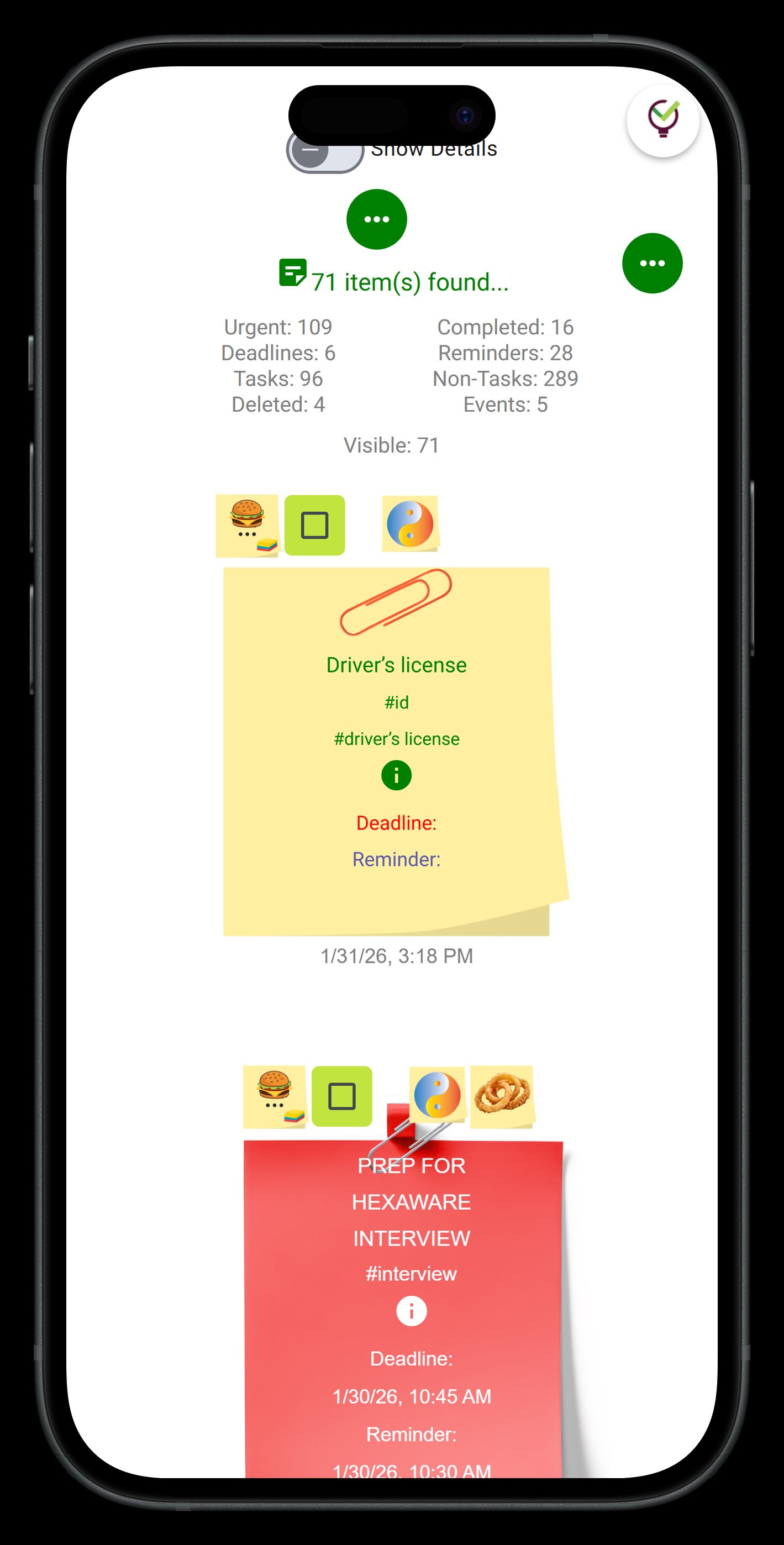
A framework only works when it lives inside a system you actually use. The problem with most productivity apps is that they're built around projects and hierarchy — which is fine for long-term planning but creates too much friction for daily prioritization decisions. When capturing a new task requires picking a project, assigning a tag, setting a priority level, and choosing an assignee, you stop doing it consistently. And a system you use inconsistently is just a graveyard for good intentions.
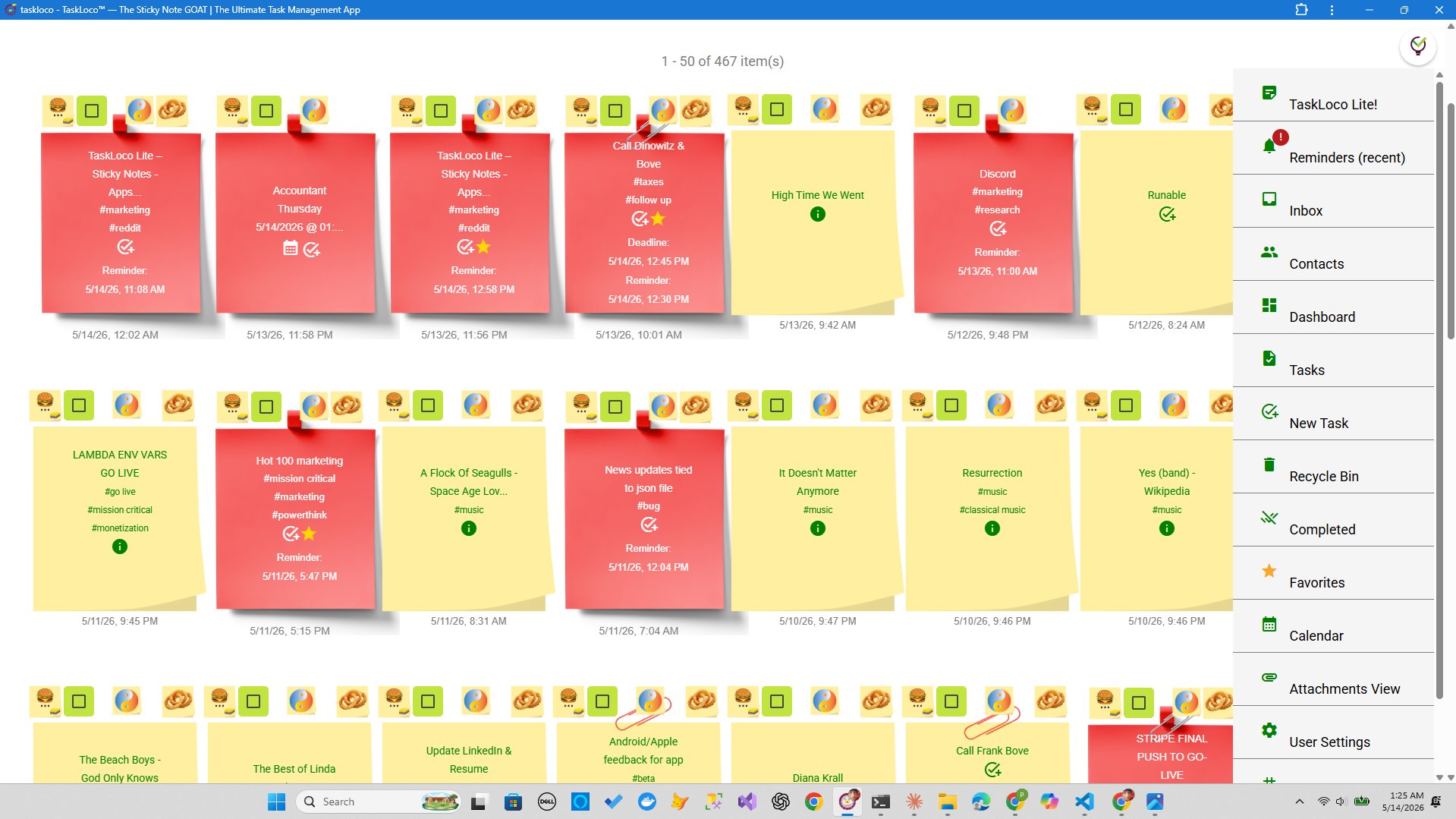
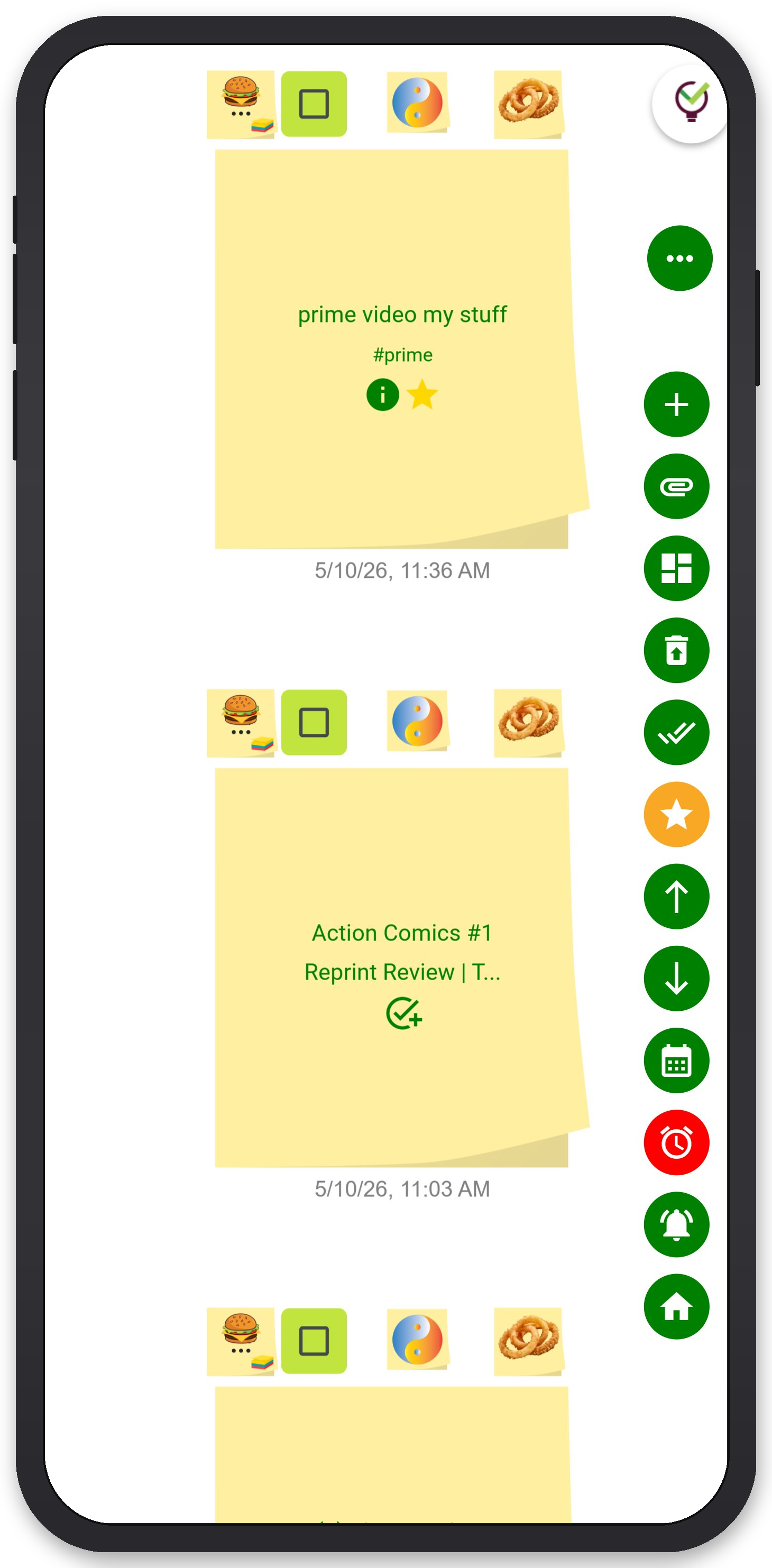
TaskLoco is built around sticky notes — the oldest, most intuitive unit of prioritization ever invented. A note is fast to create, fast to move, and fast to read. The wall view on desktop lets you arrange notes spatially, which is exactly how the Eisenhower Matrix or MIT method work best: you can literally see your high-priority items in one area and your backlog in another. There's no hierarchy to maintain, no project taxonomy to uphold.
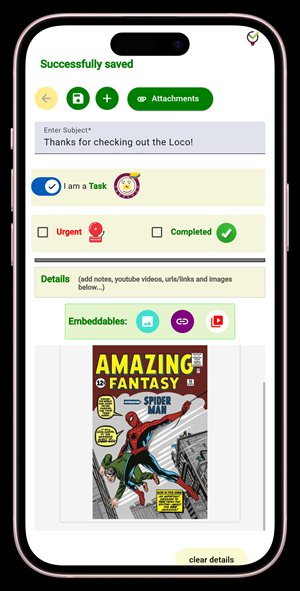
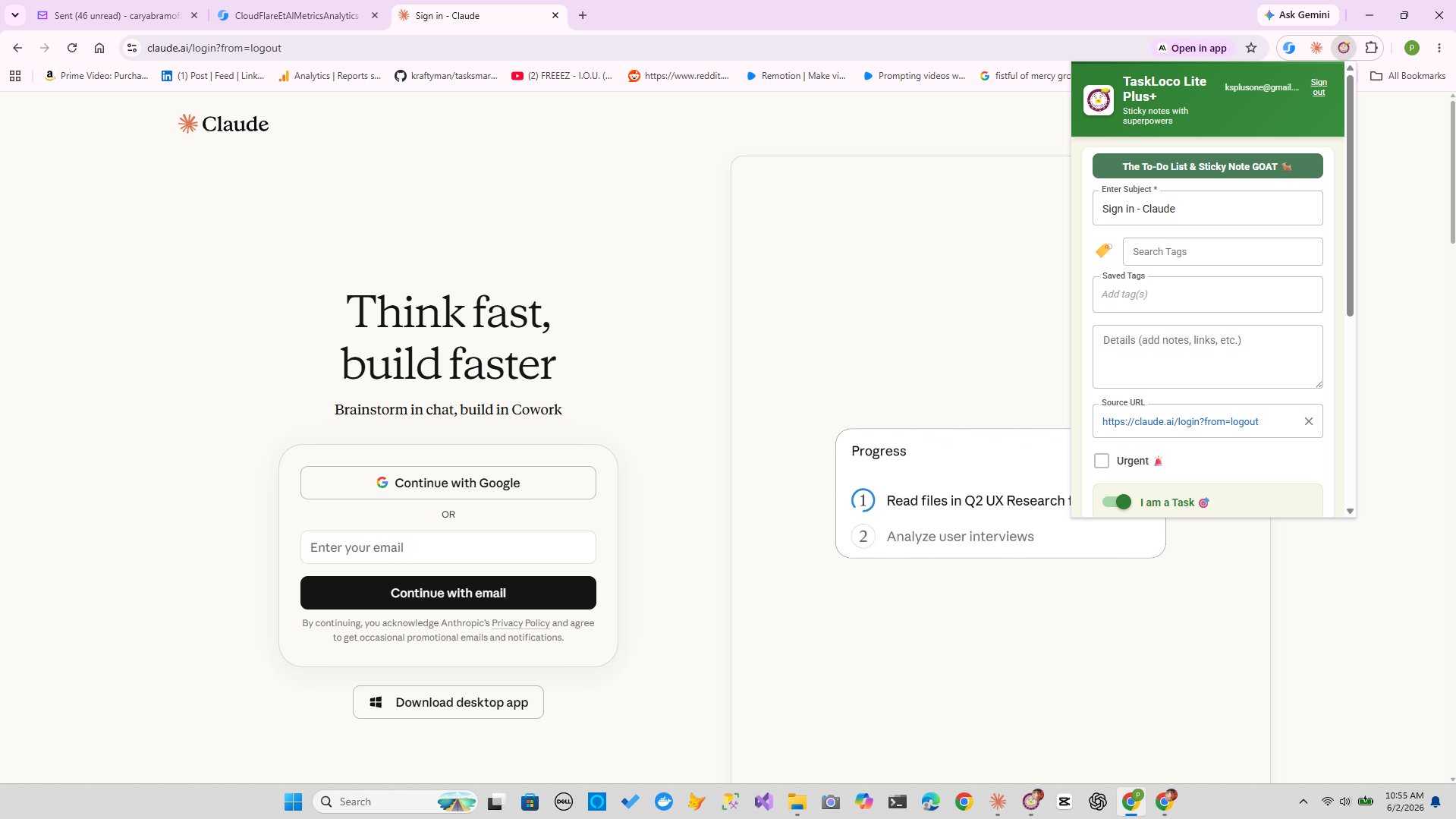
For capturing tasks the moment they occur to you, the Chrome extension does it in one click from any webpage — no switching apps, no losing context. For anything that has a hard deadline, Premium reminders deliver a push notification directly to your phone and computer, with a deep link back to the original note so you land exactly where the work is. Optional email and SMS channels are available if you want additional coverage.
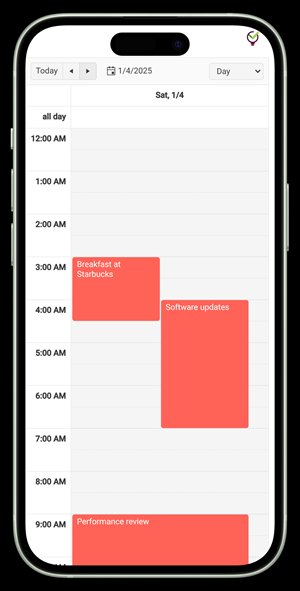
The calendar view in TaskLoco Premium connects your notes to actual dates, so time-blocking becomes part of the same workspace rather than a separate tool. Files and attachments (10GB included) mean the supporting context for a task lives with the task itself — you're not hunting through email or cloud drives for the document you need to act on the thing you've prioritized.
Team sharing in TaskLoco works the way email does: share a note, and the recipient can clone it and make it their own. No permissions to configure, no access levels to maintain. If you're aligning with a colleague on what's most important this week, you share a note. They own their version. Both people have clarity. That's it.
The Habits That Make Any Prioritization System Stick
Even the best framework fails without consistent habits around it. Three habits have the strongest evidence behind them:
The daily planning session. Set aside five to ten minutes at the start of each day — or the night before — to review your full task list and commit to your top three. This is not a long meeting with yourself. It's a fast scan followed by a decision. The key is doing it before you open your inbox, not after. Once you've seen what's waiting, your attention has already been hijacked.
The weekly review. David Allen's GTD system popularized this, and it holds up: once a week, capture everything that's accumulated, process it into your system, and reset your priorities for the coming week. Without this habit, systems clog. Old tasks linger, completed tasks aren't cleared, and the list stops being trustworthy. A list you don't trust, you don't use.
Protecting your prime hours. Prioritization is not just about what you do — it's about when you do it. Most people have two to four hours of peak cognitive performance per day, usually in the morning. Letting those hours fill with email, meetings, and reactive work is the most common productivity failure in knowledge work. Identify your peak hours, block them, and fill them with your top-priority work. Everything else fits around that.
TaskLoco supports all three habits without requiring you to learn a new workflow. Your daily top three live as notes on your wall, visible every time you open the app. Your weekly review is a matter of archiving completed notes and rearranging what's left. And push notification reminders make sure that the task you prioritized this morning actually surfaces at the moment you need to act on it — not buried in an email thread you'll see three hours too late.
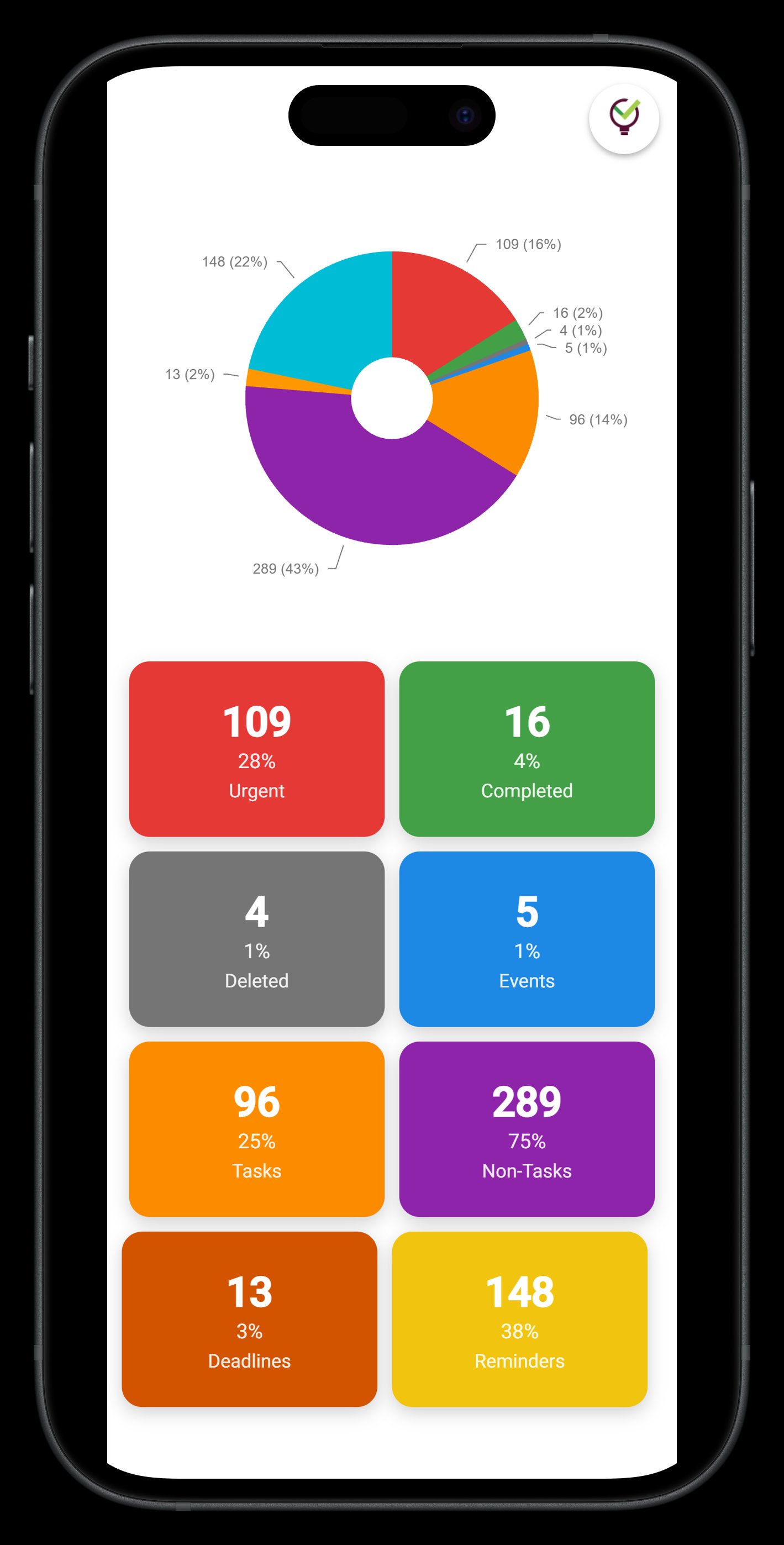
TaskLoco Premium is regularly $9.99/month per person. Right now, charter members can lock in 50% off the regular price — forever. That means $4.99/month per person today. And if our price ever goes up, you still pay half. Always.
Code CHARTER50 auto-applies at checkout. First 500 spots only — once they're gone, this offer is gone permanently. Act fast while spots last.
Every Premium subscription includes unlimited notes, 10GB file storage, reminders, calendar, and team sharing. Each team member requires a separate subscription. 7-day free trial — no charge until day 8. Cancel anytime.
Free Options: TaskLoco
TaskLoco Lite
- Native iPhone & Android app
- Completely anonymous — no sign-in
- Data stays on your device
- Up to 20 notes
- Free forever
TaskLoco Lite Plus+
- Web app + Chrome extension
- Sign in with Google
- Wall syncs across all devices
- Up to 30 notes
- Free forever
Lock In 50% Off — Forever
7-day free trial. No charge until day 8. CHARTER50 auto-applies at checkout.
🔒 Lock In My Charter SpotSee TaskLoco in Action
Frequently Asked Questions
What does prioritizing in time management actually mean?
Prioritization in time management means deliberately deciding which tasks deserve your attention first — before the day begins — based on impact and urgency rather than habit, recency, or whoever asked loudest. It's the practice of protecting your most valuable time for your most important work, and saying no (or not yet) to everything else.
What is the best method for prioritizing tasks?
There's no single best method — the right one depends on how you work. The Eisenhower Matrix is best for sorting a large list by urgency vs. importance. The MIT Method (Most Important Tasks) is best for daily focus — pick three, protect them, finish them. Eat the Frog works well if you tend to procrastinate on high-stakes work. Most people benefit from combining the weekly Eisenhower sort with a daily MIT commitment.
How do you prioritize when everything feels urgent?
When everything feels urgent, the first step is to separate actual urgency (real consequences arrive soon if this isn't done) from perceived urgency (it just feels uncomfortable to leave it unresolved). Most email, Slack messages, and meeting requests are perceived urgency. Write down every 'urgent' item, then ask for each one: what actually happens if I do this tomorrow instead of today? That question usually cuts the urgent list by half immediately. Then apply the Eisenhower Matrix to what remains.
How many tasks should I actually prioritize per day?
Research and practice both point to the same answer: three. Three meaningful tasks that, if completed, make the day a genuine success. This isn't about being lazy — it's about being honest. Deep, high-impact work takes far longer than most people plan for, and a list of ten 'priorities' is just a list of ten things you'll feel guilty about not finishing. Commit to three, protect time for them, and treat everything else as optional until those three are done.
What is the Eisenhower Matrix and how do I use it?
The Eisenhower Matrix divides tasks into four quadrants: Do (urgent + important — act now), Schedule (important + not urgent — block time for it), Delegate (urgent + not important — hand it off), and Drop (not urgent + not important — eliminate). The practical use is simple: at the start of your week, run every pending task through those four questions. The most valuable quadrant is Schedule — these are the high-impact tasks that never feel urgent until they become a crisis, and they're the first to get displaced without intentional protection.
How does TaskLoco help with prioritization?
TaskLoco's wall view lets you arrange sticky notes spatially — which means you can literally place your top priorities in one area and your backlog in another, exactly like a physical Eisenhower Matrix. Notes are fast to create (one click from any webpage with the Chrome extension), easy to rearrange as priorities shift, and connected to Premium reminders that push a notification to your phone and computer — with a deep link back to the note — so the right task surfaces at the right moment. The calendar view handles time blocking. File attachments keep supporting context with the task. It's a complete daily prioritization system without enterprise complexity. $9.99/month per person (currently $4.99/month per person for first 500 charter members with code CHARTER50)
What is the difference between urgent and important tasks?
Urgent tasks demand immediate attention — a deadline is today, someone is waiting, a consequence arrives soon. Important tasks significantly advance your goals, values, or long-term outcomes — but often have no hard deadline attached. The confusion between the two is the core of most time management problems. Urgent tasks are loud. Important tasks are quiet. Without a deliberate system, urgent always wins — which is why so much strategic, relationship-building, and skill-development work never gets done. The Eisenhower Matrix exists specifically to make this distinction visible and actionable.
Born in Brooklyn. Powered by AWS. Your data stays yours.
TaskLoco is available on iPhone, Android, Chrome, and every web browser.