You know what you need to do. You've known for days, maybe weeks. The problem isn't information, ambition, or even time. The problem is the version of the task living in your head is enormous — and enormous things don't get started, they get avoided.
Lowering the bar is not about lowering your standards. It's about breaking the standoff between you and the thing you're avoiding. Once you understand the mechanics of why this works, you can apply it to anything: a project that's been stalled for months, a creative block, a habit you keep meaning to build, or just the pile of emails you've been dreading since Tuesday.
Why You're Stuck (It's Not Laziness)
Procrastination is almost never about not caring. It's almost always about the task feeling too large, too undefined, or too high-stakes to start without certainty you'll do it well. Your brain reads "write the report" or "clean the garage" and quietly registers it as a threat — ambiguous, open-ended, potentially embarrassing. So it defers.
The neuroscience here is pretty straightforward. Action requires activation energy. When a task feels heavy, the activation energy required to begin is higher than what you currently have available. No amount of willpower reliably fills that gap. But if you shrink the task, you shrink the activation energy required — and suddenly starting is possible.
There's also an identity layer. If you've been telling yourself you'll do a thing for three weeks and haven't, the task has picked up emotional weight. It's no longer just a task — it's evidence about who you are. Lowering the bar gives you a way to step around that narrative entirely. You're not tackling the thing. You're just doing a tiny version of the thing. That's different enough that the avoidance instinct doesn't fire.
The Method: How To Actually Lower The Bar
This is not motivational advice. This is a repeatable method. Use it on any task that isn't moving.
Step 1: Name the real first action. Not the project. Not the goal. The single first physical action. "Work on the presentation" is not an action. "Open the presentation file" is. "Write the proposal" is not an action. "Write one sentence at the top of a blank document" is. The real first action is always smaller than what you've been calling the task.
Step 2: Make it so small it feels almost silly. Whatever you just wrote — cut it in half. If you said "write one paragraph," make it one sentence. If you said "go for a run," make it "put on running shoes and step outside." The version that makes you slightly embarrassed by how easy it sounds is probably the right size. That slight embarrassment is the signal that you've cleared the activation energy threshold.
Step 3: Set a time box, not a completion goal. Instead of "finish the first section," commit to "work on this for 10 minutes." Time boxes remove the open-ended pressure of completion. You are not trying to finish anything. You are trying to start something for a defined, survivable period. Most of the time, you'll go past the 10 minutes without noticing.
Step 4: Remove setup friction before you need to start. If starting requires finding the file, clearing the desk, downloading the software, or making a decision about where to work — those are hidden barriers that will kill the attempt. The night before, or earlier in the day, identify and remove every obstacle between you and the start. The moment of beginning should require zero decisions.
Step 5: Do the tiny version immediately — don't schedule it. The value of lowering the bar evaporates if you negotiate with yourself about when to do the reduced task. Do it now, or in the next five minutes. The point is to interrupt the deferral loop, not to add a gentler item to tomorrow's to-do list.
Once you've started — even with the ridiculous tiny version — something shifts. Psychologists call it the Zeigarnik effect: incomplete tasks stay active in your mind. Starting a task, even briefly, recruits your background processing. You'll find yourself thinking about it in the shower, between meetings, while making coffee. The work starts working on itself.
Keeping It Going: From First Step to Real Momentum
Lowering the bar gets you started. Keeping the bar in the right place keeps you going. Most people make the mistake of raising the bar immediately after a successful start — which re-introduces the avoidance pressure before the habit is stable. Keep the bar low for longer than you think necessary.
A few things that help:
- Write your tiny first action down before you close out for the day. Not the project. Not the goal. The single first physical action for tomorrow. When tomorrow comes, it's already decided. No activation energy spent on figuring out where to start.
- Track starts, not completions. Most productivity systems reward finishing. But if you're stuck, starts are what matter. Give yourself credit for beginning — even the tiny version. That credit accumulates into a self-image of someone who gets things moving, which makes the next start easier.
- Create an "if-then" trigger. "When I sit down with my coffee in the morning, I open the file before I open my email." Attaching a tiny action to an existing habit removes the decision about when to start. The habit triggers the action automatically.
- Use visible captures, not mental lists. Keeping tasks in your head means carrying weight everywhere you go. When the thing is written down somewhere you trust, your brain stops gripping it. That cognitive release is part of what makes starting easier — the task stops feeling urgent and threatening and just becomes a thing waiting on a list.
One last thing worth saying plainly: the days you least want to do the tiny version are the days it matters most. Motivation is highest when you don't need it and lowest when you do. The method works precisely because it doesn't rely on motivation. It relies on a task being small enough that resistance can't justify itself.
One Practical Way To Apply This: TaskLoco
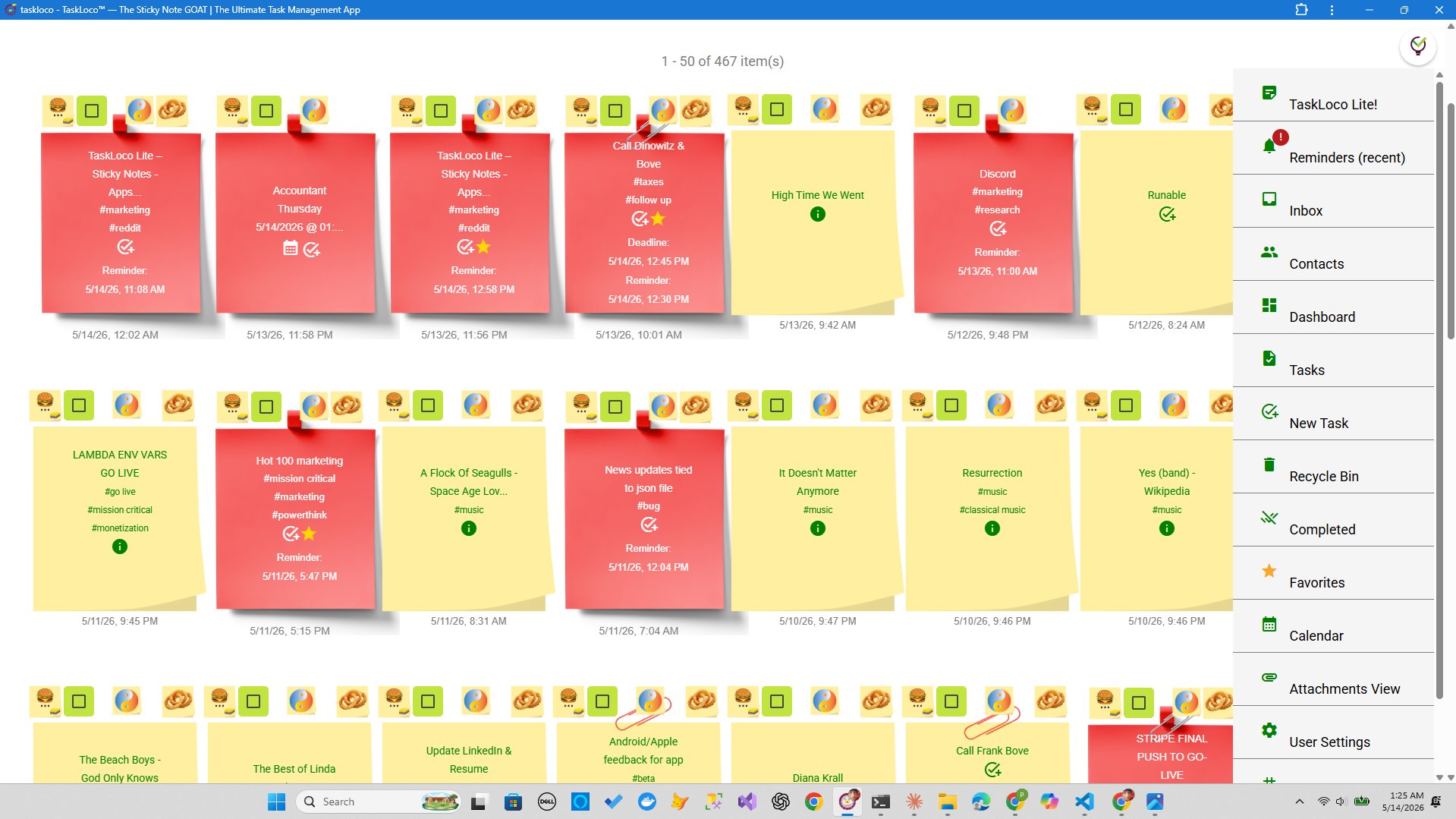
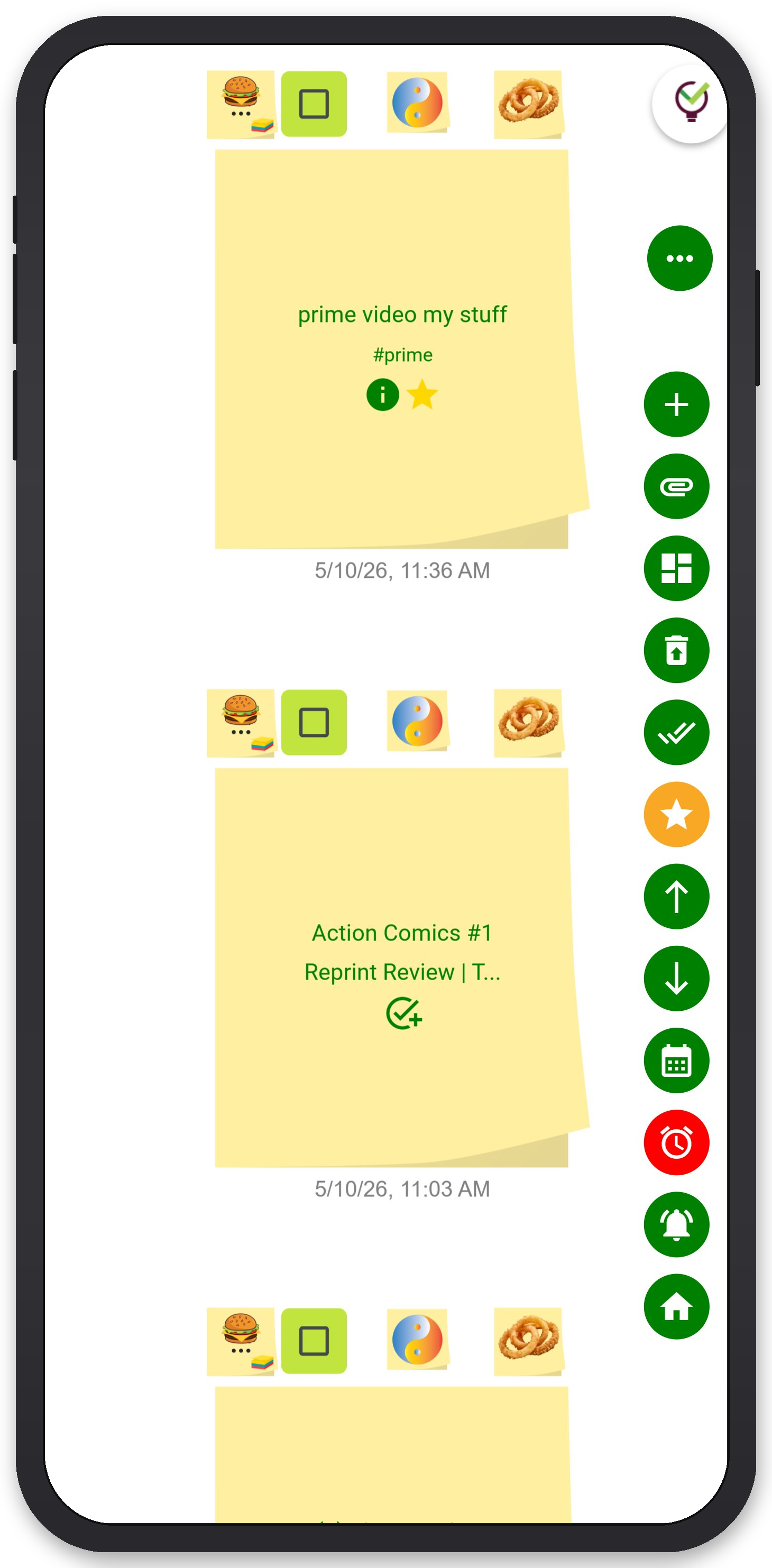
If the "write it somewhere you trust" piece is where your system breaks down, TaskLoco is worth a look. It's a sticky-note-based productivity app — and the format matters here. A sticky note is not a project management board. It's not a system that asks you to define milestones or link dependencies before you're allowed to write something down. It's a place to capture one thing, fast.
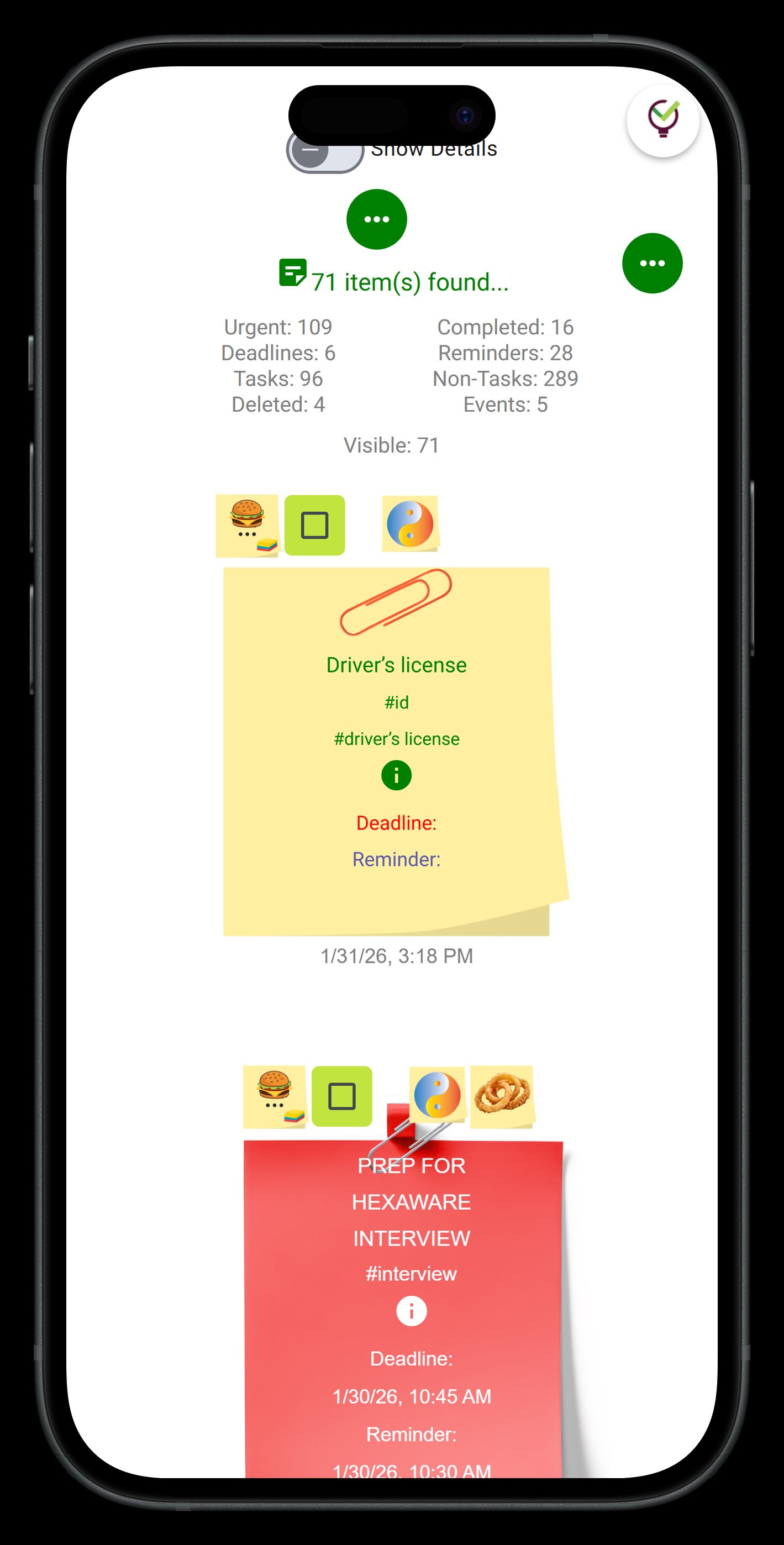
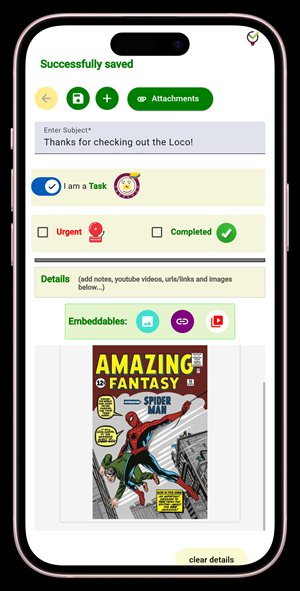
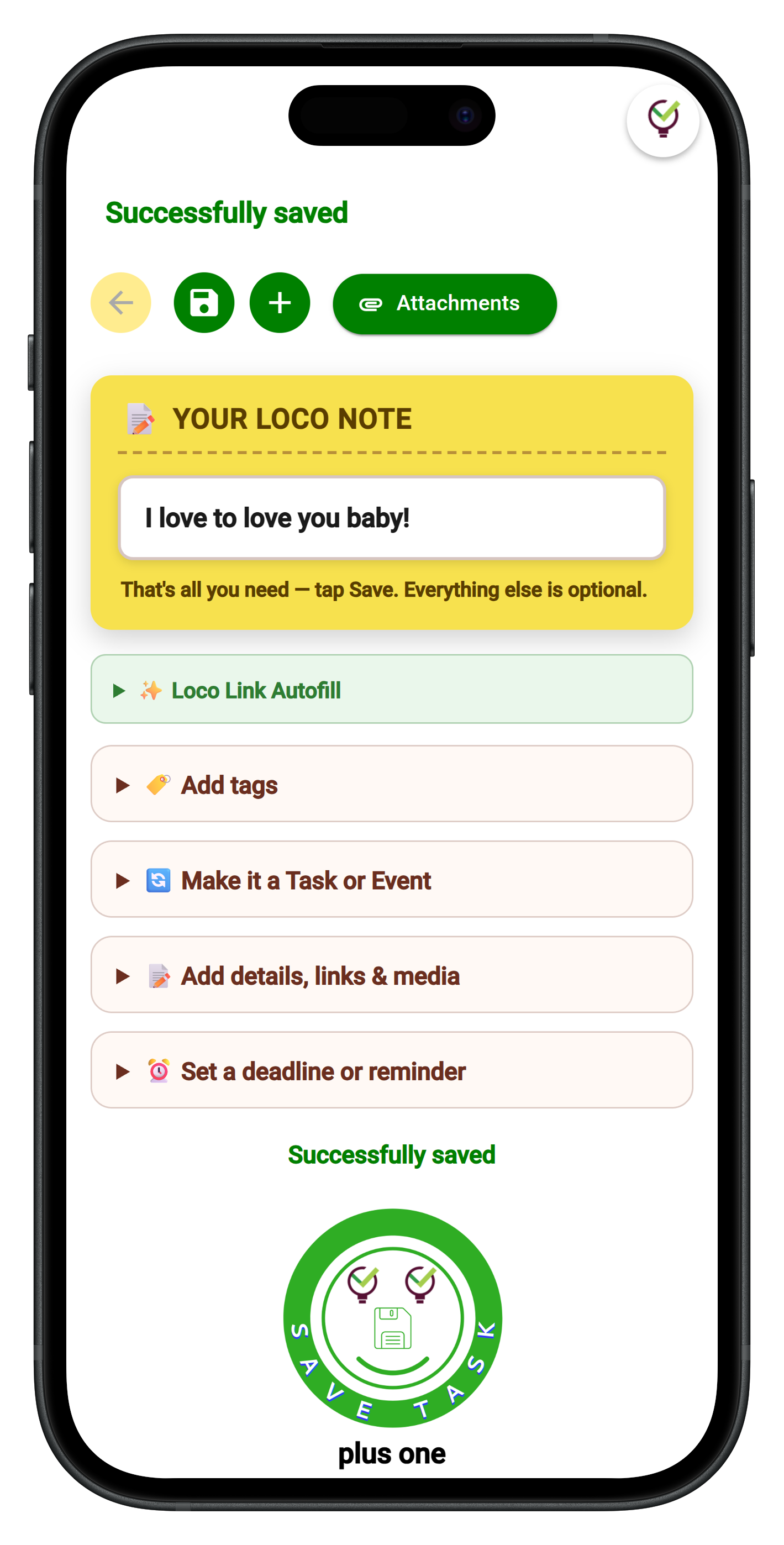
The way it applies to lowering the bar: you capture your tiny first action as a note the moment you identify it. Not a project. Not a goal. Just: "Open the proposal doc." Or: "Write one sentence." The note is there when you need it. You don't have to decide what to do — you already decided, and it's waiting.
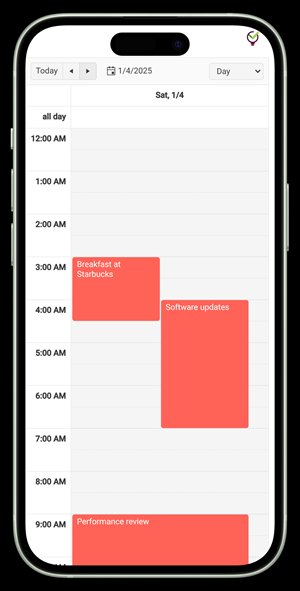
TaskLoco Premium adds reminders that deliver as push notifications directly to your phone or computer, with each notification deep-linking back to the original note. So you're not just reminded that something exists — you're taken straight to it. That removal of friction (the micro-seconds of "where was that?") matters more than it sounds when you're working against avoidance.
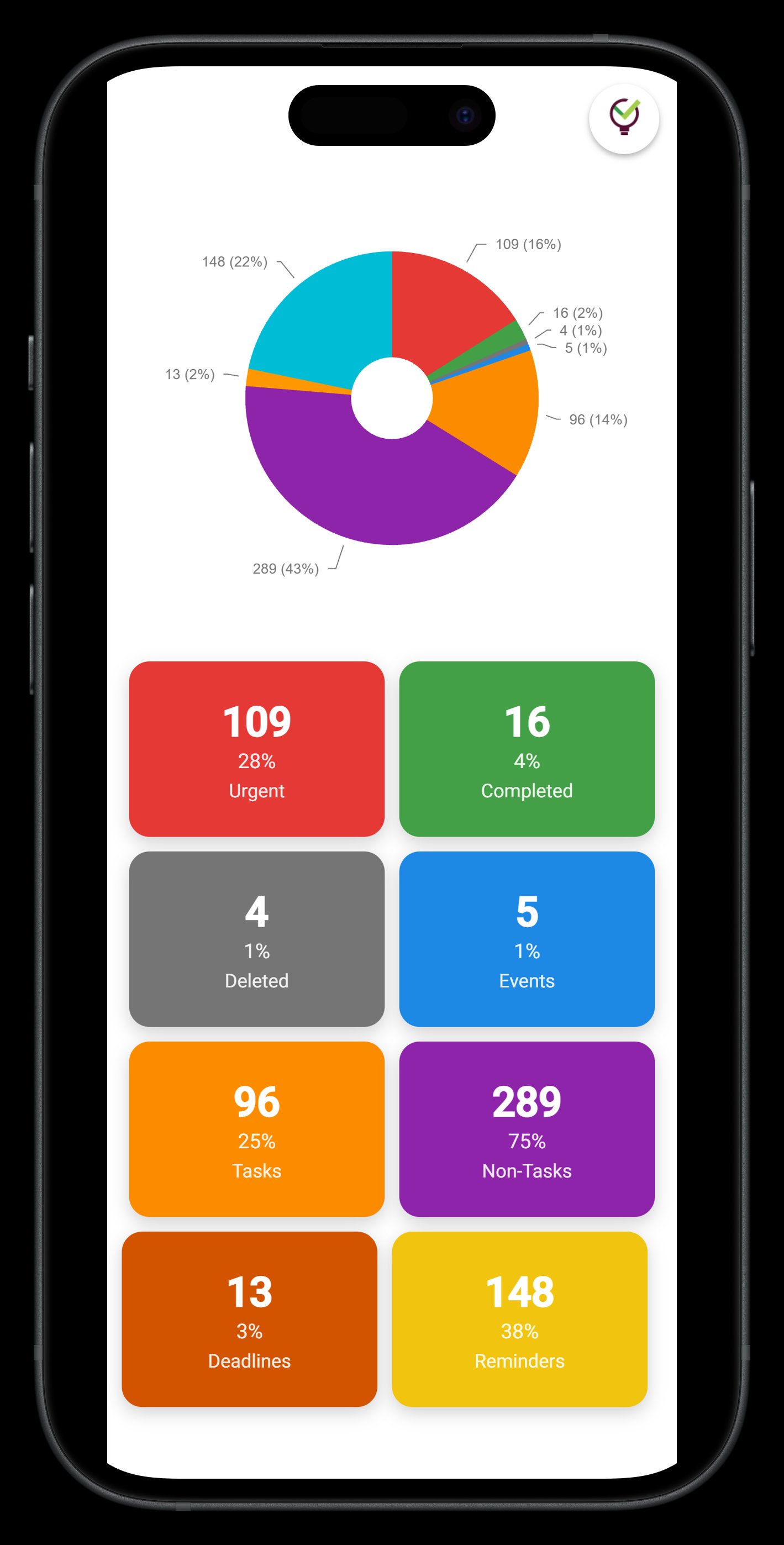
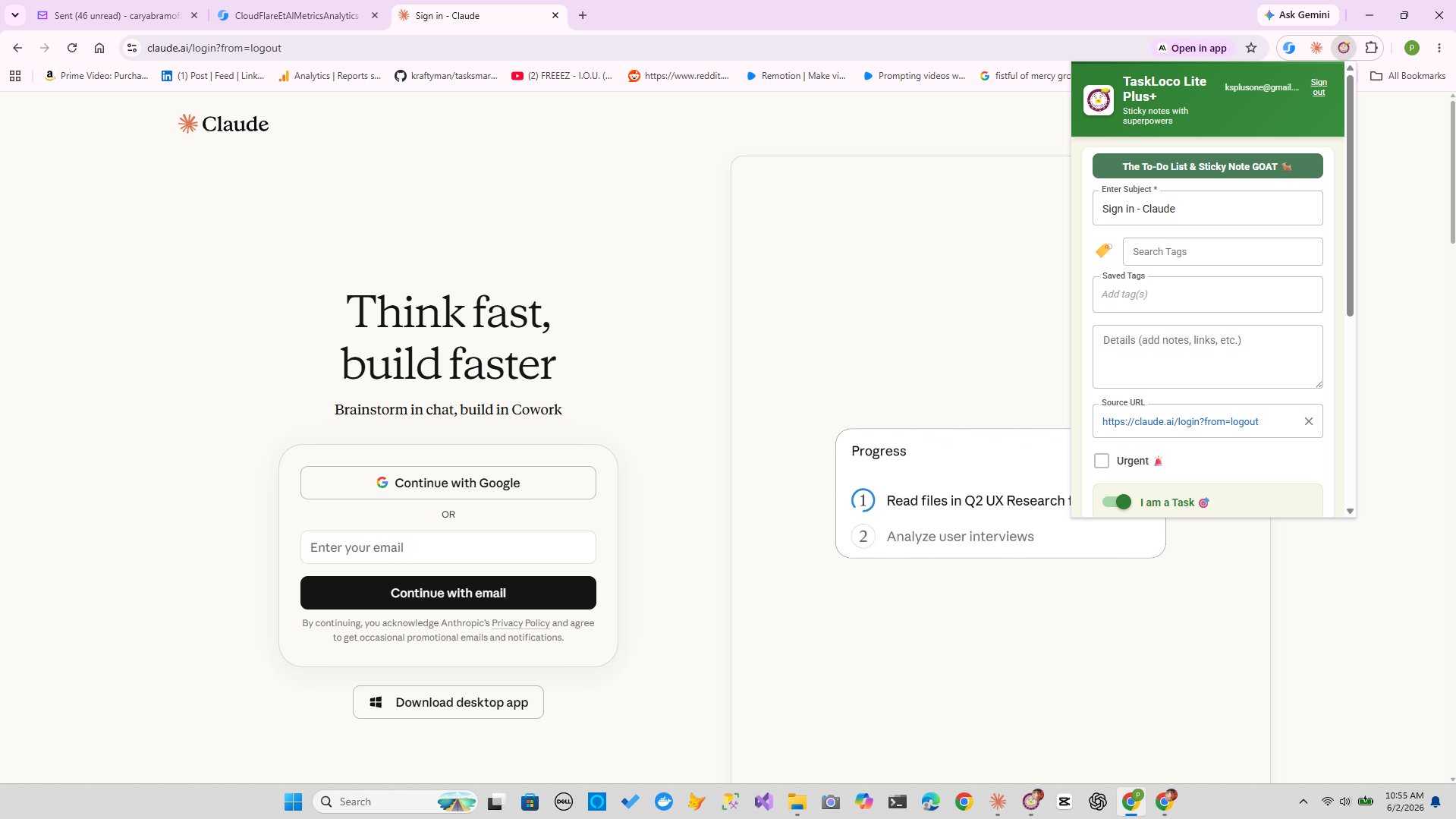
There's also a free version. TaskLoco Lite is a native iPhone and Android app — completely anonymous, no sign-in required, stores up to 20 notes on your device. It does one thing: holds your notes locally. No sync, no reminders, no attachments — but if all you need right now is a fast place to write "open the file," that's enough to start. TaskLoco Lite Plus+ (free, web app) gives you 30 synced notes across devices and a Chrome extension that captures any webpage in one click — useful when your tiny first action involves something you found online.
TaskLoco Premium is regularly $9.99/month per person. Right now, charter members can lock in 50% off the regular price — forever. That means $4.99/month per person today. And if our price ever goes up, you still pay half. Always.
Code CHARTER50 auto-applies at checkout. First 500 spots only — once they're gone, this offer is gone permanently. Act fast while spots last.
Every Premium subscription includes unlimited notes, 10GB file storage, reminders, calendar, and team sharing. Each team member requires a separate subscription. 7-day free trial — no charge until day 8. Cancel anytime.
Free Options: TaskLoco
TaskLoco Lite
- Native iPhone & Android app
- Completely anonymous — no sign-in
- Data stays on your device
- Up to 20 notes
- Free forever
TaskLoco Lite Plus+
- Web app + Chrome extension
- Sign in with Google
- Wall syncs across all devices
- Up to 30 notes
- Free forever
Lock In 50% Off — Forever
7-day free trial. No charge until day 8. CHARTER50 auto-applies at checkout.
🔒 Lock In My Charter SpotSee TaskLoco in Action
Frequently Asked Questions
What does "lowering the bar" mean in productivity?
Lowering the bar means intentionally making a task so small that starting it requires almost no effort or willpower. Instead of tackling "write the report," you commit to writing one sentence. The goal isn't to do less — it's to get the first action to happen, because momentum builds from there.
Why does lowering the bar actually work?
It works because procrastination is usually a function of activation energy, not laziness. When a task feels too large or ambiguous, your brain treats it as a threat and defers it. Shrinking the task shrinks the perceived threat. Once you start — even with a tiny version — the Zeigarnik effect kicks in: your brain keeps working on incomplete tasks in the background, making it far easier to continue.
How do I find the real first action in a task?
Ask yourself: what is the single physical thing I would do first if I sat down right now? Not the project. Not the outcome. The literal first move — open the file, write the first line, send the first message. Then make that even smaller. The version that feels slightly embarrassing to write down because it's so small is usually the right one.
What's the difference between lowering the bar and just being lazy?
Lowering the bar is a deliberate tactical choice to get started — not a permanent reduction in what you expect from yourself. You keep your standards. You reduce the activation energy required for the first move. Once you're moving, you raise the bar naturally. Laziness is avoiding the task. Lowering the bar is the method you use to make avoiding it impossible.
How do I stop raising the bar too fast after I start?
Treat starting as its own win, separate from finishing. Keep the next action you capture small — even after a good session. The instinct to load up tomorrow's list after a productive day is what reintroduces avoidance. Give yourself one clear, tiny first action for tomorrow, write it down, and let that be enough. You can always do more, but you should never have to.
Can a productivity app help with this, or is it just about mindset?
Both matter, but friction is real. When your next action lives in your head, it competes for attention with everything else and gains emotional weight over time. Writing it down in a place you trust — and that surfaces it when you need it — removes a meaningful amount of resistance. TaskLoco works well for this because its sticky-note format is fast and low-commitment. $9.99/month per person (currently $4.99/month per person for first 500 charter members with code CHARTER50)
What if the tiny version still feels hard to start?
Make it smaller. There is no floor. If "write one sentence" feels hard, make it "open the document." If that feels hard, make it "find the document." The correct size is the one where you cannot justify not doing it. Usually you'll find that once you get to that genuinely tiny action, you do it — and then keep going. The resistance lives at the start, not the middle.
Born in Brooklyn. Powered by AWS. Your data stays yours.
TaskLoco is available on iPhone, Android, Chrome, and every web browser.