You open fifteen tabs to research a report. Two hours later you have no idea which tab had that crucial stat, three pages have refreshed themselves to paywalls, and your browser has crashed once. Sound familiar? Gathering links for a report should be the easy part — and it can be, if you stop treating tabs as storage.
The real problem isn't finding good sources. It's that most people have no system for capturing them at the moment of discovery, before the browser session ends or the tab gets buried. This guide covers practical methods for keeping your research links organized from the first click to the final footnote — with or without any tool at all.
The Core Problem: Why Links Disappear Mid-Research
Most people gather links reactively — they find something useful and assume they'll remember it, or they leave the tab open as a reminder. Both habits fail. Tabs get closed accidentally, browsers crash, and a collection of forty open tabs is just a different kind of chaos. The link exists, technically, but finding it again costs real time.
The underlying issue is that a bare URL carries almost no context on its own. When you revisit a list of links six hours or six days later, you can't tell at a glance which one had the methodology you needed, which was the original study versus a summary, or which source you already dismissed. That missing context is what turns a list of links into a research dead end.
A second, underappreciated problem: links found during research come from everywhere. A colleague shares one in Slack. You find another on your phone while commuting. A third surfaces in a YouTube video you're watching. A good collection system has to handle all of these without friction, or you'll revert to tabs out of convenience.
A Practical Method for Keeping Research Links Organized
You don't need a fancy app to fix this. You need a consistent habit and a dedicated place — separate from your browser tabs and separate from your actual report document. Here's a method that works:
- Designate a single capture destination before you start. This could be a plain text file, a running Google Doc, a spreadsheet, or a dedicated note. The key is that it exists before you begin, so every link has somewhere to go immediately.
- Save the page title alongside every URL. A URL alone tells you nothing at a glance. Copy the page title or write a two-word label every time. This single habit eliminates most of the confusion when you return to your list.
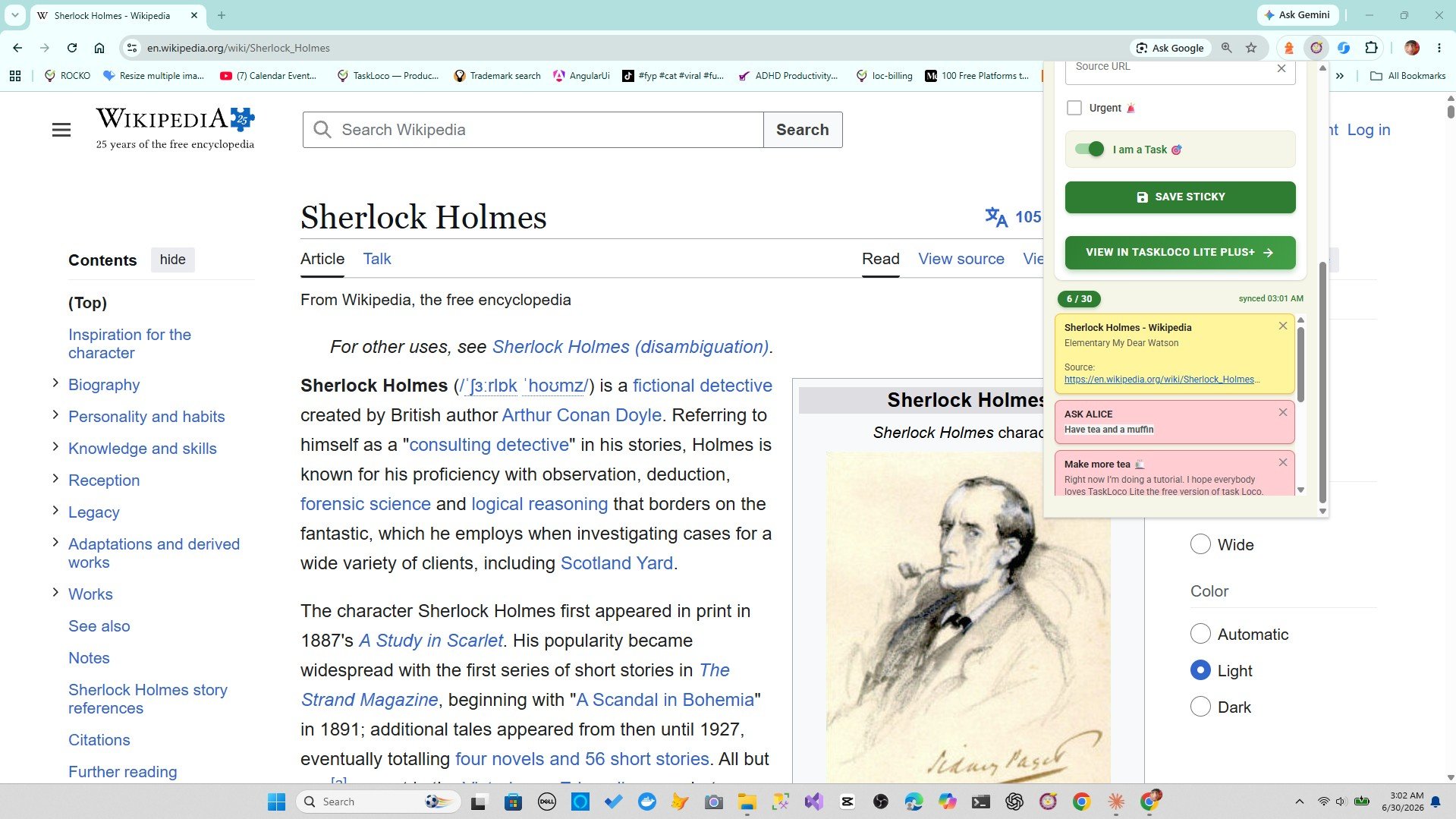
- Add a one-line note about why you saved it. Not a summary — just a reason. 'Has the 2023 sample size data' or 'Good counterargument for section 3.' This turns a link into a source.
- Review and cull after each research session. Don't let the list grow indefinitely. At the end of each sitting, spend five minutes removing anything you know you won't use. A shorter, curated list is far more useful than an exhaustive one.
- Use tags or categories if your list exceeds ten or twelve items. Even rough groupings — 'background', 'statistics', 'expert quotes' — make it easier to pull the right source when writing specific sections of the report.
This method works entirely in a text file if that's your preference. The discipline matters more than the tool. That said, the friction of manual copy-paste is real, and it causes people to skip saving a link because it feels like too much effort in the moment.
Using Tags and Search to Find Sources Later
Once you have more than a handful of links, retrieval becomes the bottleneck. Saving sources is only half the job — you need to find the right one quickly when you're writing a specific section of your report at midnight under deadline pressure.
If you're working in a spreadsheet or document, build in a simple taxonomy from the start. A 'topic' column and a 'status' column (saved, reviewed, used, discarded) adds almost no time per link and saves significant confusion later. Filter by topic when you're writing a section; filter by status to see what you haven't reviewed yet.
If you're using a note-taking or clipping tool, lean on search heavily. The reason you wrote that one-line note about each link is so that searching a keyword actually surfaces the right result. 'Sample size' should find your link. 'Good article' will find nothing useful.
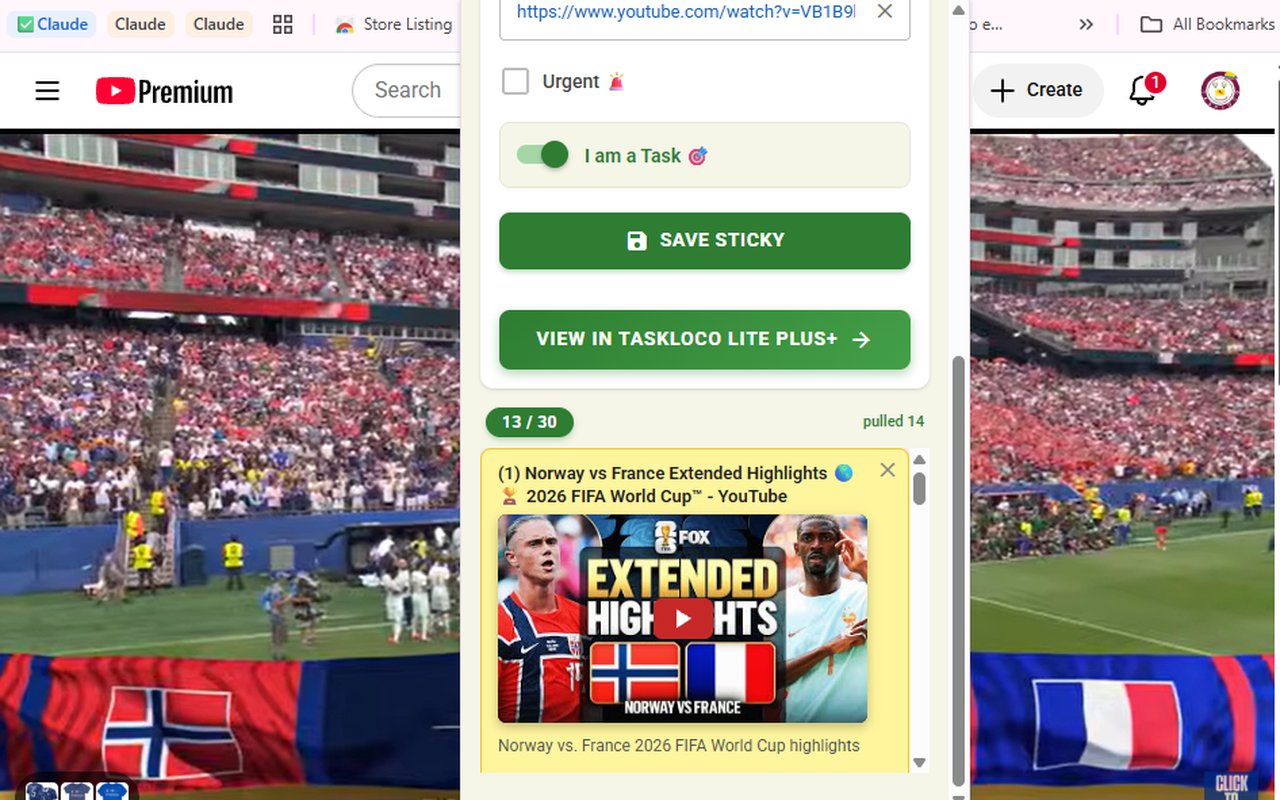
For video sources — which are increasingly common in research — you have an additional challenge: a YouTube link in a plain list gives you no indication of what the video was about or which timestamp mattered. Embedding the video so it plays in context, with a note attached, is a meaningfully better experience than a bare URL you have to re-open and re-scrub.
How the Sticky Note Web Clipper Fits Into This Workflow
If the manual copy-paste habit feels like too much friction — or if you want your research to sync automatically to your phone so you can keep adding sources on the go — the Sticky Note Web Clipper by TaskLoco is a free Chrome extension built for exactly this moment in a workflow.
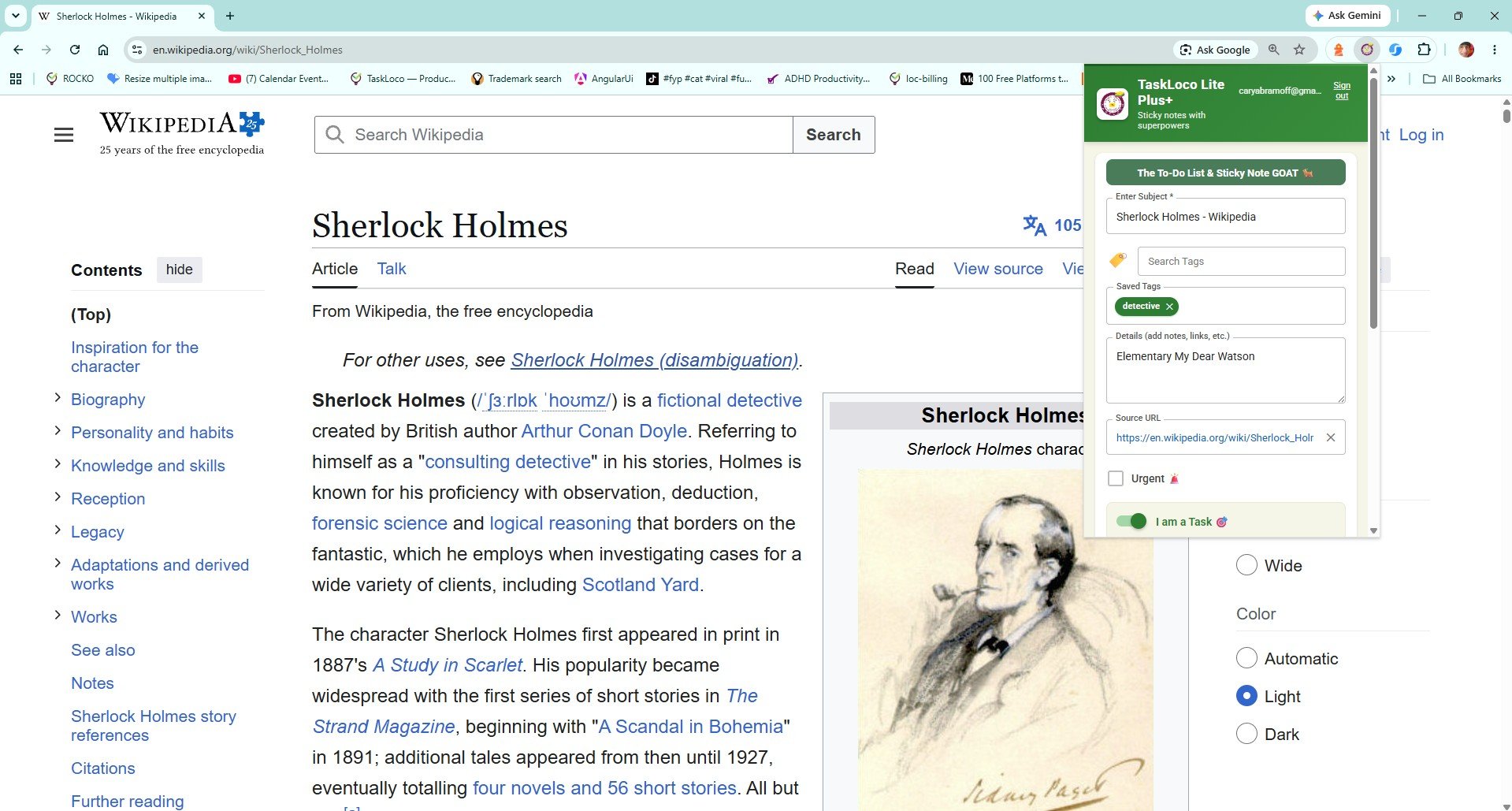
When you're on a page worth saving, you click the extension icon in your toolbar. That's it. The page title and URL are auto-filled into a new sticky note. You can add a quick tag or a one-line note before closing it. The source is captured, labeled, and stored — in the time it would take you to right-click and copy a URL.
YouTube videos get embedded inside the note so they play without leaving your research wall. If you're pulling sources from a mix of articles, news pages, papers, and videos, everything lands in one place with consistent formatting rather than scattered across tabs, docs, and bookmarks.
Your saved notes sync to TaskLoco, which means the source you clipped on your laptop is available on your phone and desktop the moment you need it. There's no export step, no email-it-to-yourself workaround. The free TaskLoco account handles sync across Chrome, desktop, iPhone, and Android — sign in with Google and it just works.
If you're already comfortable with the manual method described earlier, the clipper simply removes the copy-paste step. The discipline — capturing every source at the moment of discovery, adding a note, reviewing and culling — stays exactly the same. The tool just makes the habit easier to keep.
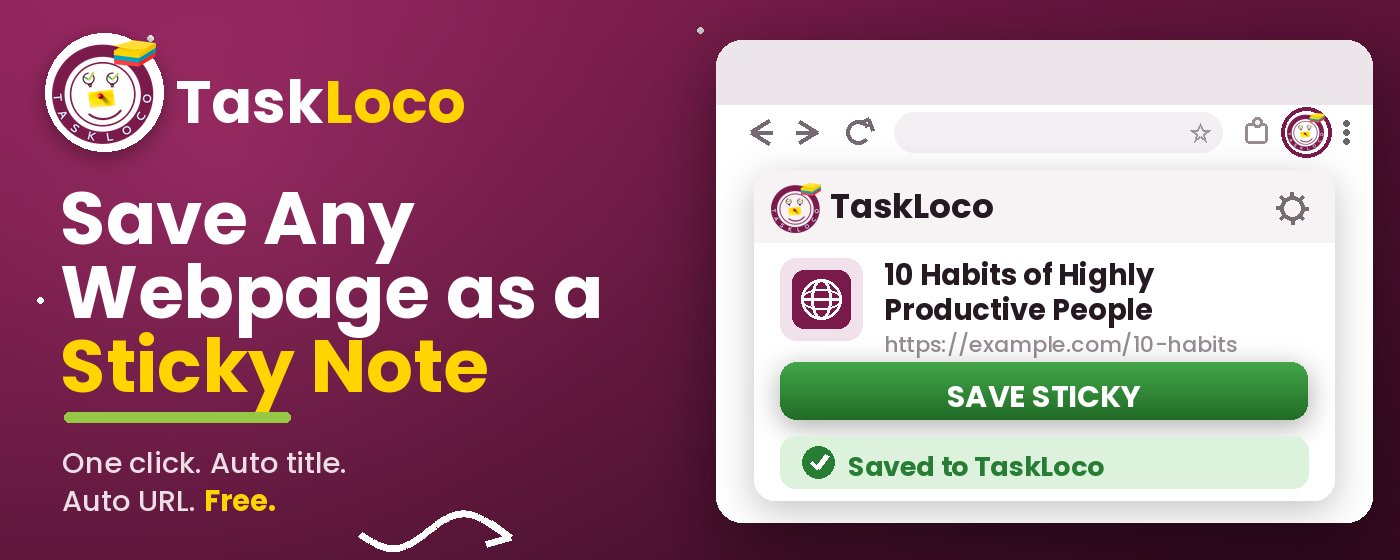
The Sticky Note Web Clipper is free. Install it from the Chrome Web Store, sign in with Google, and every page you clip becomes a sticky note you can find later.
Your clipped notes sync to TaskLoco across Chrome, desktop, iPhone, and Android — also free to start. No credit card to begin.
Get the Free Clipper
Sticky Note Web Clipper
- Free Chrome extension
- One-click save — any page, article, or video
- Title & URL auto-filled
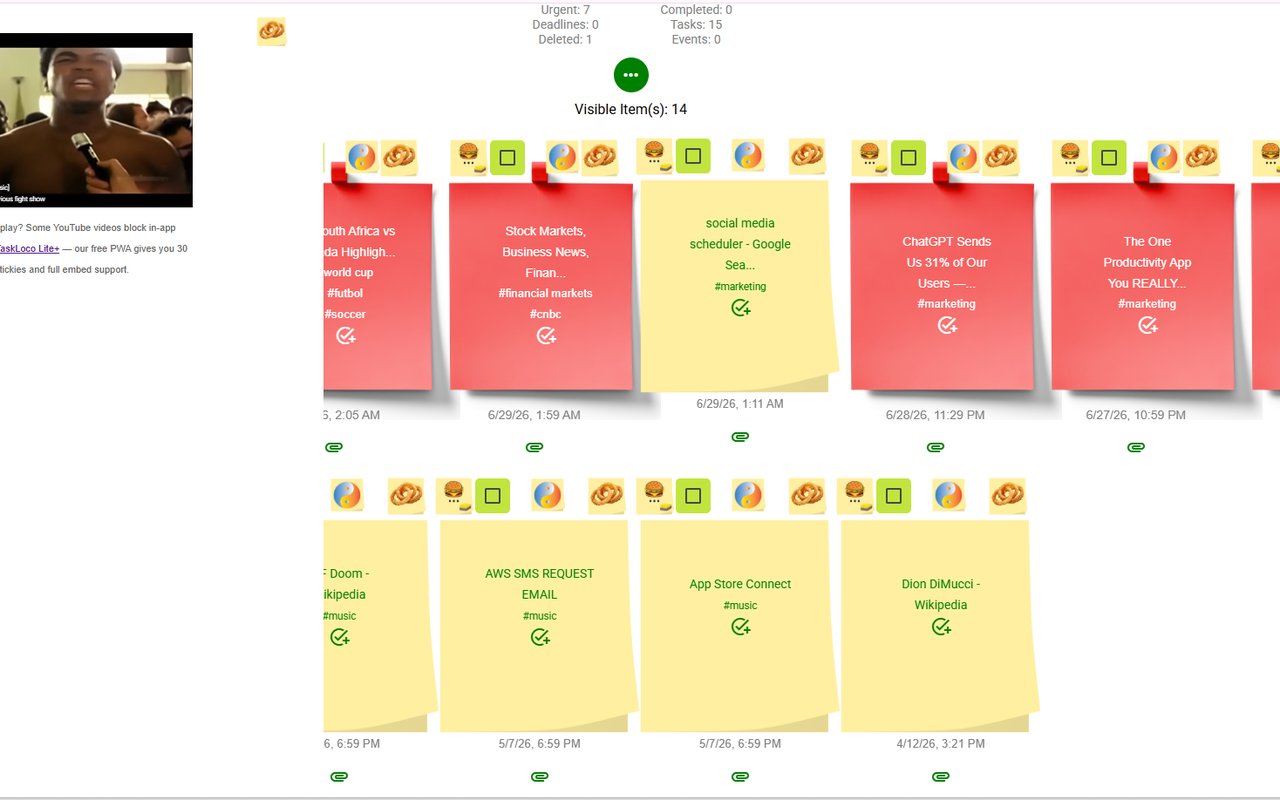
- Tags & search
- Free forever
Synced to TaskLoco
- Sign in free with Google
- Your wall on Chrome, desktop, iPhone, Android
- YouTube videos embed & play in notes
- Visual sticky-note wall
- Free to start
Add It to Chrome — Free
One click saves any page, article, or YouTube video as a sticky note. Title and URL auto-filled.
Add to Chrome — FreeSee TaskLoco in Action
Frequently Asked Questions
What is the best way to save links for a report without losing them?
Save each link immediately when you find it — don't rely on open tabs or memory. Capture the page title alongside the URL, add a one-line note about why the source is useful, and keep everything in a single dedicated place. The Sticky Note Web Clipper automates the title-and-URL capture with one click, so there's almost no friction to saving a source the moment you find it.
How do I organize research links across multiple devices?
You need a capture system that syncs rather than living only in one browser on one machine. Notes saved with the Sticky Note Web Clipper sync to TaskLoco, which is accessible on Chrome, desktop, iPhone, and Android with a free Google sign-in. Anything you clip on your laptop is available on your phone within seconds, no manual export needed.
Is saving links as bookmarks good enough for research?
Browser bookmarks work for single links you'll use immediately, but they're poorly suited to report research. They carry no context — just a title and URL — and they're buried in a folder hierarchy that's hard to search or scan. They also don't sync easily across devices without browser sign-in, and they give you no way to add a note about why you saved a source. For any research project with more than a few links, a system that captures context alongside the URL will save you significant time later.
How do I save a YouTube video as a research source?
A bare YouTube URL in a list is easy to forget and hard to skim. With the Sticky Note Web Clipper, clicking the toolbar icon while on a YouTube video saves it as a sticky note with the video title auto-filled — and the video embeds directly inside the note so it plays in context. You can add a tag or a timestamp note to remind yourself which part of the video mattered.
What should I write in a note when saving a research link?
Keep it to one sentence or less — just the reason you saved it. 'Has the original survey data', 'Good counterargument for the intro', or 'Author is a primary source on X' are all useful. Full summaries take too long and rarely get read. The goal is a scannable label that tells you immediately whether this source is relevant to the section you're currently writing.
Is the Sticky Note Web Clipper free?
Yes — the extension is completely free. TaskLoco, where your notes sync and live, also has a free tier. Install the clipper from the Chrome Web Store, sign in with Google, and start saving sources immediately. There's no trial period and no credit card required.
How do I install the Sticky Note Web Clipper?
Search for Sticky Note Web Clipper in the Chrome Web Store, click 'Add to Chrome', and pin the extension to your toolbar. Sign in with your Google account and you're done. The next page you want to save as a research source is one click away.
Born in Brooklyn. Powered by AWS. Your data stays yours.
TaskLoco is available on iPhone, Android, Chrome, and every web browser.