The weekly review is the engine that makes Getting Things Done work. Without it, even the best capture habits fall apart — your lists get stale, priorities drift, and that nagging feeling returns. David Allen calls it the "master key" to stress-free productivity.
But here's the problem: most people either skip the weekly review or rush through it without a clear process. The result? A productivity system that creates more anxiety than it solves. Let's fix that with a step-by-step approach that actually works.
The Five-Phase GTD Weekly Review Process
David Allen's weekly review follows five distinct phases, each designed to keep your productivity system sharp and your mind clear. Think of it as maintenance for your brain — just like you'd service a car to keep it running smoothly.
Phase 1: Get Clear — Empty your head completely. Capture every loose thought, commitment, or nagging item into your trusted system. Check your calendar for the past week and upcoming weeks to spot anything you missed.
Phase 2: Get Current — Process every item in your inboxes down to zero. This isn't about doing the work — it's about deciding what each thing is and what action it requires.
Phase 3: Get Creative — Review your project list. Are all your current commitments captured? Any new projects that need to start? This is where you think bigger picture.
Phase 4: Get Perspective — Step back and look at your areas of responsibility, goals, and vision. Are your current projects aligned with what matters most?
Phase 5: Get Ready — Make sure you have clear next actions for everything that's active. Your system should feel trusted and complete when you're done.
Step-by-Step Weekly Review Walkthrough
Set aside 1-2 hours for your weekly review — Friday afternoon or Sunday evening work best for most people. Find a quiet space where you won't be interrupted.
Minutes 0-20: Brain Dump Everything
- Open your capture tool and write down every open loop in your head
- Check your calendar for the past week — did you commit to anything that's not in your system?
- Look at next week's appointments — any prep work needed?
- Scan your email, texts, and voice messages for commitments
Minutes 20-60: Process All Inboxes
- Physical inbox on your desk
- Email inbox (aim for zero)
- Digital capture tools and note apps
- Voicemail and text messages
For each item, ask: What is it? Is it actionable? If yes, what's the very next physical action? If it takes less than 2 minutes, do it now. Otherwise, put it on the appropriate list.
Minutes 60-90: Review Projects and Areas
- Go through your project list — is each project clearly defined with a successful outcome?
- Do you have a next action for every active project?
- Are there new projects that need to be added?
- Check your someday/maybe list — anything ready to become active?
Minutes 90-120: Plan and Prioritize
- Look at your calendar for the coming week
- Review your action lists by context (@calls, @computer, @errands)
- Identify your top 3-5 priorities for the week
- Make sure you have everything you need to execute
Common Weekly Review Mistakes to Avoid
The biggest mistake? Trying to do the work during your review. The weekly review is for organizing and clarifying — not for cranking through your to-do list. If something takes more than 2 minutes, capture the next action and move on.
Mistake #1: Skipping the brain dump. You'll spend the whole review feeling like you're forgetting something. Start with 10-15 minutes of pure capture before you organize anything.
Mistake #2: Not scheduling it. The weekly review only works if it actually happens. Put it on your calendar like any other important meeting. Protect that time.
Mistake #3: Going too fast. A rushed weekly review is worse than no review at all. You'll miss things and lose trust in your system. Better to do a thorough 45-minute review than a sloppy 20-minute one.
Mistake #4: Perfectionism. Your system doesn't need to be perfect — it needs to be trusted. Focus on capturing everything and clarifying next actions. The rest can evolve over time.
Making the Weekly Review Stick with Digital Tools
The right digital setup can make your weekly review faster and more reliable. You need a system that captures quickly, processes smoothly, and gives you confidence that nothing's been missed.
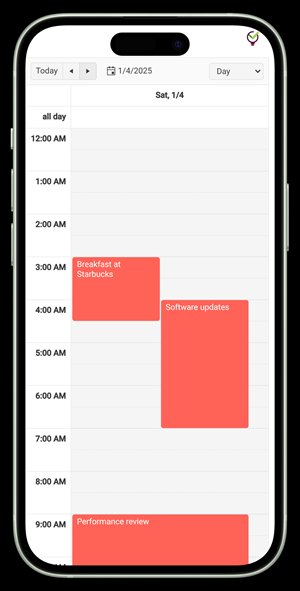
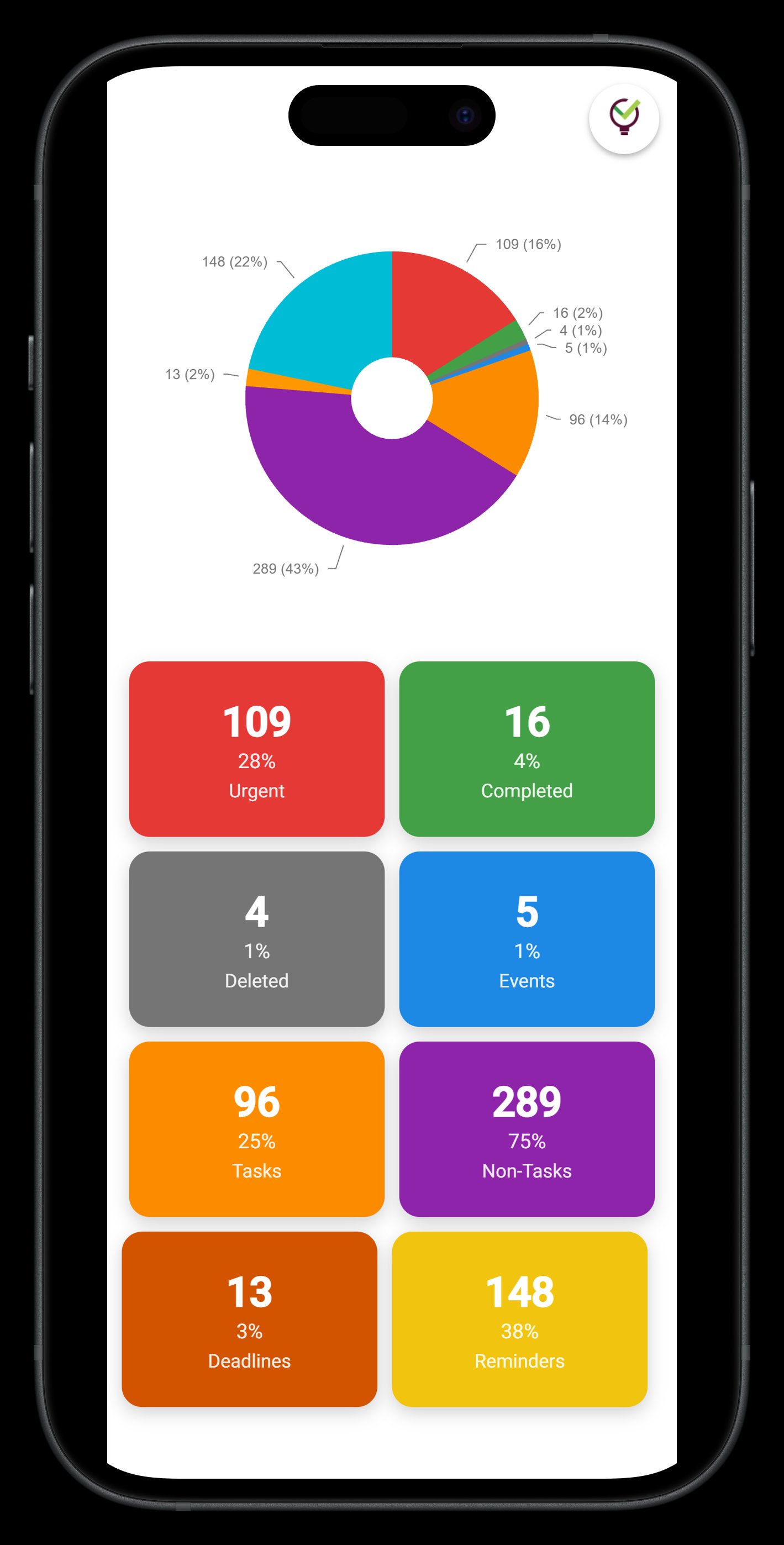
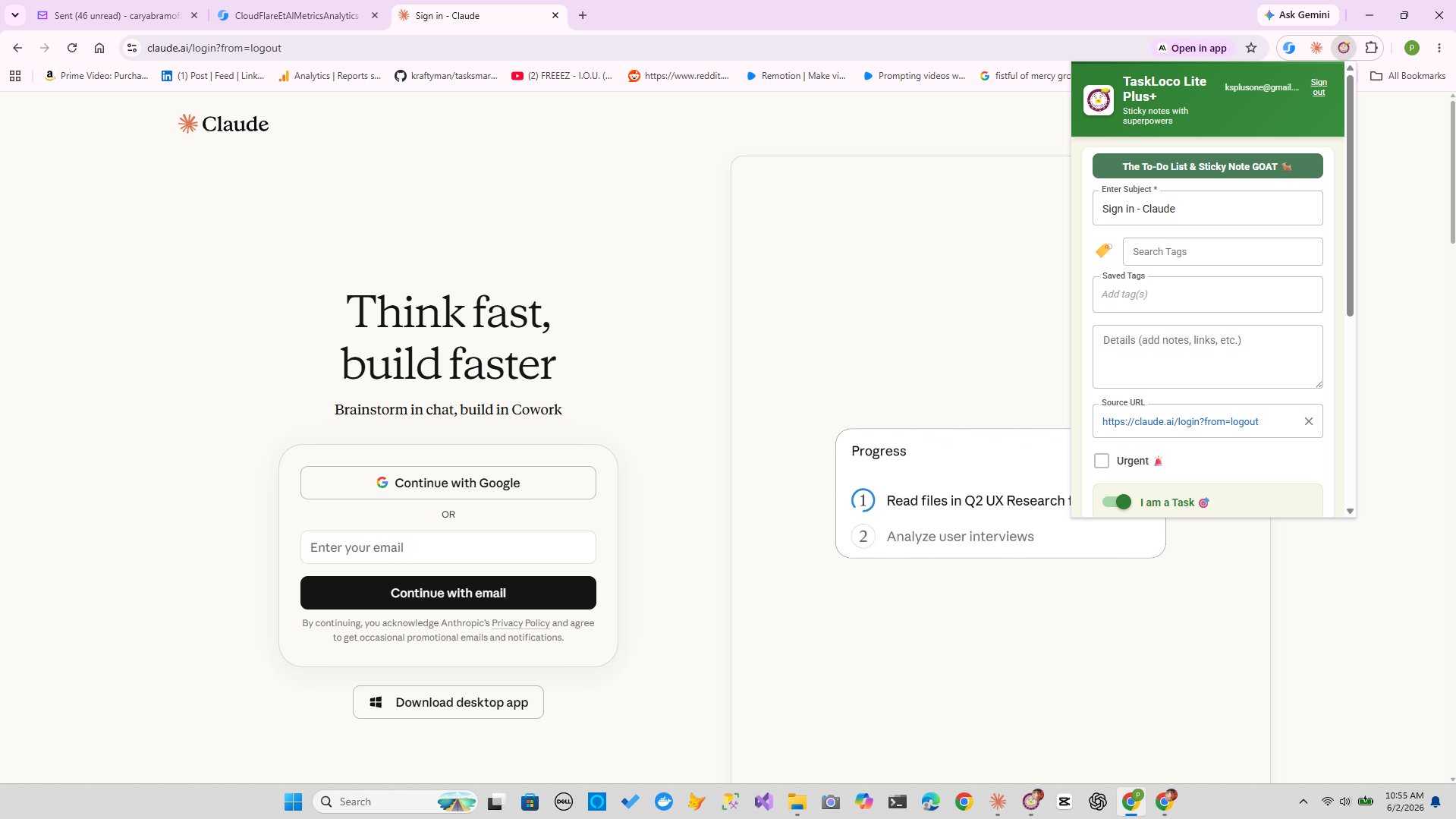
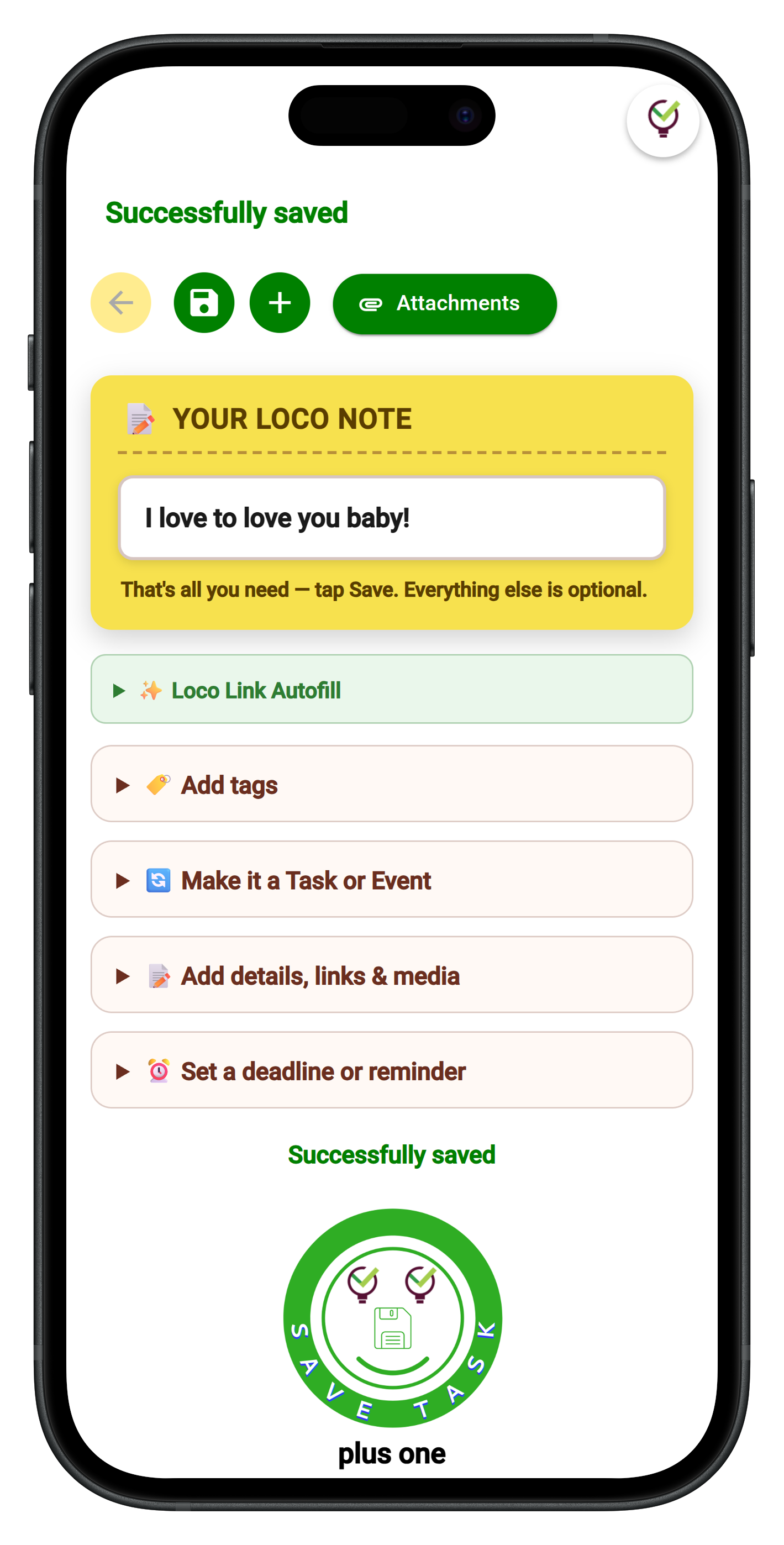
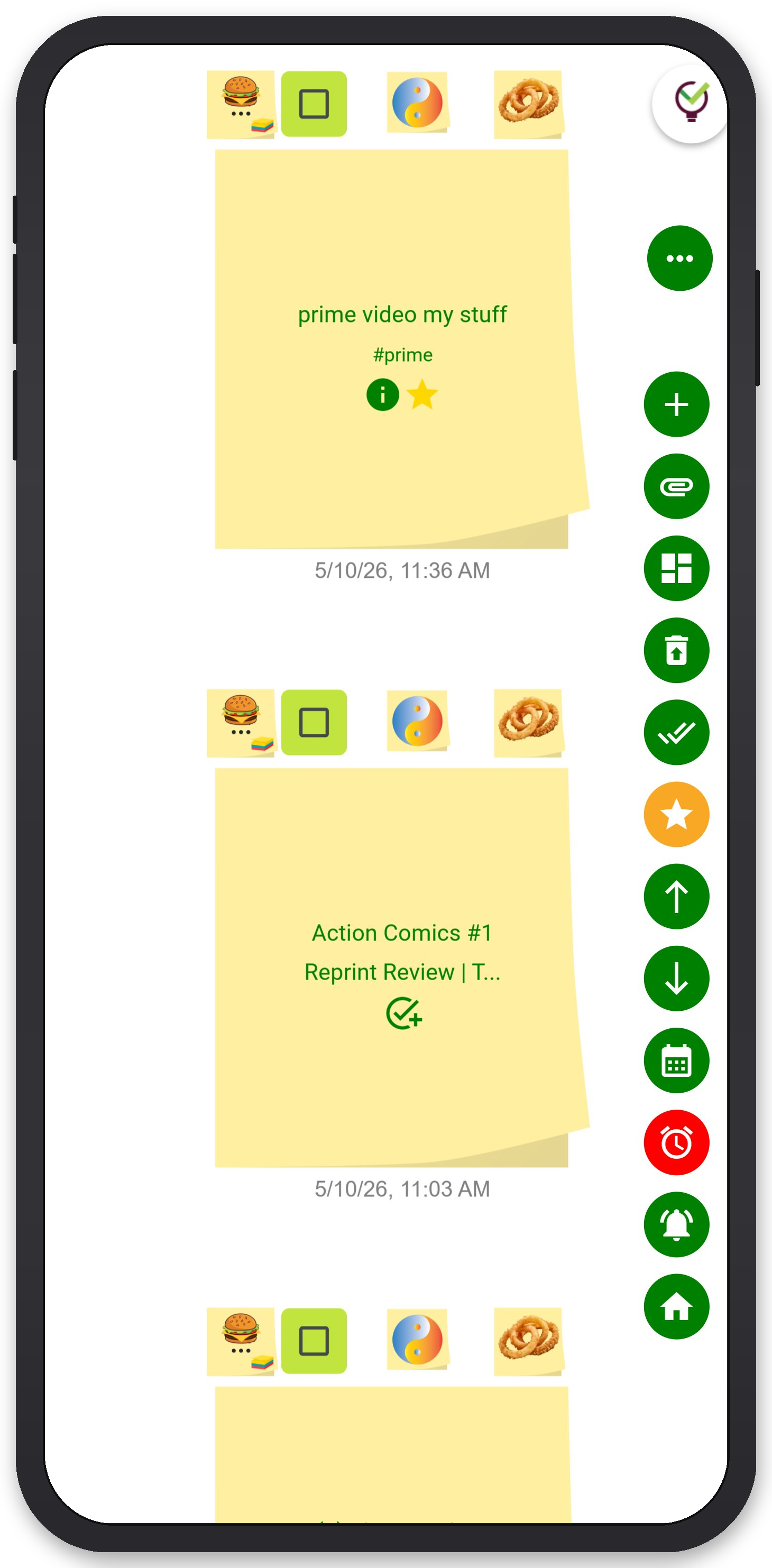
TaskLoco handles this beautifully with its sticky note approach. Capture thoughts instantly on digital sticky notes, then organize them into projects and contexts during your weekly review. The visual layout makes it easy to see everything at once — no switching between screens or hunting through folders.
The reminder system ensures your weekly review actually happens. When it pops up on your phone or computer, you're one tap away from starting your review.
File attachments mean you can keep reference materials right with your projects — meeting notes, specs, contracts — everything in one place. No more wondering if you captured all the commitments from that client call.
$9.99/month per person (currently $4.99/month per person for first 500 charter members with code CHARTER50)
TaskLoco Premium is regularly $9.99/month per person. Right now, charter members can lock in 50% off the regular price — forever. That means $4.99/month per person today. And if our price ever goes up, you still pay half. Always.
Code CHARTER50 auto-applies at checkout. First 500 spots only — once they're gone, this offer is gone permanently. Act fast while spots last.
Every Premium subscription includes unlimited notes, 10GB file storage, reminders, calendar, and team sharing. Each team member requires a separate subscription. 7-day free trial — no charge until day 8. Cancel anytime.
Free Options: TaskLoco
TaskLoco Lite
- Native iPhone & Android app
- Completely anonymous — no sign-in
- Data stays on your device
- Up to 20 notes
- Free forever
TaskLoco Lite Plus+
- Web app + Chrome extension
- Sign in with Google
- Wall syncs across all devices
- Up to 30 notes
- Free forever
Lock In 50% Off — Forever
7-day free trial. No charge until day 8. CHARTER50 auto-applies at checkout.
🔒 Lock In My Charter SpotSee TaskLoco in Action
Frequently Asked Questions
How long should a GTD weekly review take?
Plan for 1-2 hours, especially when you're starting out. As you get more practiced and your system stays cleaner, you might get it down to 45-60 minutes. The key is being thorough, not fast.
What day is best for doing the weekly review?
Friday afternoon lets you clear your head before the weekend and hit Monday running. Sunday evening works well for planning the upcoming week. Choose whatever day you can protect consistently — the habit matters more than the specific timing.
What if I miss a weekly review?
Don't let a missed week derail the whole system. Do a slightly longer review the following week to catch up, then get back on schedule. The weekly review is what keeps GTD working — without it, even the best capture habits fall apart.
Do I need special software for GTD weekly reviews?
Not necessarily — you can do GTD with paper lists and folders. But digital tools make capture faster and review more efficient. Look for something that handles quick capture, easy organization, and reliable reminders to keep you consistent.
How do I handle projects with no clear next action?
If you can't identify a next action, the project isn't well-defined. Spend time clarifying the successful outcome first. Sometimes the next action is 'brainstorm options for X' or 'call John to clarify requirements.' There's always a next physical action if you think it through.
Should I review my someday/maybe list every week?
Yes, but quickly. Scan through it to see if anything's ready to become an active project or if new ideas should be added. Don't labor over it — 5-10 minutes max. The someday/maybe list is for getting things out of your head, not for detailed planning.
What's the difference between daily and weekly reviews in GTD?
Daily reviews are quick check-ins with your action lists and calendar — 5-10 minutes to see what's up for today. Weekly reviews are deeper maintenance — processing inboxes, updating projects, and ensuring your system stays complete and trusted.
Born in Brooklyn. Powered by AWS. Your data stays yours.
TaskLoco is available on iPhone, Android, Chrome, and every web browser.