You've looked at the same task for three days. You've opened the tab, closed the tab, added it to a new list, reorganized the list, and somehow ended the day with zero progress. That's not a time management problem. That's task avoidance — and it runs on a completely different engine than procrastination does.
Task avoidance is your brain protecting you from something: failure, boredom, uncertainty, or the sheer weight of not knowing where to begin. Until you address that, no app, timer, or productivity guru is going to fix it. This article covers the actual mechanics of why avoidance happens and exactly how to dismantle it — step by step, no motivational fluff required.
Why You Avoid Tasks (The Real Reason)
Most productivity advice treats avoidance as a willpower deficit. It isn't. Neuroscience research — including work from Dr. Fuschia Sirois and Dr. Timothy Pychyl — consistently shows that procrastination and task avoidance are emotion-regulation strategies. When a task triggers discomfort (anxiety about the outcome, confusion about the steps, fear of judgment, or just tedious boredom), your brain files it under threat and moves you away from it.
The most common triggers break down into four categories:
- Unclear starting point. If you can't picture the first physical action, your brain stalls. "Write the report" is not a task. "Open a blank doc and type the first sentence" is.
- High stakes / fear of failure. The more the outcome matters, the more avoidance you feel. Perfectionism is avoidance dressed up as quality control.
- Task-reward mismatch. When the effort is high and the payoff feels distant or abstract, your brain de-prioritizes it automatically.
- Overwhelm from scope. A task that's actually ten tasks disguised as one will sit on your list indefinitely until it's broken apart.
Understanding which trigger is active changes everything about how you attack the problem. A task you're avoiding because it's boring gets a different solution than one you're avoiding because you're terrified of the feedback.
Five Techniques That Actually Break Avoidance
These aren't motivational tricks. They're structural interventions that change your relationship with a task at the moment you're most likely to bail.
1. The Two-Minute Shrink
Take whatever you're avoiding and ask: what is the smallest possible version of this task that counts as progress? Not "finish the proposal" — "write the subject line." Not "clean the garage" — "move one box." The goal is to make starting feel so low-stakes that avoidance loses its grip. Once you're in motion, momentum usually takes over. If it doesn't, that's fine — you still made progress.
2. Name the Fear Out Loud
Write down (actually write it, don't just think it): "I'm avoiding this because _____." Be honest. "Because I don't know if it's good enough." "Because I don't understand the third step." "Because the client might say no." Naming the fear takes it from a background hum to a specific, solvable problem. Once it's named, you can address it directly rather than just feeling vaguely resistant.
3. Remove the Decision to Start
Avoidance often lives in the gap between deciding to do something and doing it. Reduce that gap to zero. Set up the environment before you need it: document open, tab loaded, tools out. When there's no activation energy required, starting becomes the path of least resistance.
4. Time-Box with a Hard Stop
Instead of "work on this until it's done," try "work on this for exactly 20 minutes, then stop regardless." The hard stop is what makes this work. Your brain is much more willing to start something it knows will end soon. After 20 minutes, you'll often want to keep going — but having the option to stop removes the dread of committing to an undefined slog.
5. Separate Capture from Execution
One major driver of avoidance is a bloated task list where everything feels equally urgent and nothing has a clear next action. The fix is a strict separation: a capture moment (get it out of your head and into a system, fast, no organizing) and a separate processing moment (decide what it is, what the next action is, when it happens). When your list is full of vague obligations, every time you look at it you feel overwhelmed. When it's full of concrete next actions, it pulls you forward.
Building a System That Prevents Avoidance From Returning
Techniques get you unstuck once. A system keeps you from getting stuck in the first place. The difference between people who consistently follow through and people who don't usually isn't willpower — it's infrastructure. Here's what that infrastructure looks like:
A fast capture tool you actually use. The longer the friction between "I need to do this" and "it's written down somewhere I trust," the more likely it is to become an avoided obligation floating in your head. Your capture tool needs to be so fast and easy that there's no excuse not to use it. If opening an app takes too long, you'll convince yourself you'll remember — and you won't.
One list, regularly reviewed. Multiple task lists are avoidance in disguise. When tasks are scattered across apps, notebooks, emails, and sticky notes, you subconsciously know the list isn't complete — so you stop trusting it. Pick one place. Review it daily. Archive or delete anything that isn't a real commitment.
Reminders tied to the task itself, not your memory. Human memory is unreliable for low-urgency, high-importance tasks — exactly the kind most likely to be avoided. A reminder that brings you directly back to the task context, rather than just pinging you with a generic alert, is far more effective.
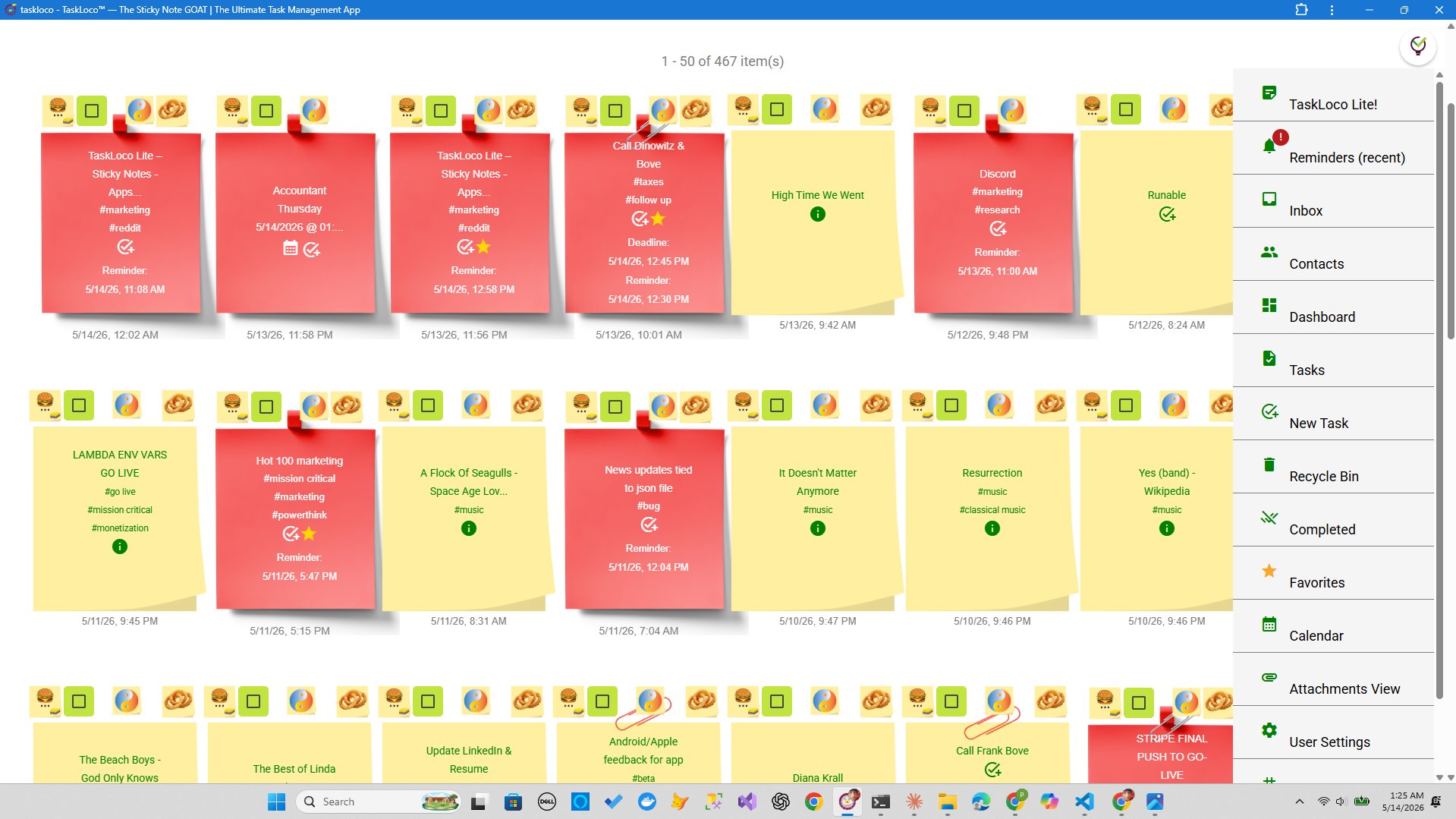
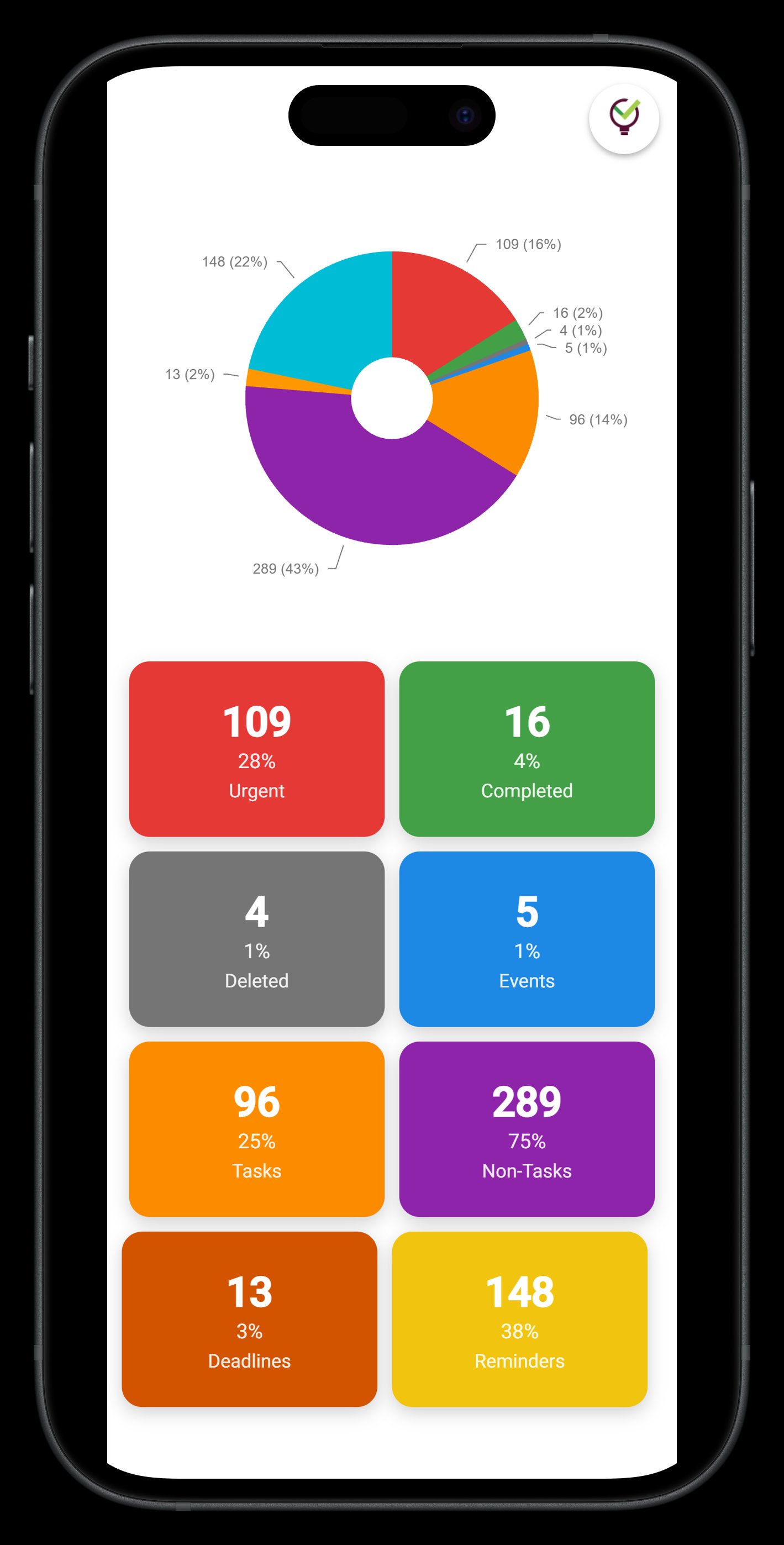
Visual organization you can scan at a glance. When you can see the full shape of your obligations in one view — and it doesn't look like chaos — you feel less overwhelmed. Overwhelm is a primary driver of avoidance. A clean, visual system signals to your brain that things are under control, which lowers the threat response that causes avoidance in the first place.
The system doesn't need to be complex. The simpler it is, the more likely you are to actually maintain it under pressure — which is exactly when avoidance hits hardest.
How TaskLoco Fits Into This
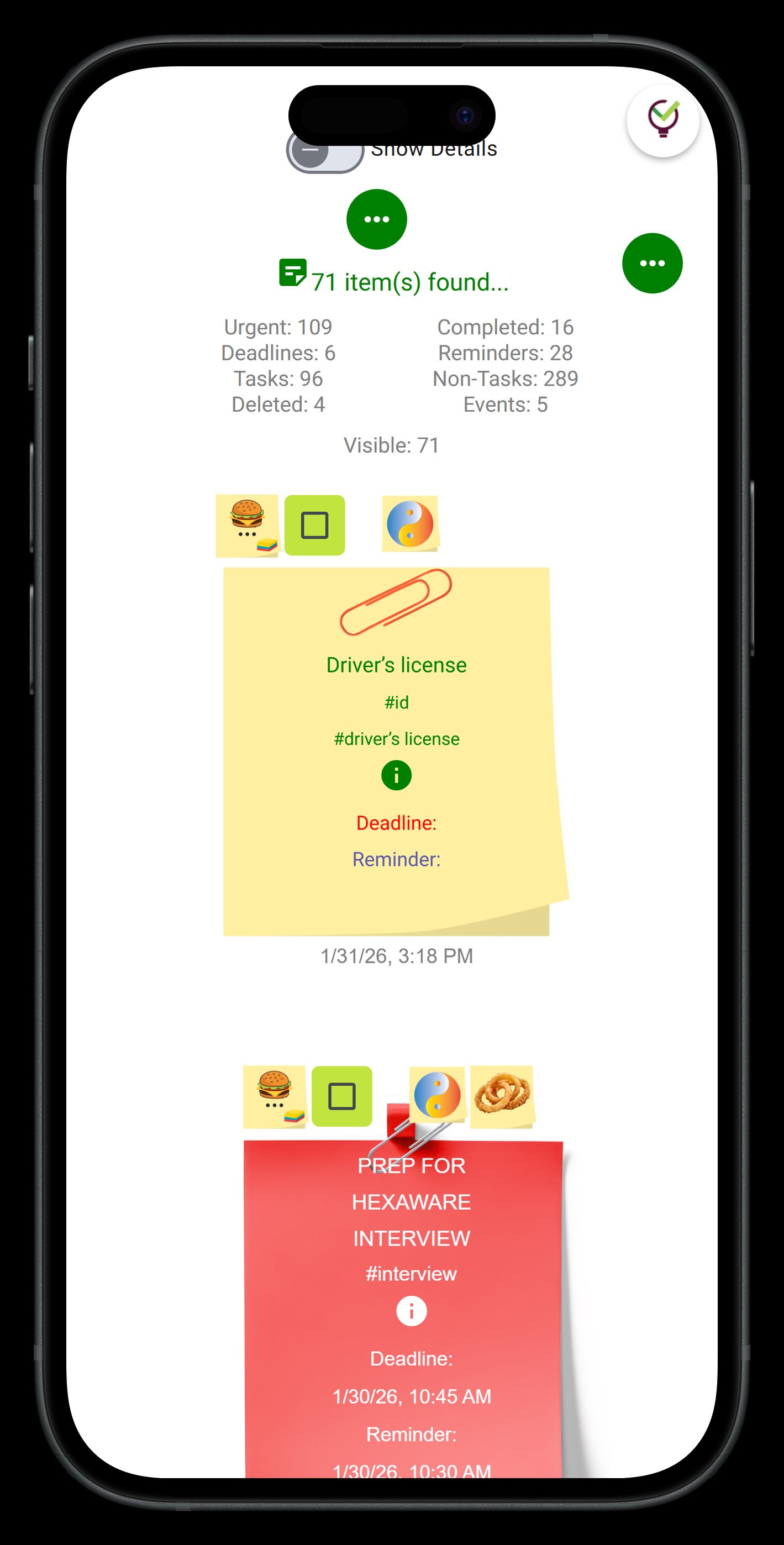
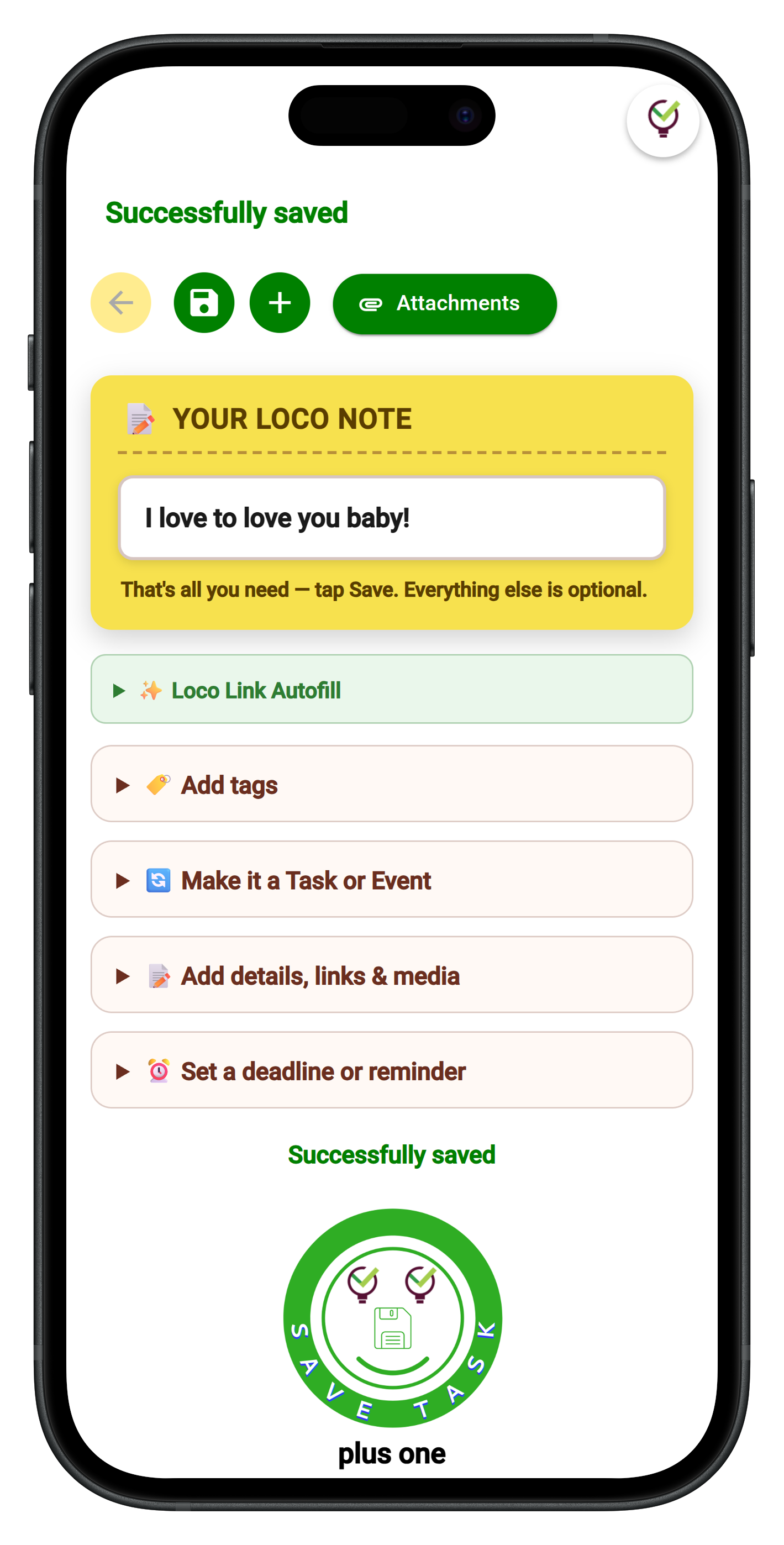
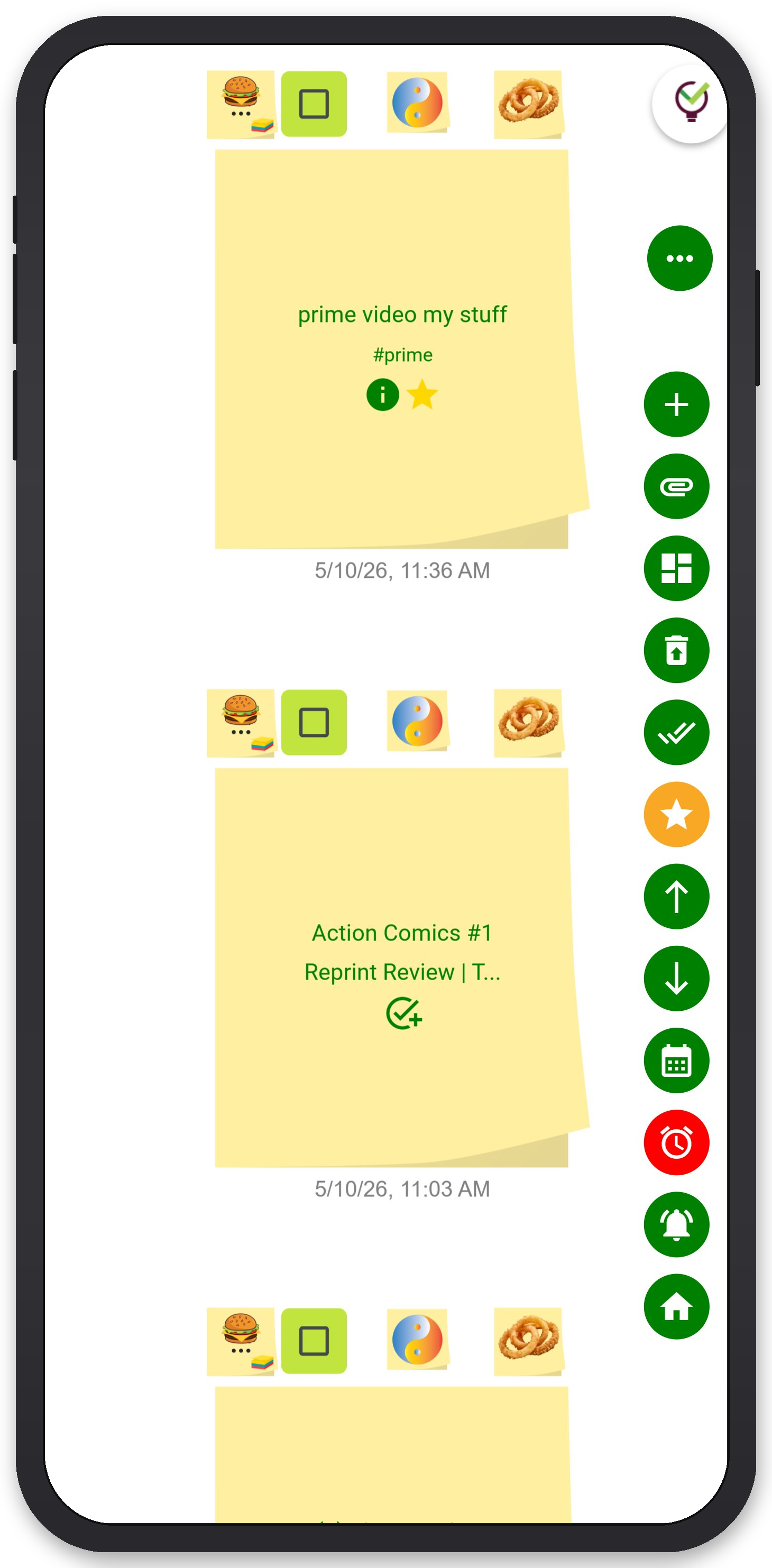
TaskLoco was built around the sticky note — which turns out to be a surprisingly well-designed anti-avoidance tool. A sticky note forces brevity. You can't write a vague, multi-part obligation on one note — there isn't room. That constraint pushes you toward the kind of small, concrete next actions that defeat avoidance.
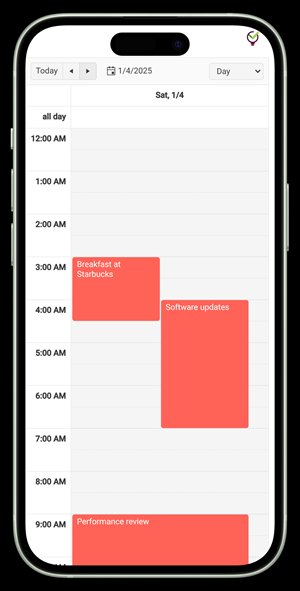
The Premium version adds the infrastructure layer that makes the system sustainable. Reminders are delivered as push notifications directly to your phone and computer, and each one deep-links back to the original note — so you're not just alerted, you're instantly in context and ready to act. Optional email and SMS notifications are available as additional channels. The calendar view shows your tasks alongside their deadlines in a single visual layout, so nothing important hides in a list you forgot to scroll through.
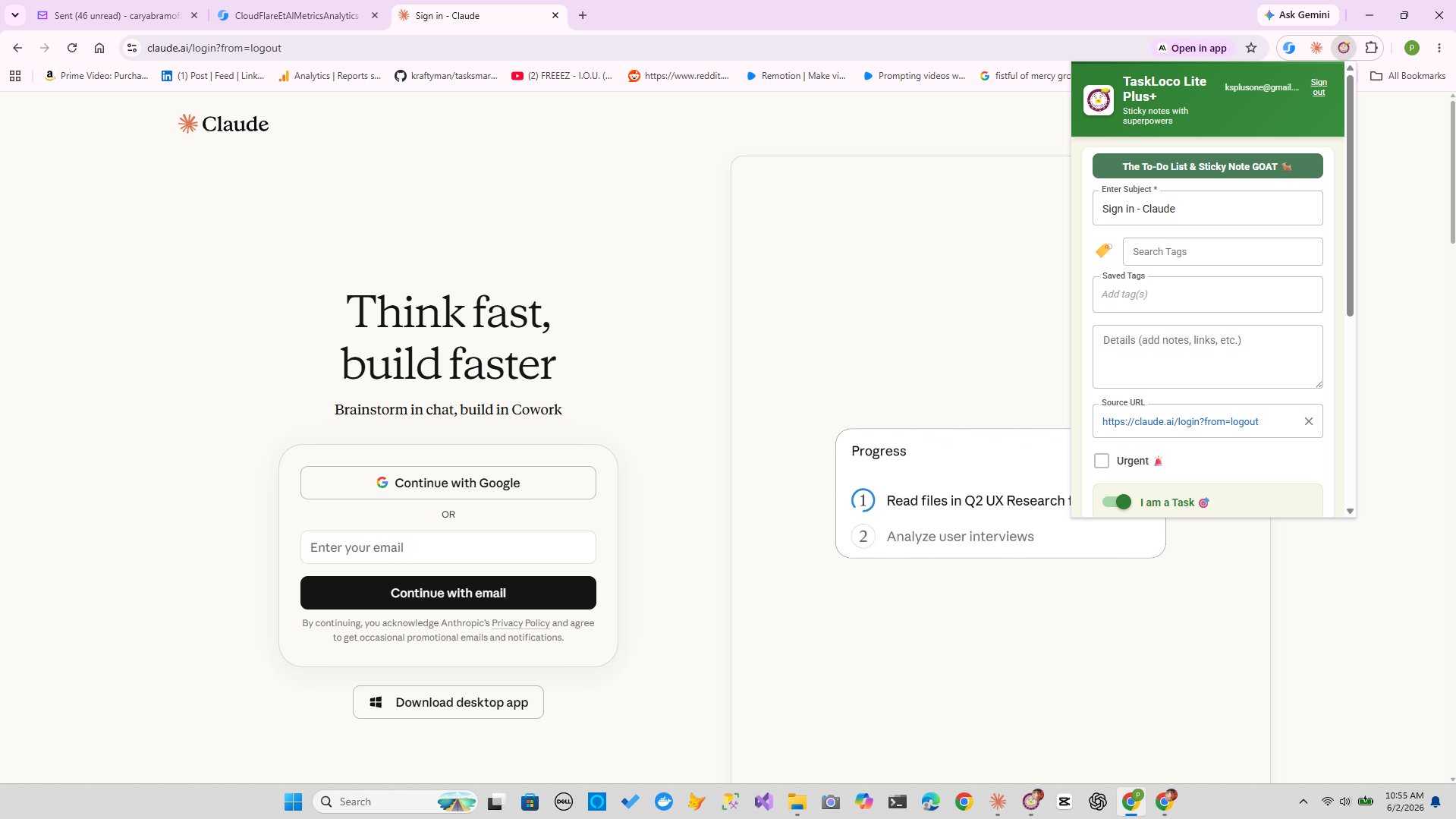
For capture, the Chrome extension grabs any webpage with a single click and drops it into your board as a note — which is exactly what you need when you're in the middle of something and want to capture a reference without breaking your flow. On mobile, the TaskLoco Lite app (available on iPhone and Android) is completely anonymous with no sign-in required, so capturing a quick thought is faster than any alternative. Note that Lite is a standalone app stored on your device — reminders, file attachments, team sharing, and sync are Premium features available through the web app.
If you work with other people, Premium's team sharing works the way email does: you share a note, the recipient gets a full copy they can clone and make their own. No permission levels, no access requests, no friction. Just information moving cleanly between people.
TaskLoco Premium is regularly $9.99/month per person. Right now, charter members can lock in 50% off the regular price — forever. That means $4.99/month per person today. And if our price ever goes up, you still pay half. Always.
Code CHARTER50 auto-applies at checkout. First 500 spots only — once they're gone, this offer is gone permanently. Act fast while spots last.
Every Premium subscription includes unlimited notes, 10GB file storage, reminders, calendar, and team sharing. Each team member requires a separate subscription. 7-day free trial — no charge until day 8. Cancel anytime.
Free Options: TaskLoco
TaskLoco Lite
- Native iPhone & Android app
- Completely anonymous — no sign-in
- Data stays on your device
- Up to 20 notes
- Free forever
TaskLoco Lite Plus+
- Web app + Chrome extension
- Sign in with Google
- Wall syncs across all devices
- Up to 30 notes
- Free forever
Lock In 50% Off — Forever
7-day free trial. No charge until day 8. CHARTER50 auto-applies at checkout.
🔒 Lock In My Charter SpotSee TaskLoco in Action
Frequently Asked Questions
What is the difference between procrastination and task avoidance?
Procrastination usually involves delaying a task while still intending to do it — often doing lower-priority work instead. Task avoidance is more active: it's when you consistently sidestep a specific task, often because it triggers anxiety, confusion, or fear of failure. Both are emotion-regulation strategies, but avoidance tends to be more deeply rooted in a specific perceived threat attached to that particular task.
Why do I avoid tasks even when I know they're important?
Importance doesn't override the emotional triggers that cause avoidance. In fact, high-stakes tasks are often the most avoided — because the more important the outcome, the more threatening failure feels. Your brain isn't weighing importance against avoidance; it's responding to the discomfort signal. The fix is to reduce that signal: shrink the task, name the fear, or lower the starting friction until the threat response quiets down.
Does the two-minute rule actually work for task avoidance?
The "just do it for two minutes" approach works well for avoidance driven by activation energy — the resistance to starting — but it's less effective for avoidance driven by fear of failure or emotional weight. For those cases, naming the fear explicitly is more effective than trying to sneak past it. That said, shrinking the scope of what counts as "starting" (not the timer, but the action size) is one of the most consistently effective anti-avoidance techniques available.
How do I stop avoiding a task I genuinely don't want to do?
First, separate "I don't want to do this" from "I'm afraid of doing this." Pure distaste is different from avoidance. For tasks you dislike but aren't afraid of, time-boxing works well — a hard stop time makes the suffering feel finite. For tasks you're avoiding because they feel threatening, name the specific fear in writing, then address that fear directly (clarify the unknowns, lower the stakes, ask for help) before trying to start.
How do I stop task avoidance from coming back after I fix it once?
Build structural habits, not motivational ones. Motivational fixes ("I'll be more disciplined") fade. Structural fixes stick: write tomorrow's three tasks with their first actions before you close your laptop today, keep a single capture tool so your list stays complete and trustworthy, and use reminders that pull you back into context rather than just alerting you. The goal is a system that removes decision-making friction at the moments you're most likely to bail.
Can a productivity app actually help with task avoidance?
Yes, but only if it reduces friction rather than adding it. An app with too many fields, categories, and setup steps can itself become a source of avoidance. The most effective apps for avoidance are fast to capture (so nothing stays in your head), visual (so you can see the full picture without feeling overwhelmed), and capable of reminders that bring you directly back to the task context. TaskLoco's sticky-note model is particularly well-suited here — brevity is forced by the format, which naturally encourages the small concrete next actions that defeat avoidance.
What is TaskLoco and how does it help with staying on task?
TaskLoco is a productivity app built around the sticky note. The free Lite app (iPhone and Android) lets you capture tasks instantly with no sign-in required. TaskLoco Premium adds push notification reminders that deep-link back to the original note, a calendar view, unlimited notes, 10GB file storage, and team sharing — available through the web app. $9.99/month per person (currently $4.99/month per person for first 500 charter members with code CHARTER50)
Born in Brooklyn. Powered by AWS. Your data stays yours.
TaskLoco is available on iPhone, Android, Chrome, and every web browser.