You've downloaded the app, set up the workspace, color-coded the categories — and two weeks later you're back to a Notes app and a pile of sticky notes on your monitor. It's not a discipline problem. It's a design problem. Most productivity apps are built for the version of you who has two free hours every morning. The rest of us need something that works in the thirty seconds between meetings.
This isn't about finding the "best" app in some abstract ranking. It's about understanding why apps fail for most people — and what actually makes one stick. The answer is simpler than any feature list, and once you see it, you can't unsee it.
The Real Reason Task Apps Fail (It's Not You)
The research on habit formation is pretty clear: any behavior that requires high effort at the moment of execution is fragile. It only survives when motivation is high. The second motivation dips — a bad week, a heavy project, a vacation — the habit collapses. Most task apps are designed as if motivation is a constant, not a variable.
The failure pattern is almost always the same. You discover an app. It looks powerful. You invest a weekend setting it up — projects, sub-projects, tags, views, workflows. It feels great. Then real life hits and you realize that logging a task takes four clicks and a category decision. So you stop logging tasks. The system becomes stale. You stop trusting it. You abandon it.
Psychologists call this setup cost — the cognitive and mechanical effort required to interact with a system. The higher the setup cost, the more willpower you burn just to use the tool. And willpower, unlike good intentions, is a genuinely limited resource.
This is why people keep returning to sticky notes. A sticky note has zero setup cost. You peel it, you write, you stick it where you'll see it. No tagging, no project assignment, no due date required. The capture is instant. The visibility is physical. It works not because it's powerful but because it's frictionless.
What Makes an App Actually Stick: The Four Principles
After watching dozens of productivity systems succeed and fail, the ones that last share four qualities. None of them are about features. All of them are about fit.
1. Capture is instant. You should be able to get a thought out of your head and into the system in under ten seconds. If you have to navigate, scroll, or make a decision before you can write, you'll start keeping a mental backlog instead — and mental backlogs are exhausting and lossy.
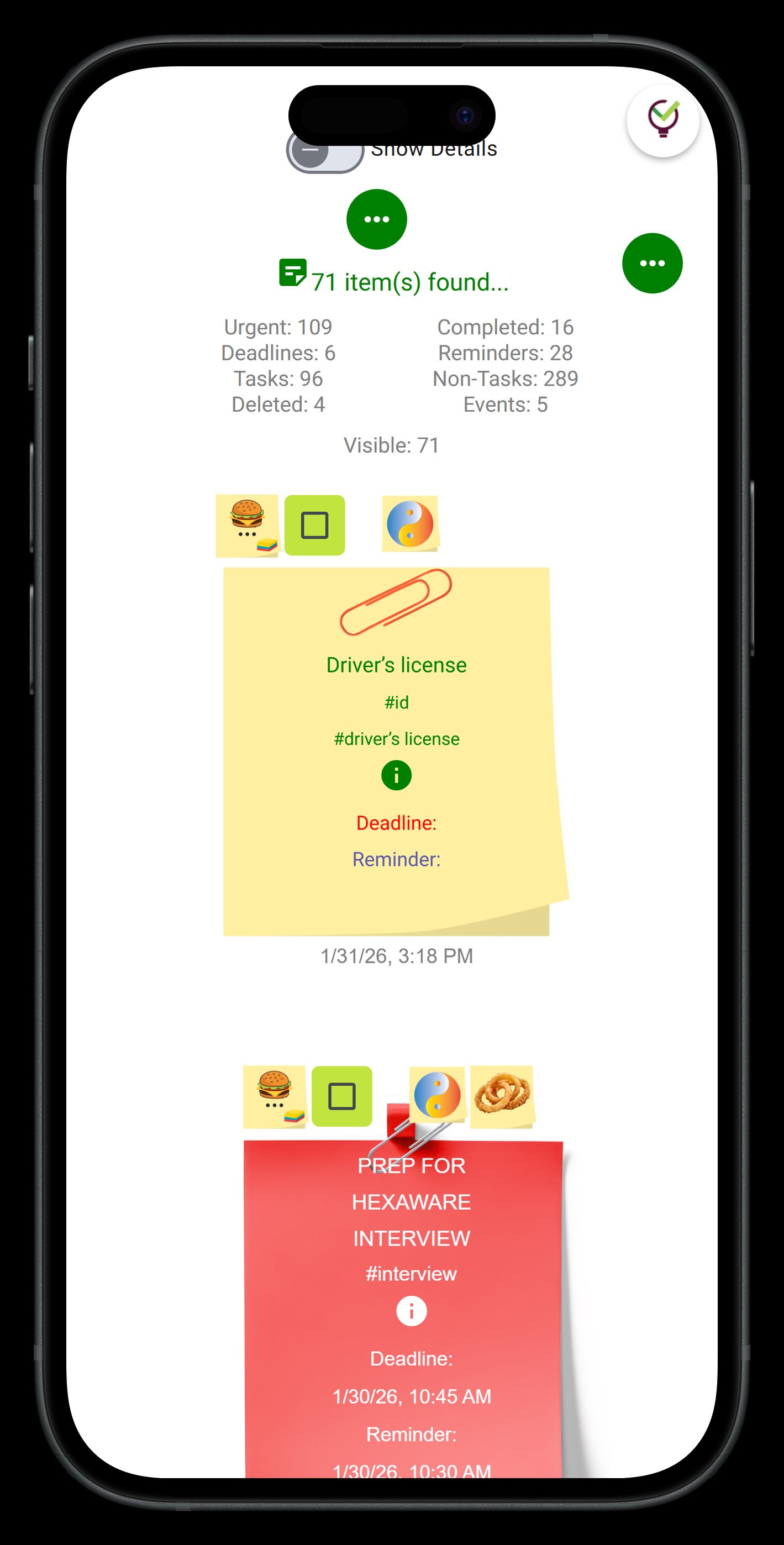
2. The system is visible by default. Out of sight is genuinely out of mind for most people. A task buried in a list inside a project inside a workspace might as well not exist. The best systems surface what matters without you having to go looking. This is exactly what physical sticky notes get right — they're in your field of vision whether you like it or not.
3. Maintenance takes less time than the work itself. If updating your task system feels like a second job, you'll eventually choose between the system and the actual work. You'll choose the work. A good system takes thirty seconds to update and gets out of your way.
4. It matches your thinking style, not a methodology. GTD, Kanban, time-blocking — these are all legitimate frameworks. But if you don't naturally think in any of them, forcing yourself into one creates a translation layer between your real thoughts and your system. The best app is the one that lets you organize the way you already think, not the way a productivity book says you should.
How to Actually Test an App Before You Commit
Most people evaluate a task app by reading feature lists or watching demo videos. That's like evaluating a pair of running shoes by looking at a photo. The only thing that matters is whether you use it under real conditions, not ideal ones.
Here's a practical test you can run in seven days with any app — free tier or paid:
- Day 1–2: Use it only for capture. Don't set up projects, tags, or views yet. Just throw tasks in. If capture already feels annoying, the app fails the test.
- Day 3–4: Try to find something you captured on day one. If retrieval is hard or the app feels cluttered, that's a signal.
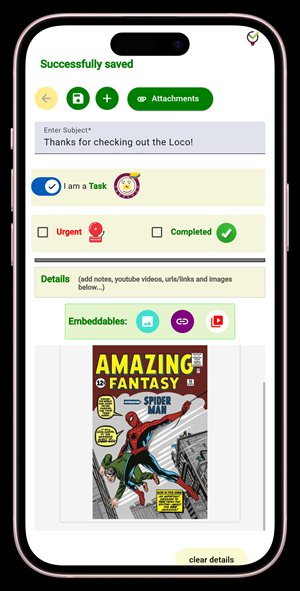
- Day 5–6: Add one piece of context to a task — a file, a date, a note. See how natural that feels. Friction here compounds over weeks.
- Day 7: Look at your task list and ask honestly: does this feel like a burden or a relief? Do you trust it? Would you open it first thing tomorrow morning?
If the answer to that last question is yes, you've found something worth building on. If it's hesitant, the app isn't the right fit — and no amount of forcing the habit will change that.
Also pay attention to what you do when you're not in the app. Are you still keeping mental notes? Writing things on paper? If the app isn't capturing your real cognitive load, it's decorative, not functional.
Where TaskLoco Fits Into This Picture
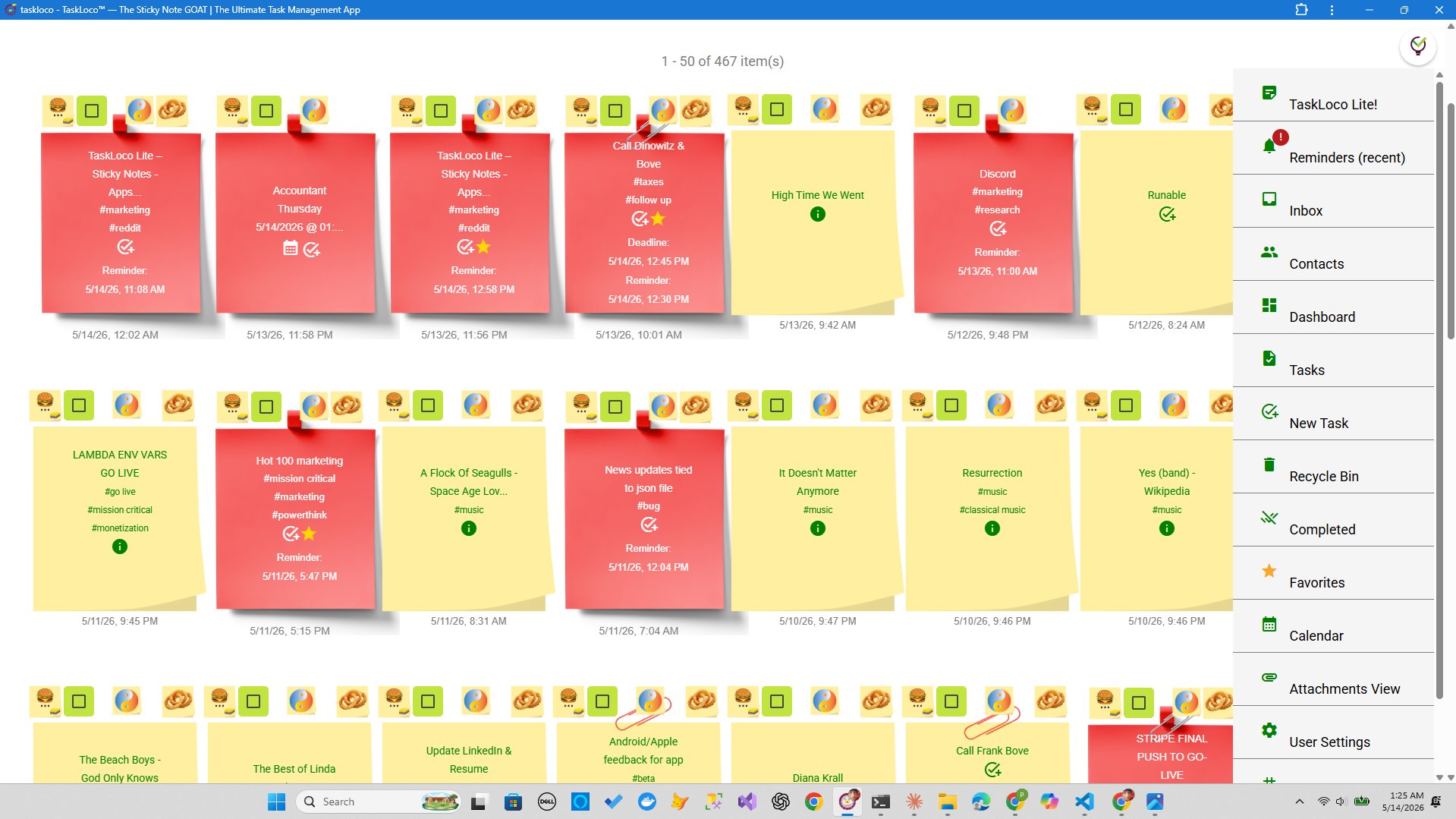
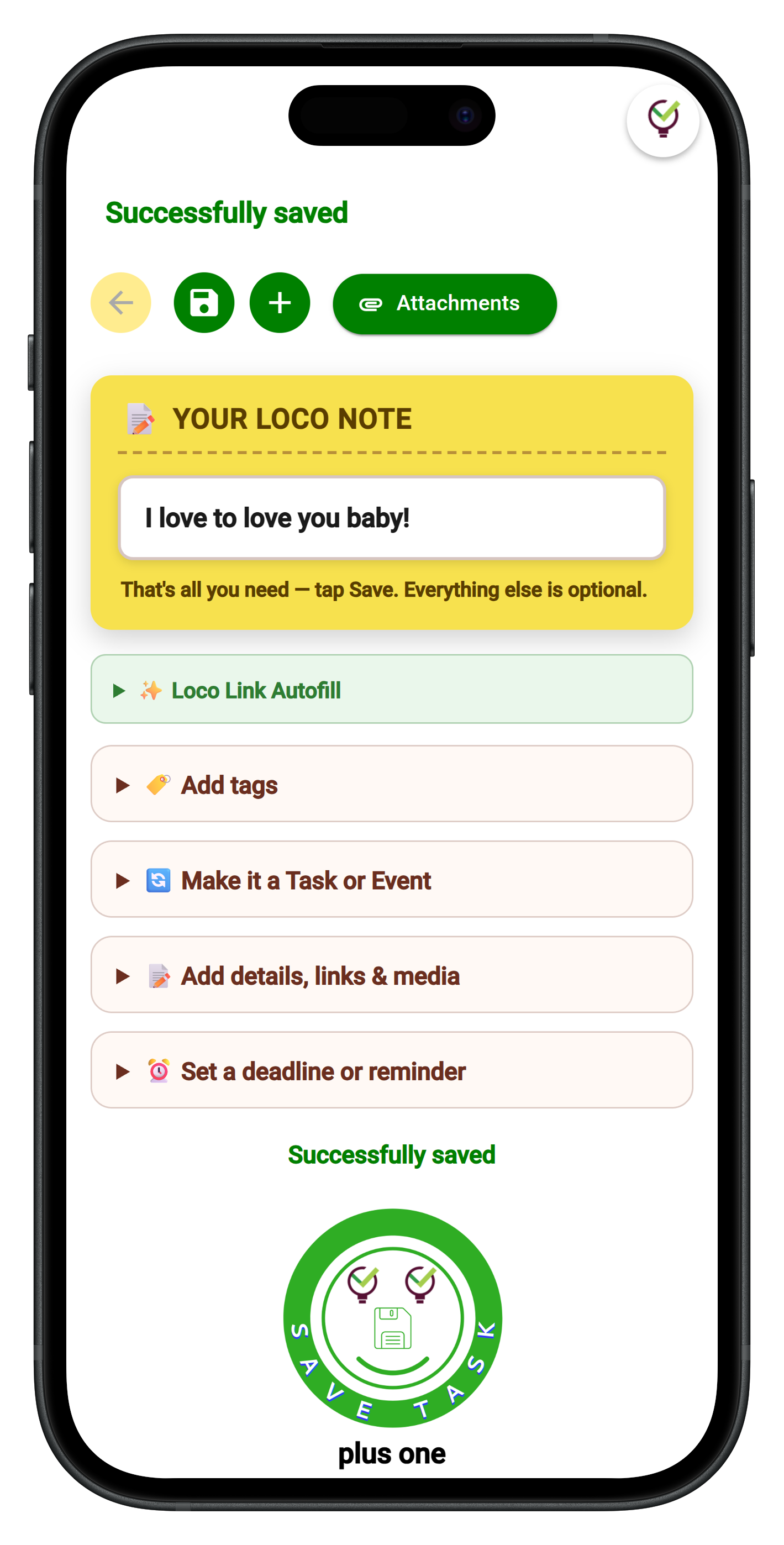
If the principles above resonate — fast capture, visual layout, low maintenance, flexible structure — TaskLoco is worth running through that seven-day test. It's built around the sticky note metaphor intentionally, not as a gimmick. The wall view puts everything in front of you at once. Adding a note takes a few seconds. There's no required project hierarchy, no mandatory tagging system, nothing you have to configure before you can use it.
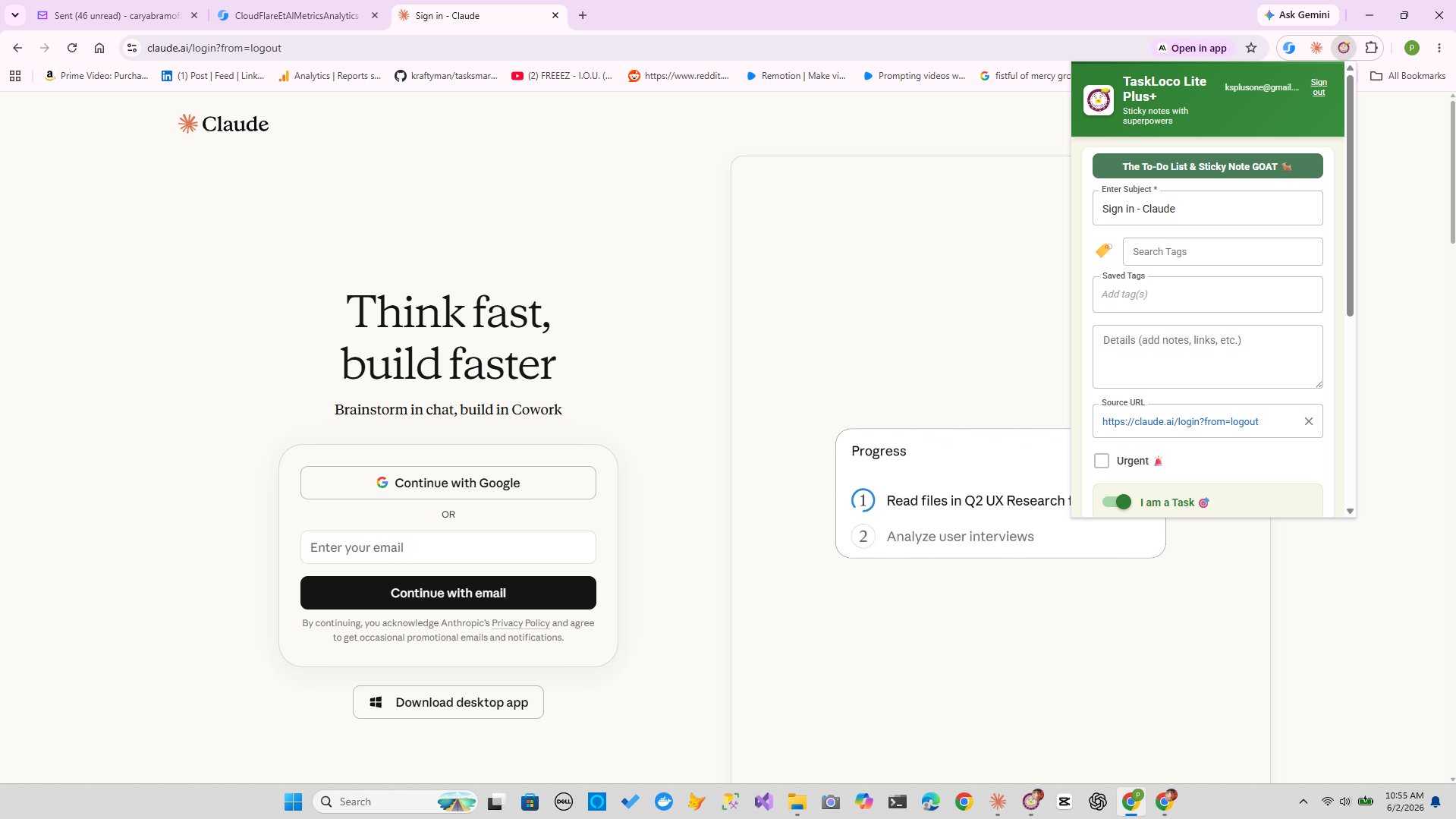
The free tiers are genuinely useful starting points. TaskLoco Lite is a native iPhone and Android app — completely anonymous, no account required, no sign-in, stores up to 20 notes directly on your device. It's the lowest-friction entry point possible: open it, write, done. TaskLoco Lite Plus+ is the web app (plus the Chrome extension), signs in with Google, syncs across all your devices, and holds up to 30 notes. The Chrome extension lets you clip any webpage into a note in one click — genuinely useful for capturing things mid-browse without losing your place.
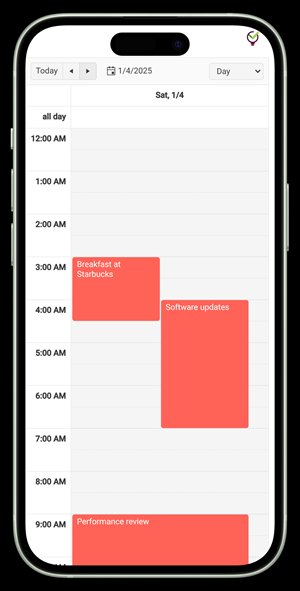
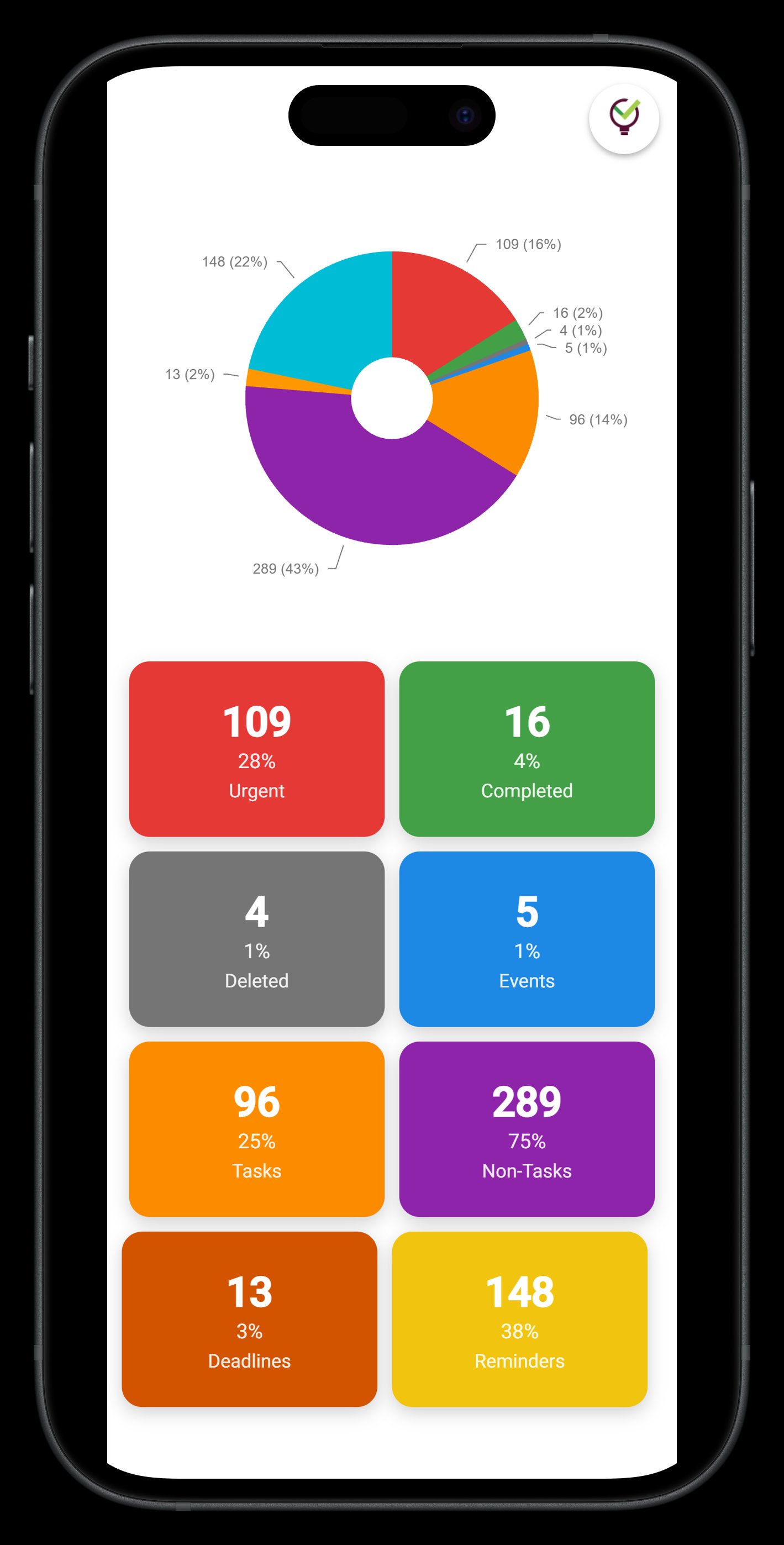
When you're ready for more, TaskLoco Premium adds unlimited notes, a calendar view, reminders that deliver as push notifications directly to your phone and computer and deep-link back to the original note, 10GB of file storage, team sharing, and optional email and SMS notification channels. It's everything the free tiers show you the shape of, fully unlocked.
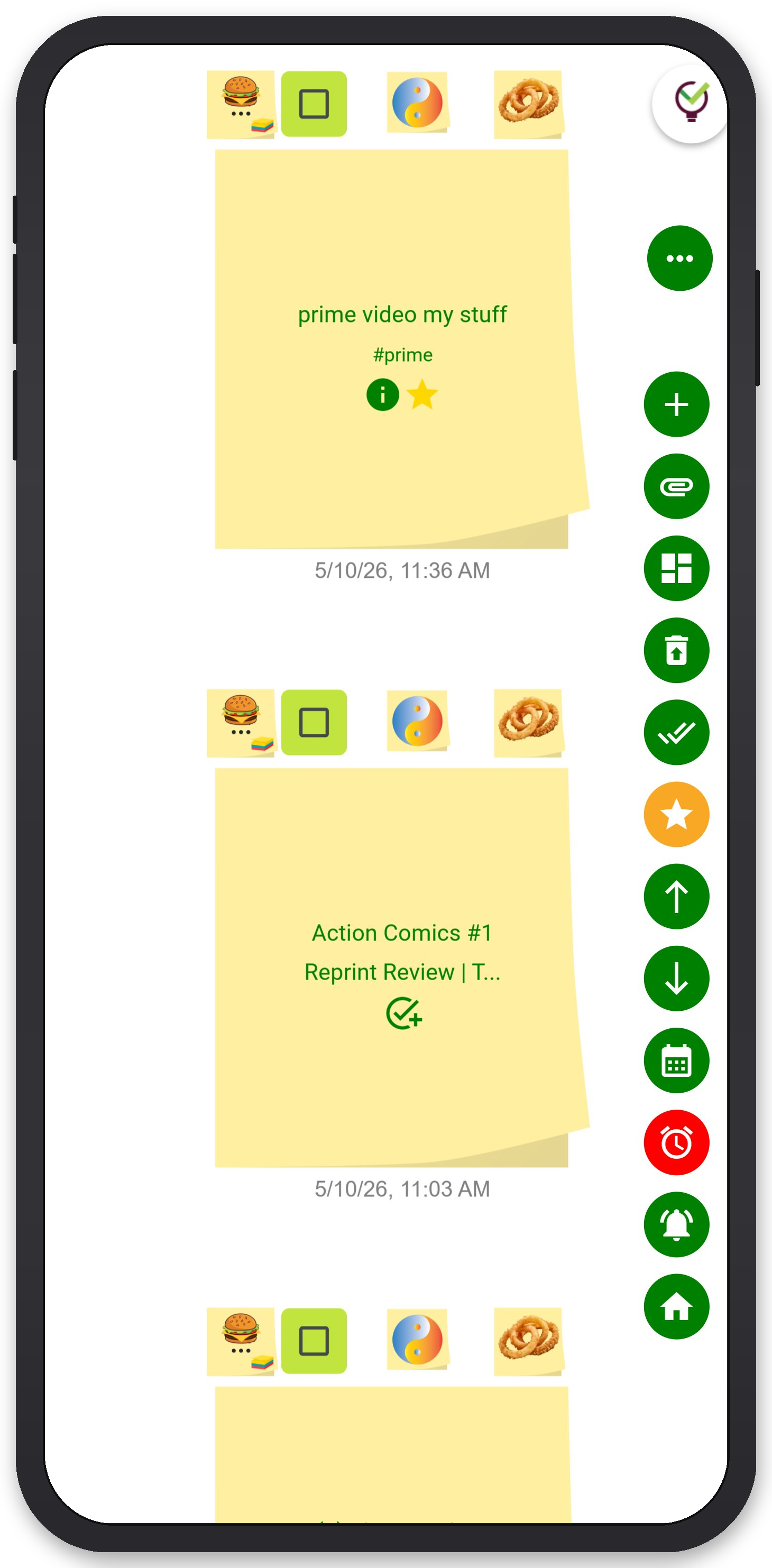
TaskLoco Premium is regularly $9.99/month per person. Right now, charter members can lock in 50% off the regular price — forever. That means $4.99/month per person today. And if our price ever goes up, you still pay half. Always.
Code CHARTER50 auto-applies at checkout. First 500 spots only — once they're gone, this offer is gone permanently. Act fast while spots last.
Every Premium subscription includes unlimited notes, 10GB file storage, reminders, calendar, and team sharing. Each team member requires a separate subscription. 7-day free trial — no charge until day 8. Cancel anytime.
Free Options: TaskLoco
TaskLoco Lite
- Native iPhone & Android app
- Completely anonymous — no sign-in
- Data stays on your device
- Up to 20 notes
- Free forever
TaskLoco Lite Plus+
- Web app + Chrome extension
- Sign in with Google
- Wall syncs across all devices
- Up to 30 notes
- Free forever
Lock In 50% Off — Forever
7-day free trial. No charge until day 8. CHARTER50 auto-applies at checkout.
🔒 Lock In My Charter SpotSee TaskLoco in Action
Frequently Asked Questions
Why do I keep abandoning task apps?
Almost always it's friction, not discipline. When an app requires too many steps to capture a task or too much maintenance to stay current, you stop using it — not because you're disorganized, but because the cost exceeds the benefit. The fix is finding an app where capture is instant and the system stays visible without effort on your part.
What makes a task app actually work long-term?
Four things: fast capture (under ten seconds), default visibility (you see your tasks without hunting for them), low maintenance (updating the system takes less time than doing the work), and a structure that matches how you already think. Apps that require you to adopt a rigid methodology often fail because the translation layer between your real thoughts and the system adds too much overhead.
Is a sticky note system actually a legitimate productivity method?
Yes — and the reason is psychological, not nostalgic. Sticky notes have near-zero setup cost, they're physically visible, and they require no navigation or categorization to use. The limitations (no reminders, no files, no search, no sync) are real, but the core mechanic — fast capture, constant visibility — is exactly what most digital systems get wrong. The best task apps borrow from that mechanic deliberately.
How do I test a task app before committing to it?
Use it under real conditions for seven days — not demo conditions. Days one and two: only capture, no setup. Days three and four: try to find and act on what you captured. Days five and six: add a file or context to a task and notice how natural that feels. Day seven: ask honestly whether you trust the system and would open it first thing tomorrow. If the answer is yes, it's worth building on. If it's hesitant, move on.
Does TaskLoco have a free version I can try?
TaskLoco has two free tiers. TaskLoco Lite is a native iPhone and Android app — completely anonymous, no account required, stores up to 20 notes on your device. TaskLoco Lite Plus+ is the web app and Chrome extension, signs in with Google, syncs across all your devices, and holds up to 30 notes. Premium adds unlimited notes, reminders with push notifications, 10GB file storage, calendar view, and team sharing. $9.99/month per person (currently $4.99/month per person for first 500 charter members with code CHARTER50)
What's the difference between TaskLoco Lite and Lite Plus+?
TaskLoco Lite is the native iPhone and Android app — fully anonymous, no sign-in, no account, no sync, stores up to 20 notes in a file on your device only. TaskLoco Lite Plus+ is the web app plus Chrome extension — you sign in with Google, your notes sync across all devices, and you get up to 30 notes plus one-click webpage capture through the Chrome extension. Neither free tier includes reminders, file attachments, or team sharing — those are Premium features.
Can TaskLoco remind me about tasks?
Yes — reminders are a Premium feature. When a reminder fires, it's delivered as a push notification to your phone and computer, and it deep-links directly back to the original note so you're one tap away from context. Optional email and SMS notifications are also available as additional channels.
Born in Brooklyn. Powered by AWS. Your data stays yours.
TaskLoco is available on iPhone, Android, Chrome, and every web browser.