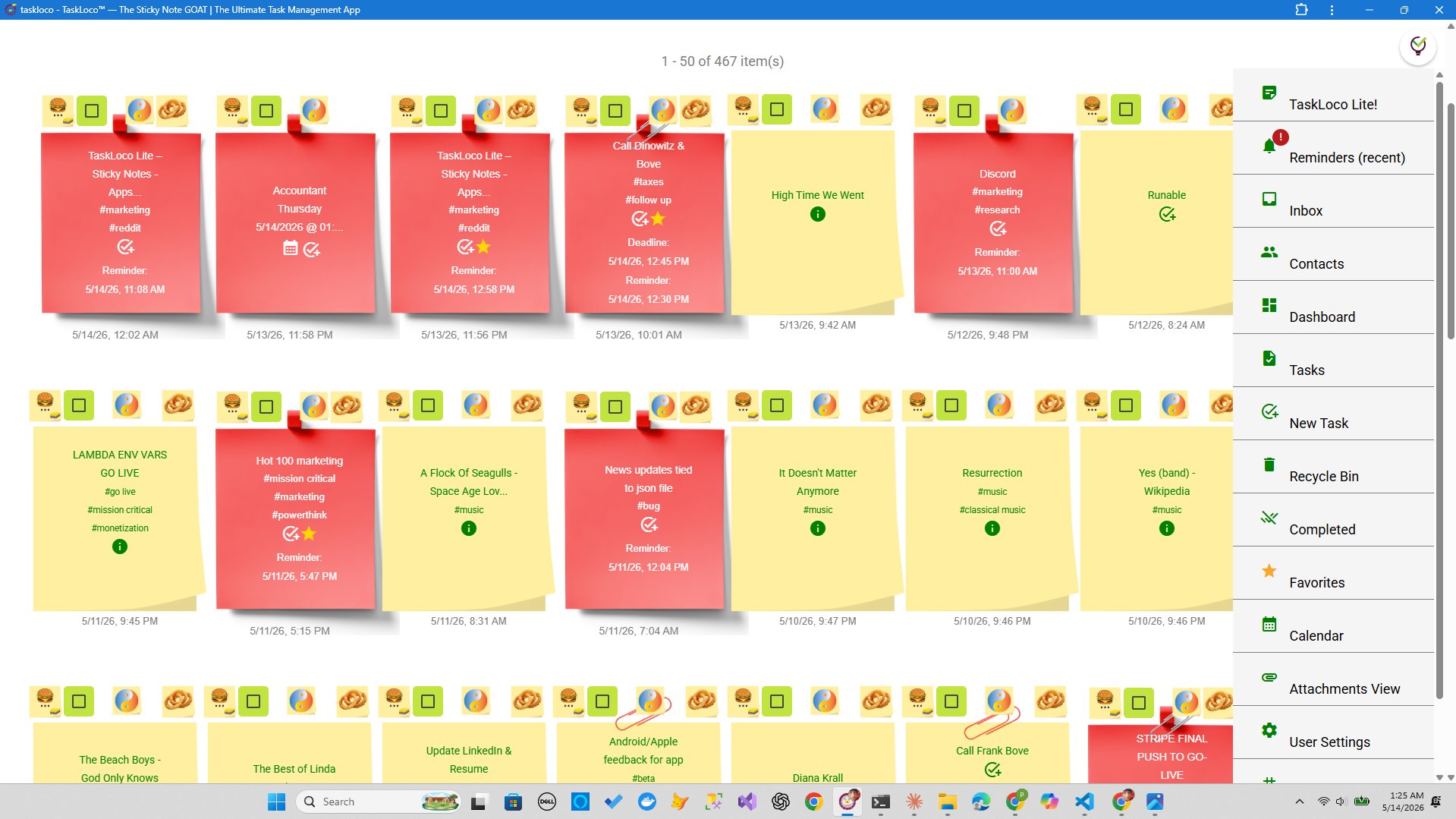
GTD Inbox Zero represents the intersection of David Allen's Getting Things Done methodology with Merlin Mann's Inbox Zero email philosophy. Both systems share a core principle: your mind works best when it's not holding onto incomplete thoughts, tasks, or decisions.
The challenge isn't having a perfect app — it's building habits that consistently capture, clarify, and organize everything that demands your attention. Digital tools can either support this mental framework or undermine it with complexity that defeats the purpose.
The GTD Capture Principle
David Allen's Getting Things Done starts with a simple rule: capture everything that has your attention in a trusted system outside your head. This isn't about productivity apps — it's about cognitive load. When your brain knows that important thoughts are safely stored somewhere you'll actually review them, it stops recycling those thoughts during other tasks.
Traditional GTD used paper inboxes, file folders, and tickler files. Digital versions attempt to replicate this with apps, but many miss the point. The system must be frictionless enough that you actually use it in the moment when thoughts occur. Complex apps with elaborate hierarchies often fail this test.
The capture tool should feel as natural as writing on paper but offer the advantages of digital storage: search, sync across devices, and integration with other workflows. Speed matters more than features — if it takes more than a few seconds to capture a thought, you'll start skipping it.
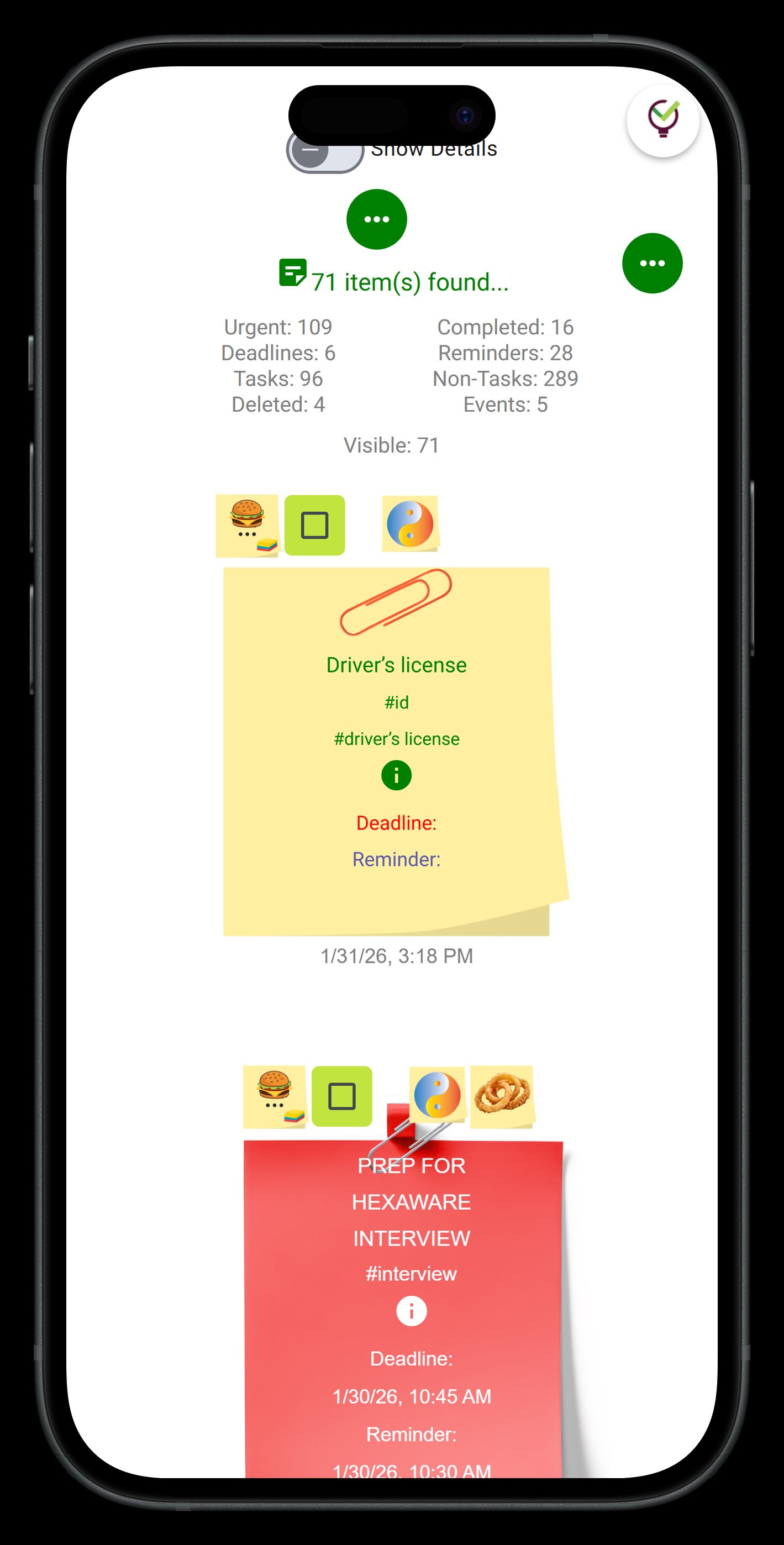
Processing and Clarification Workflow
The second phase of GTD involves processing captured items to determine what they actually represent. Is it actionable? If yes, is it a single action or a project? If not actionable, is it reference material, something for later review, or trash?
This clarification step is where many digital implementations break down. Apps often try to automate decisions that require human judgment. Smart categorization and AI suggestions can speed up processing, but they can't replace the thinking required to determine what something actually means to you.
Effective GTD apps support this workflow without imposing rigid structures. They should make it easy to move items between contexts (next actions, waiting for, someday/maybe) without forcing you into predetermined categories that might not fit your work or life patterns.
The processing phase also determines how items connect to your calendar and reminder systems. Not everything needs a due date, but actionable items often need context about when and where they can be completed.
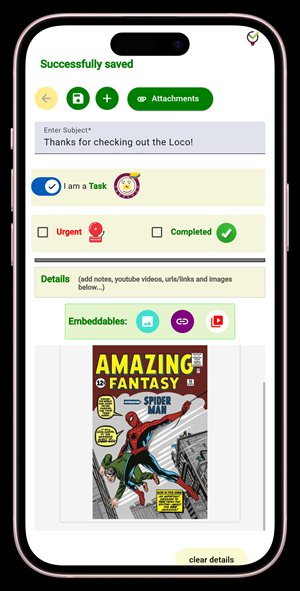
Inbox Zero Email Integration
Merlin Mann's Inbox Zero philosophy emerged from the reality that email had become a broken task management system. People were using their inbox to store decisions, reference materials, and reminders — exactly the kind of mental clutter that GTD was designed to eliminate.
True Inbox Zero isn't about having zero emails — it's about having zero unprocessed inputs. Each email gets processed according to GTD principles: delete it, do it immediately if under two minutes, delegate it, defer it to your task system, or file it as reference material.
The best GTD Inbox Zero apps integrate with email to facilitate this processing. They should allow quick capture of email-based tasks without keeping the original email as an unresolved item in your inbox. Browser extensions and mobile sharing capabilities make this workflow practical.
File attachments and reference storage become crucial here. When you process an email into a task, you often need to maintain access to the original documents or context without keeping the email itself unprocessed in your inbox.
TaskLoco's Approach to GTD Workflows
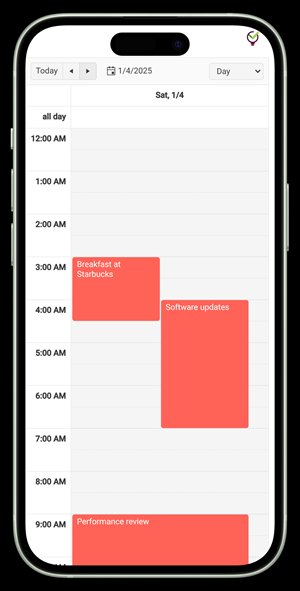
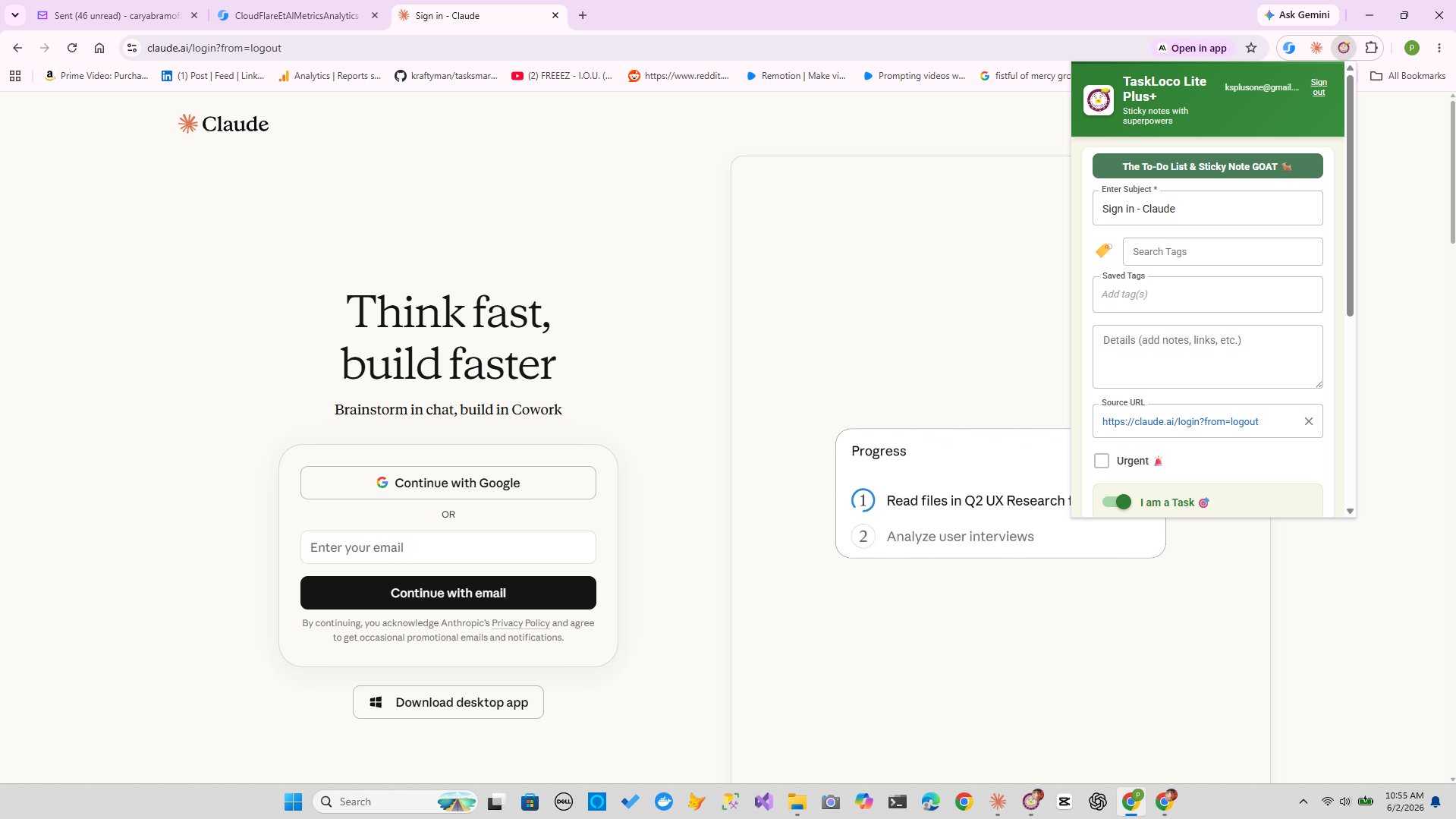
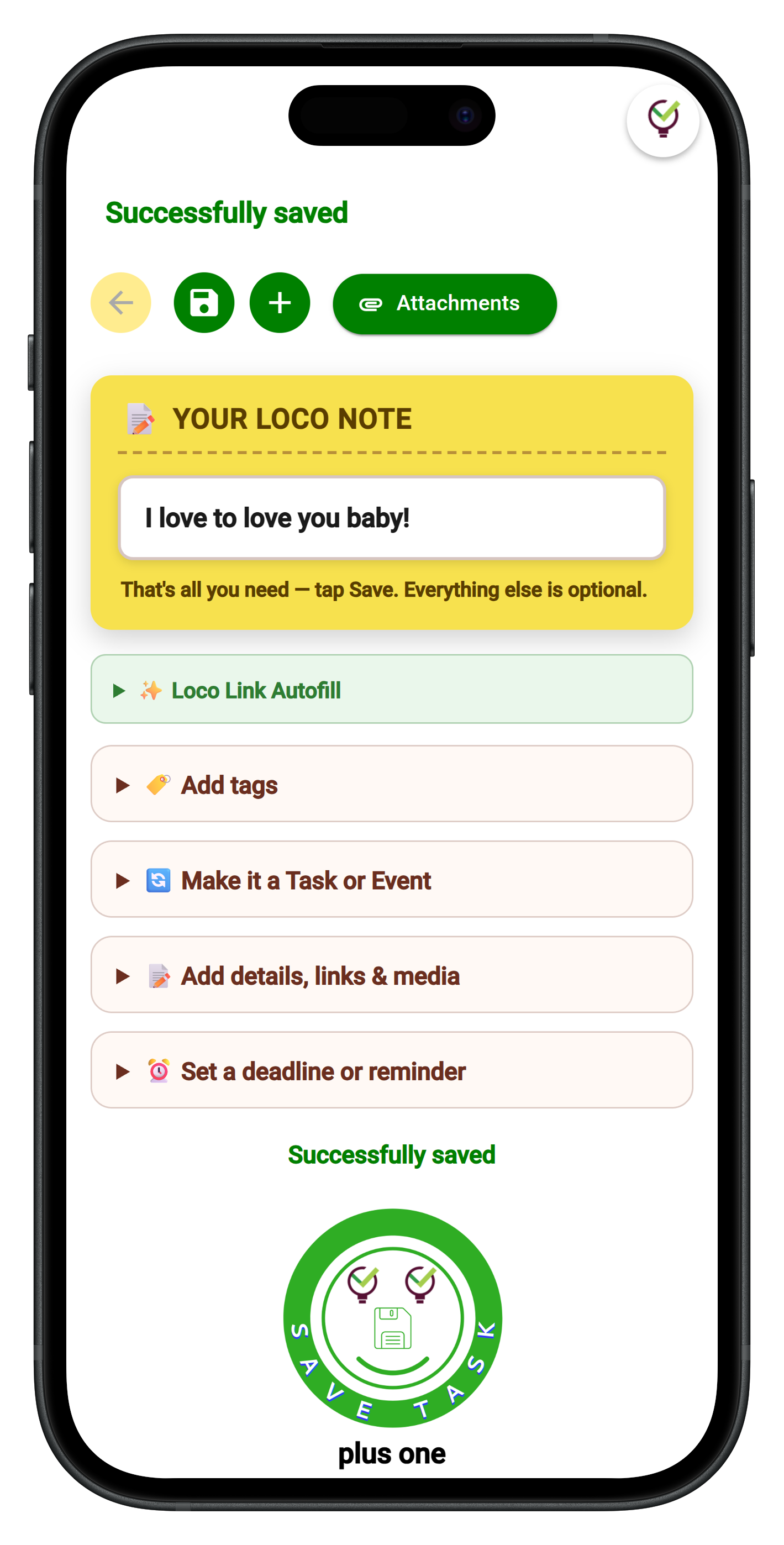
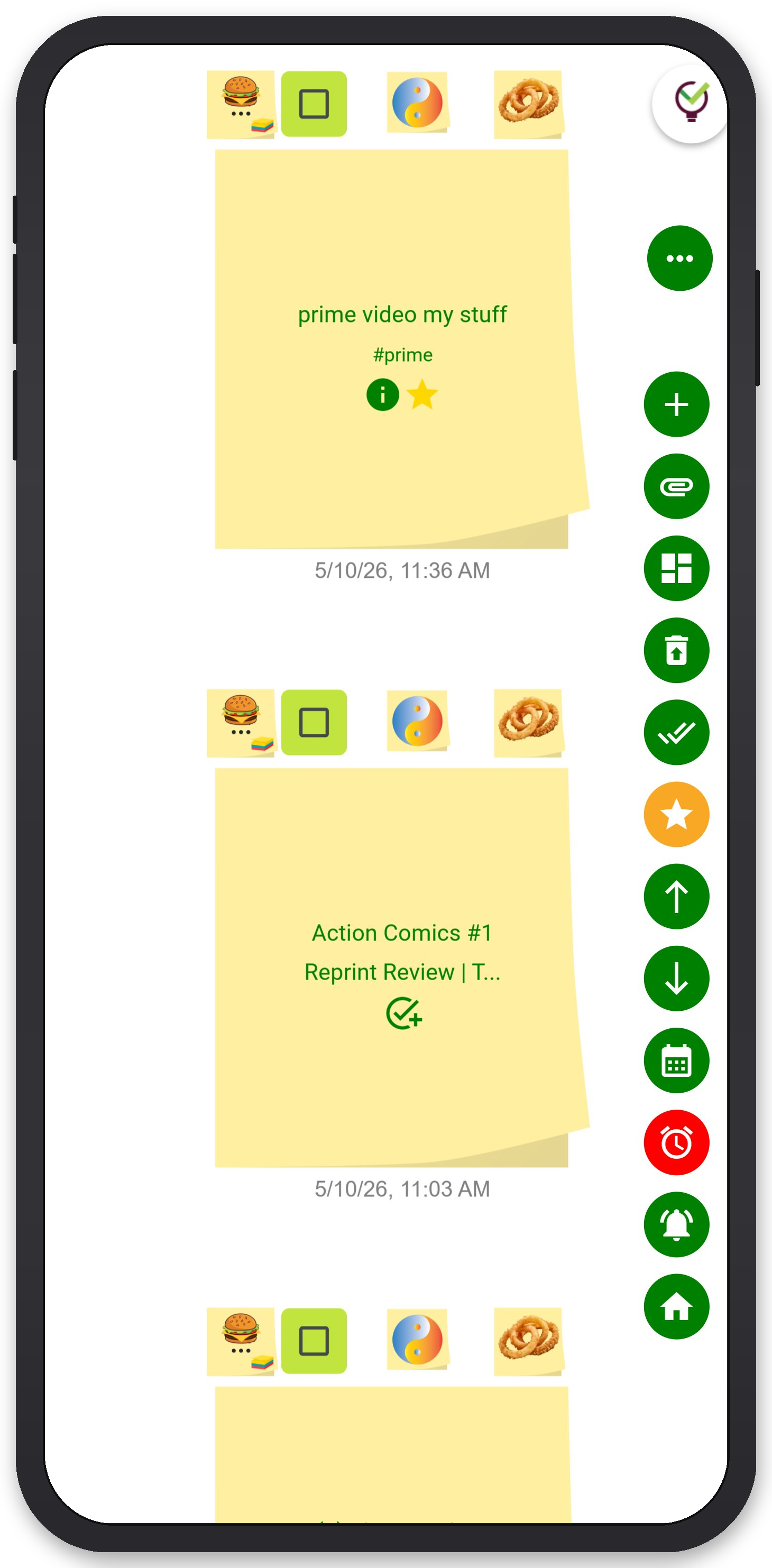
TaskLoco supports GTD principles through its sticky note interface that prioritizes capture speed over complex organization. The Chrome extension captures web pages, emails, and thoughts in one click, while the mobile interface ensures ubiquitous capture across devices.
The system handles GTD processing through its flexible note organization. Items can be quickly tagged, given context, and moved between projects without rigid hierarchies that slow down the clarification phase. File attachments support the reference storage that's essential to maintaining Inbox Zero email habits.
Reminders in TaskLoco deliver as push notifications with deep links back to the original note, maintaining the connection between calendar-based alerts and the full context needed for action. This supports the GTD principle that your reminder system should connect seamlessly to your reference and project materials.
TaskLoco Premium is regularly $9.99/month per person. Right now, charter members can lock in 50% off the regular price — forever. That means $4.99/month per person today. And if our price ever goes up, you still pay half. Always.
Code CHARTER50 auto-applies at checkout. First 500 spots only — once they're gone, this offer is gone permanently. Act fast while spots last.
Every Premium subscription includes unlimited notes, 10GB file storage, reminders, calendar, and team sharing. Each team member requires a separate subscription. 7-day free trial — no charge until day 8. Cancel anytime.
Free Options: TaskLoco
TaskLoco Lite
- Native iPhone & Android app
- Completely anonymous — no sign-in
- Data stays on your device
- Up to 20 notes
- Free forever
TaskLoco Lite Plus+
- Web app + Chrome extension
- Sign in with Google
- Wall syncs across all devices
- Up to 30 notes
- Free forever
Lock In 50% Off — Forever
7-day free trial. No charge until day 8. CHARTER50 auto-applies at checkout.
🔒 Lock In My Charter SpotSee TaskLoco in Action
Frequently Asked Questions
What's the difference between GTD and Inbox Zero?
GTD is a comprehensive methodology for managing all inputs and commitments, while Inbox Zero specifically focuses on email management. They complement each other — GTD provides the framework for processing decisions, and Inbox Zero applies those principles to prevent email from becoming an unmanaged task system.
Do I need a special app for GTD Inbox Zero?
You need a capture system that works at the speed of thought and integrates with your email workflow. The specific app matters less than having consistent habits for capturing, processing, and organizing inputs. Simple tools often work better than complex project management systems.
How do I process emails using GTD principles?
Apply the two-minute rule: if an email requires action that takes under two minutes, do it immediately. For longer tasks, capture the action in your GTD system and archive the email. For reference material, file it appropriately and remove it from your inbox. Delete or archive everything else.
What makes a good GTD capture tool?
Speed and ubiquity are essential. You should be able to capture thoughts within seconds on any device. The tool should sync across platforms and integrate with your email and web browsing workflow. Complexity that slows down capture defeats the purpose.
How do reminders work in a GTD system?
GTD reminders should trigger review of the full context, not just alert you to a deadline. Effective reminder systems link back to your project notes and reference materials so you have everything needed for action when the reminder triggers.
Can TaskLoco support GTD workflows?
TaskLoco's sticky note interface prioritizes capture speed and flexible organization that aligns with GTD principles. The Chrome extension enables quick capture from web and email sources, while file attachments support reference storage. $9.99/month per person (currently $4.99/month per person for first 500 charter members with code CHARTER50)
Why do complex productivity apps fail for GTD?
GTD succeeds through consistent habits, not complex features. Apps with elaborate setup requirements, rigid hierarchies, or slow capture workflows create friction that discourages actual use. The best GTD tools feel invisible — they support your thinking without demanding attention themselves.
Born in Brooklyn. Powered by AWS. Your data stays yours.
TaskLoco is available on iPhone, Android, Chrome, and every web browser.