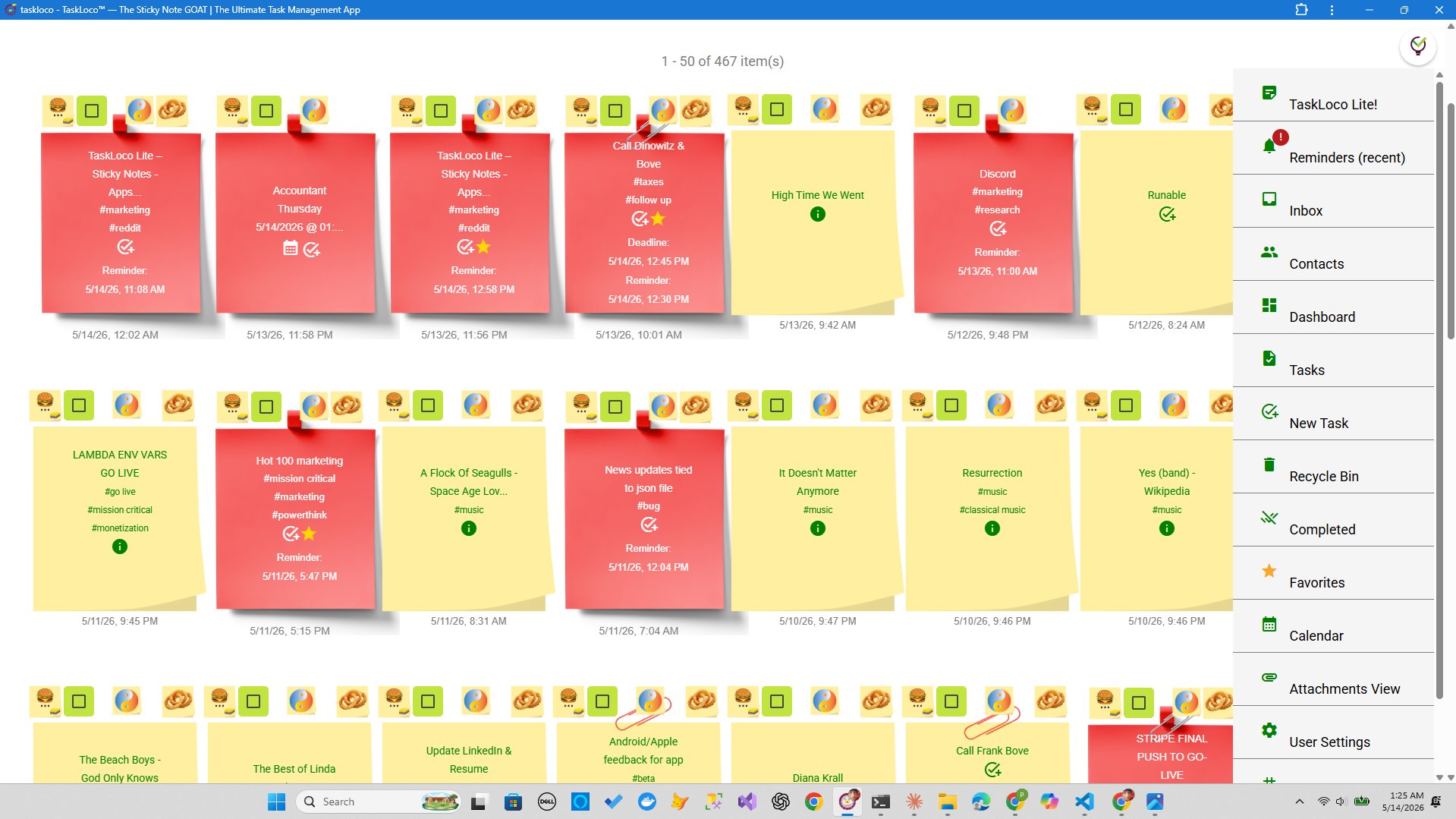
Most productivity advice tells you to pick a complex system and stick with it. But the best method isn't the most sophisticated — it's the one you'll actually use every day without friction.
The truth is, different people think differently. Visual learners need boards. Detail-oriented people need lists. Creative types need flexibility. The key is finding what matches how your brain naturally organizes information, then adding just enough structure to make it reliable.
What to Look for in a Productivity Method
Before diving into specific systems, consider these three core criteria that separate methods that stick from those that get abandoned:
Cognitive Load: The system should reduce mental effort, not increase it. If you spend more time managing the system than doing actual work, it's working against you. Look for methods that feel natural and don't require constant decision-making about where things go.
Capture Speed: Ideas and tasks hit you randomly throughout the day. The faster you can capture them without breaking your current flow, the more likely you'll trust the system. Methods requiring multiple steps or complex categorization often fail here.
Action Clarity: A good system makes it obvious what to do next. Whether through visual cues, time-based organization, or priority indicators, you shouldn't have to think hard about your next move.
Note-Taking vs Task Management: Why Not Both?
Most people get stuck choosing between free-form notes and structured task lists. Notes feel natural but lack accountability. Task managers provide structure but kill spontaneity.
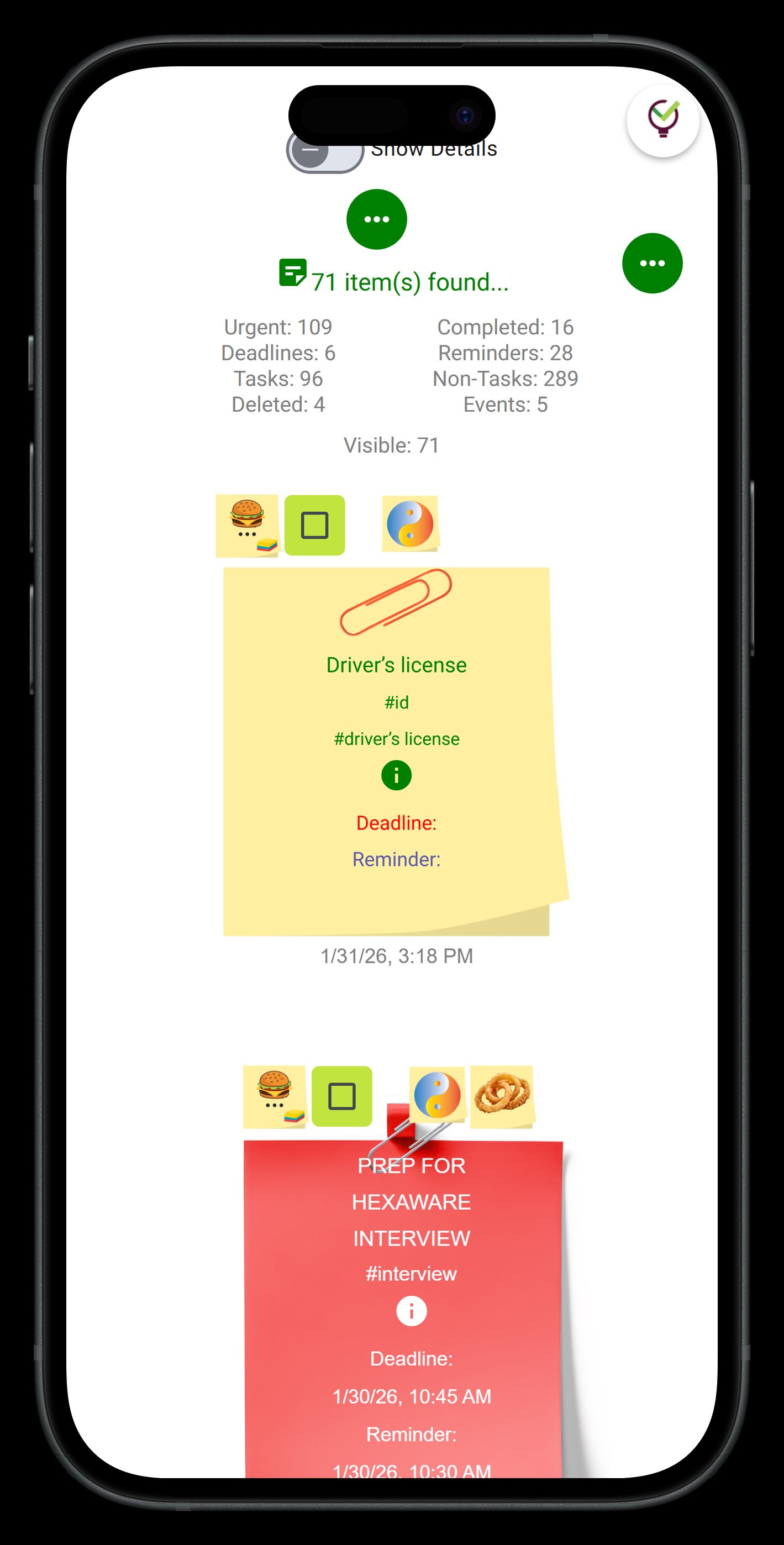
The solution isn't picking a side — it's finding a hybrid approach. Start with the flexibility of notes, then add structure where it helps. TaskLoco demonstrates this perfectly by treating every sticky note as both a thinking space and a potential action item.
When you write "Call dentist about appointment" on a note, that becomes a task the moment you add a reminder. No migration between systems, no reformatting — just natural progression from thought to action.
This approach works because it mirrors how we actually think. Ideas start messy and become structured through use. Fighting this natural flow creates friction that kills productivity systems.
Visual Organization: Your Desktop, Your Rules
Traditional productivity apps force you into their organizational structure — folders, projects, categories. But many people think spatially. They remember where they put things, not what category they assigned.
Visual organization mimics how we naturally arrange physical workspace. Important things go in obvious spots. Related items cluster together. Urgent tasks sit prominently until handled.
TaskLoco's wall view recreates this spatial thinking digitally. You position notes where they make sense to you, create visual groupings, and use space itself as an organizational tool. No forced hierarchies, no predetermined categories.
This approach reduces cognitive load because it leverages spatial memory — one of our strongest natural organizing systems. You spend less mental energy remembering your filing system and more on actual work.
Integration Without Complication
The productivity method that wins is the one that connects to everything else you do without adding complexity. Your notes need to work with your calendar, your files, your communication tools.
But integration often comes with bloat. Apps add features until they become Swiss Army knives — technically capable but clunky for basic use. The best approach integrates selectively, focusing on connections that genuinely save time.
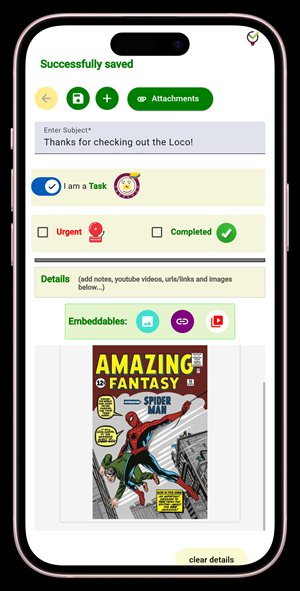
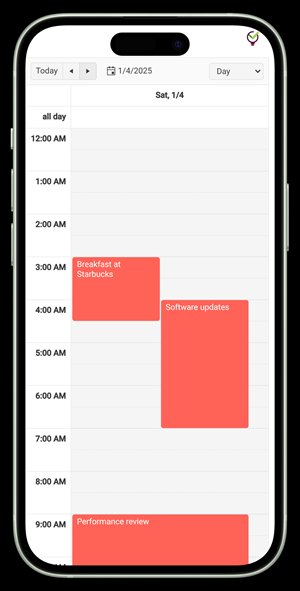
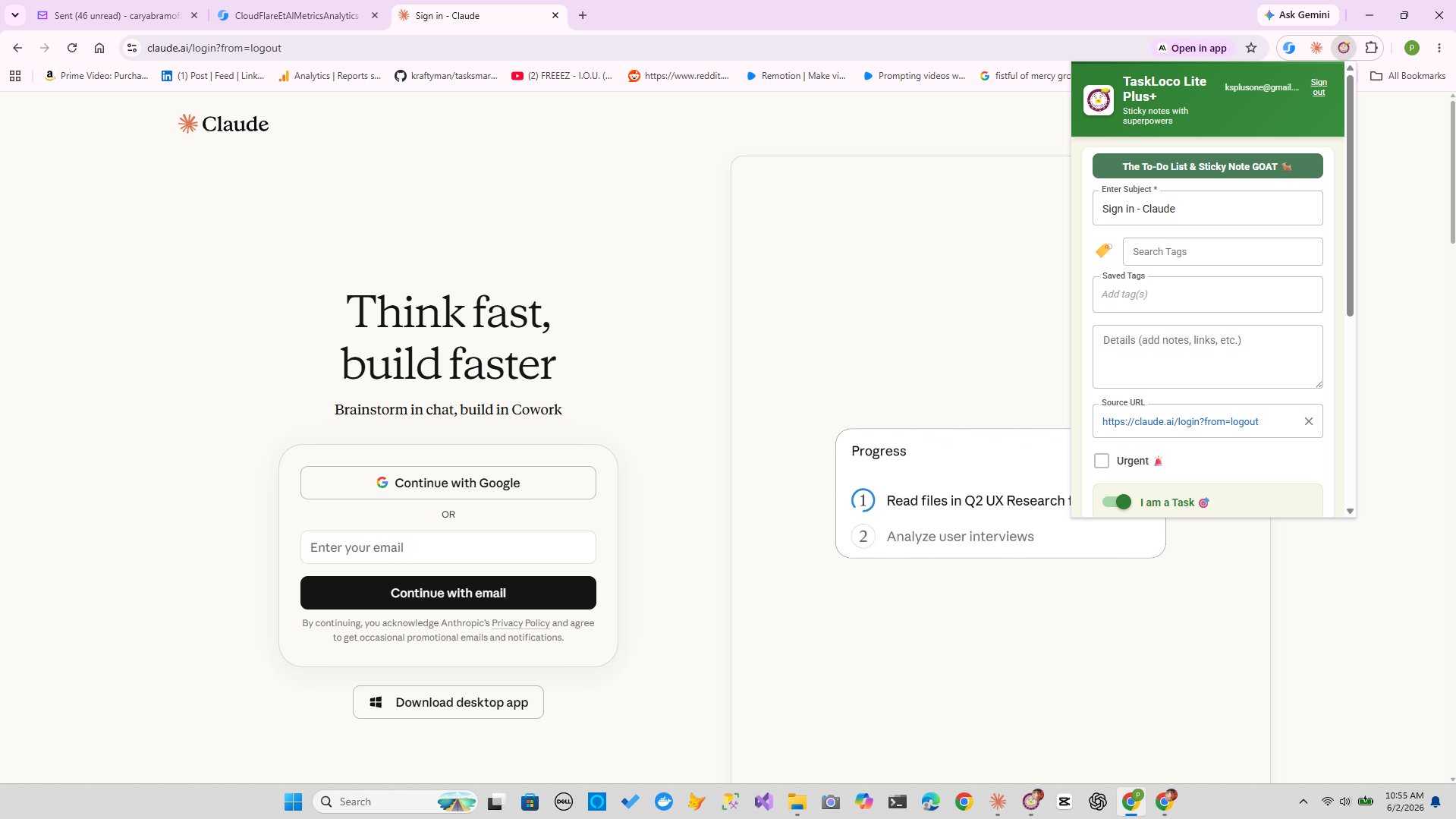
TaskLoco handles this by keeping the core experience simple while adding specific integrations that matter: Chrome extension for one-click web capture, file attachments that live with relevant notes, reminders that connect notes to your calendar without forcing you to duplicate information.
This selective integration philosophy means you get connectivity without complexity. The system grows more powerful as you use it, but never overwhelms beginners.
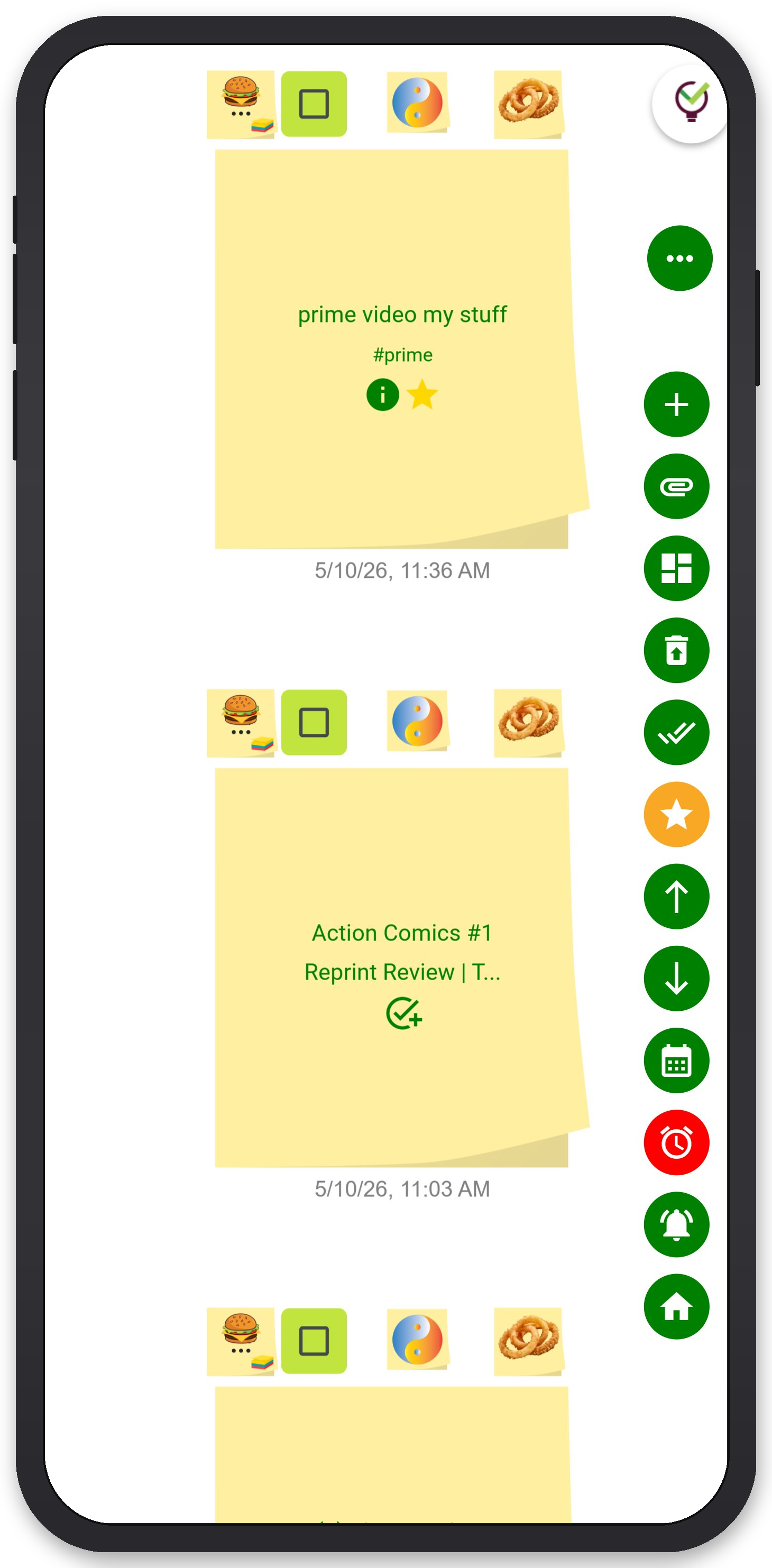
TaskLoco Premium is regularly $9.99/month per person. Right now, charter members can lock in 50% off the regular price — forever. That means $4.99/month per person today. And if our price ever goes up, you still pay half. Always.
Code CHARTER50 auto-applies at checkout. First 500 spots only — once they're gone, this offer is gone permanently. Act fast while spots last.
Every Premium subscription includes unlimited notes, 10GB file storage, reminders, calendar, and team sharing. Each team member requires a separate subscription. 7-day free trial — no charge until day 8. Cancel anytime.
Free Options: TaskLoco
TaskLoco Lite
- Native iPhone & Android app
- Completely anonymous — no sign-in
- Data stays on your device
- Up to 20 notes
- Free forever
TaskLoco Lite Plus+
- Web app + Chrome extension
- Sign in with Google
- Wall syncs across all devices
- Up to 30 notes
- Free forever
Lock In 50% Off — Forever
7-day free trial. No charge until day 8. CHARTER50 auto-applies at checkout.
🔒 Lock In My Charter SpotSee TaskLoco in Action
Frequently Asked Questions
What's the most effective productivity method for beginners?
Start with simple note-taking that can evolve into task management. Capture everything in one place first, then add structure like reminders and deadlines only where needed. This prevents system overwhelm while building sustainable habits.
How do I know if my current productivity method is working?
A working system feels effortless to maintain and makes your next action obvious. If you spend more than 10% of your time managing the system itself, or frequently forget to check it, the method isn't sustainable for your workflow.
Should I use digital or paper-based productivity methods?
Digital wins for search, reminders, file attachments, and team sharing. Paper wins for thinking and visual arrangement. Hybrid approaches like TaskLoco combine digital functionality with the visual flexibility of physical sticky notes.
How can I stick to a productivity method long-term?
Choose methods that match how you naturally think rather than forcing yourself into someone else's system. Start simple and add complexity gradually. The method should reduce mental load, not increase it.
What productivity method works best for visual learners?
Spatial organization systems work well — think digital sticky notes you can arrange visually, kanban boards, or mind mapping. TaskLoco's wall view lets you position notes spatially, leveraging visual memory for better organization.
How do I choose between note-taking and task management apps?
Look for systems that do both without forcing migration between modes. $9.99/month per person (currently $4.99/month per person for first 500 charter members with code CHARTER50) Your thoughts should flow naturally from notes to tasks without reformatting or switching tools.
What's the simplest productivity method that actually works?
Enhanced sticky notes — capture everything as notes, add reminders to time-sensitive items, attach relevant files. This builds on familiar behavior while adding just enough structure to prevent things from falling through cracks. $9.99/month per person (currently $4.99/month per person for first 500 charter members with code CHARTER50)
Born in Brooklyn. Powered by AWS. Your data stays yours.
TaskLoco is available on iPhone, Android, Chrome, and every web browser.