Every content team eventually hits the same wall. The editorial spreadsheet that started as a clean, three-column tab has mutated into a 47-column monster with color-coded cells, frozen rows, conditional formatting, and a comments thread that reads like an archaeological dig. Nobody knows which version is current. Somebody's working off last Tuesday's export. A blog post published last week still says "IN REVIEW" in column J.
A visual content calendar is the antidote — but only if it's actually visual. Not a grid of tiny text cells. Not a kanban board bolted onto a project manager. A real spatial layout where you can see your content pipeline the way a film director sees a storyboard: instinctively, in one sweep of the eye. This guide covers what that actually means, what to look for when you're choosing one, and why TaskLoco's sticky-note wall has become a genuine alternative to both the spreadsheet and the bloated scheduling tools that replaced it.
What to Look for in a Visual Content Calendar
Before recommending any tool, it's worth being clear about what a visual content calendar actually needs to do — because the category is flooded with products that get halfway there and stop.
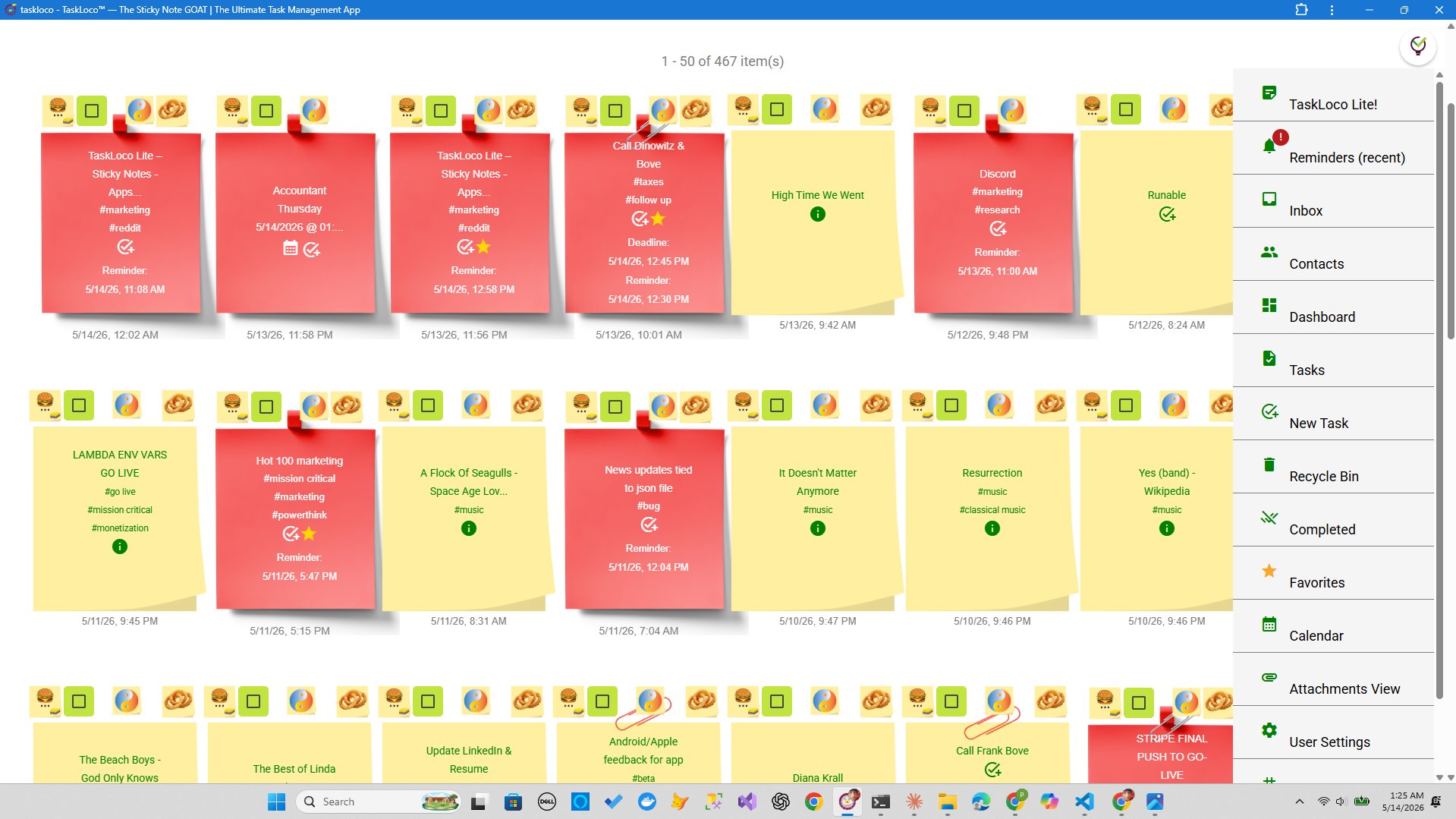
1. True visual layout, not just a list with colors. The whole point of going visual is spatial awareness. You should be able to see a week or a month of content at a glance and immediately spot gaps, clusters, and bottlenecks — without reading every cell. If the "visual" part is just a color-coded row in a table, you haven't escaped the spreadsheet; you've redecorated it.
2. Content and assets live together. A content calendar that only holds titles and dates forces your team to context-switch constantly — jumping to Google Drive for the brief, Slack for the draft link, email for the final approval. The best tools let you attach the brief, the images, the copy draft, and the approval notes directly to the calendar item itself. Everything for one piece of content in one place.
3. Reminders that actually interrupt you. A deadline that lives only in a spreadsheet cell is a deadline that gets missed. An effective content calendar needs to push reminders to you — on your phone, on your desktop — before the moment has passed. Bonus points if that reminder takes you directly to the content item, not just to a generic dashboard where you have to search for what triggered the alert.
Secondary criteria worth evaluating: team sharing that doesn't require IT to configure permissions, cross-device sync so the calendar is current whether you're at your desk or on your phone's browser, and a free entry point so the whole team can evaluate it before committing.
Why TaskLoco's Wall Is Built for Content Planning
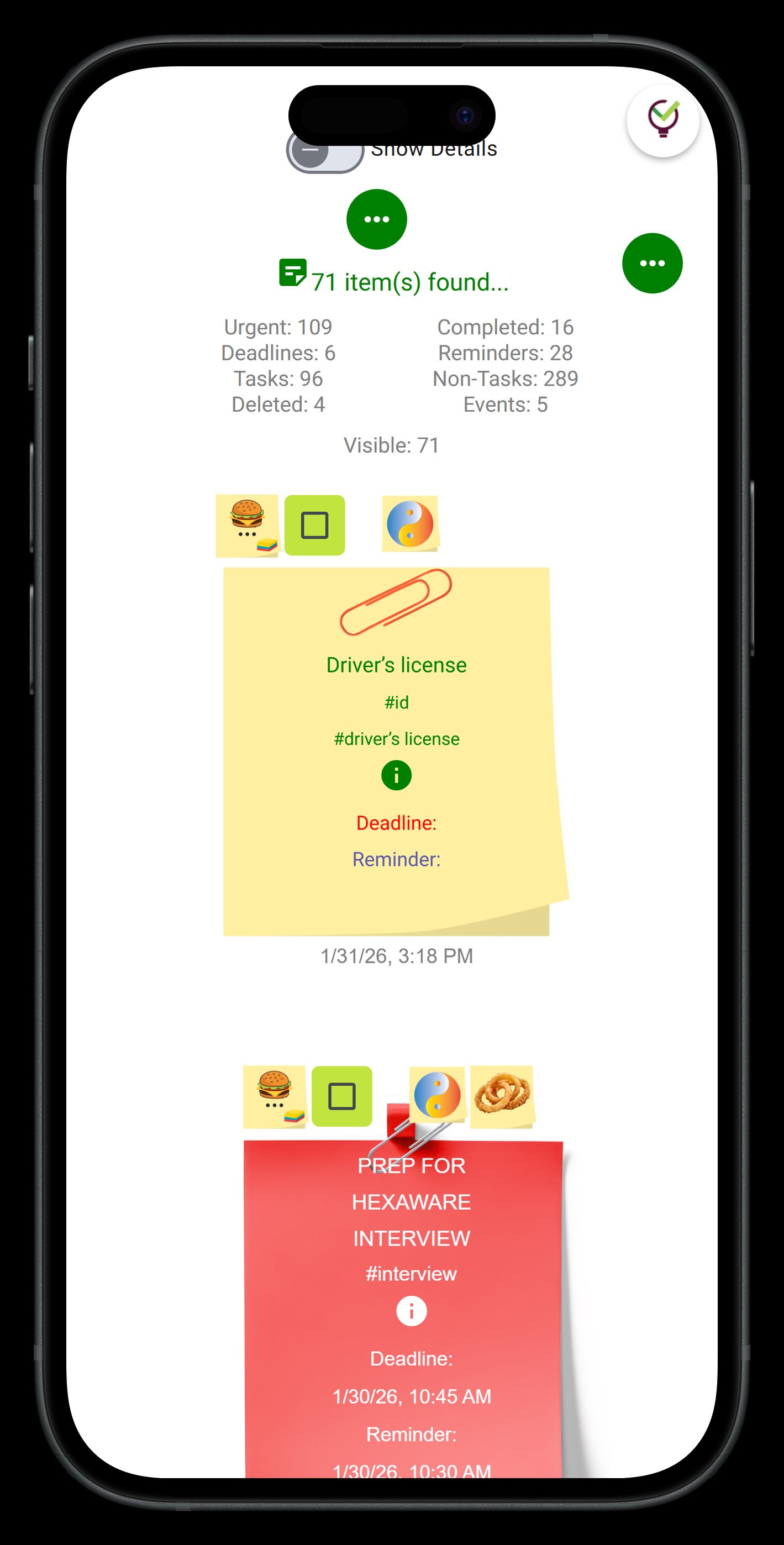
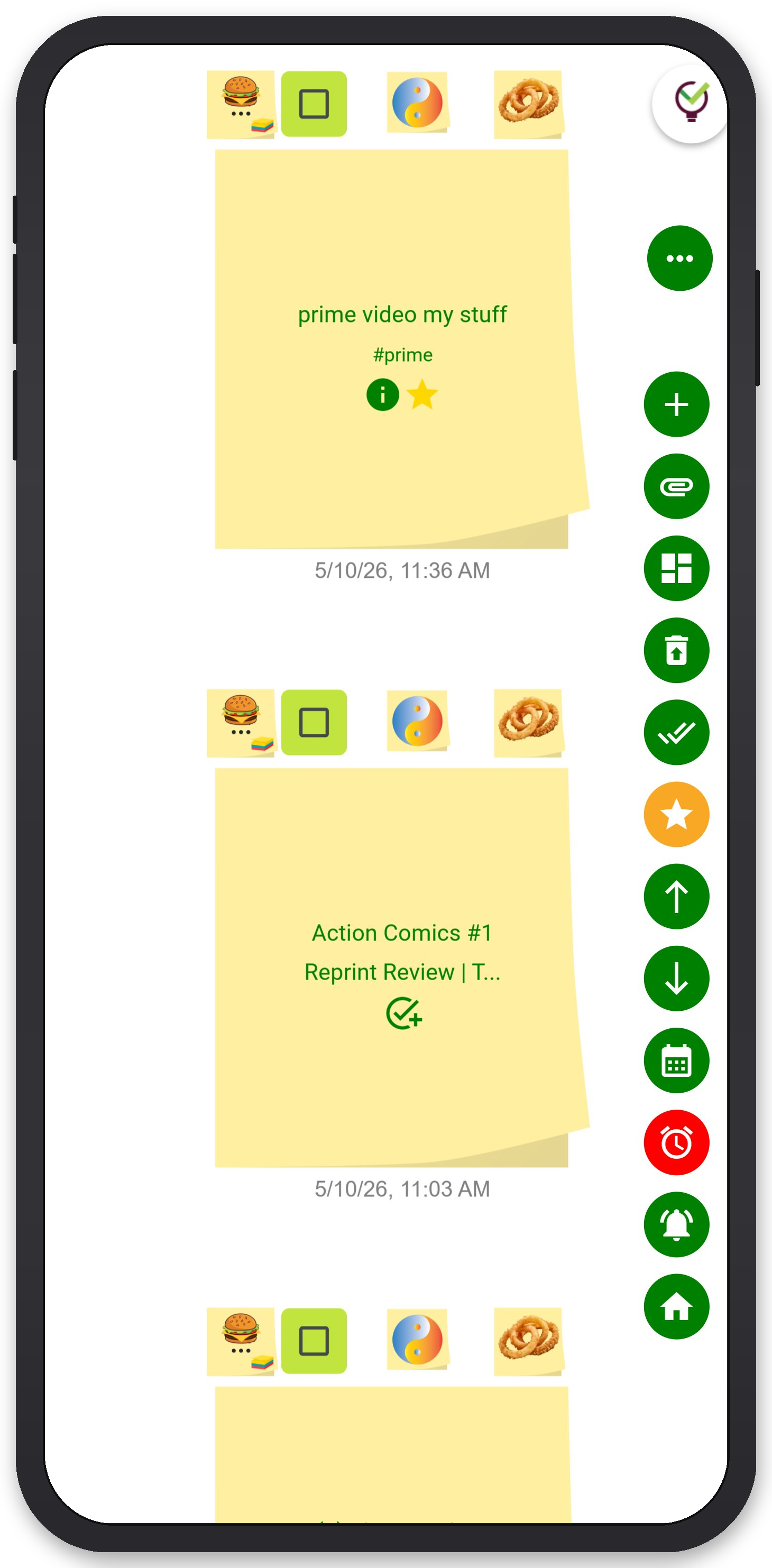
TaskLoco's core metaphor is a wall of sticky notes — and for content planning, that metaphor is unusually well-matched to the actual job. Each sticky note is a content item. Each column is a stage (Idea, Writing, Review, Scheduled, Published) or a date range. You drag notes across the wall as status changes. The whole pipeline is visible without scrolling, filtering, or opening a separate view.
What separates it from a whiteboard or a basic kanban tool is what lives inside each note. Attach the creative brief, the hero image, the keyword research doc, the client approval — all directly to the note, with 10GB of file storage included in Premium. The note IS the content item's home base, not just a pointer to files scattered across other apps.
Reminders that deep-link back to the note. This is the detail that actually matters in a deadline-heavy content workflow. When TaskLoco sends a reminder push notification — to your phone or your computer — tapping it opens that exact note. Not the app home screen. Not a list of all your notes. The specific brief, the specific deadline, the specific asset. That's the difference between a reminder that helps and one that adds a navigation step when you're already rushed.
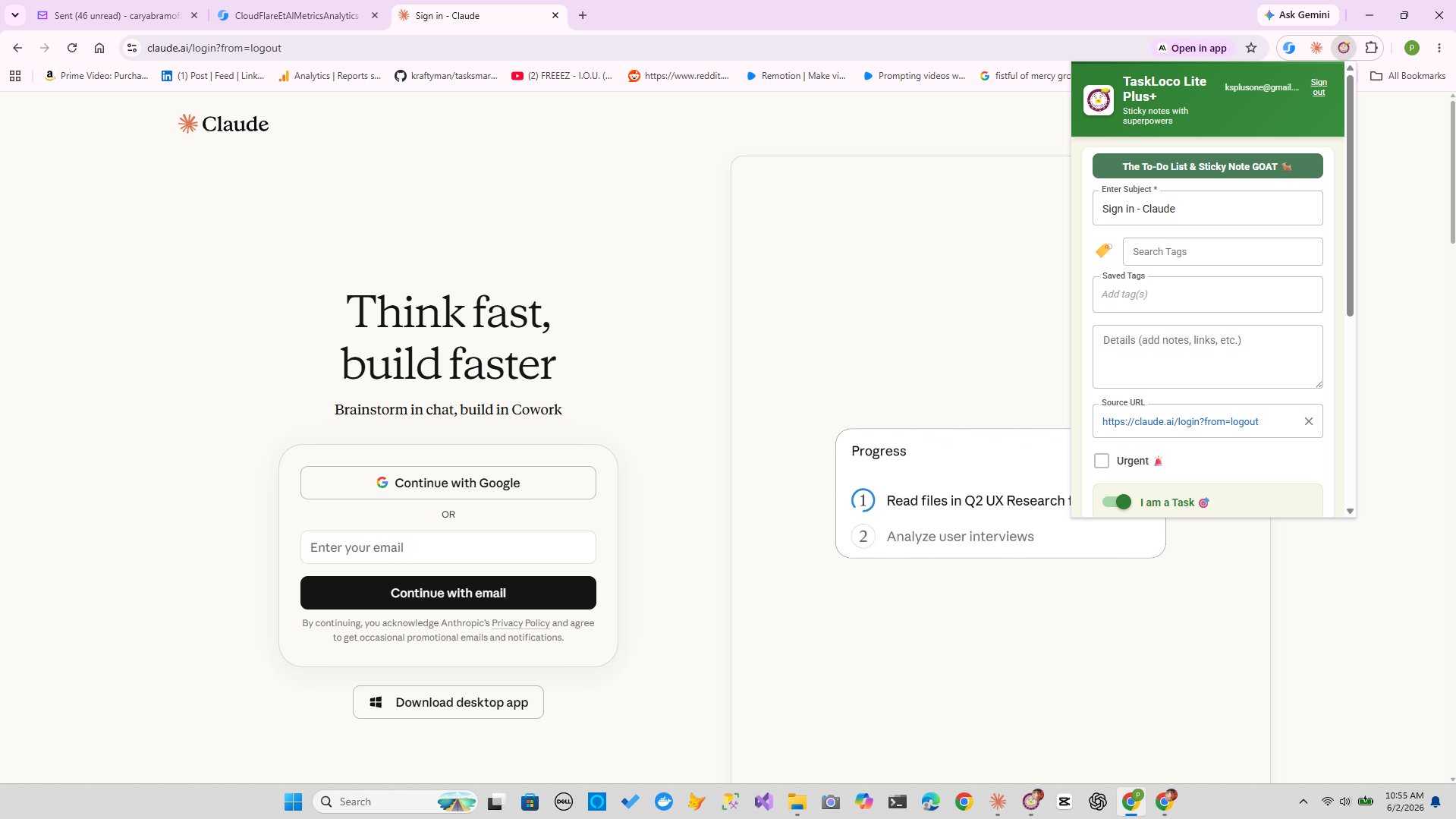
The Chrome extension adds another layer that content teams specifically appreciate. One click captures any webpage — a competitor article, a trending topic, a reference source — directly into a new note. You can grab inspiration from anywhere on the web and it lands in your content wall without copying, pasting, or tab-switching.
Files, Photos, and the Chaos of Content Assets
The hidden cost of a spreadsheet-based content calendar isn't the spreadsheet itself — it's the asset sprawl that grows around it. The brief is in Notion. The photos are in a shared Drive folder nobody organized. The approved copy is in a Google Doc that has seventeen suggested edits still pending. The finished files are in Dropbox. The spreadsheet links to all of them, and half the links are broken.
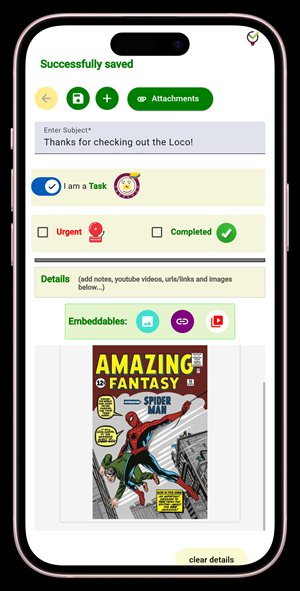
TaskLoco Premium's 10GB file storage per person is designed to collapse that sprawl. Attach images directly to a note and they display inline — you can see the visual without downloading it. Attach documents, PDFs, copy drafts, brand assets — they travel with the note everywhere. When you share the note with a teammate, they get the attachments too. The content item and everything belonging to it are inseparable.
For teams producing visual content — social media, video thumbnails, blog headers, ad creatives — the ability to embed photos directly in the note changes the review workflow. Instead of sending a Dropbox link and waiting for someone to open it, the image is right there in the note. Feedback lives next to the asset, not in a separate Slack thread three days later.
How TaskLoco Compares
| Feature | TaskLoco | Spreadsheet-based content calendars |
|---|---|---|
| Visual wall / spatial layout | Sticky-note wall — full spatial, drag-and-drop layout | Grid rows and colored cells — spatial layout limited |
| File attachments inside calendar items | 10GB file storage per person — attach directly to any note | Usually external links only — files live elsewhere |
| Inline image display | Images embed and display inside notes | Typically link-only — must open separately |
| Deadline reminders | Push notifications to phone and computer — deep-link to the note; optional email and SMS | Email alerts only — no push notifications, no deep link |
| Reminder deep-links to the exact content item | Yes — tap the notification, land on the note | No — links to general dashboard |
| Team sharing | Yes — included with Premium. Each team member requires a separate subscription — currently $9.99/month per person, but TaskLoco is offering a Charter Member special: 50% off for life, currently $4.99/month per person for the first 500 subscribers with code CHARTER50. | Shared edit access with permission levels to configure |
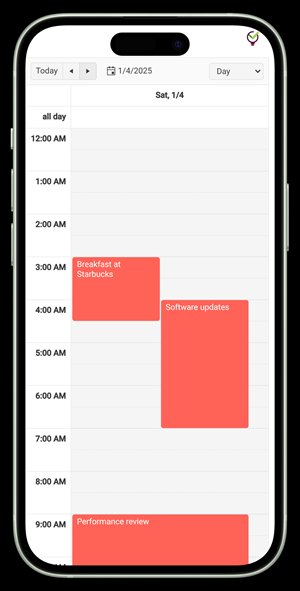
| Calendar view | Built into Premium | Varies — often an add-on or separate view |
| Chrome extension for content capture | One-click capture of any webpage — free with all tiers FREE | Rarely included — usually requires copy/paste |
| Free tier available | Two free tiers: Lite (20 notes, device-only) and Lite Plus+ (30 notes, synced) FREE | Limited or time-gated free trial only |
| Cross-device sync | Lite Plus+ and Premium sync across all devices FREE | Usually paid-only feature |
| Native mobile app | TaskLoco Lite only (anonymous, 20 notes, no sync) — Premium is web app via browser | Native mobile app often available with full features |
| Unlimited notes and calendar events | Unlimited with Premium | Often capped or tiered |
| Extra storage add-ons | 10GB / 50GB / 200GB / 1TB tiers, stackable to 100x | Fixed storage per plan, rarely stackable |
| Full-text search across notes | Full-text search across all notes and attachments | Search available but varies by plan |
| Gantt charts / project dependencies | Not available | Available in some dedicated project management tools |
| API / third-party integrations | Limited integrations | Extensive integrations in many competing tools |
| 7-day free trial (Premium) | Yes — no charge until day 8, cancel anytime FREE | Varies — often shorter or requires credit card upfront |
Who Should Use Each
Use TaskLoco if…
- You want a genuinely visual layout — a wall you can scan in seconds, not a spreadsheet with colored columns
- You need content briefs, images, and assets attached directly to each calendar item — not scattered across Drive and Dropbox
- You want reminders that push to your phone and desktop and deep-link directly to the content item when tapped
- Your team shares notes the way they share emails — no IT setup, no permission tiers, no access control headaches
- You want to capture inspiration from the web with one click and have it land in your content wall instantly
- You need scalable file storage — from 10GB up to terabytes — without switching tools
Use Spreadsheet-based content calendars if…
- You need Gantt charts, project dependencies, or timeline views for complex multi-phase productions
- Your organization requires enterprise SSO or compliance certifications
- You depend on deep API integrations with dozens of third-party tools in your existing stack
- You need a native mobile app with full feature parity including reminders and team features — TaskLoco's native app is a lightweight, anonymous note-taker only
TaskLoco Premium is regularly $9.99/month per person. Right now, charter members can lock in 50% off the regular price — forever. That means $4.99/month per person today. And if our price ever goes up, you still pay half. Always.
Code CHARTER50 auto-applies at checkout. First 500 spots only — once they're gone, this offer is gone permanently. Act fast while spots last.
Every Premium subscription includes unlimited notes, 10GB file storage, reminders, calendar, and team sharing. Each team member requires a separate subscription. 7-day free trial — no charge until day 8. Cancel anytime.
Free Options: TaskLoco
TaskLoco Lite
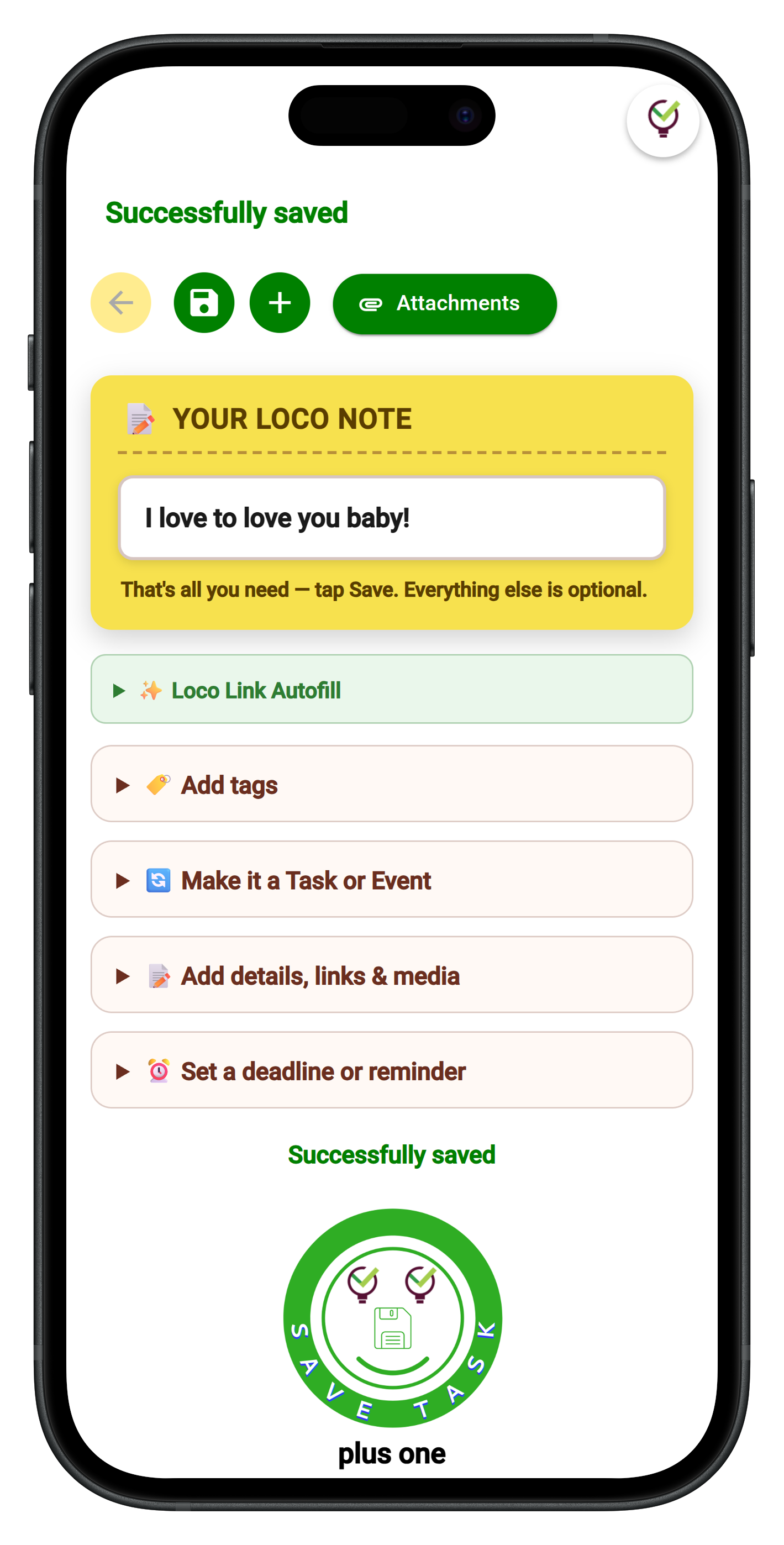
- Native iPhone & Android app
- Completely anonymous — no sign-in
- Data stays on your device
- Up to 20 notes
- Free forever
TaskLoco Lite Plus+
- Web app + Chrome extension
- Sign in with Google
- Wall syncs across all devices
- Up to 30 notes
- Free forever
Lock In 50% Off — Forever
7-day free trial. No charge until day 8. CHARTER50 auto-applies at checkout.
🔒 Lock In My Charter SpotSee TaskLoco in Action
Frequently Asked Questions
What is a visual content calendar and how is it different from a spreadsheet?
A visual content calendar gives you a spatial layout — typically a wall, board, or grid where each content item is a card or note you can see and move at a glance. A spreadsheet is a data table: powerful for sorting and filtering, but not designed for visual scanning. The key difference is speed of comprehension. On a visual calendar, you see gaps, clusters, and status changes instantly. On a spreadsheet, you have to read every row to understand the same information. For content teams managing multiple channels and frequent deadlines, that difference compounds quickly.
Does TaskLoco work as a content calendar or is it just a note-taking app?
TaskLoco is built on sticky notes, but the wall layout maps directly to how content teams think about a pipeline: columns for stages or dates, notes for individual pieces of content, drag-and-drop to move items as status changes. Add file attachments for briefs and assets, reminders delivered as push notifications that deep-link back to the specific note, and team sharing that works like forwarding an email — and you have a content calendar that's faster to set up and easier to maintain than most dedicated tools.
Can my whole content team use TaskLoco together?
Yes. Team sharing in TaskLoco Premium works by sharing individual notes — the recipient gets their own clone of the note to work with, no permissions to configure. Each team member needs their own Premium subscription. That means each person gets their own wall, their own 10GB of file storage, their own reminders, and their own calendar view. The team isn't sharing one account; each person has their own full workspace and shares notes between them as needed.
How do reminders work in TaskLoco for content deadlines?
TaskLoco Premium reminders are delivered as push notifications to your phone and computer. The key feature for content teams is the deep link: tapping the notification opens the exact note — the brief, the assets, the deadline — not a generic dashboard. Optional email notifications are also available at no extra charge, and SMS notifications are available as an optional add-on.
What's the best free option in TaskLoco for a solo content creator?
It's the web app and Chrome extension tier — sign in with Google, get up to 30 notes that sync across all your devices, and use the Chrome extension to capture any webpage in one click. It doesn't include reminders, file attachments, or team sharing, but for a solo creator with a manageable pipeline it's a fully functional free tool. When you outgrow 30 notes or need reminders and file storage, Premium is the next step with a 7-day free trial included.
Can I attach images and creative assets directly to content calendar items in TaskLoco?
Yes — and they display inline, not as download links. Attach images, PDFs, documents, audio files, or any other asset directly to a note in TaskLoco Premium. Images show up inside the note without downloading. Each Premium subscription includes 10GB of file storage, with add-on tiers available up to 1TB if you're managing large video files or extensive asset libraries. When you share a note with a teammate, the attachments travel with it.
What's the pricing for TaskLoco Premium?
$9.99/month per person (currently $4.99/month per person for first 500 charter members with code CHARTER50)
Born in Brooklyn. Powered by AWS. Your data stays yours.
TaskLoco is available on iPhone, Android, Chrome, and every web browser.