You've been there. You discover a new productivity system, set it up perfectly, use it religiously for two weeks, then gradually abandon it. Within a month, you're back to scattered notes and missed deadlines, wondering why you can't stick to anything.
This isn't a willpower problem. It's a design problem. The most popular productivity systems are built for ideal conditions that don't exist in real life. They collapse under the weight of their own complexity, leaving you feeling like a productivity failure when the real failure is the system itself.
The Complexity Death Spiral
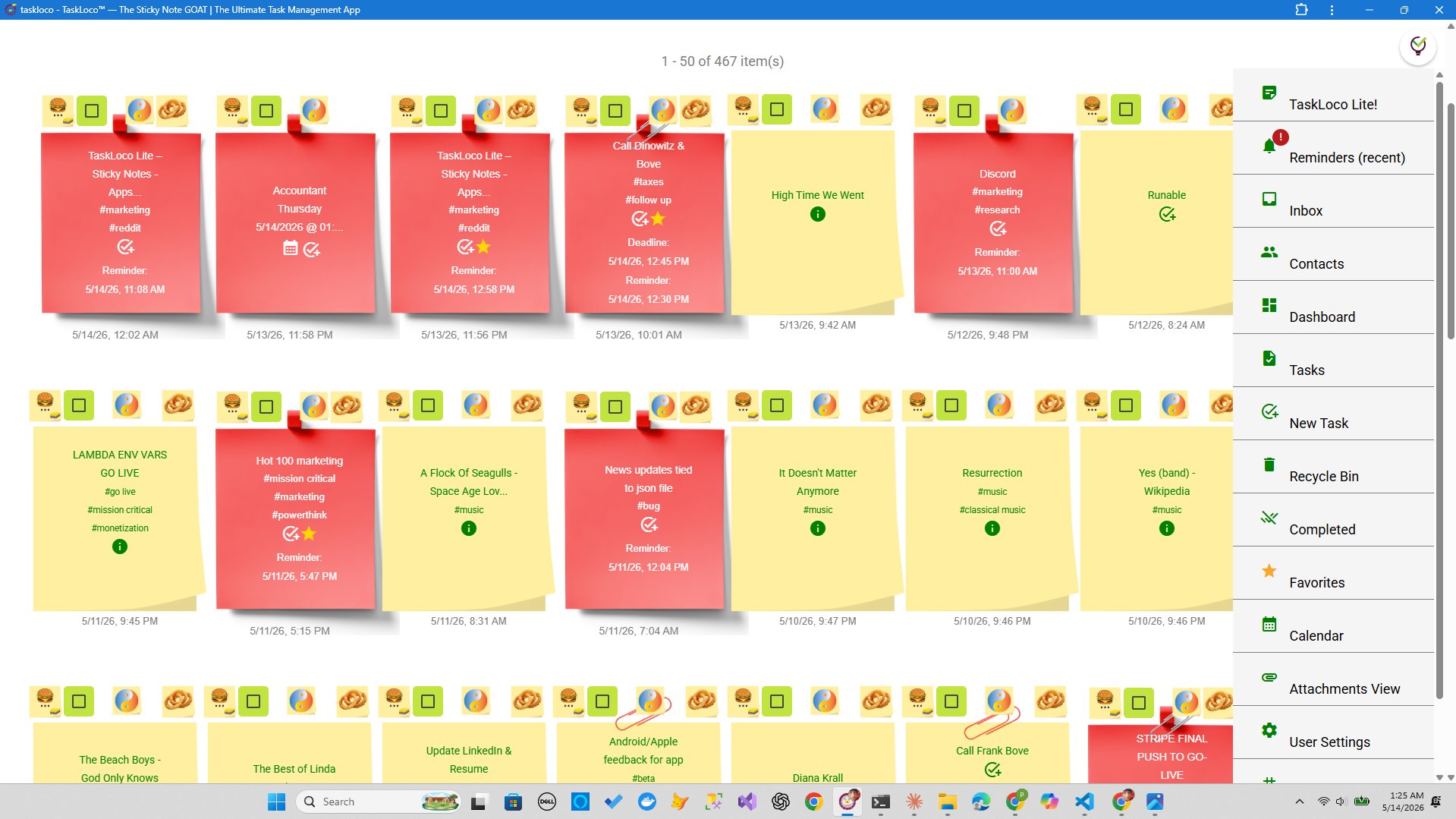
The first killer of productivity systems is complexity. Most systems require you to categorize every task, assign priority levels, set up elaborate folder structures, and maintain multiple views. This works great in theory, but falls apart when life gets messy.
When you're stressed or busy — precisely when you need your system most — you don't have mental bandwidth for complex decisions. Do I file this under 'Projects' or 'Someday Maybe'? Is this a priority 1 or priority 2? Which of my seventeen tags applies here?
Simple systems survive because they reduce friction. When capturing a thought takes thirty seconds instead of three minutes, you actually use the system. When finding information requires one click instead of navigating through multiple menus, you trust the system. Complexity is the enemy of consistency.
The Willpower Trap
Most productivity systems depend on willpower to maintain themselves. They assume you'll always have the discipline to review your weekly goals, update your project statuses, and keep your inbox at zero. This is backwards thinking.
Willpower is a finite resource that depletes throughout the day. By afternoon, when your mental energy is low, maintaining your elaborate system feels like work. You start skipping the daily reviews. You let items pile up in your inbox. You stop updating project statuses.
Sustainable systems work with your natural behavior patterns, not against them. They should require less discipline over time, not more. The best productivity habits are the ones that feel effortless after a few weeks.
This means designing for your worst days, not your best ones. What happens when you're tired, distracted, or overwhelmed? Your system needs to function even when you're operating at 60% capacity.
The Perfect World Fallacy
Traditional productivity advice assumes perfect conditions: uninterrupted time blocks, predictable schedules, and rational decision-making. Real life includes sick kids, emergency meetings, technical failures, and emotional roller coasters.
Systems that require perfect conditions to function aren't systems — they're fantasies. You need something that works when your laptop crashes, when you're traveling without internet, when urgent requests blow up your carefully planned day.
Resilient systems have these characteristics: they capture information quickly in imperfect conditions, they surface important items automatically without manual review, and they gracefully handle interruptions without losing data.
This means building redundancy into your capture methods. It means designing for mobile-first scenarios. It means assuming you'll forget to check things regularly and building automatic reminders. The system should work for you, not the other way around.
Building Systems That Actually Stick
The productivity systems that survive long-term share three characteristics: they're stupidly simple to use, they adapt to your existing habits, and they provide immediate value.
Start with one central place for everything. Not separate apps for tasks, notes, and calendar. One place. This eliminates the mental overhead of deciding where something goes and reduces the number of places you need to check.
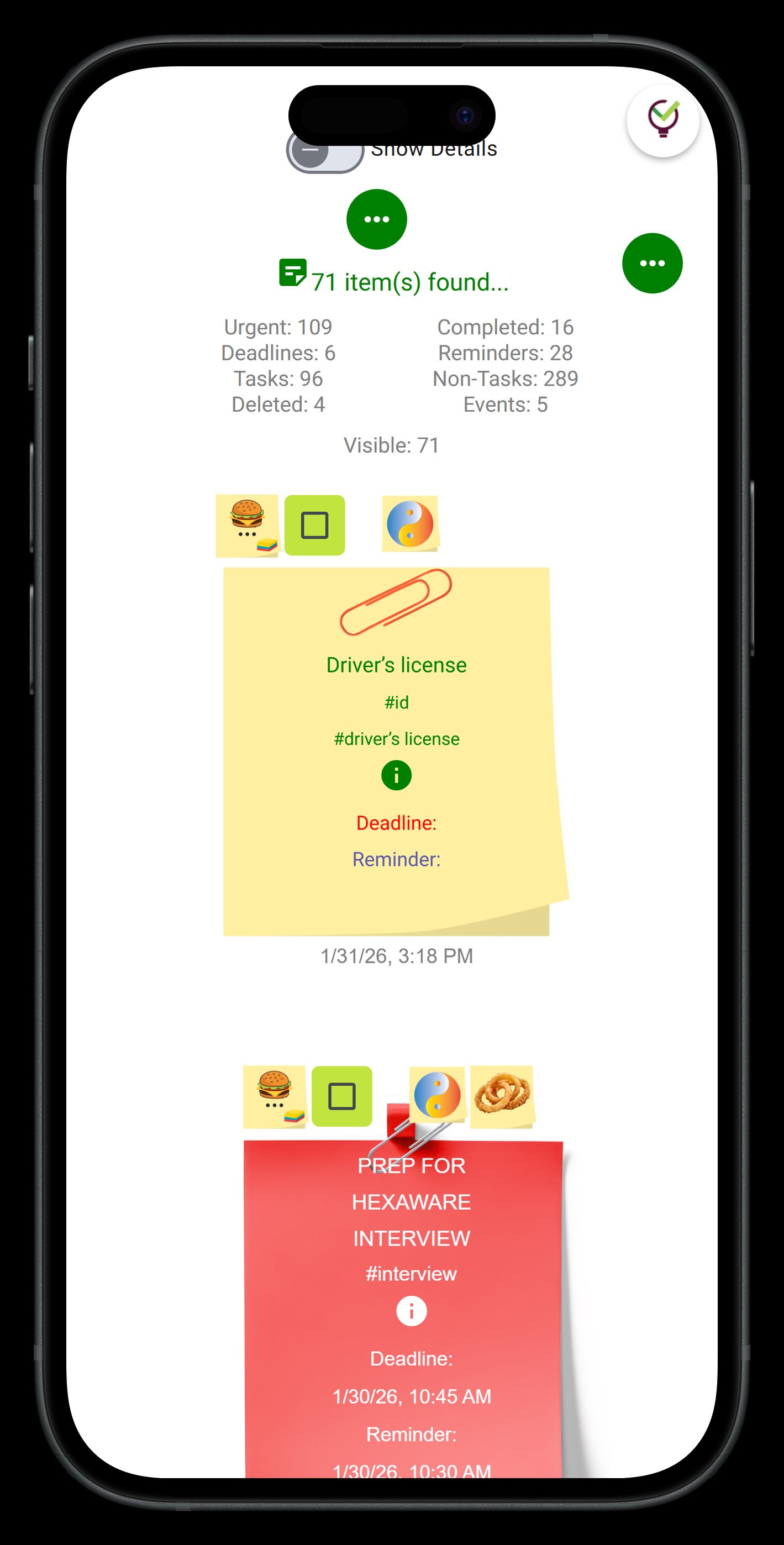
Make capture instant and frictionless. You should be able to dump thoughts into your system in under ten seconds, whether you're at your desk or walking down the street. If it takes longer, you won't do it consistently.
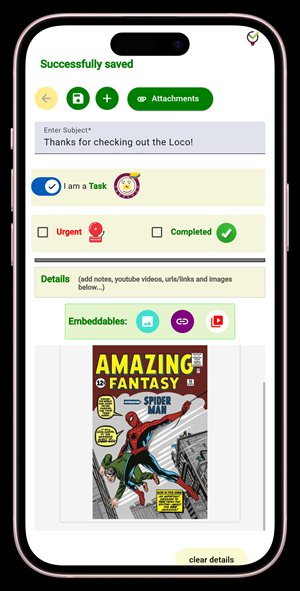
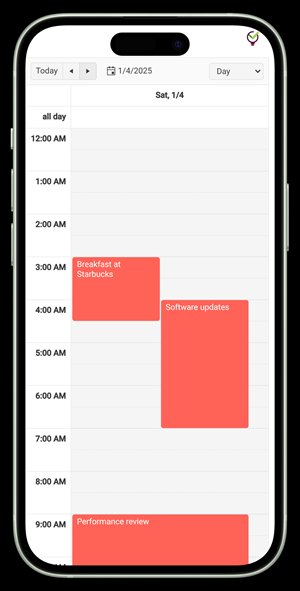
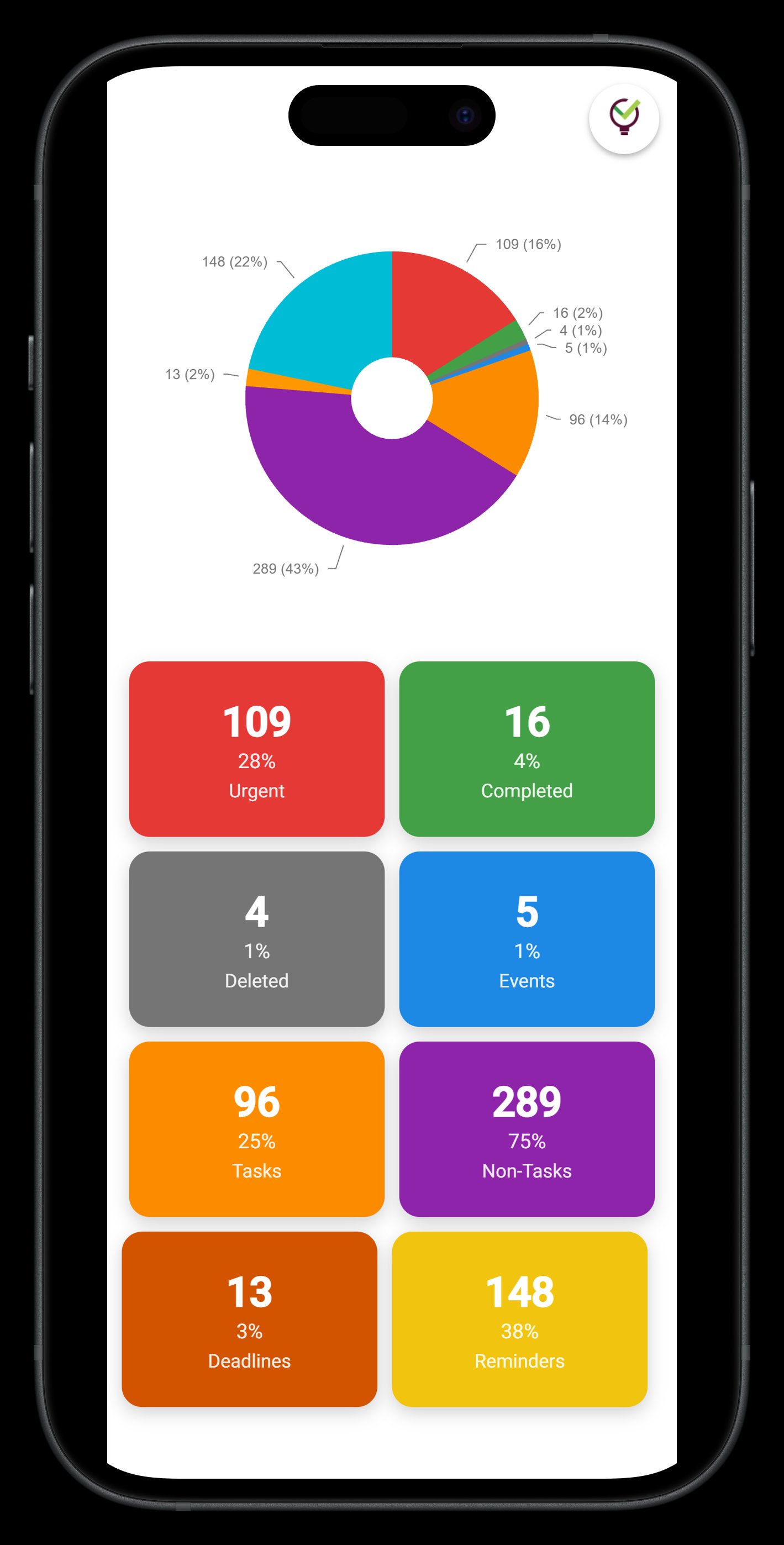
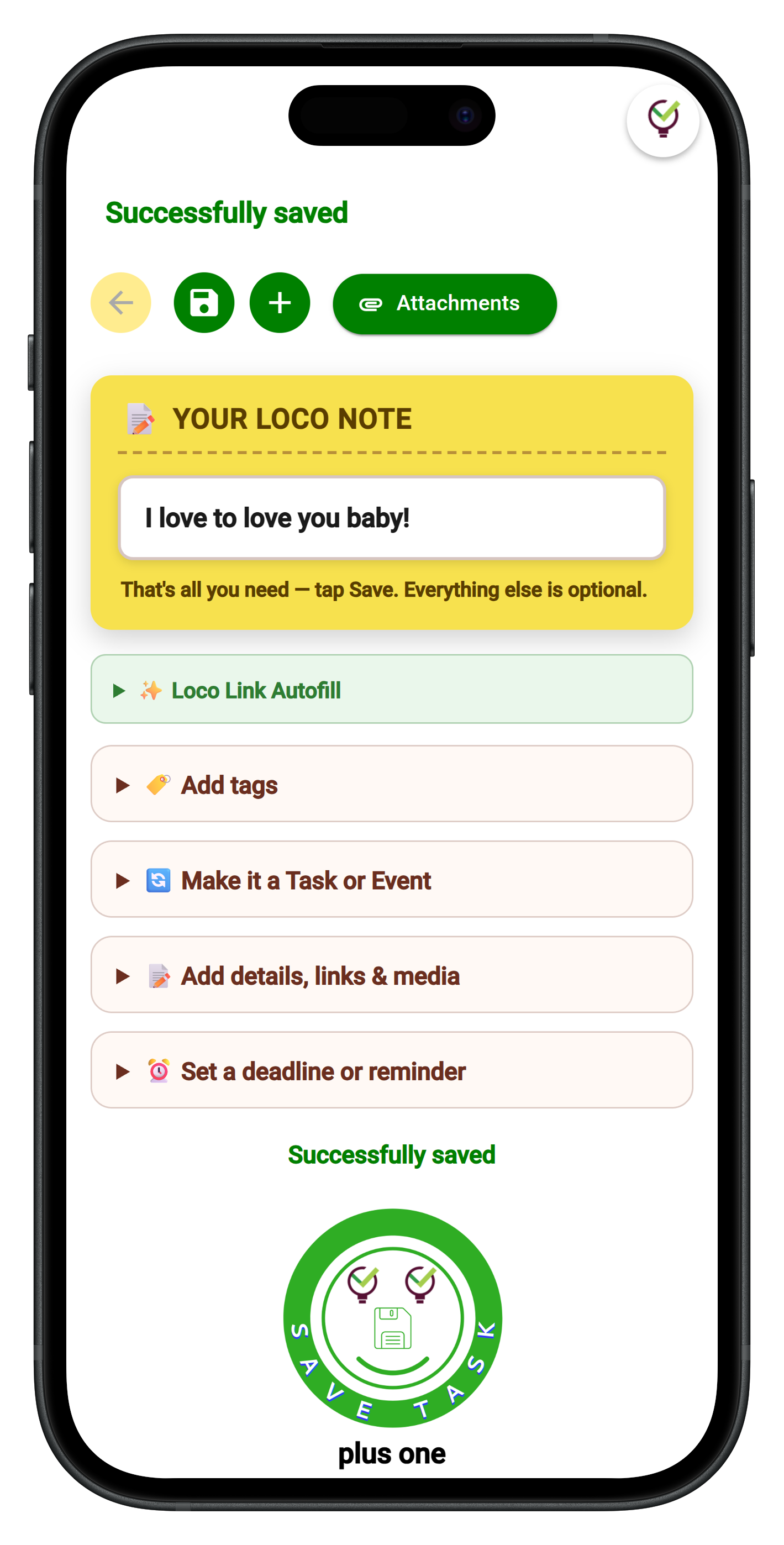
For example, TaskLoco was built around this philosophy. Everything lives in one place — notes, tasks, reminders, files, calendar events. Capture is instant from any device. The system works the same way whether you're using it on desktop or mobile, and it doesn't require you to maintain elaborate categories or processes.
The key is starting simple and staying simple. Add complexity only when the current system genuinely can't handle what you need. Most people do the opposite — they start complex and try to simplify later, which never works.
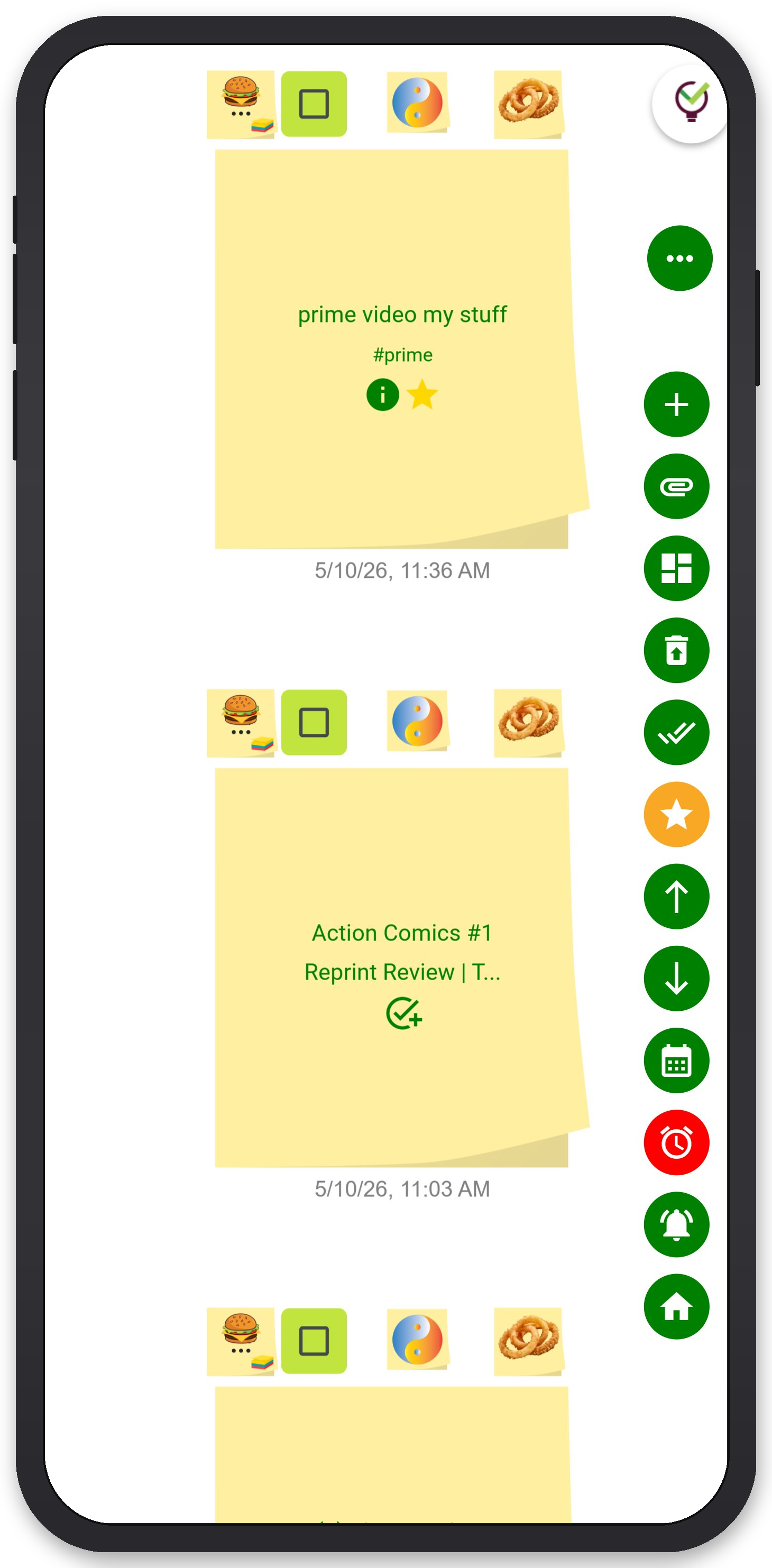
TaskLoco Premium is regularly $9.99/month per person. Right now, charter members can lock in 50% off the regular price — forever. That means $4.99/month per person today. And if our price ever goes up, you still pay half. Always.
Code CHARTER50 auto-applies at checkout. First 500 spots only — once they're gone, this offer is gone permanently. Act fast while spots last.
Every Premium subscription includes unlimited notes, 10GB file storage, reminders, calendar, and team sharing. Each team member requires a separate subscription. 7-day free trial — no charge until day 8. Cancel anytime.
Free Options: TaskLoco
TaskLoco Lite
- Native iPhone & Android app
- Completely anonymous — no sign-in
- Data stays on your device
- Up to 20 notes
- Free forever
TaskLoco Lite Plus+
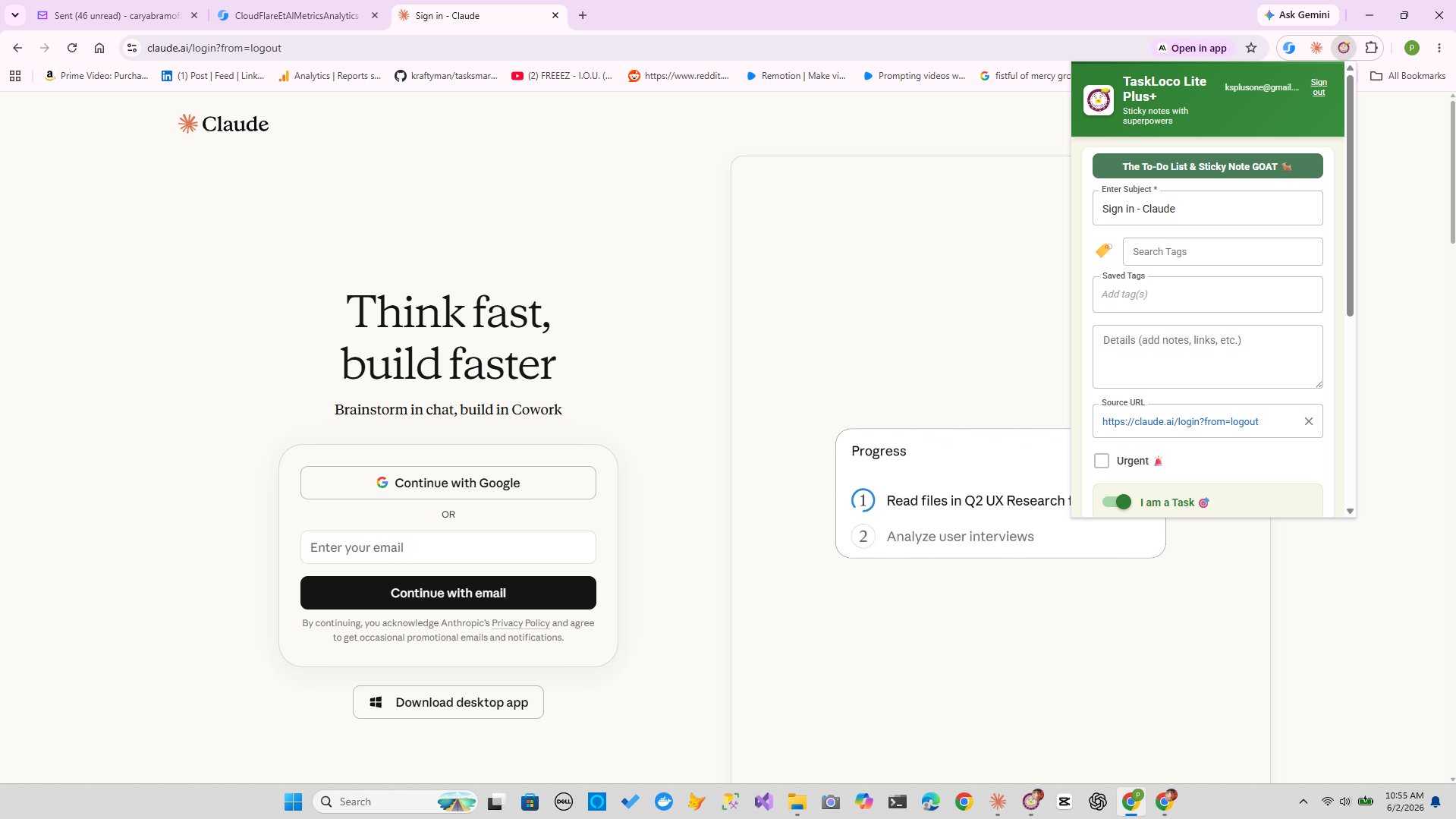
- Web app + Chrome extension
- Sign in with Google
- Wall syncs across all devices
- Up to 30 notes
- Free forever
Lock In 50% Off — Forever
7-day free trial. No charge until day 8. CHARTER50 auto-applies at checkout.
🔒 Lock In My Charter SpotSee TaskLoco in Action
Frequently Asked Questions
What makes a productivity system sustainable long-term?
Sustainable systems are simple enough to use when you're tired, flexible enough to handle interruptions, and valuable enough that you see immediate benefits. They should require less mental energy over time, not more.
How do I know if my current productivity system is too complex?
If capturing a simple thought takes more than 30 seconds, if you avoid using the system when you're busy, or if you spend more time maintaining the system than getting value from it, it's too complex.
Why do I always abandon productivity systems after a few weeks?
Most people abandon systems because they're designed for ideal conditions that don't exist in real life. When stress hits or life gets messy, complex systems become burdens instead of tools.
Should I use separate apps for tasks, notes, and calendar?
Using separate apps creates mental overhead and increases the chance you'll miss something. The most sustainable approach is one central place for everything, reducing the decisions you need to make daily.
How can I build better productivity habits?
Focus on making the first action as easy as possible. If you can capture thoughts instantly without thinking about categories or priorities, you'll use the system consistently. Good habits feel effortless after a few weeks.
What should I do when my productivity system stops working?
First, identify what changed — did life get busier, or did the system become too complex? Usually, the solution is simplification, not adding more features. Strip it back to the basics that actually provide value.
Is TaskLoco good for building sustainable productivity habits?
TaskLoco is designed specifically to avoid the complexity traps that kill most systems. Everything goes in one place, capture is instant from any device, and it works the same way whether you're at your desk or on the go. $9.99/month per person (currently $4.99/month per person for first 500 charter members with code CHARTER50)
Born in Brooklyn. Powered by AWS. Your data stays yours.
TaskLoco is available on iPhone, Android, Chrome, and every web browser.