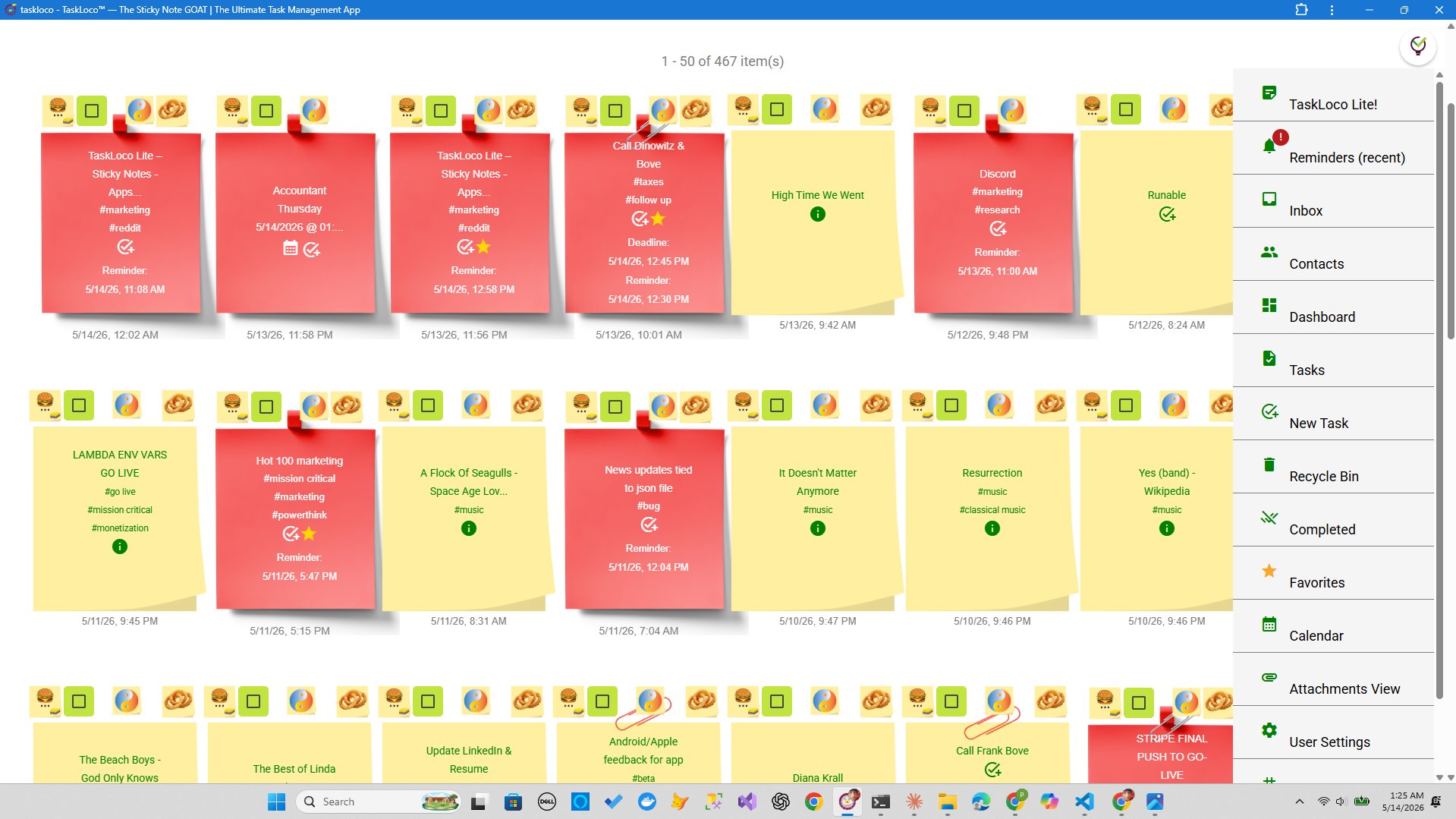
Here's a pattern almost every productive person eventually hits: they build a meticulous task list, maybe color-coded, maybe sorted by project, maybe with due dates on everything — and they still feel behind. The list grows faster than it shrinks. Items age. Priority fades into chronology. And every morning starts with a scroll through everything you haven't done instead of a clear picture of what you should do next.
That's the backlog trap. A backlog is a storage system masquerading as a productivity system. A dashboard is something different entirely — it's a decision surface. This article explains exactly why that distinction matters, how to build one, and why teams that switch almost never go back.
What's Actually Wrong With a Backlog
Nothing is wrong with capturing tasks in a list. Capture everything — that part is fine. The problem is when you try to work from that list. A backlog has no opinion about today. It treats a task added this morning the same as one added eight months ago. It treats a 5-minute email reply the same as a week-long deliverable. The moment your list has more than 30 items, it stops being a tool and starts being a source of anxiety.
There's a cognitive cost to re-evaluating your entire backlog every morning. Psychologists call it decision fatigue — the more choices you have to weigh before doing actual work, the less energy you have for the work itself. A 200-item backlog means 200 micro-decisions before you've even opened your first tab.
The other hidden cost: backlogs reward task-adding, not task-finishing. Adding something feels productive. It creates a small dopamine hit. So the list grows. Meanwhile, the messy, ambiguous, hard tasks sit at the bottom, never surfacing, never getting done — until they become emergencies.
How to Build a Dashboard That Actually Works
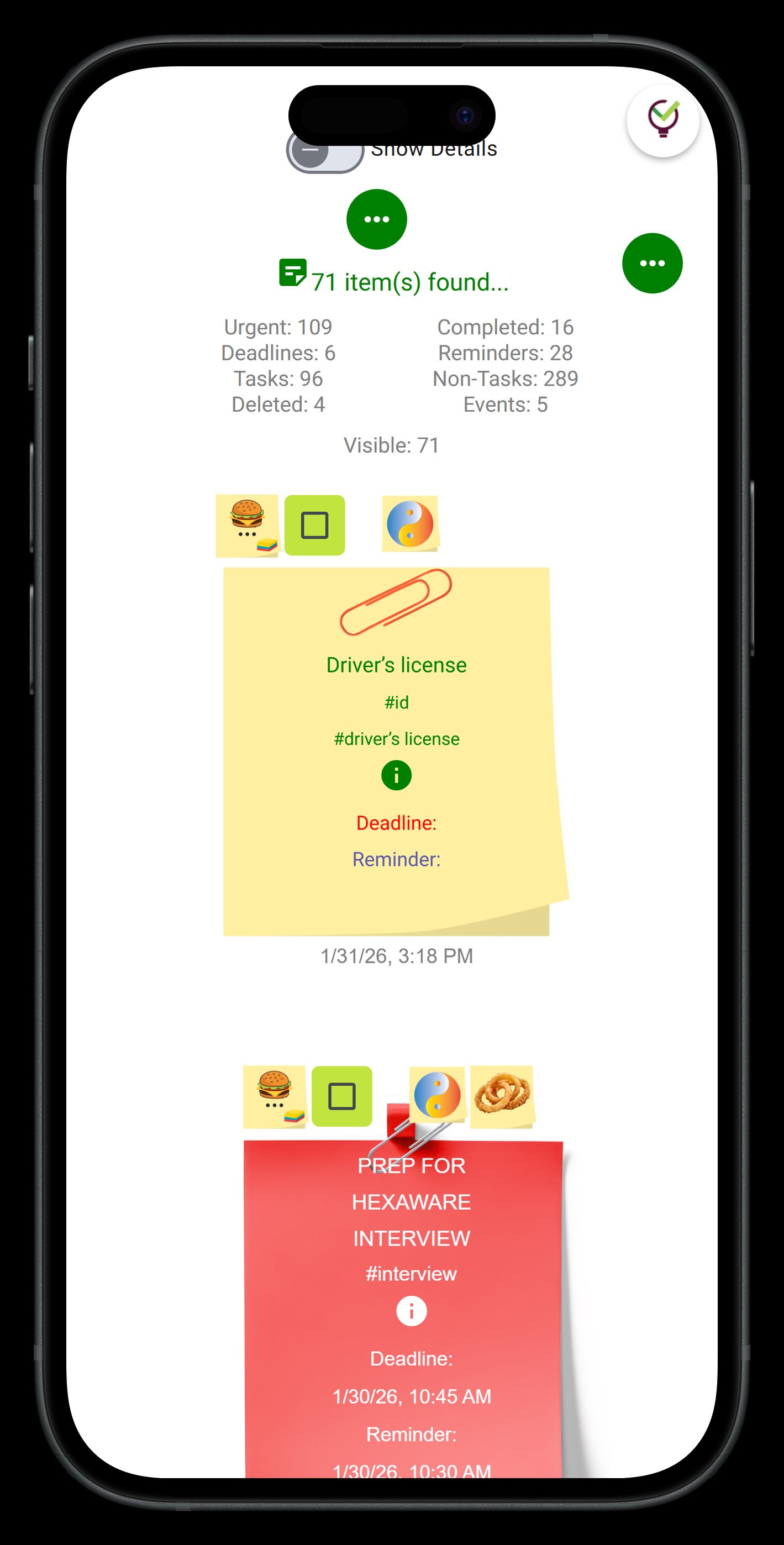
A good dashboard doesn't show everything. That's the whole point. It shows the right things. Here's how to build one — with any tool, even paper.
Step 1: Define your time horizons. Most people need three zones: Today (three to five items max), This Week (ten to fifteen items), and Holding (everything else, out of sight). Your daily dashboard only ever shows the Today zone. The others exist but don't compete for your attention until you're ready for them.
Step 2: Triage, don't add. Every morning, spend five minutes moving items from This Week into Today. Apply one rule: if it's not going on today's list, it doesn't get looked at today. This sounds obvious. Almost nobody does it consistently.
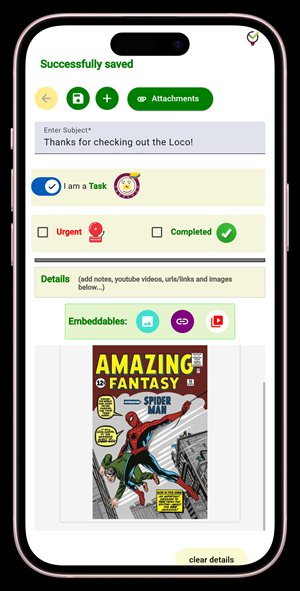
Step 3: Attach context, not just names. A task called "email Sarah" is half-finished thinking. A task called "email Sarah — ask about Q3 budget approval, attach the revised deck" is ready to execute. Your dashboard should surface enough context that you never have to stop and think about what a task means. Notes, files, and links attached directly to the item eliminate that friction entirely.
Step 4: Make completion visible. One underrated dashboard feature: showing what you've already done today. Checking off three items by 10am is motivating in a way that staring at eighty unchecked items is not. Your dashboard should make progress feel real.
Step 5: Protect the Today zone ruthlessly. If everything is urgent, nothing is. When someone asks you to add something to today, something else has to come off. This constraint isn't about rigidity — it's about honesty. You have a finite amount of time. Your dashboard should reflect reality, not aspiration.
The Psychology Behind Why Dashboards Win
It's not just productivity theory. There's solid behavioral science behind why constrained, curated views outperform open-ended lists. The Zeigarnik effect tells us that unfinished tasks occupy mental bandwidth even when we're not actively working on them. A backlog full of hundreds of open loops creates a constant low-level hum of cognitive stress. A dashboard that says "here are your five things for today" shuts most of those loops off — not by finishing the tasks, but by telling your brain they're handled, scheduled, and out of sight until they're needed.
There's also the planning fallacy to contend with. Humans are famously bad at estimating how long things take. Backlogs enable this — you can add forty tasks to a single day and the list won't argue with you. A dashboard with a hard limit on Today forces you to confront the math. Five things in eight hours is real. Forty things in eight hours is a fantasy, and the dashboard makes you face it before the day starts rather than after it ends.
Finally, dashboards create a daily ritual. The five-minute morning triage — moving items from the week view to the today view — acts as a kind of commitment ceremony. Research on implementation intentions (the "when X, I will do Y" framework) consistently shows that people who specify when and where they'll do a task are significantly more likely to complete it. A dashboard forces that specificity. A backlog never does.
How TaskLoco Makes This Dashboard Approach Effortless
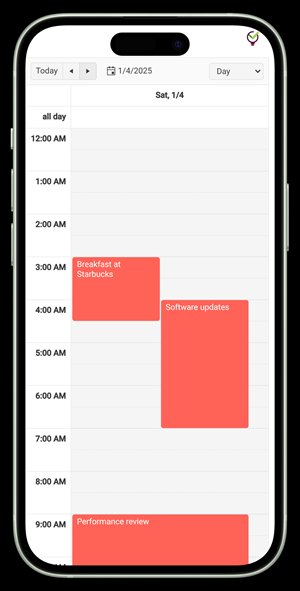
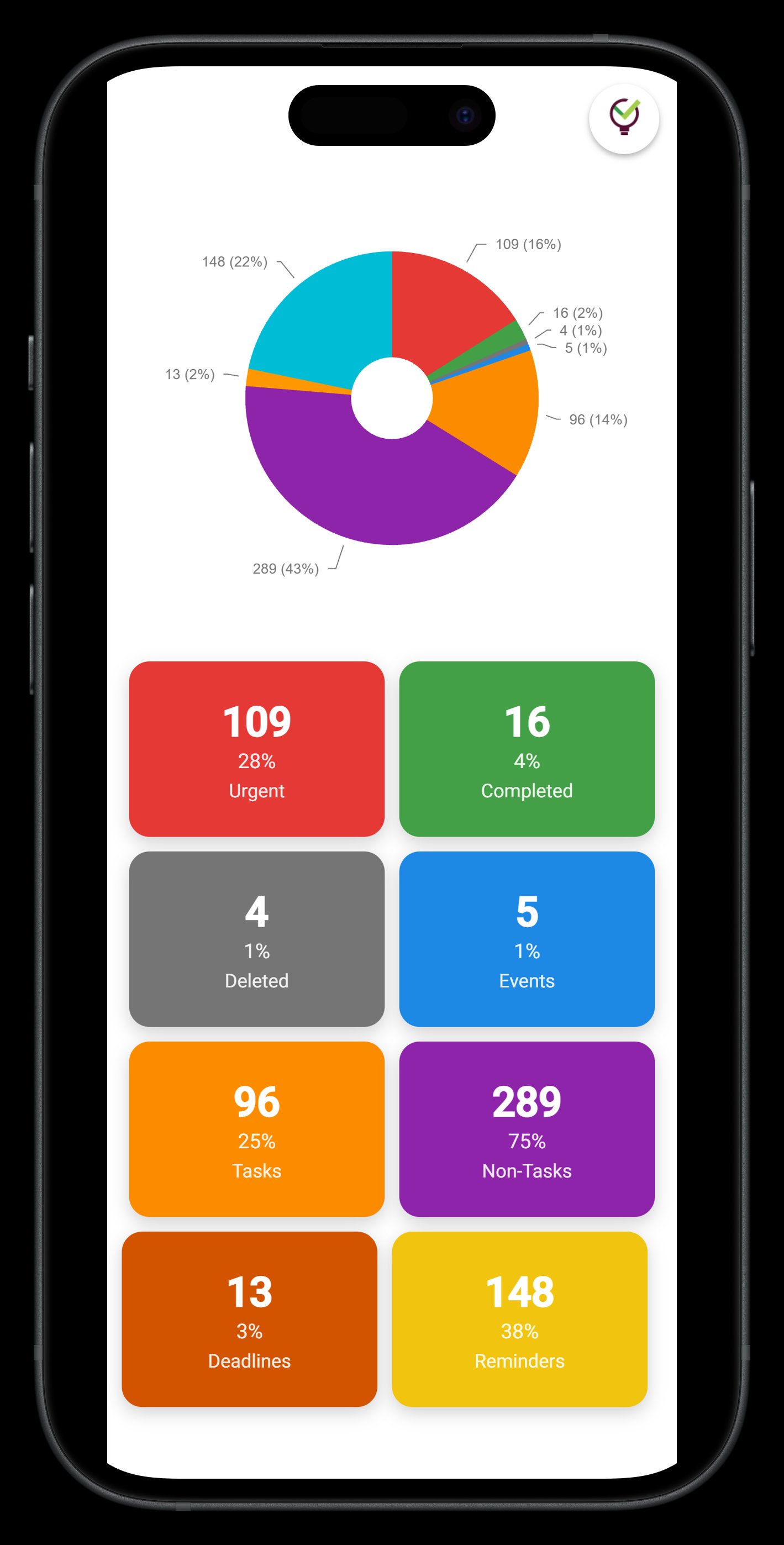
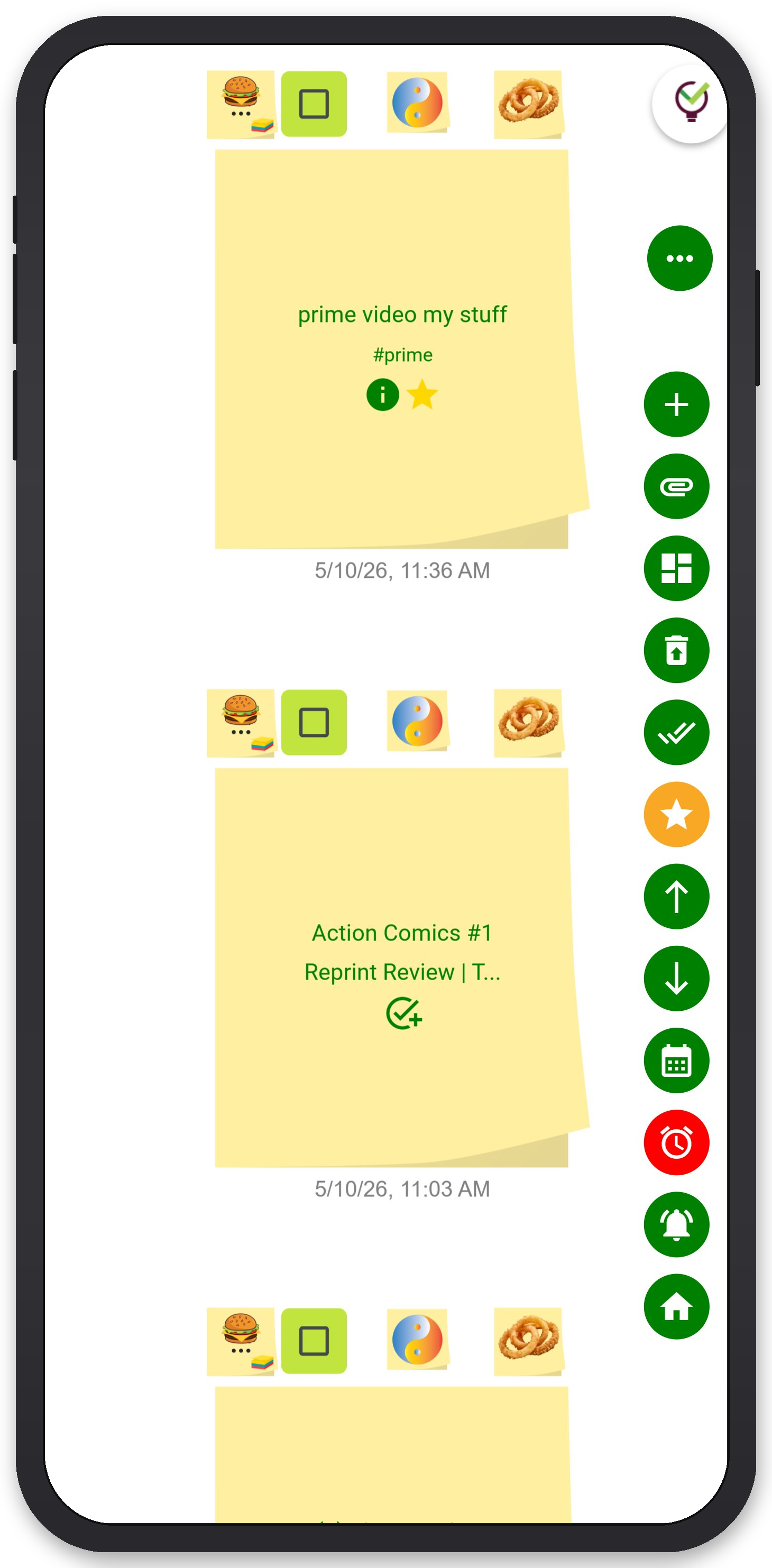
Once you understand the dashboard method, the tool you use should get out of the way. TaskLoco was built around exactly this kind of thinking — sticky notes that carry full context, a calendar view that anchors your tasks in time, and a structure that separates what you're doing now from what you're storing for later.
With TaskLoco Premium, each note is its own self-contained unit: you can attach files directly to a task, set a reminder that delivers a push notification back to that exact note, and share it with a teammate who can clone it and make it their own — no permission levels, no access management overhead. It works like email for tasks: you send it, they own their copy. That's how team dashboards stay clean instead of turning into shared backlogs with twelve people editing the same list.
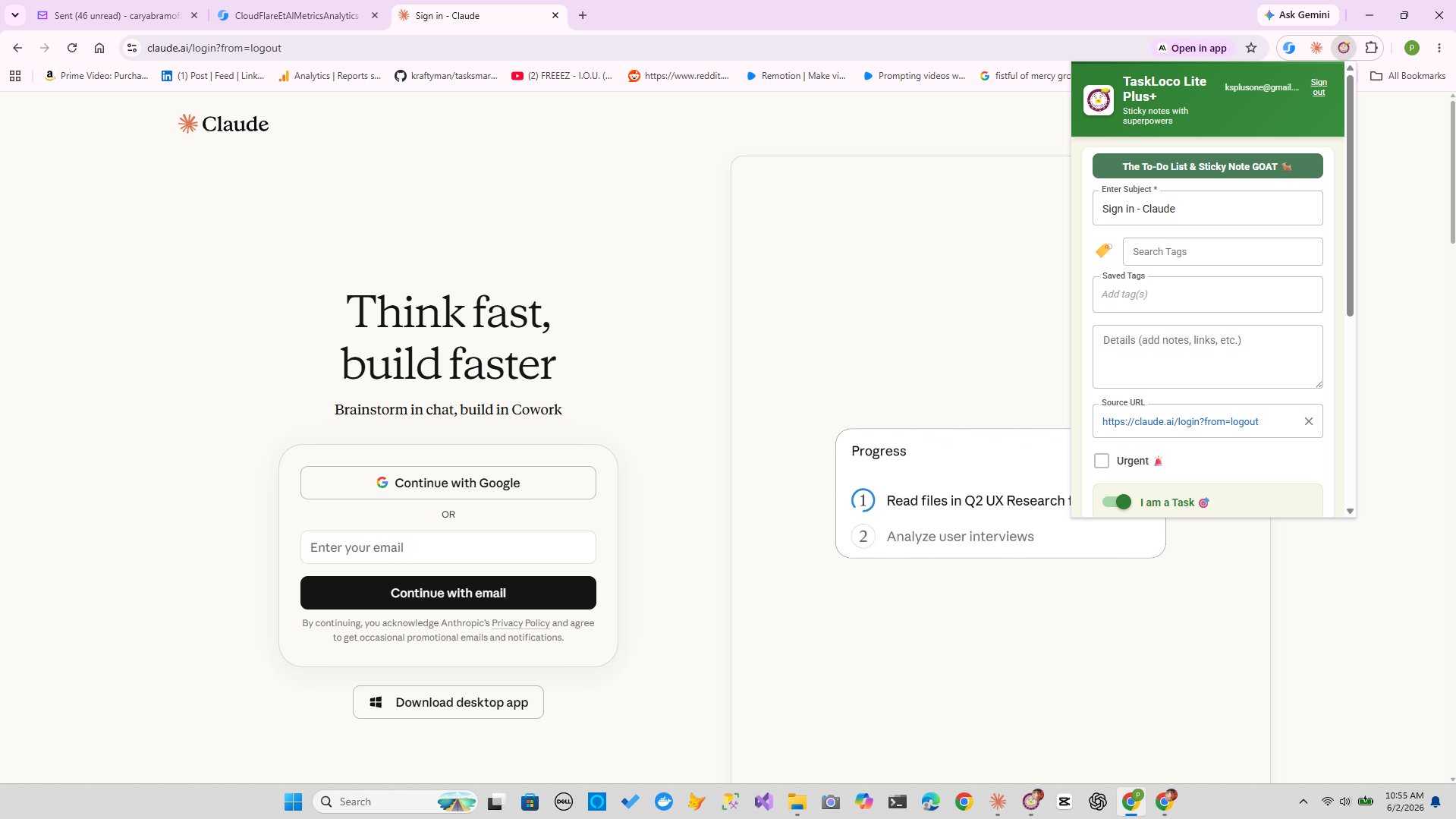
The Chrome extension deserves a mention here too. One-click capture from any webpage turns a research tab into a note instantly — so when you're building your dashboard each morning, you're not hunting through browser history trying to remember what you meant to do. The context is already there, attached to the task.
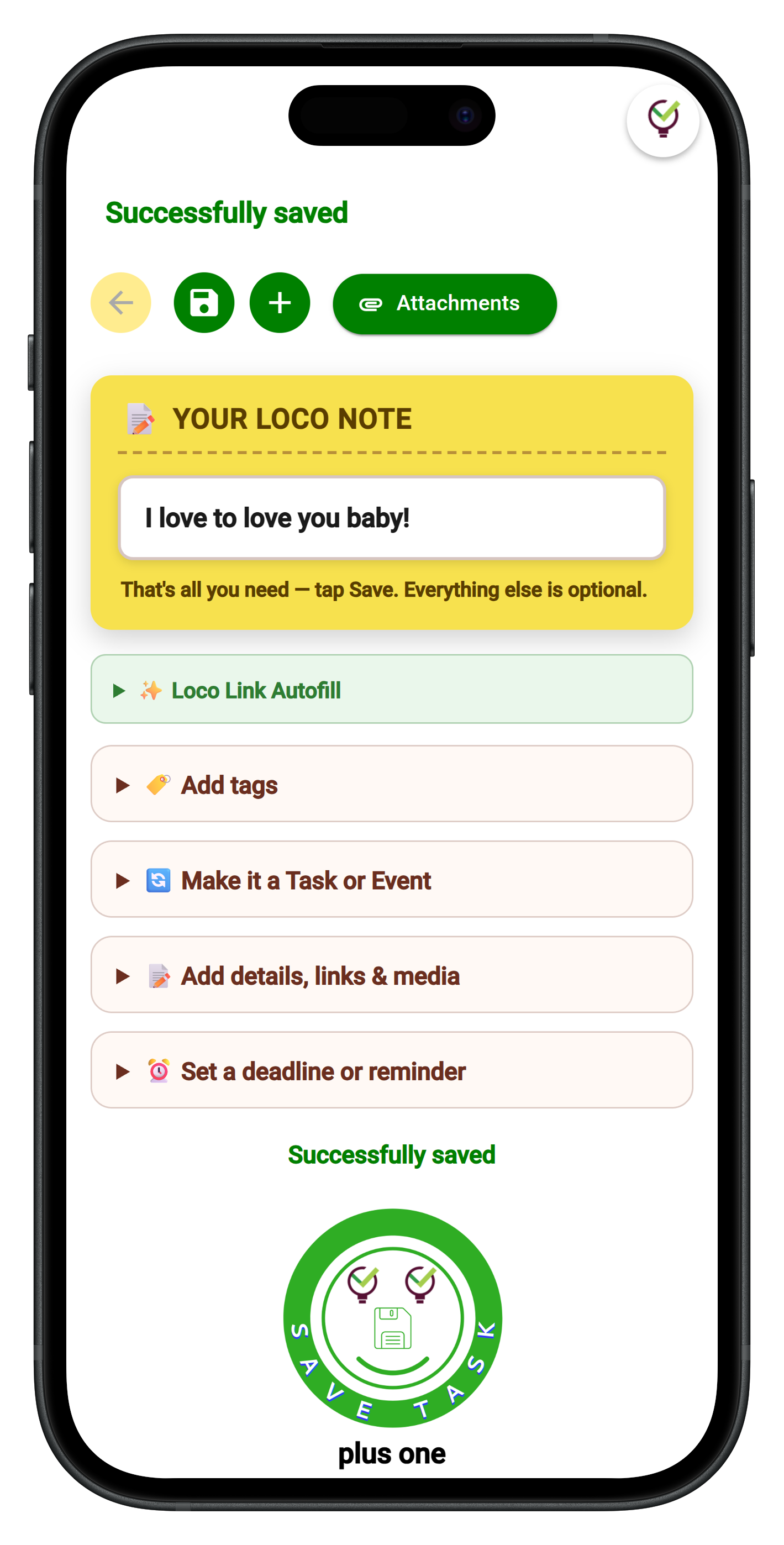
TaskLoco Lite (the native iPhone and Android app) is free, anonymous, and requires no account — it's a good starting point if you want to try the sticky-note format without committing to anything. For the full dashboard experience with reminders, file attachments, calendar view, and team sharing, that's TaskLoco Premium.
TaskLoco Premium is regularly $9.99/month per person. Right now, charter members can lock in 50% off the regular price — forever. That means $4.99/month per person today. And if our price ever goes up, you still pay half. Always.
Code CHARTER50 auto-applies at checkout. First 500 spots only — once they're gone, this offer is gone permanently. Act fast while spots last.
Every Premium subscription includes unlimited notes, 10GB file storage, reminders, calendar, and team sharing. Each team member requires a separate subscription. 7-day free trial — no charge until day 8. Cancel anytime.
Free Options: TaskLoco
TaskLoco Lite
- Native iPhone & Android app
- Completely anonymous — no sign-in
- Data stays on your device
- Up to 20 notes
- Free forever
TaskLoco Lite Plus+
- Web app + Chrome extension
- Sign in with Google
- Wall syncs across all devices
- Up to 30 notes
- Free forever
Lock In 50% Off — Forever
7-day free trial. No charge until day 8. CHARTER50 auto-applies at checkout.
🔒 Lock In My Charter SpotSee TaskLoco in Action
Frequently Asked Questions
What's the difference between a dashboard and a backlog?
A backlog is a complete, unfiltered list of everything you need to do — valuable for capture, poor for execution. A dashboard is a curated, time-bound view that shows only what's relevant right now. The key distinction: a backlog makes you decide what to work on every time you look at it. A good dashboard makes that decision once in the morning and protects your focus for the rest of the day.
How many items should be on a daily dashboard?
Three to five. This isn't a soft guideline — it's a forcing function. If you can't fit your day's real priorities into five items, you're not prioritizing, you're listing. The cap forces you to choose, and choosing is the whole skill. Anything over five belongs in a 'this week' or 'holding' zone where it's out of sight until you're actually ready to schedule it.
Should I delete my backlog if I switch to a dashboard?
No. Keep the backlog — it's still useful as a capture system and a holding zone. The goal is to stop working from your backlog directly. Instead, treat it as a reservoir. Each morning, pull a small number of items from the reservoir into your dashboard. The backlog answers 'what exists.' The dashboard answers 'what am I doing today.' Both questions matter; they just need to live in different views.
Why do backlogs keep growing even when I'm productive?
Because adding tasks feels like progress. There's a real psychological reward to capturing a to-do — you've externalized it from your brain, which feels like relief. But that capture loop is disconnected from the completion loop. Backlogs grow because the system rewards adding but doesn't penalize ignoring. A dashboard with a hard Today limit forces completion to be the metric, not addition. When something has to come off your list before something new can go on, the incentive structure changes.
How do I handle urgent items that weren't on my dashboard?
This is the real test of the system. When something urgent arrives mid-day, you have two honest options: add it to Today and remove something else, or assess whether it's actually today-urgent or just feels urgent. Most 'urgent' interruptions can wait until tomorrow if you ask honestly. For the ones that genuinely can't, make the trade-off explicit — something comes off, something goes on. The swap makes the cost of urgency visible, which is exactly the feedback most backlogs hide from you.
Does TaskLoco support a dashboard-style workflow?
Yes. TaskLoco Premium includes a calendar view that anchors tasks in time, reminders that deep-link back to the original note via push notification, and a sticky-note structure that lets you keep context — files, links, descriptions — attached directly to each task. The Chrome extension lets you capture from any webpage in one click, so your dashboard stays populated without manual data entry. $9.99/month per person (currently $4.99/month per person for first 500 charter members with code CHARTER50)
Can I share my dashboard with my team using TaskLoco?
TaskLoco Premium's team sharing works like email for notes: you share a note and the recipient can clone it and own their copy — no shared editing conflicts, no permission levels to manage. This keeps your own dashboard clean while still distributing work. Each team member maintains their own focused view rather than everyone staring at the same sprawling shared backlog. Each team member needs their own Premium subscription.
Born in Brooklyn. Powered by AWS. Your data stays yours.
TaskLoco is available on iPhone, Android, Chrome, and every web browser.