Sticky notes have been a productivity staple for decades. They're fast, tactile, and satisfying to peel off when a task is done. But if your desk looks like a ransom note, or you've ever found a sticky from three months ago stuck to the bottom of your laptop, you already know the problem: sticky notes have no memory, no order, and no way to remind you of anything.
The question isn't really "are sticky notes bad" — it's "what actually solves the problem sticky notes were invented for, but better?" The answer depends on what kind of thinker you are, what you're tracking, and how much friction you're willing to tolerate. This guide walks through real alternatives — from physical upgrades to digital systems — so you can find what actually fits.
Why Sticky Notes Break Down (And What They're Missing)
Sticky notes are a capture tool, not an organization system. They're excellent at one thing: getting a thought out of your head and onto a surface before it disappears. But that's where their usefulness ends. They don't connect to each other, they have no due dates, and they offer zero search. Lose the note and you've lost the thought entirely.
The core problems with sticky notes are:
- No persistence: They fall off walls, get buried under papers, or get accidentally thrown away.
- No context: A sticky that says "call Mike" tells you nothing two weeks later. Who is Mike? About what?
- No reminders: Nothing is going to prompt you to look at a sticky note at the right moment.
- No portability: Your physical sticky notes are at your desk. You're at the grocery store.
- No history: Once a sticky is gone, whatever was on it is gone too.
Once you understand those five gaps, it becomes clear what a real alternative needs to offer: fast capture, context, a way to find things later, and some mechanism for follow-through.
Physical Alternatives That Actually Work
Not everyone wants to go digital, and that's legitimate. Here are physical systems that solve the core sticky note problems without a screen:
Index cards + a card box. Index cards are sturdier, bigger, and fit in a project card box with dividers. You can write more context, sort them by project or date, and they don't fall off walls. The Zettelkasten method — beloved by writers and researchers — uses index cards with unique IDs so you can link ideas together over time.
A daily paper planner. If most of your sticky notes are tasks, a dated planner solves the "no due date" problem immediately. Writing a task on today's page instead of a loose sticky means it has a time context. Uncompleted tasks get migrated forward — a deliberate friction that makes you re-evaluate whether something actually matters.
A whiteboard. If your sticky notes live on a wall or monitor, a small desktop whiteboard does the same job without the adhesive mess. You can section it off, erase cleanly, and photograph it with your phone before erasing — giving you a rough history.
A bound notebook with a simple index. Systems like Bullet Journal use a numbered page index so nothing ever truly gets lost. It's more setup than a sticky note, but the payoff is a searchable (by hand), portable, persistent record of everything you've captured.
The honest downside of all physical alternatives: they still don't remind you of anything, they're not searchable electronically, and they live in one place. For most people, a hybrid physical-plus-digital setup works better than either alone.
Digital Alternatives — What to Actually Look For
The digital productivity space is crowded, but most tools fall into one of three categories: note-taking apps, task managers, and hybrid sticky-note-style tools. Each solves a different part of the sticky note problem.
Note-taking apps (Notion, Apple Notes, Obsidian). These solve the context and search problem beautifully. You can write long-form notes, link ideas, add files, and find anything later. The tradeoff is that they're rarely optimized for quick capture — opening a Notion page and navigating to the right database takes real seconds, which is enough friction to make you reach for a physical sticky instead.
Task managers (Todoist, Things, TickTick). These solve the reminder and due-date problem. If most of your sticky notes are to-dos, a task manager is a direct upgrade. But they're not great for notes that aren't tasks — ideas, references, meeting jottings — so you often end up running both a task manager and a note app in parallel.
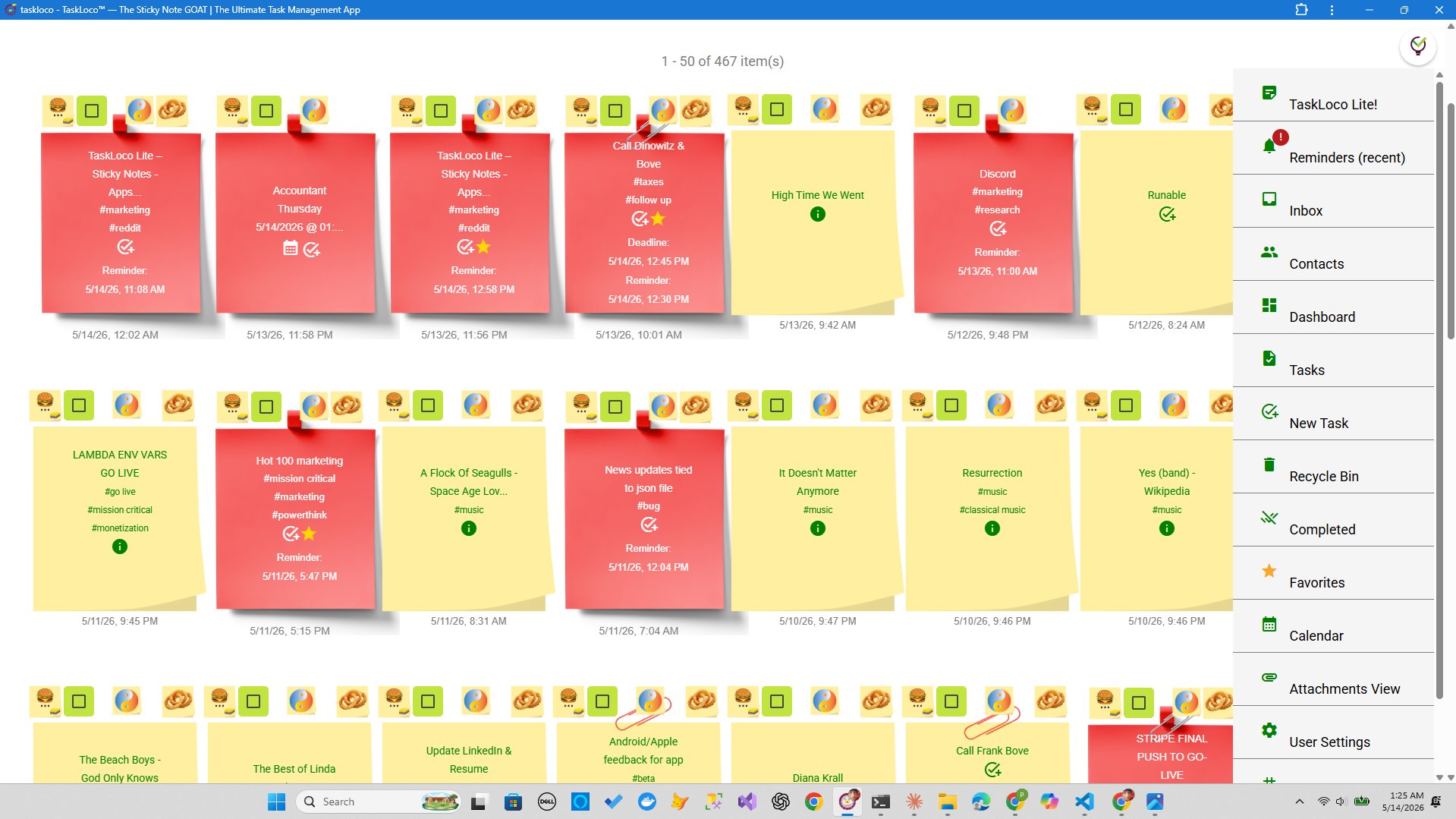
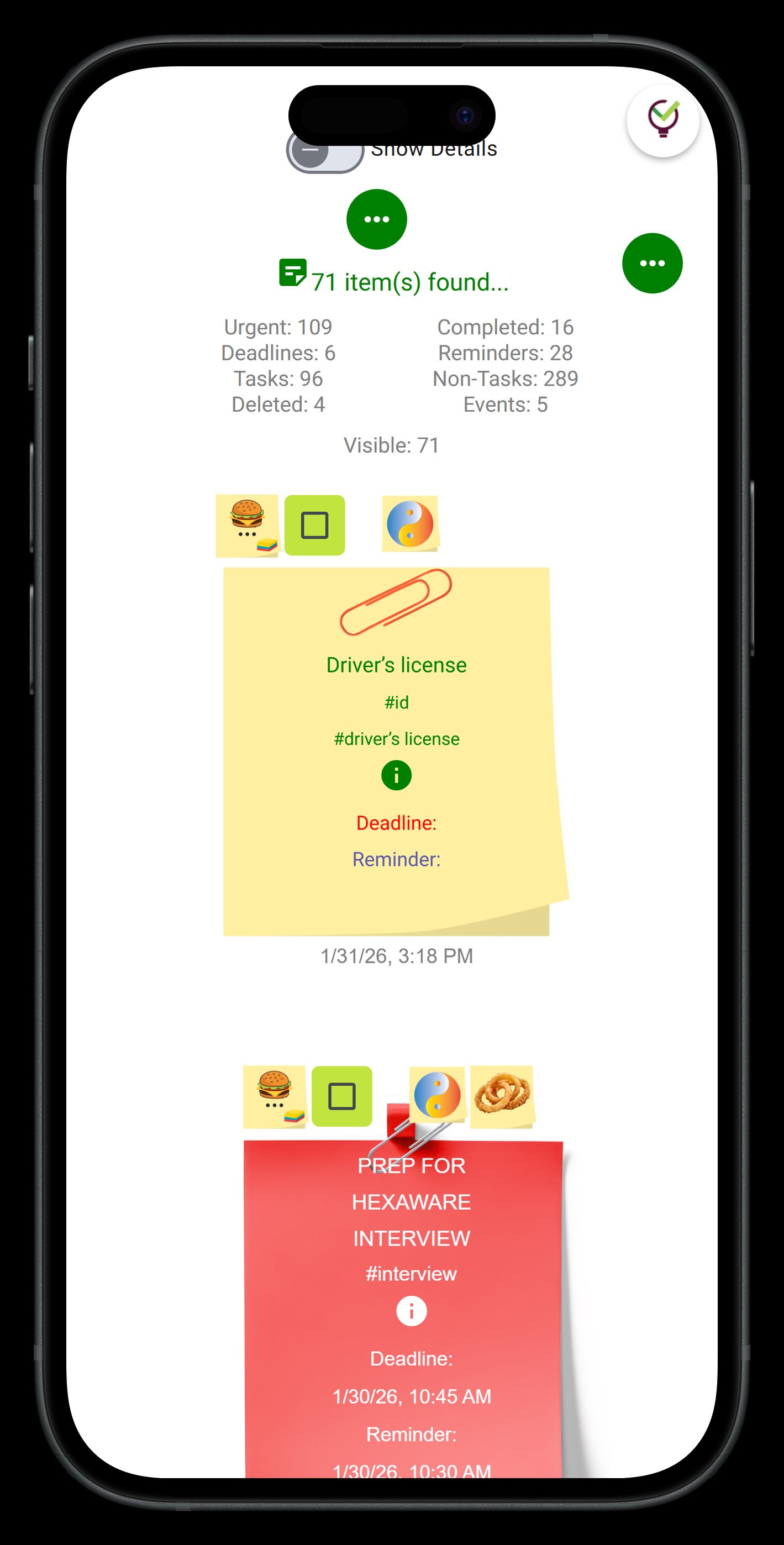
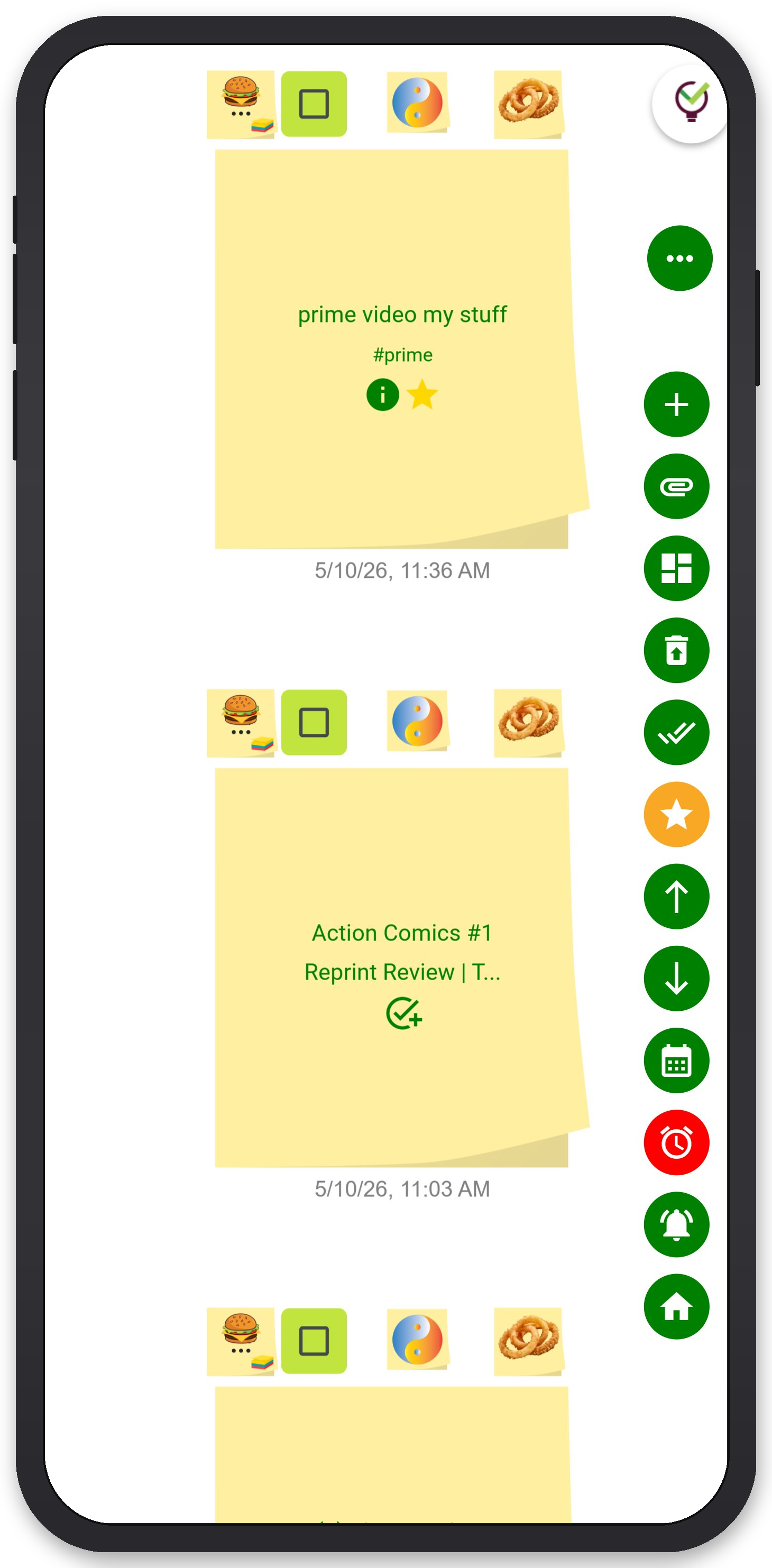
Digital sticky-note-style tools. These aim to keep the visual metaphor of a sticky wall while adding the digital superpowers: search, sync, reminders, and attachments. The best ones feel like your physical wall but without the entropy. The worst ones just replicate the chaos digitally.
What to look for in any digital alternative:
- Capture speed: Can you get a thought in within three seconds? If there's too much friction, you'll revert to paper.
- Search: Full-text search across everything — including attachments — is non-negotiable once you have more than 30 notes.
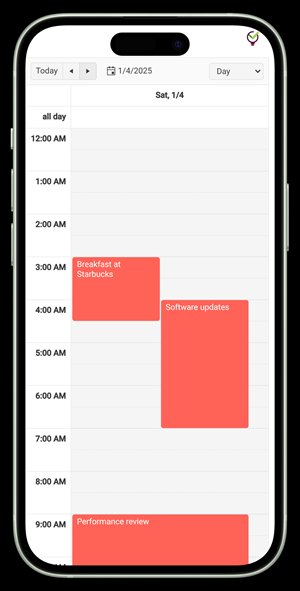
- Reminders that surface at the right time: Not just a badge on an app icon — a push notification that deep-links you back to the original note.
- Cross-device sync: Your notes need to be wherever you are.
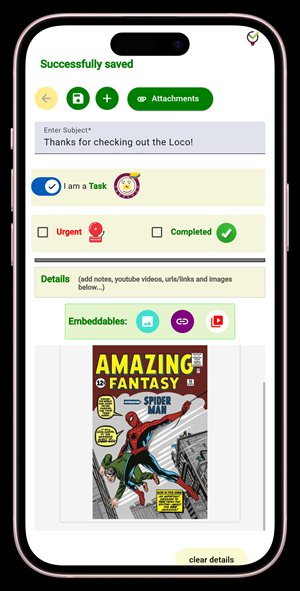
- Attachments: The ability to drop an image, PDF, or screenshot directly onto a note eliminates an entire category of context-switching.
TaskLoco Premium is regularly $9.99/month per person. Right now, charter members can lock in 50% off the regular price — forever. That means $4.99/month per person today. And if our price ever goes up, you still pay half. Always.
Code CHARTER50 auto-applies at checkout. First 500 spots only — once they're gone, this offer is gone permanently. Act fast while spots last.
Every Premium subscription includes unlimited notes, 10GB file storage, reminders, calendar, and team sharing. Each team member requires a separate subscription. 7-day free trial — no charge until day 8. Cancel anytime.
Free Options: TaskLoco
TaskLoco Lite
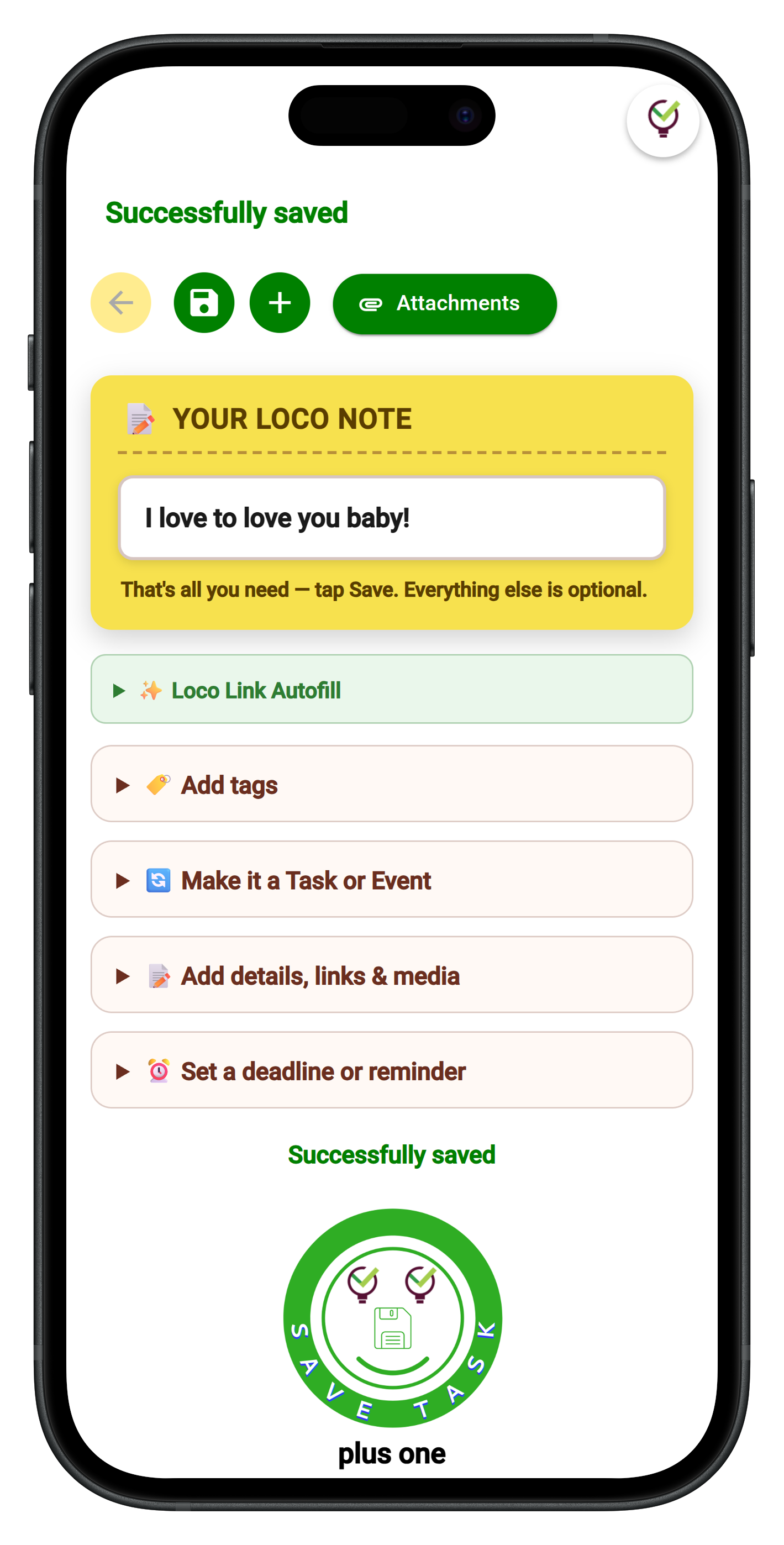
- Native iPhone & Android app
- Completely anonymous — no sign-in
- Data stays on your device
- Up to 20 notes
- Free forever
TaskLoco Lite Plus+
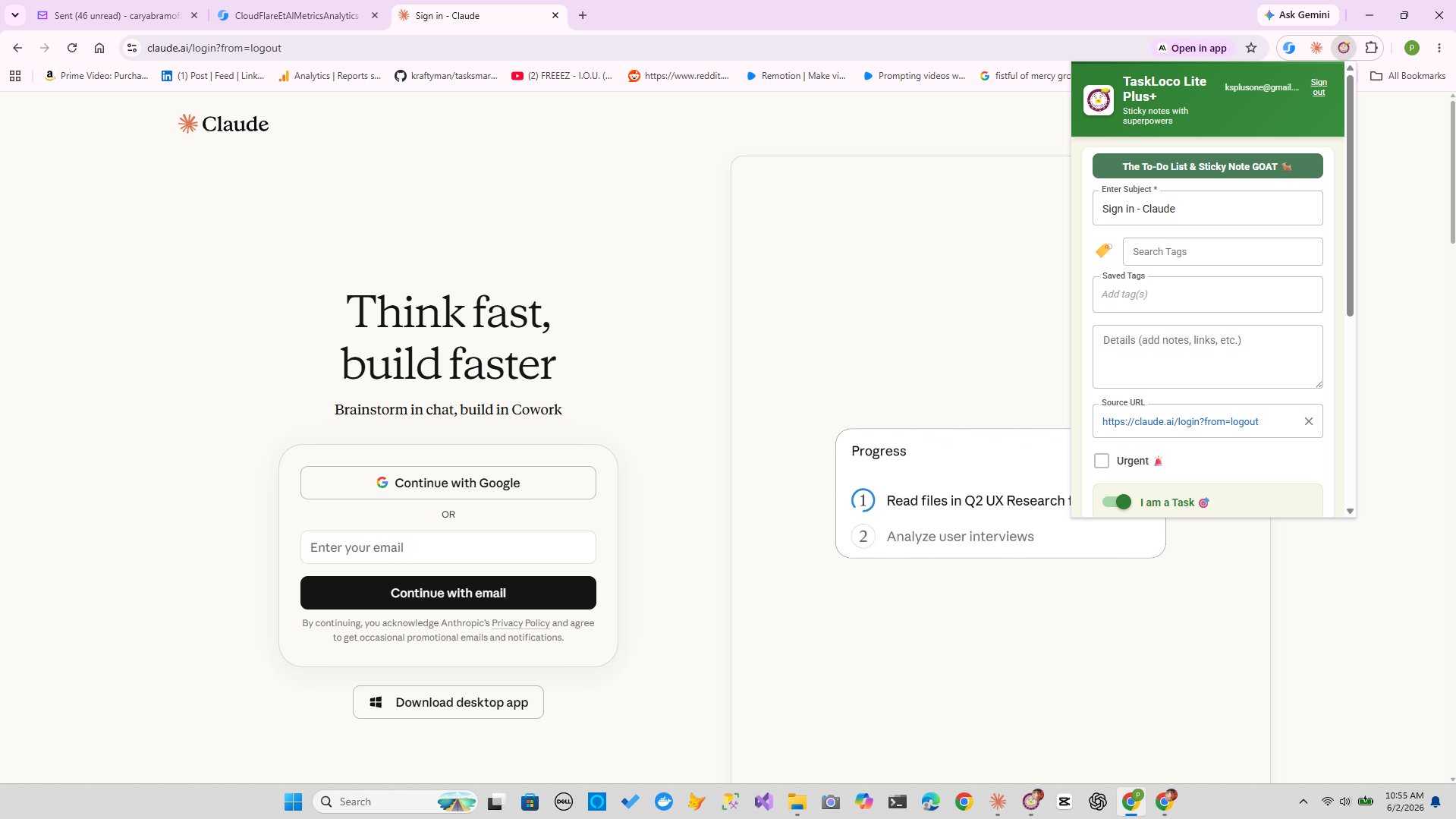
- Web app + Chrome extension
- Sign in with Google
- Wall syncs across all devices
- Up to 30 notes
- Free forever
Lock In 50% Off — Forever
7-day free trial. No charge until day 8. CHARTER50 auto-applies at checkout.
🔒 Lock In My Charter SpotSee TaskLoco in Action
Frequently Asked Questions
What is the best digital replacement for sticky notes?
The best digital replacement depends on what you use sticky notes for. If they're mostly to-dos, a dedicated task manager with reminders works well. If they're ideas and references, a note-taking app with full-text search is a better fit. If you want both — and the visual wall metaphor — a digital sticky-note tool like TaskLoco gives you fast capture, search, reminders, file attachments, and cross-device sync in one place.
Are sticky notes bad for productivity?
Sticky notes aren't inherently bad — they're excellent for quick capture and short-term visual reminders. The problem is they have no mechanism for follow-through. They don't remind you at the right time, they have no searchable history, and they disappear. For anything you need to actually complete or remember later, a system with reminders and persistence is more reliable.
What are good physical alternatives to sticky notes?
Index cards with a card box (sortable by project), a bound notebook with a simple index system like Bullet Journal, a desktop whiteboard, or a dated paper planner are all meaningful upgrades. They're sturdier, allow more context, and don't fall off walls. The tradeoff is they still don't remind you of anything and can't be searched electronically.
How do I organize sticky notes better without switching systems?
If you want to keep physical sticky notes, a few discipline habits help: always date the note, always write a verb (not just a noun — "call Mike re: invoice" not just "Mike"), and do a weekly sweep where you process every sticky into a more permanent system or throw it away. Color-coding by project also helps you spot what's fallen behind. That said, these habits paper over the fundamental problem — sticky notes have no follow-through mechanism.
What is TaskLoco and how does it compare to sticky notes?
TaskLoco is a productivity app built around the visual sticky-note metaphor — notes live on a wall you can arrange and browse. Unlike physical sticky notes, every note can carry file attachments, and Premium reminders fire as push notifications that deep-link back to the original note. Notes sync across all your devices. The free Lite Plus+ tier handles up to 30 notes with cross-device sync. Premium adds unlimited notes, reminders, a calendar view, team sharing, and 10GB of file storage. $9.99/month per person (currently $4.99/month per person for first 500 charter members with code CHARTER50)
Can I use TaskLoco for free?
Yes. TaskLoco Lite Plus+ is free — sign in with Google, get up to 30 notes, and sync across all your devices through the web app and Chrome extension. The Chrome extension lets you capture any webpage in one click. Reminders, file attachments, unlimited notes, and team sharing require Premium, which includes a 7-day free trial.
What should I look for in a sticky note app?
Four things matter most: capture speed (can you get a thought in within seconds?), full-text search, reminders that fire as push notifications and take you back to the original note, and cross-device sync. File attachments are a major bonus — being able to drop a screenshot or PDF directly onto a note eliminates an entire category of context-switching. Anything that adds friction to the capture step will make you stop using it.
Born in Brooklyn. Powered by AWS. Your data stays yours.
TaskLoco is available on iPhone, Android, Chrome, and every web browser.