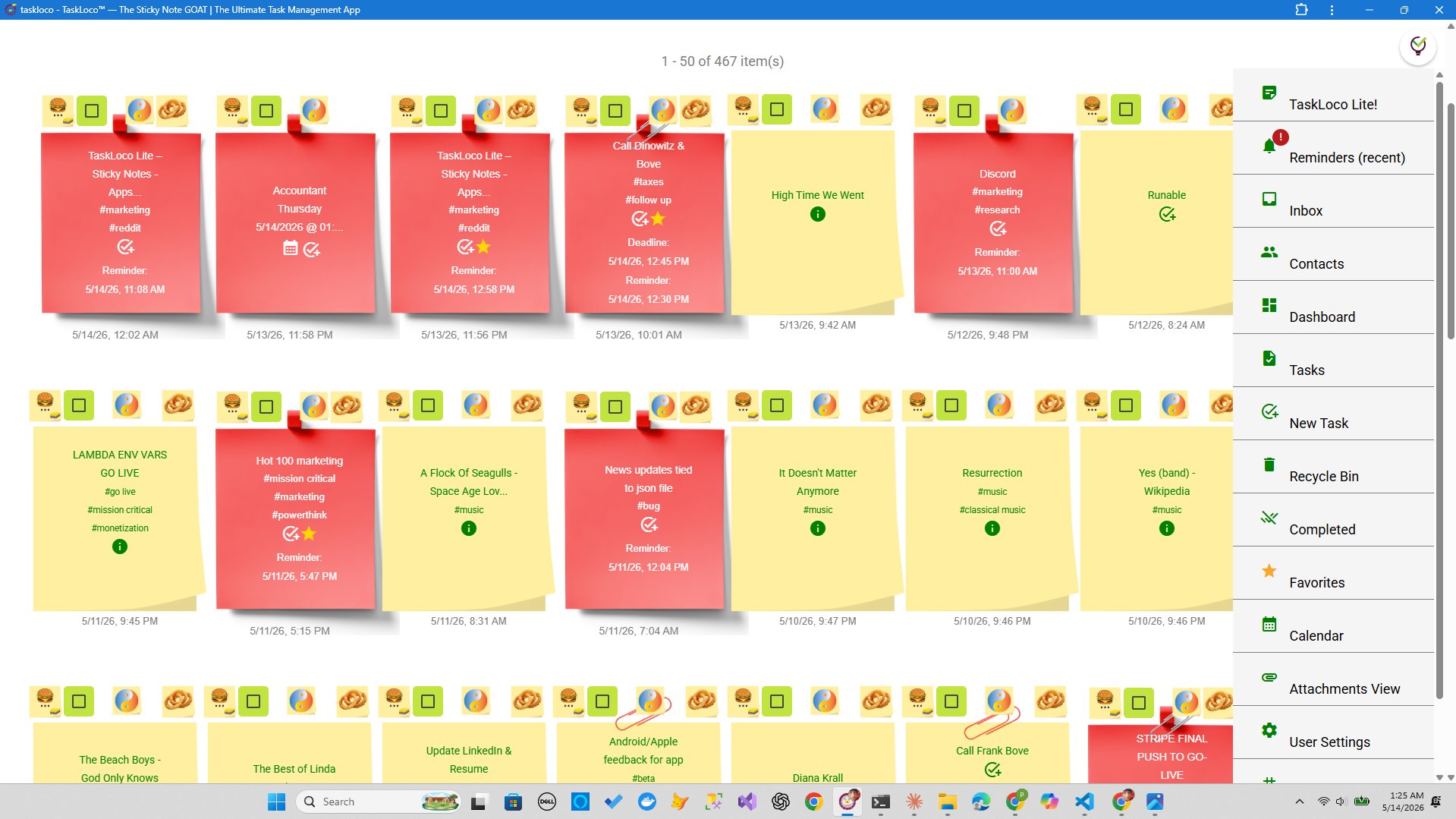
Monday doesn't ambush organized people. It ambushes everyone else — the ones who closed their laptop on Friday without a clear picture of what was waiting for them. The fix isn't a longer to-do list or a more elaborate project tracker. It's a wall. A visual, scannable surface where every open thread lives in one place and the shape of the week ahead is obvious at a glance.
The sticky-note wall is one of the oldest planning tools in existence for a reason: it externalizes your thinking. When tasks are pinned to a surface instead of buried in your head or scattered across five apps, you stop managing cognitive load and start managing actual work. This article walks through what makes a great planning wall, the criteria that separate useful setups from cluttered ones, and how TaskLoco's digital wall turns a Friday afternoon planning ritual into a Monday morning advantage.
What to Look for in a Planning Wall (Before Any App Enters the Picture)
A planning wall is any surface — physical or digital — that holds all your open work in a single visual field. The point is not to list tasks. It's to show their relationships: what's blocked, what's in motion, what's done, and what's due first. That spatial arrangement is what makes a wall useful in a way a flat list never is.
When evaluating any wall setup, three criteria actually matter:
- Scanability. You should be able to absorb the state of your week in under thirty seconds. If you have to click into items, expand menus, or filter views just to see what's happening, the wall has already failed. Color, column position, and note size should communicate status at a glance.
- Frictionless capture. A wall only stays current if adding a new note or task takes almost no effort. The moment capture becomes a chore — fill in this form, assign a category, pick a priority level — people stop doing it in real time and the wall goes stale. Stale walls are worse than no wall at all because they breed false confidence.
- Reliable reminders tethered to the note itself. A wall shows you what exists. Reminders tell you when to act. The critical detail most people overlook: the reminder needs to link directly back to the note it came from. A push notification that says "meeting prep" and drops you at an app home screen is nearly useless. One that deep-links straight into the relevant note is the difference between a reminder and an interruption.
Physical corkboards and Post-it walls score well on scanability and capture speed but fail on reminders and anywhere-access. Heavyweight project management platforms score on reminders but often fail on capture friction — you spend more time filling out task metadata than doing the task. The sweet spot is a digital sticky-note system that feels as fast as paper and as connected as a proper productivity app.
The Friday Ritual That Changes Monday Morning
Every high-output person interviewed on the subject of weekly planning says some version of the same thing: the work happens during the week, but the clarity happens on Friday. Spending twenty to thirty minutes at the end of the week to reset your wall means Monday morning starts with a plan instead of a archaeology dig through last week's debris.
The ritual has four steps:
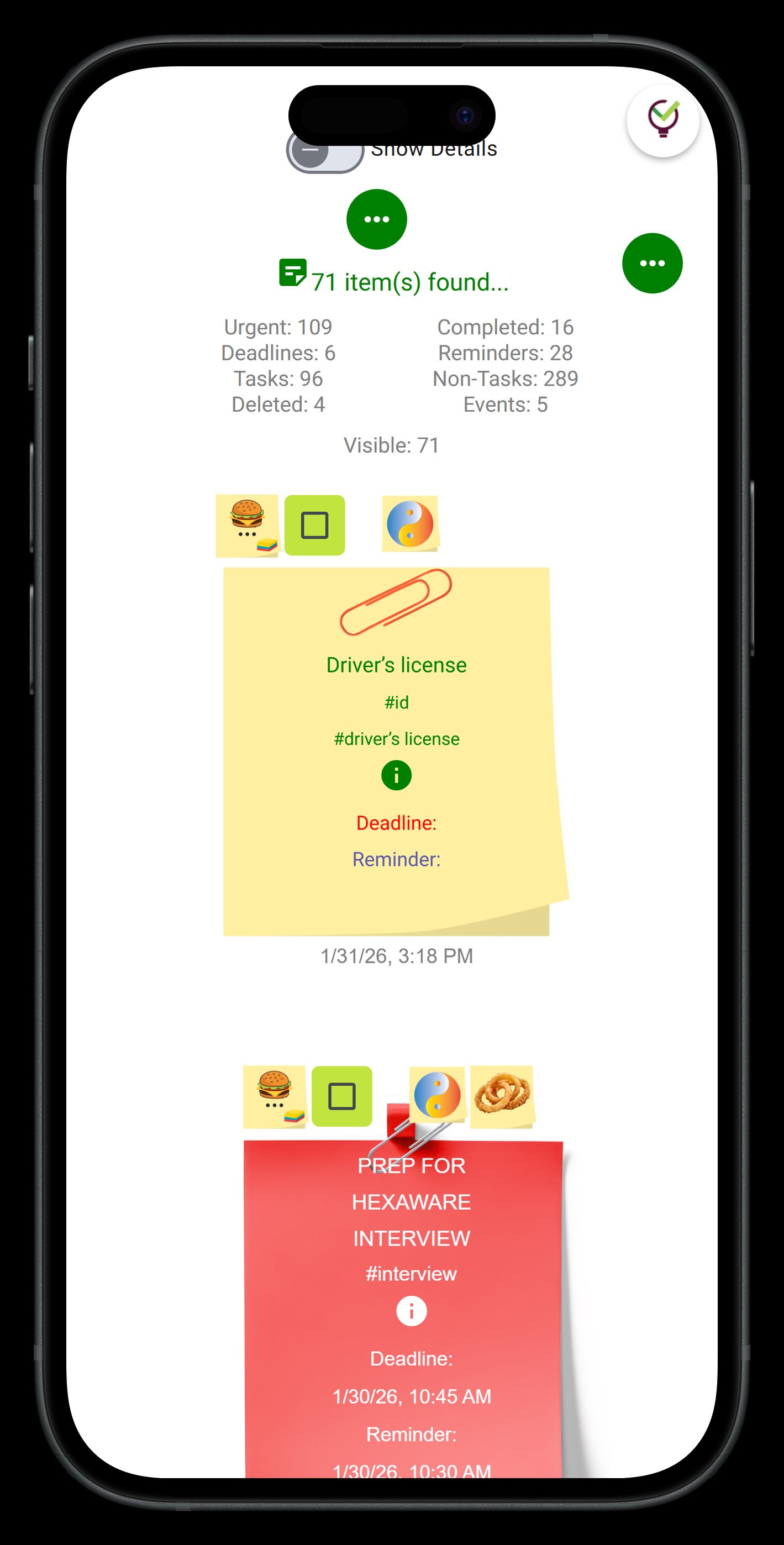
- Archive what's done. Pull finished notes off the active wall. On a physical board this means removing Post-its. On TaskLoco it means marking them complete — they disappear from the active view but stay searchable. This act alone is motivating. You see what you actually finished.
- Promote what moved forward. Anything that was blocked and is now unblocked gets repositioned. A note that was sitting in the "waiting" column moves to "this week." The wall reflects reality, not last Monday's plan.
- Add what you know is coming. New work that arrived during the week, meetings you need to prep for, follow-ups you promised — all of it goes on the wall Friday afternoon so you don't spend Monday morning trying to reconstruct it from memory and inbox archaeology.
- Set reminders on anything time-sensitive. For each note that has a hard deadline or a specific action window, set a reminder. With TaskLoco Premium, that reminder fires as a push notification to your phone and your computer, and it deep-links directly back to the note — so when Tuesday's 9am nudge arrives, one tap puts you inside the exact note you need.
The people who skip this ritual spend the first hour of every Monday in a low-grade panic, opening apps, reading old emails, and trying to remember what was urgent. The people who do it walk in the door knowing exactly where to start. The wall tells them.
How TaskLoco's Wall Makes the System Actually Stick
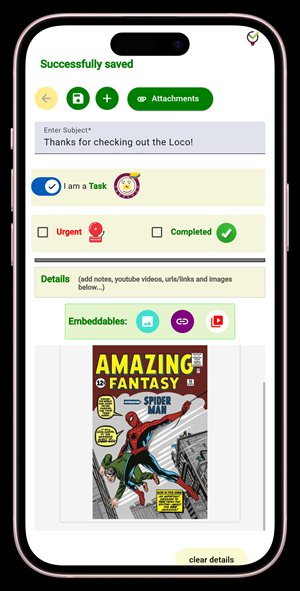
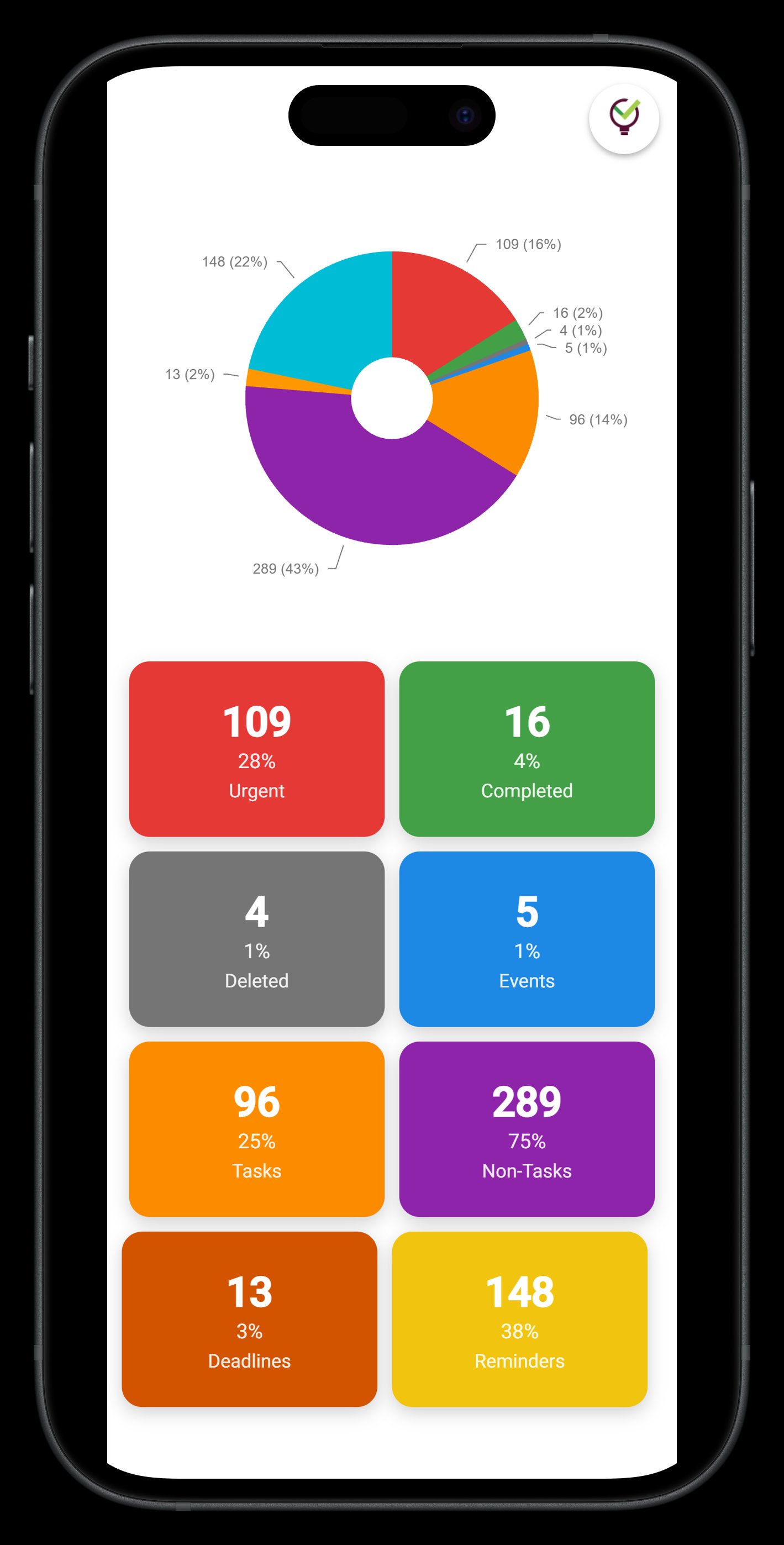
TaskLoco was built around the sticky note as the primary unit of work — not the task row, not the card in a swim lane, not the row in a spreadsheet. A note in TaskLoco holds everything: text, files, images, links, reminders, and the color-coding that makes your wall scannable at a glance. That makes it the closest digital equivalent to a real wall of Post-its — with the features a physical wall can never have.
Here's what makes TaskLoco's wall genuinely different from a generic task app dressed up with a board view:
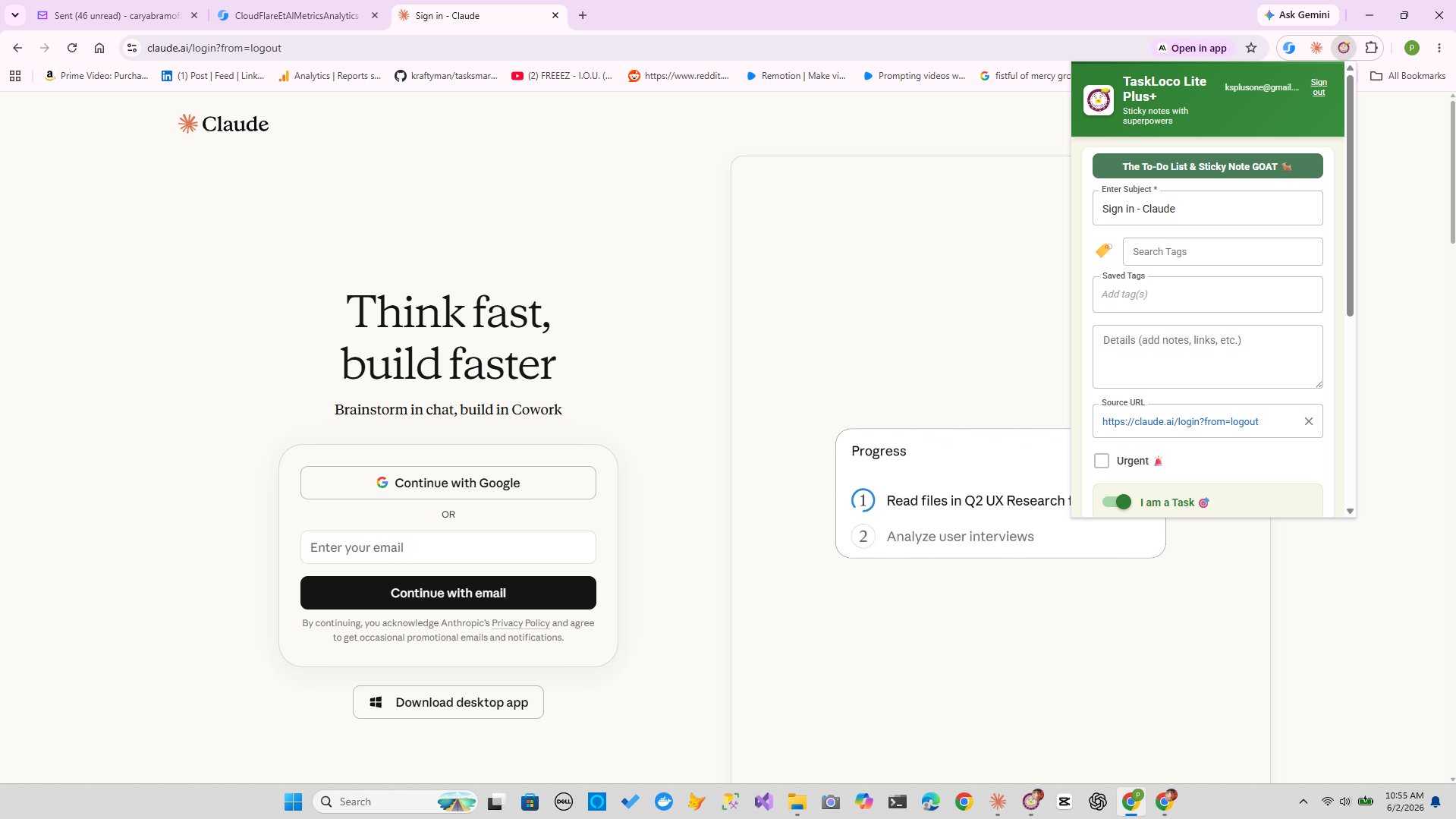
- Zero-friction capture. TaskLoco Lite Plus+ includes a Chrome extension that captures any webpage into a note in one click. No copying URLs, no switching apps, no filling in metadata. You're reading something relevant to an open project on Friday afternoon — click, it's on the wall. This is the kind of capture speed that actually keeps a wall current.
- Full-text search across everything. A wall you can't search is a wall you eventually stop trusting. TaskLoco Premium searches across all notes and file attachments, so nothing is ever truly buried — it's just not on the active wall right now.
- Reminders that close the loop. Every Premium note can carry a reminder. When it fires, it arrives as a push notification on your phone and your computer, and it deep-links directly back to the note. You don't land at a home screen. You land inside the note, ready to act. Optional email and SMS notifications are available as additional channels.
- File attachments that live with the work. Reference docs, signed contracts, screenshots — Premium includes 10GB of file storage attached directly to notes. Nothing lives in a separate folder disconnected from the task it belongs to.
- Team sharing that works like email. When a note is shared with a teammate, they can clone it and make it their own — no permissions to configure, no access levels to manage. It works the way email works: you send it, they own their copy. That keeps team walls fast and individual walls clean.
The free tiers — TaskLoco Lite on iPhone and Android, and TaskLoco Lite Plus+ on the web with Google sign-in — let you start building the wall habit before committing to anything. Lite Plus+ syncs across all your devices and includes the Chrome extension. When you're ready for reminders, file attachments, unlimited notes, calendar view, and team sharing, that's Premium.
Building a Wall That Works for More Than One Person
Solo workers can get a wall running in an afternoon. Teams take a bit more thought — not because the tool is complicated, but because a shared wall only works if everyone is updating their piece of it in real time. The good news is that TaskLoco's sharing model is designed to make that natural rather than effortful.
The most effective team wall setups follow a simple principle: each person owns their own notes. You don't edit a teammate's note directly. When a note needs to move to someone else, they clone it, make it theirs, and the original owner can see it was picked up. This mirrors the way work actually moves between people — handoffs, not shared ownership of a single document — which means less coordination overhead and fewer "wait, who's handling this?" moments.
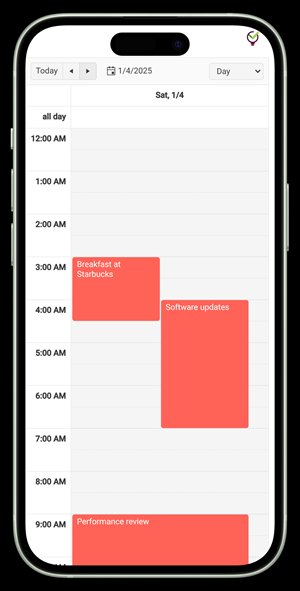
For weekly planning, teams that use TaskLoco Premium typically run a brief shared wall review on Friday alongside the individual reset ritual. Each person has already done their own Friday housekeeping. The shared review is about surfacing dependencies: "I can't move forward on X until Y gives me Z." Seeing the team's notes in a shared wall makes those blockers visible without a status meeting.
File attachments help here too. When a brief, a spec, or a reference document lives inside the note it belongs to, the person picking up the work has everything they need without hunting through shared drives. Ten gigabytes of storage per person covers most teams' reference-doc needs without getting into tiered storage complications — though additional storage tiers (50GB, 200GB, 1TB, stackable up to 100x) are available as add-ons.
If your team is currently running on a mix of Slack messages, shared spreadsheets, and individual to-do apps, moving to a shared sticky-note wall doesn't require anyone to change their individual workflow. It just makes that workflow visible to the people who need to see it.
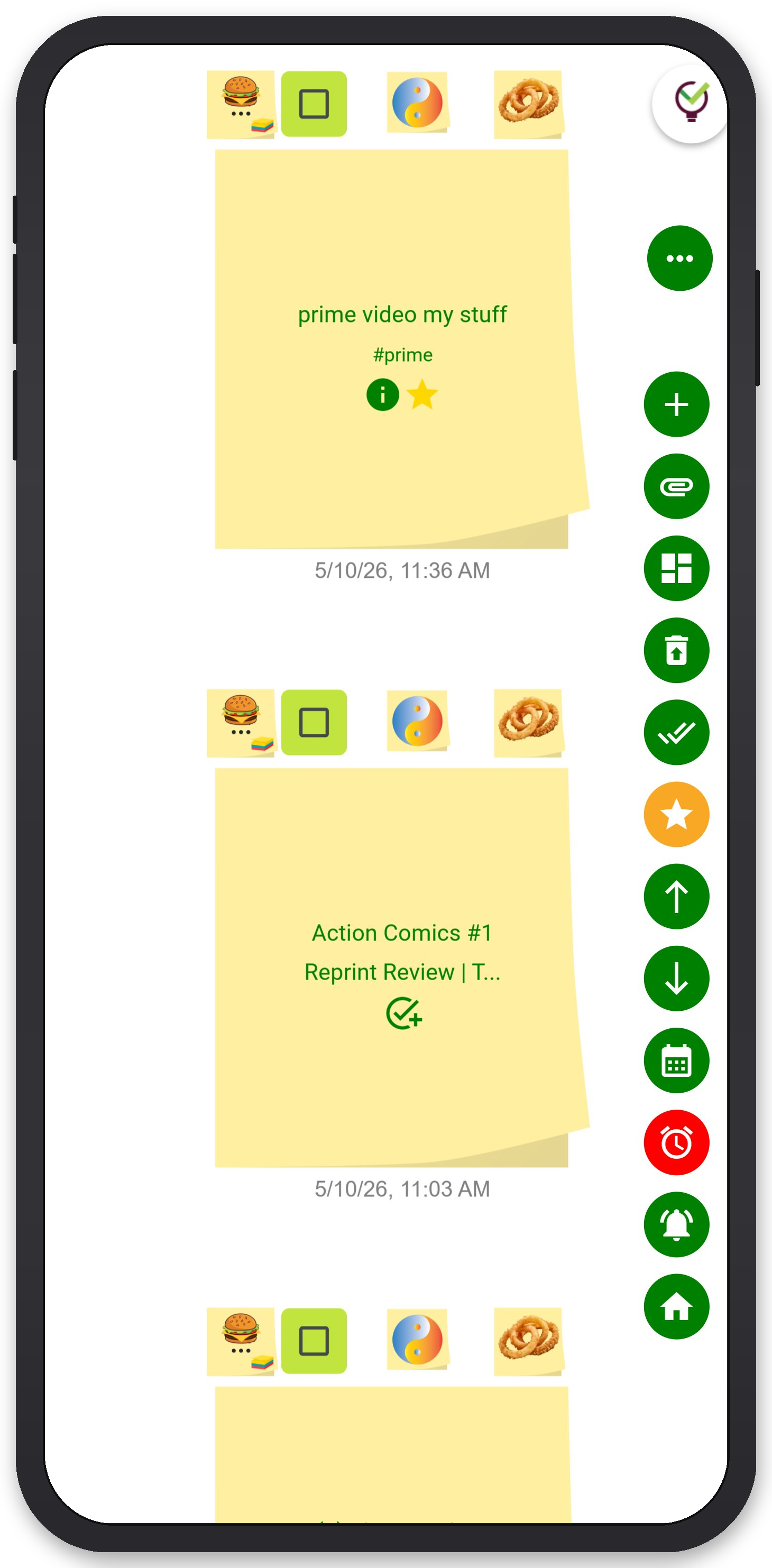
TaskLoco Premium is regularly $9.99/month per person. Right now, charter members can lock in 50% off the regular price — forever. That means $4.99/month per person today. And if our price ever goes up, you still pay half. Always.
Code CHARTER50 auto-applies at checkout. First 500 spots only — once they're gone, this offer is gone permanently. Act fast while spots last.
Every Premium subscription includes unlimited notes, 10GB file storage, reminders, calendar, and team sharing. Each team member requires a separate subscription. 7-day free trial — no charge until day 8. Cancel anytime.
Free Options: TaskLoco
TaskLoco Lite
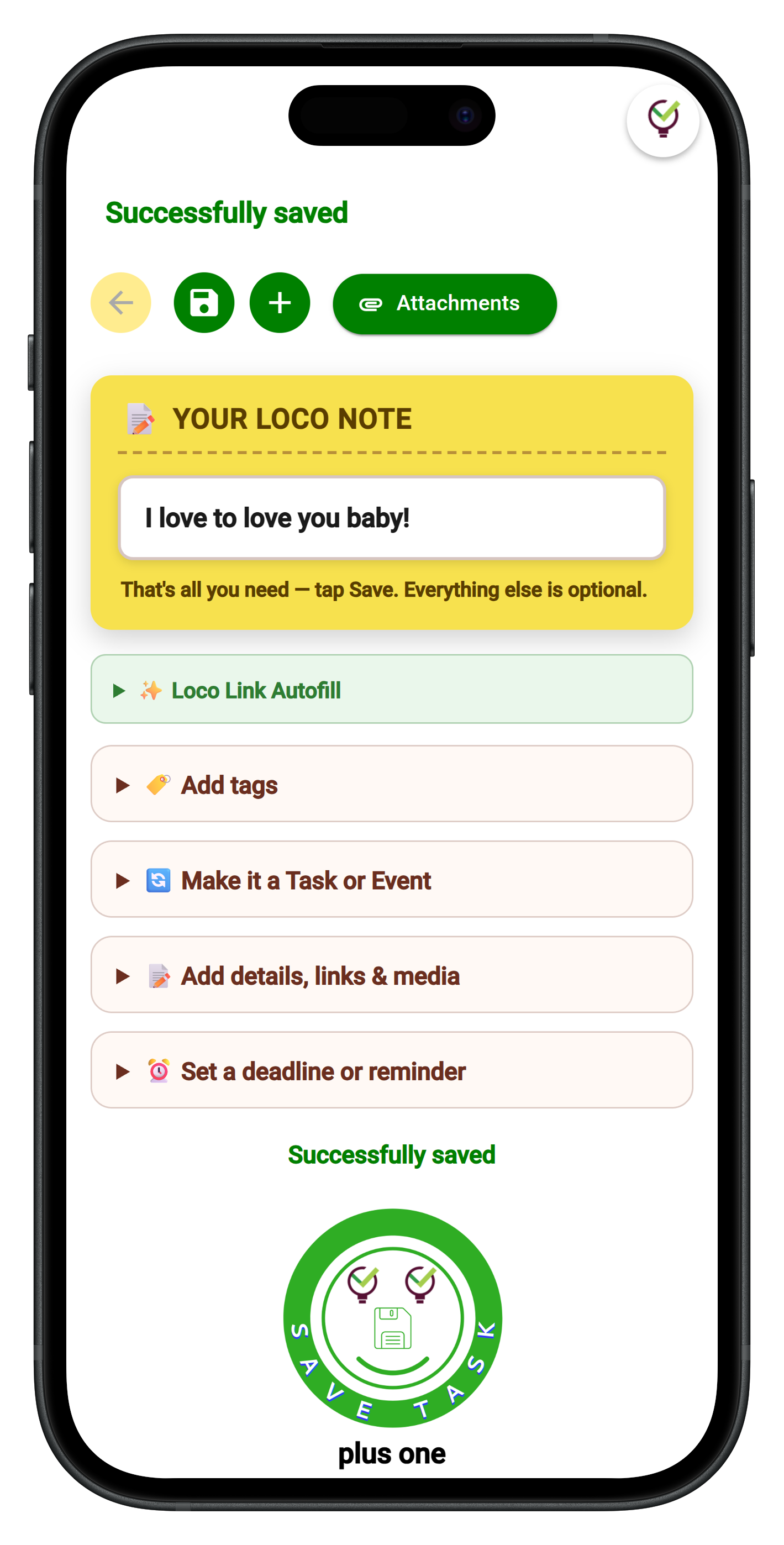
- Native iPhone & Android app
- Completely anonymous — no sign-in
- Data stays on your device
- Up to 20 notes
- Free forever
TaskLoco Lite Plus+
- Web app + Chrome extension
- Sign in with Google
- Wall syncs across all devices
- Up to 30 notes
- Free forever
Lock In 50% Off — Forever
7-day free trial. No charge until day 8. CHARTER50 auto-applies at checkout.
🔒 Lock In My Charter SpotSee TaskLoco in Action
Frequently Asked Questions
What exactly is a 'wall' in the context of weekly planning?
A planning wall is any surface — physical or digital — that displays all your open work in one visual field. Unlike a flat list, a wall shows you the shape of your week: what's in progress, what's blocked, what's done, and what's due next. The spatial arrangement communicates status at a glance without requiring you to click into anything. TaskLoco's wall view is a digital version of a sticky-note board, where each note holds not just a task but all the context, files, and reminders that go with it.
Why plan on Friday instead of Sunday night or Monday morning?
Friday planning works because the week's information is still fresh. You remember what shifted, what you promised, and what arrived unexpectedly. By Sunday night that context has faded, and Monday morning is too late — you're already behind before you start. A twenty-minute Friday reset means the wall reflects the true state of your work when you leave, so Monday morning begins with a clear plan rather than a reconstruction project.
How does TaskLoco handle reminders for time-sensitive notes on the wall?
TaskLoco Premium delivers reminders as push notifications to your phone and your computer. The key feature: each reminder deep-links directly back to the original note, so tapping the notification puts you inside the exact note you need — not at an app home screen where you'd have to go find it. Optional email and SMS notifications are also available as additional channels if you want reminders to reach you through more than one medium.
Can I use TaskLoco's wall for free before committing to Premium?
Yes. TaskLoco Lite (native iPhone and Android app) is completely free, requires no sign-in, and stores up to 20 notes directly on your device. TaskLoco Lite Plus+ is also free — it runs in your browser and via the Chrome extension, syncs across all your devices with a Google sign-in, and holds up to 30 notes. Neither free tier includes reminders, file attachments, unlimited notes, or team sharing — those are Premium features. But both let you build the wall habit before upgrading. $9.99/month per person (currently $4.99/month per person for first 500 charter members with code CHARTER50)
What's the difference between TaskLoco Lite and Lite Plus+ for wall planning?
TaskLoco Lite is a native iPhone and Android app — completely anonymous, no sign-in required, stores up to 20 notes in a file on your device only, with no syncing to any server. It's a great way to start the habit on one device. Lite Plus+ is the web app plus Chrome extension — it requires a Google sign-in, syncs across all your devices, holds up to 30 notes, and includes the one-click Chrome extension for capturing webpages directly onto your wall. If you use more than one device, Lite Plus+ is the better free starting point.
How does team sharing work on a TaskLoco wall?
TaskLoco Premium team sharing works the way email works: you share a note with a teammate, and they can clone it and make it their own. No permissions to configure, no access levels to manage. Each person owns their copy of the work, which mirrors how tasks actually move between people — through handoffs rather than shared ownership of a single editable document. This keeps individual walls clean and team visibility high without coordination overhead.
Is there a native mobile app for TaskLoco Premium?
The only native app in the App Store and Google Play Store is TaskLoco Lite — the anonymous, no-sign-in version that stores up to 20 notes on your device. TaskLoco Lite Plus+ and TaskLoco Premium are web apps. You access them on mobile through your phone's browser, which means all Premium features — reminders, file attachments, unlimited notes, calendar view, and team sharing — are available on mobile via the browser, but not through a native app download.
Born in Brooklyn. Powered by AWS. Your data stays yours.
TaskLoco is available on iPhone, Android, Chrome, and every web browser.