Software teams don't fail because the code is hard. They fail because context gets lost. A Slack message disappears. A decision made in a standup never gets written down. A blocker sits in someone's head instead of a shared space where the whole team can see it. The tools meant to solve this often make it worse — layering process on top of process until engineers spend more time updating tickets than shipping code.
Managing a software team well comes down to one thing: keeping the right information visible to the right people at the right time, with as little friction as possible. This article covers what that actually looks like in practice — the criteria that matter when picking tools, the habits that separate high-performing dev teams from stuck ones, and where TaskLoco fits into a modern engineering workflow.
What to Look for in a Software Team Management Tool
Before evaluating any specific product, it helps to define what problem you're actually solving. Software team management tools generally fall into two categories: project tracking tools (Jira, Linear, Shortcut) that model your engineering workflow as tickets and boards, and knowledge and task tools (Notion, Confluence, sticky-note apps) that capture the thinking, context, and decisions that live around your tickets. Most teams need both layers. The mistake is assuming one replaces the other.
When evaluating tools for your team, three criteria actually move the needle:
- Speed of capture. If writing something down takes more than 15 seconds, engineers won't do it. Tools that require filling out fields, choosing assignees, setting priority levels, and picking a sprint before saving anything are tools that will be abandoned mid-standup. The best capture experiences are as fast as opening a notebook.
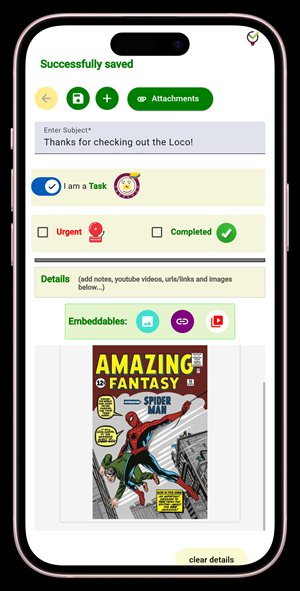
- Context persistence. A task is only useful if the context that created it survives. "Fix auth bug" tells an engineer almost nothing a week later. The tool needs to support rich notes — descriptions, screenshots, attached files, links — so that context doesn't evaporate when the person who created the ticket goes on vacation.
- Signal-to-noise ratio. Teams drown in notifications. The tool you choose should surface what matters when it matters — not spam everyone with every update. Push-based reminders tied directly to specific notes or tasks are far more useful than dashboards people have to remember to check.
The Hidden Problem: Your Ticket Tracker Isn't Capturing the Real Work
Most software teams have a Jira board (or something like it) and treat it as the source of truth for what the team is doing. That's not wrong — but it's incomplete. Jira is excellent at modeling workflow states: to-do, in progress, in review, done. What it's bad at is capturing the messy, exploratory thinking that happens before a ticket is well-defined enough to exist.
Think about what actually happens in a planning session. Someone raises a concern about the API design. Someone else sketches a workaround on a whiteboard. A decision gets made, a follow-up gets assigned — but none of that shows up in the ticket tracker because it's too early, or too fuzzy, or nobody wanted to take five minutes to type it up in a system that requires a project, a component, a priority, and a sprint before it'll let you save.
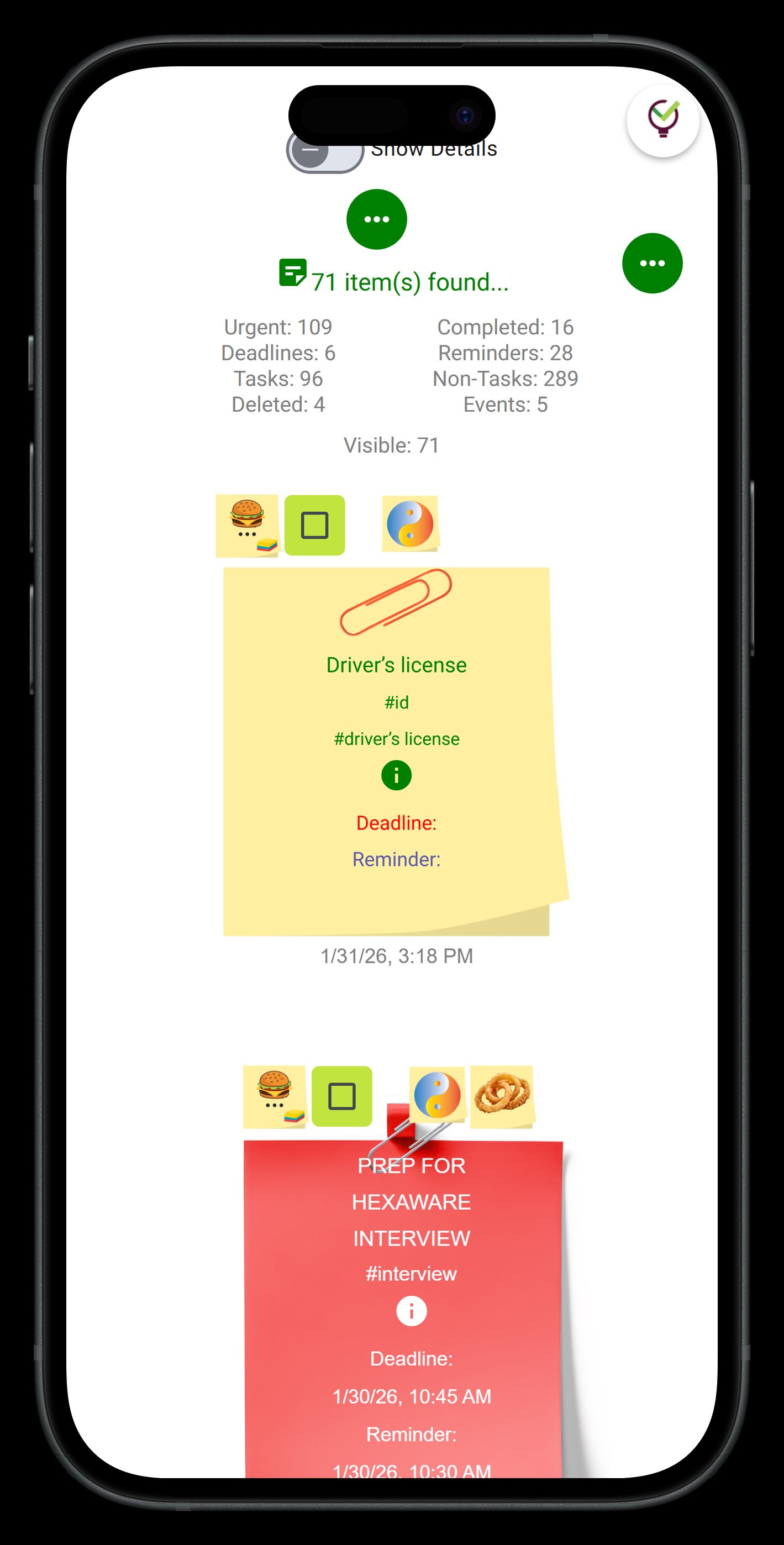
This is the gap where context goes to die. And it's exactly where a fast, lightweight note-and-task layer pays for itself. The engineering manager can capture decisions in real time. Developers can attach screenshots, specs, and error logs to the notes they're already writing. Reminders fire as push notifications and deep-link directly back to the note — so nothing gets buried.
The teams that manage this well tend to run a dual-layer system: a ticket tracker for defined work, and a faster tool for everything that's still being figured out. The second layer doesn't need to be complex. It needs to be fast, shareable, and good at keeping context alive.
Why TaskLoco Works as the Fast Layer for Software Teams
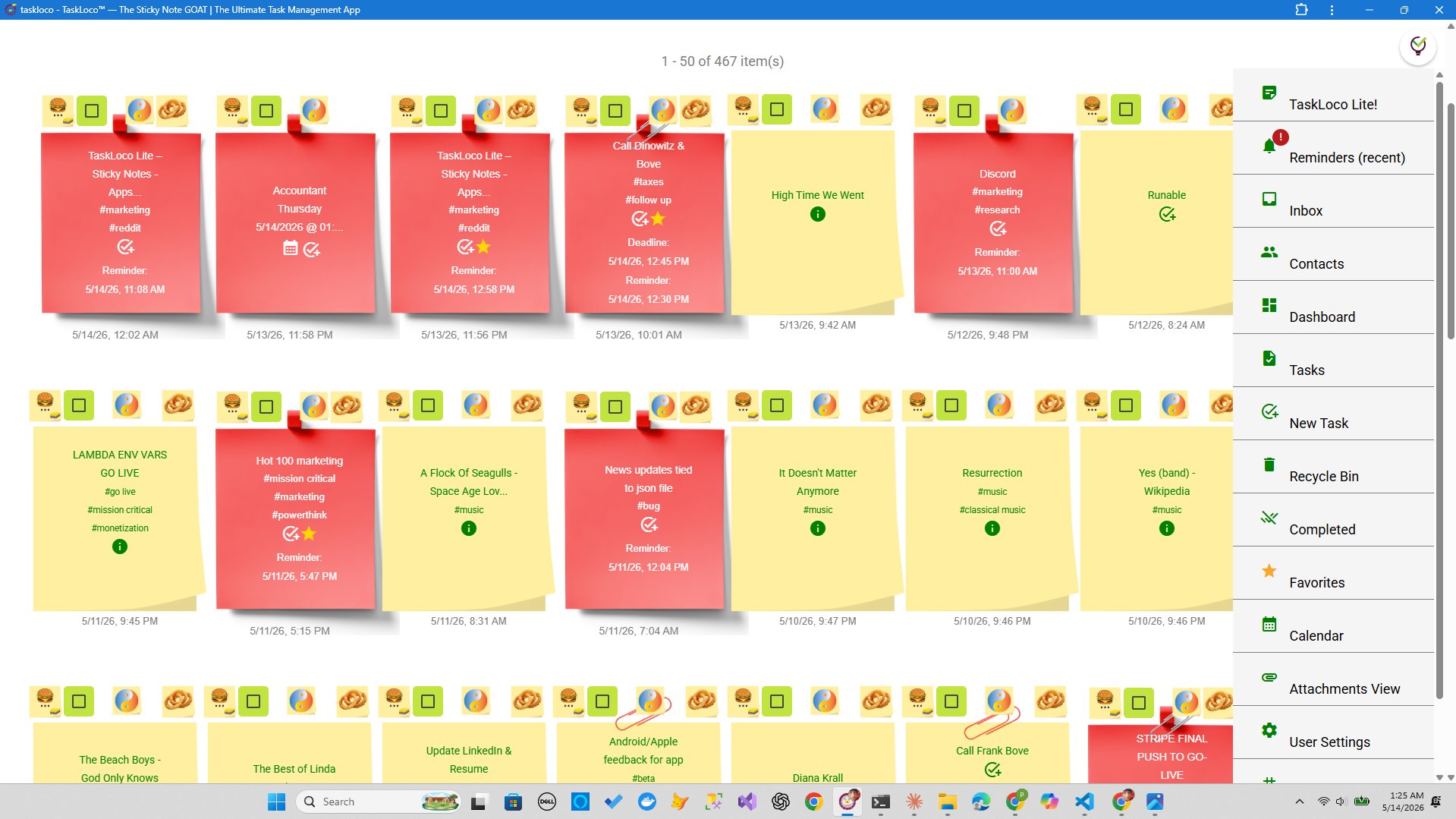
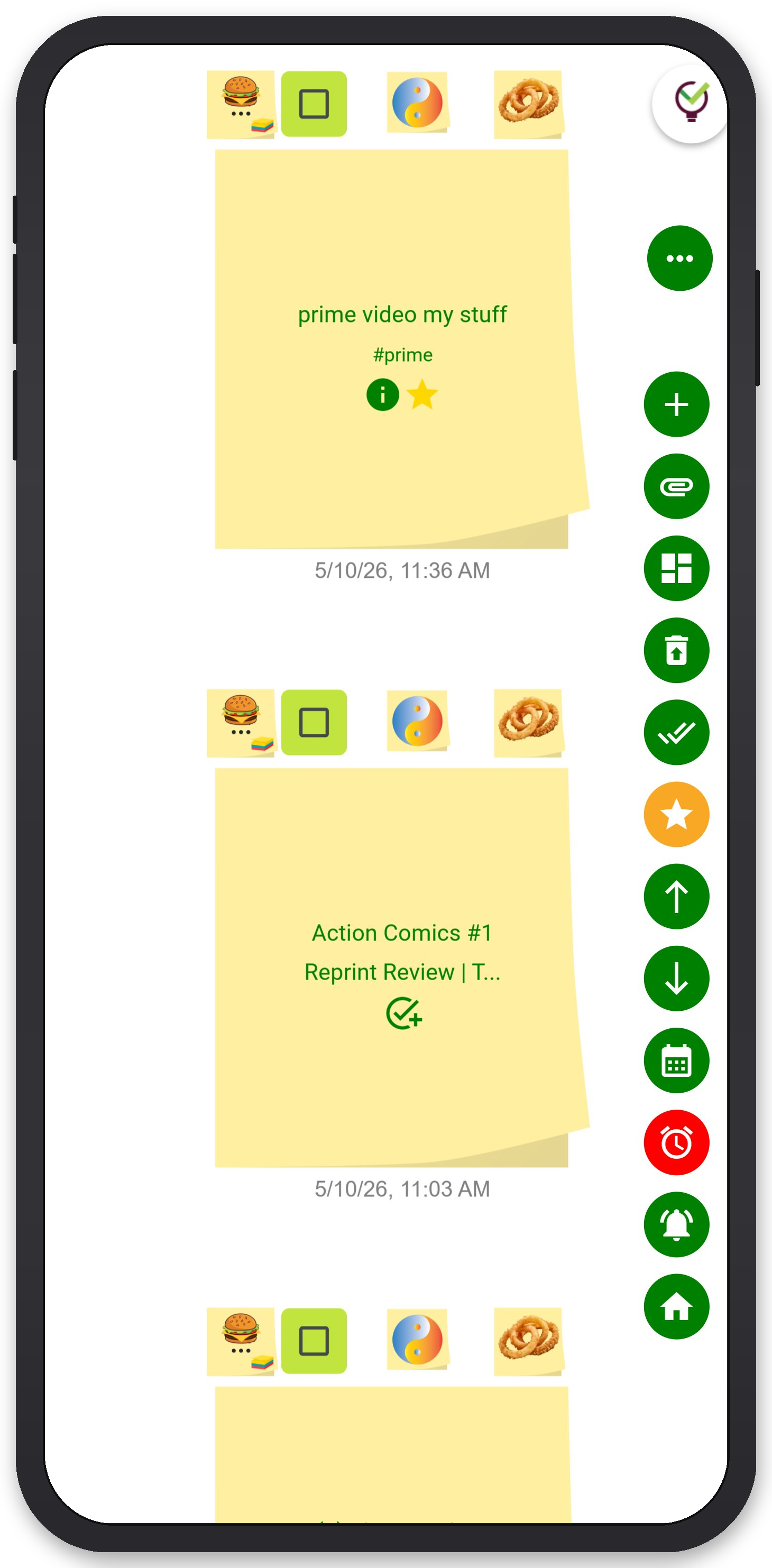
TaskLoco was built around sticky notes — which sounds simple until you realize that the sticky note is the oldest and most universally adopted productivity tool in existence. Engineers already think in notes. The goal was to make a digital version that's as fast as paper but connected enough to be useful across a team.
For software teams specifically, a few things stand out:
- Team sharing that works like email. When you share a note in TaskLoco, the recipient gets a clone they can make their own — no permission levels, no access requests, no admin overhead. An engineering manager can share a spec note with a developer, and that developer owns their copy immediately. It works the way people already think about sharing information.
- File attachments built in. Each Premium account includes 10GB of file storage. Attach error logs, screenshots, design files, or PDFs directly to the relevant note. The attachment lives next to the context, not in a separate folder that nobody can find six months later.
- Reminders that deep-link back to the note. This is the one that matters most for software teams. A reminder fires as a push notification — to your phone and your computer — and tapping it takes you directly to the note it came from. No hunting, no context-switching. The follow-up surfaces at the right time with all the context attached.
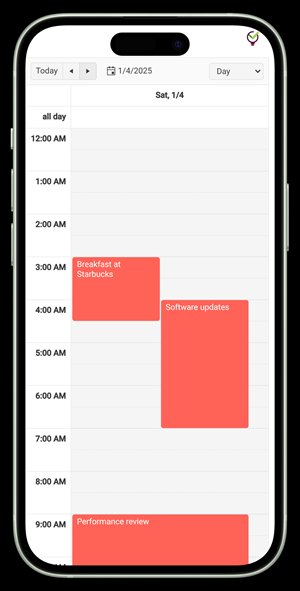
- Calendar view. See all your noted deadlines and reminders in one calendar, not scattered across three different tools.
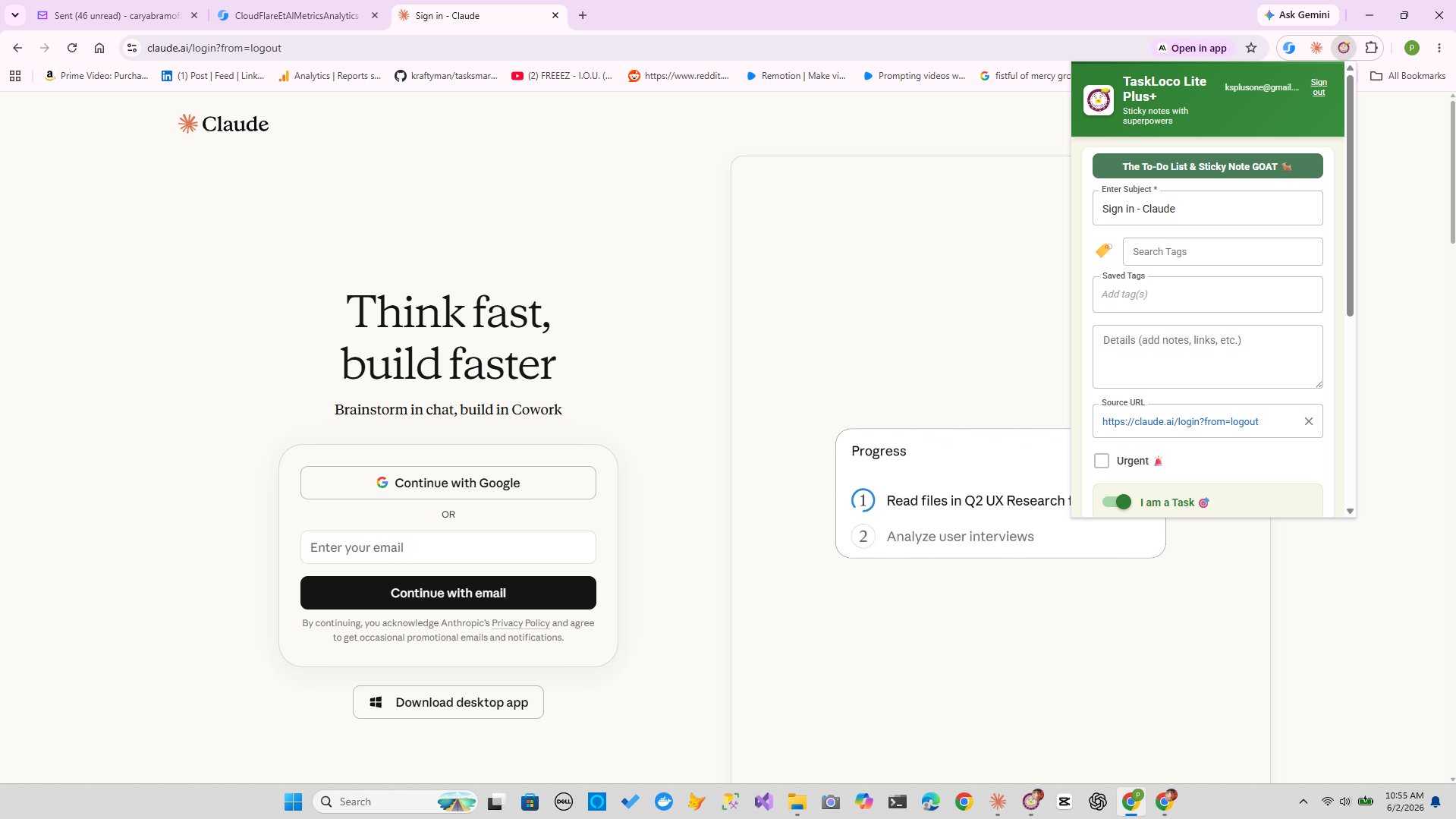
- The Chrome extension. One click captures any webpage — a GitHub issue, a Stack Overflow answer, a Confluence page — directly into a TaskLoco note. For developers doing research or tracking down bugs across multiple browser tabs, this alone saves meaningful time every day.
TaskLoco isn't trying to replace your ticket tracker. It's the layer that makes your ticket tracker more useful by keeping the context around your tickets alive and accessible.
Habits That Make Software Teams Work Better
Tools are only as good as the habits around them. Here are the patterns that consistently show up in engineering teams that stay organized without drowning in process:
- Write down every decision in the meeting it's made. Not as a formal document — as a quick note. Who decided what, and why. This single habit eliminates more confusion than any retrospective process.
- Attach artifacts to the thing they describe. If a screenshot explains the bug, it goes in the same note as the bug description. If a spec PDF explains the feature, it goes in the same note as the feature plan. Separation is the enemy of context.
- Use reminders for follow-ups, not calendars. Calendar events are for meetings. Reminders are for async follow-ups. "Check in with backend team about auth endpoint" isn't a meeting — it's a note with a reminder set for Thursday morning.
- Share notes early, not documents late. Early-stage thinking shared as a rough note invites faster feedback than a polished document shared when everything is already decided. The friction of sharing should be zero.
- Keep a personal wall for the stuff that doesn't fit a ticket. Every engineer has a stream of small, important things that don't belong in the sprint board — a library worth evaluating, a pattern worth documenting, a question worth asking at the next planning session. A personal sticky note wall is the right home for that stream.
None of these habits require complex tooling. They require a tool that gets out of the way fast enough that people actually use it. That's the bar TaskLoco is designed to clear.
How TaskLoco Compares
| Feature | TaskLoco | Jira |
|---|---|---|
| Free tier | Two free tiers: Lite (20 notes, no sign-in, native app) and Lite Plus+ (30 notes, synced, web + Chrome extension) FREE | Free tier available with limited features and seat count |
| Note capture speed | Instant sticky note creation — no required fields, no workflow overhead | Ticket creation requires project, issue type, and workflow fields |
| Team sharing | Yes — included with Premium. Each team member requires a separate subscription — currently $9.99/month per person, but TaskLoco is offering a Charter Member special: 50% off for life, currently $4.99/month per person for the first 500 subscribers with code CHARTER50. | Permission-based access control with project roles and admin overhead |
| File attachments | 10GB included with Premium — attach files directly to any note | File attachments supported on paid plans |
| Reminders | Push notification reminders that deep-link directly back to the original note; optional email and SMS add-on | Due date notifications available; no deep-link back to note context |
| Sprint planning / Scrum boards | Not built in — TaskLoco is a note and task layer, not a sprint management tool | Full Scrum and Kanban board support with sprint management |
| Project dependencies / Gantt charts | Not available — TaskLoco focuses on notes, tasks, and reminders | Advanced dependency mapping and roadmap views available |
| Calendar view | Built into Premium — see all deadlines and reminders in one calendar | Calendar-style views available on higher-tier plans |
| Chrome extension | One-click webpage capture into a TaskLoco note — free with Lite Plus+ and Premium FREE | Browser extensions available for issue creation |
| Cross-device sync | Full sync across all devices with Lite Plus+ and Premium (web app) FREE | Full cross-device sync included |
| Native mobile app | TaskLoco Lite is the native iPhone/Android app (20 notes, no sync, no reminders — introductory only); Premium is accessed via mobile browser | Full-featured native iOS and Android apps |
| Unlimited notes and tasks | Unlimited with Premium; Lite is capped at 20, Lite Plus+ at 30 | Task limits vary by plan |
| API access and integrations | Limited integrations — TaskLoco focuses on the core note-and-task experience | Extensive API and third-party integrations (GitHub, Slack, CI/CD tools) |
| Enterprise SSO / compliance | Not available — TaskLoco does not offer enterprise SSO or compliance certifications | Enterprise SSO, audit logs, and compliance features on enterprise plans |
| Extra storage | Stackable storage add-ons: 10GB / 50GB / 200GB / 1TB tiers, stackable up to 100x | Attachment storage varies by plan with less flexible scaling |
| Anonymous / no-account use | TaskLoco Lite requires no sign-in, no account, completely anonymous — stores notes locally on device FREE | Account required for all tiers |
| Setup complexity | Zero configuration — open a note and start writing. Sharing requires no admin setup. | Requires project setup, workflow configuration, and admin onboarding |
Who Should Use Each
Use the TaskLoco if…
- You need a fast, low-friction layer for capturing decisions, blockers, and context alongside your ticket tracker
- Your team wants to share notes and files without permission systems or admin overhead
- You want push notification reminders that deep-link directly back to the original note — so nothing gets lost
- You need file attachments, calendar view, and unlimited notes without enterprise tooling complexity
- You want the Chrome extension to capture GitHub issues, Stack Overflow answers, or any webpage into a note in one click
- Each person on your team manages their own subscription — no minimum seats, no forced bundles
Use Jira if…
- Your team runs formal Scrum sprints and needs full sprint board and burndown chart support
- You need Gantt charts, project dependencies, and roadmap timeline views built into your primary tool
- Your organization requires enterprise SSO, audit logs, or specific compliance certifications
- Your workflow depends on deep API integrations with CI/CD pipelines, GitHub, or Slack at the project management layer
TaskLoco Premium is regularly $9.99/month per person. Right now, charter members can lock in 50% off the regular price — forever. That means $4.99/month per person today. And if our price ever goes up, you still pay half. Always.
Code CHARTER50 auto-applies at checkout. First 500 spots only — once they're gone, this offer is gone permanently. Act fast while spots last.
Every Premium subscription includes unlimited notes, 10GB file storage, reminders, calendar, and team sharing. Each team member requires a separate subscription. 7-day free trial — no charge until day 8. Cancel anytime.
Free Options: TaskLoco
TaskLoco Lite
- Native iPhone & Android app
- Completely anonymous — no sign-in
- Data stays on your device
- Up to 20 notes
- Free forever
TaskLoco Lite Plus+
- Web app + Chrome extension
- Sign in with Google
- Wall syncs across all devices
- Up to 30 notes
- Free forever
Lock In 50% Off — Forever
7-day free trial. No charge until day 8. CHARTER50 auto-applies at checkout.
🔒 Lock In My Charter SpotSee TaskLoco in Action
Frequently Asked Questions
What's the biggest mistake software teams make with productivity tools?
Consolidating everything into one tool too early. Sprint trackers like Jira are excellent at managing defined work but terrible at capturing the messy thinking that happens before a ticket exists. Teams that force all their thinking into ticket fields end up with tickets that have no context and notes that never get written. The better pattern is a fast capture tool for the thinking layer, paired with a structured tracker for the execution layer. TaskLoco fills the first role.
Can TaskLoco replace Jira for a software team?
Not if you need sprint boards, dependency mapping, or Gantt charts — Jira does those things and TaskLoco doesn't. TaskLoco works best as the fast, human layer that sits alongside your ticket tracker: capturing decisions, attaching files, setting reminders that deep-link back to their notes, and sharing context across the team without permission overhead. Most software teams benefit from having both.
How does TaskLoco's team sharing work for engineering teams?
When you share a note in TaskLoco Premium, the recipient gets a complete clone of that note and owns it immediately — no access requests, no permission levels, no admin configuration. It works like forwarding an email. An engineering manager can share a spec, a developer can share a bug description with attached screenshots, or a designer can share a brief — and whoever receives it can make it their own, add to it, and set their own reminders on it.
How do TaskLoco reminders work for software teams?
TaskLoco reminders fire as push notifications to your phone and computer, and tapping the notification takes you directly back to the original note. That deep-link is the key feature — you're not just reminded that something exists, you land inside the full context of it. Optional email notification is also available. An SMS add-on is available for teams that want reminders in their messages as well.
Does TaskLoco have a free version for software teams to try?
Yes — two of them. TaskLoco Lite is a native iPhone and Android app that's completely anonymous, requires no sign-in, and stores up to 20 notes locally on the device. It's a good way to understand the core note-taking experience. TaskLoco Lite Plus+ is the web app and Chrome extension version — it requires a Google sign-in, syncs up to 30 notes across all your devices, and includes the one-click Chrome extension for capturing any webpage. Neither free tier includes reminders, file attachments, or team sharing — those are Premium features. $9.99/month per person (currently $4.99/month per person for first 500 charter members with code CHARTER50)
What does the TaskLoco Chrome extension do for developers?
One click captures any webpage into a TaskLoco note. For developers, that means a GitHub issue, a Stack Overflow answer, a pull request, a documentation page, or any research thread can be clipped directly into your note wall without copying and pasting. The captured note lives with the rest of your context and can have a reminder attached, files added, or be shared with your team. It's free with both Lite Plus+ and Premium.
How should a software team structure their TaskLoco workspace?
There's no mandatory structure — which is the point. Most engineering teams find it useful to keep a personal wall for individual notes and a shared note system for team-wide context. Common patterns include: one note per active feature or bug with files attached, a standup note updated daily with blockers and decisions, and reminder-backed notes for async follow-ups that can't go in the sprint board yet. The goal is fast capture with enough structure to stay findable — full-text search across all notes and attachments keeps things locatable even without rigid folder systems.
Born in Brooklyn. Powered by AWS. Your data stays yours.
TaskLoco is available on iPhone, Android, Chrome, and every web browser.