Every major technological shift in history has killed some jobs and created others. The steam engine gutted handloom weavers and minted factory managers. The spreadsheet erased armies of bookkeepers and built entire new finance departments. AI is doing the same thing right now—except the speed is different. What took decades in prior eras is happening in years.
The honest answer to 'will AI take my job?' is: it depends entirely on what your job actually consists of. Not your title. Not your industry. What you do, hour by hour, day by day. Jobs made up of predictable, repeatable decisions are at real risk. Jobs built on judgment, trust, physical dexterity in unpredictable environments, and genuine human relationships are not—and in many cases, those roles are about to become more valuable, not less.
How to Think About AI and Job Displacement (Before Panicking)
The framing of 'AI will replace jobs' is technically true but practically misleading. AI doesn't replace jobs the way a machine replaces a worker on an assembly line. It replaces tasks. And most jobs are bundles of tasks—some automatable, some not. The real question isn't whether your job title survives. It's what percentage of your daily work AI can do faster, cheaper, and without error.
Economists use the term 'task displacement' to describe this more precisely. A paralegal's job involves document review (highly automatable), client communication (moderately automatable), and court strategy (not automatable). AI doesn't eliminate the paralegal—it eliminates the part of the paralegal's day that involves reading ten thousand documents looking for one relevant clause. The paralegal who learns to work alongside that AI tool becomes dramatically more productive. The one who resists becomes dramatically less necessary.
Three criteria actually matter when assessing your own exposure:
- Repetition and predictability: If your work follows a consistent decision tree—if the same inputs reliably produce the same outputs—AI can learn that pattern. Data entry, routine claims processing, basic customer service scripts, standard legal contract drafting: all of these follow predictable patterns AI can master.
- Judgment in novel situations: AI is trained on past data. When a situation is genuinely new—a crisis with no precedent, an ethical call with competing values, a patient presenting unusual symptoms—human judgment still wins. Roles that face novel problems constantly are safer.
- Physical unpredictability: Robotics has advanced, but physical work in unstructured environments (plumbing, electrical work, construction, emergency response) remains extraordinarily difficult to automate at scale. The world is not a factory floor.
Jobs AI Is Actively Replacing Right Now
This is not theoretical. AI is already displacing significant categories of work, and the rate is accelerating. Being honest about where the pressure is real helps you make better decisions—whether you're in one of these roles or managing people who are.
Data entry and processing clerks. This was always the most obvious target. Any role where the primary output is moving structured information from one system to another is being automated at scale. Bank reconciliation, insurance claims data entry, invoice processing—these are largely gone or going.
Customer service representatives handling tier-1 support. Large language models can now handle a remarkable percentage of customer service interactions—password resets, order status, standard complaints, returns processing—without a human in the loop. Companies are deploying this aggressively. What remains for human agents is escalations, emotional situations, and edge cases.
Junior copywriters and content producers. AI generates first drafts faster than any human. The role of 'person who writes a blog post from a brief' is genuinely under pressure. Senior editorial judgment, brand voice ownership, and strategy remain human—but the volume-content-production layer is being compressed fast.
Paralegals and legal research assistants. Document review and legal research—historically some of the most expensive billable hours at law firms—are being handled by AI tools with high accuracy. The legal profession is changing faster than its own regulatory structure can keep up with.
Radiologists and diagnostic imaging readers. This one surprises people. AI diagnostic tools in certain imaging categories (detecting diabetic retinopathy, reading mammograms for certain indicators) are matching or exceeding specialist accuracy. The role isn't eliminated, but it's being redefined around cases where AI flags uncertainty.
Junior financial analysts. Building models, pulling data, formatting reports—work that used to occupy analyst classes at investment banks and consulting firms—is being compressed by AI. The analysis layer above that work (forming the actual view, making the recommendation, understanding the client) is still human.
Translation and transcription services. Real-time high-quality translation and transcription at near-zero marginal cost has essentially disrupted this entire industry for standard language pairs. Specialized domains (legal translation, literary translation, highly technical content) retain human demand, but the commodity tier is gone.
Jobs AI Is Creating—and Where the Real Opportunity Is
Every era of automation has generated more jobs than it destroyed—eventually. The disruption is real in the short term, and 'eventually' is cold comfort if you're the paralegal whose work just got compressed. But the new roles are real, they're growing, and many of them are accessible without a computer science degree.
AI prompt engineers and workflow designers. Getting useful output from AI systems is a genuine skill. Knowing how to structure prompts, chain tools together, validate outputs, and build repeatable AI workflows is something most organizations are desperate to hire for. This role didn't exist three years ago. It's proliferating now and will keep growing.
AI trainers and data annotators (senior tier). The commodity layer of data annotation is itself being automated, but the senior tier—people who understand domain-specific nuance well enough to evaluate and correct AI outputs—is growing. Medical AI needs clinicians who can tell it when it's wrong. Legal AI needs experienced lawyers for the same reason. Domain expertise applied to AI quality is a real career path.
Human-AI collaboration specialists. Organizations adopting AI tools at scale need people who can sit between the AI system and the business users—understanding both well enough to make the integration actually work. This is part product manager, part change manager, part trainer. It's one of the fastest-growing hybrid roles.
AI ethicists and policy analysts. Governments, corporations, and civil society organizations are hiring people to think about what AI should and shouldn't do. This is not a technical role at its core—it requires philosophy, law, social science, and communication skills more than coding ability.
Mental health professionals. Demand for licensed therapists, counselors, and mental health practitioners is growing faster than supply, and AI is not replacing them. The therapeutic relationship requires trust, attunement, and genuine human presence that no model replicates. If anything, AI-assisted mental health apps are increasing awareness and demand for human practitioners.
Skilled trades and physical-world specialists. Electricians, HVAC technicians, plumbers, and specialized construction trades are experiencing significant labor shortages and wage growth simultaneously. AI cannot fix your pipes. The physical-world labor shortage is structural and deepening—these roles are as secure as any in the economy.
Care work at scale. As populations age across developed economies, demand for nurses, home health aides, occupational therapists, and eldercare specialists is growing faster than any automation can address. These roles require physical presence, emotional attunement, and adaptive judgment in chaotic environments—the hardest combination for AI to replicate.
Creative directors and brand strategists. As AI floods the market with generic content, the premium on genuine creative vision, distinct brand voice, and human-felt storytelling is going up, not down. The people who can tell the difference between AI-generated noise and real creative work—and produce the latter—are becoming more valuable.
How to Stay Ahead: Practical Steps That Actually Matter
Generic career advice—'learn to code,' 'become a lifelong learner'—isn't very useful. Here's what's actually worth doing based on how AI displacement is playing out in practice.
Audit your own task mix honestly. Sit down and list what you actually do in a given week. Not your job description—your real task list. Then rate each task: is this the kind of thing AI can already do, or will be able to do in two years? The goal isn't to scare yourself—it's to find the leverage point. If 60% of your day is automatable, that's also 60% of your day that AI could do for you, making you dramatically more productive if you reframe it correctly.
Develop genuine AI tool fluency in your specific domain. This doesn't mean taking a generic ChatGPT course. It means finding the AI tools that are being adopted in your industry and actually using them until you're good at them. A marketing manager who can produce ten times the output with AI tools is not replaced by AI—they replace the people who can't.
Build the layer above your current work. Whatever your current role, the layer above it—strategy, judgment, client relationships, quality evaluation—is what remains after AI absorbs the execution layer. Actively building skills and visibility at that higher layer is the most durable career investment you can make.
Take your organizational memory seriously. In a world where AI tools generate enormous volumes of output, the people who can maintain clarity about what actually matters—what decisions were made, what the reasoning was, what's been tried—become invaluable. This is partly a habit and partly a tool question. Capturing thinking in a reliable system means you can find it, share it, and build on it.
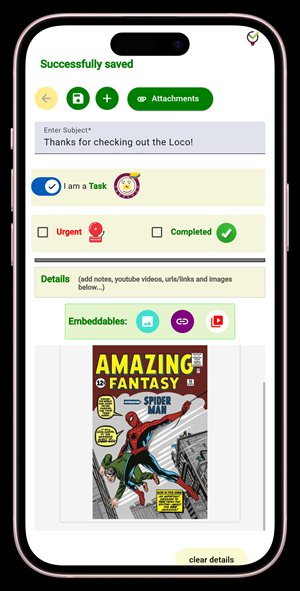
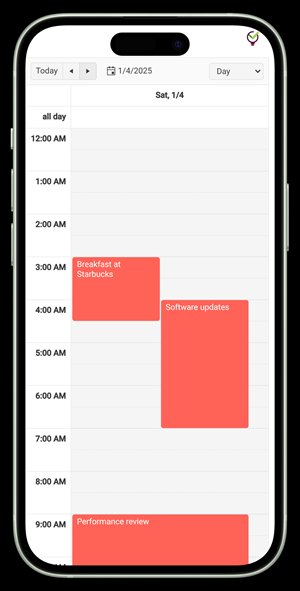
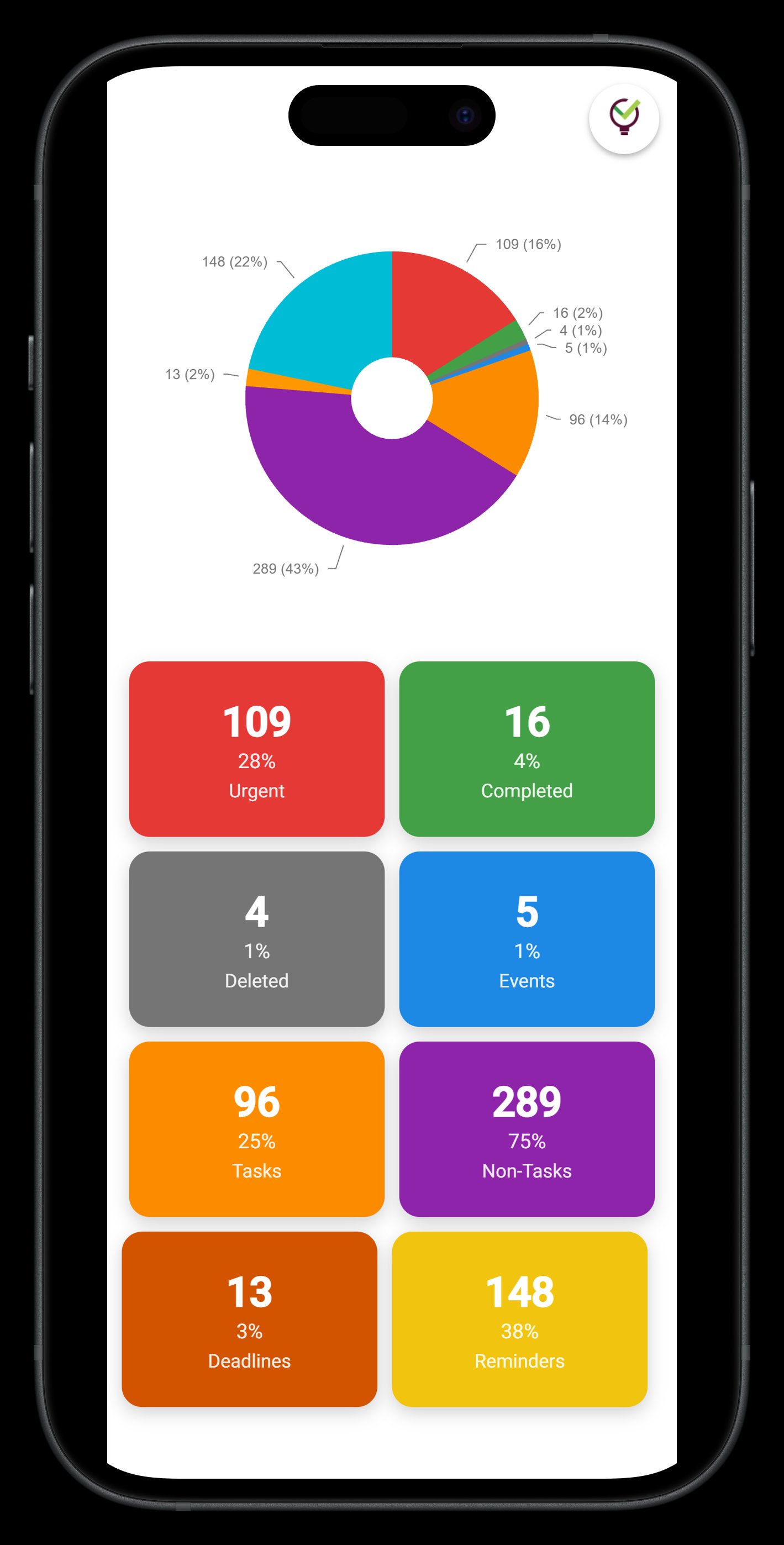
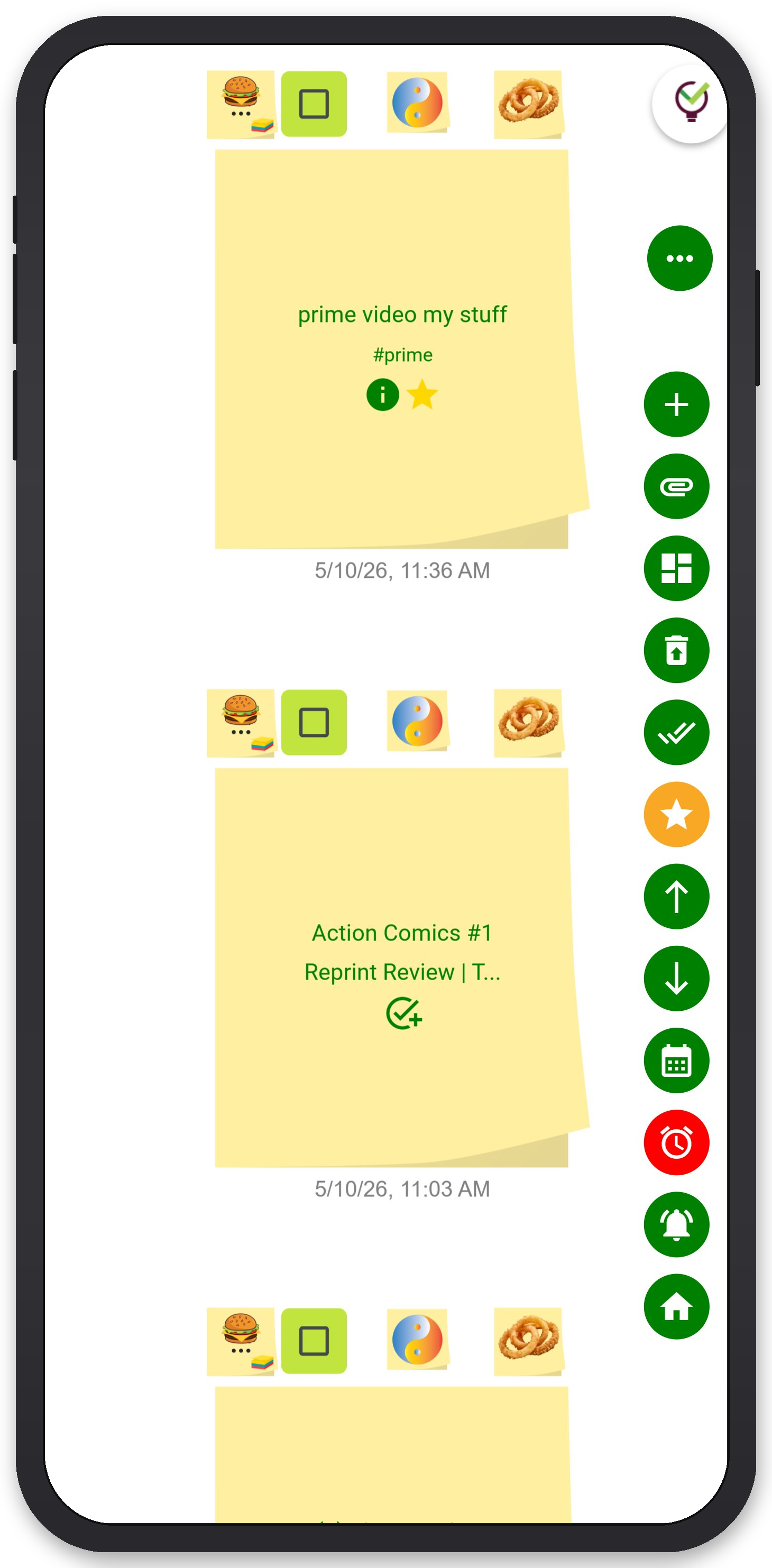
That's exactly where TaskLoco earns its place in a changing workday. When you're managing your own career transition, running a side project, coordinating a team through organizational change, or just trying to stay on top of more complexity than before—a tool built around the way human thinking actually works matters. TaskLoco's visual sticky note system keeps your ideas, tasks, reminders, and files in one place, with a Calendar view that shows you what's coming and push notification reminders that deep-link you back to the note that matters. No enterprise overhead. No learning curve that becomes a job in itself.
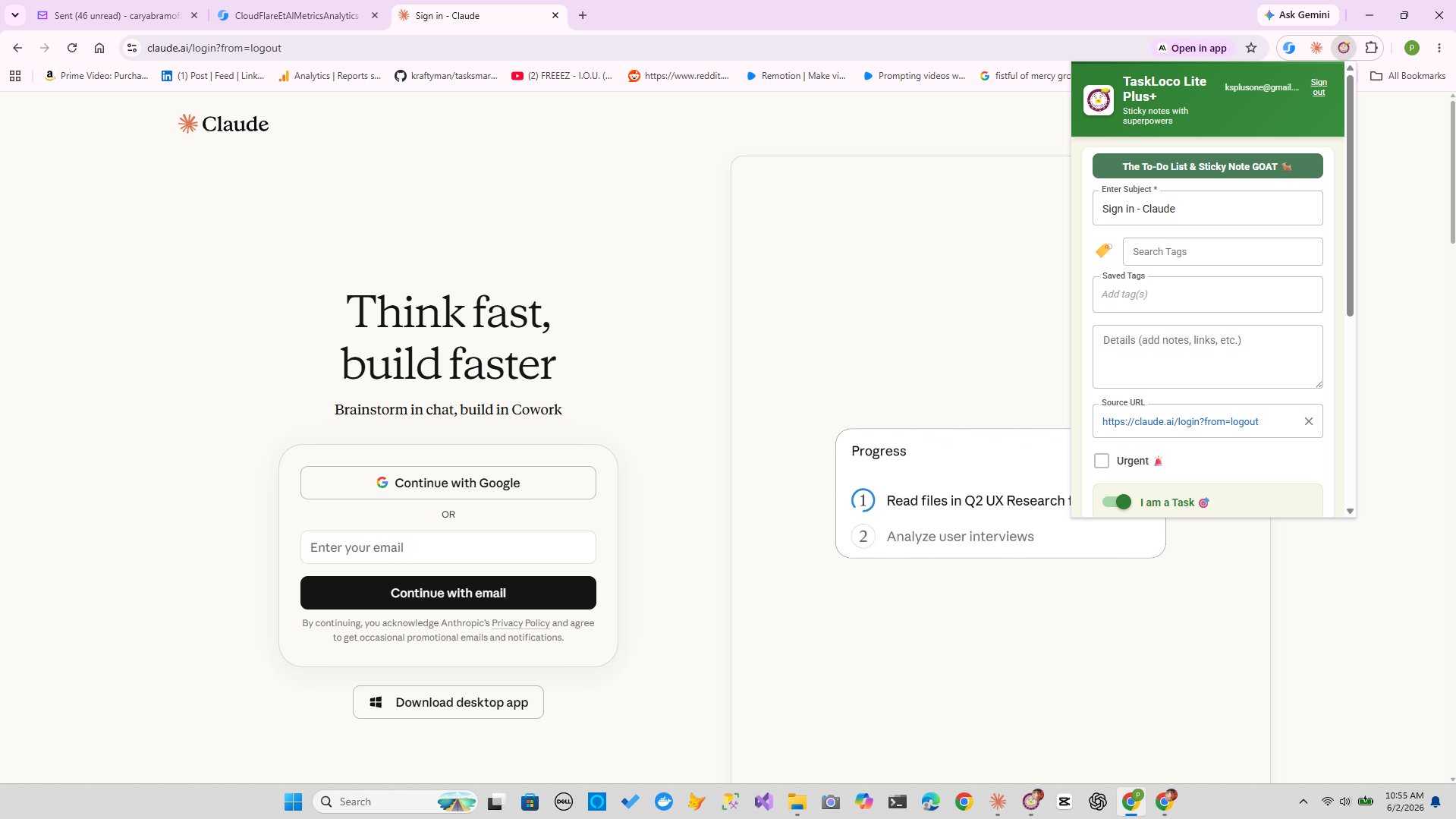
The Premium plan includes unlimited notes, 10GB file storage, calendar view, team sharing, and reminders delivered as push notifications to your phone and computer—with optional email and SMS channels. The Chrome extension captures any webpage in one click, so research you find today doesn't disappear tomorrow. And if you're coordinating with others navigating the same shifts, team sharing works the way email does: recipients can clone the shared note and make it their own, no permissions or access levels to configure.
TaskLoco Premium is regularly $9.99/month per person. Right now, charter members can lock in 50% off the regular price — forever. That means $4.99/month per person today. And if our price ever goes up, you still pay half. Always.
Code CHARTER50 auto-applies at checkout. First 500 spots only — once they're gone, this offer is gone permanently. Act fast while spots last.
Every Premium subscription includes unlimited notes, 10GB file storage, reminders, calendar, and team sharing. Each team member requires a separate subscription. 7-day free trial — no charge until day 8. Cancel anytime.
Free Options: TaskLoco
TaskLoco Lite
- Native iPhone & Android app
- Completely anonymous — no sign-in
- Data stays on your device
- Up to 20 notes
- Free forever
TaskLoco Lite Plus+
- Web app + Chrome extension
- Sign in with Google
- Wall syncs across all devices
- Up to 30 notes
- Free forever
Lock In 50% Off — Forever
7-day free trial. No charge until day 8. CHARTER50 auto-applies at checkout.
🔒 Lock In My Charter SpotSee TaskLoco in Action
Frequently Asked Questions
Which jobs are most at risk from AI replacement?
Jobs built on structured, repetitive cognitive tasks face the most pressure: data entry clerks, tier-1 customer service reps, junior financial analysts, legal research assistants, and standard translation services. The pattern is consistent—if the work follows a learnable decision tree with predictable inputs and outputs, AI can learn it. Job titles matter less than what you actually do hour to hour.
Will AI replace programmers and software engineers?
AI is changing software development significantly—code generation, debugging, and documentation are all being accelerated by AI tools. But software engineering at its core involves understanding what to build, why, and how it should behave in edge cases humans haven't anticipated. Junior coding tasks (boilerplate, standard implementations) are under pressure. Senior engineering judgment, system architecture, and product thinking are not. Most working engineers report AI tools making them more productive, not replacing them.
What new jobs is AI creating?
AI is creating meaningful demand for prompt engineers and workflow designers, human-AI collaboration specialists, AI trainers with domain expertise, AI ethicists and policy analysts, and senior-tier data quality roles. Beyond explicitly AI-labeled jobs, roles in mental health, skilled trades, care work, and senior creative direction are growing because AI cannot replicate what those roles require.
Is my job safe from AI?
The honest way to assess this is to audit what your job actually consists of—not your title, your real task list. Tasks that are highly repetitive and follow consistent patterns are at risk. Tasks that require judgment in novel situations, physical presence in unpredictable environments, genuine human trust, or original creative thinking are safer. Most jobs contain both kinds of tasks. The workers who thrive will be the ones who let AI handle the first category and focus their energy on the second.
How should I prepare my career for AI disruption?
Start with an honest audit of your own task mix, then develop genuine fluency with AI tools in your specific domain—not generic AI literacy, but the tools your industry is actually adopting. Actively build skills at the layer above your current work (strategy, judgment, client relationships) because that's what survives after AI absorbs the execution layer. And invest in the systems that keep your thinking organized. When complexity increases, the people who can maintain clarity have an outsized advantage.
How can TaskLoco help me manage career transitions and increased complexity at work?
TaskLoco Premium gives you unlimited notes, 10GB file storage, calendar view, team sharing, and reminders delivered as push notifications that deep-link back to the exact note that matters. When you're navigating career research, skill-building plans, side projects, or team coordination through organizational change, having your thinking in one visual system—with files attached, reminders set, and the ability to share notes with others who can clone them and make them their own—is a genuine advantage. The Chrome extension captures any webpage in one click so nothing you find gets lost. $9.99/month per person (currently $4.99/month per person for first 500 charter members with code CHARTER50)
Will AI replace creative jobs?
AI is flooding the market with generic creative output, which is creating two opposite effects. The commodity tier of creative work—volume content production, standard graphic design briefs, templated copywriting—is under real pressure. But the premium on genuine creative direction, distinct voice, and original thinking is going up. The creative professionals who can tell the difference between AI-generated noise and real creative work, and who can produce the latter, are becoming more valuable, not less. AI is a powerful tool in the hands of a strong creative. It's a replacement for a weak one.
Born in Brooklyn. Powered by AWS. Your data stays yours.
TaskLoco is available on iPhone, Android, Chrome, and every web browser.