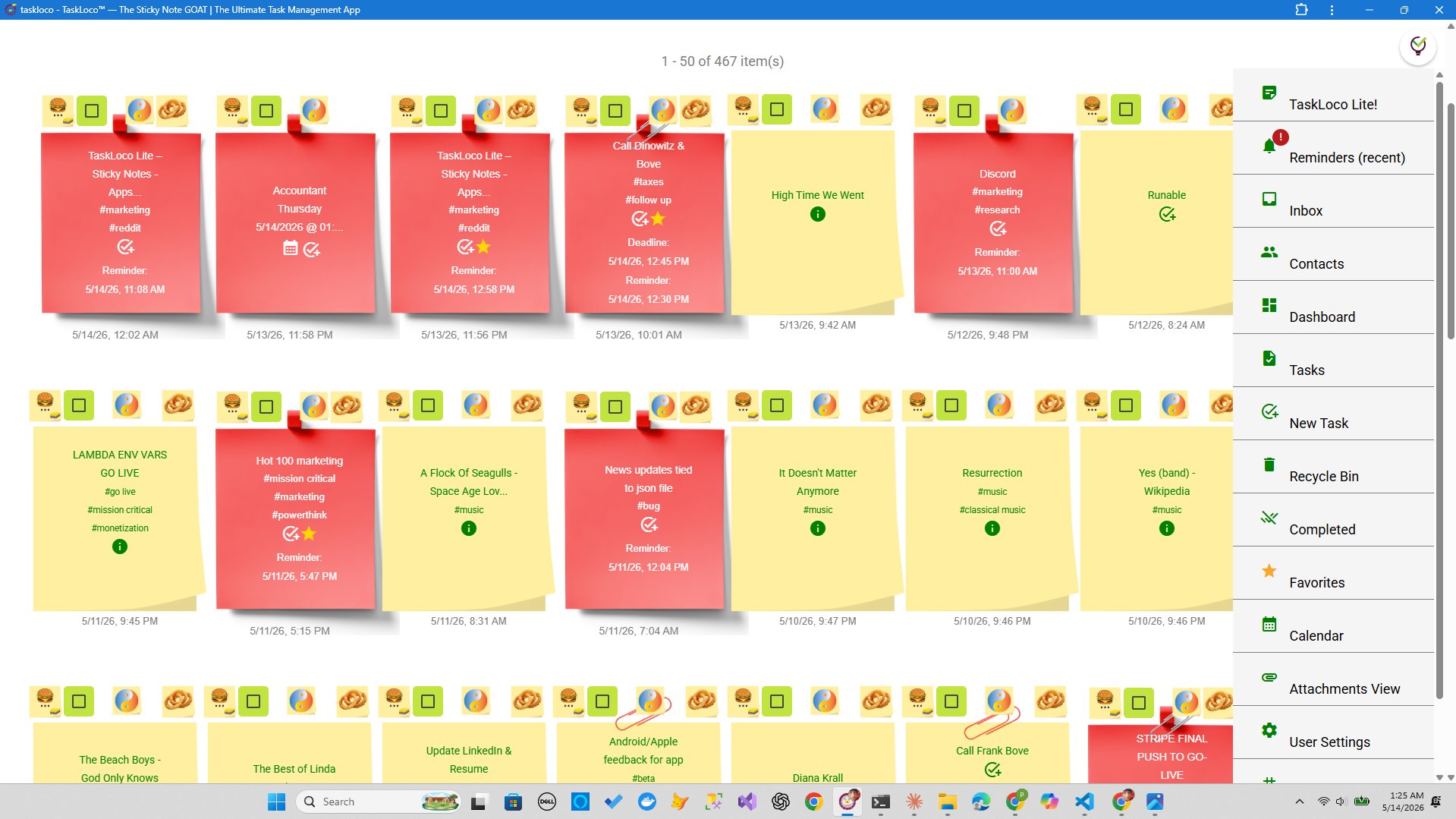
Most people use sticky notes wrong. They copy out long sentences, stack them in a pile, and wonder why nothing sticks. The actual power of a sticky note is its size. Tiny surface area forces you to compress information into its most essential form — and that compression is where learning happens.
What follows is a practical, research-backed method for using sticky notes to study. It works for exams, certifications, language learning, or anything you need to hold in your head long-term. You don't need any app to use it. A pack of Post-its and a marker will do the job.
The One-Idea Rule: Why Most Sticky Note Studying Fails
The single most common mistake is putting too much on one note. If a sticky note has three bullet points on it, your brain treats it as a list — and lists are easy to skim and hard to recall under pressure. The fix is strict: one idea, one question, or one fact per note. That's it.
Think of each note as a flashcard with no back side. The front is a question or a prompt. The answer lives in your head, not on the paper. Write "What does mitochondria produce?" not "Mitochondria → ATP (adenosine triphosphate), the cell's energy currency, produced via cellular respiration." The long version feels thorough. The short version forces recall.
If you can't fit your idea on one note in large handwriting, you haven't broken it down enough yet. That breaking-down process — deciding what the atomic unit of knowledge is — is itself a powerful study act. You're not just writing notes. You're forcing yourself to understand what actually matters.
The Review Cycle: How to Move Notes from 'Seen' to 'Memorized'
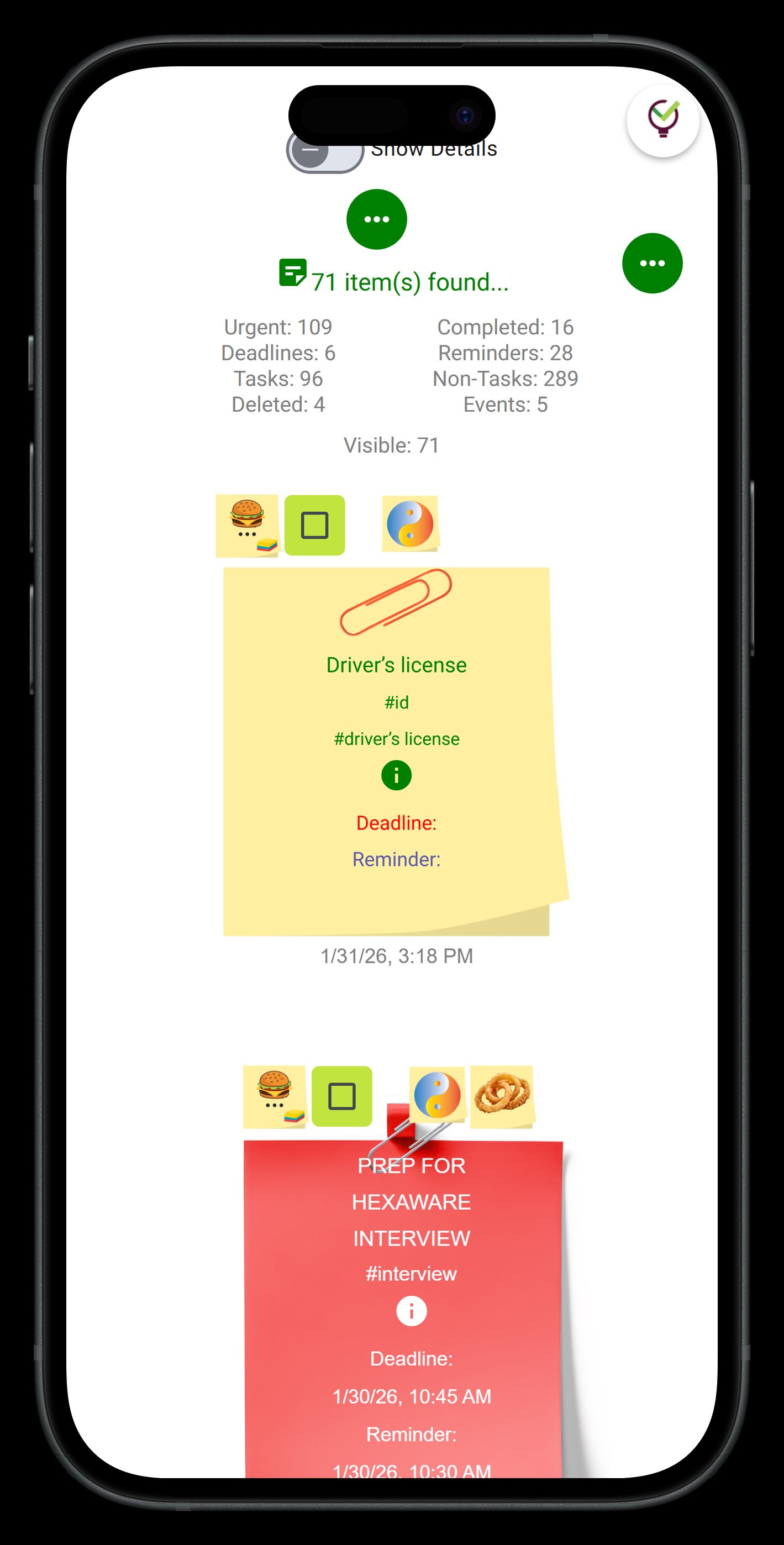
Sticky notes get powerful when you treat them as a moving system, not a static decoration. The classic approach is a three-zone layout — call them Learn, Review, and Done. Every note starts in Learn. When you can answer it without hesitation, it moves to Review. When you can answer it correctly three times in a row across different sessions, it moves to Done.
Here's the daily ritual that makes this work:
- Morning pass: Look at every note in the Learn zone. Cover the answer (if you wrote one on the back or below a fold). Say the answer out loud. Get it wrong? The note stays. Get it right? It moves to Review.
- Evening pass: Do the same with Review notes. These are things you've seen before — you're reinforcing, not learning fresh. If one slips back, move it back to Learn without shame.
- Weekly clear-out: Pull anything from Done that you haven't touched in a week and quiz yourself cold. If it holds, archive it. If it doesn't, back it goes.
This mirrors spaced repetition — the principle behind apps like Anki — but without any software. The physical act of moving a note from one zone to another is itself a memory cue. Your hand remembers the motion. Your eye notices the wall changing. Both reinforce the learning.
Placement Strategy: Put Notes Where You Can't Ignore Them
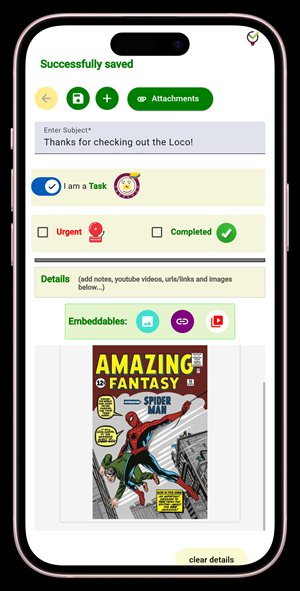
The best study system is the one you actually engage with. Physical sticky notes have a built-in advantage: you can put them anywhere. That means your bathroom mirror, the inside of a kitchen cabinet, above your desk monitor, next to the coffee machine. The goal is repeated, low-effort exposure.
This technique has a name in memory research: environmental encoding. When you encounter the same information in different physical locations and at different moments in your day, your brain stores it with more contextual hooks — making it easier to retrieve later under exam conditions.
A few placement principles that work:
- High-traffic spots first. Anywhere you spend 30 seconds waiting — the kettle, the bathroom, a loading screen — is a review opportunity. Capture it.
- Rotate notes regularly. After a few days, your brain stops seeing something it sees every day. Move notes around every 3–4 days so they stay visible rather than wallpaper.
- Group by topic, not by room. All your chemistry notes in the kitchen and all your history notes by the desk creates topic clusters. When you walk into a room, your brain primes that topic's network.
- Don't paper every surface. 10–15 active notes in rotation is more effective than 80. More isn't better — overwhelm kills engagement.
The physical note system works best during an active study sprint of 2–6 weeks. For longer-term retention, you'll want a digital system that doesn't depend on your apartment being covered in paper.
Taking This Digital: How TaskLoco Fits Into a Serious Study System
Physical sticky notes have a ceiling. You can't search them, you can't carry them with you reliably, and when the exam sprint ends you have 60 Post-its to throw away and nothing archived. That's where a digital note system earns its place — not as a replacement for the method above, but as a more durable version of it.
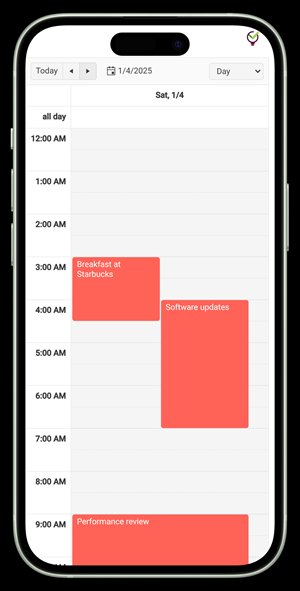
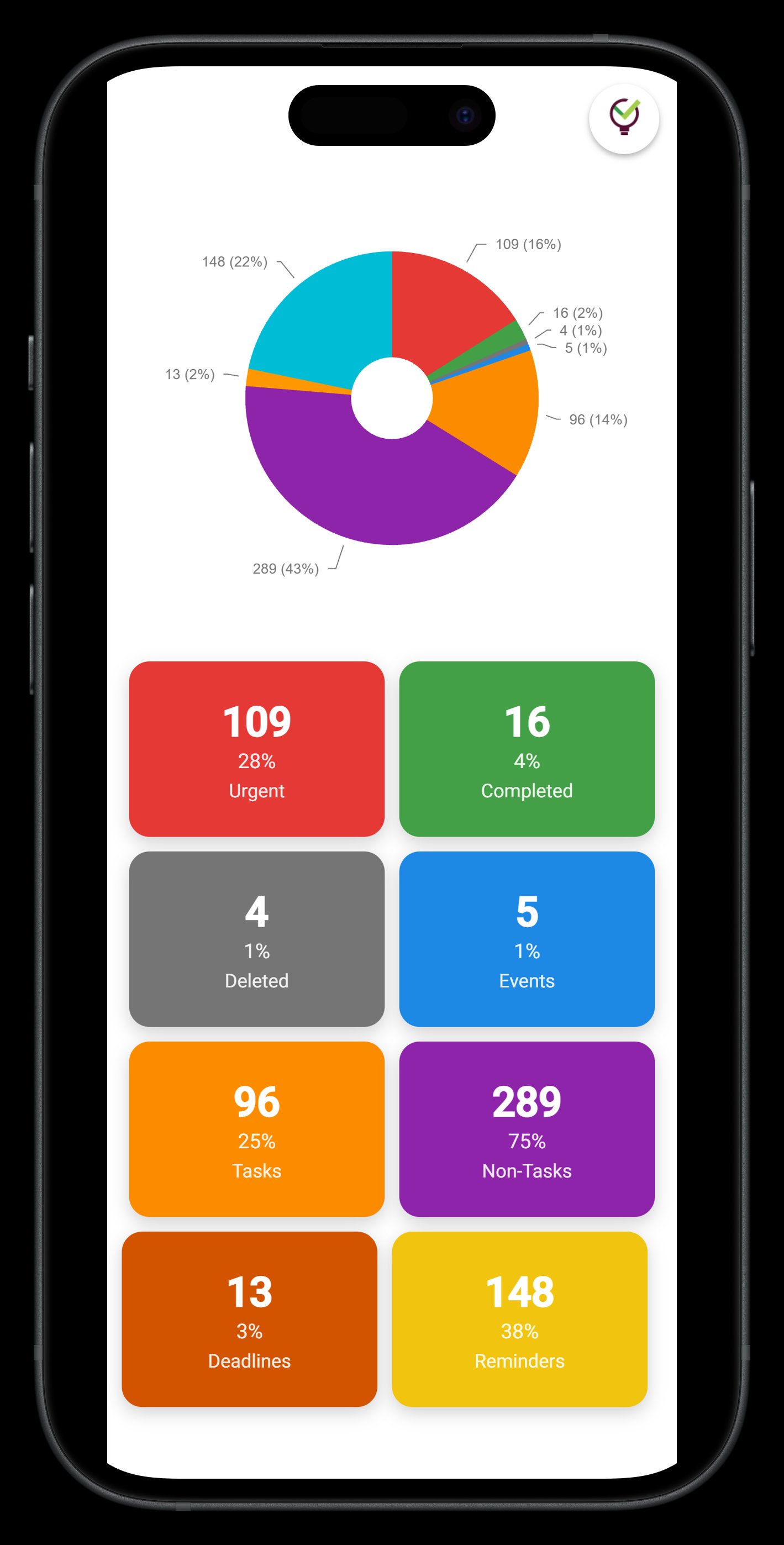
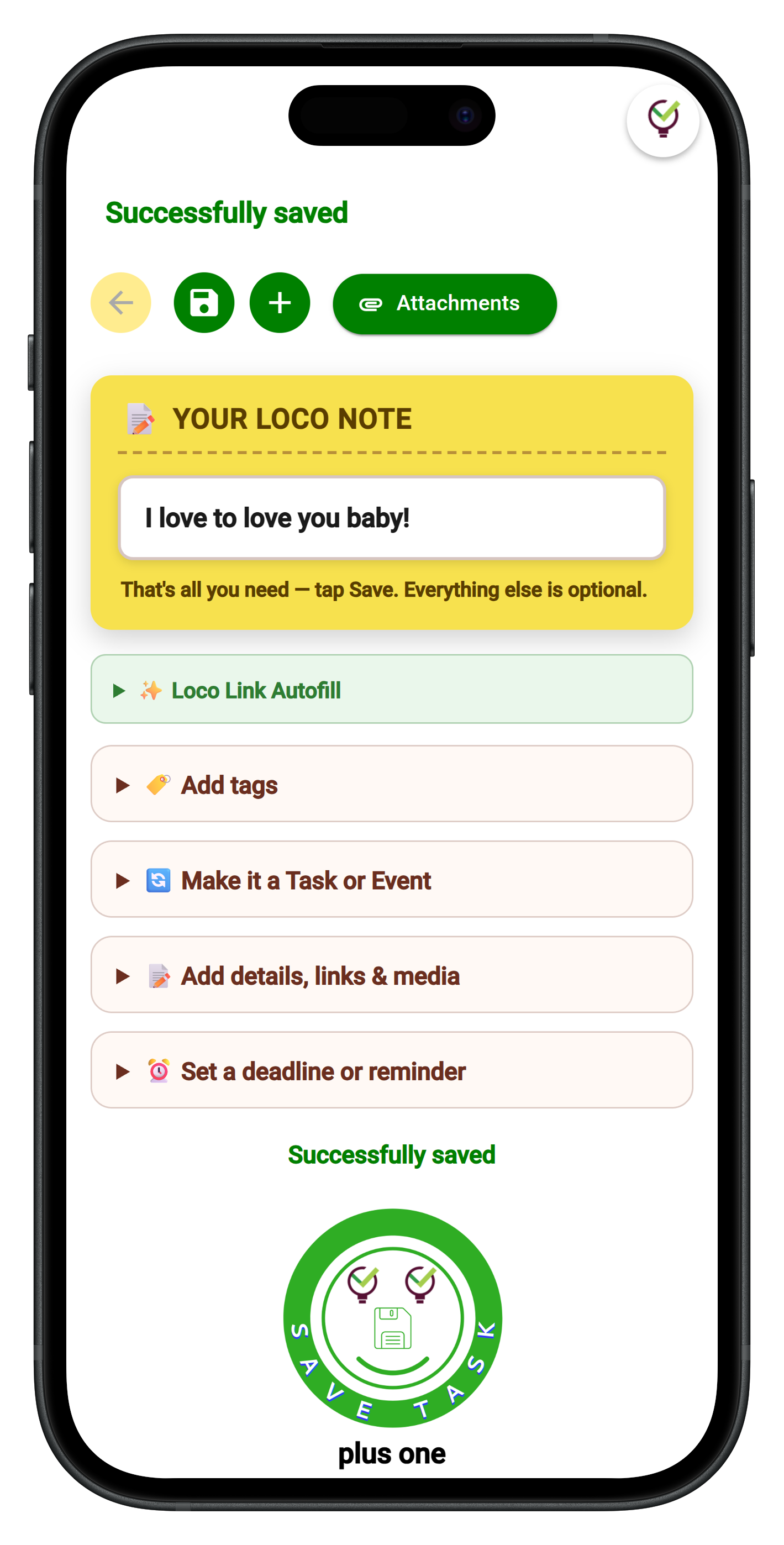
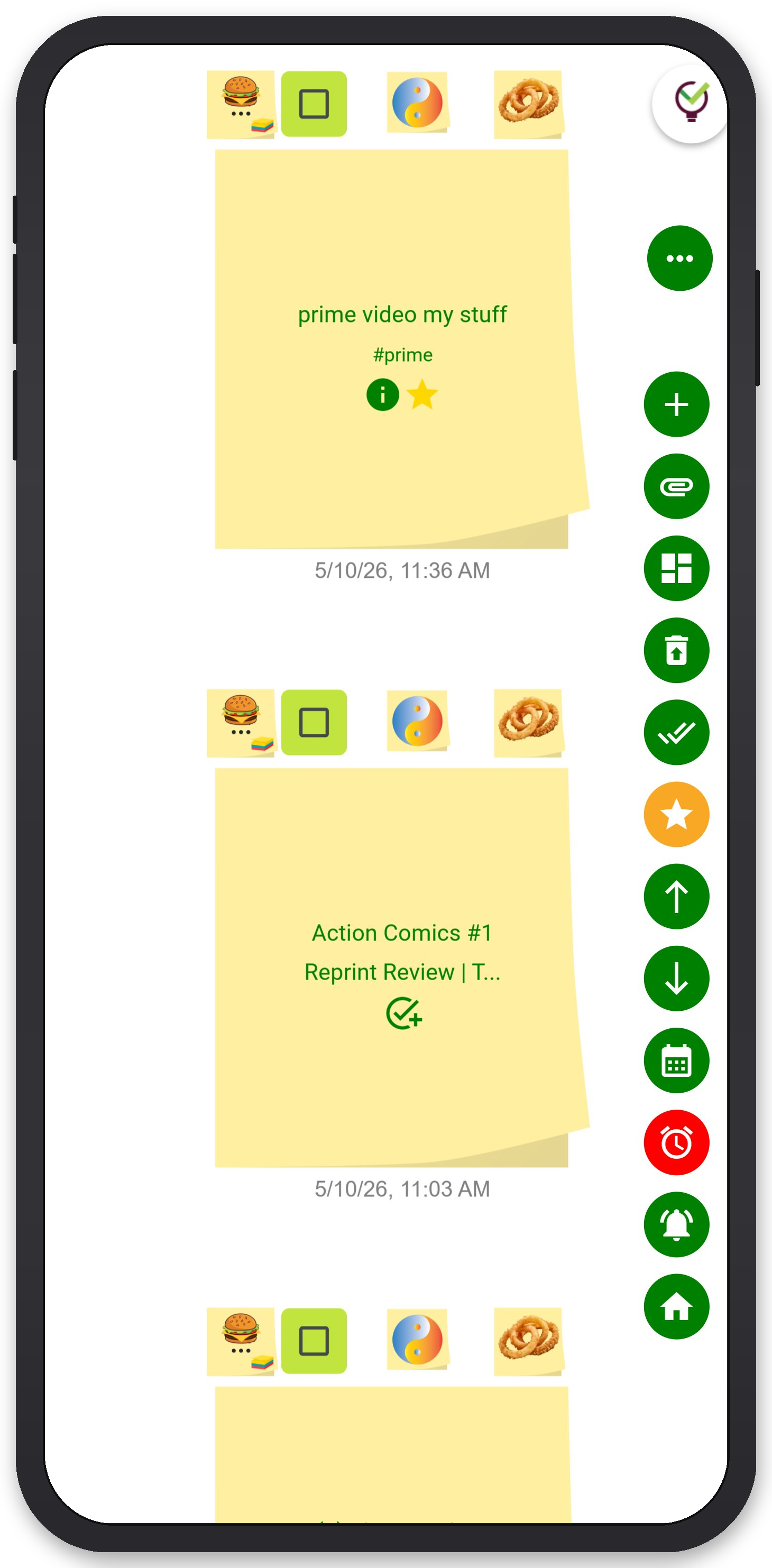
TaskLoco is built around the same sticky-note metaphor. Each note is a discrete, movable card. You can build the same three-zone Learn/Review/Done wall digitally, color-code by subject, and search across everything instantly. The wall view mirrors exactly the physical layout described above — except it syncs across your devices, nothing falls off the wall, and you can attach a photo of a diagram or a PDF of a source document directly to the relevant note.
Where TaskLoco Premium adds real study utility beyond paper:
- Reminders as push notifications that deep-link straight back to the note — so a reminder to review your biology deck opens that exact note, not your home screen.
- 10GB file storage — attach lecture slides, photos of diagrams, or audio recordings directly to the relevant note card.
- Calendar view — map your review sessions to specific dates so your study schedule lives alongside your notes, not in a separate app.
- Unlimited notes — no artificial ceiling when you're deep in a large subject.
- Team sharing — study group members can clone a shared note and make it their own, building on it independently without overwriting anyone's work.
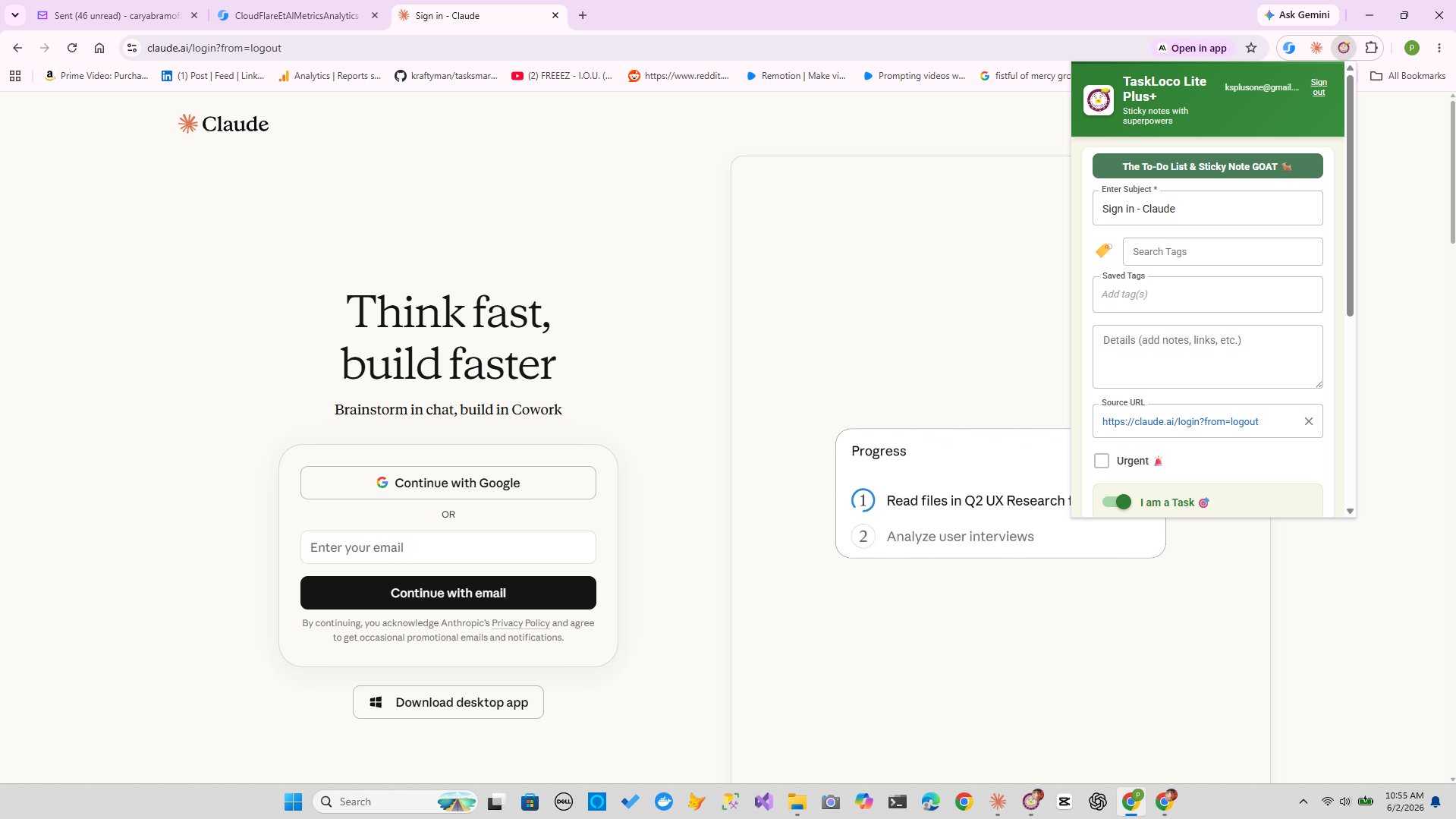
If you're just starting out, TaskLoco Lite Plus+ is free — sign in with Google, sync across all your devices, and get up to 30 notes with no cost. For a full exam sprint with attachments, reminders, and no note limit, Premium is the upgrade. Either way, the method above transfers directly: same zones, same one-idea rule, same review ritual — just on a wall that goes where you go.
TaskLoco Premium is regularly $9.99/month per person. Right now, charter members can lock in 50% off the regular price — forever. That means $4.99/month per person today. And if our price ever goes up, you still pay half. Always.
Code CHARTER50 auto-applies at checkout. First 500 spots only — once they're gone, this offer is gone permanently. Act fast while spots last.
Every Premium subscription includes unlimited notes, 10GB file storage, reminders, calendar, and team sharing. Each team member requires a separate subscription. 7-day free trial — no charge until day 8. Cancel anytime.
Free Options: TaskLoco
TaskLoco Lite
- Native iPhone & Android app
- Completely anonymous — no sign-in
- Data stays on your device
- Up to 20 notes
- Free forever
TaskLoco Lite Plus+
- Web app + Chrome extension
- Sign in with Google
- Wall syncs across all devices
- Up to 30 notes
- Free forever
Lock In 50% Off — Forever
7-day free trial. No charge until day 8. CHARTER50 auto-applies at checkout.
🔒 Lock In My Charter SpotSee TaskLoco in Action
Frequently Asked Questions
How many sticky notes should I have active at once?
Keep your active Learn zone to 10–15 notes at a time. More than that and you stop engaging with individual notes — they become visual noise. Retire mastered notes to a Done pile and introduce new ones in small batches of 3–5 at a time. Slow and consistent beats fast and overwhelmed.
Should I write questions or facts on sticky notes?
Questions are stronger. When you write "What is the powerhouse of the cell?" you're forced to actively retrieve the answer, which is harder and more effective than re-reading "Mitochondria = powerhouse of the cell." The extra effort of recall is exactly what builds durable memory. Use questions for anything you need to reproduce under pressure — definitions, formulas, dates, processes.
Can sticky notes replace flashcards?
For most purposes, yes — especially for physical placement and passive review. Sticky notes have one advantage over traditional flashcards: you can put them in your environment rather than keeping them in a stack you have to choose to pick up. The tradeoff is that traditional flashcards (or digital equivalents) are easier to shuffle and harder to ignore. Many strong studiers use both: sticky notes for environmental exposure, flashcards for active testing sessions.
What subjects work best with sticky note studying?
Anything that breaks into discrete, testable facts works well: vocabulary, definitions, formulas, historical events, anatomy terms, legal principles, coding syntax, and foreign language conjugations. Sticky notes are less effective for subjects that require sustained argument — like essay-based history or literary analysis — where understanding relationships between ideas matters more than memorizing isolated facts. For those subjects, use sticky notes to capture key terms and turning points, then build longer written summaries separately.
How do I stop my sticky notes from just becoming wallpaper?
Rotation is the answer. After 3–4 days in one spot, your brain habituates and stops processing a note. Move notes to a new location every few days. Also, actively shrink your Learn zone rather than letting it grow — remove notes that are genuinely mastered rather than letting them linger. A wall with 12 notes you actually engage with beats a wall with 60 notes you've stopped seeing.
Can I use a digital app instead of physical sticky notes?
Yes, and for longer study projects it often works better. Digital notes don't fall off the wall, can be searched instantly, can have files attached, and sync across devices. The same one-idea rule and three-zone review cycle applies exactly. TaskLoco is built around a sticky-note wall model and works well for this. The free Lite Plus+ tier (sign in with Google, up to 30 notes, synced across devices) is enough to get started. $9.99/month per person (currently $4.99/month per person for first 500 charter members with code CHARTER50)
Does color-coding sticky notes actually help?
Yes, but only if the color system is simple and consistent. Assigning one color per subject (blue = biology, yellow = chemistry, pink = history) gives your brain a visual shortcut that speeds up retrieval and helps you quickly see which subjects dominate your Learn zone. More than 4–5 colors and the system starts to require maintenance — you'll spend more time color-correcting than studying. Pick a small palette and stick to it.
Born in Brooklyn. Powered by AWS. Your data stays yours.
TaskLoco is available on iPhone, Android, Chrome, and every web browser.