ChatGPT is genuinely useful the first time you use it — but most beginners undersell it by treating it like a search engine. You type a vague query, get a vague answer, and walk away unimpressed. The gap between "ChatGPT is okay" and "ChatGPT changed how I work" comes down almost entirely to how you write your prompts.
This guide covers everything from creating your account to crafting prompts that actually deliver. Whether you want help writing, researching, coding, brainstorming, or just figuring out what this thing can do — you're in the right place.
Step 1: Create Your Account and Log In
Head to chat.openai.com and click "Sign up." You can register with a Google account, Microsoft account, or any email address. The free tier gives you access to GPT-3.5, which handles the vast majority of everyday tasks — writing, summarizing, explaining, brainstorming, basic coding — without spending a cent.
Once you're logged in, you'll see a clean interface: a message input box at the bottom, your conversation history on the left sidebar, and the model selector at the top. If you're on the free plan, you're using GPT-3.5 by default. ChatGPT Plus (a paid upgrade) gives you access to GPT-4, which is noticeably stronger at nuanced reasoning, longer documents, and complex instructions. But start free — you can always upgrade once you know what you need.
On mobile, ChatGPT has an official app for both iPhone and Android. It's the same product, same account, fully synced. You can start a conversation on desktop and pick it up on your phone without losing anything.
Step 2: Write Prompts That Get Real Results
This is where 90% of beginners go wrong. A prompt like "write me an email" will produce something generic and forgettable. A prompt like "write a 150-word follow-up email to a client who hasn't responded in two weeks — keep the tone friendly but assertive, and reference that we're holding a project timeline for them" produces something you can actually send.
The anatomy of a strong prompt has four parts:
- Role: Tell ChatGPT who it's acting as. "You are a senior UX designer" or "Act as a brutally honest editor" immediately shifts the tone and expertise of the output.
- Task: Be specific about what you want. Not "help me with my resume" but "rewrite the bullet points in my experience section to use action verbs and quantified results where possible."
- Context: Give relevant background. Who's the audience? What's the purpose? What constraints exist? The more ChatGPT knows, the less it has to guess.
- Format: Say how you want the answer structured. "Give me a numbered list," "keep it under 200 words," "use headers for each section" — these instructions are always respected.
You can also chain prompts. Start broad, then refine: "Make the second paragraph more conversational." "Shorten this by 30%." "Now give me three alternative versions of the opening line." ChatGPT remembers everything in the same conversation window, so you're always building on what came before.
What ChatGPT Is Good At (and Where It Falls Short)
ChatGPT excels at language tasks: drafting, editing, summarizing, translating, explaining complex topics in plain English, brainstorming ideas, writing code, debugging code, and roleplaying scenarios for practice or creativity. It can take a 40-page PDF and give you the five most important takeaways. It can explain quantum entanglement to a 10-year-old or a PhD. It's genuinely impressive at adapting to context.
Where it struggles is equally important to understand:
- Real-time information: The free version of ChatGPT has a knowledge cutoff — it doesn't know about events after its training date. For current news, stock prices, or recent research, you need a tool with web browsing (ChatGPT Plus has a browsing feature, or use Perplexity AI for search-based queries).
- Math and calculations: ChatGPT can reason through math problems, but it sometimes makes arithmetic errors — especially with large numbers or multi-step calculations. Always verify numerical outputs.
- Factual accuracy: ChatGPT can "hallucinate" — confidently stating something that isn't true. For anything factual (medical, legal, historical, scientific), treat its output as a starting point and verify with primary sources.
- Long-term memory: ChatGPT doesn't remember past conversations by default. Each new session starts fresh. If you want it to know your preferences or context, you either have to re-explain them or use the Memory feature (available to Plus users).
None of these are dealbreakers — they're just things to work around. The people who get the most out of ChatGPT are the ones who understand its limits as clearly as its strengths.
Keep Your ChatGPT Workflow Organized with TaskLoco
Here's a problem that sneaks up on heavy ChatGPT users: you generate great ideas, draft strong outlines, get useful prompts that worked well — and then lose all of it. Chat history is searchable inside ChatGPT, but it's not designed for organizing outputs into something you can act on. That's a job for a note system.
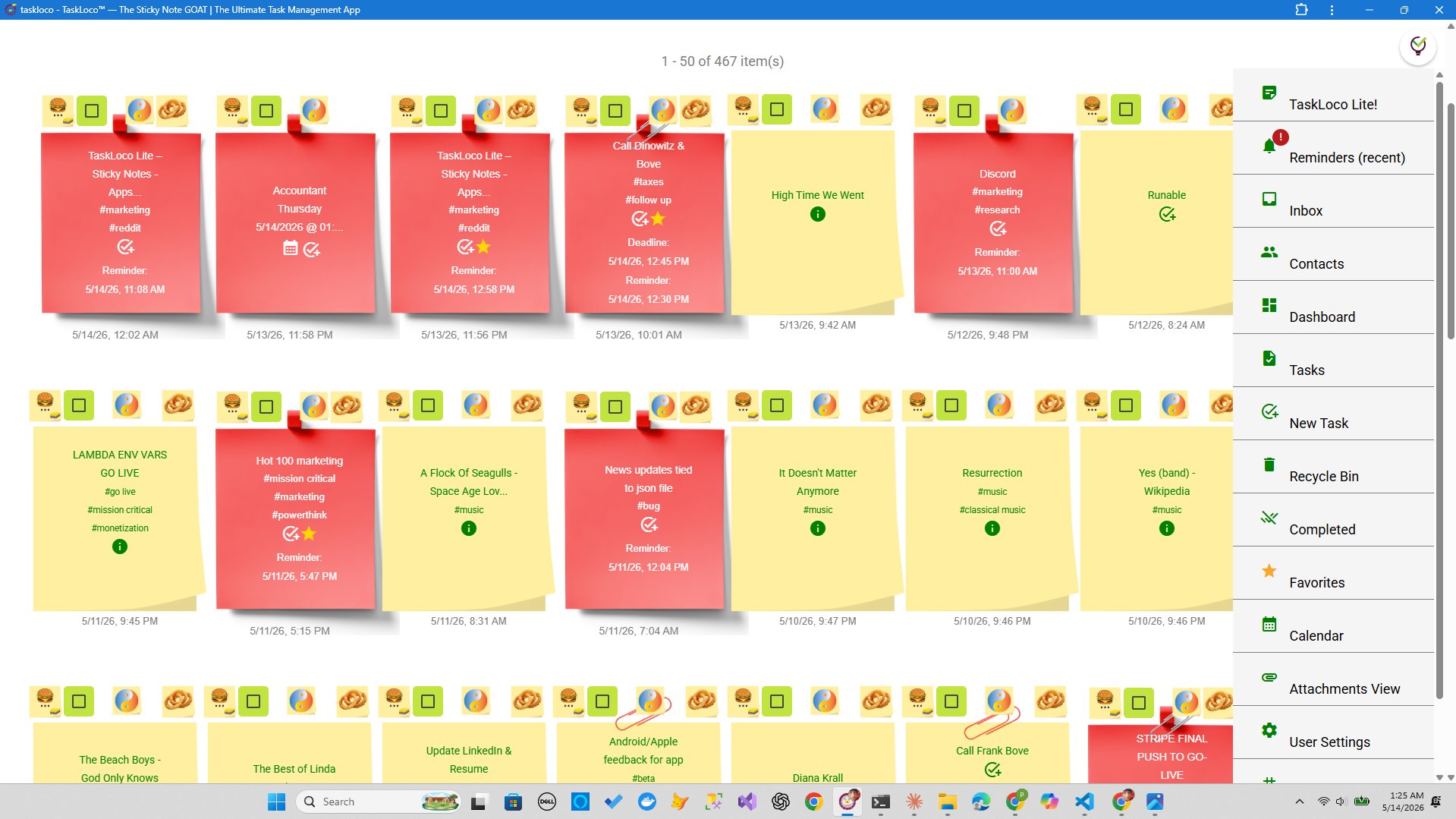
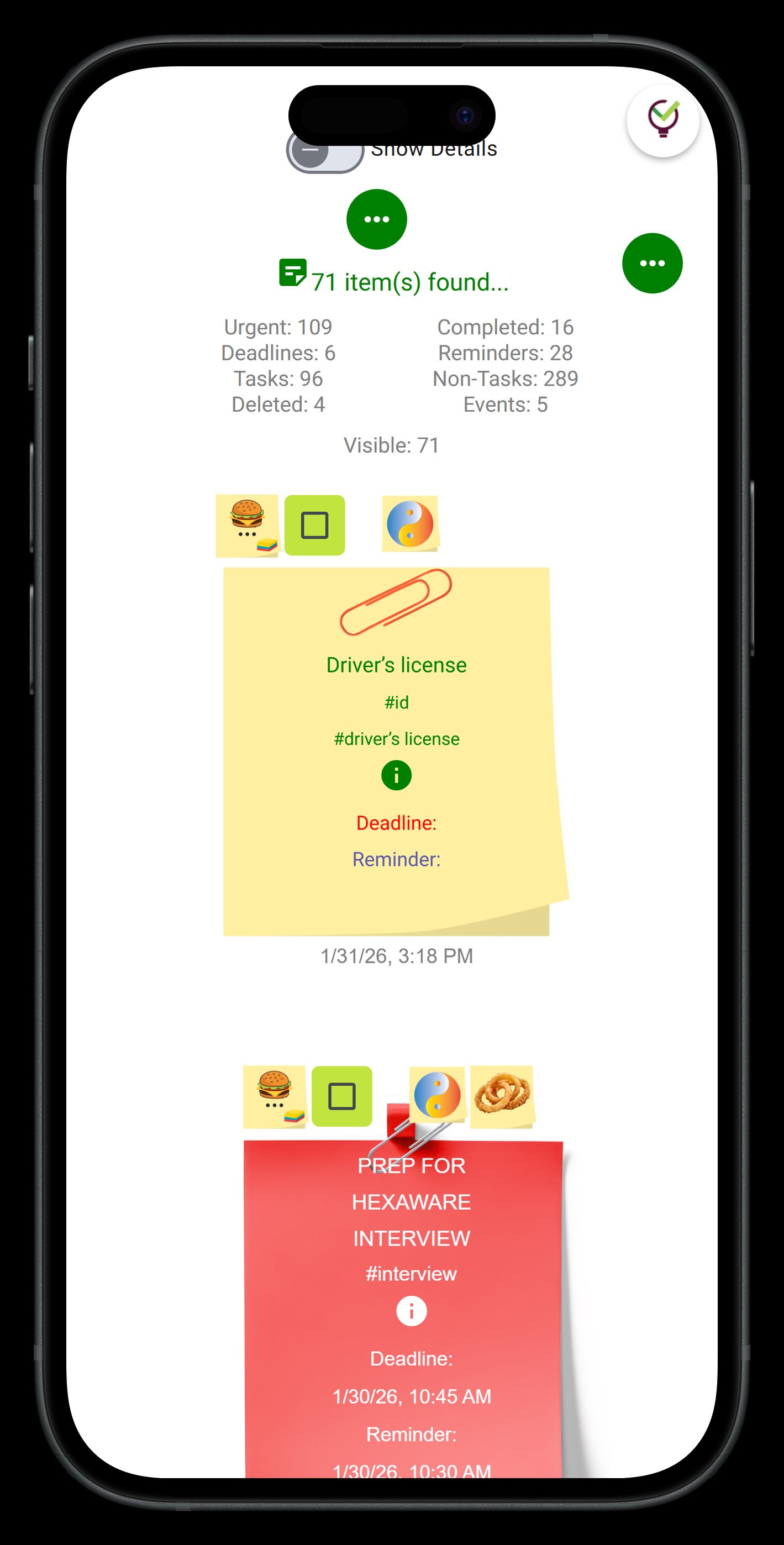
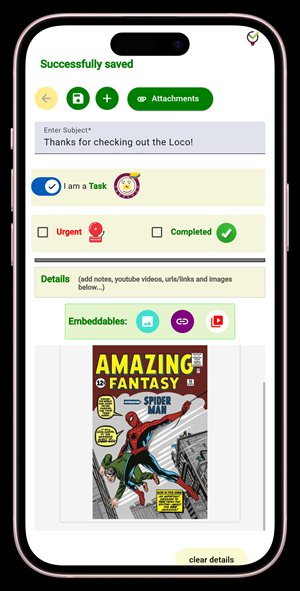
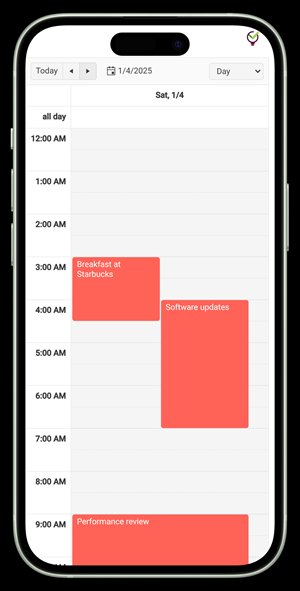
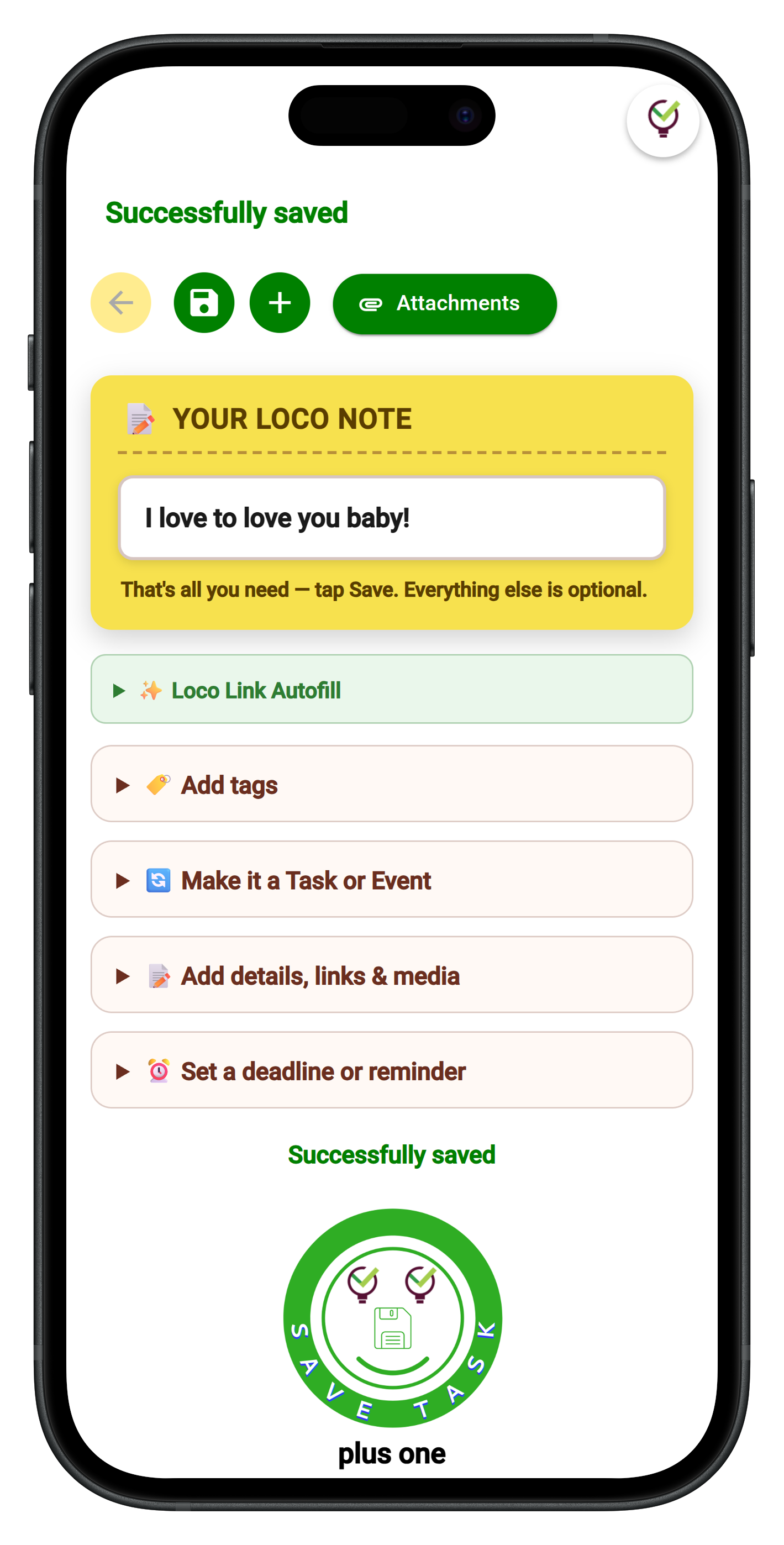
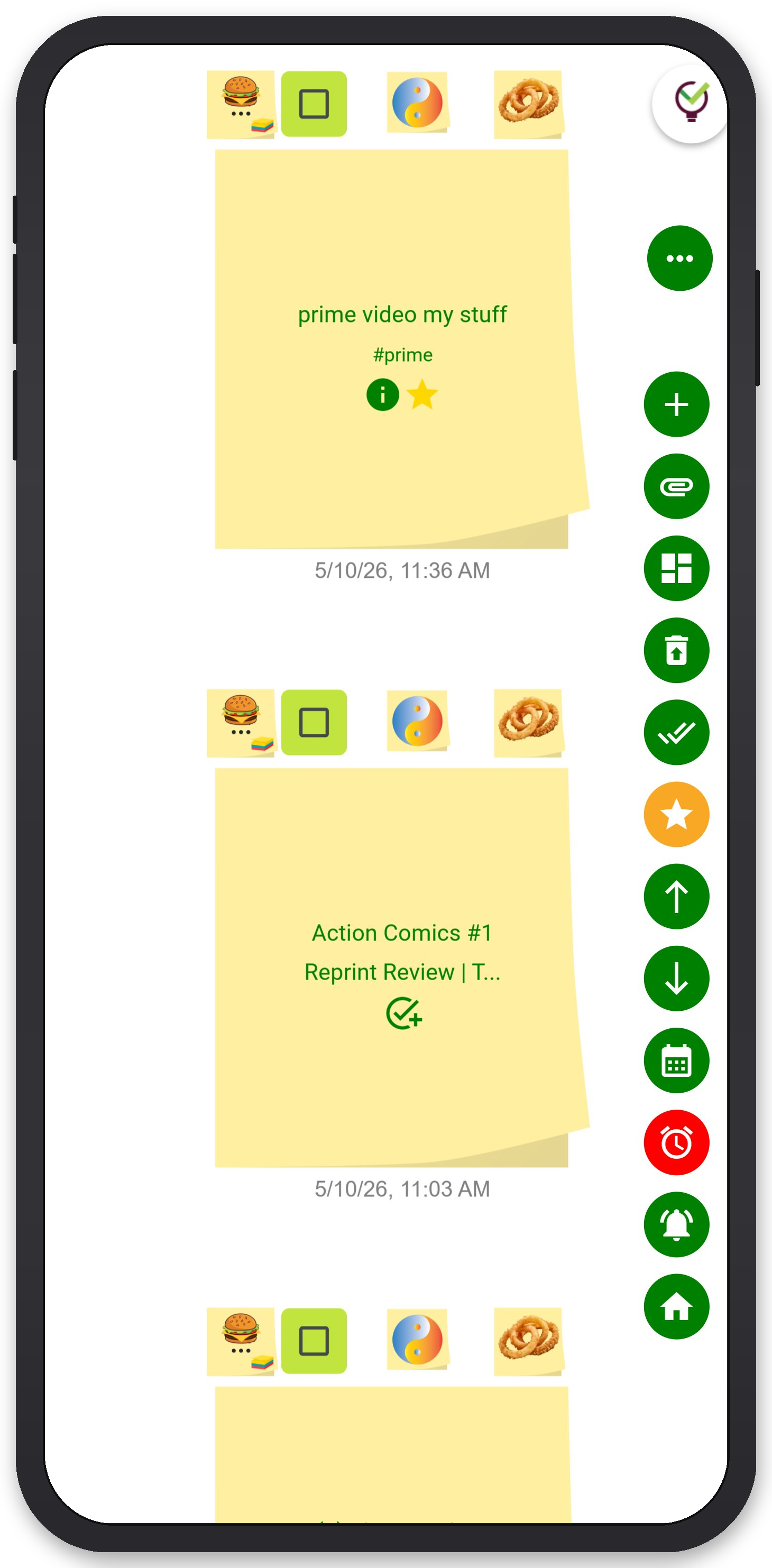
TaskLoco is built around sticky notes and tasks, and it's a natural companion for an AI-assisted workflow. When ChatGPT produces something worth keeping — a prompt that worked, a draft you want to develop, a research summary, a project outline — you can save it to TaskLoco and turn it into a task, attach supporting files, or set a reminder so the follow-up actually happens.
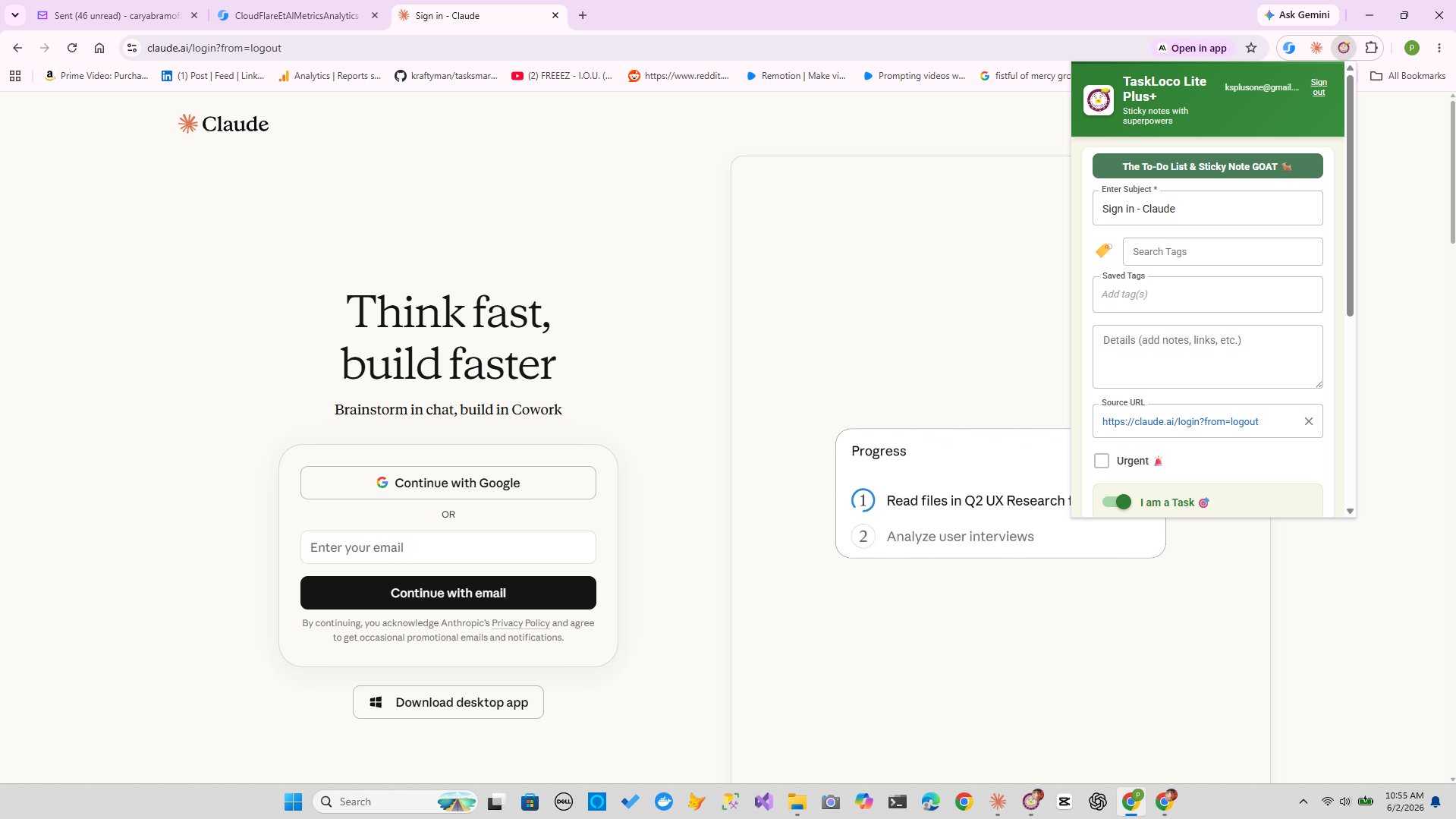
The Chrome extension is especially useful here: one click saves the current page or ChatGPT output to a new note without leaving your browser. No tab-switching, no copy-paste into some other app. The note is synced across your devices through the web app, so it's there when you sit down at your desk later.
For teams using ChatGPT together — sharing prompts, dividing AI-assisted research, collaborating on AI-generated drafts — TaskLoco's team sharing lets anyone clone a shared note and make it their own. It works like email: you send it, they receive it, they own their copy. No permissions, no access levels to manage.
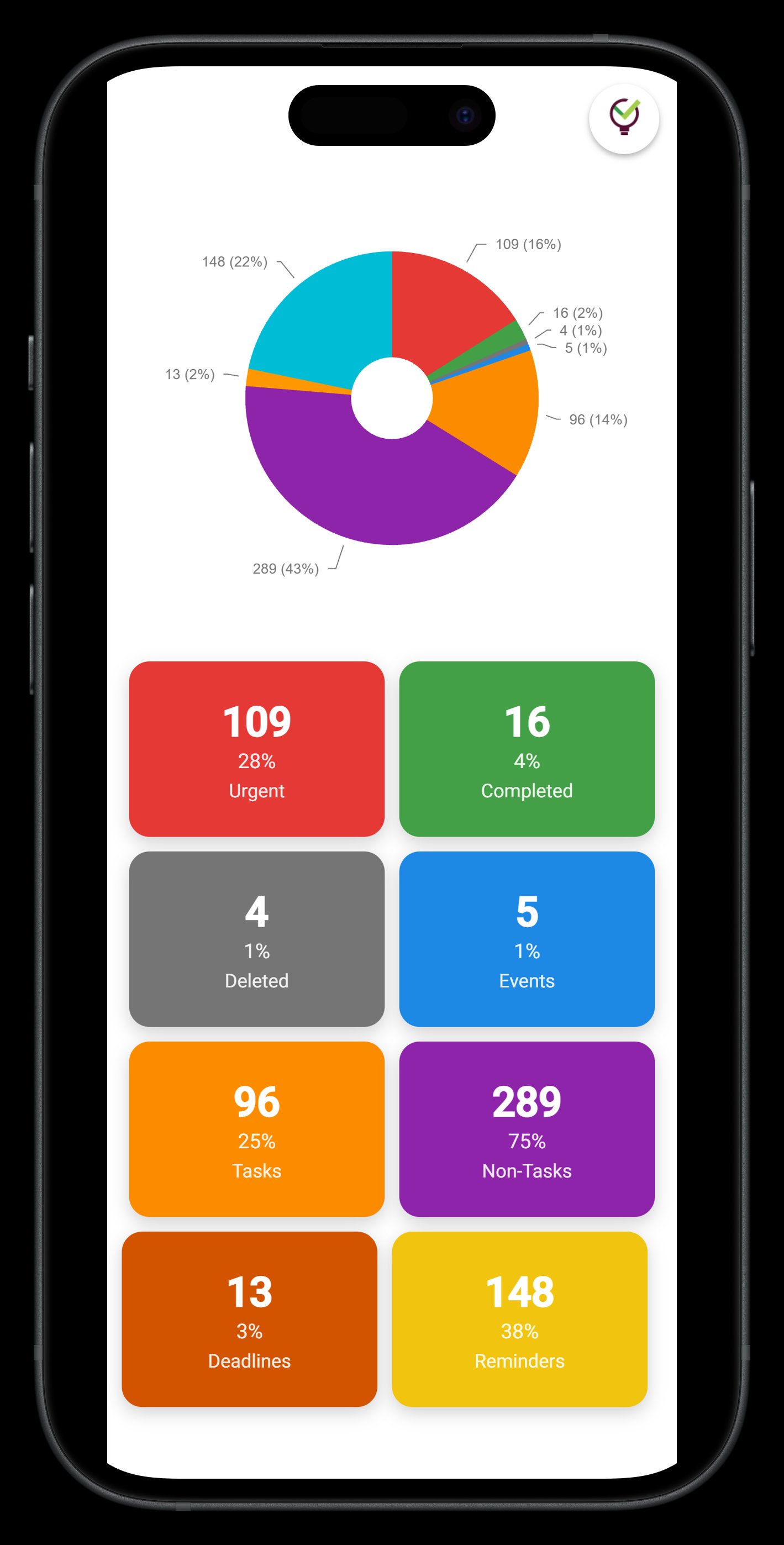
TaskLoco Premium is regularly $9.99/month per person. Right now, charter members can lock in 50% off the regular price — forever. That means $4.99/month per person today. And if our price ever goes up, you still pay half. Always.
Code CHARTER50 auto-applies at checkout. First 500 spots only — once they're gone, this offer is gone permanently. Act fast while spots last.
Every Premium subscription includes unlimited notes, 10GB file storage, reminders, calendar, and team sharing. Each team member requires a separate subscription. 7-day free trial — no charge until day 8. Cancel anytime.
Free Options: TaskLoco
TaskLoco Lite
- Native iPhone & Android app
- Completely anonymous — no sign-in
- Data stays on your device
- Up to 20 notes
- Free forever
TaskLoco Lite Plus+
- Web app + Chrome extension
- Sign in with Google
- Wall syncs across all devices
- Up to 30 notes
- Free forever
Lock In 50% Off — Forever
7-day free trial. No charge until day 8. CHARTER50 auto-applies at checkout.
🔒 Lock In My Charter SpotSee TaskLoco in Action
Frequently Asked Questions
Is ChatGPT free to use?
Yes. ChatGPT's free tier uses GPT-3.5 and handles most everyday tasks — writing, summarizing, brainstorming, basic coding — without any cost. ChatGPT Plus is a paid upgrade that gives you access to GPT-4, web browsing, image generation, and priority access during high-traffic periods. For most beginners, free is more than enough to start.
What's the best way to write a ChatGPT prompt?
Structure your prompt with four elements: a role (who ChatGPT should act as), a task (what you want it to do), context (relevant background information), and a format (how you want the output structured). The more specific you are, the better the output. Vague prompts produce generic results — give ChatGPT the details it needs to give you something useful.
Can ChatGPT browse the internet?
The free version of ChatGPT cannot browse the internet — it works from its training data, which has a knowledge cutoff date. ChatGPT Plus includes a browsing feature that lets the model fetch current information from the web. If you need real-time data on the free plan, you'll need to paste the information into the chat yourself.
Does ChatGPT remember previous conversations?
Not by default. Each new conversation starts fresh — ChatGPT has no memory of what you discussed in past sessions. ChatGPT Plus users can enable a Memory feature that lets the model remember facts you tell it across conversations. On the free plan, if context matters, include it in your prompt at the start of each session.
Is ChatGPT accurate? Can I trust its answers?
ChatGPT is impressively capable at reasoning and language, but it can and does make mistakes — including stating false information with complete confidence. This is called "hallucination." For anything factual — medical, legal, historical, scientific — always verify ChatGPT's output against primary sources. Treat it as a strong first draft or research starting point, not a definitive authority.
How do I use ChatGPT for work without losing my outputs?
ChatGPT's conversation history is searchable inside the app, but it's not designed for organizing outputs into actionable tasks. A good workflow is to use a tool like TaskLoco alongside ChatGPT: save useful outputs as notes, attach files, turn ideas into tasks, and set reminders so follow-ups actually happen. The TaskLoco Chrome extension captures anything on screen into a note in one click, which makes it fast to capture ChatGPT outputs without breaking your flow. $9.99/month per person (currently $4.99/month per person for first 500 charter members with code CHARTER50)
What can ChatGPT not do?
ChatGPT doesn't have real-time internet access on the free plan, can make arithmetic errors on complex calculations, sometimes states false facts confidently, and doesn't remember past conversations by default. It also can't take actions in other apps, make phone calls, or access your files unless you paste the content directly into the chat. Knowing these limits helps you use it more effectively — and know when to verify its output.
Born in Brooklyn. Powered by AWS. Your data stays yours.
TaskLoco is available on iPhone, Android, Chrome, and every web browser.