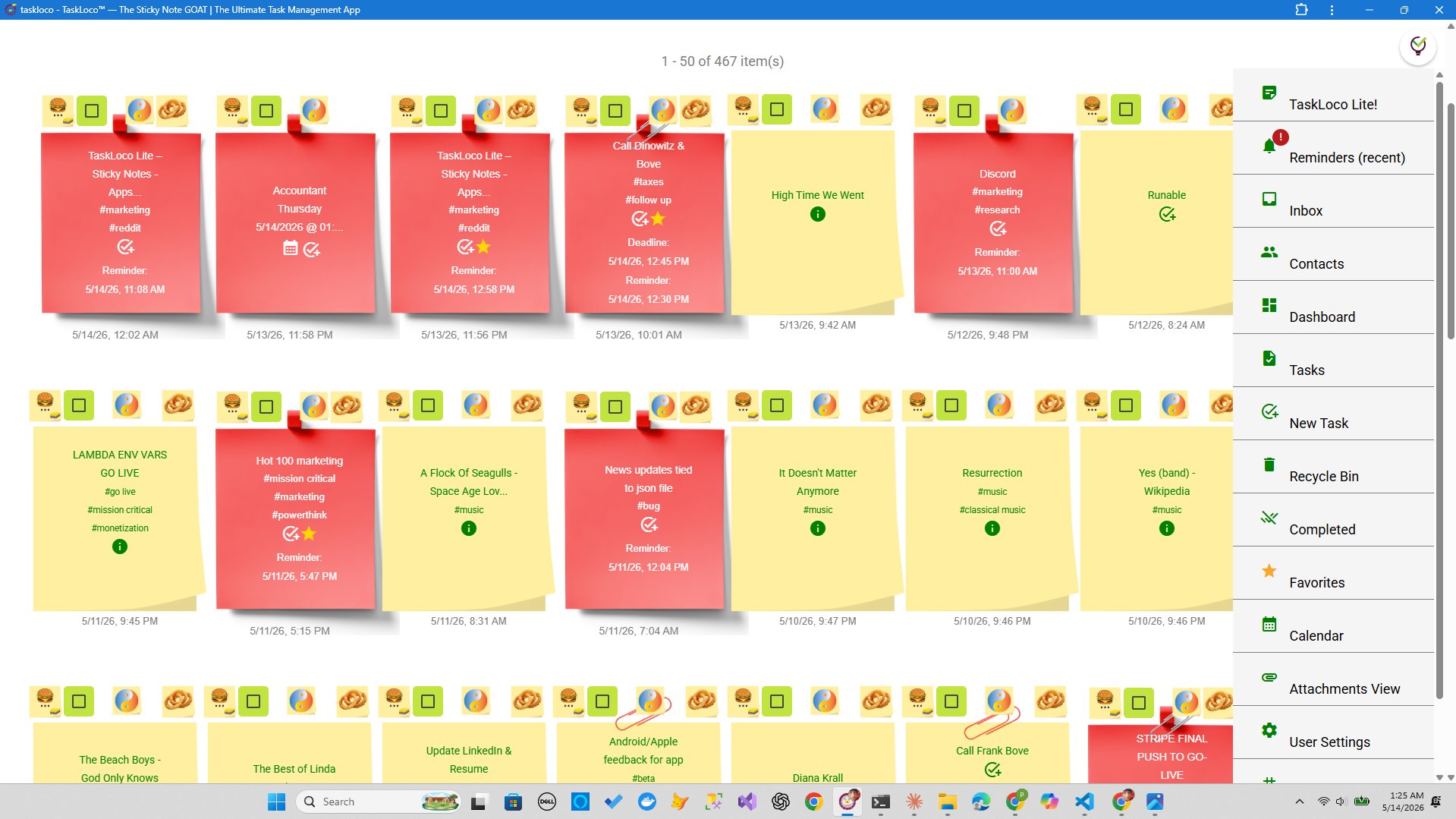
Most people don't have an organization problem. They have a capture problem. Thoughts, deadlines, ideas, and commitments scatter across apps, inboxes, sticky notes, and memory — and AI is genuinely good at pulling that chaos into structure. Not because it's magic, but because it's fast, tireless, and indifferent to the mess you've made.
This guide walks through how to actually use AI to organize your life — not in the abstract, but step by step, domain by domain. You don't need a specific app to make this work. You need a method. The tools come second.
Step 1 — Do a Brain Dump and Let AI Sort It
The first move is simple and uncomfortable: get everything out of your head. Open a document, a notes app, a voice recorder — anything — and spend 20 minutes writing down every open loop in your life. Projects at work. Personal errands. Bills you keep forgetting. Calls you owe people. Health stuff you've been putting off. Vacations you half-planned. Dump it all without organizing it.
Now paste that raw list into an AI tool like ChatGPT, Claude, or Gemini with this prompt: "Organize this list into categories. Within each category, sort by urgency. Flag anything that looks like it has a deadline or dependency." The AI will almost always surface structure you didn't consciously know was there. What felt like 90 scattered items often collapses into 6-8 clear areas of your life.
This matters because the brain dump forces completeness. Your brain is terrible at prioritizing when it's also doing the job of remembering. Get it out, let AI structure it, then you can think clearly about what actually matters.
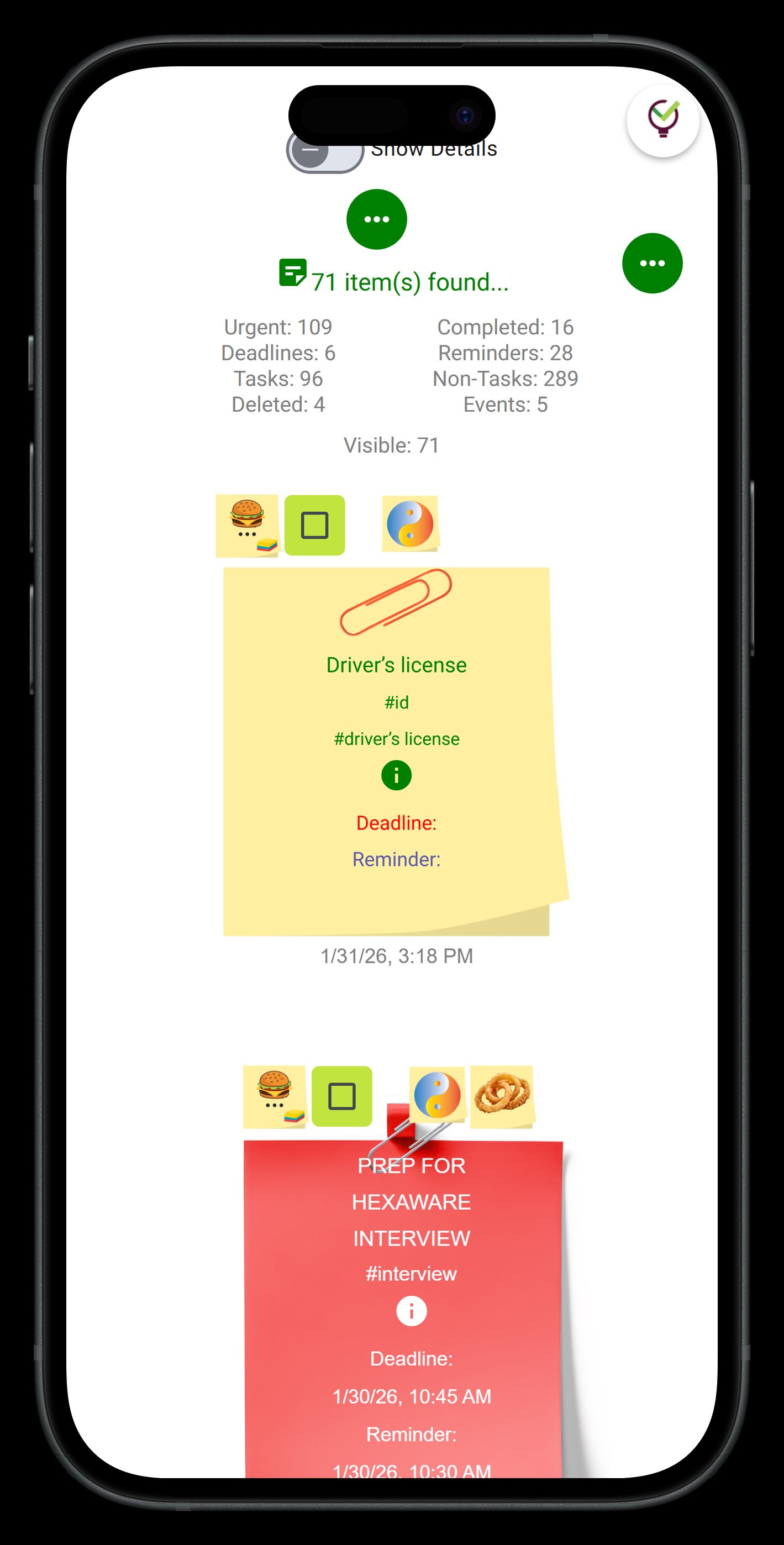
Step 2 — Build an AI-Assisted System for Each Area of Your Life
Once you have your categories, set up a lightweight system for each one. The categories most people end up with are: Work, Personal Projects, Health, Finance, Relationships, Learning, and Home. You don't need seven different apps. You need one place that holds everything, and AI as a thinking partner when you're deciding what to do next.
Work: Use AI to help you process your inbox and task list daily. A simple prompt like "Here are my tasks for today. What's the most logical order given these context clues?" takes 2 minutes and saves you the paralysis of staring at a list. AI is also useful for drafting follow-up messages, summarizing long threads, and turning meeting notes into action items.
Personal projects and goals: Paste your vague goal into an AI and ask it to break it down into weekly milestones. A goal like "get in better shape" becomes a 12-week plan with specific checkpoints. The AI won't hold you accountable — but having that structure written down somewhere you actually look at it is most of the battle.
Finance: Ask AI to help you build a simple budget template or analyze where your spending tends to leak. Feed it your rough monthly numbers (no need to share actual account data) and ask for patterns. You'll almost always see something you already knew but hadn't confronted.
Relationships: Keep a running note for important people in your life — their kids' names, birthdays, things they mentioned wanting to do. Use AI to remind you what you committed to in your last conversation if you paste in notes from it. This sounds cold; it's actually the opposite. It's how you stop being the friend who always forgets.
Learning: Tell an AI what you want to learn and ask for a reading or study plan with realistic time commitments. Then keep a note where you paste in highlights and ask the AI to quiz you or summarize what you've absorbed. Active recall built into your note-taking habit makes learning stick.
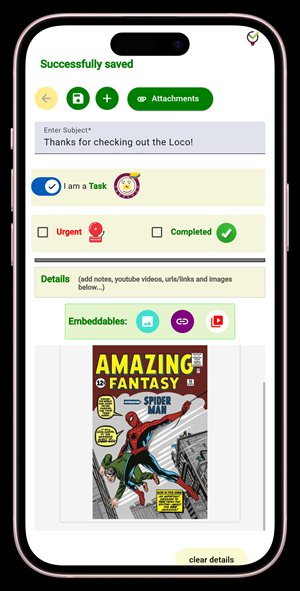
Step 3 — Use AI for Weekly Reviews and Course Corrections
The weekly review is where most organization systems fall apart — and where AI gives you a real edge. Most people skip reviews because they feel like overhead. With AI, they take 10 minutes instead of 45.
Once a week, paste your task list, your calendar from the past week, and your upcoming commitments into an AI and ask: <" The AI won't have feelings about the fact that you skipped the gym four times. It'll just flag it and suggest you either recommit or stop pretending it's a priority.
Ask it specifically: "What on this list could be delegated, dropped, or deferred?" Most to-do lists are full of tasks that survive out of inertia, not importance. An AI will cut through that without the guilt.
You can also use the weekly review to update your categories. Life changes. A project that was urgent in January might be irrelevant by March. Build a habit of letting go of outdated items the same way you'd delete old files off a full hard drive.
Prompt for your weekly review: "Here's everything I was supposed to do this week and what actually happened. Help me identify: (1) what genuinely didn't happen, (2) what I should carry forward, (3) what I should cut, and (4) what I'm consistently avoiding and why."
Putting It All Together With TaskLoco
Once you have an AI-assisted method, you need a place to keep all of it. The method above works with any notes or task app — but the friction of your system matters. If capturing a thought takes more than a few seconds, you won't do it consistently, and the system breaks down.
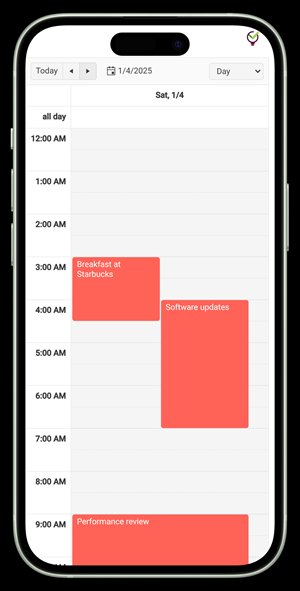
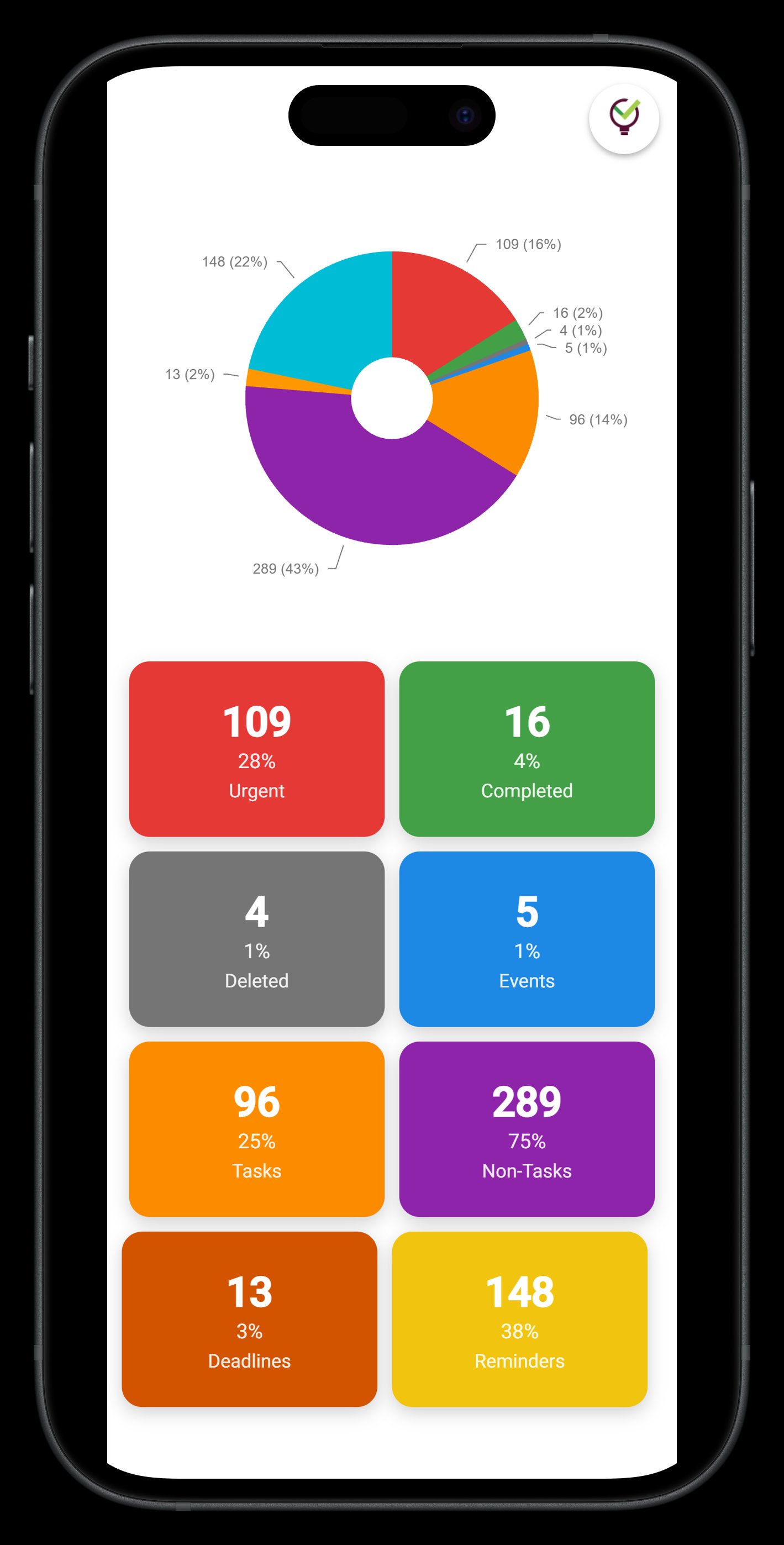
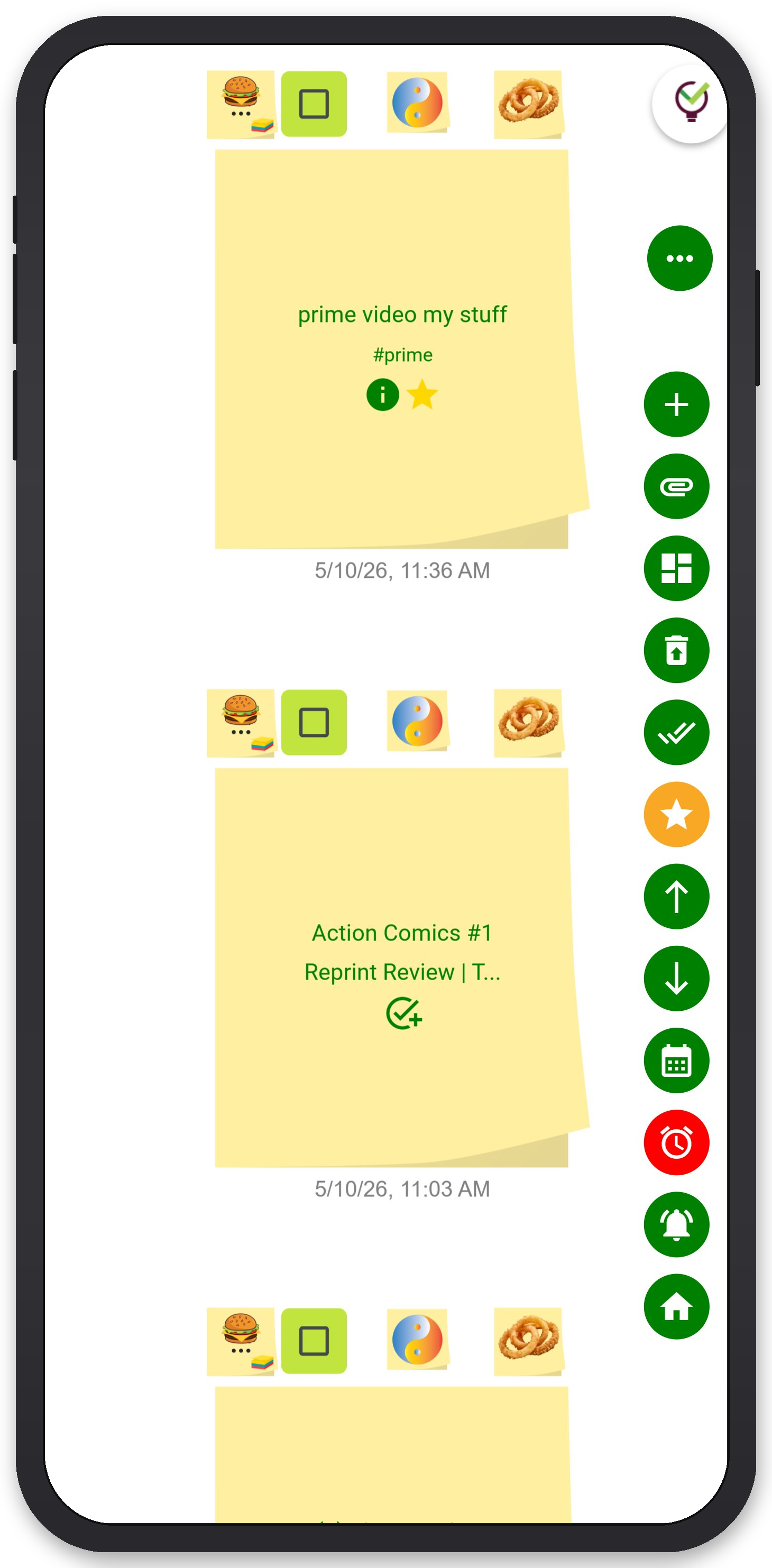
TaskLoco is built around sticky notes as the core unit of thinking. Each area of your life — work, health, finance, relationships — can live on its own board. Notes can hold tasks, files, calendar events, and reminders, so you're not bouncing between four different apps to see one picture of your week. When an AI gives you a structured plan, you paste it into a note. When something needs follow-up, you attach a file or set a reminder that pushes a notification directly to your phone and computer so it's hard to miss.
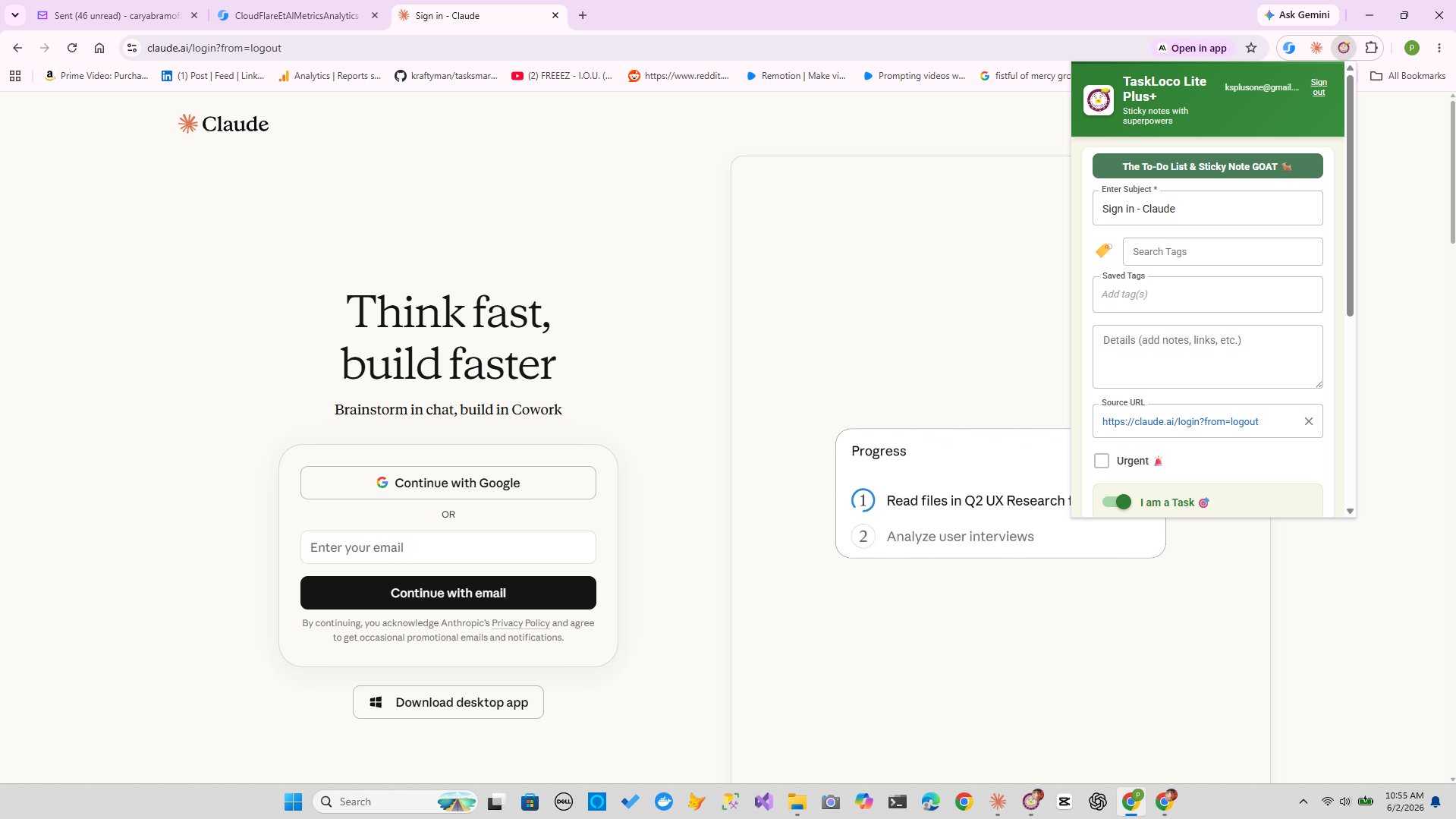
The Chrome extension is particularly useful for this workflow: when you're reading something online that belongs in your system — a recipe, a research article, a job posting, a product you want to buy — one click captures the page straight into TaskLoco. No copy-pasting, no broken context.
Team sharing works the way email does: you share a note, the recipient clones it and makes it their own. There are no permission levels to configure, no admin overhead. If you're using an AI-assisted system to run a project with other people, you can share the structured plan directly as a note and each person works from their own copy.
TaskLoco Premium is regularly $9.99/month per person. Right now, charter members can lock in 50% off the regular price — forever. That means $4.99/month per person today. And if our price ever goes up, you still pay half. Always.
Code CHARTER50 auto-applies at checkout. First 500 spots only — once they're gone, this offer is gone permanently. Act fast while spots last.
Every Premium subscription includes unlimited notes, 10GB file storage, reminders, calendar, and team sharing. Each team member requires a separate subscription. 7-day free trial — no charge until day 8. Cancel anytime.
Free Options: TaskLoco
TaskLoco Lite
- Native iPhone & Android app
- Completely anonymous — no sign-in
- Data stays on your device
- Up to 20 notes
- Free forever
TaskLoco Lite Plus+
- Web app + Chrome extension
- Sign in with Google
- Wall syncs across all devices
- Up to 30 notes
- Free forever
Lock In 50% Off — Forever
7-day free trial. No charge until day 8. CHARTER50 auto-applies at checkout.
🔒 Lock In My Charter SpotSee TaskLoco in Action
Frequently Asked Questions
Can AI actually help organize my life, or is it just hype?
It's genuinely useful — but only for specific jobs. AI excels at processing unstructured input and returning structured output: sorting a brain dump, breaking down a vague goal, suggesting priority order for a task list, or flagging what you keep avoiding. What it can't do is maintain a system for you. That still requires you to build a habit of capture and review. Think of AI as a very fast thinking partner, not a life manager.
What's the best AI tool to use for personal organization?
ChatGPT, Claude, and Gemini are all capable for this. The differences matter less than your prompting habit. The most important skill is learning to give the AI full context: paste in your actual task list, your actual commitments, your actual constraints — not a vague description of them. The more specific your input, the more useful the output. Start with whichever AI tool you already have access to and use it consistently for 30 days before deciding to switch.
How do I stop my AI-organized system from falling apart after a week?
Two things kill most systems: incomplete capture and skipped reviews. For capture, lower the friction as much as possible — use a tool that lets you add something in under five seconds. For reviews, schedule a specific 10-minute block each week (Monday morning or Sunday evening work well for most people) and treat it as a non-negotiable appointment. The weekly review is the maintenance that keeps the system alive. Without it, things pile up, you lose trust in the system, and you stop using it.
What areas of life does AI organization work best for?
AI adds the most value where you have a lot of inputs and unclear priorities — work tasks, personal projects, learning goals, and financial planning all fit this profile. It's less useful for things that are already simple and habitual. Don't over-engineer a system for your grocery list. Focus AI-assisted organization on the domains where you consistently feel behind or overwhelmed — that's where the leverage is.
How does TaskLoco fit into an AI organization system?
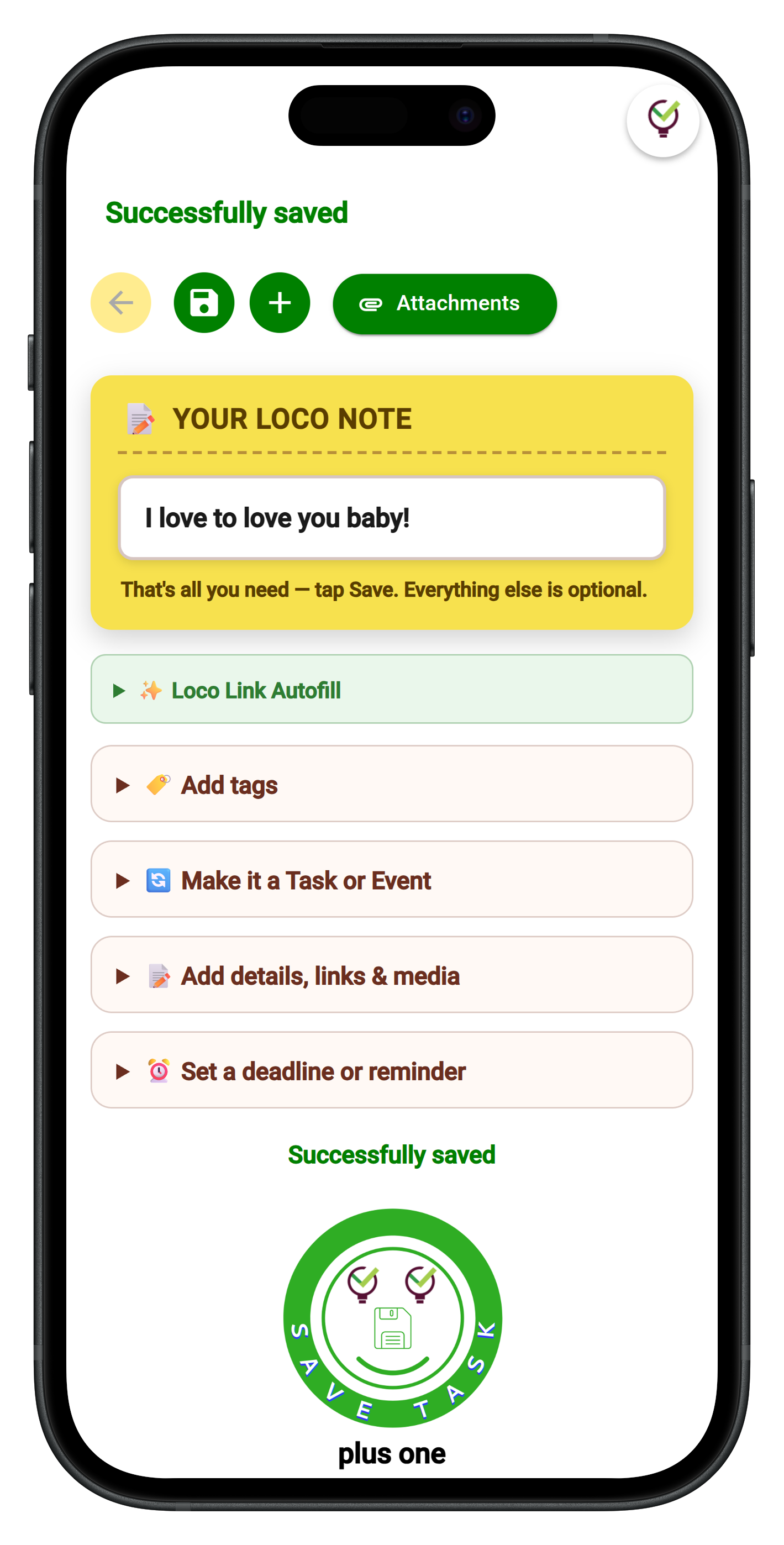
TaskLoco is the place where your AI-generated structure lives and gets acted on. When an AI gives you a breakdown of a goal or a prioritized task list, you paste it into a TaskLoco note. From there you can attach relevant files, set push notification reminders tied directly to that note, add items to your calendar, and share plans with teammates. The Chrome extension lets you pull in web content — research, references, links — in one click so your context stays connected to your tasks.
Do I need to pay for TaskLoco to use it for life organization?
$9.99/month per person (currently $4.99/month per person for first 500 charter members with code CHARTER50)
What's the difference between using AI for organization versus just using a task app?
A task app stores what you tell it. AI helps you figure out what to tell it in the first place. The two work best together: use AI to process ambiguity — to break down goals, sort priorities, identify what you're avoiding — and use a task app like TaskLoco to hold the output and remind you to act on it. Neither is sufficient alone. AI without a capture system means your plans evaporate. A task app without clear thinking means it fills up with noise.
Born in Brooklyn. Powered by AWS. Your data stays yours.
TaskLoco is available on iPhone, Android, Chrome, and every web browser.