You know exactly what you need to do. You've known for days. Maybe weeks. And yet every time you sit down to start, something pulls you back — a sudden urge to check email, a vague sense that you're not ready, or just a heavy, immovable feeling that the task is too hard, too big, or too important to risk getting wrong. That's mental resistance, and it's one of the most universal and least understood obstacles in human productivity.
Resistance isn't a character flaw. It's a feature of the brain's threat-detection system, misfiring in the context of modern demands. Understanding why it happens — and having a set of concrete techniques to dissolve it — is more useful than any motivational pep talk. This guide covers both.
What Mental Resistance Actually Is (And Why Willpower Alone Won't Fix It)
Mental resistance is the internal friction that appears between intention and action. It shows up as procrastination, avoidance, distraction-seeking, or that peculiar feeling of being paralyzed while doing nothing. Steven Pressfield, in The War of Art, called it simply Resistance — capitalized, personified, real. Psychologists frame it differently but identify the same phenomenon: the nervous system treating uncertain or high-stakes tasks as a threat, and responding with the same avoidance behaviors it uses to protect you from physical danger.
The key insight is this: resistance scales with importance. The more meaningful a task is to you, the more resistance you'll feel around it. That's why you can spend four effortless hours organizing your desktop but can't write the first paragraph of something that actually matters. Willpower is the wrong tool here. Willpower is a finite resource that depletes under pressure — trying to bulldoze through resistance with sheer force works occasionally but is unsustainable and exhausting.
The goal isn't to eliminate resistance — it's to reduce the perceived threat enough that your brain stops blocking you. That's a design problem, not a motivation problem.
Six Proven Methods to Break Through Mental Resistance
These techniques work because they address the underlying mechanics of resistance — not its surface symptoms. Use them individually or in combination depending on what type of resistance you're facing.
1. Shrink the entry point to something absurdly small. Resistance feeds on scale. A task called "write the report" is enormous and ambiguous. A task called "write one sentence" is not threatening. The two-minute rule, the one-sentence journal, the five-minute timer — they all work on the same principle: start so small that refusal feels ridiculous. Once you're in motion, continuing is far easier than starting was.
2. Name the fear directly. Resistance is almost always fear in disguise — fear of failure, fear of judgment, fear of the work revealing you're not as capable as you hope. Most people never name it. They just feel stuck. Writing down the specific fear in plain language — "I'm scared this presentation will expose that I don't fully understand the topic" — strips it of its power. The unnamed fear feels huge and shapeless. The named fear becomes something you can respond to.
3. Separate the decision from the doing. One major source of resistance is conflating "should I do this?" with "am I doing this right now?" Close the first question entirely. Decide once, in advance, that the task is happening. Then the only remaining question is execution. Pre-deciding removes the negotiation that resistance thrives on — that internal debate every morning about whether today is the day.
4. Change your environment before you fight your mind. The physical and digital environment you work in is either triggering resistance or reducing it. Open browser tabs, phone notifications, visual clutter, and ambient noise all add cognitive load and make avoidance easier. Before you try to force yourself through a hard task, close everything else, put your phone in another room, and set a single focal point. Resistance drops measurably when the environment stops competing with the work.
5. Use implementation intentions. Research by psychologist Peter Gollwitzer shows that forming a specific "when-then" plan — "When I sit down at my desk after breakfast, then I will immediately open the document and write for 25 minutes" — dramatically increases follow-through compared to vague intentions like "I'll work on it tomorrow morning." Specificity makes the action automatic. Your brain doesn't have to re-decide in the moment because the decision was already made in detail.
6. Build a completion identity, one small win at a time. Resistance is partly narrative. If you see yourself as someone who always procrastinates on hard things, your behavior will confirm that story. Every time you push through — even on something tiny — you're rewriting the story. Keep a simple log of completed tasks, not just a list of what's pending. Seeing evidence that you finish things changes how you show up to the next task.
The Role of Clarity: Why Vague Plans Create Maximum Resistance
One pattern appears in almost every case of chronic resistance: the task is under-defined. "Work on the project" is not a task. It's a category. Your brain can't act on a category — it needs a concrete object. The vaguer the goal, the more mental energy gets spent on figuring out what to do instead of actually doing it, and that overhead becomes the fuel for avoidance.
Good task definition has three qualities: it names a specific action (write, call, draft, review — not "work on" or "deal with"), it has a clear done state so you know when to stop, and it's small enough to complete in one sitting. When a task meets all three criteria, resistance toward it is dramatically lower than toward an open-ended, ambiguous blob of work.
This is why writing things down matters far beyond simple remembering. Externalizing a task — getting it out of your head and onto a surface — forces you to define it. You can't write "work on the project" on a physical sticky note and feel satisfied. The act of writing creates pressure toward specificity. And specificity, more than motivation, more than discipline, is what makes action feel possible.
The same applies to capturing everything. When your head is full of undone items, background anxiety builds. That anxiety contributes directly to resistance — the brain becomes defensive and avoidance-seeking as a way of managing overwhelm. A trusted external system that holds everything you need to do — clearly, specifically, visibly — offloads that anxiety and frees up cognitive resources for actual work.
How TaskLoco Helps You Apply These Methods
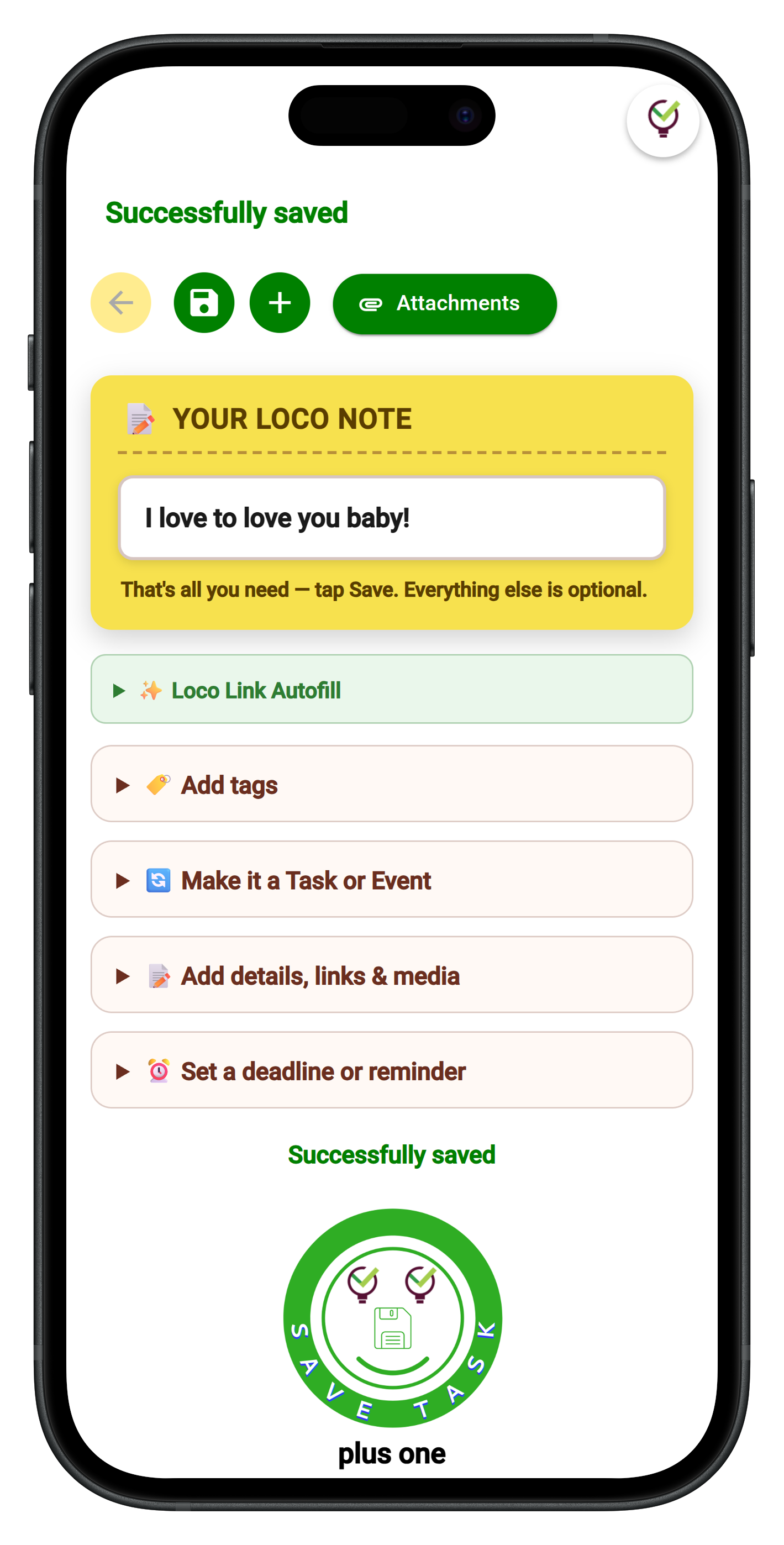
The techniques above work with nothing more than a pen and a piece of paper. But a good tool can make them far easier to sustain over time. TaskLoco was built around sticky notes — which means it's built around the same psychological mechanics that make the above methods work: visibility, specificity, and low friction to capture and act.
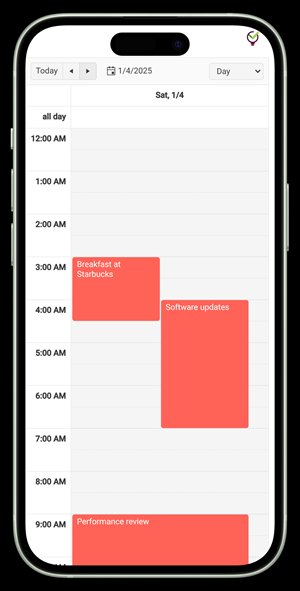
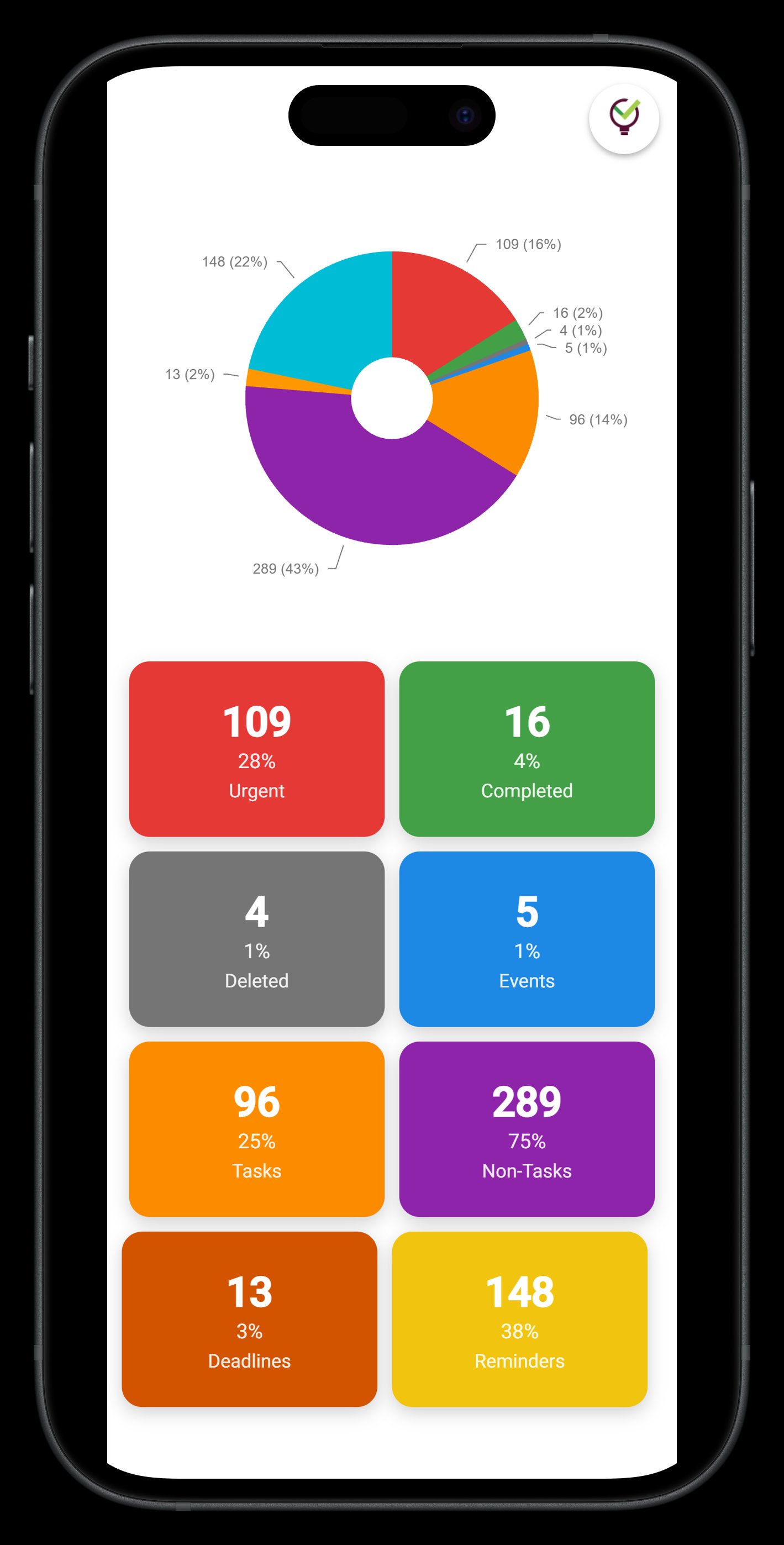
With TaskLoco Premium, every task lives on a note you can see, arrange, and act on. When resistance hits, you don't have to decide what to do — your next action is already waiting on the wall. The shared note feature means your team's intentions are visible too, reducing the ambiguity that creates collective avoidance. Reminders are delivered as push notifications directly to your phone and computer, deep-linking back to the original note so you're never more than one tap away from getting started. Optional email and SMS channels are available as well.
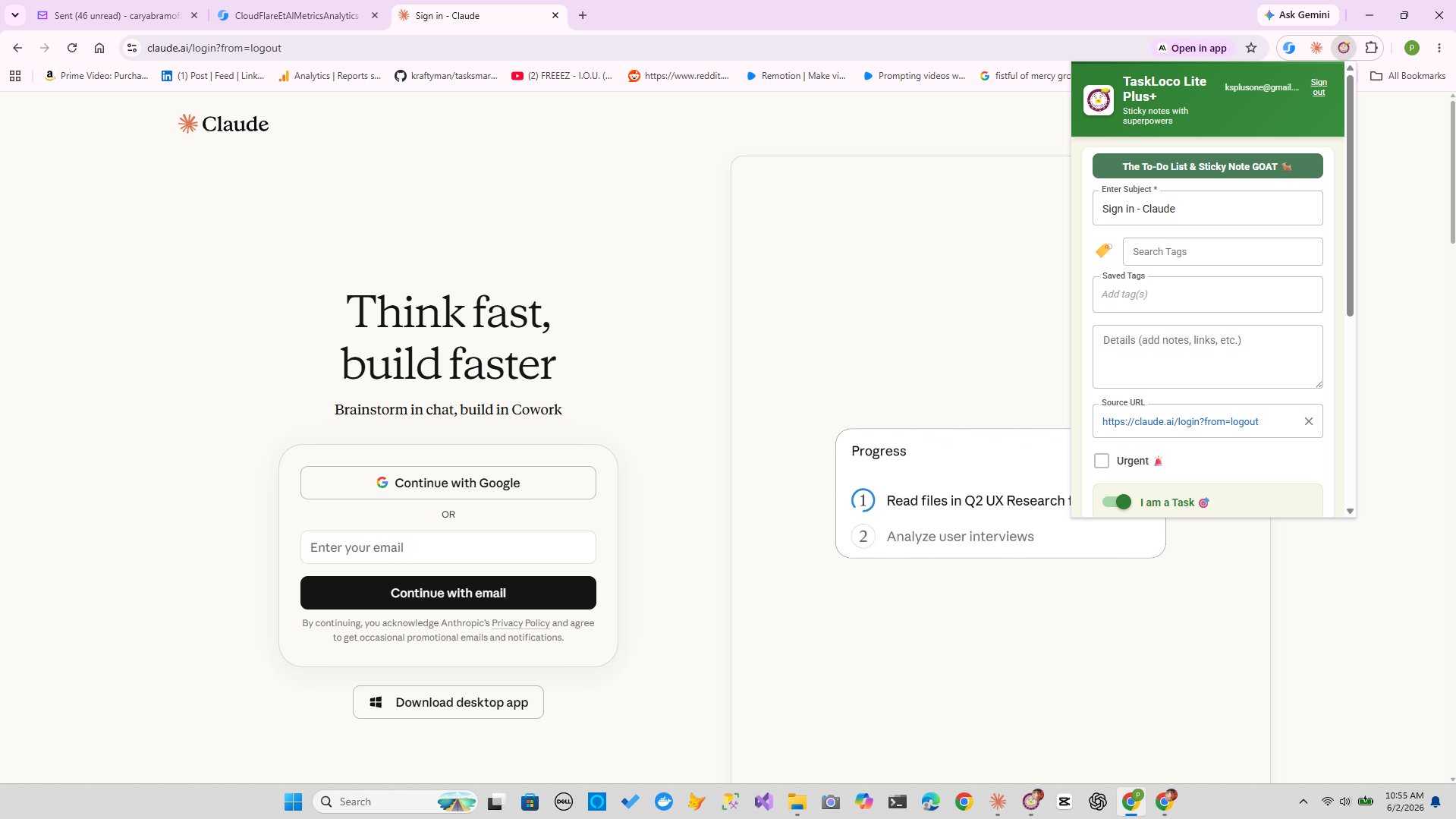
The Chrome extension lets you capture a webpage — a resource, a reference, an idea — in one click, turning the friction of "I'll save that later" into an immediate, frictionless action. File attachments (10GB included) mean everything related to a task lives in one place, eliminating the scavenger hunt that often becomes the excuse not to start.
TaskLoco Lite is free, anonymous, and available as a native app on iPhone and Android — no sign-in, no account, just notes on your device. If you want sync across devices, Lite Plus+ is free on the web and Chrome extension. Premium unlocks unlimited notes, reminders, calendar view, team sharing, and everything else described above.
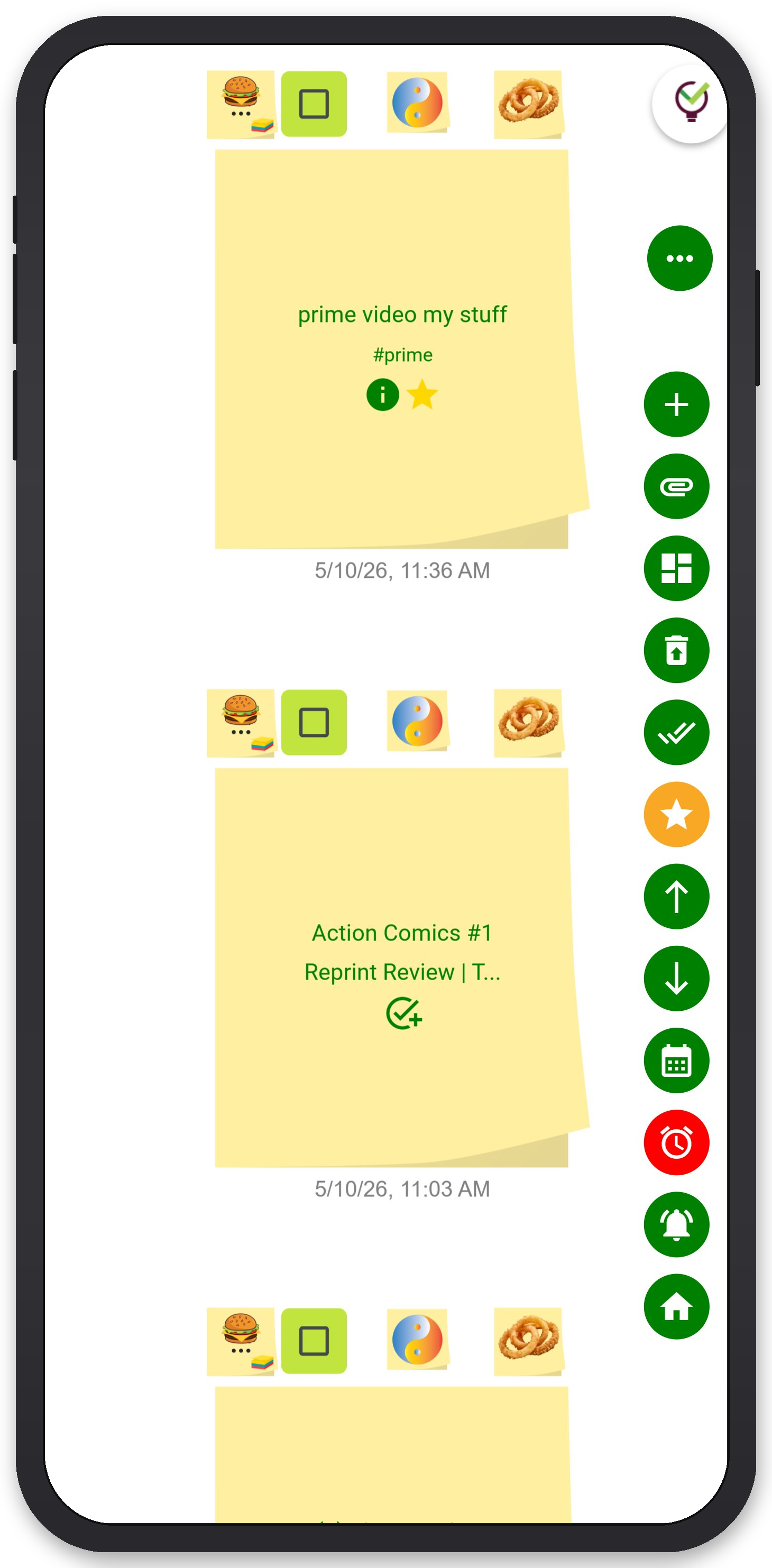
TaskLoco Premium is regularly $9.99/month per person. Right now, charter members can lock in 50% off the regular price — forever. That means $4.99/month per person today. And if our price ever goes up, you still pay half. Always.
Code CHARTER50 auto-applies at checkout. First 500 spots only — once they're gone, this offer is gone permanently. Act fast while spots last.
Every Premium subscription includes unlimited notes, 10GB file storage, reminders, calendar, and team sharing. Each team member requires a separate subscription. 7-day free trial — no charge until day 8. Cancel anytime.
Free Options: TaskLoco
TaskLoco Lite
- Native iPhone & Android app
- Completely anonymous — no sign-in
- Data stays on your device
- Up to 20 notes
- Free forever
TaskLoco Lite Plus+
- Web app + Chrome extension
- Sign in with Google
- Wall syncs across all devices
- Up to 30 notes
- Free forever
Lock In 50% Off — Forever
7-day free trial. No charge until day 8. CHARTER50 auto-applies at checkout.
🔒 Lock In My Charter SpotSee TaskLoco in Action
Frequently Asked Questions
What causes mental resistance?
Mental resistance is primarily caused by the brain's threat-detection system treating uncertain, high-stakes, or ambiguous tasks as dangerous. The more meaningful a task is, the more resistance tends to appear. Common underlying causes include fear of failure, fear of judgment, overwhelm from an under-defined task, and the accumulated anxiety of too many untracked commitments. It's not laziness — it's a misfiring protective mechanism.
Is mental resistance the same as procrastination?
They overlap but aren't identical. Procrastination is the behavior — delaying a task despite intending to do it. Mental resistance is the internal experience that drives that behavior. You can experience resistance without procrastinating (if you push through anyway), and some procrastination has other causes like poor task prioritization or decision fatigue. But in most cases, resistance is the root cause of chronic procrastination.
How do you break through resistance when a task feels overwhelming?
Shrink the task until the entry point is almost absurdly small. If "write the report" feels immovable, replace it with "write one sentence." If "start the project" is paralyzing, replace it with "open the document." Resistance feeds on scale and ambiguity — a task that takes less than two minutes to begin doesn't trigger the same threat response. Once you're in motion, continuing is significantly easier than starting was.
Does willpower help with mental resistance?
Temporarily, yes — but willpower is a finite resource and the wrong primary tool. Relying on willpower to fight resistance every day leads to depletion and burnout. More sustainable approaches involve reducing the size and ambiguity of tasks (so less force is needed to start), changing the environment (removing distractions that make avoidance easy), and pre-deciding when and how you'll act so the decision doesn't have to be remade every morning.
Why do I resist tasks that I actually want to do?
Because resistance scales with importance and personal investment. The more a task matters to you — a creative project, a difficult conversation, a career-defining piece of work — the more your brain perceives failure as threatening. That's why you can do low-stakes tasks effortlessly and struggle with high-stakes ones. The resistance isn't evidence that you don't care or don't want to do it. Often it's the opposite signal entirely.
Can a productivity app actually help with mental resistance?
Yes — if it addresses the right causes. Mental resistance is often amplified by environmental friction: tasks that aren't clearly defined, context that lives in too many places, and reminders that don't connect you back to the actual work. A good system reduces that friction. TaskLoco, for example, keeps tasks as visible sticky notes with reminders delivered as push notifications that deep-link back to the original note — so when the reminder fires, you're one tap from the task itself, not hunting for it. $9.99/month per person (currently $4.99/month per person for first 500 charter members with code CHARTER50)
What's the fastest way to start when you feel stuck?
Name one physical action you could take in the next 60 seconds that moves the task forward — even slightly. Not "work on the project," but "open the file" or "write the first bullet point." Then do only that. Don't commit to more. The hardest part is almost always the transition from not-doing to doing. Once that threshold is crossed, most people find they continue naturally. The two-minute rule, the one-sentence start, and the five-minute timer all exploit this same mechanism.
Born in Brooklyn. Powered by AWS. Your data stays yours.
TaskLoco is available on iPhone, Android, Chrome, and every web browser.