Your evening routine determines your morning success more than your alarm clock ever will. While most people collapse into bed reactively, high performers use their last waking hours strategically — reviewing the day, preparing for tomorrow, and creating conditions for automatic wins.
The difference isn't willpower. It's systems. A well-designed evening routine eliminates decision fatigue, reduces morning friction, and turns your first hour awake into pure momentum instead of scrambling catch-up.
What Makes an Evening Routine Actually Productive
Not all evening routines drive productivity. Meditation apps and gratitude journals feel good but don't move needles. Productive evening routines have three core elements: closure on today, preparation for tomorrow, and environment optimization.
Closure means finishing incomplete thoughts — writing down what happened, what worked, what didn't. Your brain needs to process the day or it'll process it at 3 AM instead. Preparation means making tomorrow's first decisions tonight when you're thinking clearly, not rushing. Environment optimization means setting up your physical and digital spaces so good choices become automatic.
Most people treat evenings as recovery time. Productive people treat them as tomorrow's launch sequence. The difference shows up immediately when the alarm goes off.
The Brain Dump: Clearing Mental RAM for Rest
Your brain is a terrible storage device but an amazing processing machine. Trying to remember tomorrow's priorities while sleeping is like leaving 47 browser tabs open overnight — it drains resources and corrupts performance.
The brain dump technique transfers everything from mental RAM to external storage. Spend 10-15 minutes writing down everything on your mind: tasks, ideas, concerns, random thoughts. Don't organize yet — just capture. This isn't planning; it's clearing mental cache.
The magic happens when you can see all your thoughts externally. Suddenly, the important stuff separates from noise. The urgent becomes obvious. The impossible reveals itself as three smaller, doable steps. Your brain stops running background processes because everything is safely captured.
Tomorrow's Top 3: The Decision-Free Morning
Decision fatigue peaks in the morning when willpower is highest but clarity is lowest. That's backwards. Make tomorrow's big decisions tonight when you can think clearly without time pressure.
Identify your top 3 priorities for tomorrow — not a wish list, but the three things that would make tomorrow successful if everything else fell apart. Write them down with specific next actions, not vague goals. Instead of "work on presentation," write "finish slides 8-12 and rehearse opening."
Set up your environment to support these priorities. If tomorrow starts with deep work, close unnecessary apps and clear your desk tonight. If it's an important call, test your setup and prep your notes. If it's creative work, gather your materials and eliminate setup friction.
The compound effect is massive. Instead of spending your peak mental energy on "what should I do?", you spend it on execution. That's the difference between busy and productive.
Digital Evening Cleanup: Preparing Your Virtual Workspace
Your digital environment shapes your mental state more than you realize. Cluttered desktops create cognitive load. Overflowing inboxes generate anxiety. Scattered files waste precious morning minutes searching instead of executing.
Spend 5 minutes organizing your digital workspace each evening. Close unnecessary applications. Clear your desktop of temporary files. Review your calendar for tomorrow and prep any needed documents. Clear browser tabs that represent yesterday's thinking.
The goal isn't perfection — it's intentionality. When you open your computer tomorrow, you want to see today's priorities, not yesterday's chaos. Your digital space should support your top 3, not distract from them.
This small habit compounds quickly. Instead of starting each day by cleaning up yesterday's mess, you start with a clear path forward. That mental clarity translates directly into productive momentum.
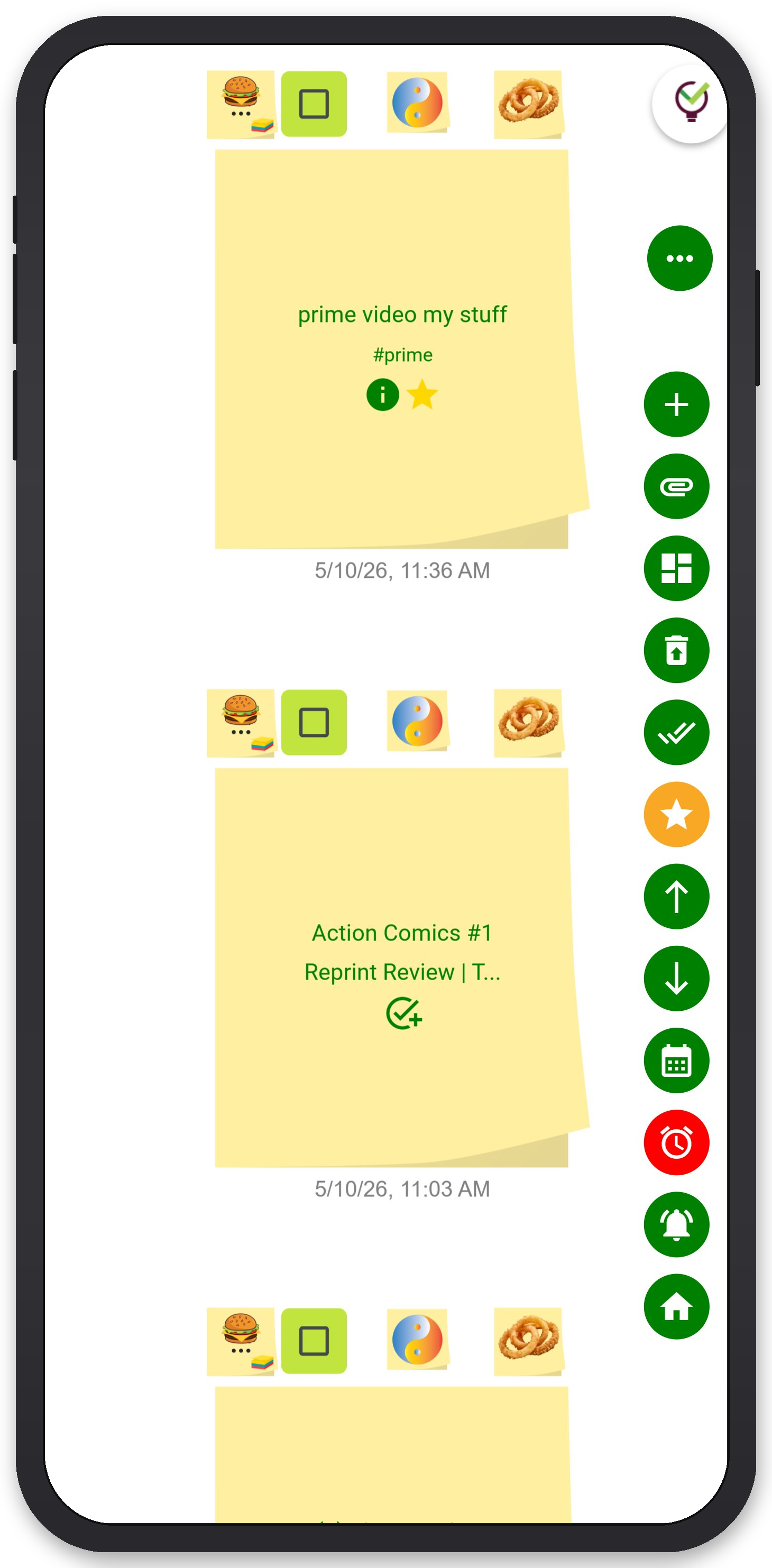
TaskLoco Premium is regularly $9.99/month per person. Right now, charter members can lock in 50% off the regular price — forever. That means $4.99/month per person today. And if our price ever goes up, you still pay half. Always.
Code CHARTER50 auto-applies at checkout. First 500 spots only — once they're gone, this offer is gone permanently. Act fast while spots last.
Every Premium subscription includes unlimited notes, 10GB file storage, reminders, calendar, and team sharing. Each team member requires a separate subscription. 7-day free trial — no charge until day 8. Cancel anytime.
Free Options: TaskLoco
TaskLoco Lite
- Native iPhone & Android app
- Completely anonymous — no sign-in
- Data stays on your device
- Up to 20 notes
- Free forever
TaskLoco Lite Plus+
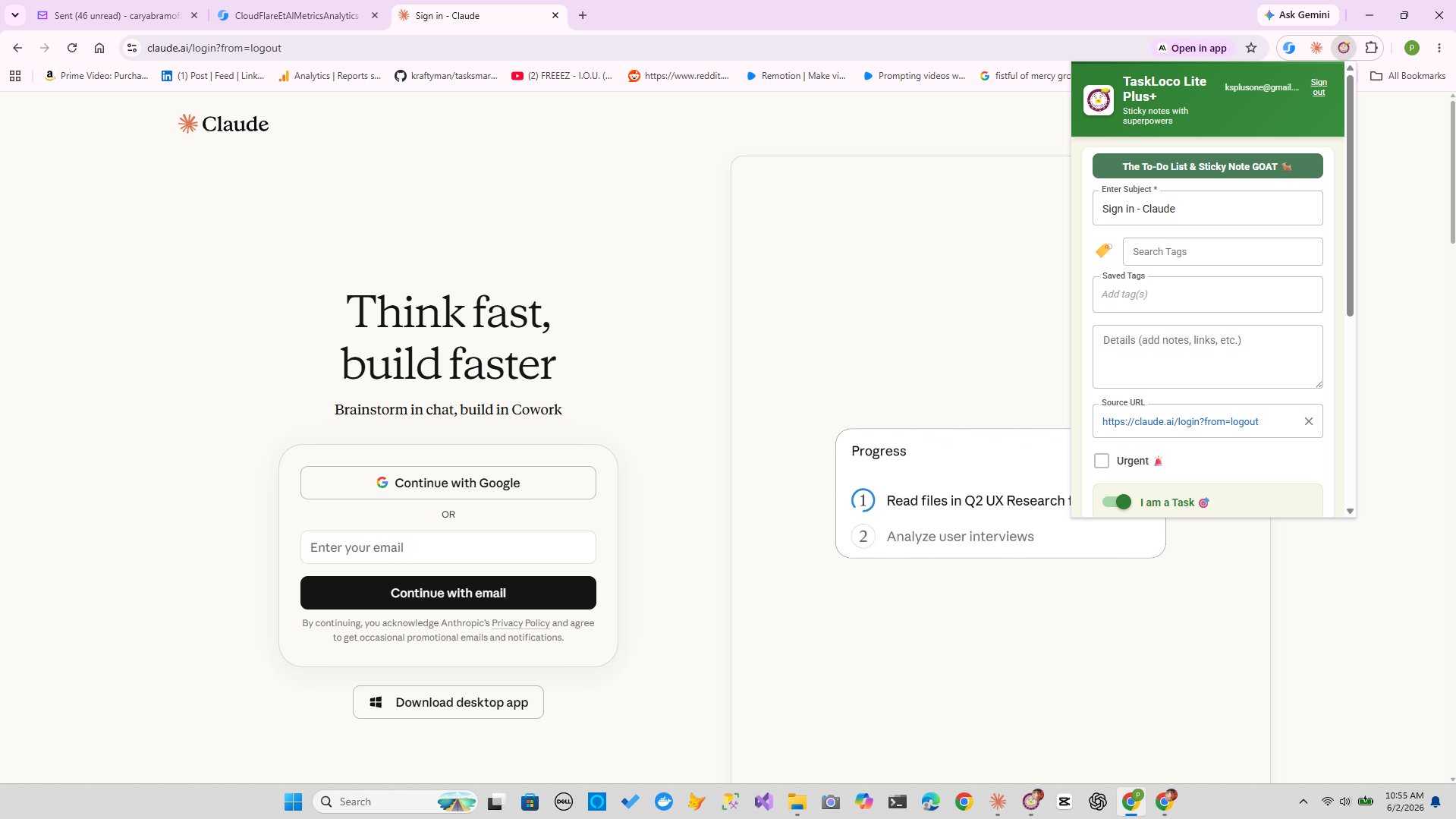
- Web app + Chrome extension
- Sign in with Google
- Wall syncs across all devices
- Up to 30 notes
- Free forever
Lock In 50% Off — Forever
7-day free trial. No charge until day 8. CHARTER50 auto-applies at checkout.
🔒 Lock In My Charter SpotSee TaskLoco in Action
Frequently Asked Questions
How long should my evening routine take?
An effective evening routine takes 15-30 minutes. Brain dump (10 minutes), top 3 priorities (5 minutes), environment prep (10 minutes). Quality beats duration — a focused 15 minutes outperforms an hour of scattered activities.
What if I'm too tired for an evening routine?
Start smaller, not later. Even 5 minutes of brain dumping and writing tomorrow's top priority beats skipping entirely. Tiredness often comes from mental clutter — the routine helps clear it, making actual rest more effective.
Should my evening routine include exercise or meditation?
Focus on productivity systems first — brain dump, priorities, environment prep. Add wellness activities after the core routine is habit. Mixing too many goals early often leads to abandoning the whole system.
How do I remember to do my evening routine consistently?
Anchor it to an existing habit like closing your laptop or setting your phone to charge. Use environmental triggers — keep a notebook where you'll see it, set a daily reminder. $9.99/month per person (currently $4.99/month per person for first 500 charter members with code CHARTER50)
What's the difference between evening planning and morning planning?
Evening planning uses clear thinking to set direction. Morning planning uses peak energy for execution. Plan the what and why at night, focus on the how in the morning when your brain is fresh for deep work.
Can I do my evening routine digitally instead of on paper?
Absolutely. Digital tools often work better for brain dumps and priority setting because you can search, organize, and carry everything across devices. The key is consistency and quick capture, regardless of format.
How do I handle unexpected evening interruptions?
Build flexibility into your system. Keep a minimal 5-minute version for busy nights — just brain dump and set tomorrow's #1 priority. Consistency with a simple routine beats perfection with a complex one.
Born in Brooklyn. Powered by AWS. Your data stays yours.
TaskLoco is available on iPhone, Android, Chrome, and every web browser.