Mark Twain supposedly said it best: if you eat a live frog first thing in the morning, nothing worse can happen to you the rest of the day. He probably wasn't talking about productivity software. But the principle holds — and for millions of people, it's the only system that actually breaks the cycle of procrastination that clever to-do apps somehow make worse.
The problem isn't that people don't know what their hardest task is. They know exactly which item on the list they've been avoiding. The problem is that every productivity system gives that item equal visual weight with "reply to Karen's email" and "order more printer paper." Your frog gets buried. This piece is about why front-loading your hardest work is so effective, how to choose the right frog each day, and how to set up a workspace that forces your frog to the top — not the bottom — of your attention.
What 'Eat the Frog' Actually Means — and Who Needs It
The Eat the Frog method is one of the oldest and most debated productivity frameworks, and it survives because it addresses something most systems ignore: the psychological cost of avoidance. When you look at a task and feel resistance, your brain doesn't quietly forget about it. It keeps pinging you. Psychologists call this the Zeigarnik effect — unfinished, dreaded tasks occupy working memory even when you're not consciously thinking about them. Eating the frog silences that background noise by noon.
The method is simple in principle: before you open email, before you check Slack, before you do anything reactive, you identify the one task that matters most and that you're most likely to avoid — and you do it first. One task. Not three. Not a themed block. One frog.
Who benefits most? Three types of people show up again and again:
- Creative professionals whose best cognitive hours get eaten by low-stakes communication if they don't protect them deliberately.
- Knowledge workers who carry complex, multi-step projects that require deep focus — the kind of work that gets perpetually deferred when the inbox is always open.
- Freelancers and founders who have nobody setting their schedule for them and need a forcing function to stop the important from losing to the urgent.
The method doesn't work well for roles that are genuinely reactive by design — emergency dispatch, customer support, anything where the most important task is determined by what just happened. But for anyone who has meaningful control over their first two hours of work, front-loading the hardest thing is almost always the right call.
How to Pick the Right Frog Every Day
The most common mistake people make with this method is misidentifying their frog. They confuse urgent with important, or they pick something hard but ultimately low-value because it feels virtuous to suffer through it. A frog should meet two criteria simultaneously: it should matter significantly to your goals or your team, and it should be the thing you're most tempted to defer.
A practical test: at the end of the day, which undone item would make you feel worst? That's usually your frog for tomorrow. Write it down the night before — this is important. Naming your frog the night before removes a decision from your morning, and morning decision fatigue is real. When you sit down to work, you want to already know what you're doing. No deliberation. No browsing your task list. Open, do, done.
Some people find it helpful to distinguish between different types of frogs:
- The creative frog — writing the pitch deck, finishing the design mockup, drafting the difficult memo. These require your sharpest hours.
- The relationship frog — the hard conversation you've been putting off, the performance review, the client call you're dreading. These drain emotional energy and get worse the longer they wait.
- The complexity frog — the task that's not emotionally charged but requires sustained concentration you haven't been able to muster. Debugging. Research. Analysis.
Each type benefits from the same treatment: do it first, protect the time around it, and don't let lower-stakes tasks steal the best mental hours of your day.
Building the Habit — and the Workspace That Supports It
Knowing your frog and actually eating it are different problems. The habit breaks down in two places: the night-before naming ritual and the morning execution window. Both need structure, and both benefit from a workspace that makes the frog impossible to ignore.
Most productivity tools are optimized for managing many tasks. That's exactly the wrong optimization for this method. When your frog lives in a list of forty items sorted by due date or project, it loses. It doesn't matter that you know it's important — visual proximity to trivial tasks diminishes its psychological weight. You need a system where your frog is front and center, not filed.
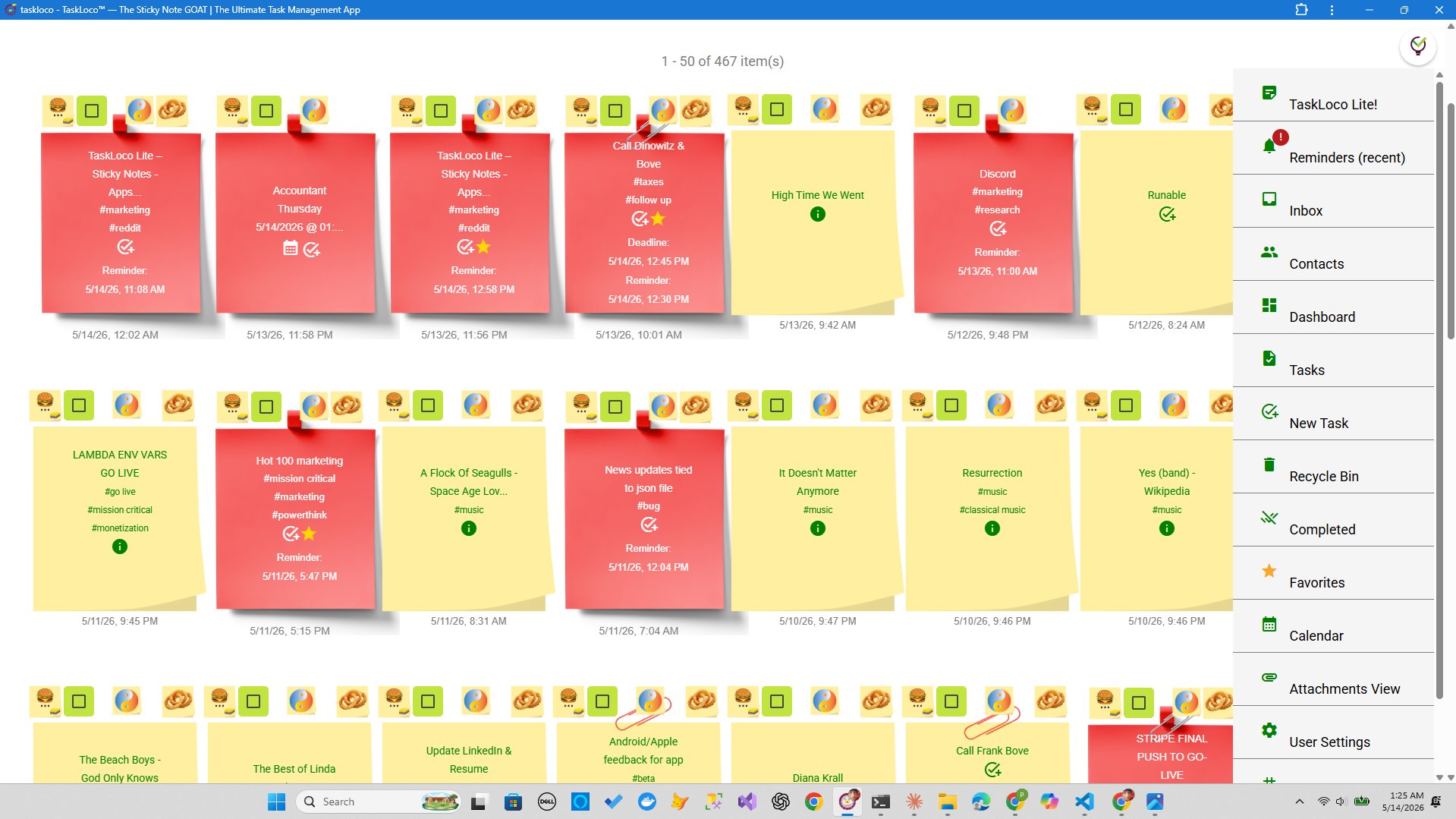
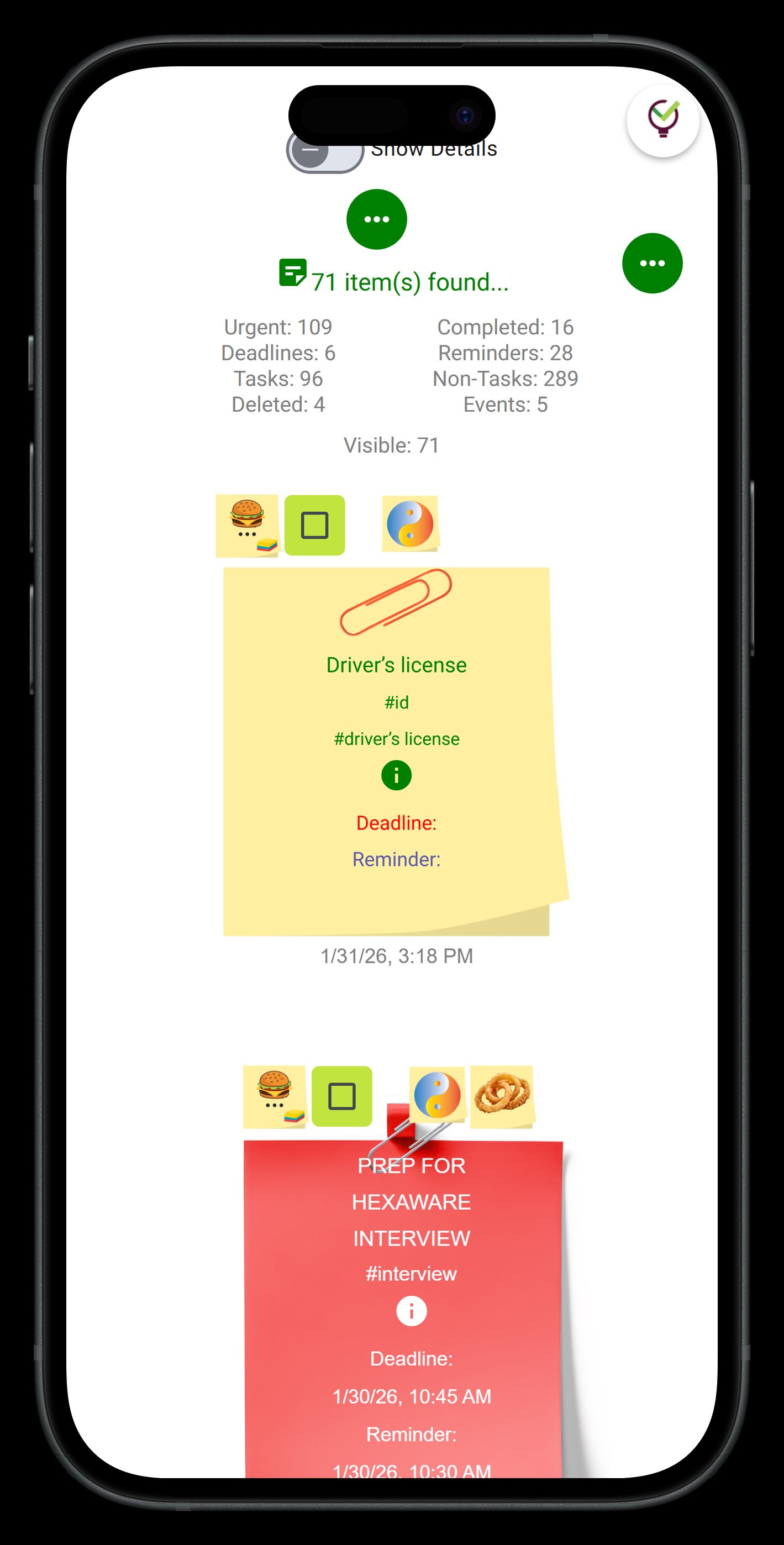
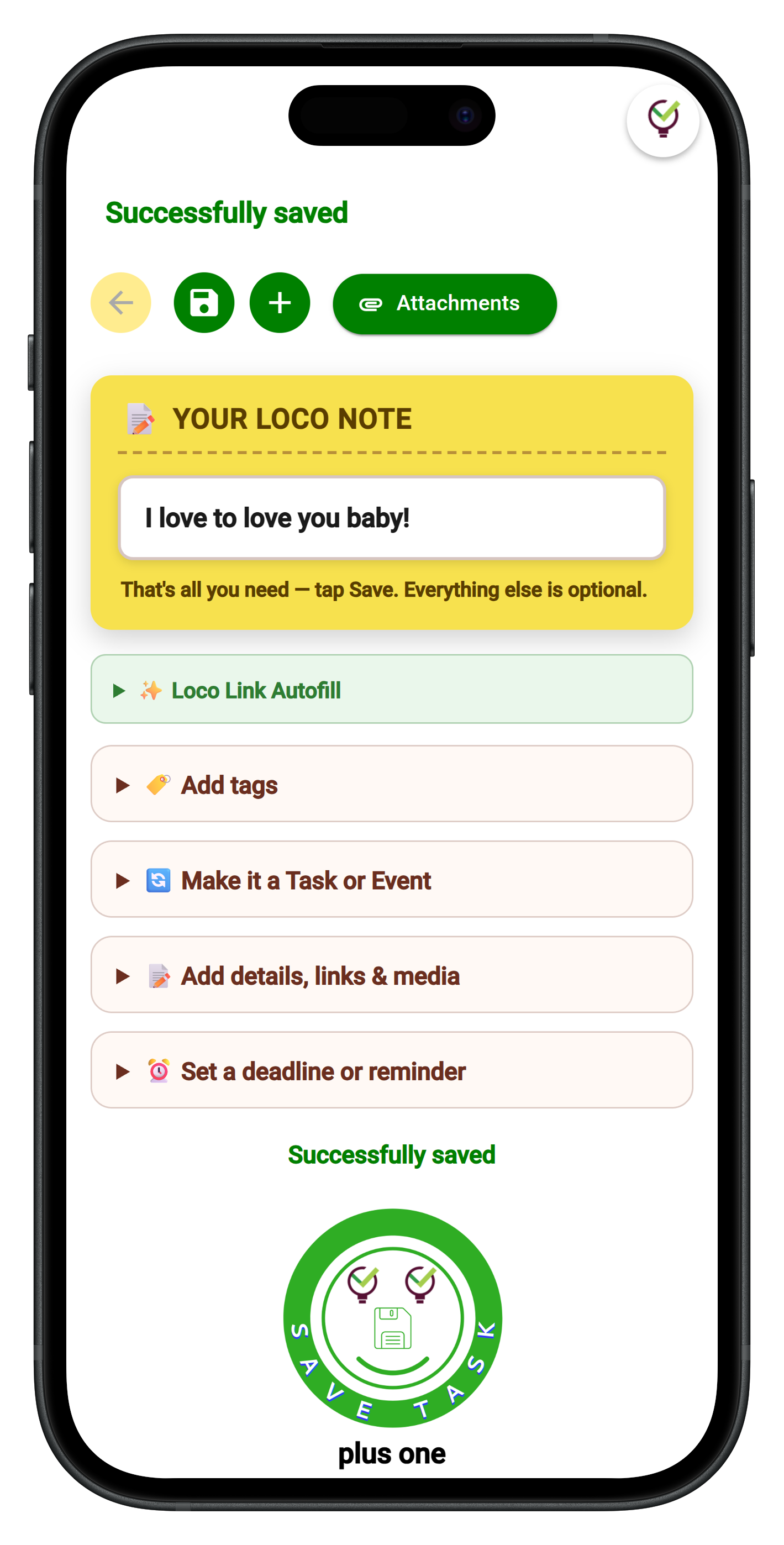
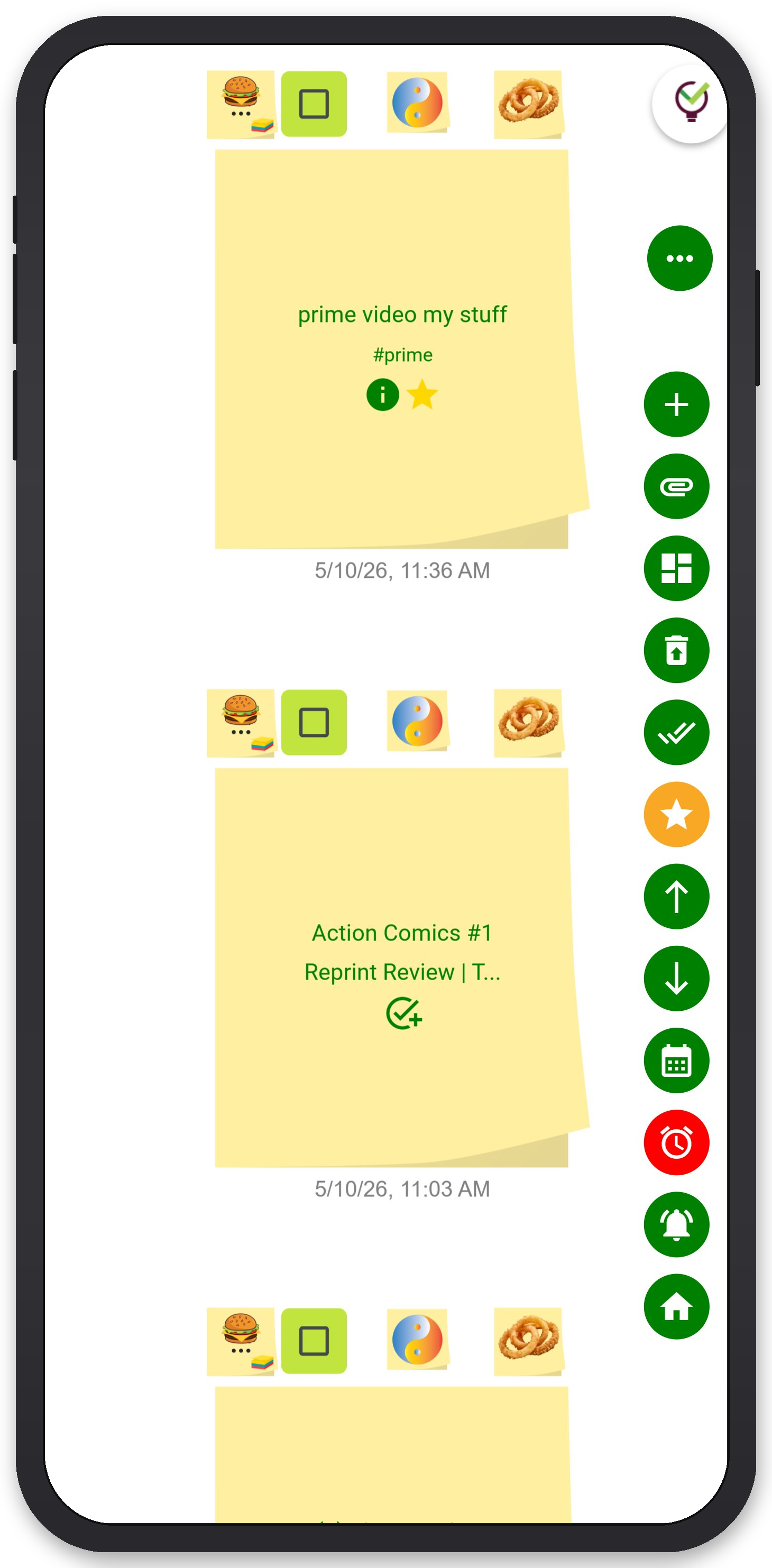
This is where TaskLoco's sticky-note model actually earns its keep. Because notes exist as discrete, visible objects rather than rows in a database, you can pin your frog — literally front and center on your wall — so that when you open your workspace in the morning, it's the first thing you see. There's no scrolling past forty items. There's a note, sized up, front and center, waiting.
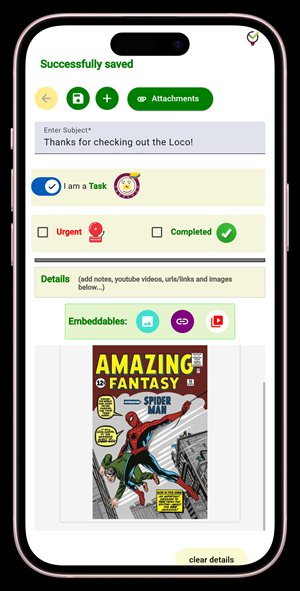
TaskLoco Premium's reminder system is built around push notifications — your frog can tap you on the shoulder at exactly the time you want to start. The reminder deep-links back to the note itself, so you don't end up in your inbox looking for context. You're taken directly to the task. Optional email and SMS notifications are available if you want additional channels, but the push notification is the core experience, delivered to your phone and your computer simultaneously.
For teams, the shared-note feature means your frog can be visible to the people who need to know you're heads-down. Recipients can clone the shared note and make it their own — no permissions overhead, no access levels to manage. It works the way email does: you share it, they own their copy.
Why Most Productivity Apps Make the Frog Harder to Eat
There's a quiet irony in productivity software: the more features a tool adds to help you manage your tasks, the more cognitive overhead it creates before you can start your most important one. You open the app to do your frog and end up triaging notifications, reorganizing boards, or doing the quick wins first because the interface treats them all equally.
List-based tools bury the frog. Board-based tools that require you to move cards through pipeline stages are optimized for tracking work in progress, not for identifying and protecting a single daily priority. Calendar tools assume your frog has a fixed time block — but many frogs are open-ended and can't be scheduled in thirty-minute slots.
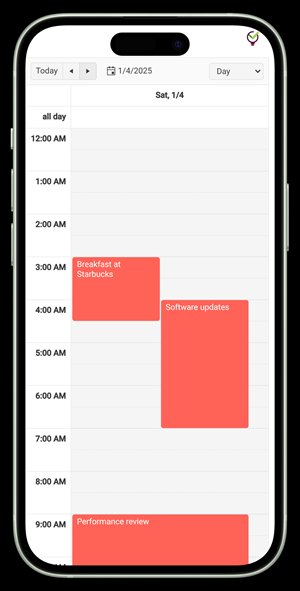
Sticky notes — the physical kind — have survived decades of productivity evolution because they do something digital lists don't: they take up physical space. Your frog on a sticky note on your monitor cannot be buried. TaskLoco is built on that same principle, but with everything a physical sticky note can't do: reminders that push to your phone and computer, file attachments so context lives inside the note, and a calendar view for when your frog does have a deadline attached.
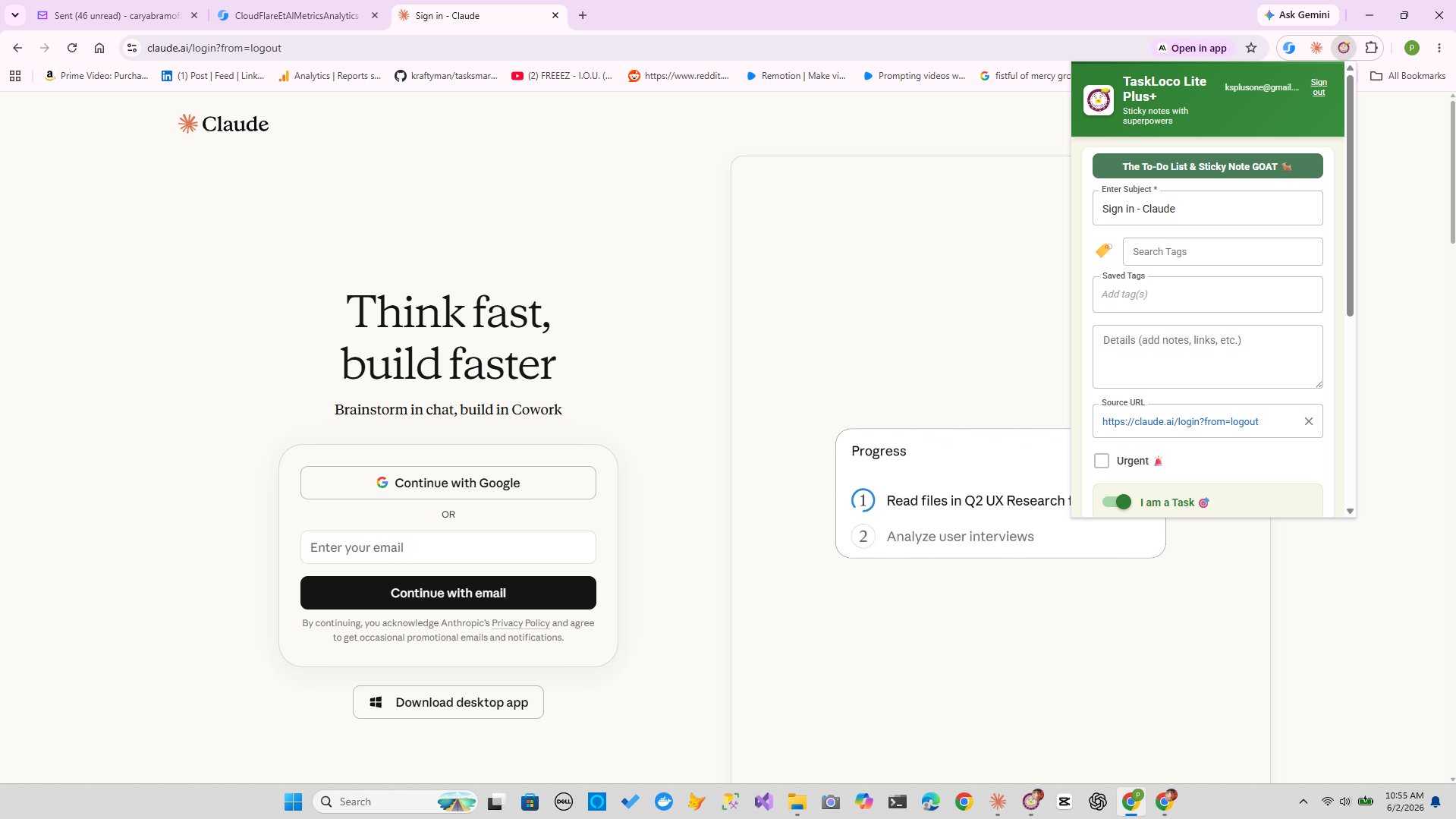
The Chrome extension is worth mentioning for people whose frog involves research or web-based work. One click captures any webpage directly into a note — no copy-pasting URLs, no separate tab management. The context lives where the task lives.
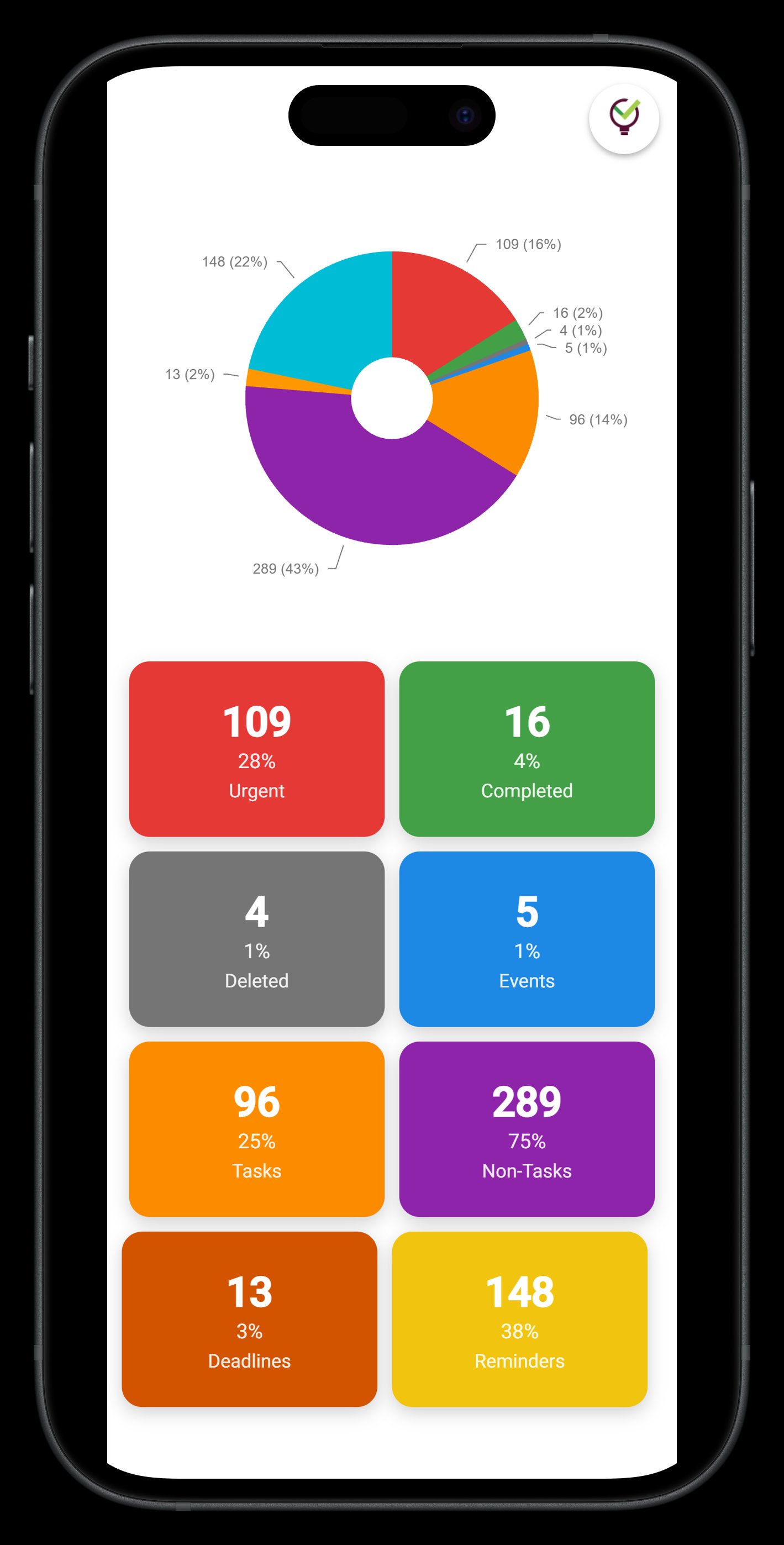
TaskLoco Lite is free and anonymous — no sign-in, no account, stores up to 20 notes on your device only. It's a genuine starting point for testing the physical-note philosophy digitally. Lite Plus+ (also free) adds cross-device sync and up to 30 notes via the web app and Chrome extension. When you're ready for reminders, file storage, unlimited notes, and team sharing, that's Premium.
TaskLoco Premium is regularly $9.99/month per person. Right now, charter members can lock in 50% off the regular price — forever. That means $4.99/month per person today. And if our price ever goes up, you still pay half. Always.
Code CHARTER50 auto-applies at checkout. First 500 spots only — once they're gone, this offer is gone permanently. Act fast while spots last.
Every Premium subscription includes unlimited notes, 10GB file storage, reminders, calendar, and team sharing. Each team member requires a separate subscription. 7-day free trial — no charge until day 8. Cancel anytime.
Free Options: TaskLoco
TaskLoco Lite
- Native iPhone & Android app
- Completely anonymous — no sign-in
- Data stays on your device
- Up to 20 notes
- Free forever
TaskLoco Lite Plus+
- Web app + Chrome extension
- Sign in with Google
- Wall syncs across all devices
- Up to 30 notes
- Free forever
Lock In 50% Off — Forever
7-day free trial. No charge until day 8. CHARTER50 auto-applies at checkout.
🔒 Lock In My Charter SpotSee TaskLoco in Action
Frequently Asked Questions
What does 'eat the frog' mean in productivity?
It means doing your most important and most dreaded task first thing in the morning, before any reactive work. The idea is that once the hardest thing is done, the psychological weight it was carrying disappears and the rest of the day feels easier. The phrase is often attributed to Mark Twain, though the productivity application was popularized by Brian Tracy's book of the same name.
How do I identify my frog each day?
Ask yourself: which task on my list would make me feel worst if it was still undone at 5pm? That's usually your frog. A good frog is both genuinely important to your goals and something you're actively tempted to defer. If a task is hard but low-stakes, it's not your frog — it's just unpleasant busywork. Name your frog the night before so your morning has no ambiguity.
What if I have more than one important task?
You do it anyway — you pick one. The discipline of choosing a single frog is part of what makes the method work. If everything is the hardest thing, your brain treats everything as equally important, which means nothing gets protected time. Rank your tasks, pick the one that matters most and that you most want to avoid, and commit to finishing it before moving to anything else.
How does TaskLoco help with the Eat the Frog method?
TaskLoco's sticky-note model lets you pin your frog visually at the top of your workspace so it can't be buried by other tasks. Premium's reminders push directly to your phone and computer at the time you choose, and the notification deep-links back to the note itself — so you land directly on your frog, not in your inbox. File attachments mean all context lives inside the note, so there's no context-switching before you can start.
Does the Eat the Frog method work if my job is mostly reactive?
It's less effective for roles where the most important task is defined by what just arrived — customer support, emergency response, anything where the inbox genuinely determines priority. But even in reactive roles, most people have at least one proactive responsibility they keep deferring. Protecting thirty to sixty minutes at the start of the day for that task, before going reactive, is a useful adaptation of the method.
Is TaskLoco free to try for the Eat the Frog approach?
Yes. TaskLoco Lite is completely free — no account, no sign-in, stores up to 20 notes on your device. It's a genuine way to test the visual sticky-note approach to surfacing your frog each morning. TaskLoco Lite Plus+ is also free and adds cross-device sync and up to 30 notes through the web app and Chrome extension. TaskLoco Premium, which adds reminders, unlimited notes, file attachments, and team sharing, includes a 7-day free trial. $9.99/month per person (currently $4.99/month per person for first 500 charter members with code CHARTER50)
Should I eat the frog first or plan my whole day first?
Plan the night before, execute the frog first. Morning planning sessions are a common procrastination trap — they feel productive but they're eating into the cognitive window where your frog should be getting done. Spend five minutes the evening before naming tomorrow's frog and any supporting tasks. When morning arrives, your only job is to open the note and start. The rest of the day plans itself around the anchor of having already done the hardest thing.
Born in Brooklyn. Powered by AWS. Your data stays yours.
TaskLoco is available on iPhone, Android, Chrome, and every web browser.