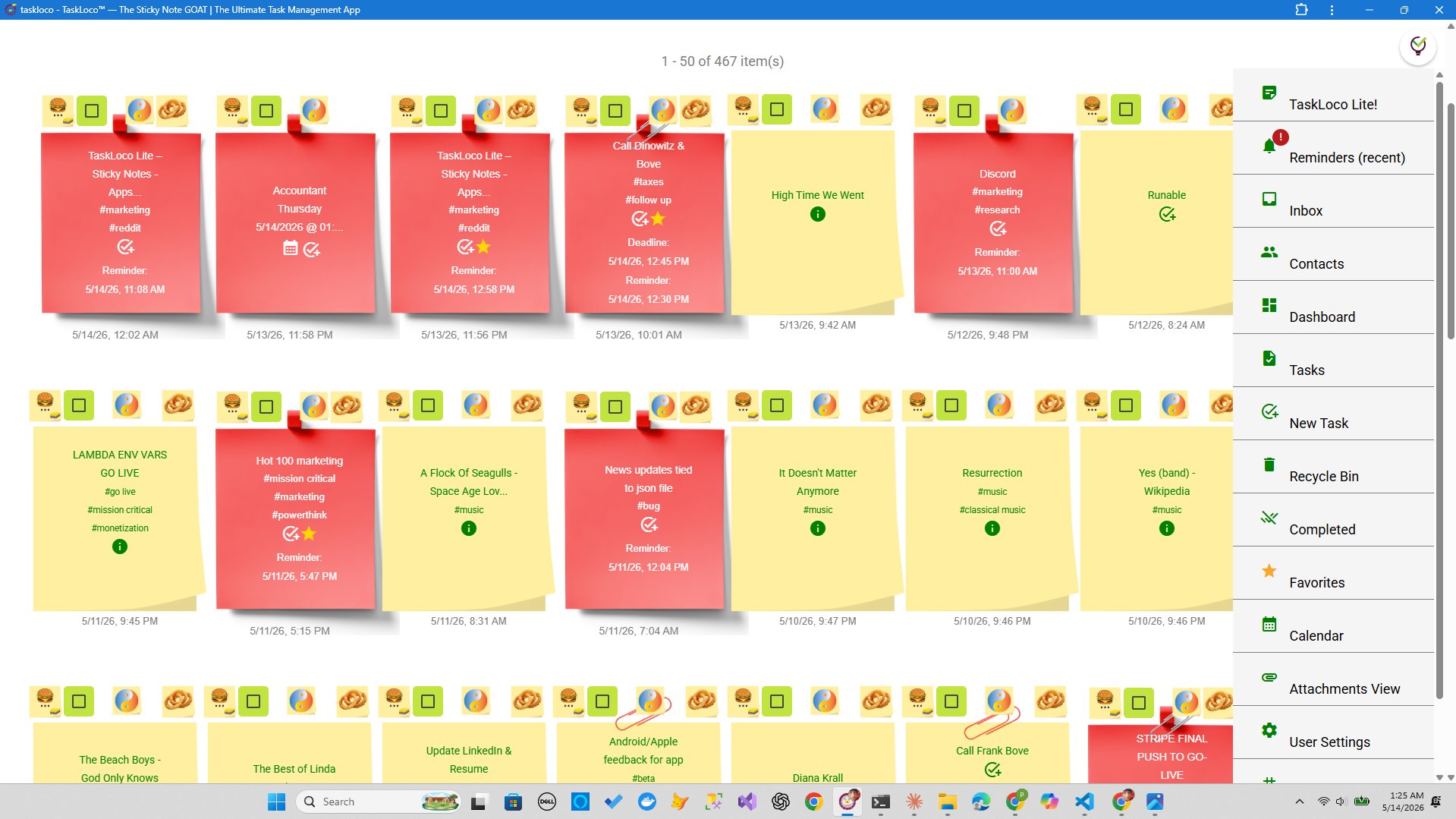
Missing a pill isn't always about carelessness. It's about life — a hectic morning, a disrupted routine, a week of travel. The margin for error with time-sensitive medication is slim, and the consequences of missing doses can be significant. Yet most people rely on memory alone, or on a generic phone alarm with no context. That's not a system. That's a gamble.
A good reminder system for birth control does three things: it reaches you reliably, it gives you enough context to act immediately, and it doesn't get buried in notification noise. This guide breaks down what actually matters when choosing a reminder method — and shows you how to build one that works.
What to Look for in a Birth Control Reminder
Before recommending any tool, it's worth being honest about what the problem actually is. Forgetting to take birth control is almost never a knowledge problem — you know you're supposed to take it. It's a habit and interruption problem. A reminder system succeeds when it interrupts your flow at the right moment, in the right way, with enough friction to make you act rather than dismiss.
Three criteria actually matter when evaluating any birth control reminder method:
- Delivery reliability. A reminder that only works when you're already staring at your phone is not a reminder — it's a coincidence. The best systems push an alert to you rather than waiting for you to check in.
- Context on delivery. A blank alarm that says "Alarm" tells you nothing. A notification that links directly to your note — where your pill schedule, instructions, or tracking log lives — collapses the gap between reminder and action.
- Channel redundancy. A single channel can fail. A push notification you can silence, an email you might miss, an SMS you might ignore. The strongest systems let you stack channels so something always gets through.
Generic phone alarms pass the delivery test but fail on context. Dedicated health apps pass on context but often lock features behind subscriptions and don't integrate with the rest of your life. A general-purpose productivity tool that does all three — and also holds your notes, calendar, and tasks — is worth a serious look.
Why Generic Alarms and Dedicated Health Apps Both Fall Short
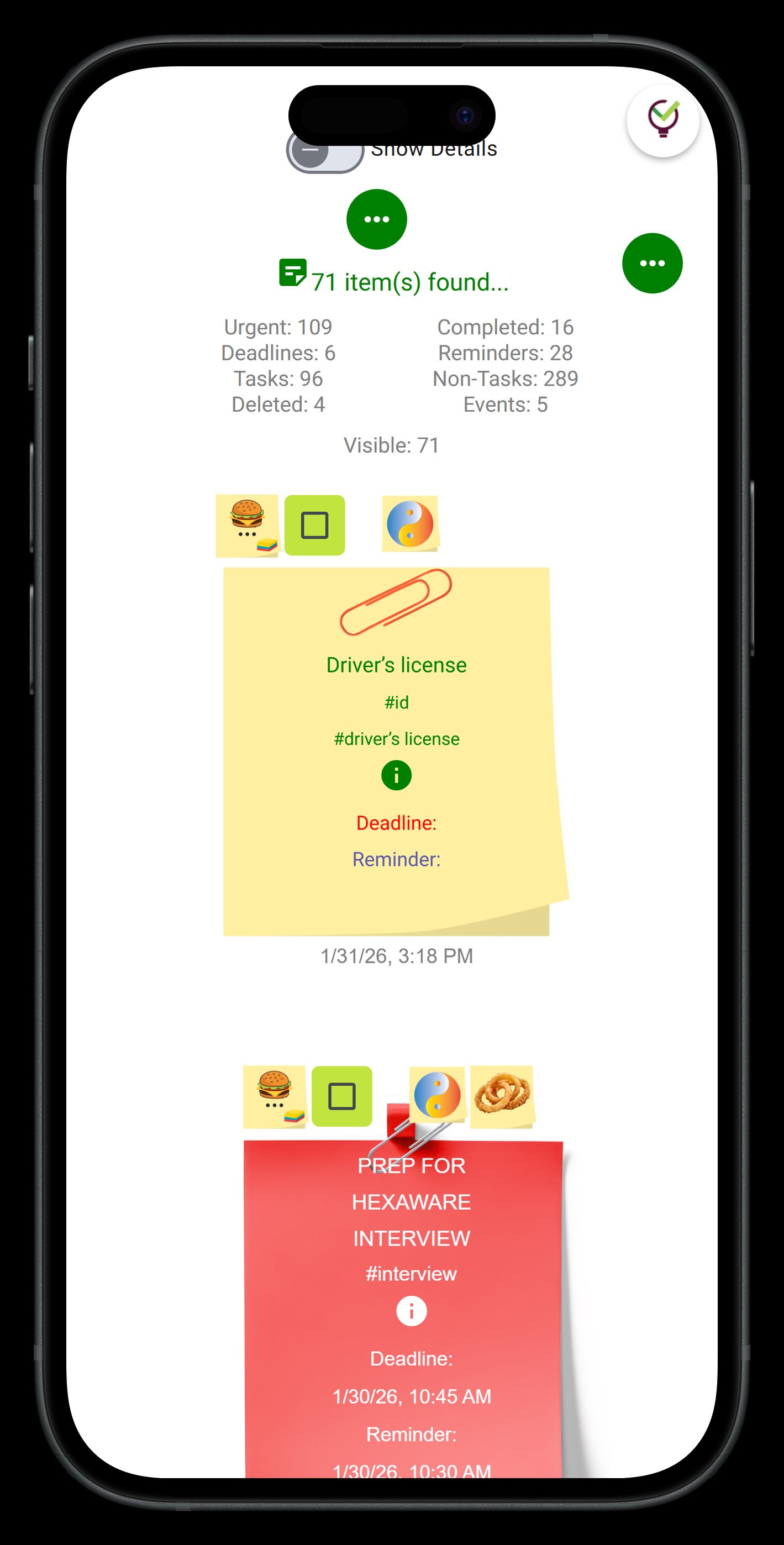
Most people's first instinct is to set a daily phone alarm. It works — until it doesn't. If you're in a meeting, at the gym, or mid-task, your brain flags it as noise and you intend to take action later. Later doesn't happen. The alarm has no memory, no context, and to anything else in your day.
Dedicated birth control reminder apps solve the context problem better. They know what you're tracking, they log your doses, and they present relevant information when the alert fires. But they introduce new friction: another app to maintain, another login to manage, another set of notifications competing for attention. And when life changes — new medication, a schedule shift, a different form of birth control — updating a single-purpose app often means reconfiguring everything from scratch.
The more durable approach is to build your reminder into a system you already live in every day. If your notes, tasks, calendar, and reminders all exist in one place, the habit has less competition. The reminder fires, it deep-links you directly to the note where your information lives, and you're done in seconds — without switching apps or hunting for context.
How TaskLoco Turns a Sticky Note Into a Reliable Reminder System
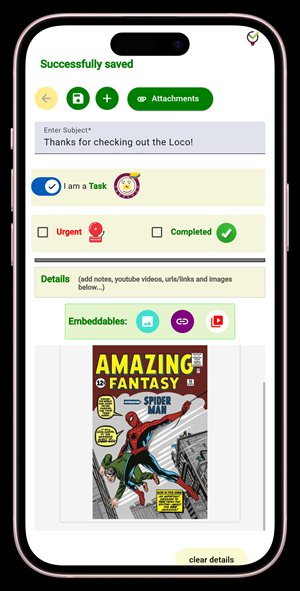
TaskLoco Premium is built around sticky notes — but don't let that simplicity fool you. Each note can carry a reminder, and when that reminder fires, it arrives as a push notification directly to your phone and computer. Tap it, and it deep-links straight back to the original note. That's the mechanic that makes the difference: you don't land on a home screen and have to remember why you opened the app. You land exactly where the action needs to happen.
Here's what a practical birth control reminder setup looks like in TaskLoco:
- Create a note with your pill schedule, the time you take it, any instructions, and a log you can update with a quick tap.
- Set a reminder on that note for your target time each day.
- The reminder arrives as a push notification — phone and computer both, simultaneously.
- If push alone isn't enough for your situation, you can add an optional email notification at no extra cost, or an optional SMS add-on with a monthly quota included.
That three-channel stack — push, email, SMS — means something always gets through, even on a chaotic day. And because the reminder deep-links back to your note, you're not just reminded: you're returned to the information you need to act correctly.
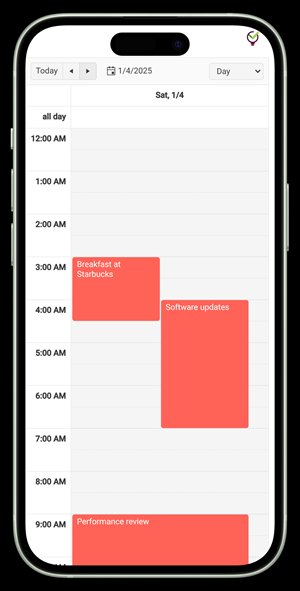
Beyond the reminder itself, TaskLoco Premium gives you unlimited notes and calendar view, so your birth control note can sit alongside your actual schedule rather than floating in a separate app with to your day.
Building a Habit, Not Just Setting an Alert
Reminders are the mechanism — habit is the goal. The research on habit formation is consistent: a cue needs to be specific, timely, and connected to a clear action. A push notification that deep-links to a note you've already written is a complete cue-action loop. The note is your context, the notification is your cue, and tapping through is your action. That loop is repeatable, which is what habits require.
A few practical notes for making this work long-term:
- Be specific in your note. "Take pill" is less sticky than a note that also tracks where your pack is, what day of the pack you're on, and what to do if you miss one. Write it once, reference it every day.
- Set the reminder for a moment you actually control. Not 7am if your mornings are chaotic — maybe 8pm when you're winding down. SMS cuts through regardless of app state.
TaskLoco Lite, the free native iPhone and Android app, stores up to 20 notes on your device with no sign-in required — but it has no reminders, no sync, and no attachments. If you want reminders, you need TaskLoco Premium. That's the version with push notifications, optional email, optional SMS, unlimited notes, 10GB file storage, calendar view, and team sharing.
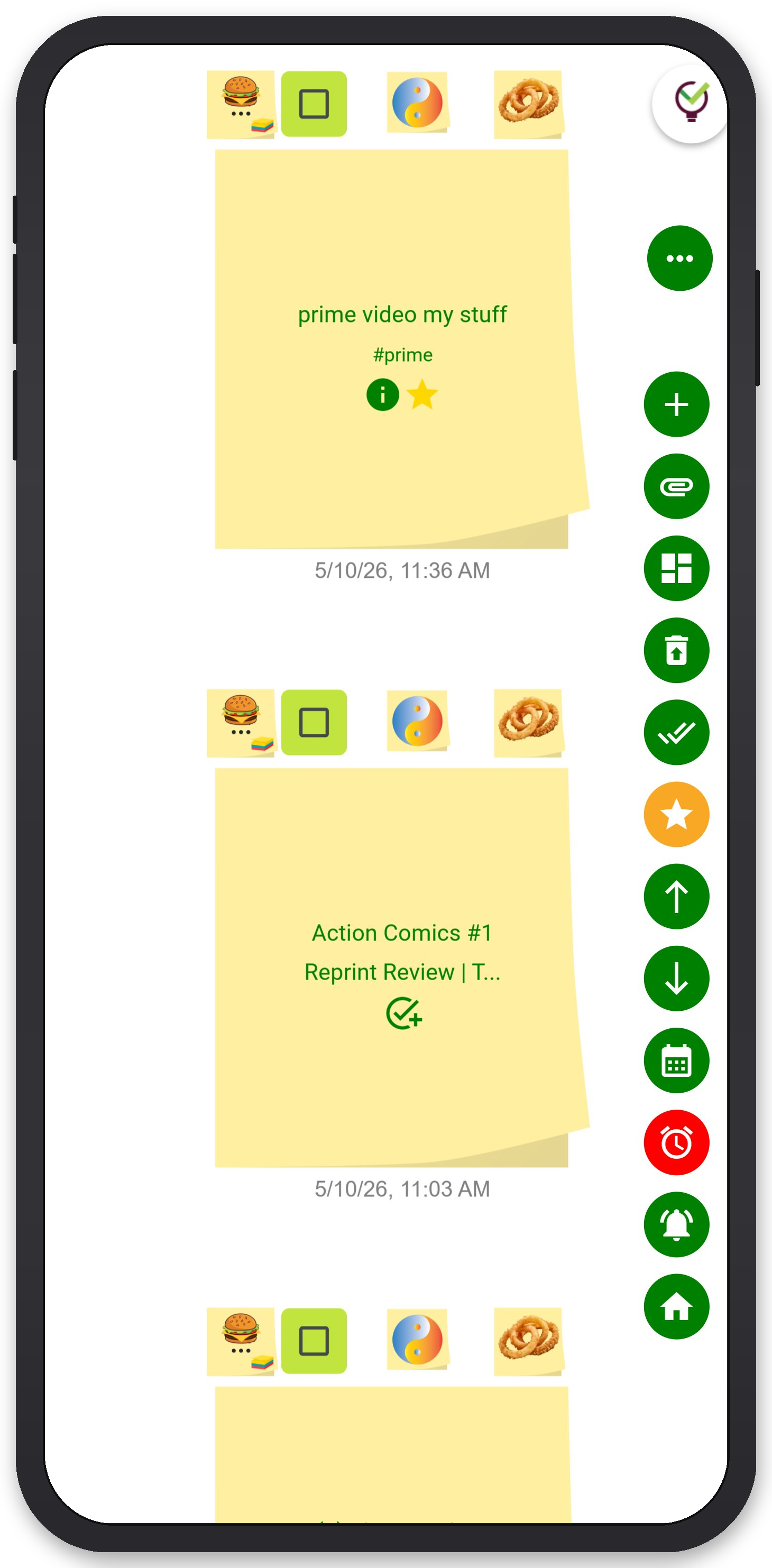
TaskLoco Premium is regularly $9.99/month per person. Right now, charter members can lock in 50% off the regular price — forever. That means $4.99/month per person today. And if our price ever goes up, you still pay half. Always.
Code CHARTER50 auto-applies at checkout. First 500 spots only — once they're gone, this offer is gone permanently. Act fast while spots last.
Every Premium subscription includes unlimited notes, 10GB file storage, reminders, calendar, and team sharing. Each team member requires a separate subscription. 7-day free trial — no charge until day 8. Cancel anytime.
Free Options: TaskLoco
TaskLoco Lite
- Native iPhone & Android app
- Completely anonymous — no sign-in
- Data stays on your device
- Up to 20 notes
- Free forever
TaskLoco Lite Plus+
- Web app + Chrome extension
- Sign in with Google
- Wall syncs across all devices
- Up to 30 notes
- Free forever
Lock In 50% Off — Forever
7-day free trial. No charge until day 8. CHARTER50 auto-applies at checkout.
🔒 Lock In My Charter SpotSee TaskLoco in Action
Frequently Asked Questions
What is the best reminder for birth control pills?
The best reminder is one that actively reaches you — as a push notification — and brings you directly back to your information when you tap it. A generic alarm tells you nothing; a TaskLoco reminder fires as a push notification to your phone and computer and deep-links you straight to the note where your schedule, instructions, or dose log lives. Optional email and SMS channels add redundancy for days when push alone isn't enough.
Is a phone alarm enough for a birth control reminder?
For some people, yes — but alarms fail in predictable ways. If your schedule is consistent and your mornings are reliable, a labeled alarm can work. But if your day varies, you travel, or you need a log to track doses, a note-based reminder that deep-links back to your own written context is meaningfully more reliable.
Can I use TaskLoco Lite for a birth control reminder?
No. TaskLoco Lite is the free native app for iPhone and Android — it stores up to 20 notes on your device with no sign-in required, which is great for anonymous note-taking. But it has no reminders, no syncing, and no attachments. Reminders are a TaskLoco Premium feature only. If you want push notifications, optional email, or optional SMS, you need Premium.
How does TaskLoco remind me about my birth control?
TaskLoco Premium delivers reminders as push notifications — sent directly to your phone and your computer at the time you set. When you tap the notification, it deep-links you straight back to the original note. You can also enable an optional email notification at no extra cost, or an optional SMS add-on with a monthly quota included. The push notification is the primary and default delivery method.
Do I need a separate app just for birth control reminders?
You don't have to. A dedicated birth control app solves one problem well but adds another app to maintain. If you already use a productivity or notes app for the rest of your life, integrating your birth control reminder into that same system reduces friction — one notification to tap, one app to open, one place where your information lives. TaskLoco Premium is built for exactly that: reminders that live inside notes, not alongside them.
What if I miss a birth control notification?
That's where channel redundancy matters. TaskLoco Premium lets you stack delivery methods: push notifications go to your phone and computer by default. You can add optional email (free) so the reminder also hits your inbox, and optional SMS (add-on with a monthly quota) so it arrives as a text message even if you miss the push.
How much does TaskLoco Premium cost?
$9.99/month per person (currently $4.99/month per person for first 500 charter members with code CHARTER50)
Born in Brooklyn. Powered by AWS. Your data stays yours.
TaskLoco is available on iPhone, Android, Chrome, and every web browser.