Most people use ChatGPT the same way they google things — type a vague question, get a vague answer, move on. That's leaving most of the tool's value on the table. The quality of what you get back is almost entirely determined by the quality of what you put in. A prompt is not a search query. It's a briefing.
This guide is a practical collection of the prompts that consistently produce great results — for professionals trying to move faster, students trying to think more clearly, and anyone trying to get more done in less time. At the end, there's also a simple system for saving and organizing the prompts that work so you're not rebuilding them from scratch every time.
What Makes a Great ChatGPT Prompt
Before the list, a quick framework — because understanding what makes prompts work is more valuable than any single prompt. Three things separate good prompts from great ones.
1. Role and context. Tell the model who it's supposed to be and what the situation is. "You are a senior marketing strategist reviewing a launch plan for a B2B SaaS product targeting HR teams" will always outperform "help me with marketing." The more specific the role, the more expert the output.
2. A clear output format. Don't leave the format up to the model. If you want a bulleted list, say so. If you want a table, ask for one. If you want three options to choose from, specify that. Ambiguous requests produce ambiguous results.
3. Constraints and tone. Word count, reading level, what to avoid, what to emphasize — these constraints aren't limitations, they're directions. "Keep it under 200 words, skip jargon, write for a non-technical audience" is a vastly more useful instruction than "make it simple."
The Best ChatGPT Prompts for Work
These prompts are designed for speed and quality — the kind of tasks that eat up hours when done manually and take minutes with the right prompt.
Email drafting: "You are a professional communications writer. Draft a concise, warm email to [recipient] explaining [situation]. Keep it under 150 words, avoid corporate jargon, and end with a clear next step."
Meeting prep: "I have a meeting with [person/team] about [topic]. Give me five sharp questions I should ask, one potential objection they might raise, and a one-sentence summary of my goal for the meeting."
Performance review self-assessment: "Help me write a self-assessment for my annual review. My role is [title]. This year I [list of accomplishments]. Frame these as measurable impact, use active language, and keep each point to two sentences."
Brainstorming: "Generate 10 unconventional ideas for [topic]. Prioritize ideas that are fast to test, low-cost, and haven't been done to death in the [industry] space."
Summarizing long documents: "Summarize the following document in three sections: key findings, recommended actions, and open questions. Use plain language. [paste document]"
Rewriting for clarity: "Rewrite the following paragraph for clarity and directness. Remove passive voice, cut filler words, and make every sentence earn its place. [paste text]"
Competitor analysis framing: "I'm analyzing [competitor] versus [your product/company]. Identify five dimensions a buyer would care about, and for each one, suggest what questions I should be asking my sales team."
The Best ChatGPT Prompts for School and Learning
ChatGPT is not a shortcut past thinking — it's a thinking partner. The prompts that work best for students and learners are the ones that force you to engage with the material, not skip it.
Explain a concept from scratch: "Explain [concept] as if I have no background in [subject]. Use one concrete analogy, one real-world example, and then tell me what the most common misconception about it is."
Socratic practice: "I'm studying [topic]. Ask me a series of Socratic questions to test my understanding. Don't give me the answers — just push back on my reasoning and point out gaps."
Essay outline: "Help me outline an essay arguing [thesis]. Include a hook, three supporting arguments with evidence prompts, one strong counterargument, and a closing that doesn't just restate the intro."
Flashcard generation: "Create 15 flashcard-style question-and-answer pairs for [topic]. Questions should test understanding, not just recall. Vary the question types — definition, application, comparison."
Feedback on writing: "Review this essay paragraph for logical flow, clarity, and strength of argument. Don't just fix grammar — tell me where the reasoning is weak and what I should add or cut. [paste paragraph]"
Research direction: "I'm writing a paper on [topic]. Suggest five specific angles that are underexplored in mainstream coverage of this topic, and for each one, name the kind of source I should be looking for."
Vocabulary in context: "Give me five sentences using the word [word] in different contexts — academic, conversational, professional, literary, and one that shows a common misuse."
Prompts for Everyday Life — and How to Stop Losing the Good Ones
Some of the highest-value ChatGPT use cases have nothing to do with work or school. These prompts handle the cognitive load of daily decisions, planning, and personal challenges.
Meal planning: "Plan five weeknight dinners using ingredients I already have: [list]. Each meal should take under 30 minutes, use no more than one pot or pan, and avoid repeating the same protein twice in a row."
Difficult conversation prep: "I need to have a hard conversation with [relationship] about [topic]. Help me think through how to open it, what I want to say without sounding accusatory, and how to handle it if they get defensive."
Decision-making: "I'm trying to decide between [option A] and [option B]. Ask me five clarifying questions first, then give me a structured recommendation based on my answers."
Travel planning: "Plan a 5-day itinerary for [destination] for two adults who prefer local food over tourist traps, like walking neighborhoods, and want at least one low-key day built in."
Budget thinking: "Help me think through how to cut [amount] from my monthly budget without touching [non-negotiables]. Ask me questions about my spending before making suggestions."
Here's the problem most people run into: they craft a genuinely great prompt, use it once, and never find it again. ChatGPT's conversation history is not a prompt library. It's a log. There's a better system.
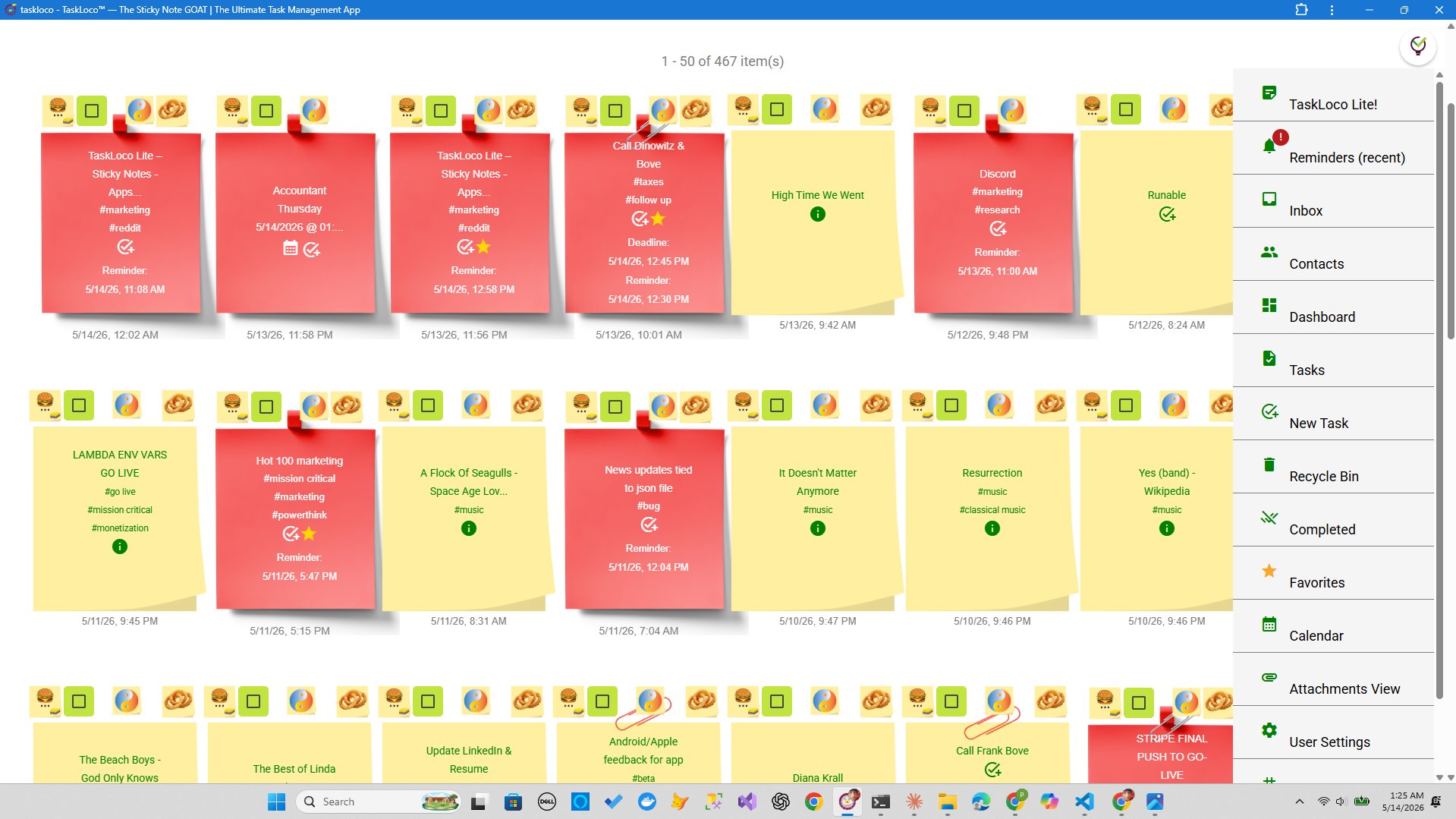
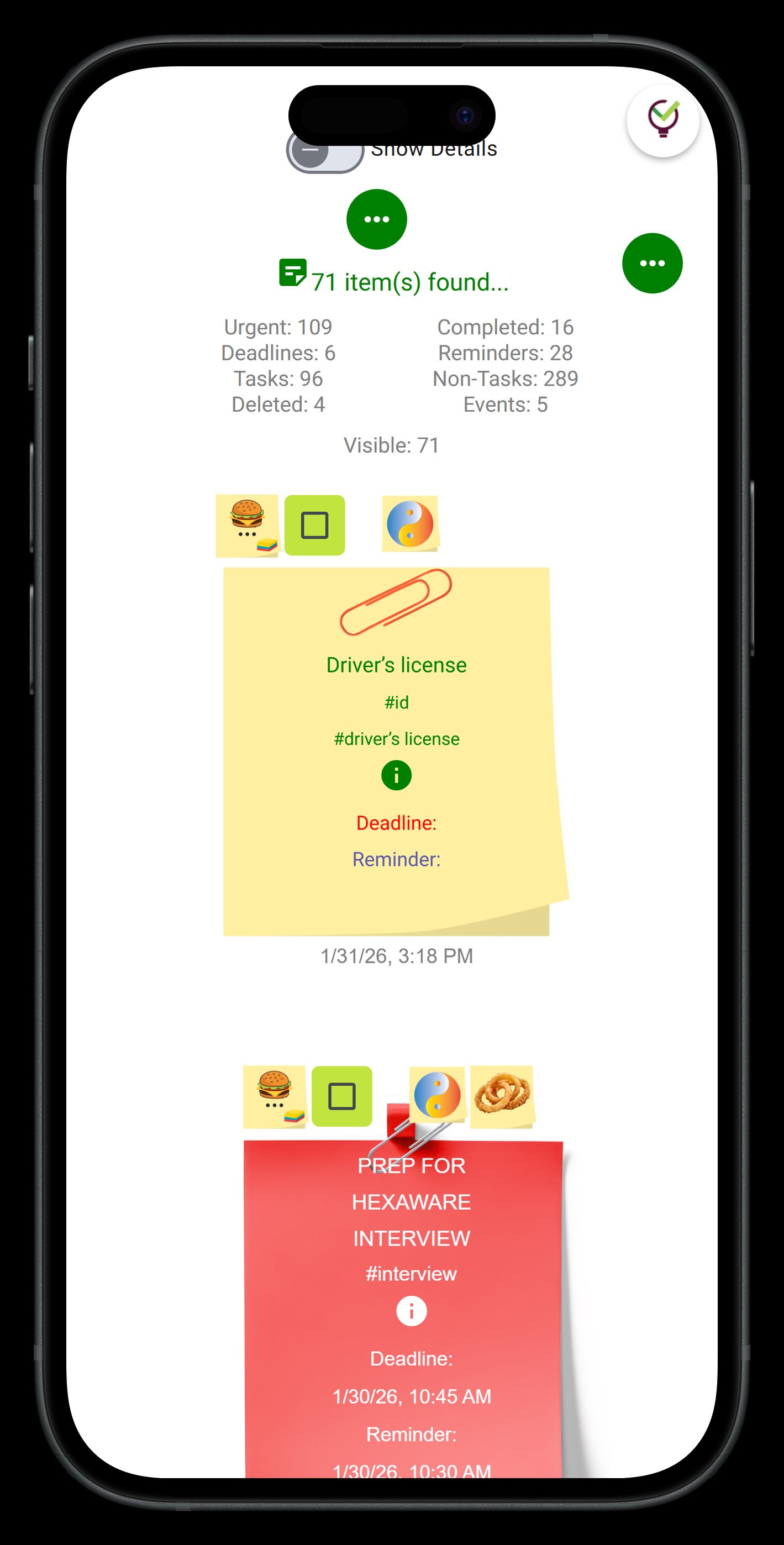
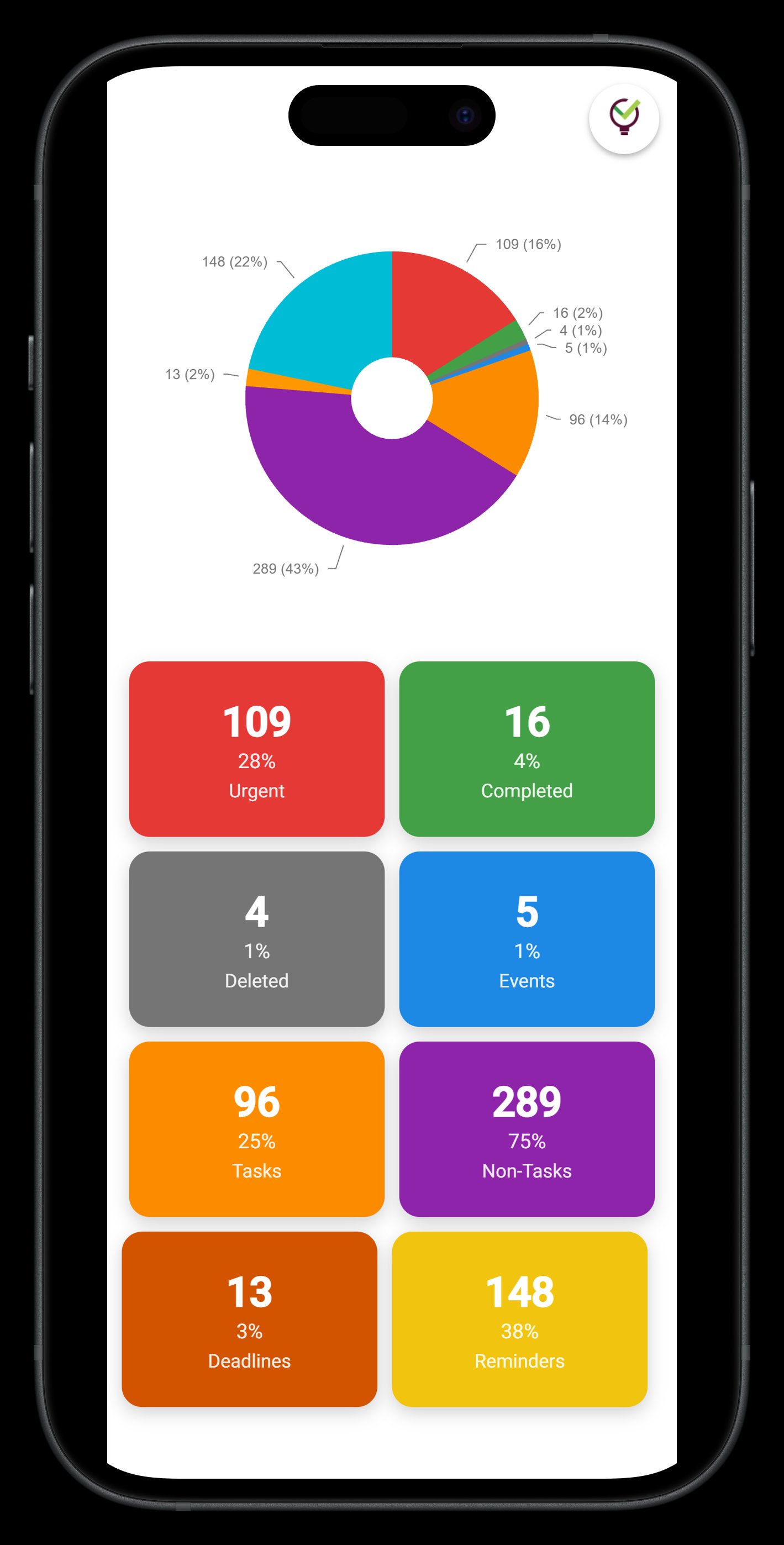
TaskLoco turns your best prompts into a reusable library. Save each prompt as a note — tag it by category (work, school, life), write a one-line description of what it produces, and pin the ones you use weekly. With Premium, you get unlimited notes, so there's no ceiling on how big your library grows. If you spot a great prompt online, the Chrome extension captures the page in one click — no copy-paste required. When a reminder fires and deep-links you directly back to a note, it's not just a ping — it takes you straight to the prompt you flagged to revisit.
Building Your Personal Prompt Library with TaskLoco
A prompt library only works if you can find things in it. That means structure from day one — not retroactive organization after you've accumulated 200 loose notes.
Here's a simple system that works: create one TaskLoco note per prompt category — Work: Writing, Work: Analysis, School: Study Tools, Life: Planning — and treat each note as a living document. Add new prompts at the top. Archive the ones that stopped working. Star the three or four you reach for every week.
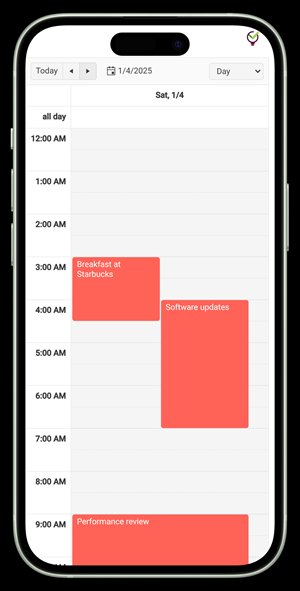
TaskLoco Premium's full-text search means you don't need a perfect filing system — you can search across all your notes and find any prompt by a word or phrase it contains. The calendar view lets you build a prompt review habit: schedule a monthly check-in to clean out what's stale and refine what's still useful.
For teams — researchers, content teams, teaching staff — the shared notes feature means one person's prompt discovery benefits everyone. Share a note, and the recipient can clone it and make it their own. No permissions friction, no access level negotiation. It works the way email does, just with the note itself as the content.
TaskLoco Lite Plus+ (free, web app) gives you up to 30 synced notes and the Chrome extension — enough to get started with a basic prompt library on any device. When your library grows past 30 notes or you want reminders, file attachments, and team sharing, Premium is the next step.
Capture Any Prompt Instantly with the Chrome Extension
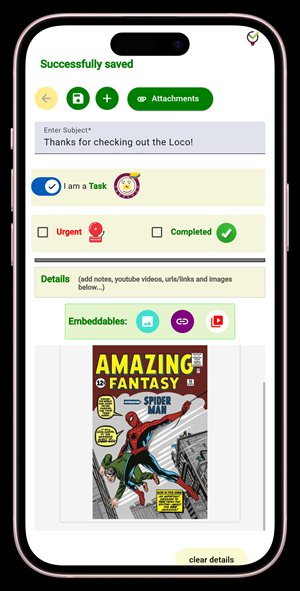
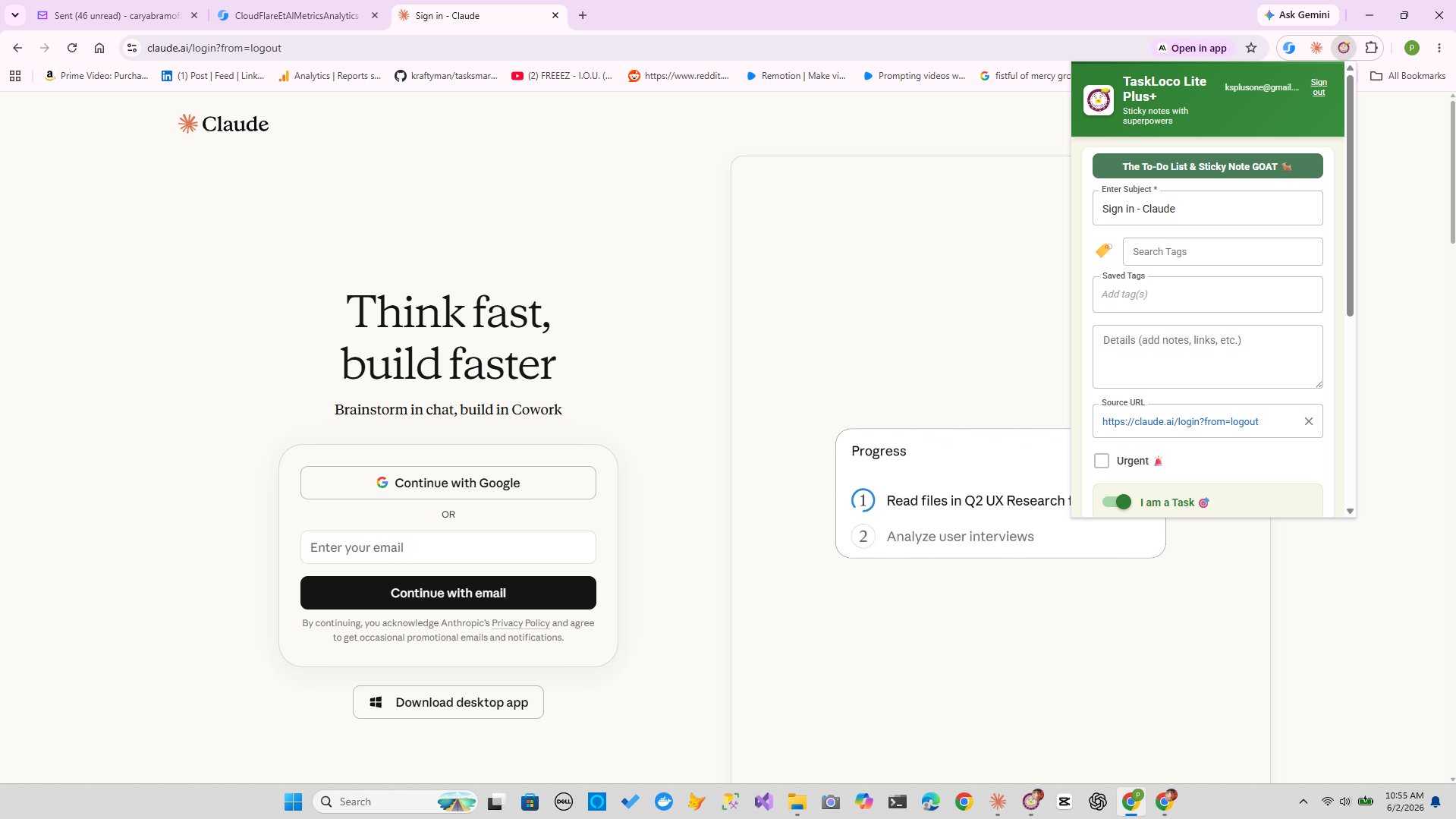
The gap between "I'll save this later" and actually saving it is where great prompts go to die. TaskLoco's Chrome extension closes that gap. One click captures any webpage — including a ChatGPT conversation — into a new note without breaking your flow.
If you're reading a prompt roundup, a Reddit thread, or a newsletter with a technique worth saving, you don't switch apps, open a tab, or copy-paste anything. You click the extension, and it's in your library. Title it, tag it mentally, and move on.
The extension is free with TaskLoco Lite Plus+ and Premium. It's one of those small features that changes daily behavior more than you'd expect — because friction is the real reason most people's "I'll save this" intentions never happen.
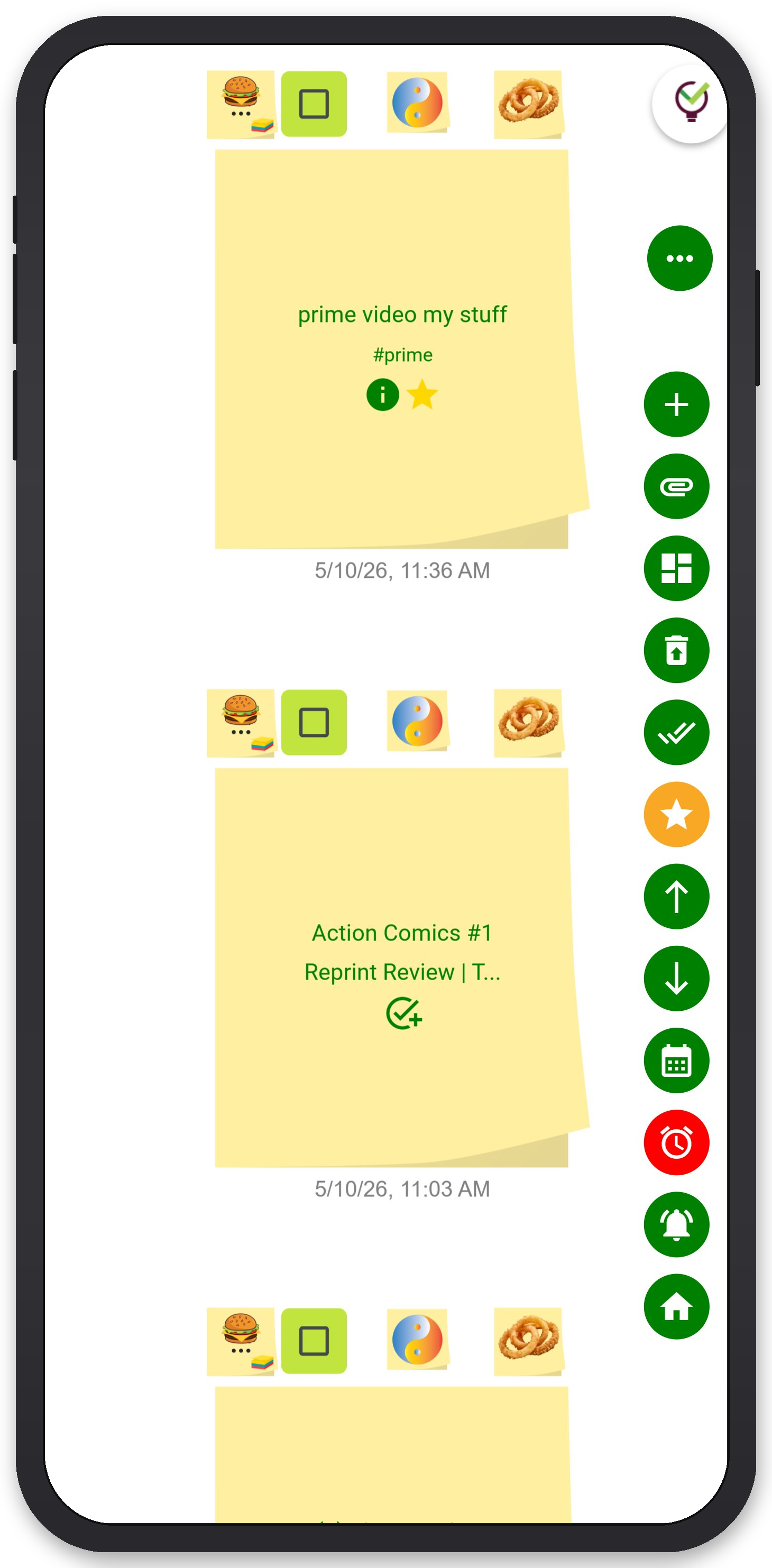
TaskLoco Premium is regularly $9.99/month per person. Right now, charter members can lock in 50% off the regular price — forever. That means $4.99/month per person today. And if our price ever goes up, you still pay half. Always.
Code CHARTER50 auto-applies at checkout. First 500 spots only — once they're gone, this offer is gone permanently. Act fast while spots last.
Every Premium subscription includes unlimited notes, 10GB file storage, reminders, calendar, and team sharing. Each team member requires a separate subscription. 7-day free trial — no charge until day 8. Cancel anytime.
Free Options: TaskLoco
TaskLoco Lite
- Native iPhone & Android app
- Completely anonymous — no sign-in
- Data stays on your device
- Up to 20 notes
- Free forever
TaskLoco Lite Plus+
- Web app + Chrome extension
- Sign in with Google
- Wall syncs across all devices
- Up to 30 notes
- Free forever
Lock In 50% Off — Forever
7-day free trial. No charge until day 8. CHARTER50 auto-applies at checkout.
🔒 Lock In My Charter SpotSee TaskLoco in Action
Frequently Asked Questions
What makes a ChatGPT prompt actually good?
Three things: a specific role or persona for the model to adopt, a clearly defined output format, and useful constraints like word count, tone, or what to avoid. Prompts that nail all three consistently outperform vague requests by a wide margin. Think of a prompt as a briefing, not a search query.
How do I save and organize my ChatGPT prompts?
ChatGPT's chat history is a log, not a library — it's not built for retrieval. The most effective system is a dedicated note app where you save prompts by category, write a one-line description of what each prompt produces, and star the ones you use most. TaskLoco's Chrome extension lets you capture any prompt from any webpage in one click, and Premium's full-text search means you can find any prompt by keyword even if your library grows large.
What are the best ChatGPT prompts for work?
The highest-leverage work prompts tend to be for email drafting, meeting prep, brainstorming, summarizing long documents, and rewriting for clarity. The key is always specificity: name the role, the audience, the output format, and any constraints before you ask the actual question. A prompt like "You are a senior communications writer — draft an email under 150 words that..." will consistently outperform "write me an email."
What are the best ChatGPT prompts for students?
The most useful prompts for students are the ones that force engagement rather than replace it. Socratic questioning prompts, essay outline generators, concept-explanation requests (with analogy and common misconception), and feedback prompts that critique reasoning rather than grammar — these push thinking rather than shortcut it. Flashcard generation and research direction prompts are also consistently useful.
Can I use ChatGPT prompts for everyday life, not just work?
Absolutely — and this is one of the most underused applications. Meal planning with specific constraints, difficult conversation prep, structured decision-making, travel itineraries, and budget thinking all benefit enormously from a well-constructed prompt. The common thread: give the model context, ask it to ask you clarifying questions first when the decision is complex, and specify what format you want the answer in.
How does TaskLoco help me get more out of ChatGPT?
TaskLoco gives you a permanent, searchable home for your best prompts. Save each prompt as a note, organize by category, and use Premium's full-text search to find any prompt instantly. The Chrome extension captures prompts from any webpage in one click. Reminders deliver a push notification that deep-links you directly back to a specific prompt note — useful for prompts you want to revisit on a schedule. Shared notes let teams build a collective prompt library without any permissions overhead.
What does TaskLoco Premium cost?
$9.99/month per person (currently $4.99/month per person for first 500 charter members with code CHARTER50)
Born in Brooklyn. Powered by AWS. Your data stays yours.
TaskLoco is available on iPhone, Android, Chrome, and every web browser.