AI image generation has moved from novelty to production tool faster than almost any technology in recent memory. Marketers are generating campaign visuals in minutes. Designers are using AI to prototype concepts before touching Figma. Game studios are building texture libraries that would have taken weeks. The tools are genuinely good now — but picking the right one requires more than reading a spec sheet.
This guide cuts through the hype. We tested the leading AI image generators on prompt accuracy, style consistency, speed, commercial licensing, and how well they handle edge cases like hands, text in images, and complex scene composition. We also cover something most roundups ignore: how to actually manage the flood of images, prompts, and feedback cycles these tools produce — because generation is only half the job.
What to Look for in an AI Image Generator
Before you pick a tool, you need to know what you're actually evaluating. AI image generators vary enormously — not just in output quality, but in licensing terms, iteration speed, and how well they respond to specific prompt styles. Here are the three criteria that actually matter:
1. Output quality relative to your use case. There is no single best image generator — there are best tools for specific jobs. Midjourney produces cinematic, stylistically rich images that work beautifully for editorial and concept art. DALL·E 3 follows complex, nuanced prompts more literally, making it better for product mockups and specific scene descriptions. Adobe Firefly is trained exclusively on licensed content, making it the safe choice for commercial work without IP headaches. Stable Diffusion gives you open-source control if you're willing to run your own models or use hosted variants. Know what you're making before you commit.
2. Commercial licensing clarity. This is the one most creators skip until it becomes a legal problem. Some generators grant you full commercial rights to outputs. Others require a paid tier. A few have murky terms around training data. If you're generating images for client work, advertising, or products for sale, read the terms — not the marketing page, the actual terms of service. Adobe Firefly is currently the gold standard here because the training data is explicitly licensed.
3. Iteration speed and prompt control. Generating one image is easy. Getting to the right image across a project with multiple stakeholders, revision rounds, and style consistency requirements is hard. Evaluate how quickly you can iterate (some tools have 30-second generation times, others take 3 minutes), whether the tool supports image-to-image editing and inpainting, and how well it preserves style consistency across a batch.
The Top AI Image Generators, Tested
Here's how the leading tools actually performed across real creative briefs — not synthetic benchmarks.
Midjourney remains the top pick for artistic and editorial output. Its default aesthetic is polished and cinematic, and version 6 made significant improvements to photorealism and text rendering (still imperfect, but meaningfully better). The Discord-based interface is a real friction point for teams, and there's no free tier. Prompt following is sometimes interpretive rather than literal — which is great for creative exploration, frustrating when you need precision.
DALL·E 3 (via ChatGPT) is the strongest prompt-follower in the group. It handles complex multi-element scenes better than any competitor, and the ChatGPT integration means you can describe what you want conversationally and refine in natural language. Quality is excellent, though the default style can feel slightly sterile compared to Midjourney's. Commercial rights are included at paid tiers. Image editing and inpainting are improving rapidly.
Adobe Firefly is the enterprise-safe choice. Built on licensed and public domain content, it's the only major generator where commercial use is explicitly covered without caveats. Output quality is strong — not Midjourney-level artistic flair, but clean, professional, and highly controllable. The Photoshop and Express integration makes it the obvious pick for teams already in the Adobe ecosystem. The Generative Fill feature inside Photoshop is genuinely one of the most useful tools in this entire category.
Stable Diffusion is the open-source option, which means both maximum flexibility and maximum setup friction. If you're running it through a hosted service like NightCafe or Leonardo.ai, the barrier drops considerably. The ability to fine-tune on your own image sets is a real differentiator for brand consistency — no other mainstream tool lets you train a custom style model this way. Licensing depends on the model version and hosting platform.
Ideogram deserves more attention than it gets. It is currently the best AI image generator for text-in-image tasks — logos, poster text, typographic compositions — an area where every other tool struggles. If your use case involves readable text as part of the design, Ideogram is your tool.
The Workflow Problem Nobody Talks About
Here's what the tool reviews leave out: AI image generation creates a documentation and organization problem at scale. A single project brief can produce hundreds of image variants. Prompts that worked need to be saved. Prompts that almost worked but needed tweaking need to be logged. Client feedback needs to be attached to specific outputs. And when you're collaborating, everyone needs access to the same prompt library, reference images, and revision notes.
Most teams handle this with a chaotic combination of Slack threads, shared Google Docs, and screenshot folders. That works for a weekend project. It falls apart on anything with more than two people or more than one revision round.
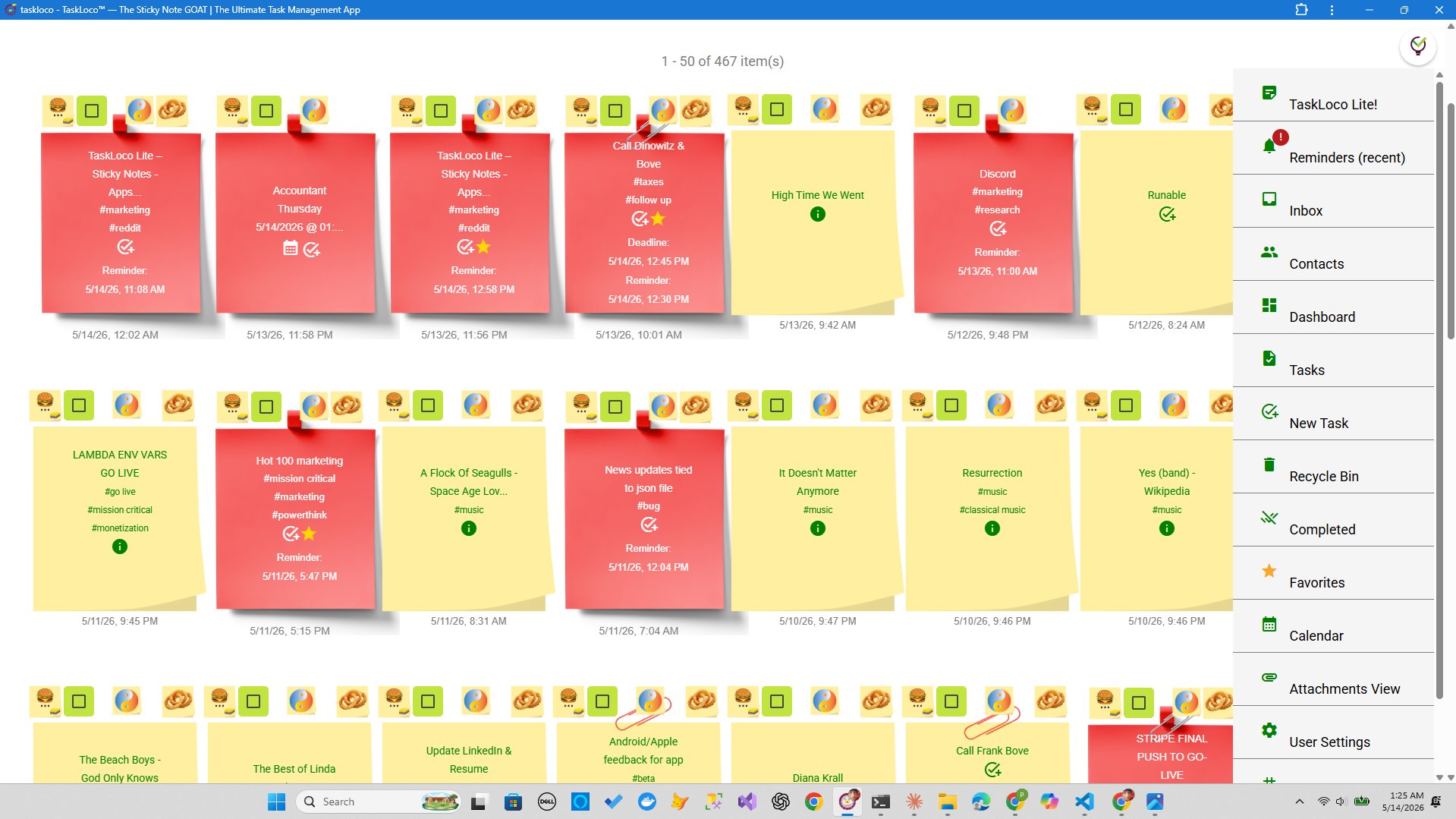
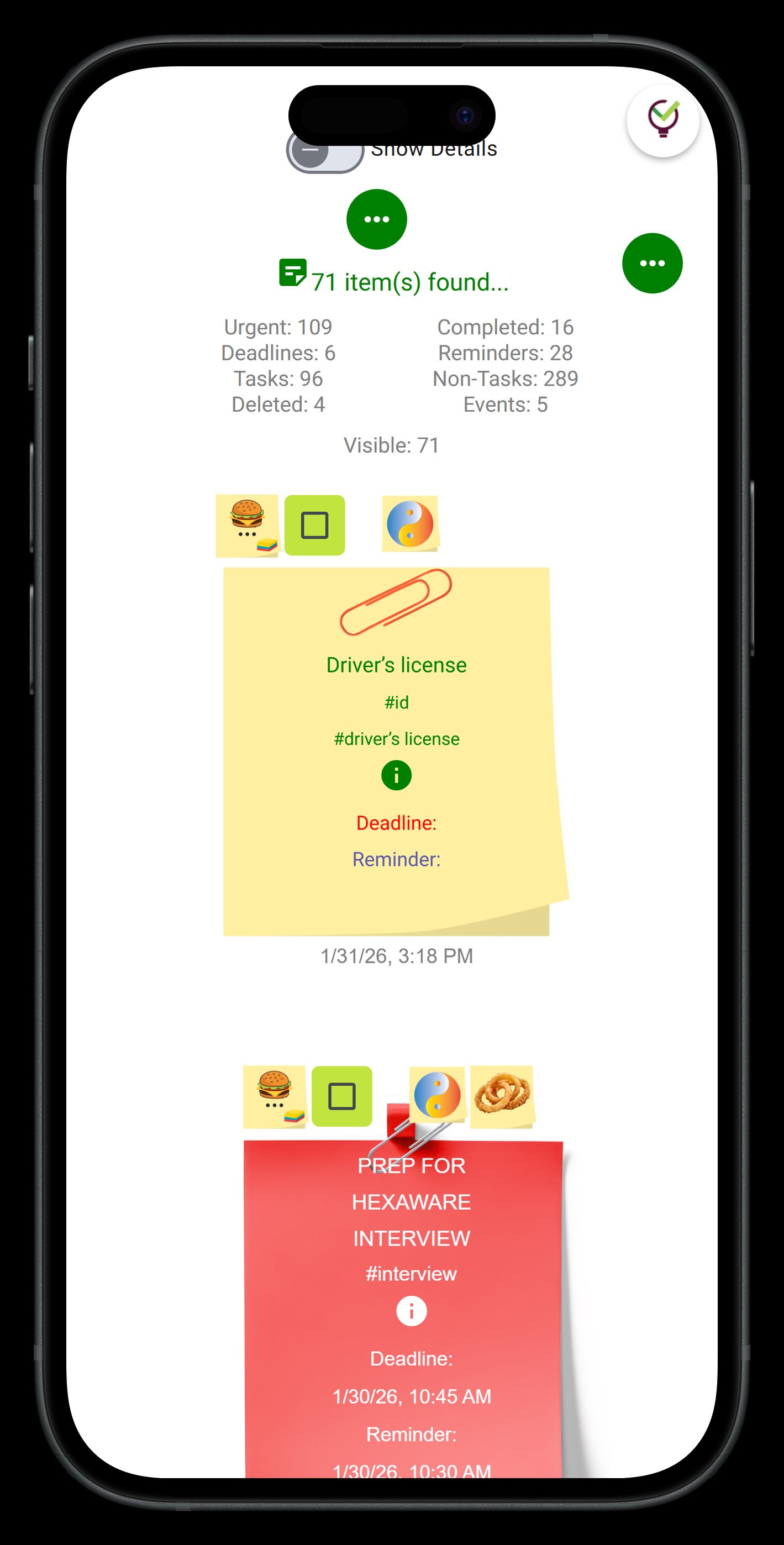
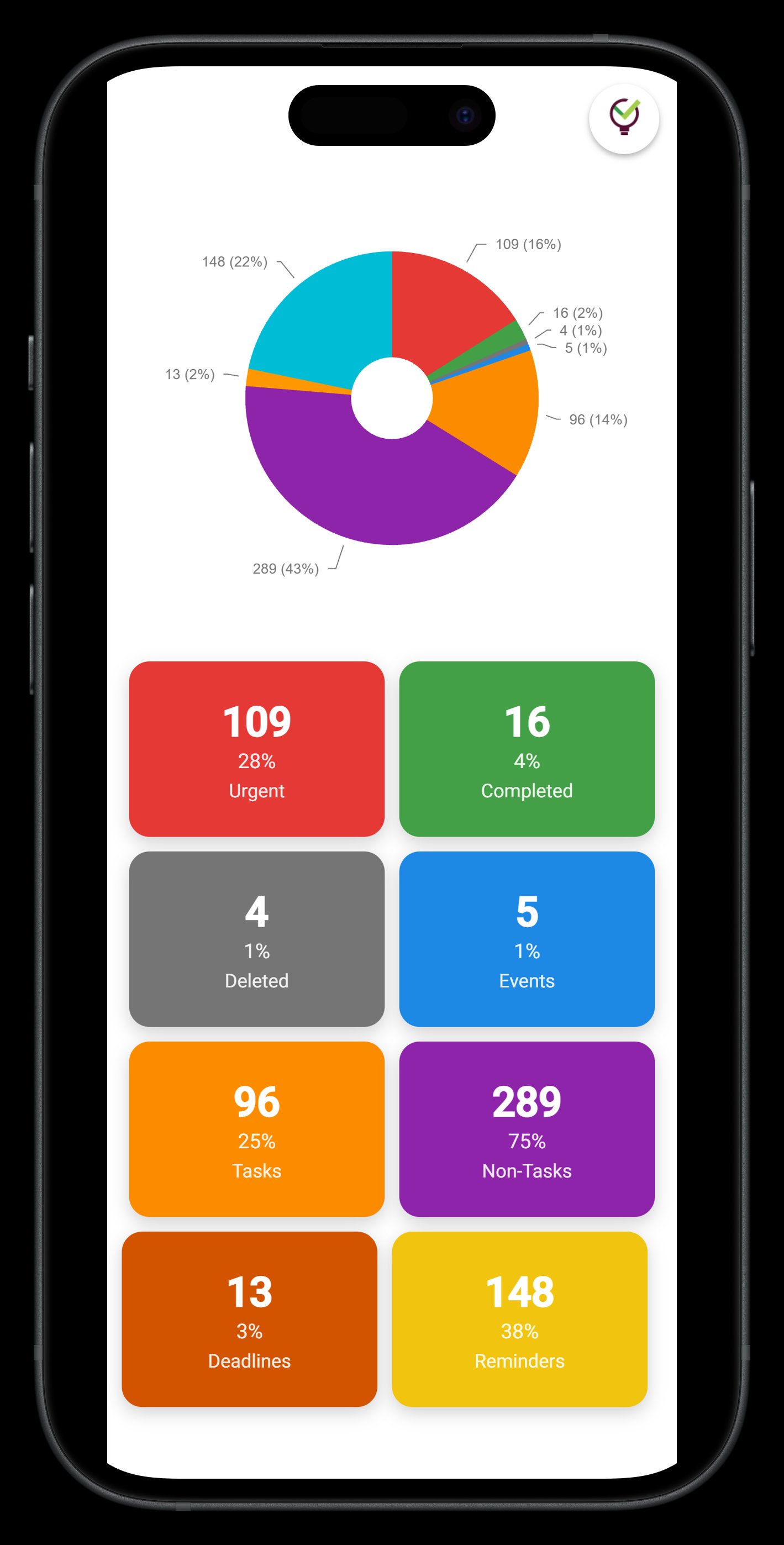
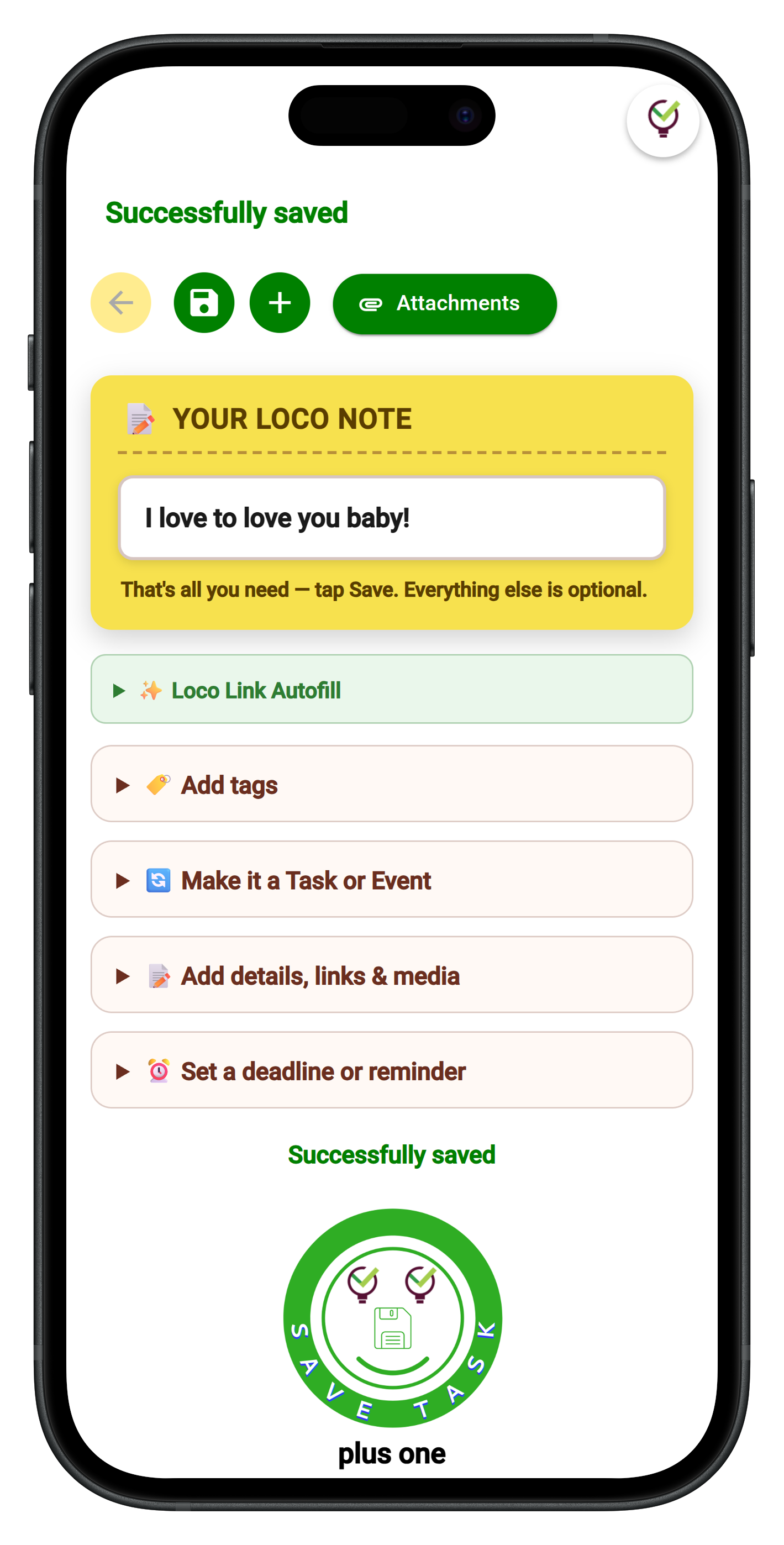
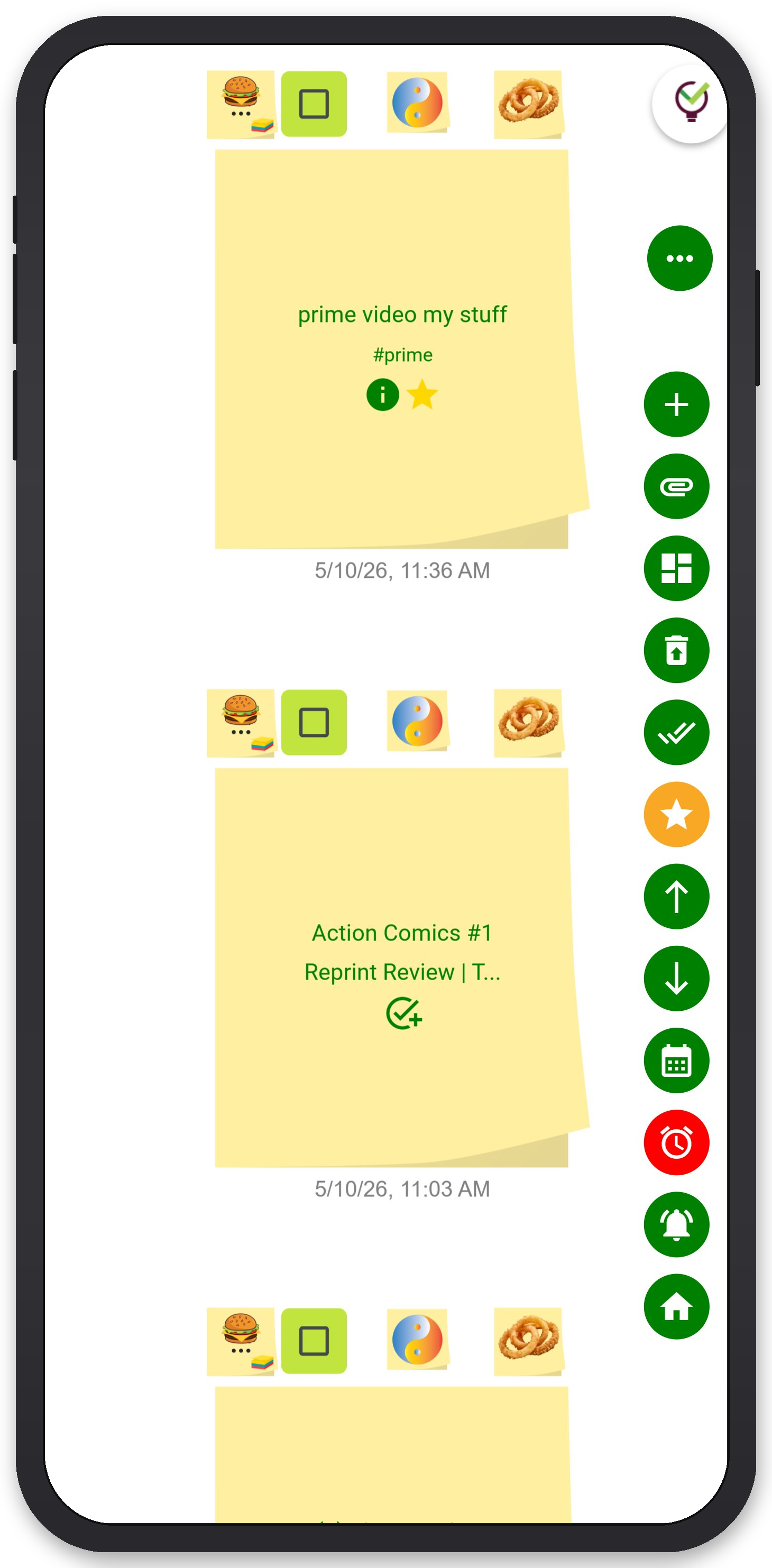
TaskLoco is built for exactly this. Each AI image project gets its own note — or a cluster of notes on your wall — where you store the working prompts, attach reference images, log what the client approved, and track what's still in revision. The wall view is particularly useful here: you can literally arrange your project like a storyboard, moving notes around until the visual flow matches your production sequence.
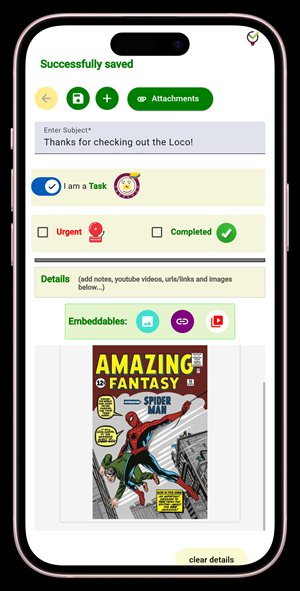
File attachments let you embed the actual generated images directly into notes — 10GB of storage comes standard with Premium, with add-on tiers up to 1TB if you're running a high-volume operation. Reminders are delivered as push notifications straight to your phone and computer, deep-linking back to the exact note — so when a client approval deadline hits, you land directly in the right project context, not your inbox. You can also add optional email or SMS notifications on top.
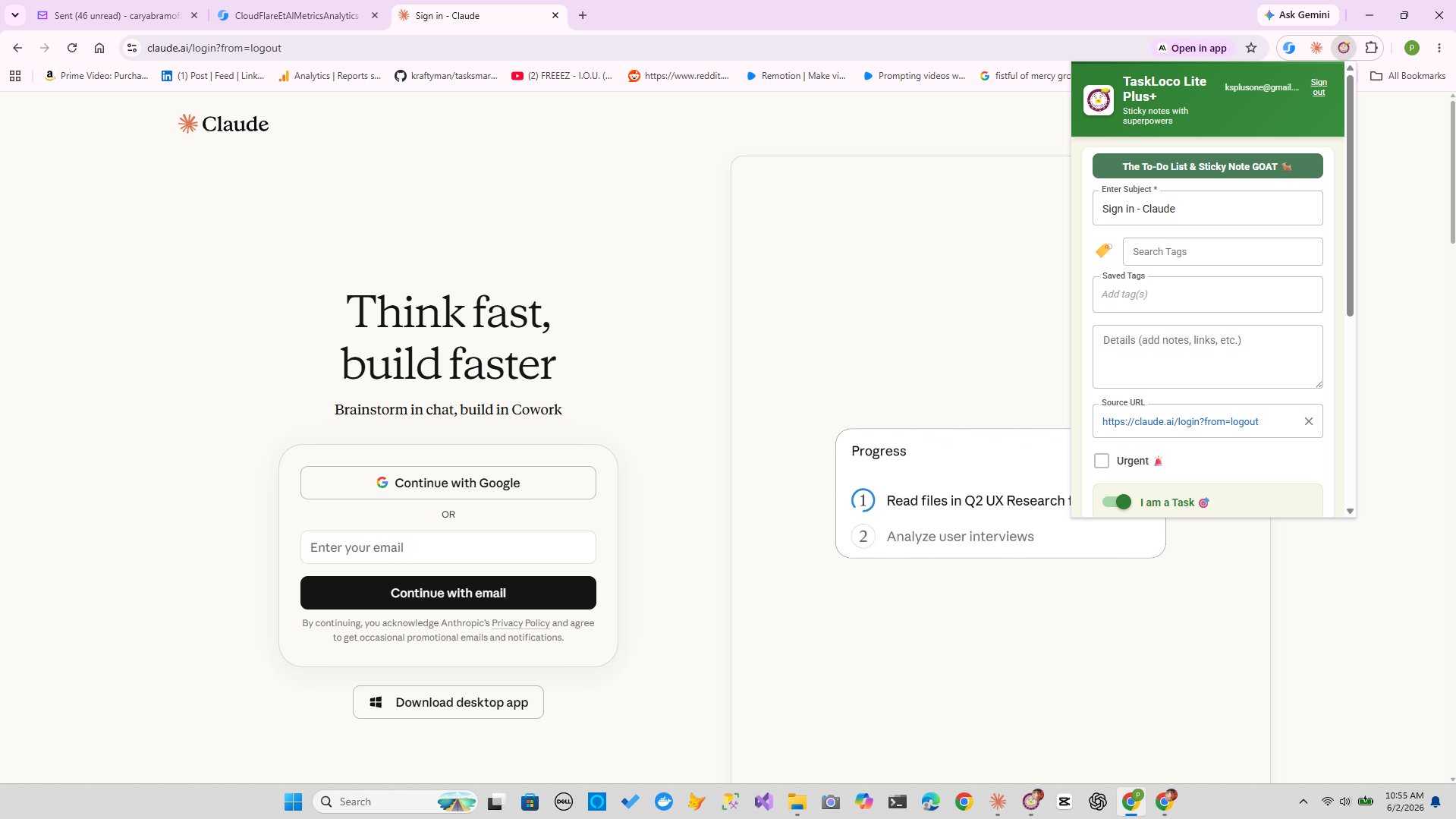
The Chrome extension is the friction-reducer for research. When you're browsing a generator's gallery, studying a style reference, or reading a prompt engineering guide, one click captures the page into a TaskLoco note. No copy-paste, no tab-hoarding.
Managing AI Image Projects in TaskLoco
The practical setup that works for creative teams using AI image generators: one TaskLoco note per project brief, with sub-notes for each major deliverable. The wall view turns your project into something you can actually see — not a list of nested folders, but a spatial layout that mirrors how creative work actually flows.
File attachments handle the images themselves. Reference images, approved outputs, and work-in-progress variants all live in the note alongside the prompt that produced them. When you come back to a project six weeks later — or hand it off to another team member — everything is in one place. There's no archaeology through Slack or digging through a Downloads folder.
Team sharing in TaskLoco works the way email does: you share a note, the recipient gets a full copy they can make their own, edit independently, and build on. No permissions setup, no access levels to configure. If you're briefing a contractor on a batch of image work, you share the prompt library note, they clone it, and they're working. When they're done, they share the output note back. Clean, fast, no overhead.
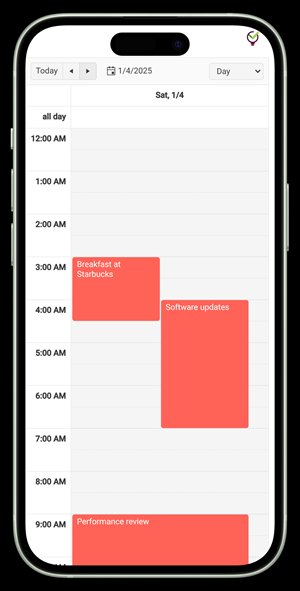
For teams running recurring AI image projects — weekly social content, monthly campaign assets, ongoing product visualization — TaskLoco's calendar view keeps production schedules visible alongside the actual work. Reminders fire as push notifications (with optional email and SMS) when deadlines approach, and they deep-link back to the exact note. You're never hunting for context when a deadline hits.
How TaskLoco Compares
| Feature | TaskLoco | AI Image Generators |
|---|---|---|
| Best for artistic/editorial output | N/A — TaskLoco organizes your creative workflow | Midjourney leads here |
| Best for precise prompt following | N/A | DALL·E 3 is strongest |
| Commercial licensing clarity | N/A | Adobe Firefly — explicit licensed training data |
| Text-in-image accuracy | N/A | Ideogram leads — purpose-built for this |
| Open-source / custom model fine-tuning | N/A | Stable Diffusion — maximum control |
| Project prompt storage and organization | Full — unlimited notes with file attachments in Premium | None — generators don't organize your prompts |
| File attachments (generated image storage) | 10GB included with Premium — add-on tiers up to 1TB | Not a feature of image generators |
| Team sharing and collaboration | Yes — included with Premium. Each team member requires a separate subscription — currently $9.99/month per person, but TaskLoco is offering a Charter Member special: 50% off for life, currently $4.99/month per person for the first 500 subscribers with code CHARTER50. | Limited to in-platform sharing; no cross-tool project management |
| Deadline reminders (push notification, deep-link to note) | Yes — push notifications to phone and computer, deep-link to note; optional email and SMS | No project deadline reminders in image generators |
| Chrome extension for reference capture | Yes — one-click capture of any webpage into a note FREE | No equivalent workflow capture tool |
| Calendar view for production schedules | Yes — built into Premium | Not available in image generators |
| Free tier available | Yes — Lite (20 notes, no sign-in) and Lite Plus+ (30 notes, synced, Chrome extension) FREE | Varies — Firefly and Ideogram have free tiers; Midjourney does not |
| Cross-device sync | Yes — Lite Plus+ and Premium sync across all devices | Depends on tool — most are web-based and accessible anywhere |
| Unlimited notes and tasks | Yes — Premium includes unlimited notes, tasks, and calendar events | Not applicable — generators don't manage project notes |
| Adobe ecosystem integration | Not a native integration | Adobe Firefly integrates directly with Photoshop and Express |
| Style consistency across large batches | TaskLoco stores your prompts and references for consistency | Stable Diffusion (custom models) and Midjourney handle this best natively |
Who Should Use Each
Use the TaskLoco if…
- You're managing AI image projects with multiple deliverables, revision rounds, or client feedback — and need everything organized in one place
- You want to store working prompts, reference images, and approved outputs together rather than scattered across Slack and Downloads folders
- You collaborate with a team or contractors on visual projects and need clean, fast sharing without permissions overhead
- You need deadline reminders that bring you directly back to the right project note — not your inbox
- You use the Chrome extension to capture prompt inspiration and style references while browsing AI generator galleries
- You run recurring visual production (social content, campaigns, product imagery) and need a calendar and task system alongside your creative files
Use AI Image Generators if…
- You need Midjourney for cinematic, editorial-quality artistic output with rich aesthetic style
- You need Adobe Firefly for explicitly licensed commercial output integrated with Photoshop
- You need DALL·E 3 for precise, literal prompt following and conversational refinement
- You need Ideogram when readable text inside the image is central to your design
- You need Stable Diffusion for open-source control, custom model fine-tuning, or brand-specific style training
TaskLoco Premium is regularly $9.99/month per person. Right now, charter members can lock in 50% off the regular price — forever. That means $4.99/month per person today. And if our price ever goes up, you still pay half. Always.
Code CHARTER50 auto-applies at checkout. First 500 spots only — once they're gone, this offer is gone permanently. Act fast while spots last.
Every Premium subscription includes unlimited notes, 10GB file storage, reminders, calendar, and team sharing. Each team member requires a separate subscription. 7-day free trial — no charge until day 8. Cancel anytime.
Free Options: TaskLoco
TaskLoco Lite
- Native iPhone & Android app
- Completely anonymous — no sign-in
- Data stays on your device
- Up to 20 notes
- Free forever
TaskLoco Lite Plus+
- Web app + Chrome extension
- Sign in with Google
- Wall syncs across all devices
- Up to 30 notes
- Free forever
Lock In 50% Off — Forever
7-day free trial. No charge until day 8. CHARTER50 auto-applies at checkout.
🔒 Lock In My Charter SpotSee TaskLoco in Action
Frequently Asked Questions
Which AI image generator is best overall?
There is no single best — it depends on your use case. Midjourney produces the most artistically compelling output. DALL·E 3 follows complex prompts most accurately. Adobe Firefly is the safest choice for commercial licensing. Ideogram is unmatched for text-in-image work. Most professional teams use two: one for ideation and one for final commercial delivery.
Which AI image generator is safest for commercial use?
Adobe Firefly is trained on licensed and public domain content, making it the most explicitly safe option for commercial projects. Always read the terms of service for any tool you're using commercially — the marketing page is not a legal document.
How do I keep my AI image projects organized?
Most teams underestimate this problem until it's already a mess. The practical solution is a dedicated note for each project in TaskLoco — storing the prompts that worked, attaching the reference images and approved outputs, and logging client feedback in the same place. TaskLoco's wall view lets you arrange projects spatially like a storyboard, and file attachments (10GB with Premium) keep generated images alongside the notes that describe them. Team sharing lets collaborators clone a note and work independently without any permissions setup.
Is Midjourney still the best AI image generator?
For artistic and editorial output, Midjourney v6 remains the leader. Its aesthetic polish and stylistic range are unmatched. Where it loses ground: it has no free tier, the Discord interface adds friction for teams, and its prompt following is sometimes interpretive when you need literal accuracy. For precise commercial briefs, DALL·E 3 or Firefly may serve you better.
Can AI image generators handle text inside images?
Most still struggle with this. Hands and text-in-image have historically been the two hardest problems for diffusion models. Ideogram was purpose-built to solve the text problem and currently leads the field by a wide margin for typographic and logo-style compositions. Midjourney v6 and DALL·E 3 have improved, but neither is consistent enough for production text work.
How do I manage prompts across a long AI image project?
The prompt management problem is real and most guides ignore it. A project that runs for weeks across multiple briefs will accumulate dozens of working prompts, near-misses, and client-approved variants. Keeping them in a TaskLoco note means everything stays together — the prompt, the output it produced, and the feedback it received. When you revisit a project or hand it off, nothing gets lost. The Chrome extension also lets you capture prompt inspiration from galleries or guides with one click.
What's the pricing for TaskLoco Premium?
$9.99/month per person (currently $4.99/month per person for first 500 charter members with code CHARTER50)
Born in Brooklyn. Powered by AWS. Your data stays yours.
TaskLoco is available on iPhone, Android, Chrome, and every web browser.