You're crushing your to-do list every day, answering emails within minutes, and staying busy from morning to night. Yet somehow, the important projects never move forward, and you feel like you're running in place.
This is the busy trap — mistaking motion for progress. It's easier to feel productive crossing off small tasks than tackling the hard work that actually creates results. Here's how to escape the cycle and build a system that delivers real productivity.
What Makes Someone Truly Productive vs Just Busy
Productive people focus on outcomes. Busy people focus on activity. The difference is profound.
Busy people optimize for task completion. They love checking boxes, responding quickly, and staying in constant motion. Their calendars are packed, their email inboxes stay clean, and they can account for every minute of their day.
Productive people optimize for impact. They ask which tasks move them closer to their goals and which ones just create the illusion of progress. They're comfortable saying no to urgent but unimportant requests. They might have fewer items on their to-do list, but each one drives meaningful results.
This isn't about working less — it's about working on things that matter. Productive people often work just as hard as busy people, but their effort compounds toward larger objectives rather than dissipating across scattered tasks.
Why Your Current System Rewards Busyness Over Progress
Most productivity systems are designed around task completion, not outcome achievement. They encourage you to break everything into small, actionable items and reward you with checkmarks and progress bars.
This creates a dopamine feedback loop around finishing tasks — any tasks — rather than advancing goals. You get the same satisfaction from organizing your desk as from landing a major client. The system can't tell the difference, so neither can you.
Email is the worst offender. Inbox Zero feels like an accomplishment because you've processed every message, but processing isn't creating. You've spent three hours making other people's priorities your own while your important work sits untouched.
The problem compounds when teams reward visible activity over results. Meetings multiply because attendance is easier to measure than contribution. Status updates proliferate because reporting progress feels like making progress.
How to Build a System That Drives Real Results
Start by identifying your three most important outcomes for the month. Not tasks — outcomes. What needs to exist at the end of 30 days that doesn't exist today?
For each outcome, work backwards to identify the minimum viable actions that move you closer. Ignore everything else, no matter how urgent it seems. If it doesn't advance one of your three outcomes, it goes on a separate 'maintenance' list to handle during designated catch-up time.
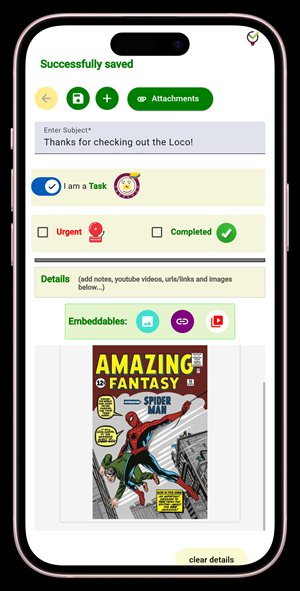
Use a simple note-taking system that keeps your focus visible. Write your three outcomes at the top of a note and track only the actions that advance them. When other tasks pop up, capture them in separate notes so they don't clutter your main focus.
Set up your environment to support focus over activity. Turn off non-essential notifications. Batch email and messaging into specific time blocks. Protect your highest-energy hours for your most important work, not for reacting to other people's requests.
TaskLoco works well for this approach because it doesn't overwhelm you with features that encourage busywork. You can capture your three key outcomes, attach relevant files, set reminders for important deadlines, and share updates with your team — all without the complexity that turns productivity tools into productivity distractions.
Breaking the Busy Addiction and Measuring What Matters
Escaping the busyness trap requires changing how you measure success. Instead of tracking tasks completed, track outcomes achieved. Instead of celebrating how quickly you respond to emails, celebrate how much progress you made on projects that matter.
Start each week by reviewing your three key outcomes. What moved forward? What stalled? Why? Use this reflection to adjust your approach, not to add more tasks to your list.
Practice saying no to requests that don't advance your outcomes. This feels uncomfortable at first because declining opportunities goes against the busy mindset. But every yes to something unimportant is a no to something that matters.
Build in regular periods of strategic thinking. Busy people avoid this because thinking doesn't feel like doing. But without regular reflection on direction and priorities, you'll optimize your way toward irrelevance with perfect efficiency.
$9.99/month per person (currently $4.99/month per person for first 500 charter members with code CHARTER50)
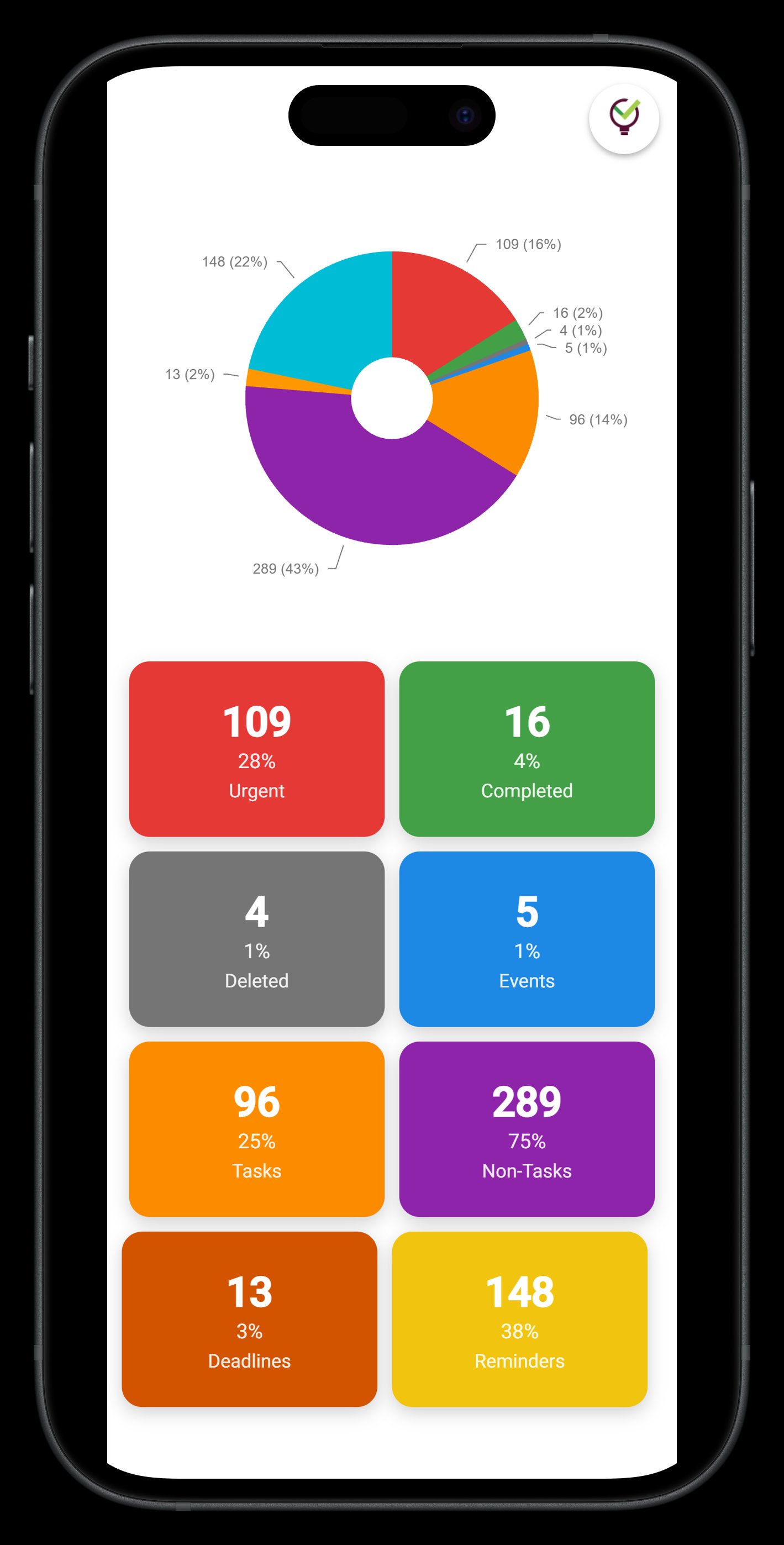
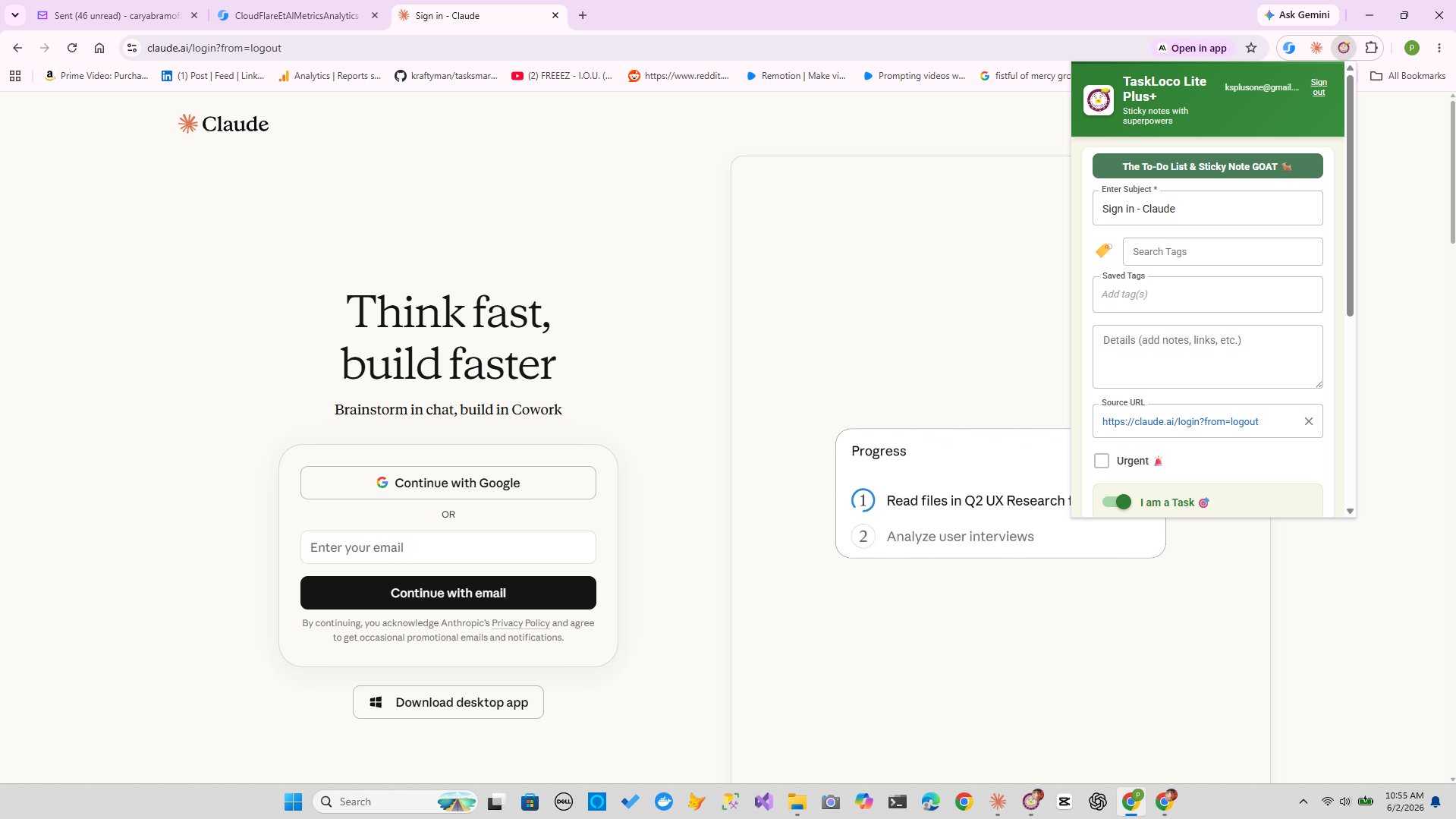
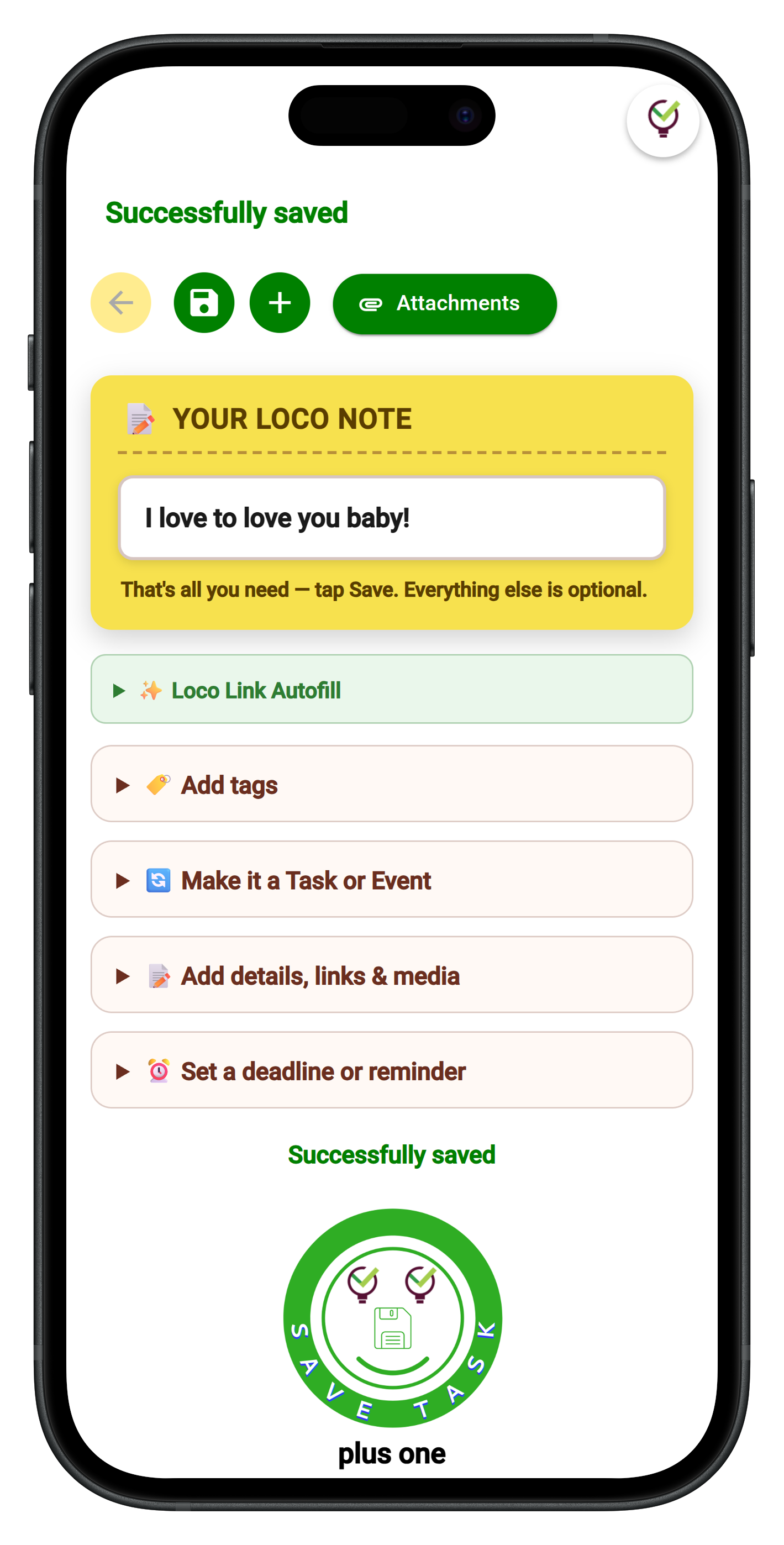
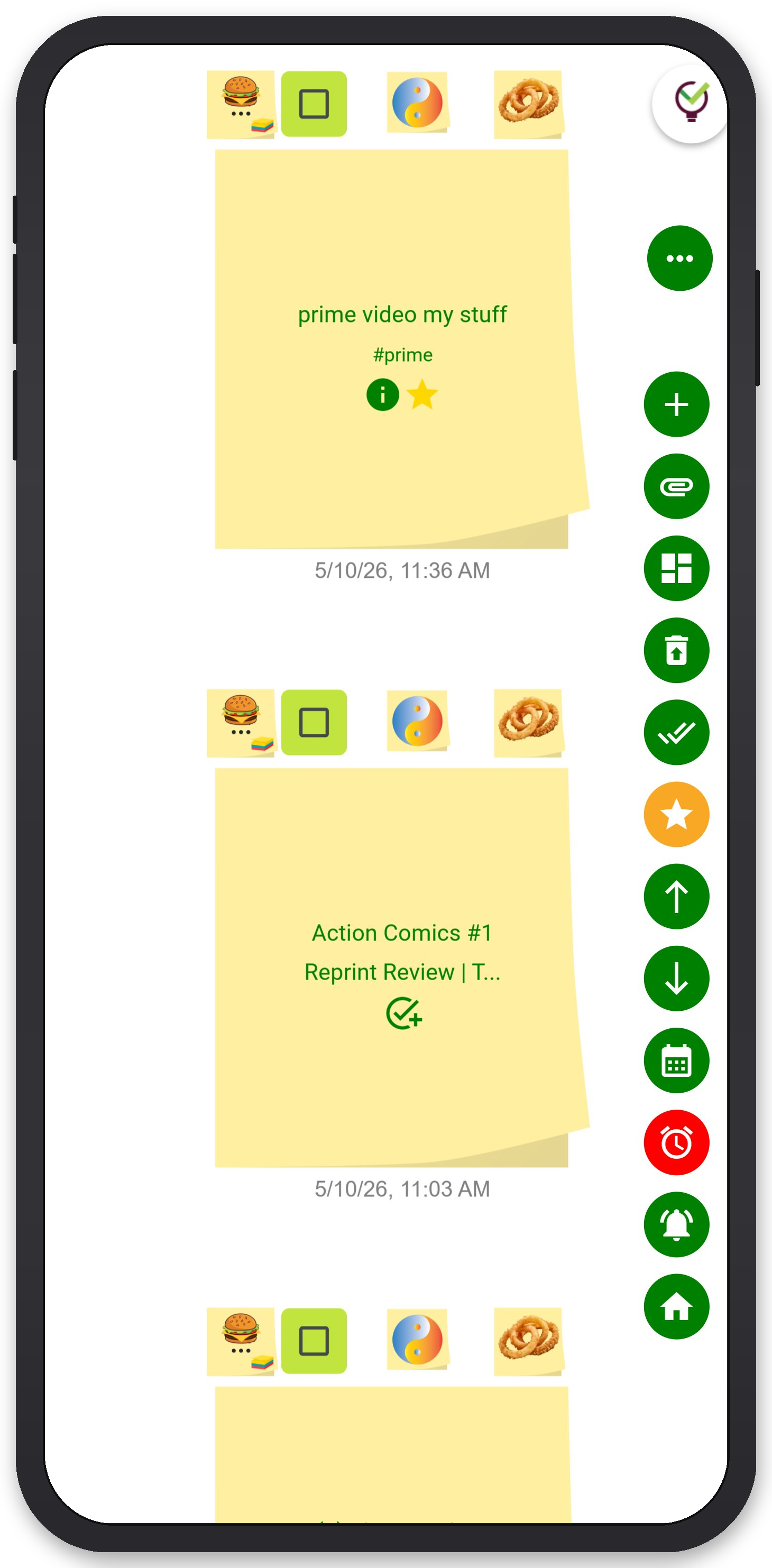
TaskLoco Premium is regularly $9.99/month per person. Right now, charter members can lock in 50% off the regular price — forever. That means $4.99/month per person today. And if our price ever goes up, you still pay half. Always.
Code CHARTER50 auto-applies at checkout. First 500 spots only — once they're gone, this offer is gone permanently. Act fast while spots last.
Every Premium subscription includes unlimited notes, 10GB file storage, reminders, calendar, and team sharing. Each team member requires a separate subscription. 7-day free trial — no charge until day 8. Cancel anytime.
Free Options: TaskLoco
TaskLoco Lite
- Native iPhone & Android app
- Completely anonymous — no sign-in
- Data stays on your device
- Up to 20 notes
- Free forever
TaskLoco Lite Plus+
- Web app + Chrome extension
- Sign in with Google
- Wall syncs across all devices
- Up to 30 notes
- Free forever
Lock In 50% Off — Forever
7-day free trial. No charge until day 8. CHARTER50 auto-applies at checkout.
🔒 Lock In My Charter SpotSee TaskLoco in Action
Frequently Asked Questions
How do I know if I'm being busy or productive?
Ask yourself: If someone paid me based on the results I created this week rather than the hours I worked, would I have earned my salary? Productive people create outcomes that others value. Busy people create activity that others notice.
What if my job requires me to respond to emails and attend meetings?
Set specific times for reactive work rather than letting it interrupt your entire day. Most emails don't require immediate responses, and many meetings don't require your presence. Protect your peak hours for proactive work on your key outcomes.
How do I identify what actually matters vs what feels urgent?
Use the 10-10-10 rule: Will this matter in 10 minutes, 10 months, and 10 years? Urgent tasks usually matter in 10 minutes but not 10 months. Important work matters across all three timeframes.
Why do I feel guilty when I'm not busy?
Because most cultures equate busyness with importance and worth. But the most valuable people — entrepreneurs, artists, leaders — often have periods of apparent inactivity while they think, plan, and focus on high-leverage work.
How do I handle pushback when I say no to requests?
Explain your priorities rather than just declining. Say 'I'm focused on Project X this month and can't take this on without compromising that deadline. Can we revisit this next month?' Most reasonable people respect clear priorities.
What's the best tool for tracking outcomes instead of tasks?
Keep it simple. $9.99/month per person (currently $4.99/month per person for first 500 charter members with code CHARTER50) A note for each major outcome with the key actions that advance it works better than complex project management software that encourages you to over-plan and under-execute.
How long does it take to break the busyness habit?
Most people notice a shift in 2-3 weeks of consistently focusing on outcomes over activity. The key is having the discipline to protect your important work time and resist the pull of reactive tasks during those periods.
Born in Brooklyn. Powered by AWS. Your data stays yours.
TaskLoco is available on iPhone, Android, Chrome, and every web browser.