Most explanations of AI either talk down to you or drown you in jargon. Neither helps. Artificial intelligence isn't a mysterious force — it's a category of software that gets better at specific tasks by processing examples rather than following hard-coded rules. That distinction matters more than any buzzword.
This guide breaks down what AI actually is, what the major types are, how they differ from each other, and what a beginner needs to understand before diving into any particular tool or course. By the end, you'll have a clear mental model — not just a list of definitions.
What AI Actually Is — Before the Hype Gets in the Way
Artificial intelligence is a broad term for computer systems designed to perform tasks that would normally require human judgment. That includes recognizing images, understanding language, making recommendations, translating text, generating code, and a lot more. None of that happens through intuition — it happens through pattern recognition trained on massive datasets.
The field has three major layers that beginners often confuse:
- Artificial Intelligence (AI) — the umbrella term. Any software that mimics cognitive functions qualifies.
- Machine Learning (ML) — a subset of AI where the system improves by exposure to data, without being explicitly programmed for every scenario. Netflix recommendations, spam filters, and fraud detection are all ML.
- Deep Learning — a subset of ML that uses neural networks with many layers to tackle complex problems like image recognition and natural language. This is what powers most of today's high-profile AI tools.
Understanding this hierarchy stops you from treating every AI headline as the same kind of story. A chess engine, a chatbot, and an image generator are all "AI" — but they work completely differently and solve completely different problems.
The Major Types of AI — and What Each One Actually Does
Most beginners encounter AI through one of four main categories. Knowing what each one is built for helps you pick the right tool and set realistic expectations.
- Generative AI — creates new content: text, images, code, audio, video. Tools like ChatGPT, Claude, Midjourney, and GitHub Copilot fall here. They are trained on vast corpora and generate outputs by predicting plausible continuations or transformations.
- Discriminative AI — classifies or labels existing content. Email spam filters, medical image analysis, and content moderation systems are discriminative. They answer questions like "Is this a cat or a dog?" or "Is this transaction fraudulent?"
- Recommendation Systems — predict what a specific user will want next, based on behavior patterns. Spotify's Discover Weekly, Amazon's product suggestions, and TikTok's feed are recommendation engines.
- Reinforcement Learning (RL) — trains an agent to make sequences of decisions by rewarding good outcomes and penalizing bad ones. Game-playing AIs like AlphaGo and robotics control systems use RL.
For most beginners, generative AI is the entry point because it's interactive — you can have a conversation with it, ask it to write something, or prompt it to explain a concept. That immediate feedback loop makes it the fastest way to develop intuition for what AI can and can't do.
What AI consistently struggles with: genuine reasoning about novel situations, accurate recall of specific facts (hallucination is real and frequent), understanding physical causality, and anything requiring genuine common sense outside its training distribution.
How to Actually Learn AI — A Practical Roadmap for Beginners
There's no shortage of AI courses, YouTube channels, and tutorials. The problem isn't access to information — it's structure. Without a learning roadmap, most beginners bounce between topics, accumulate half-finished notes, and stall before they build any real mental model.
Here's a sequence that actually works:
- Step 1 — Build the conceptual foundation. Before touching any code or tool, understand what supervised vs. unsupervised learning is, what training data means, and why models can be wrong. Fast.ai's Practical Deep Learning, Google's Machine Learning Crash Course, and 3Blue1Brown's neural network video series are all free and genuinely good.
- Step 2 — Use AI tools actively, not passively. Don't just read about ChatGPT — use it for real tasks. Try to break it. Notice when it hallucinates. Ask it to explain its reasoning. Active use builds intuition faster than any course.
- Step 3 — Learn the vocabulary that unlocks deeper resources. Terms like tokens, embeddings, parameters, fine-tuning, inference, and prompt engineering appear constantly. Once these click, more advanced material becomes accessible.
- Step 4 — Pick one narrow application to go deep on. Generalist AI knowledge is useful, but expertise in one application — AI for writing, AI for coding, AI for data analysis — compounds faster and produces real skills.
The biggest mistake beginners make is treating AI learning as passive consumption. Reading about how neural networks work doesn't build skill — experimenting does. Set up a notes system to capture what you learn, what surprised you, and what questions you still have. Those notes become your personal knowledge base, and they compound.
How TaskLoco Helps You Learn AI Faster
Learning AI generates a lot of raw material fast — course notes, tool comparisons, prompt experiments, research links, half-formed ideas, and questions to follow up on. Most people try to manage this in a browser tab graveyard, a messy notes app, or nothing at all. That's where momentum dies.
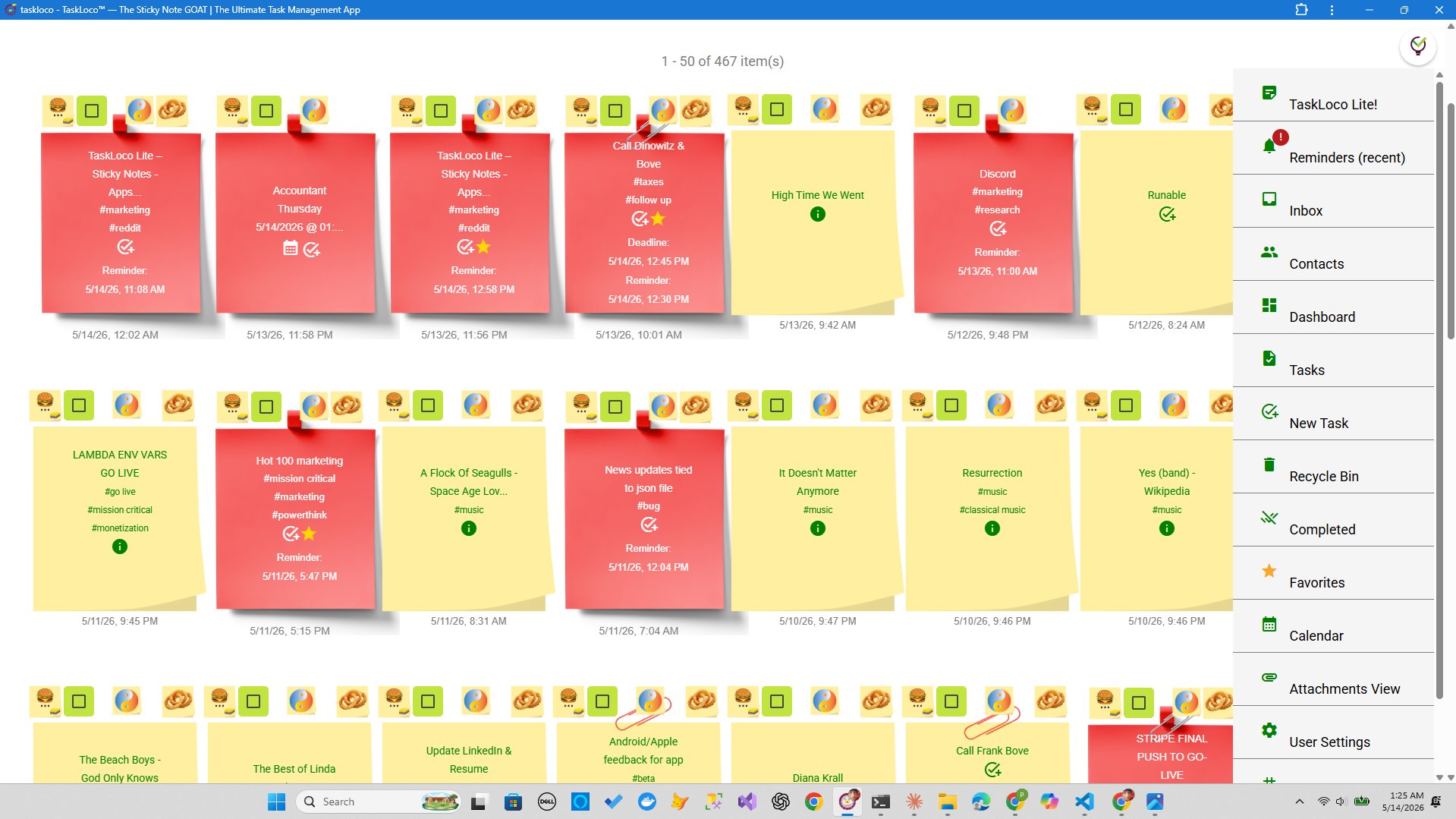
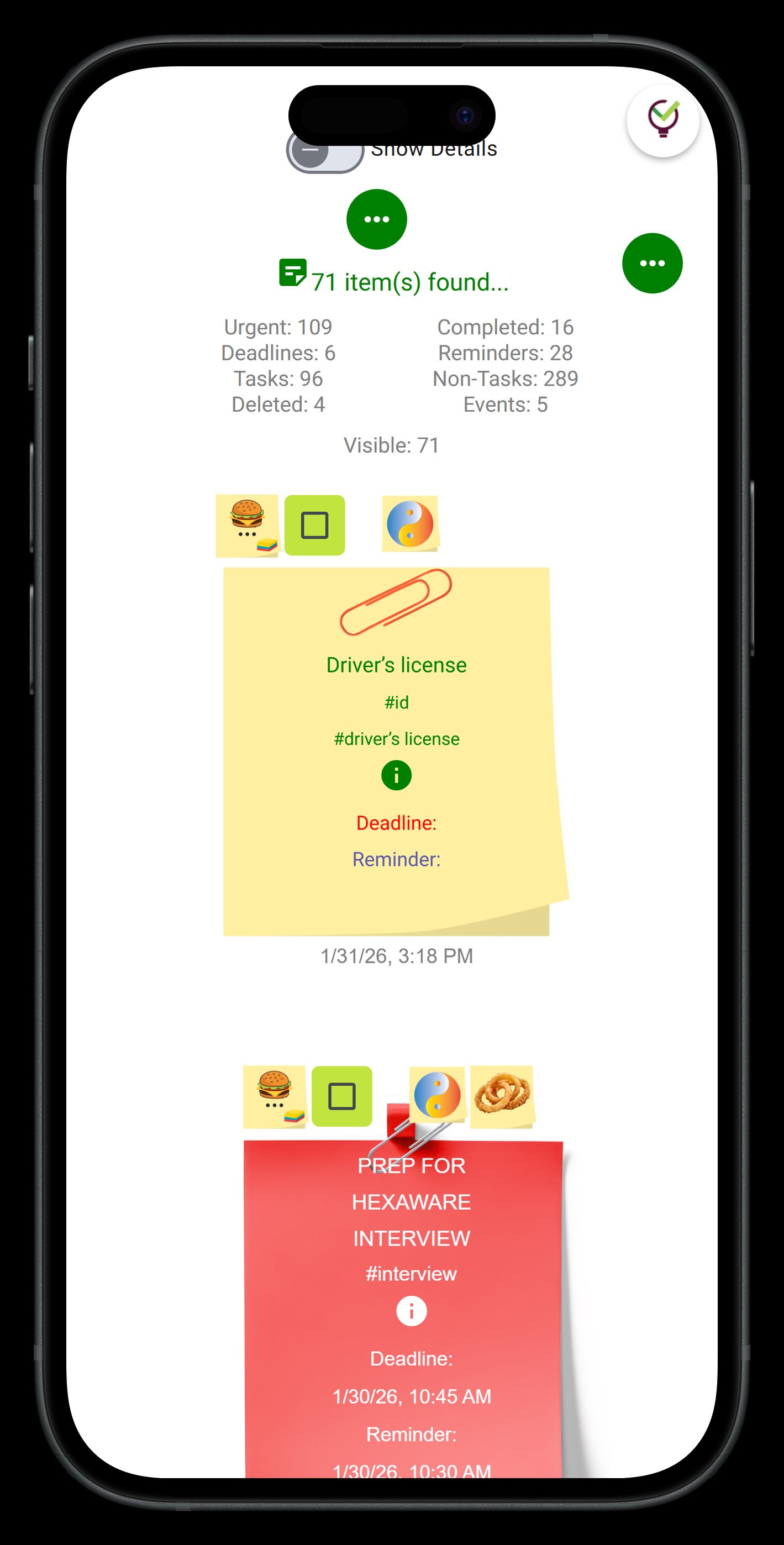
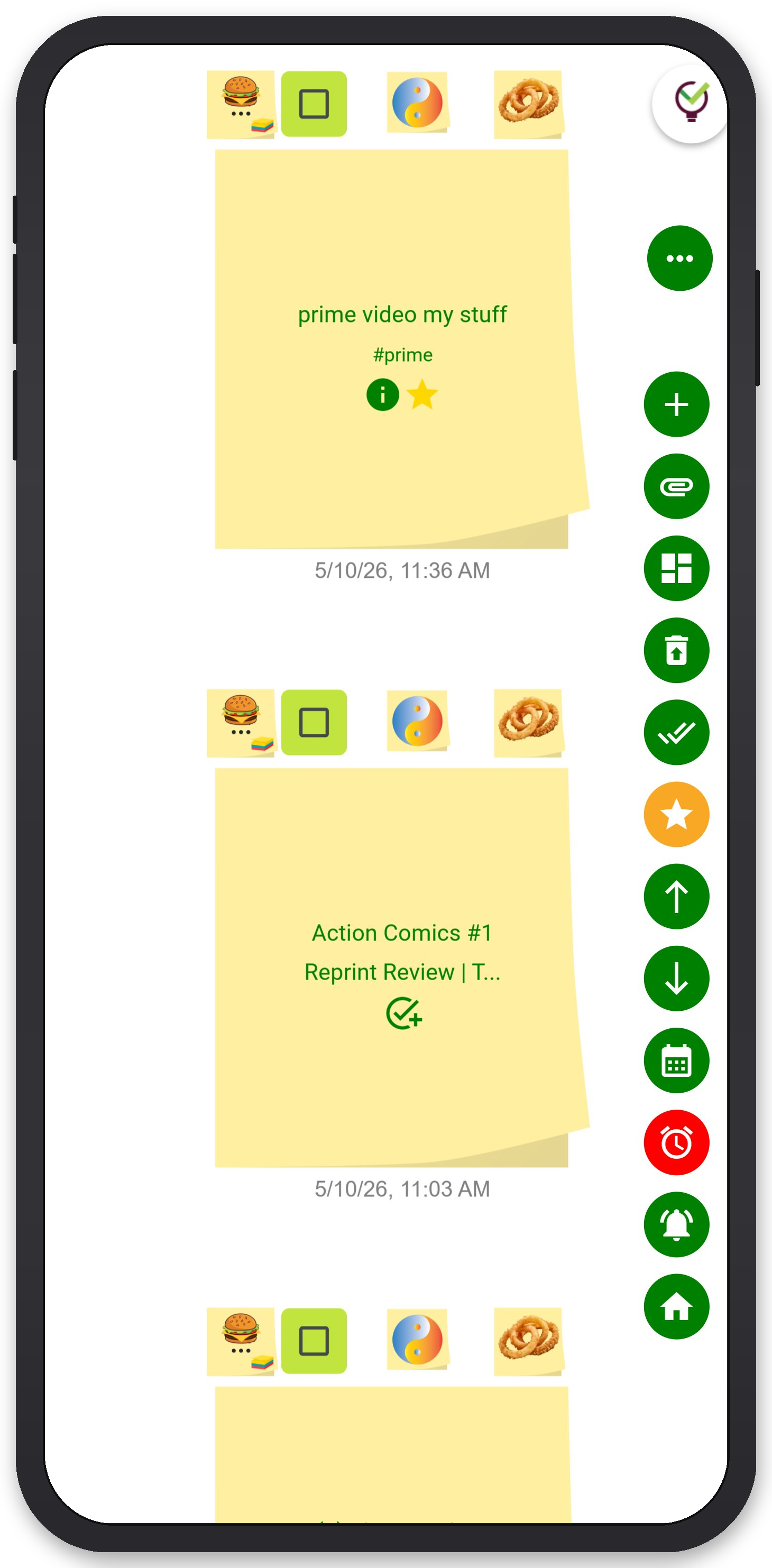
TaskLoco is built around sticky notes — the same mental model you'd use on a physical whiteboard, but with the organization, search, and sync that physical notes can't provide. For AI learners, that maps directly to how you actually think: capture an idea fast, connect it to related notes, attach a PDF or screenshot, set a reminder to revisit it, and share it with a study partner when you're ready.
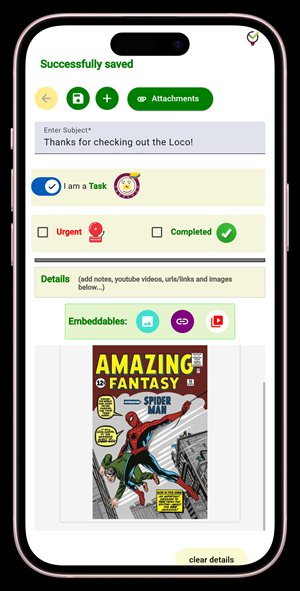
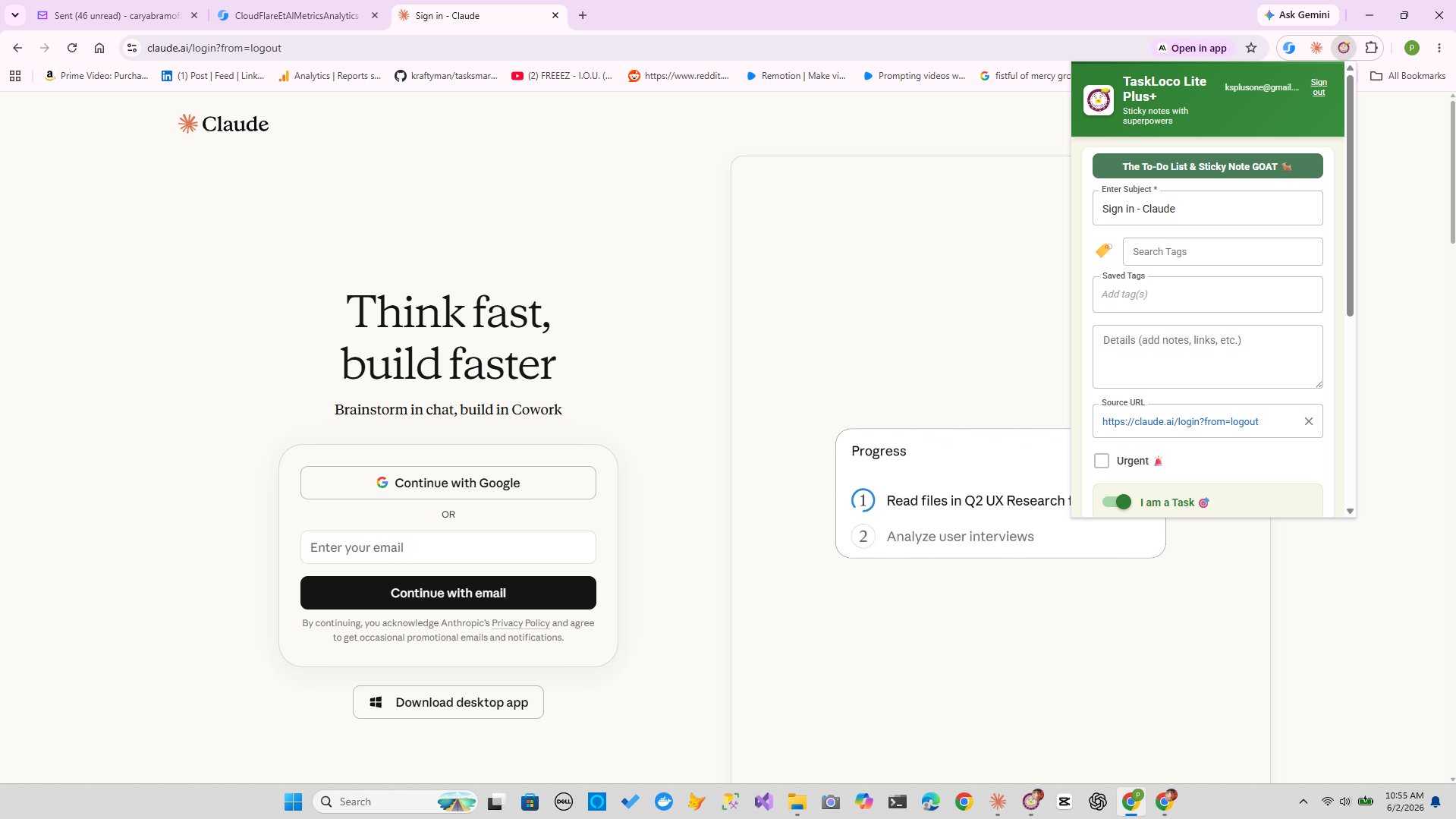
The Chrome extension is particularly useful here. When you hit a great AI article, explanation, or tool page, one click captures the page as a note. No copy-paste, no context switching. The page is saved, searchable, and attached to your learning board.
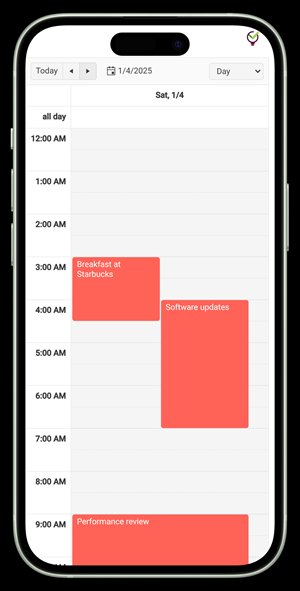
Premium users get unlimited notes, 10GB of file storage for saving PDFs, research papers, and course materials, a calendar view to schedule dedicated learning sessions, and team sharing that works like email — share a note, the recipient clones it and makes it their own. Reminders are delivered as push notifications straight to your phone and computer, with optional email and SMS add-ons, and each reminder deep-links back to the exact note it came from. When it fires, you're one tap away from where you left off.
If you're just starting out, TaskLoco Lite Plus+ is free. Sign in with Google, sync across all your devices through the browser, and store up to 30 notes — enough to get through the early stages of any AI learning track without spending a cent. When your notes multiply and you need reminders, file attachments, and calendar integration, Premium is there.
TaskLoco Premium is regularly $9.99/month per person. Right now, charter members can lock in 50% off the regular price — forever. That means $4.99/month per person today. And if our price ever goes up, you still pay half. Always.
Code CHARTER50 auto-applies at checkout. First 500 spots only — once they're gone, this offer is gone permanently. Act fast while spots last.
Every Premium subscription includes unlimited notes, 10GB file storage, reminders, calendar, and team sharing. Each team member requires a separate subscription. 7-day free trial — no charge until day 8. Cancel anytime.
Free Options: TaskLoco
TaskLoco Lite
- Native iPhone & Android app
- Completely anonymous — no sign-in
- Data stays on your device
- Up to 20 notes
- Free forever
TaskLoco Lite Plus+
- Web app + Chrome extension
- Sign in with Google
- Wall syncs across all devices
- Up to 30 notes
- Free forever
Lock In 50% Off — Forever
7-day free trial. No charge until day 8. CHARTER50 auto-applies at checkout.
🔒 Lock In My Charter SpotSee TaskLoco in Action
Frequently Asked Questions
What is artificial intelligence in simple terms?
AI is software that learns from examples rather than following fixed rules. Instead of a programmer writing every possible instruction, an AI system is trained on large amounts of data and learns to recognize patterns, make predictions, or generate outputs based on what it's seen. The output looks intelligent — but it's pattern matching, not understanding.
What's the difference between AI, machine learning, and deep learning?
These are nested categories. AI is the broadest term — any system mimicking human cognitive tasks. Machine learning is a subset of AI where the system improves through data exposure without explicit programming. Deep learning is a subset of machine learning that uses multi-layer neural networks to tackle complex tasks like language and image recognition. Most consumer AI tools you encounter today are built on deep learning.
Do I need to know math or coding to learn AI?
Not at first. You can build a solid conceptual understanding of AI without writing a single line of code. Courses like Google's Machine Learning Crash Course and fast.ai's practical tracks are designed for beginners. Math (particularly linear algebra and statistics) becomes important if you want to understand how models work internally or pursue ML engineering — but for using AI tools effectively or understanding the field, you don't need it on day one.
What are the best free resources for learning AI?
Several genuinely excellent free options exist: fast.ai's Practical Deep Learning for Coders, Google's Machine Learning Crash Course, 3Blue1Brown's neural network video series on YouTube, Andrew Ng's AI For Everyone course on Coursera (auditable free), and the documentation and research blogs from OpenAI, Anthropic, and Google DeepMind. For staying current on developments, newsletters like The Batch (from deeplearning.ai) are worth following.
What is a large language model (LLM)?
A large language model is a type of deep learning model trained on massive amounts of text. It learns statistical relationships between words and phrases at enormous scale — billions of parameters — which allows it to generate coherent, contextually relevant text, answer questions, translate languages, write code, and more. ChatGPT, Claude, Gemini, and Llama are all LLMs. "Large" refers to the number of parameters, not the physical size of the model.
What is AI hallucination and why does it happen?
AI hallucination is when a language model generates information that sounds plausible but is factually wrong — a made-up citation, an incorrect date, a person who doesn't exist. It happens because LLMs predict probable text sequences based on training data, not because they have access to verified facts. The model has no reliable mechanism for distinguishing what it knows from what it's confidently guessing. This is why cross-checking AI output against primary sources is essential, especially for factual claims.
How can TaskLoco help me learn AI faster?
TaskLoco keeps your AI learning organized without adding friction. Capture notes from any article with the Chrome extension in one click, attach research PDFs with Premium's 10GB file storage, set push notification reminders that deep-link back to the exact note you need to revisit, and use the calendar view to schedule dedicated study sessions. As your knowledge base grows, full-text search finds any note instantly. Free tiers are available — TaskLoco Lite Plus+ syncs up to 30 notes across all your devices at no cost. $9.99/month per person (currently $4.99/month per person for first 500 charter members with code CHARTER50)
Born in Brooklyn. Powered by AWS. Your data stays yours.
TaskLoco is available on iPhone, Android, Chrome, and every web browser.