It's 5:45 on a Tuesday. You're staring into the fridge. Nothing is defrosted. You have no idea what you planned to cook because the plan lived in your head — or worse, in a note you can't find. This is the weeknight scramble, and it costs you time, money, and a shocking number of cereal-for-dinner nights.
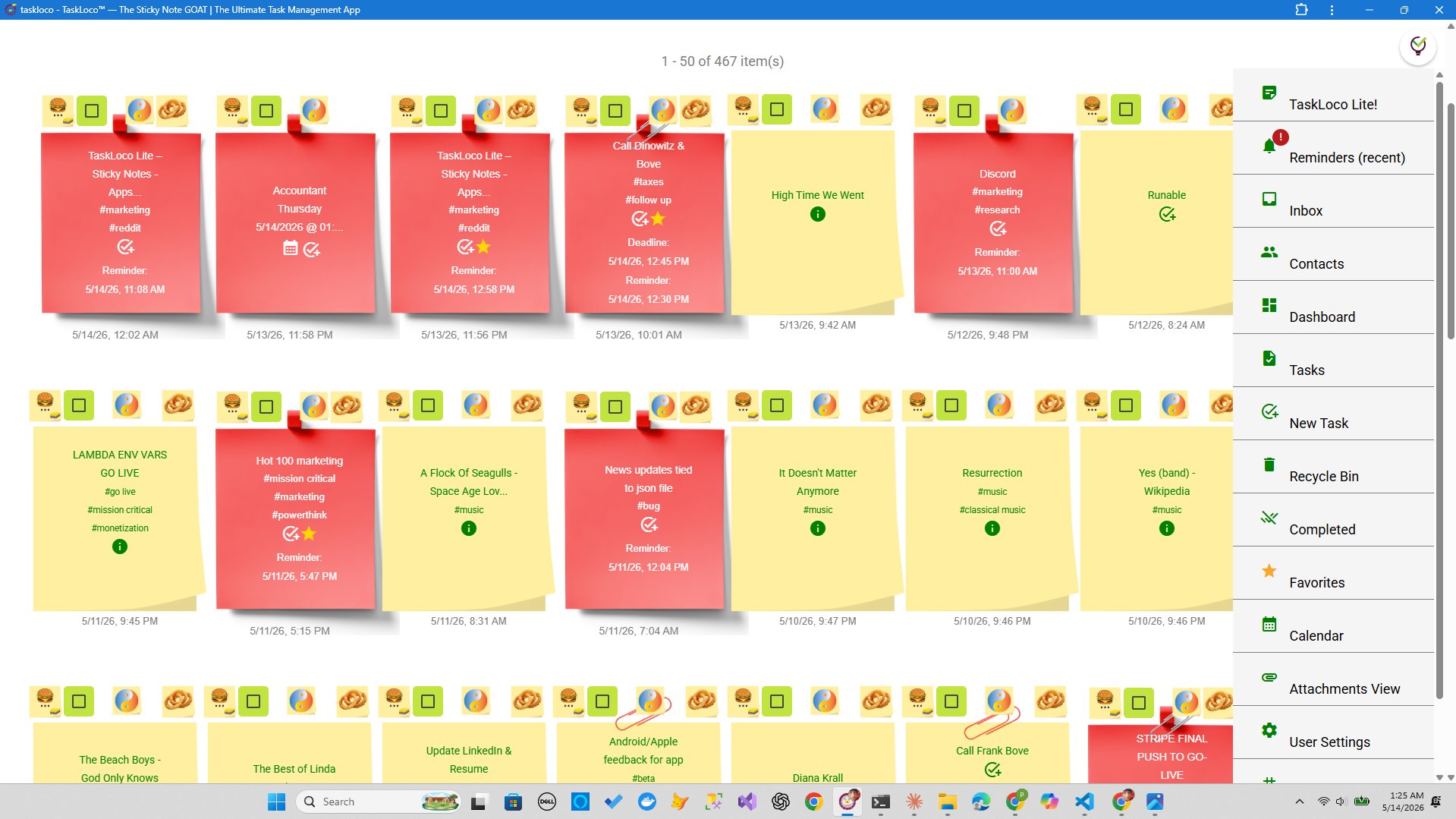
A visual meal planner fixes this not by adding complexity but by giving your week a shape you can actually see. When meals are laid out spatially — Monday through Sunday, all at once — your brain stops treating dinner as a daily crisis and starts treating it like a solved problem. The trick is finding a planner that's flexible enough to match how real households actually operate: where plans change, where three people have opinions, and where Tuesday's leftovers are supposed to become Thursday's lunch.
What to Look for in a Visual Meal Planner
Before any specific tool enters the conversation, it helps to know what separates a meal planner that actually changes your week from one you abandon by Thursday. There are three things that genuinely matter:
- A true week-at-a-glance layout. If you can't see all seven days simultaneously, you're not planning — you're guessing one day at a time. The visual component isn't aesthetic; it's functional. Seeing the whole week lets you spot imbalances (four pasta nights), plan strategically around leftovers, and mentally prep for the busy nights before they arrive.
- Recipe and note attachment. A meal name written on a calendar is only marginally better than nothing. What you actually need is the recipe, the ingredient notes, the substitutions, and the prep reminders attached to that meal. When Tuesday says "Sheet Pan Chicken," you need to be one tap away from the full recipe and a note that says "marinate the night before."
- Flexibility without friction. Life doesn't follow a meal plan. The best visual planners make it effortless to drag Monday's dinner to Wednesday, duplicate last week's plan, or scrap everything and start fresh in under a minute. If rescheduling a meal feels like work, you'll stop doing it — and default back to the scramble.
Secondary considerations — sharing with a partner or family, mobile access, reminders to pull something out of the freezer — are real quality-of-life additions, but they're only worth having if the core three are solid first. Any tool you evaluate should pass the core test before the extras matter.
Why Sticky Notes Are the Perfect Meal Planning Format
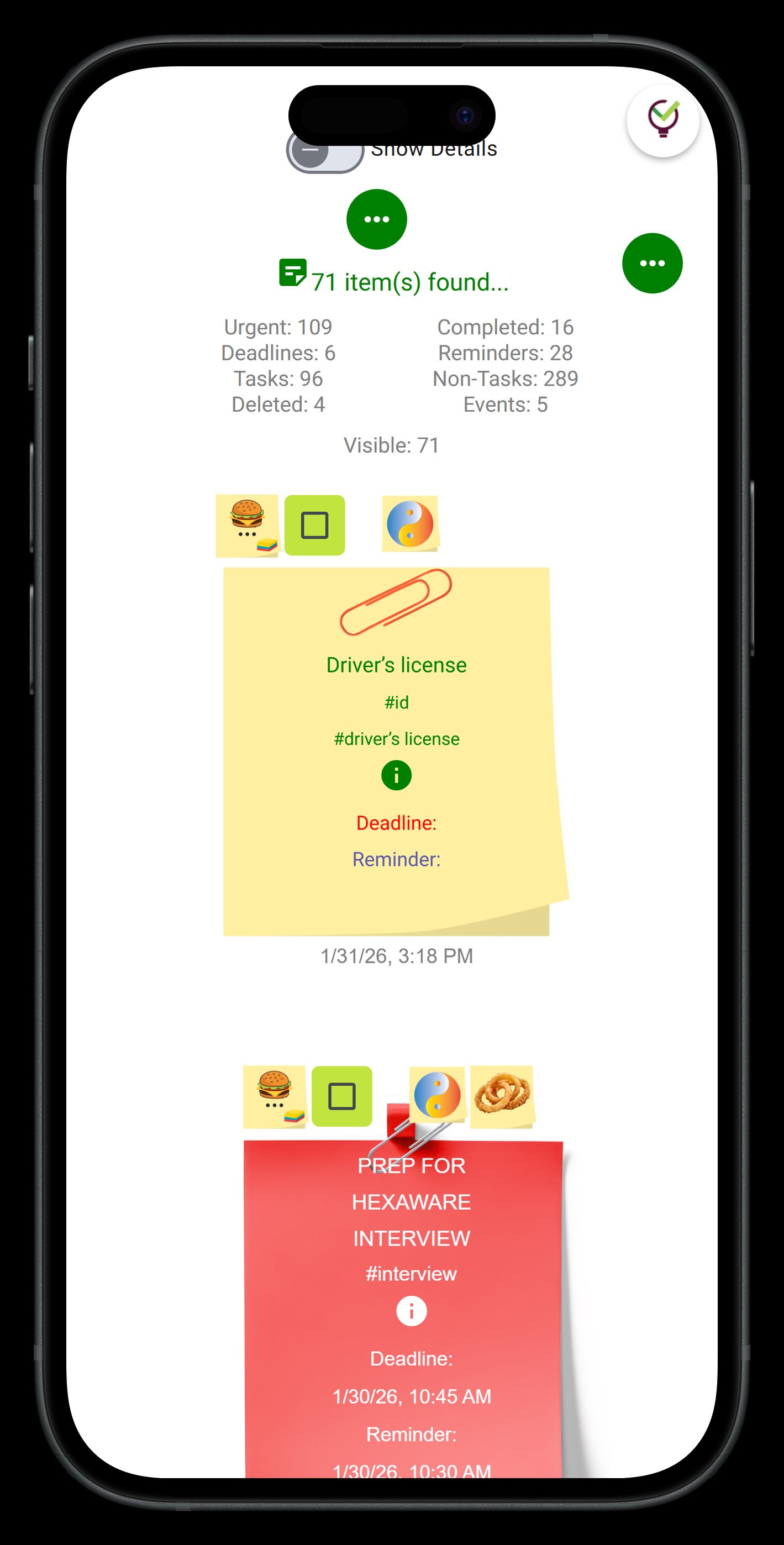
Sticky notes have been on kitchen counters and refrigerator doors for decades for a reason: they're fast, movable, and immediately readable. The problem is that physical sticky notes get lost, can't be shared across a household, and don't link to anything. Digital sticky note apps that mimic the physical format — spatial layout, drag-and-drop, quick edits — take everything that worked and fix what didn't.
For meal planning specifically, the sticky note model maps almost perfectly onto the problem. Each note is a meal. Each column is a day. You can see the whole week on one wall, rearrange dinner and Thursday's leftovers with a drag, and attach the recipe link or prep instructions directly inside the note. When your partner opens the same wall on their phone, they see exactly what you see — no version mismatch, no "did you update the shared calendar?" text message.
The format also handles the messier edges of real meal planning. Got a recipe you saw on Instagram? Capture it with a Chrome extension and drop it straight onto Wednesday's slot. Got a dish that repeats every two weeks? Duplicate the note, recipe attachment and all, rather than retyping from scratch. The spatial nature of a sticky note wall makes the whole week feel manageable at a glance in a way that a list or a spreadsheet never quite does.
How TaskLoco Turns Your Meal Plan Into a Living System
TaskLoco is a sticky note productivity app built around a visual wall that you can organize any way you want. It was designed for tasks and projects, but the format is a near-perfect fit for meal planning — and once you set it up, it runs itself.
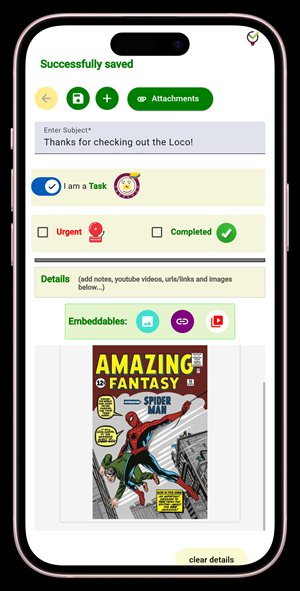
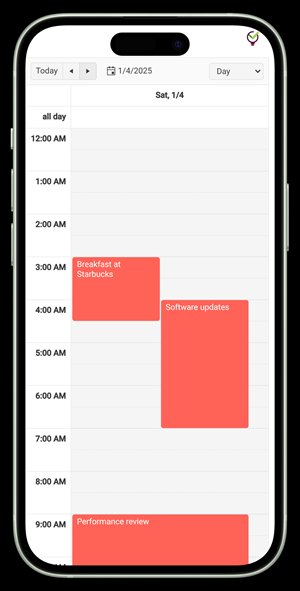
Here's how a typical setup works: create one wall called "This Week's Meals." Add a note for each day — Monday through Sunday. Inside each note, write the meal, paste the recipe, add your prep checklist, and attach any files (a photo of how the dish should look, a PDF recipe, a screenshot of the original post). The calendar view keeps the week in chronological order without you having to manually sort anything.
For households planning together, TaskLoco's team sharing works the way email does: when you share a note or a wall, the recipient can clone it and make it their own. Your partner gets the full meal plan — editable on their side, synced in real time. No one is waiting for "view access" to be granted. No one is looking at a stale version because someone forgot to hit save.
Reminders in TaskLoco are delivered as push notifications directly to your phone and computer, deep-linking straight back to the relevant note. Set one for 4pm to pull the chicken out of the freezer and you'll get a tap on your wrist that drops you directly into that meal's note — recipe, steps, and all. Optional email and SMS channels are available if you prefer those.
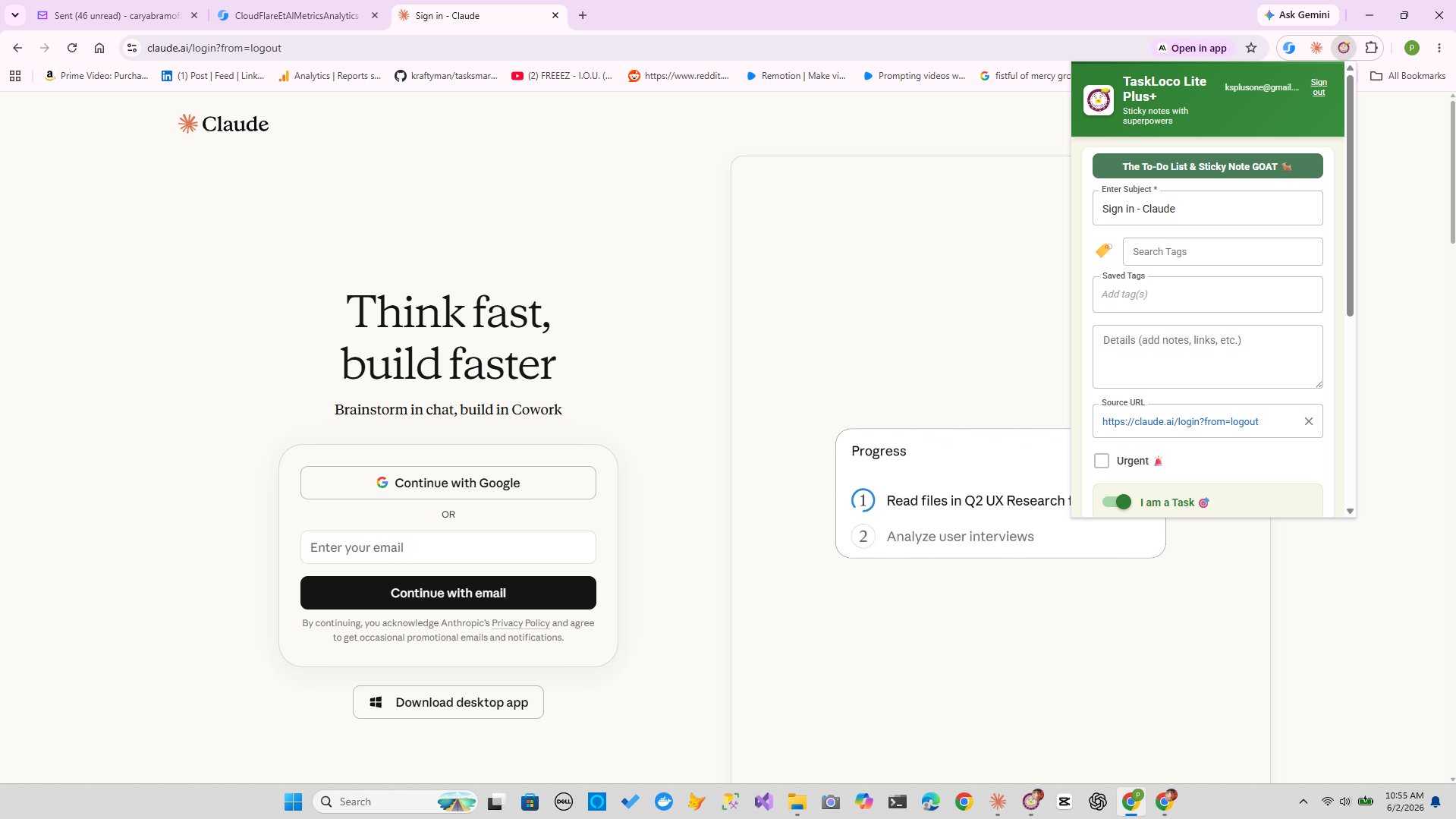
The Chrome extension is genuinely useful here. Find a recipe online, click the extension, and it captures the page as a note — title, URL, content — in one click. Drop it onto the relevant day. Done. No copy-pasting, no lost tabs, no "where did I see that recipe" moments.
Attachments, Storage, and the Recipes You'll Actually Keep
One of the quiet frustrations of digital meal planning is that recipes live everywhere except where you need them. Bookmarks in a browser you don't open on your phone. Screenshots buried in your camera roll. A notes app with no structure. A Pinterest board you haven't looked at since you saved it.
TaskLoco Premium gives you 10GB of file storage per person — enough to hold hundreds of recipe PDFs, food photos, and screenshots without ever purging. Every attachment lives inside the note it belongs to, which means searching for a recipe is just searching for the meal name. Full-text search works across all notes and attachments, so typing "lemon chicken" surfaces every note you've ever tagged with that dish.
For households that cook from the same repertoire week after week, this becomes a real recipe library over time. Your 15 go-to dinners each have their own note, pre-loaded with the recipe, your personal tweaks, and the prep reminders that make them work. Planning the week becomes pulling from that library and arranging it — not starting from scratch every Sunday afternoon.
Extra storage is available if 10GB isn't enough — add-on tiers go from 50GB up to 1TB and are stackable. For most households, 10GB covers years of meal planning without ever hitting a wall.
TaskLoco Premium is regularly $9.99/month per person. Right now, charter members can lock in 50% off the regular price — forever. That means $4.99/month per person today. And if our price ever goes up, you still pay half. Always.
Code CHARTER50 auto-applies at checkout. First 500 spots only — once they're gone, this offer is gone permanently. Act fast while spots last.
Every Premium subscription includes unlimited notes, 10GB file storage, reminders, calendar, and team sharing. Each team member requires a separate subscription. 7-day free trial — no charge until day 8. Cancel anytime.
Free Options: TaskLoco
TaskLoco Lite
- Native iPhone & Android app
- Completely anonymous — no sign-in
- Data stays on your device
- Up to 20 notes
- Free forever
TaskLoco Lite Plus+
- Web app + Chrome extension
- Sign in with Google
- Wall syncs across all devices
- Up to 30 notes
- Free forever
Lock In 50% Off — Forever
7-day free trial. No charge until day 8. CHARTER50 auto-applies at checkout.
🔒 Lock In My Charter SpotSee TaskLoco in Action
Frequently Asked Questions
What makes a visual meal planner better than a regular calendar or list?
A visual meal planner shows your entire week at once in a spatial layout, so you can see patterns, balance meals, and plan around leftovers in a way a linear list doesn't allow. When you can drag Thursday's dinner to Monday in one motion and see the whole week update instantly, planning feels like arranging rather than scheduling — which is much faster and much more likely to actually stick.
Can I use TaskLoco for meal planning if it's a productivity app?
Yes — and it works remarkably well for it. TaskLoco's sticky note wall format maps directly onto meal planning: one note per meal, one column per day, drag-and-drop to rearrange. Add recipes, photos, prep checklists, and reminders inside each note. The calendar view keeps the week in order automatically. Many people find it more flexible than dedicated meal planning apps because it adapts to however your household actually operates.
How do I share a meal plan with my partner or family using TaskLoco?
TaskLoco Premium includes full team sharing. When you share a note or a wall, the recipient can clone it and make it their own — editable, synced, and fully theirs. There are no permission levels to configure. Your partner gets the same meal plan you built, can edit their side, and both versions stay in sync. Each person in the household needs their own separate subscription.
Can I attach recipes and photos to my meal plan notes?
Yes. TaskLoco Premium includes 10GB of file storage per person. You can attach PDFs, photos, screenshots, and any other file format directly inside a note. When Tuesday says 'Sheet Pan Chicken,' the recipe, your notes on it, and a photo of how it should look are all one tap away. The Chrome extension lets you capture any recipe webpage as a note in a single click — no copy-pasting required.
How do reminders work in TaskLoco for meal planning?
Reminders in TaskLoco are delivered as push notifications to your phone and computer, and they deep-link directly back to the note the reminder was set on. Set a reminder to pull something from the freezer at 4pm, and tapping the notification drops you straight into that meal's note — recipe, prep steps, and all. Optional email and SMS notification channels are also available.
What's the difference between TaskLoco's free and paid versions for meal planning?
TaskLoco Lite (the native iPhone and Android app) stores up to 20 notes on your device with no sign-in required — fine for a quick personal list, but no syncing, no reminders, and no file attachments. TaskLoco Lite Plus+ (web app and Chrome extension) syncs up to 30 notes across all your devices for free, but also has no reminders and no file attachments. For real meal planning — with recipes attached, reminders to start dinner, and sharing with a household — you need TaskLoco Premium. $9.99/month per person (currently $4.99/month per person for first 500 charter members with code CHARTER50)
Can I build a reusable recipe library in TaskLoco?
That's one of the best use cases for it. Over time, your go-to meals each get their own note with the recipe, your personal adjustments, and prep reminders already loaded. When you're planning the week, you're pulling from an existing library rather than starting from scratch. Full-text search surfaces any recipe by name or ingredient instantly. Extra storage tiers are available beyond the 10GB that comes with Premium, so your library can grow as long as you keep cooking.
Born in Brooklyn. Powered by AWS. Your data stays yours.
TaskLoco is available on iPhone, Android, Chrome, and every web browser.